
1. Search Result
Search Result
Results for "

vancomycin

" in MedChemExpress (MCE) Product Catalog:

79

Inhibitors & Agonists

1

Screening Libraries

1

Biochemical Assay Reagents

10

Peptides

1

Inhibitory Antibodies

29

Natural
Products

1

Isotope-Labeled Compounds

Cat. No. Product Name Target Research Areas Chemical Structure
  • HY-17362
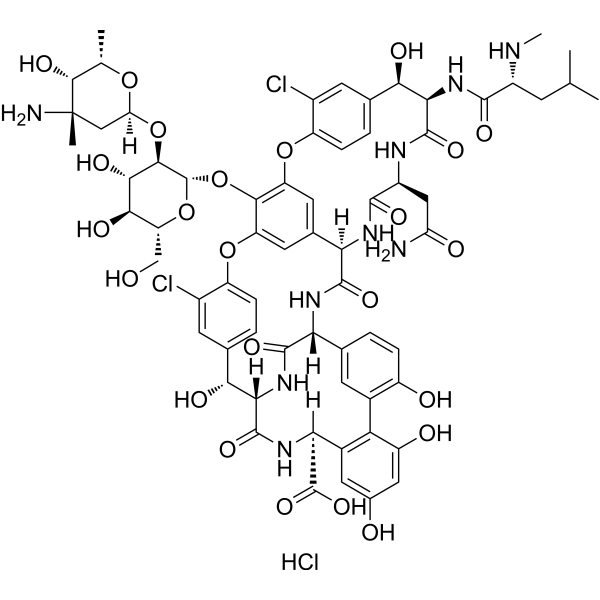
    Vancomycin hydrochloride
    90+ Cited Publications

    Bacterial Autophagy Antibiotic Infection Cancer
    Vancomycin hydrochloride is an antibiotic for the treatment of bacterial infections. It acts by inhibiting the second stage of cell wall synthesis of susceptible bacteria. Vancomycin also alters the permeability of the cell membrane and selectively inhibits ribonucleic acid synthesis.
    Vancomycin hydrochloride
  • HY-B0671
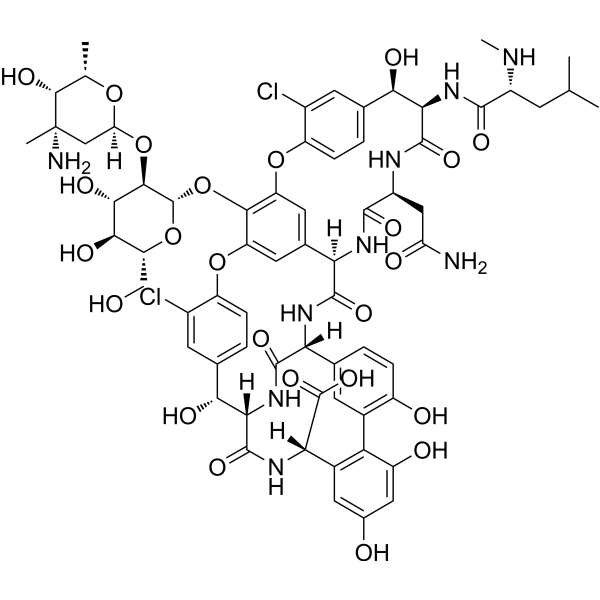
    Vancomycin
    90+ Cited Publications

    Bacterial Autophagy Antibiotic Infection Cancer
    Vancomycin is an antibiotic for the treatment of bacterial infections.
    Vancomycin
  • HY-N0148
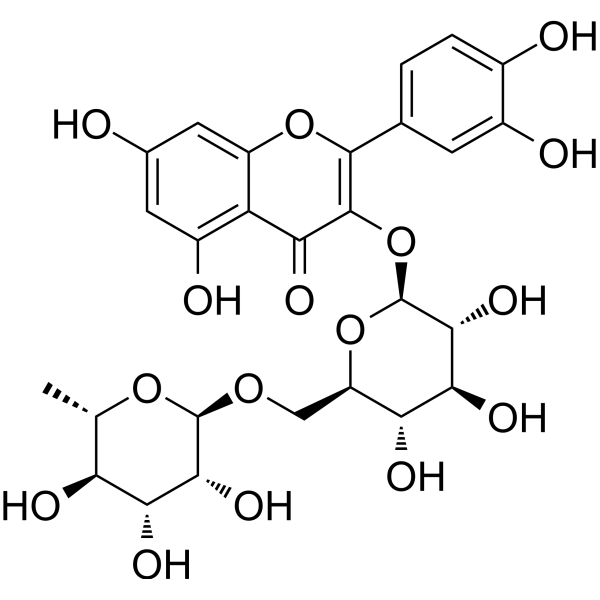
    Rutin
    25+ Cited Publications

    Rutoside; Quercetin 3-O-rutinoside

    Amyloid-β Autophagy Apoptosis Endogenous Metabolite Inflammation/Immunology Cancer
    Rutin (Rutoside) is a flavonoid found in many plants and shows a wide range of biological activities including anti-inflammatory, antidiabetic, antioxidant, neuroprotective, nephroprotective, hepatoprotective and reducing Aβ oligomer activities. Rutin is also a CBR1 inhibitor, which can cross the blood brain barrier. Rutin attenuates vancomycin-induced renal tubular cell apoptosis via suppression of apoptosis, mitochondrial dysfunction, and oxidative stress .
    Rutin
  • HY-N0148A
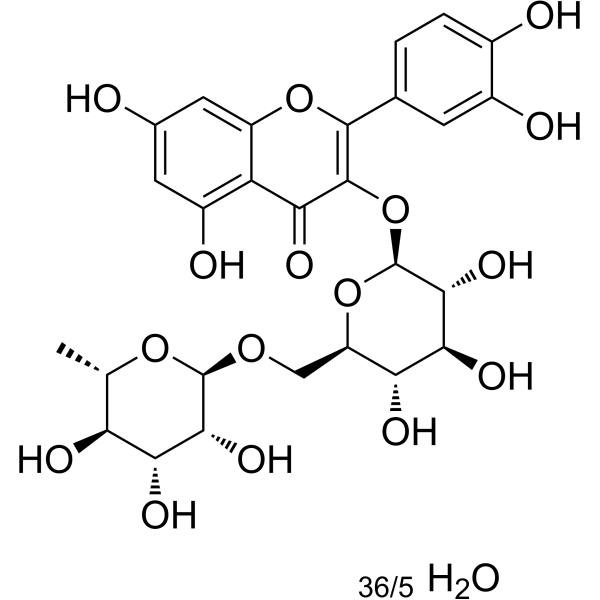
    Rutin hydrate
    25+ Cited Publications

    Rutoside hydrate; Quercetin 3-O-rutinoside hydrate

    Amyloid-β Autophagy Apoptosis Endogenous Metabolite Neurological Disease Cancer
    Rutin (Rutoside) hydrate is a flavonoid found in many plants and shows a wide range of biological activities including anti-inflammatory, antidiabetic, antioxidant, neuroprotective, nephroprotective, hepatoprotective and reducing Aβ oligomer activities. Rutin hydrate can cross the blood brain barrier. Rutin hydrate attenuates vancomycin-induced renal tubular cell apoptosis via suppression of apoptosis, mitochondrial dysfunction, and oxidative stress .
    Rutin hydrate
  • HY-112579
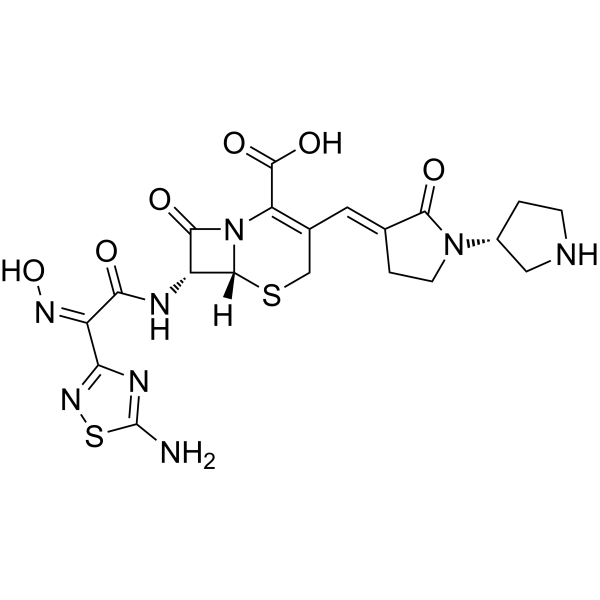
    Ceftobiprole
    3 Publications Verification

    Ro 63-9141; BAL 9141

    Bacterial Antibiotic Infection Inflammation/Immunology
    Ceftobiprole (Ro 63-9141) is a broad-spectrum cephalosporin with high levels of in vitro activity against methicillin- (MRSA) and vancomycin-resistant staphylococci (VRSA) and penicillin-resistant streptococci with a MIC90 value of 2 μg/mL for MRSA. Ceftobiprole also inhibits gram-positive and gram-negative pathogens. Ceftobiprole can be used for the study of hospital-acquired pneumonia (excluding ventilator-associated pneumonia) and community-acquired pneumonia .
    Ceftobiprole
  • HY-B1831A
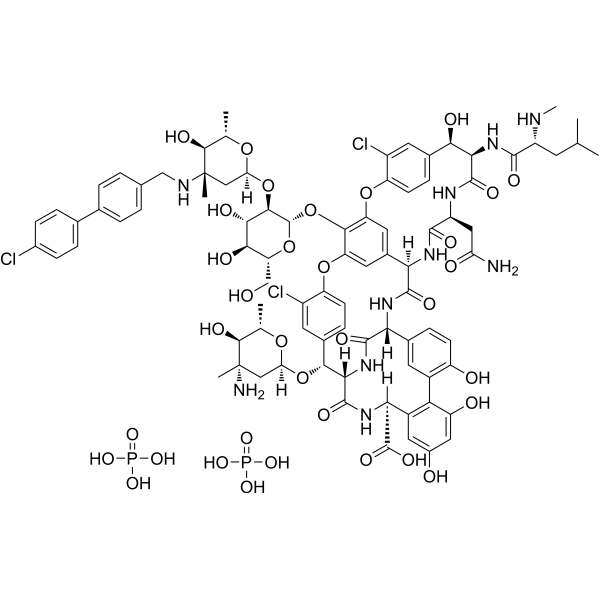
    Oritavancin diphosphate
    2 Publications Verification

    LY333328 diphosphate

    Bacterial Antibiotic Infection Inflammation/Immunology
    Oritavancin diphosphate (LY333328 diphosphate), a semisynthetic derivative of Vancomycin (HY-B0671), is an orally active glycopeptide antibiotic with bactericidal activity against gram-positive organisms. Oritavancin diphosphate shows antibacterial effect against B. anthracis, such as Ames strain with a MIC value of 0.015 g/mL. Oritavancin diphosphate inhibits cell wall synthesis and disrupts the membrane potential. Oritavancin diphosphate inhibits ArlS kinase activity thereby interfering the signal transduction. Oritavancin diphosphate enters cells by adsorptive endocytosis, which drives it to lysosomes, where it exerts antibiotic activity .
    Oritavancin diphosphate
  • HY-106574A

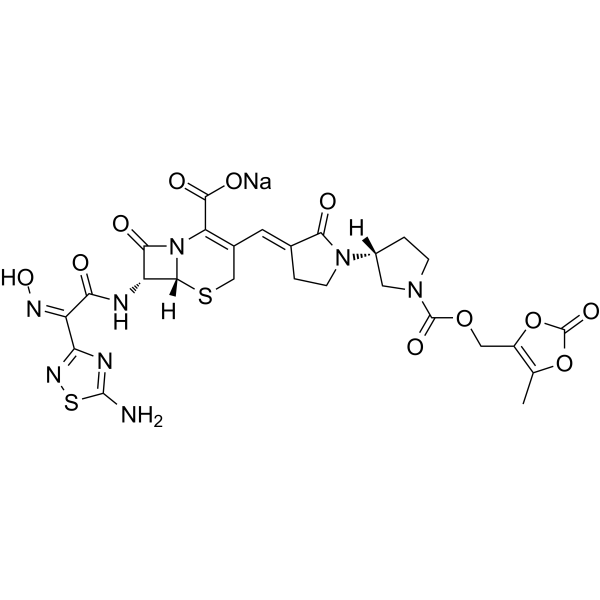
    BAL5788 sodium

    Bacterial Infection Inflammation/Immunology
    Ceftobiprole medocaril (BAL5788) sodium is the parenteral proagent of Ceftobiprole (HY-112579). Ceftobiprole is a parenteral pyrrolidinone cephalosporin. Ceftobiprole is a broad-spectrum cephalosporin with high levels of in vitro activity against methicillin- (MRSA) and vancomycin-resistant staphylococci (VRSA) and penicillin-resistant streptococci. Ceftobiprole also inhibits gram-positive and gram-negative pathogens .
    Ceftobiprole medocaril sodium
  • HY-P99583

    MEDI4893

    Bacterial Infection Inflammation/Immunology
    Suvratoxumab (MEDI4893) is a long-acting, high-affinity human anti-α-toxin monoclonal antibody (IgG1κ type). Suvratoxumab potently neutralizes α-toxin, a key S. aureus virulence factor. Suvratoxumab improves survival and reduces lung injury in an immunocompromised mice model of pneumonia. Suvratoxumab also enhances the antibacterial activity of Vancomycin (HY-B0671) or Linezolid (HY-10394) .
    Suvratoxumab
  • HY-N0148R

    Rutoside (Standard); Quercetin 3-O-rutinoside (Standard)

    Reference Standards Amyloid-β Autophagy Apoptosis Endogenous Metabolite Inflammation/Immunology Cancer
    Rutin (Standard) is the analytical standard of Rutin. This product is intended for research and analytical applications. Rutin (Rutoside) is a flavonoid found in many plants and shows a wide range of biological activities including anti-inflammatory, antidiabetic, antioxidant, neuroprotective, nephroprotective, hepatoprotective and reducing Aβ oligomer activities. Rutin is also a CBR1 inhibitor, which can cross the blood brain barrier. Rutin attenuates vancomycin-induced renal tubular cell apoptosis via suppression of apoptosis, mitochondrial dysfunction, and oxidative stress .
    Rutin (Standard)
  • HY-112959

    TD-6424

    Antibiotic Bacterial Infection
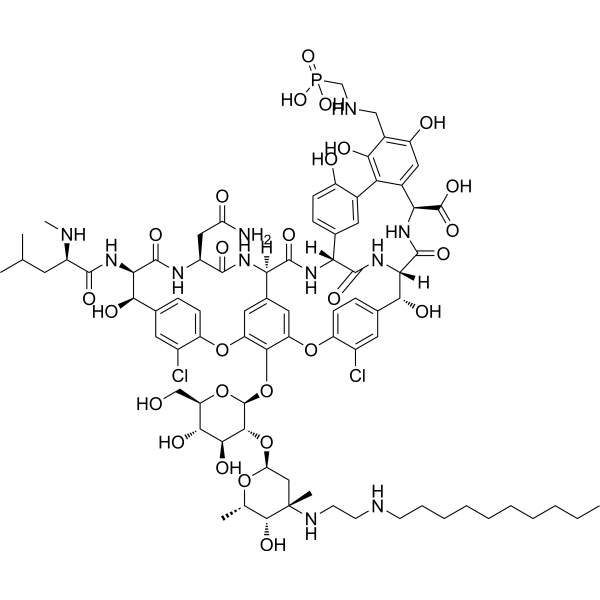
    Telavancin (TD-6424) is a semisynthetic lipoglycopeptide vancomycin-derivative, is a novel antimicrobial agent developed by Theravance for overcoming resistant Gram-positive bacterial infections, specifically methicillin-resistant Staphylococcus aureus (MRSA). Telavancin disrupts cell membrane integrity, can be used for research of complicated skin and skin structure infections (cSSSIs) caused by Gram-positive bacteria .
    Telavancin
  • HY-134978
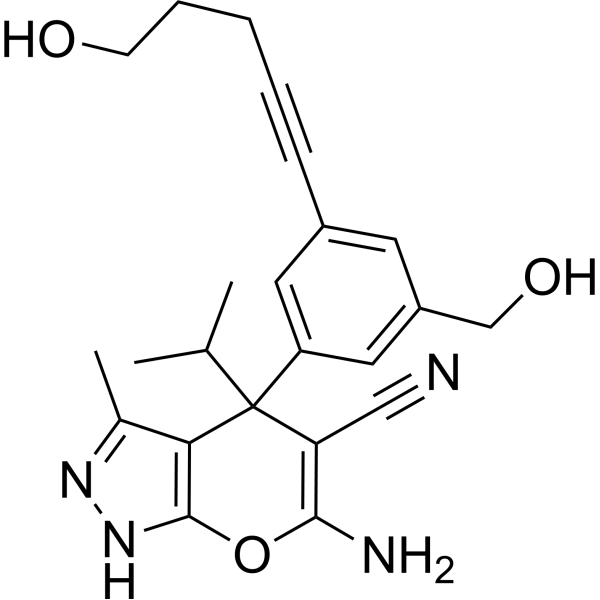
    (Rac)-SHIN2
    2 Publications Verification

    SHMT Bacterial Others
    (Rac)-SHIN2 is a pyrazolopyran derivative and a serine hydroxymethyltransferase (SHMT) inhibitor. (Rac)-SHIN2 has antibacterial activity and low cytotoxicity against Hep2 cells. (Rac)-SHIN2 exerts potent antibacterial activity against both vancomycin-susceptible and vanA-type vancomycin-resistant Enterococcus .
    (Rac)-SHIN2
  • HY-17362R

    Reference Standards Bacterial Autophagy Antibiotic Infection Cancer
    Vancomycin (hydrochloride) (Standard) is the analytical standard of Vancomycin (hydrochloride). This product is intended for research and analytical applications. Vancomycin hydrochloride is an antibiotic for the treatment of bacterial infections. It acts by inhibiting the second stage of cell wall synthesis of susceptible bacteria. Vancomycin also alters the permeability of the cell membrane and selectively inhibits ribonucleic acid synthesis.
    Vancomycin hydrochloride (Standard)
  • HY-P3078

    Bacterial Antibiotic Infection
    Amphomycin is a lipopeptide antibiotic that inhibits peptidoglycan synthesis and blocks cell wall development. Amphomycin exhibits potent antibacterial activities against methicillin-resistant S. aureus (MRSA), vancomycin-resistant enterococci (VRE), penicillin-gentamicin-erythromycin-resistant S. pneumonia, and linezolid-quinupristin-dalfopristin-resistant enterococci .
    Amphomycin
  • HY-A0279

    Pristinamycine

    Bacterial Antibiotic Infection
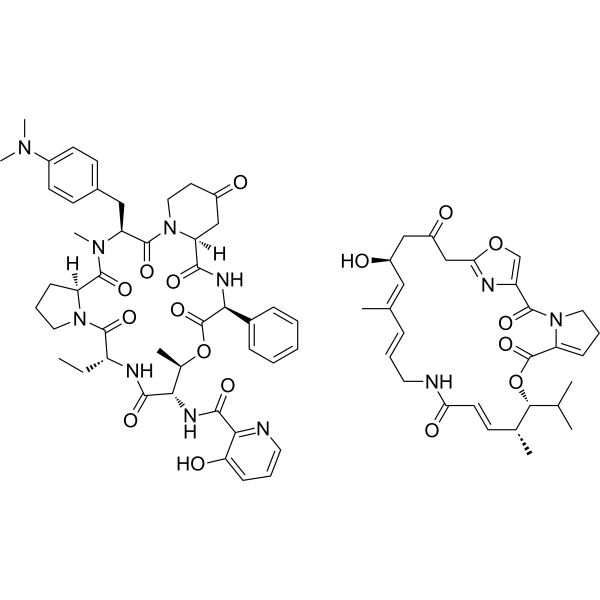
    Pristinamycin, produced by Streptomyces pristinaespiralis, is an orally active streptogramin-like antibiotic consisting of two chemically unrelated components: Pristinamycin I (PI) and Pristinamycin II (PII). Pristinamycin is highly active against many antibiotic-resistant pathogens, particularly Gram-positive bacteria, including Methicillin-resistant Staphylococcus aureus (MRSA), Vancomycin-resistant S. aureus (VRSA) and Enterococcus faecium (VREF) .
    Pristinamycin
  • HY-133119

    Bacterial Infection
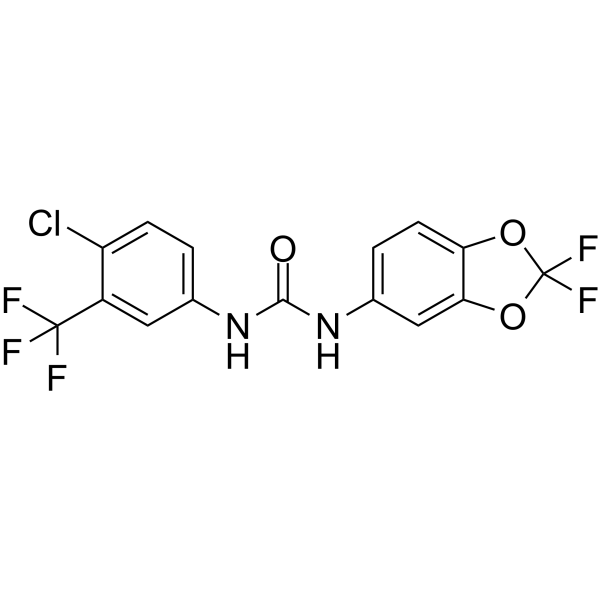
    PK150, an analogue of Sorafenib, shows oral bioavailability and antibacterial activity against several pathogenic strains at submicromolar concentrations. PK150 inhibits Gram-positive Methicillin-sensitive S. aureus (MSSA), Methicillin-resistant S. aureus (MRSA), Vancomycin intermediate S. aureus (VISA) with MICs of 0.3, 0.3-1, 0.3 μM, respectively .
    PK150
  • HY-B0671S

    Isotope-Labeled Compounds Antibiotic Autophagy Bacterial Infection Cancer
    Vancomycin-d12 TFA is a deuterium labeled Vancomycin (HY-B0671). Vancomycin is an antibiotic for the treatment of bacterial infections. It acts by inhibiting the second stage of cell wall synthesis of susceptible bacteria. Vancomycin also alters the permeability of the cell membrane and selectively inhibits ribonucleic acid synthesis .
    Vancomycin-d12 TFA
  • HY-10393

    PNU-100592

    Bacterial Antibiotic Infection
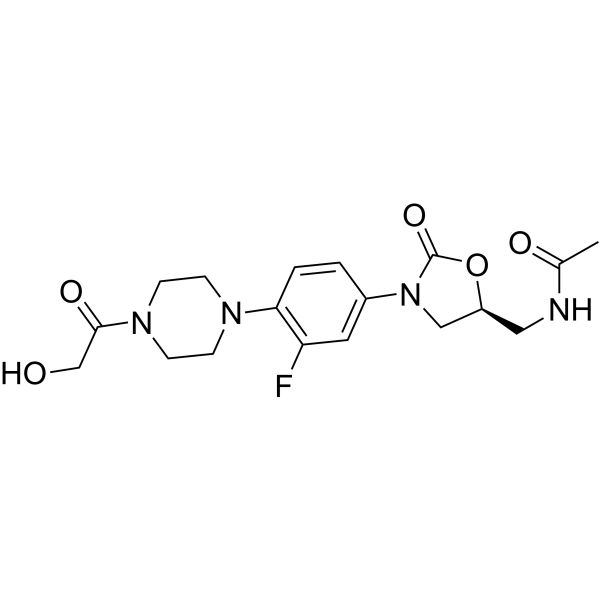
    Eperezolid (PNU-100592) is an orally active protein synthesis inhibitor that targets the bacterial 50S ribosomal subunit. Eperezolid competitively binds to a specific site on the ribosomal 50S subunit (overlapping with the binding sites of chloramphenicol (HY-B0239) and lincomycin (HY-117660)) to inhibit the translation initiation stage and exert antibacterial activity. Eperezolid can induce host cell autophagy to enhance the clearance of intracellular mycobacteria, and its MIC90 for Staphylococcus aureus and Enterococcus is 1-4 μg/mL. Eperezolid is mainly used for antibacterial research on infections with Gram-positive bacteria such as methicillin-resistant (HY-121544) Staphylococci and vancomycin-resistant (HY-B0671) Enterococci, as well as infections with intracellular bacteria such as Mycobacterium tuberculosis .
    Eperezolid
  • HY-153695

    Bacterial Infection
    TXA707 is an FtsZ-targeting antibacterial agent. TXA707 disrupts bacterial septum formation, induces cell enlargement, causes penicillin-binding protein mislocalization, and triggers cell lysis in Staphylococcus aureus cells. TXA707 can be used for the research of Staphylococcus aureus infections .
    TXA707
  • HY-N10765

    Bacterial Inflammation/Immunology Cancer
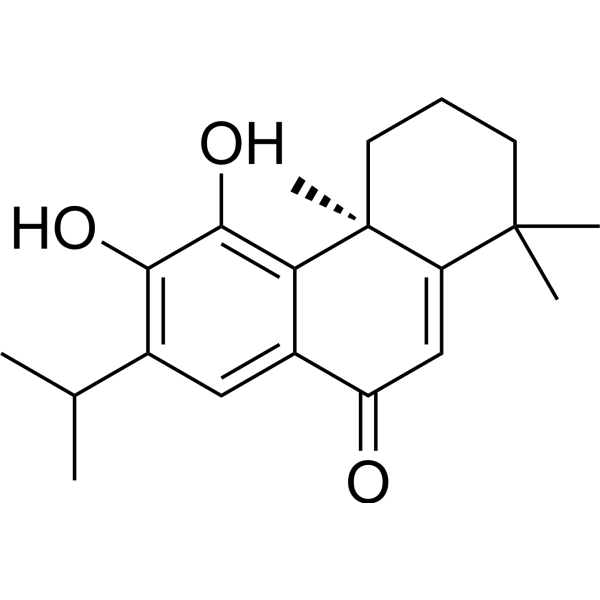
    Salvinolone is active against methicillin-resistant Staphylococcus aureus (MRSA) and vancomycin-resistant Enterococcus (VRE). Salvinolone shows cytotoxic activity with an IC50 of 47.6 μM against the HL-60 tumor cell line for 72 h .
    Salvinolone
  • HY-B0671R

    Reference Standards Bacterial Autophagy Antibiotic Infection Cancer
    Vancomycin (Standard) is the analytical standard of Vancomycin. This product is intended for research and analytical applications. Vancomycin is an antibiotic for the treatment of bacterial infections.
    Vancomycin (Standard)
  • HY-16485
    Telavancin hydrochloride
    1 Publications Verification

    TD-6424 hydrochloride

    Antibiotic Bacterial Infection
    Telavancin hydrochloride is the hydrochloride form of Telavancin (HY-112959). Telavancin hydrochloride is a semisynthetic derivative of vancomycin, and exhibits antibacterial efficacy through inhibition of cell wall synthesis and disruption of cell membrane barrier function. Telavancin hydrochloride is efficient against antibiotic resistant S. aureus strains MRSA, VISA, and hVISA. Telavancin hydrochloride attenuates gram positive bacteria induced complicated skin and skin structure infections (cSSSI) .
    Telavancin hydrochloride
  • HY-P11085

    Bacterial Infection
    WLBU2 is a engineered cationic antimicrobial peptide (eCAP) that overcomes the environmental sensitivity of natural antimicrobial peptides (AMPs). WLBU2 exhibits rapid bactericidal effect, with the MIC values of ≤ 10 μM against both Gram-negative and Gram-positive bacteria including MRSA, vancomycin-resistant enterococci, K. pneumoniae, E.aerogenes, E. cloacae, Escherichia coli, et, al. WLBU2 prevents P. aeruginosa biofilm growth and retains its activity in an environment rich in mucus, low pH and high salt concentrations without negative effects on human airway epithelial cells. WLBU2 can be used for the studies of cystic fibrosis (CF) and Pseudomonas aeruginosa infections .
    WLBU2
  • HY-P3361A

    Parasite Bacterial Antibiotic Infection Inflammation/Immunology
    IDR-1018 acetate is an innate defense regulator conjugate, with MICs of 16 μg/mL for MRSA USA300 LAC, MRSA SAP 0017 and S. epidermidis ATCC14990. IDR-1018 acetate can be used to synthesis V-IDR1018 (vancomycin-innate defense regulator conjugate) .
    IDR-1018 acetate
  • HY-111071

    CG-400549

    Bacterial Antibiotic Infection Inflammation/Immunology
    Nilofabicin is an enoyl-(acyl-carrier protein) reductase (FabI) inhibitor. Nilofabicin had an MIC(90) of 0.5 microg/ml for Staphylococcus aureus strains and was more potent than either linezolid or vancomycin .
    Nilofabicin
  • HY-P3361

    Parasite Bacterial Antibiotic Infection Inflammation/Immunology
    IDR-1018 is an innate defense regulator conjugate, with MICs of 16 μg/mL for MRSA USA300 LAC, MRSA SAP 0017 and S. epidermidis ATCC14990. IDR-1018 can be used to synthesis V-IDR1018 (vancomycin-innate defense regulator conjugate) .
    IDR-1018
  • HY-116863

    Bacterial Infection
    KKL-40 is a small molecule inhibitor that targets the trans-transcription process and is effective against methicillin-sensitive and -resistant Staphylococcus aureus (S. aureus) as well as other Gram-positive pathogens including vancomycin-resistant Enterococcus faecium, Bacillus subtilis, and Streptococcus pyogenes. KKL-40 synergizes with the human antimicrobial peptide LL-37 to inhibit S. aureus, but does not synergize with other antibiotics such as daptomycin, kanamycin, or erythromycin. Trans-transcription is an extreme form of recoding, and KKL-40 inhibits trans-transcription but is nontoxic to HeLa cells .
    KKL-40
  • HY-105282

    MM 45289; A 82846A

    Antibiotic Bacterial Infection
    Eremomycin (MM 45289) is a potent glycopeptide antibiotic closely related to Vancomycin (HY-B0671). Eremomycin shows antibacterial activity in Staphylococcus spp. and Bacillus subtilis ATCC6633, with the MIC values of 0.03-1.6 μg/mL .
    Eremomycin
  • HY-156198

    Antibiotic Bacterial Infection
    Bottromycin A2 is a natural antibiotic. Bottromycin A2 is active against methicillin-resistant Staphylococcus aureus (MRSA) and vancomycin-resistant Enterococci (VRE) .
    Bottromycin A2
  • HY-14849

    Razupenem; SM 216601; SMP 601

    Antibiotic Bacterial Others
    PTZ601 (SMP 601) is an antibiotic, which inhibits the gram-positive bacteria, including the Vancomycin (HY-B0671)-resistant Enterococcus faecium (VREF) and Methicillin (HY-121544)-resistant Staphylococcus aureus (MRSA). PTZ601 exhibits antimicrobial activity in infected mouse models .
    PTZ601
  • HY-B1831

    LY 333328; Orbactiv

    Antibiotic Bacterial Infection Inflammation/Immunology
    Oritavancin (LY 333328), a semisynthetic derivative of Vancomycin (HY-B0671), is an orally active glycopeptide antibiotic with bactericidal activity against gram-positive organisms. Oritavancin shows antibacterial effect against B. anthracis, such as Ames strain with a MIC value of 0.015 g/mL. Oritavancin inhibits cell wall synthesis and disrupts the membrane potential. Oritavancin inhibits ArlS kinase activity thereby interfering the signal transduction. Oritavancin enters cells by adsorptive endocytosis, which drives it to lysosomes, where it exerts antibiotic activity .
    Oritavancin
  • HY-106574

    BAL5788

    Bacterial Infection Inflammation/Immunology
    Ceftobiprole medocaril (BAL5788) is the parenteral proagent of Ceftobiprole (HY-112579). Ceftobiprole is a parenteral pyrrolidinone cephalosporin. Ceftobiprole is a broad-spectrum cephalosporin with high levels of in vitro activity against methicillin- (MRSA) and vancomycin-resistant staphylococci (VRSA) and penicillin-resistant streptococci. Ceftobiprole also inhibits gram-positive and gram-negative pathogens .
    Ceftobiprole medocaril
  • HY-W033728

    Bacterial Infection
    Platinum(COD)dichloride (Compound Pt1) is an Antibacterial agent. Platinum(COD)dichloride shows antibacterial activity against a panel of gram-positive bacteria including Vancomycin (HY-B0671) and Methicillin (HY-121544) resistant Staphylococcus aureus .
    Platinum(COD)dichloride
  • HY-172813

    Bacterial Antibiotic Autophagy Infection Cancer
    Vancomycin prodrug (compound 13c) is a Vancomycin (HY-B0671) prodrug. Vancomycin prodrug shows antibacterial effect with MICs of 0.78 μM, 0.78 μM, 1.56 μM for S. aureus 330041, MRSA USA 300 and MRSA 3390, respectively. Vancomycin prodrug has the ability to quickly bind to Cys-34 residue of plasma. Vancomycin prodrug exhibits a good therapeutic effect on MRSA USA300 infected mice similar to Vancomycin. Vancomycin prodrug, an albumin-binding acid-sensitive prodrug, effectively reduces Vancomycin’s nephrotoxicity while maintaining its efficacy for Gram-positive bacterial infections .
    Vancomycin prodrug
  • HY-117845

    LL-E19085α

    Antibiotic Bacterial Infection
    Citreamicin alpha (LL-E 19085-alpha) is an antibiotic whose in vitro antimicrobial activity against 429 clinical isolates of Gram-positive cocci has been tested by the agar dilution method. These microorganisms included 313 strains of Staphylococci and 116 strains of Streptococci. The in vitro activity of Citreamicin alpha was compared with that of ampicillin, amoxicillin, ceftriaxone, erythromycin, and vancomycin. For Staphylococci, the MIC values of Citreamicin alpha ranged from 0.12-4.0 μg/ml, and for Streptococcus pyogenes of the genus Streptococcus, it was 0.03-0.12 μg/ml. However, enterococci were relatively resistant, requiring 2.0 μg/ml of the agent to inhibit 64% of the 62 tested strains. The in vitro activity of this antibiotic was much better than that of ampicillin, amoxicillin, ceftriaxone, and erythromycin, but comparable or slightly inferior to that of vancomycin.
    Citreamicin alpha
  • HY-W436428

    Na+/K+ ATPase Bacterial Infection
    V-161 is the orally active inhibitor for Na +-V-ATPase with an IC50 of 144 nM. V-161 inhibits Enterococcus hirae and Vancomycin-resistant Enterococcus faecium (VRE) under alkaline condition with MIC of 4 µg/mL and 4 µg/mL. V-161 inhibits colonization of VRE in mouse small intestine .
    V-161
  • HY-143326

    Bacterial Infection
    Antibacterial agent 83 (compound 17h) displays potent antibacterial activity against various vancomycin-resistant Enterococcus faecalis (VRE) and methicillin-resistant Staphylococcus aureus (MRSA). Antibacterial agent 83 can significantly reduce the biofilm formation of MRSA and exhibited promising selectivity. Antibacterial agent 83 is metabolically stable in human liver microsomes .
    Antibacterial agent 83
  • HY-146811

    Bacterial Inflammation/Immunology
    HSGN-94 is a potent antimicrobial agent with lipoteichoic acid (LTA) biosynthesis inhibition. HSGN-94 inhibits drug-resistant Gram-positive bacteria with MIC values of 0.25-2 μg/mL. HSGN-94 inhibits biofilm formation of MRSA and Vancomycin-resistant Enterococci. HSGN-94 also inhibits pro-inflammatory cytokines, exhibits in vivo efficacy in an MRSA murine wound infection model .
    HSGN-94
  • HY-N0148AR

    Rutoside hydrate (Standard); Quercetin 3-O-rutinoside hydrate (Standard)

    Amyloid-β Autophagy Apoptosis Endogenous Metabolite Reference Standards Neurological Disease Cancer
    Rutin (hydrate) (Standard) is the analytical standard of Rutin (hydrate). This product is intended for research and analytical applications. Rutin (Rutoside) hydrate is a flavonoid found in many plants and shows a wide range of biological activities including anti-inflammatory, antidiabetic, antioxidant, neuroprotective, nephroprotective, hepatoprotective and reducing Aβ oligomer activities. Rutin hydrate can cross the blood brain barrier. Rutin hydrate attenuates vancomycin-induced renal tubular cell apoptosis via suppression of apoptosis, mitochondrial dysfunction, and oxidative stress .
    Rutin hydrate (Standard)
  • HY-167841

    Bacterial Antibiotic Infection
    Anti-MRSA agent 19 (Compound 1) is an antibiotic that exhibits activity against S. aureus. Anti-MRSA agent 19 is a active (median MIC=4 μg/mL) against 40 CDC isolates of different bacterial species containing various resistance factors,including Vancomycin (HY-B0671),aminoglycoside/Tetracycline (HY-A0107),and oxazolidinone resistance .
    Anti-MRSA agent 19
  • HY-N13196

    Bacterial Infection
    Arcopilin A (compound Arcopilin A(1))is an antibacterial agent. Arcopilin A has weak inhibitory effects on fungal pathogens and Gram-positive bacteria, with IC50 values of 8.9 μg/mL and 14 μg/mL for cells KB-3-1 and L929, but it can effectively destroy preformed biofilms of Staphylococcus aureus. Arcopilin A can enhance the activities of gentamicin (GM; HY-K1050) and vancomycin (Vac; HY-B0671) by 115 and 31 times, respectively .
    Arcopilin A
  • HY-161935

    Bacterial Infection Inflammation/Immunology
    6-(12-Tridecene-1-yl)-2,4-Dihydroxy benzoic acid (Compound 2) exhibits antibacterial activity against methicillin-resistant Staphylococcus aureus (MRSA) and Vancomycin enterococci (VRE). 6-(12-Tridecene-1-yl)-2,4-Dihydroxy benzoic acid interfers with the integrity and function of the bacterial cell membrane, and affects metabolism in MRSA. 6-(12-Tridecene-1-yl)-2,4-Dihydroxy benzoic acid exhibits anti-inflammatory and anti-infective efficacy, and promotes angiogenesis in mice .
    6-(12-Tridecene-1-yl)-2,4-Dihydroxy benzoic acid
  • HY-N14316

    Antibiotic Bacterial Infection
    Hongoquercin B is a sesquiterpene antibiotic. Hongoquercin B is only resistant to Vancomycin-resistant Enterococcus faecium at high concentrations .
    Hongoquercin B
  • HY-121000

    Ingramycin

    Antibiotic Bacterial Infection
    Albocycline (Ingramycin) is a macrolide antibiotic, which exhibits antibacterial activities against methicillin-resistant Staphylococcus aureus (MRSA), Vancomycin (HY-B0671)-intermediate (VISA), and Vancomycin (HY-B0671)-resistant S. aureus (VRSA) strains with MICs ranging from 0.5 to 1.0 μg/mL. Albocycline exhibits no toxicity to human cells at concentration of ≤64 μg/mL .
    Albocycline
  • HY-144621

    Bacterial Infection Inflammation/Immunology
    Antibacterial agent 75 (compound 24) is an antibacterial agent. Antibacterial agent 75 (compound 24) is able to re-sensitize VRSA to vancomycin .
    Antibacterial agent 75
  • HY-164123

    Bacterial Infection
    Antibiofilm agent-9 (Compound 4) is a pyrrolomycin derivative with antibacterial activity. Antibiofilm agent-9 inhibits Bacillus anthracis with MIC of 0.031 μg/mL. Antibiofilm agent-9 exhibits antibiofilm activity with 84% biofilm inhibition (24 h, 8.0 μg/mL). Antibiofilm agent-9 exhibits a good pharmacokinetic characters in mouse model .
    Antibiofilm agent-9
  • HY-N14706

    Bacterial Infection
    Kibdelin A is resistant to Gram-positive bacteria and has similar effects against Staphylococcus aureus (including methicillin-resistant strains) as Vancomycin (HY-B0671) .
    Kibdelin A
  • HY-N14707

    Bacterial Infection
    Kibdelin B is resistant to Gram-positive bacteria and has similar effects against Staphylococcus aureus (including methicillin-resistant strains) as Vancomycin (HY-B0671) .
    Kibdelin B
  • HY-N14710

    Bacterial Infection
    Kibdelin D is resistant to Gram-positive bacteria and has similar effects against Staphylococcus aureus (including methicillin-resistant strains) as Vancomycin (HY-B0671) .
    Kibdelin D
  • HY-P5204

    K1-EJ hybrid

    Bacterial Infection
    Enterocin Hybrid 1 is a antibacterial agent, a antibacterial composition. Enterocin Hybrid 1 inhibits Vancomycin (HY-B0671)-resistant E. faecium, Staphylococcus haemoliticus .
    Enterocin Hybrid 1
  • HY-N14709

    Bacterial Infection
    Kibdelin C2 is resistant to Gram-positive bacteria and has similar effects against Staphylococcus aureus (including methicillin-resistant strains) as Vancomycin (HY-B0671) .
    Kibdelin C2

Inquiry Online

Your information is safe with us. * Required Fields.

Salutation


Country or Region *

Applicant Name *


Organization Name *

Department *


Email Address *


Product Name *

Cat. No.


Requested quantity *

Phone Number *


Remarks

Inquiry Online

Inquiry Information

Product Name:
Cat. No.:
Quantity:
MCE Japan Authorized Agent:

