



Cancer Targeted Therapy
Cancer targeted therapy is the foundation of precision medicine; it uses drugs or other substances to target specific genes and proteins that control cancer cells’ growth, division and spreading. Compared to traditional chemotherapy drugs, targeted-drugs can specifically act on cancer cells with high efficacy without damaging normal cells. Drugs used in cancer targeted therapy mainly includes small molecules and macromolecules (e.g., monoclonal antibodies), which can target cancer cells and constituents in the tumor microenvironment to activate the immune system. Anti-angiogenesis drugs, such as those targeting vascular endothelial growth factor (VEGF), epidermal growth factor receptor (EGFR), transforming growth factor (TGF)-α, TGF-β, Tumor necrosis factor (TNF)-α, and platelet-derived endothelial growth factor (PDGFR) inhibit the proliferation and metastasis of cancer cells. In recent years, the proportion of antibody drugs in cancer treatment has gradually become prominent. Antibody-drug conjugates (ADCs) are a new type of targeted drugs that are composed of monoclonal antibody, cytotoxic drug and linker. ADCs can deliver drugs to tumor cells and minimize the toxicity to normal tissues. Proteolysis-targeting chimera (PROTAC) is a useful technology for targeted protein degradation. PROTAC exploits the ubiquitin-proteasome system and forms a ternary complex with a hijacked E3 ubiquitin ligase and target protein, leading to polyubiquitination and degradation of the target protein.
Targeted therapy is a useful strategy in treatment of cancer either alone or in combination with standard chemotherapy. At present, targeted therapy has proved significant clinical success in the treatment of many types of cancer, including breast cancer, colorectal cancer, leukemia, ovarian cancer and lung cancer.
-
Tucatinib hemiethanolate
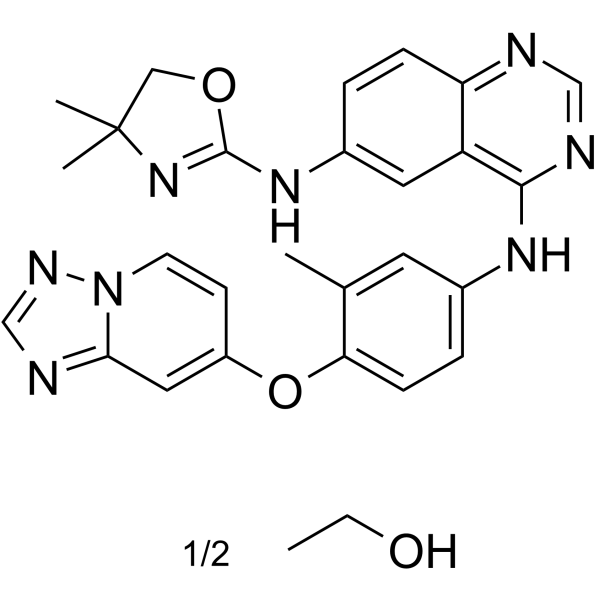 0 ImagesSynonyms: Irbinitinib hemiethanolate; ARRY-380 hemiethanolate; ONT-380 hemiethanolate
Tucatinib (Irbinitinib) hemiethanolate is a potent, orally active and selective HER2 inhibitor with an IC50 of 8 nM.
-
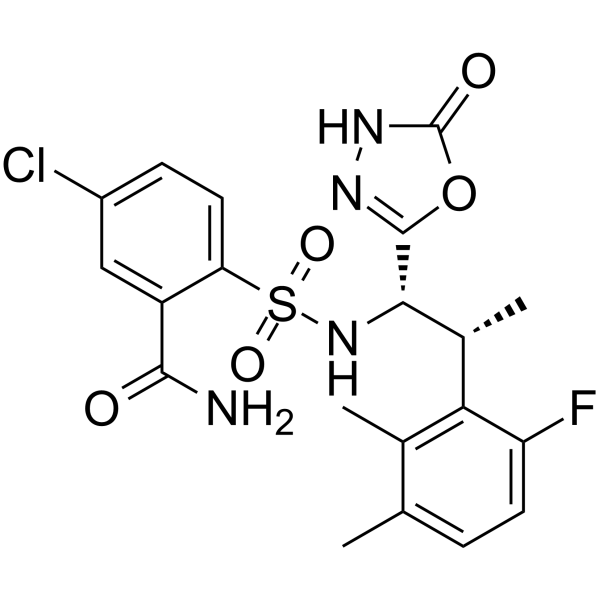
Brolucizumab
 0 ImagesSynonyms: DLX1008; ESBA 1008; RTH258

-
PROTAC IDO1 Degrader-1
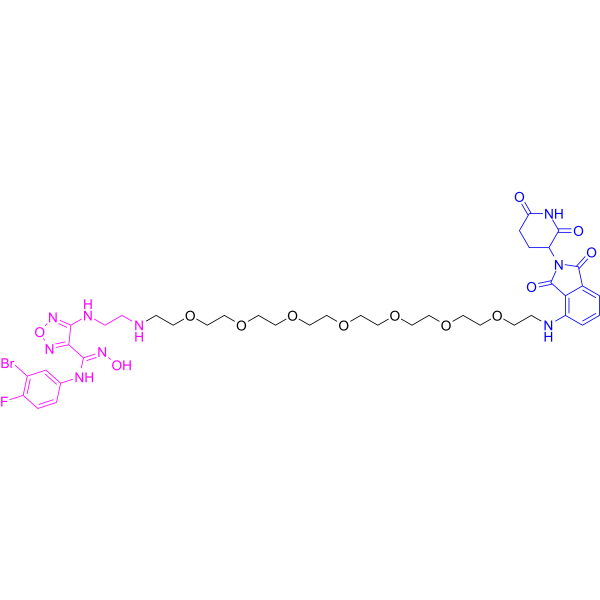 0 Images
PROTAC IDO1 Degrader-1 is a potent IDO1 (Indoleamine 2,3-dioxygenase 1) PROTAC degrader with a DC50 of 2.84 μM. PROTAC IDO1 Degrader-1 forms a ternary complex with IDO1 and the CRBN E3 ligase, and induces polyubiquitination of IDO1 followed by proteasomal degradation via the ubiquitin-proteasome system. PROTAC IDO1 Degrader-1 is applicable for related research on cancer immunity.
-
Praluzatamab
 0 ImagesSynonyms: CX-191; CX-2009 Antibody
Praluzatamab is a monoclonal antibody targeting the activated leukocyte cell adhesion molecule (ALCAM/CD116). Praluzatamab can be used to synthesize Praluzatamab ravtansine (antibody-drug conjugates). Praluzatamab can be used for research of cancers.
-
Irpagratinib
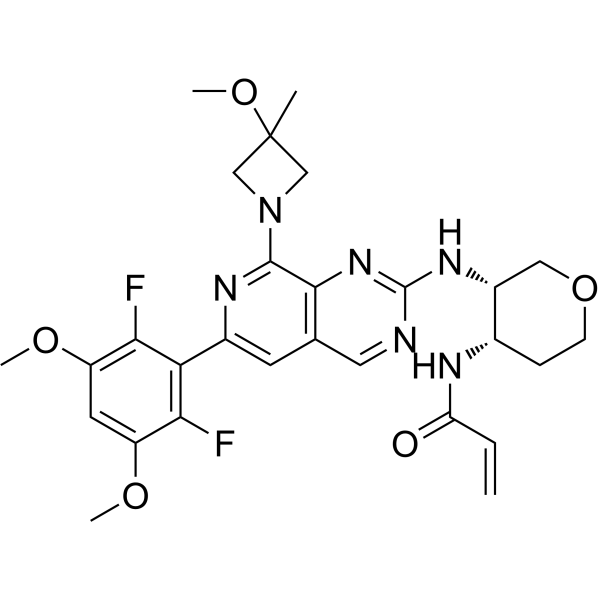 0 ImagesSynonyms: ABSK011
Irpagratinib (ABSK011) is an orally active FGFR4 inhibitor (IC50<10 nM). Irpagratinib inhibits FGFR4 autophosphorylation and blocks signaling from FGFR4 to downstream pathway activation. Irpagratinib has shown high exposure in PK studies in mice, rats, and dogs, and also demonstrated antitumor activity in a subcutaneous xenograft tumor model.
-
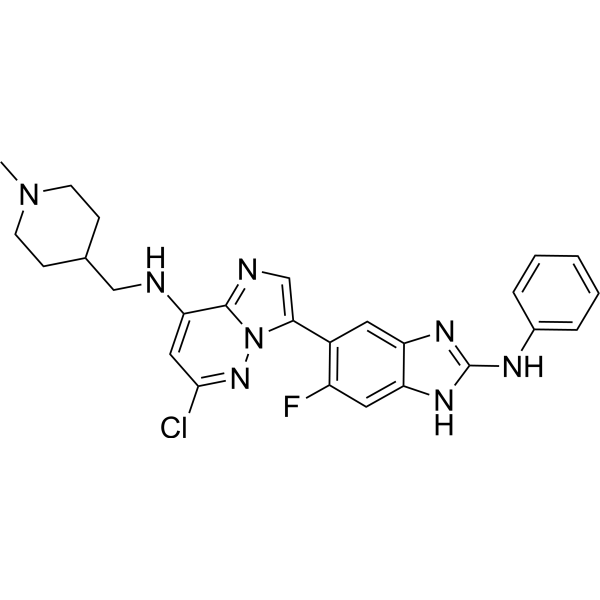
IRE1α kinase-IN-1
 0 Images
IRE1α kinase-IN-1 is a highly selective IRE1α (ERN1) inhibitor, with an IC50 of 77 nM. IRE1α kinase-IN-1 displays 100-fold selectivity for IRE1α over the IRE1β isoform. IRE1α kinase-IN-1 inhibits ER stress-induced IRE1α oligomerization and autophosphorylation, and also inhibits IRE1α RNase activity (IC50=80 nM).
-
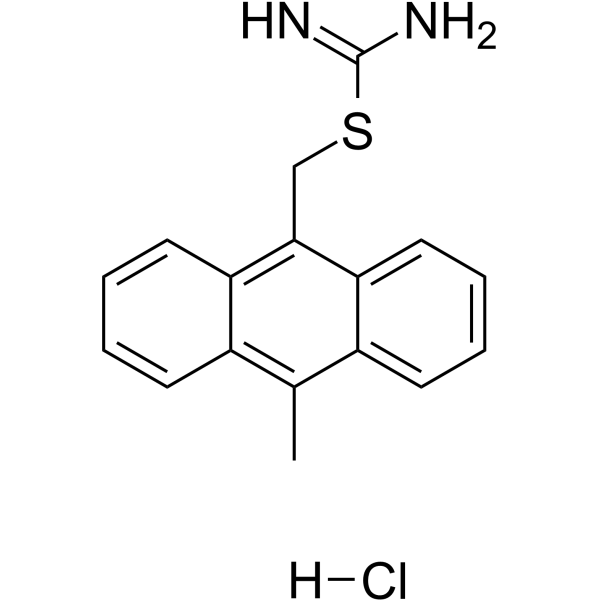
NSC 146109 hydrochloride
 0 ImagesSynonyms: XI-011 hydrochloride
NSC 146109 hydrochloride (XI-011 hydrochloride) is a p53 activator and MDMX inhibitor. NSC 146109 hydrochloride inhibits MDMX gene transcription, downregulates MDMX mRNA and protein levels, stabilizes p53 and activates the transcriptional activity of p53. NSC 146109 hydrochloride induces cancer cell apoptosis (apoptosis) and inhibits the growth of transformed cells. NSC 146109 hydrochloride inhibits the growth of xenograft tumors. NSC 146109 hydrochloride can be used in research related to breast cancer and cervical cancer.
-
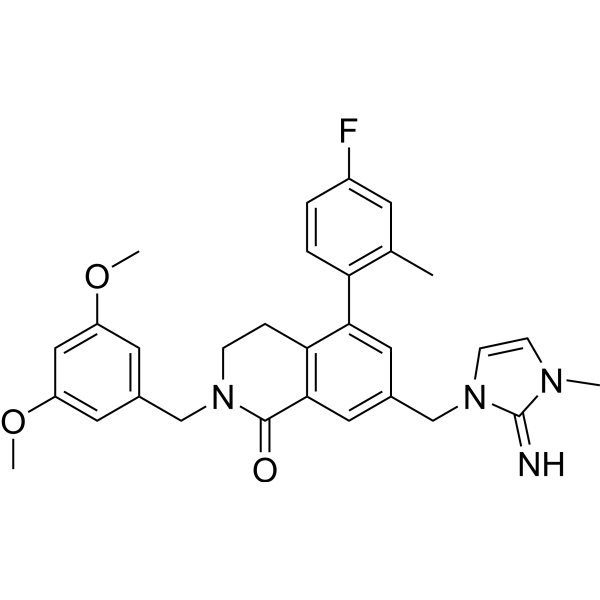
WDR5-IN-1
 0 Images
WDR5-IN-1 is a potent and selective WD repeat domain 5 (WDR5) inhibitor, with a Kd of <0.02 nM. WDR5-IN-1 inhibits MLL1 histone methyltransferase (HMT) activity with an IC50 of 2.2 nM. WDR5-IN-1 diminishes MYC recruitment at WDR5-displaced genes and exhibits potent anti-proliferative effects in CHP-134 (neuroblastoma) and Ramos (Burkitt’s lymphoma) lines.
-
Anti-Mouse 4-1BB/CD137 Antibody (3H3)
 0 ImagesCat. No.: HY-P99119Purity: 98.22%
Anti-Mouse 4-1BB/CD137 Antibody (3H3) is an anti-mouse 4-1BB/CD137 IgG2a κ agonistic monoclonal antibody. Anti-Mouse 4-1BB/CD137 Antibody (3H3) can effectively activate memory T cells and inhibit tumors by increasing Bcl-xL and granzyme B levels. Anti-Mouse 4-1BB/CD137 Antibody (3H3) can be used for research on cancer such as lymphoma and colon cancer.
-
Vorsetuzumab
 0 Images
Vorsetuzumab (Anti-Human CD70 Recombinant Antibody) is a human anti-CD70 antibody. Vorsetuzumab enhances macrophage-related phagocytosis of renal carcinoma cells, shows inhibitory efficacy against Burkitt’s lymphoma.
-
TMX1
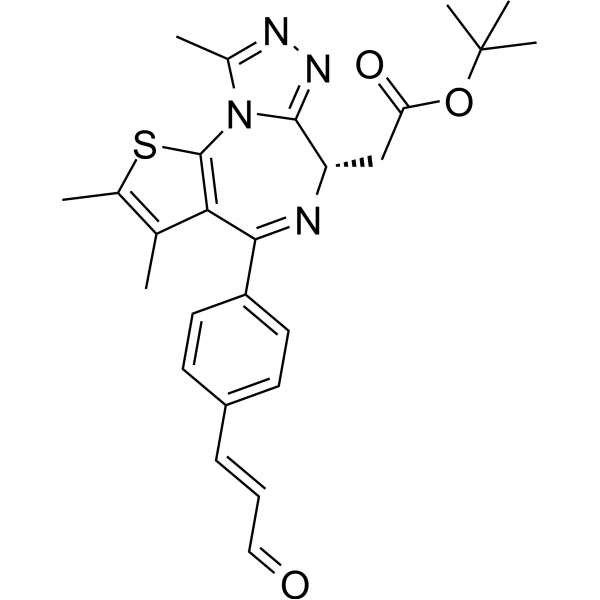 0 Images
TMX1 is a covalent, selective BRD4 molecular glue degrader. TMX1 binds to the JQ1-binding site of BRD4BD2, forms covalent bonds with Cys58 of DCAF16 and Cys87 of GAK in a BRD4BD2-dependent template-assisted manner, stabilizes the BRD4-TMX1-DCAF16 ternary complex, and promotes the ubiquitination of BRD4 via the CRL4DCAF16 ubiquitin ligase complex. TMX1 induces selective degradation of BRD4, mild degradation of BRD2 and BRD3, as well as DCAF16-dependent cytotoxicity.
-
Denikitug
 0 ImagesSynonyms: GS-1811; JTX-1811
Denikitug (GS-1811; JTX-1811) is a humanized monoclonal antibody against CCR8 receptor with a KD of 16.8 pM. Denikitug specifically binds to human CCR8, inhibits CCL1-induced downstream CCR8 signaling. Denikitug selectively depletes cells expressing CCR8 via antibody-dependent cellular cytotoxicity (ADCC). Denikitug promotes anti-tumor immunity and can be used for the research of cancer and immunology.
-
TMX-4100
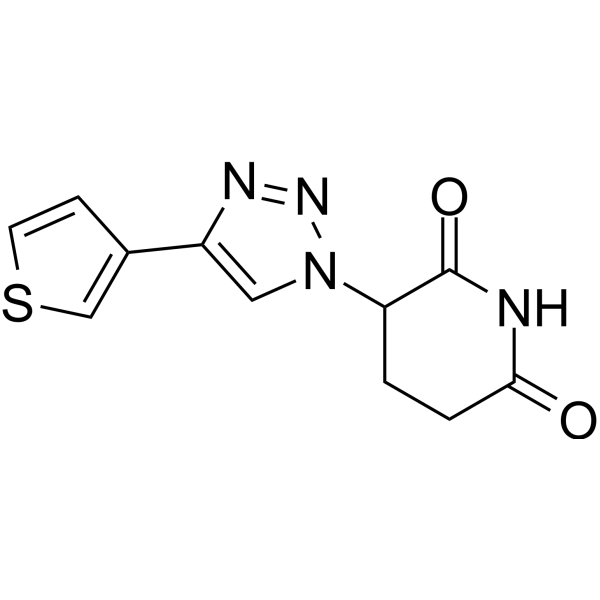 0 Images
TMX-4100 is a selective phosphodiesterase 6D (PDE6D) degrader. TMX-4100 shows a high degradation preference for PDE6D with the DC50 values less than 200 nM in MOLT4, Jurkat, and MM.1S cells. TMX-4100 can be used for the research of multiple myeloma.

-
Plogosertib
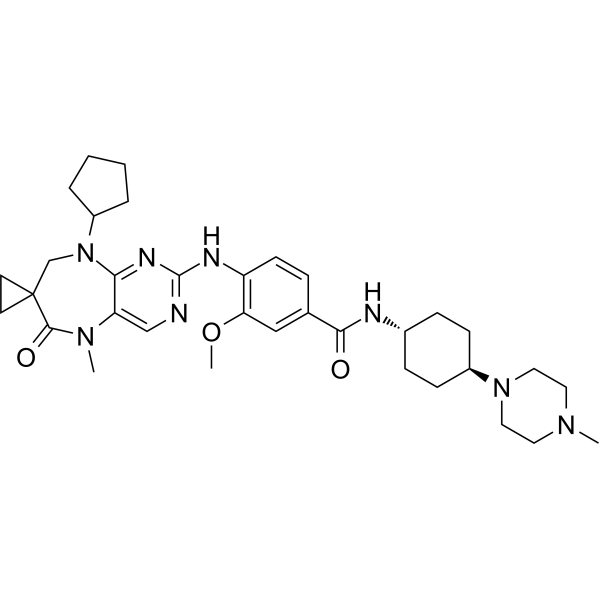 0 ImagesSynonyms: CYC140
Plogosertib (CYC140) is a selective, potent, and orally active ATP-competitive PLK1 inhibitor (IC50: 3 nM). Plogosertib is an anti-cancer agent with anti-proliferative activity. Plogosertib can be used in the research of several tumors, including esophageal, gastric, leukemia, non–small cell lung cancer, ovarian, and squamous cell cancers.
-
Doxifluridine
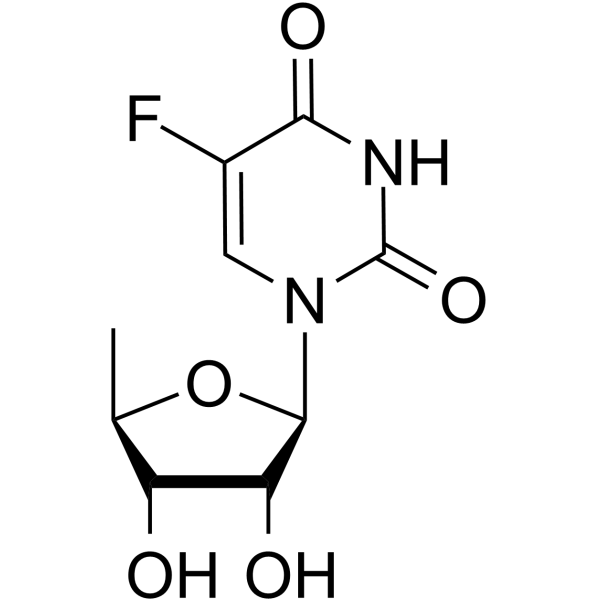 0 ImagesSynonyms: Ro 21-9738; 5-Fluoro-5'-deoxyuridine; 5'-DFUR
Doxifluridine has anticancer activity. Doxifluidine is a 5-FU prodrug. Doxifluridine is a thymidine synthase inhibitor. Doxifluridine can enhance tumor inhibition by synergizing with a variety of drugs.



