



Cancer Targeted Therapy
Cancer targeted therapy is the foundation of precision medicine; it uses drugs or other substances to target specific genes and proteins that control cancer cells’ growth, division and spreading. Compared to traditional chemotherapy drugs, targeted-drugs can specifically act on cancer cells with high efficacy without damaging normal cells. Drugs used in cancer targeted therapy mainly includes small molecules and macromolecules (e.g., monoclonal antibodies), which can target cancer cells and constituents in the tumor microenvironment to activate the immune system. Anti-angiogenesis drugs, such as those targeting vascular endothelial growth factor (VEGF), epidermal growth factor receptor (EGFR), transforming growth factor (TGF)-α, TGF-β, Tumor necrosis factor (TNF)-α, and platelet-derived endothelial growth factor (PDGFR) inhibit the proliferation and metastasis of cancer cells. In recent years, the proportion of antibody drugs in cancer treatment has gradually become prominent. Antibody-drug conjugates (ADCs) are a new type of targeted drugs that are composed of monoclonal antibody, cytotoxic drug and linker. ADCs can deliver drugs to tumor cells and minimize the toxicity to normal tissues. Proteolysis-targeting chimera (PROTAC) is a useful technology for targeted protein degradation. PROTAC exploits the ubiquitin-proteasome system and forms a ternary complex with a hijacked E3 ubiquitin ligase and target protein, leading to polyubiquitination and degradation of the target protein.
Targeted therapy is a useful strategy in treatment of cancer either alone or in combination with standard chemotherapy. At present, targeted therapy has proved significant clinical success in the treatment of many types of cancer, including breast cancer, colorectal cancer, leukemia, ovarian cancer and lung cancer.
-
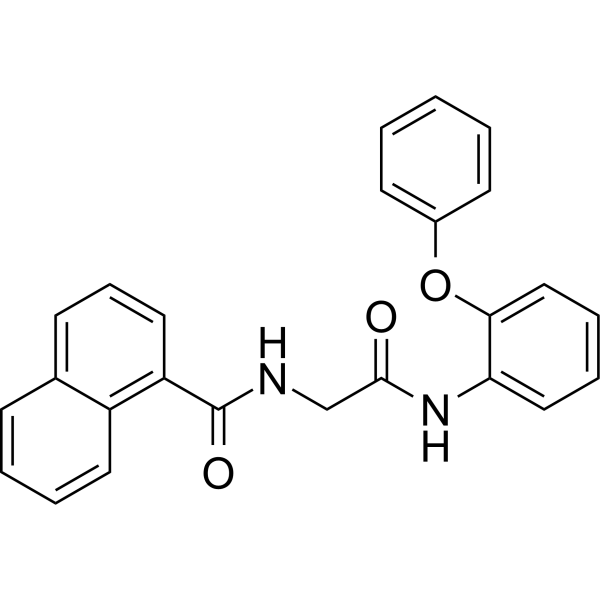
TL13-112
 0 Images
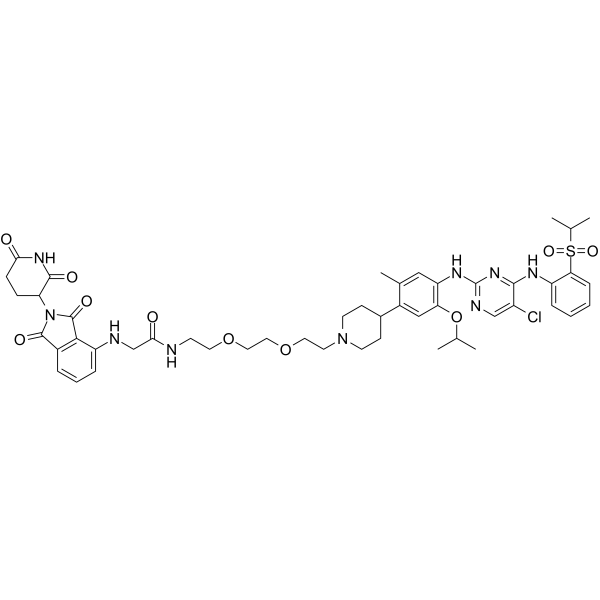
TL13-112 is a ALK PROTAC degrader. TL13-112 degrades the NPM-ALK protein by recruiting the CRBN E3 ligase, thereby blocking oncogenic signal transduction such as STAT3, ERK and AKT, and relieving the transcriptional repression of CD45, CCR7 and PI3Kδ. TL13-112 can be used in related research on anaplastic large cell lymphoma.
-
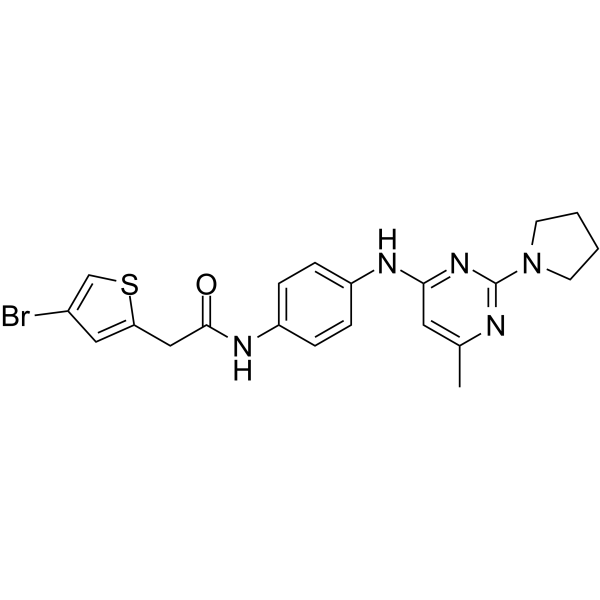
CHD1Li 6.11
 0 Images
CHD1Li 6.11 is a potent and orally active Chromodomain Helicase DNA Binding Protein 1 Like (CHD1L) (oncogenic gene) inhibitor (IC50 = 3.3 µM for cat-CHD1L recombinant protein). CHD1Li 6.11 can inhibit EMT, induce mesenchymal-epithelial transition (reverse EMT) and promote apoptosis in tumor organoid models. CHD1Li 6.11 can be used for the research of cancer, such as colorectal cancer.
-
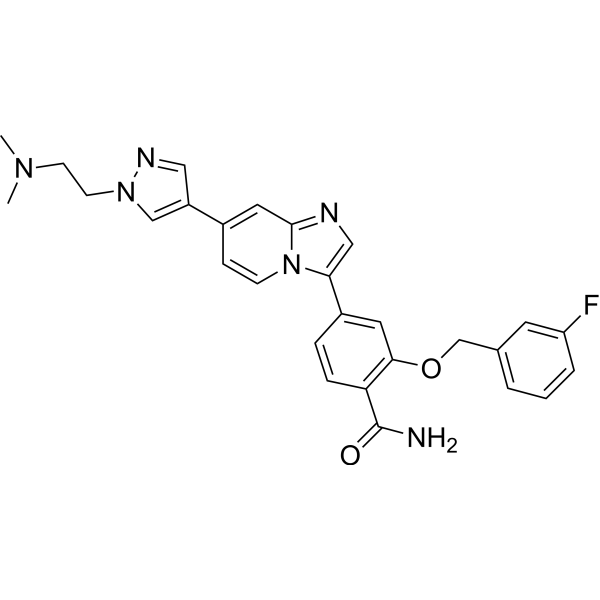
MBM-55
 0 Images
MBM-55 is a potent NIMA-related kinase 2 (Nek2) inhibitor with an IC50 of 1 nM. MBM-55 shows a 20-fold or greater selectivity in most kinases with the exception of RSK1 (IC50=5.4 nM) and DYRK1a (IC50=6.5 nM). MBM-55 effectively inhibits the proliferation of cancer cells by inducing cell cycle arrest and apoptosis. MBM-55 shows antitumor activities, and no obvious toxicity to mice.
-
Tucatinib hemiethanolate
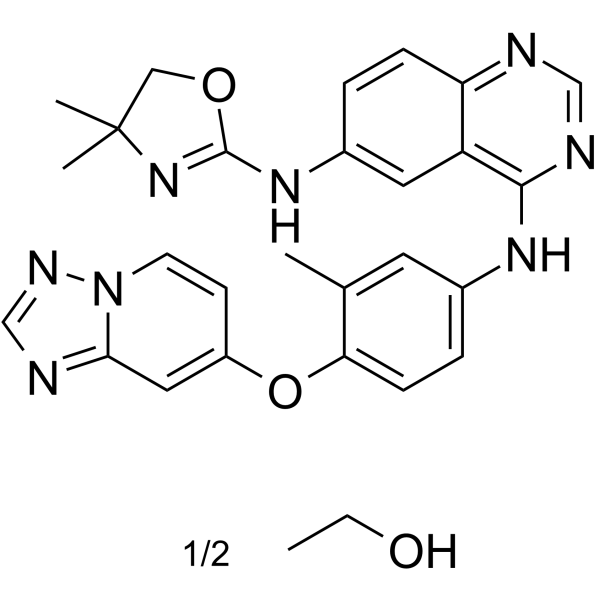 0 ImagesSynonyms: Irbinitinib hemiethanolate; ARRY-380 hemiethanolate; ONT-380 hemiethanolate
Tucatinib (Irbinitinib) hemiethanolate is a potent, orally active and selective HER2 inhibitor with an IC50 of 8 nM.
-
PCAF-IN-1
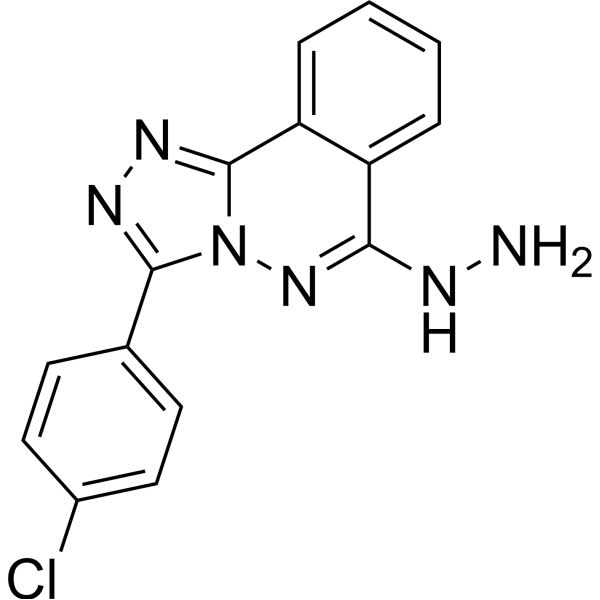 0 Images
PCAF-IN-1 is a highly selective PCAF inhibitor. PCAF-IN-1 is a antitumor agents, which can be used in tumor research research.
-
Edrecolomab
 0 ImagesSynonyms: Panorex; CO17-1A
Edrecolomab (Panorex) is a murine monoclonal antibody to the cell-surface glycoprotein 17-1A, expressed on epithelial tissues and on various carcinomas. Edrecolomab shows anti-tumor activity and can be used in colorectal carcinoma research.
-
DRB18
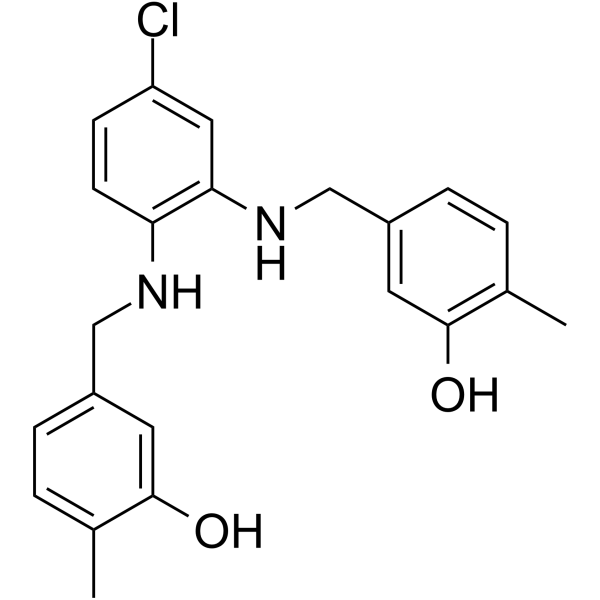 0 Images
DRB18 is a potent pan-class GLUT inhibitor. DRB18 alters energy-related metabolism in A549 cells by changing the abundance of metabolites in glucose-related pathways. DRB18 can eventually lead to G1/S phase arrest and increase oxidative stress and necrotic cell death. DRB18 has anti-tumor activity.
-
Neoisoliquiritin
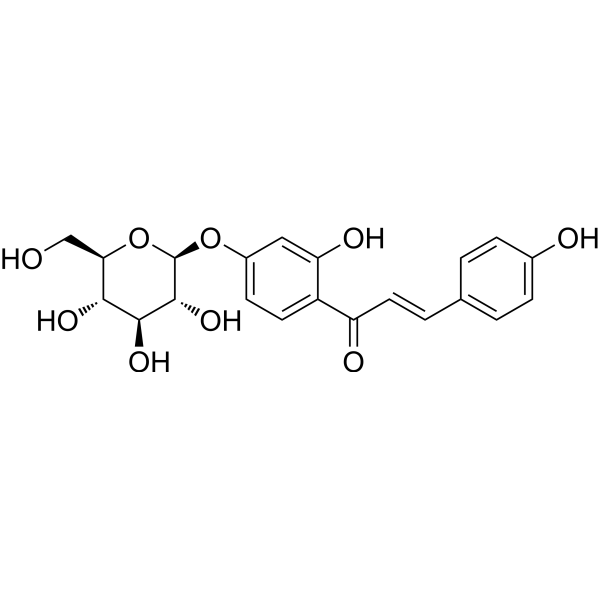 0 ImagesSynonyms: Neoisoliquiritigenin
Neoisoliquiritin (Neoisoliquiritigenin) is an androgen receptor (AR) inhibitor. Neoisoliquiritin inhibits the ATPase activity of GRP78. Neoisoliquiritin induces G0/G1 cell cycle arrest and inhibits proliferation in cancer cells, while it also induces cell apoptosis (apoptosis). Neoisoliquiritin suppresses tumor growth in mouse models of prostate cancer and breast cancer. Neoisoliquiritin can be used in studies related to prostate cancer and breast cancer.
-
Cyclosporin A-d4
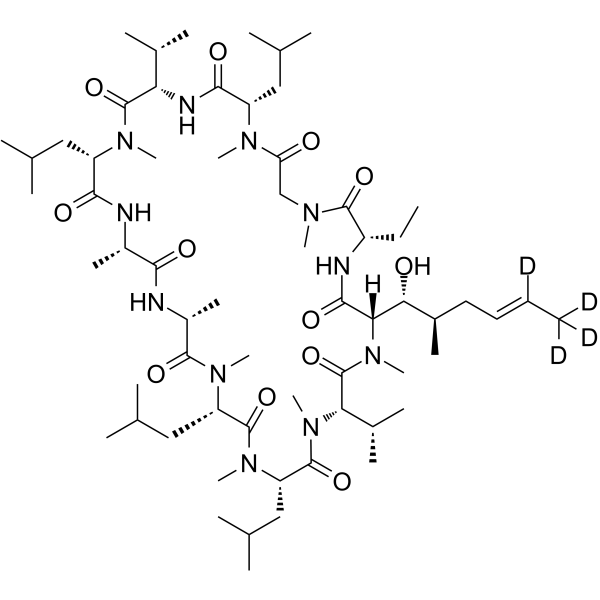 0 ImagesCat. No.: HY-B0579SPurity: 99.88%Synonyms: Cyclosporine A-d4; Ciclosporin A-d4; CsA-d4
Cyclosporin A-d4 (Cyclosporine A-d4) is the deuterated-labeled Cyclosporin A (HY-B0579). Cyclosporin A (Cyclosporine A) is an immunosuppressant which binds to the cyclophilin and inhibits phosphatase activity of protein phosphatase 2B (PP2B/calcineurin) with an IC50 of 5 nM. Cyclosporin A is a molecular glue, binds to cyclophilin and calcineurin, leading to inactivation of nuclear Factor of activated T Cells (NFAT) and a subsequent decrease in the immune response. Cyclosporin A also inhibits CD11a/CD18 adhesion.
-
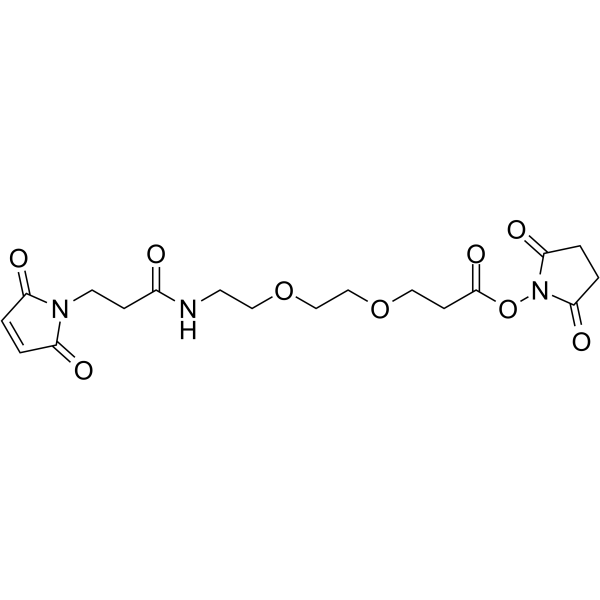
Mal-amido-PEG2-NHS ester
 0 Images
Mal-amido-PEG2-NHS ester is a nonclaevable ADC linker containing a maleimide group and an NHS ester. The NHS ester can be used to label the primary amines (-NH2) of proteins, amine-modified oligonucleotides, and other amine-containing molecules.
-
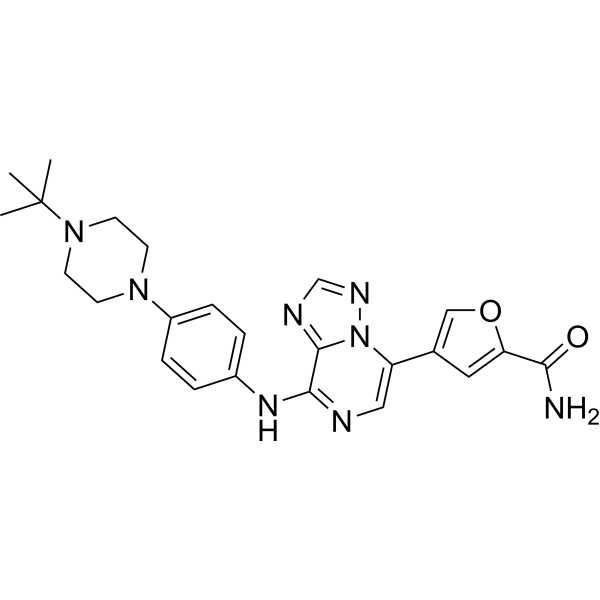
GLPG0259
 0 Images
GLPG0259 is a ATP-competitive inhibitor of MAPK-activated protein kinase 5 (MK5) with oral activity. GLPG0259 reduces inflammation and bone destruction in a mouse model of collagen-induced arthritis. GLPG0259 also inhibited the metastasis of prostate cancer (PCa) cells.
-
Lifastuzumab
 0 Images
Lifastuzumab is a humanized anti-NaPi2b IgG1 monoclonal antibody. Lifastuzumab can be coupled with monomethyl auristatin E (MMAE) (HY-15162) through ADC Linker to form an antibody-drug conjugate (ADC) Lifastuzumab vedotin (HY-P99705) with anticancer activity. Lifastuzumab vedotin can be studied in research for non-small cell lung cancer and ovarian cancer. Recommend Isotype Control: Human IgG1 kappa, Isotype Control (HY-P99001).

-
Pemetrexed disodium heptahydrate
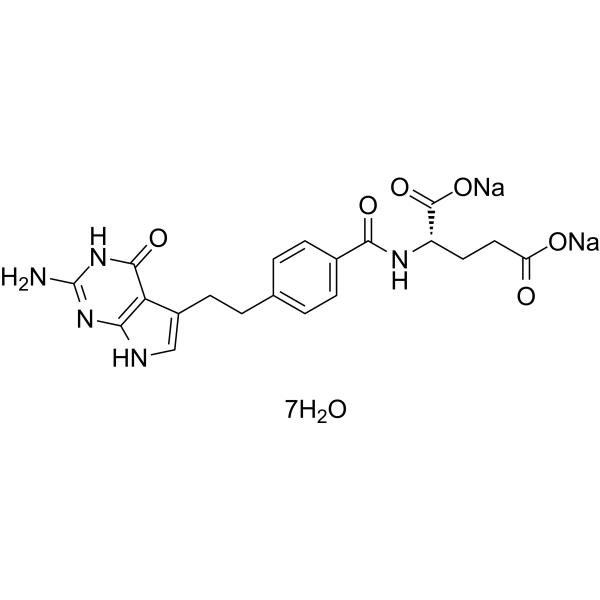 0 ImagesSynonyms: LY231514 disodium heptahydrate
Pemetrexed disodium heptahydrate is a novel antifolate, the Ki values of the pentaglutamate of LY231514 are 1.3, 7.2, and 65 nM for inhibits thymidylate synthase (TS), dihydrofolate reductase (DHFR), and glycinamide ribonucleotide formyltransferase (GARFT), respectively.



