



Cancer Targeted Therapy
Cancer targeted therapy is the foundation of precision medicine; it uses drugs or other substances to target specific genes and proteins that control cancer cells’ growth, division and spreading. Compared to traditional chemotherapy drugs, targeted-drugs can specifically act on cancer cells with high efficacy without damaging normal cells. Drugs used in cancer targeted therapy mainly includes small molecules and macromolecules (e.g., monoclonal antibodies), which can target cancer cells and constituents in the tumor microenvironment to activate the immune system. Anti-angiogenesis drugs, such as those targeting vascular endothelial growth factor (VEGF), epidermal growth factor receptor (EGFR), transforming growth factor (TGF)-α, TGF-β, Tumor necrosis factor (TNF)-α, and platelet-derived endothelial growth factor (PDGFR) inhibit the proliferation and metastasis of cancer cells. In recent years, the proportion of antibody drugs in cancer treatment has gradually become prominent. Antibody-drug conjugates (ADCs) are a new type of targeted drugs that are composed of monoclonal antibody, cytotoxic drug and linker. ADCs can deliver drugs to tumor cells and minimize the toxicity to normal tissues. Proteolysis-targeting chimera (PROTAC) is a useful technology for targeted protein degradation. PROTAC exploits the ubiquitin-proteasome system and forms a ternary complex with a hijacked E3 ubiquitin ligase and target protein, leading to polyubiquitination and degradation of the target protein.
Targeted therapy is a useful strategy in treatment of cancer either alone or in combination with standard chemotherapy. At present, targeted therapy has proved significant clinical success in the treatment of many types of cancer, including breast cancer, colorectal cancer, leukemia, ovarian cancer and lung cancer.
-
Divarasib adipate
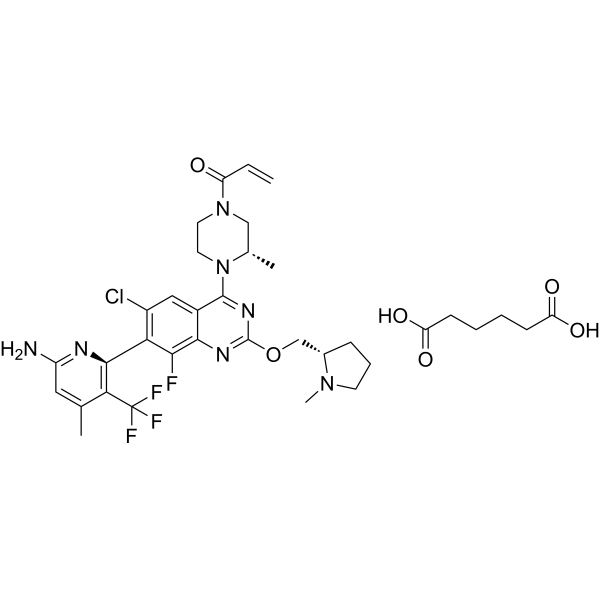 0 ImagesSynonyms: GDC-6036 adipate
Divarasib (GDC-6036) adipate is an orally active, selective KRASG12C inhibitor with an IC50 of <0.01 μM. Divarasib adipate covalently binds Cys12 in GDP-bound KRASG12C, occupies the switch II pocket, blocks GTP binding and SOS-mediated reactivation, and inhibits oncogenic KRAS signaling. Divarasib adipate induces tumor shrinkage and robust tumor growth inhibition in KRASG12C-positive models and cancer cells. Divarasib adipate can be used for the research of non-small cell lung cancer, colorectal adenocarcinoma, pancreatic ductal adenocarcinoma, and other KRASG12C-mutated solid tumors.
-
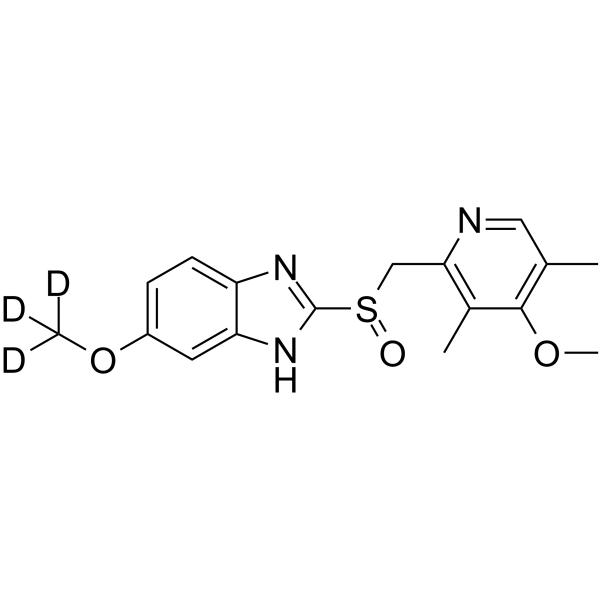
Omeprazole-d3
 0 ImagesSynonyms: H 16868-d3
Omeprazole-d3 (H 16868-d3) is deuterium labeled Omeprazole. Omeprazole (H 16868) is an orally active H+,K+-ATPase inhibitor and a proton pump inhibitor. Omeprazole competitively inhibits CYP2C19, CYP3A4, and CYP2C9 activity. Omeprazole inhibits gastric acid secretion and can be used for acid-related gastrointestinal disorders. Omeprazole inhibits pancreatic cancer cell proliferation, induces apoptosis, autophagosome accumulation (elevated LC3-I and LC3-II levels), oxidative stress, and cytogenetic imbalance, modulates lysosomal transport, reduces inflammatory cytokines. Omeprazole alters small intestinal morphology and magnesium absorption, and induces gastric mucosa morphologic changes. Omeprazole also has neuroprotective and antibacterial effects.
-
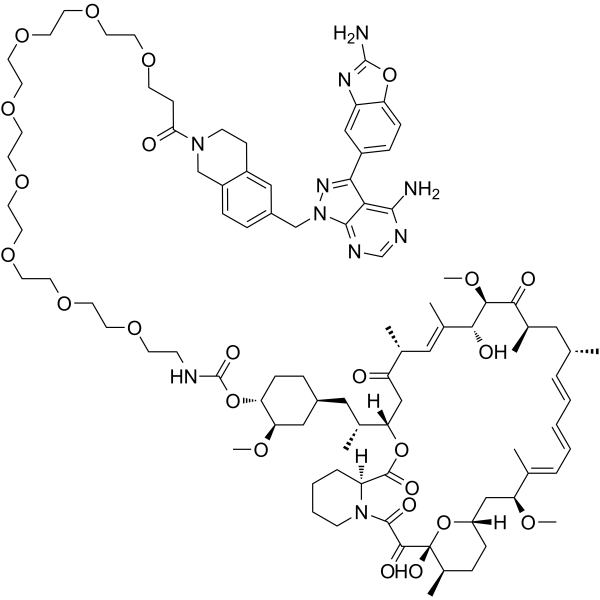
(32-Carbonyl)-RMC-5552
 0 ImagesCat. No.: HY-134903CAS No.: 2382768-55-8
(32-Carbonyl)-RMC-5552 is a potent mTOR inhibitor. (32-Carbonyl)-RMC-5552 inhibits mTORC1 and mTORC2 substrate (p-P70S6K-(T389), p-4E-BP1-(T37/36), AND p-AKT1/2/3-(S473)) phosphorylation with pIC50s of > 9, >9 and between 8 and 9, respectively (patent WO2019212990A1, example 2).
-
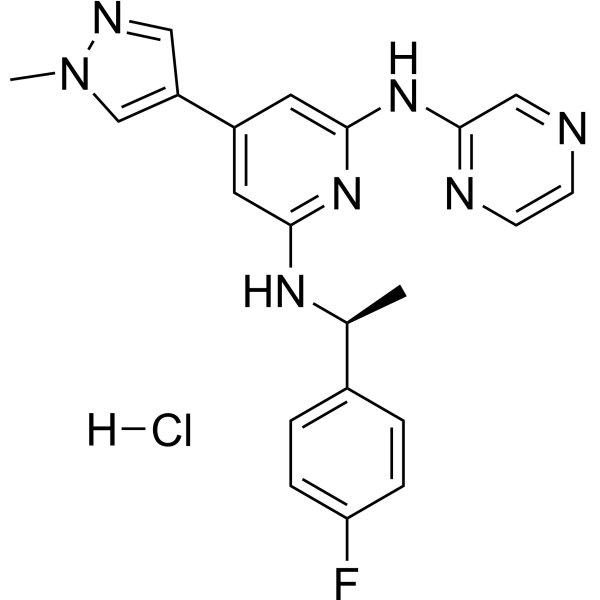
Ilginatinib hydrochloride
 0 ImagesSynonyms: NS-018 hydrochloride
-
Doxorubicin liposome
 0 ImagesCat. No.: HY-185370Synonyms: Pegylated liposomal doxorubicin; Liposomal doxorubicin; Doxorubicin hydrochloride liposome
Doxorubicin liposome is a liposome-encapsulated form of doxorubicin hydrochloride (HY-15142). Doxorubicin hydrochloride, a cytotoxic anthracycline antibiotic, is a potent human DNA topoisomerase I and topoisomerase II inhibitor. Compared to traditional doxorubicin, liposome encapsulation reduces its cardiotoxicity and prolongs its circulation time, thus enabling it to effectively target tumor tissue.
-
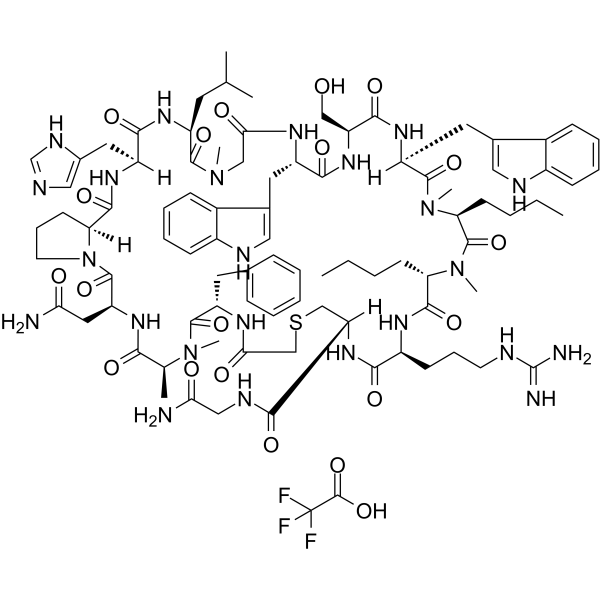
PD-1/PD-L1-IN 3 TFA
 0 ImagesCat. No.: HY-103048APurity: 99.34%
PD-1/PD-L1-IN 3 TFA, a macrocyclic peptide, is a potent and selective inhibitor of the PD-1/PD-L1 and CD80/PD-L1 interactions extracted from patent WO2014151634A1, compound No.1. PD-1/PD-L1-IN 3 TFA interferes with PD-L1 binding to PD-1 and CD80 by binding to PD-L1, with IC50s of 5.60 nM and 7.04 nM, respectively. PD-1/PD-L1-IN 3 TFA can be used for the research of various diseases, including cancer and infectious diseases.
-
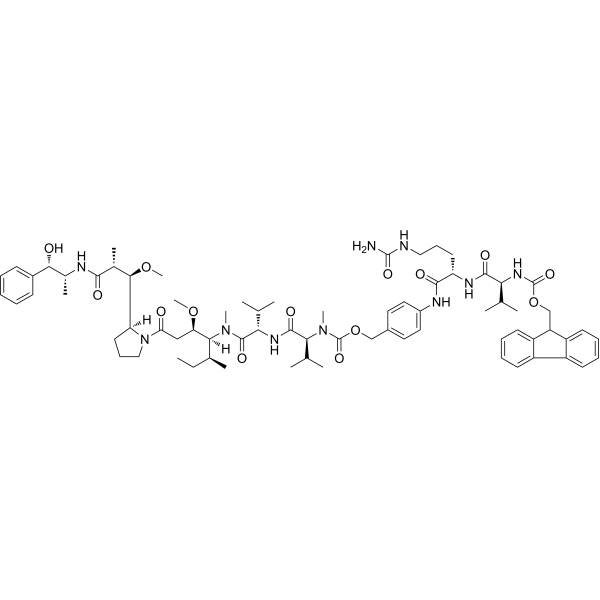
Fmoc-Val-Cit-PAB-MMAE
 0 Images
Fmoc-Val-Cit-PAB-MMAE consists the ADCs linker (Fmoc-Val-Cit-PAB) and potent tubulin inhibitor (MMAE). Fmoc-Val-Cit-PAB-MMAE is a agent-linker conjugate for ADC.
-
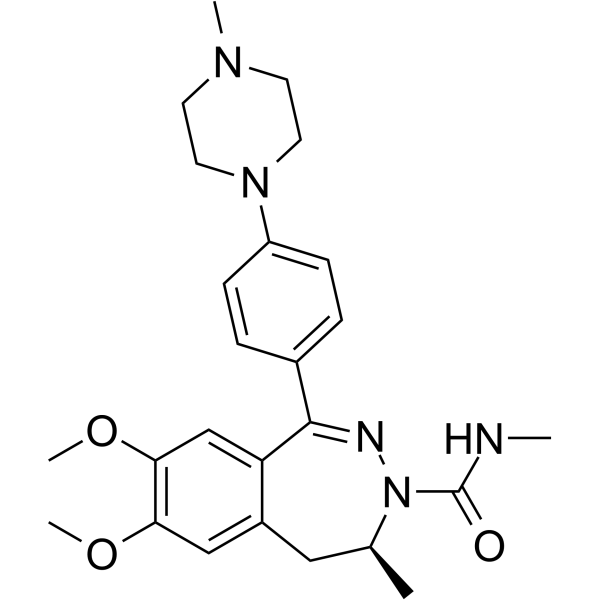
BAY1238097
 0 Images
BAY1238097 is a potent and selective inhibitor of BET binding to histones and has strong anti-proliferative activity in different AML (acute myeloid leukemia) and MM (multiple myeloma) models through down-regulation of c-Myc levels and its downstream transcriptome (IC50 <100 nM).
-
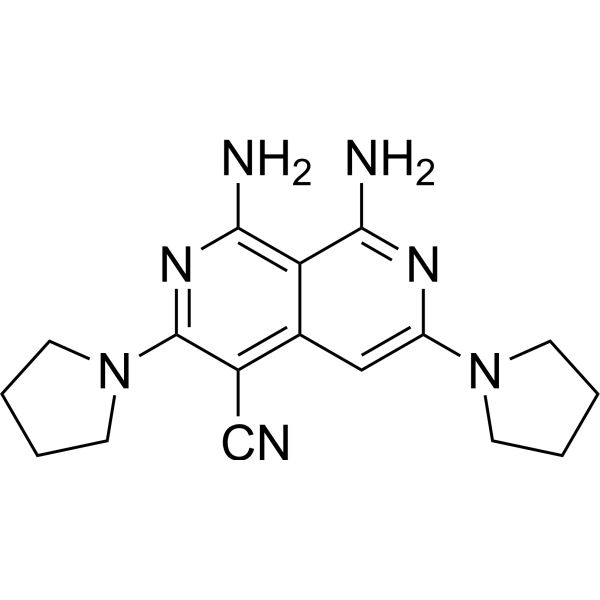
SID 3712249
 0 ImagesSynonyms: MiR-544 Inhibitor 1
-
A2A receptor antagonist 1
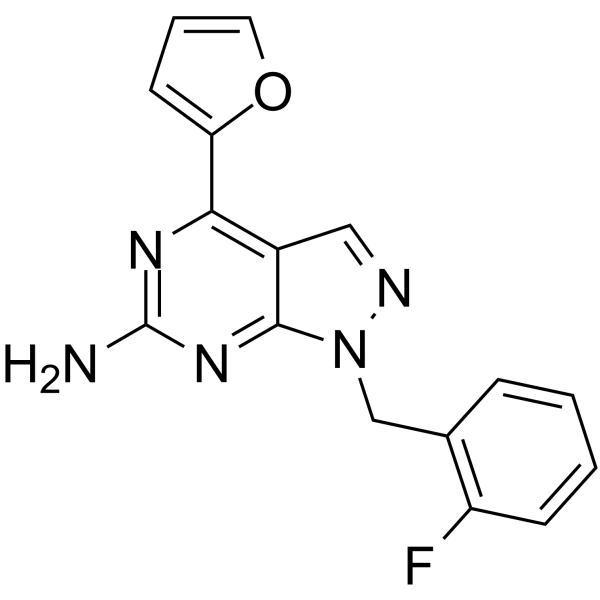 0 ImagesSynonyms: CPI-444 analog
A2A receptor antagonist 1 (CPI-444 analog) is an antagonist of both adenosine A2A receptor and A1 receptor with Ki values of 4 and 264 nM, respectively.
-
PF-2771
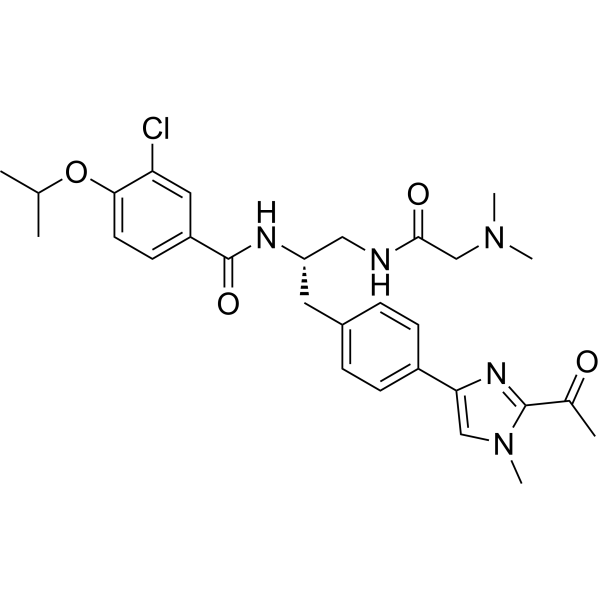 0 Images
PF-2771 is a potent and selective centromere protein E (CENP-E) inhibitor, inhibiting CENP-E motor activity with an IC50 of 16.1 nM; PF-2771 is used as an anticancer agent.
-
ABBV-167
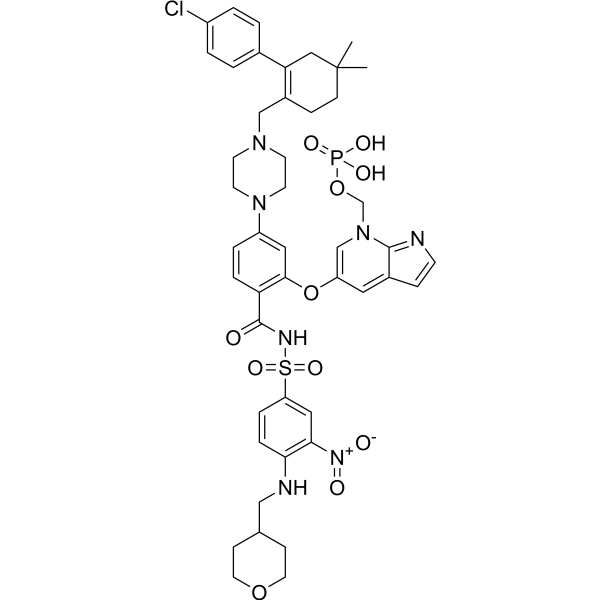 0 Images
ABBV-167 is a phosphate prodrug of the BCL-2 inhibitor venetoclax.
-
Rapamycin (GMP Like)
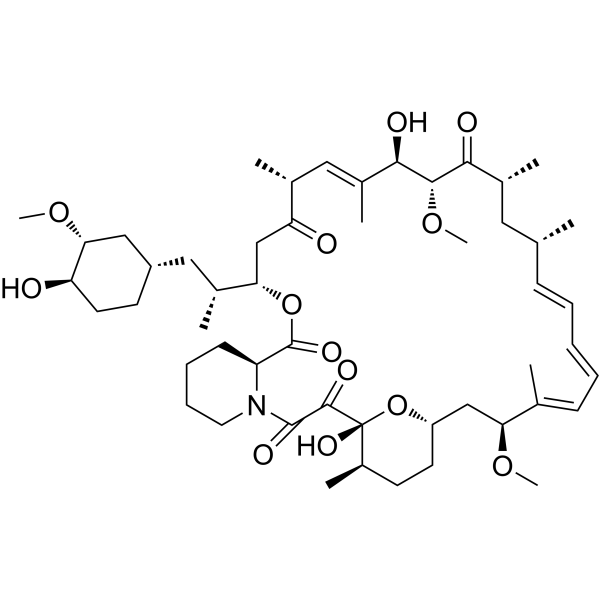 0 ImagesSynonyms: Sirolimus (GMP Like); AY-22989 (GMP Like); NSC 226080 (GMP Like)
Rapamycin (Sirolimus) GMP Like is Rapamycin (HY-10219) produced by using GMP like guidelines. GMP Like small molecules works appropriately as an auxiliary reagent for cell therapy manufacture. Rapamycin (Sirolimus; AY 22989) is a potent and specific blood-brain barrier-transmissible mTOR inhibitor with an IC50 of 0.1 nM in HEK293 cells. Rapamycin is a molecular glue that binds FKBP12 and mTOR proteins together, thereby inhibiting mTOR kinase activity. Rapamycin binds to FKBP12 and specifically acts as an allosteric inhibitor of mTORC1. Rapamycin is an autophagy activator, an immunosuppressant.
-
Perzebertinib
 0 ImagesCat. No.: HY-163428CAS No.: 2414056-31-6Synonyms: ZN-A-1041
ZN-A-1041 inhibits HER2 in BT474 cell and wt-EGFR in H838 cells, with IC50s of 9.5 nM and 12 μM respectively. ZN-A-1041 can be used for research of cancer and inflammation.
-
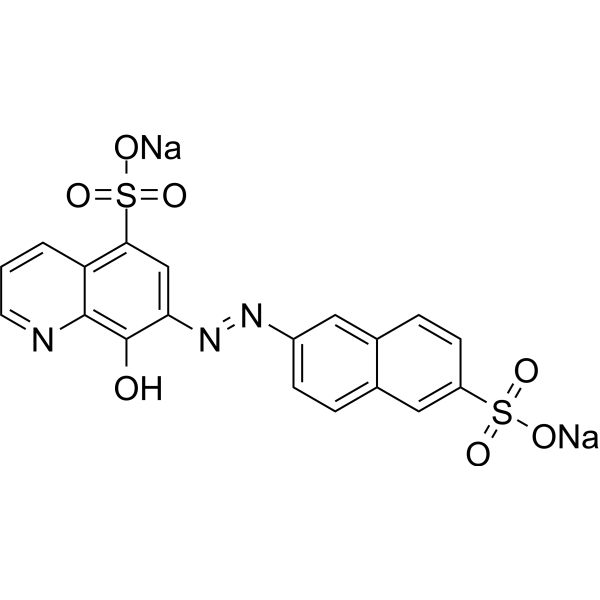
NSC-87877 disodium
 0 Images
NSC-87877 disodium is a potent inhibitor of Shp2 and Shp1 protein tyrosine phosphatases (SH-PTP2 and SH-PTP1), with IC50 values of 0.318 μM, 0.355 μM shp2 and shp1, respectively. NSC-87877 also inhibits dual-specificity phosphatase 26 (DUSP26).
-
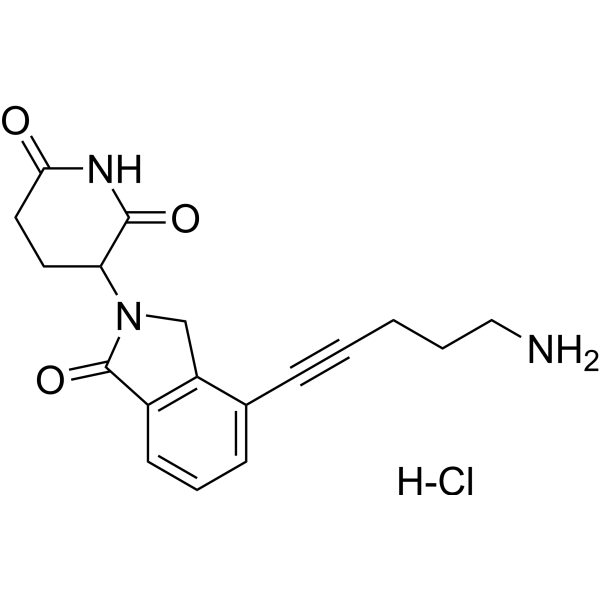
Lenalidomide-propargyl-C2-NH2 hydrochloride
 0 Images
Lenalidomide-propargyl-C2-NH2 hydrochloride incorporates a cereblon (CRBN) ligand for the E3 ubiquitin ligase, and a linker. Lenalidomide-propargyl-C2-NH2 hydrochloride can be used to design the PROTAC MD-224 (HY-114312). Lenalidomide-propargyl-C2-NH2 (hydrochloride) is a click chemistry reagent, it contains an Alkyne group and can undergo copper-catalyzed azide-alkyne cycloaddition (CuAAc) with molecules containing Azide groups.



