Others
-
Others 관련 제품 (76625)
관련 제품 (76625)

-
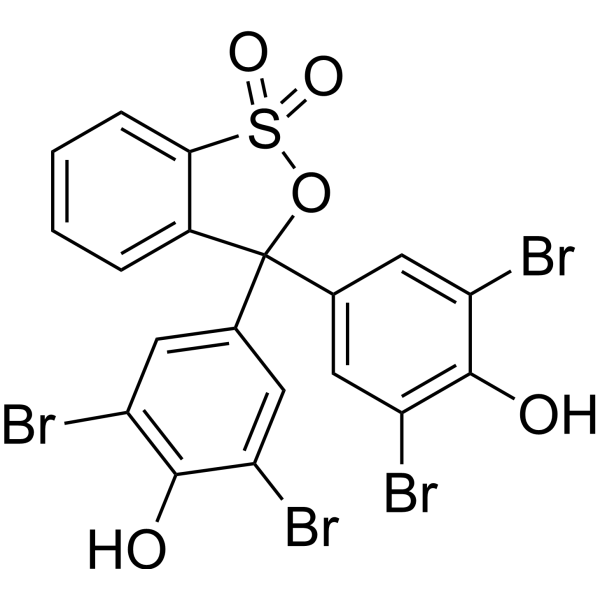
Bromophenol blue
 0 Images
Bromophenol blue is an acid phthalein dye, and it is used as a tracking dye for electrophoresis. Bromophenol blue is also used as a pH indicator, with a transition range of pH 3 to 4.6. Bromophenol blue is used as a sensor for the determination of several compounds including ammonia, drugs, proteins and amino acids. The binding of Bromophenol blue to proteins is accompanied by the appearance of a strong absorbance at 610 nm.
-
AF488 DBCO ditriethylamine
 0 ImagesCat. No.: HY-D2171A
AF488 DBCO ditriethylamineis a fluorescent dye and also a click chemistry reagent that can label azide-containing biomolecules. AF488 DBCO ditriethylaminemediates the coupling reaction with azide-modified 2'-OMe RNA oligonucleotides. DBCO is a bioorthogonal partner of azides and enables covalent coupling without copper (Ex/Em = 470/520 nm).
-
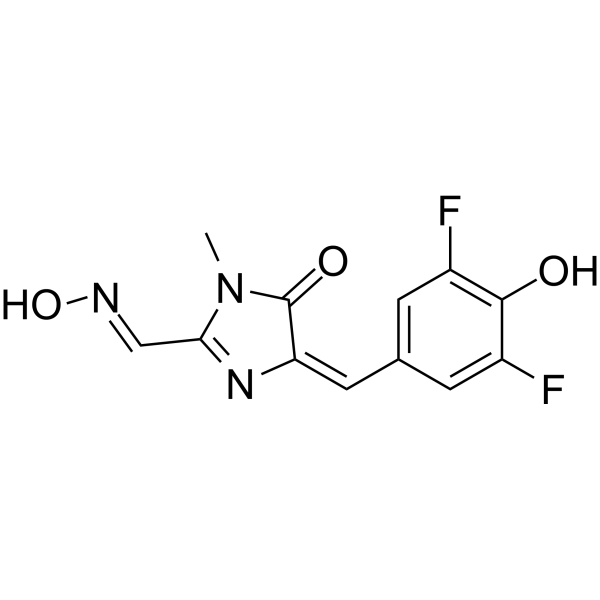
DFHO
 0 Images
DFHO is a fluorogenic ligand of Corn fluorogenic aptamer. The RNA aptamer, Corn binds DFHO with a Kd value of 70 nM and converts it to a fluorescent form, enabling RNA imaging in cells.
-
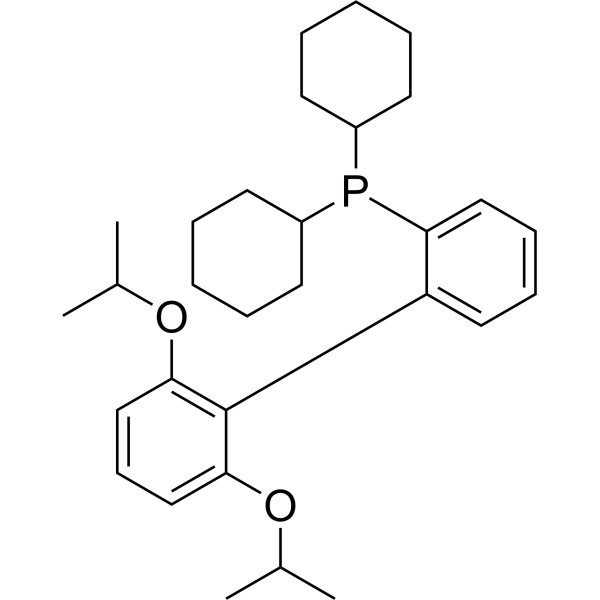
RuPhos
 0 Images
RuPhos is a Buchwald ligand. In aqueous Suzuki-Miyaura catalytic transfer polymerization, RuPhos forms inactive Pd (RuPhos)2 with palladium and inhibits diffusion to improve polymerization controllability. RuPhos additional addition in anhydrous Kumada polymerization exacerbates catalyst deactivation and chain transfer, significantly impairing polymerization control.
-
3-Methylazetidin-3-ol hydrochloride
 0 ImagesCat. No.: HY-59333CAS No.: 124668-46-8
3-Methylazetidin-3-ol hydrochloride is a drug intermediate for synthesis of various active compounds.
-
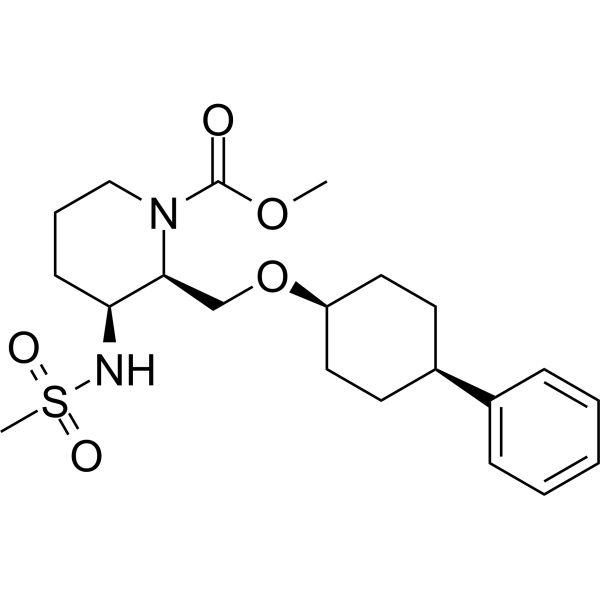
Danavorexton
 0 ImagesSynonyms: TAK-925
Danavorexton (TAK-925) is an orexin receptor agonist with brain permeability. Danavorexton induces a physiological pattern of OX2R activation in vitro to wake up sleepy mice and improve sleepiness symptoms.

-
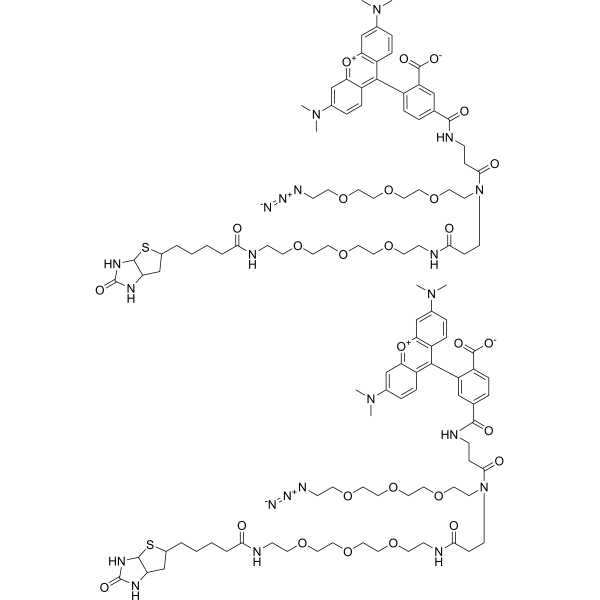
TAMRA-Azide-PEG-biotin
 0 Images
TAMRA-Azide-PEG-biotin is a dye derivative of TAMRA (HY-135640). TAMRA-Azide-PEG-biotin contains an Azide group and can undergo copper-catalyzed azide-alkyne cycloaddition reaction (CuAAc) with molecules containing Alkyne groups. It can also undergo strain-promoted alkyne-azide cycloaddition (SPAAC) reactions with molecules containing DBCO or BCN groups.
-
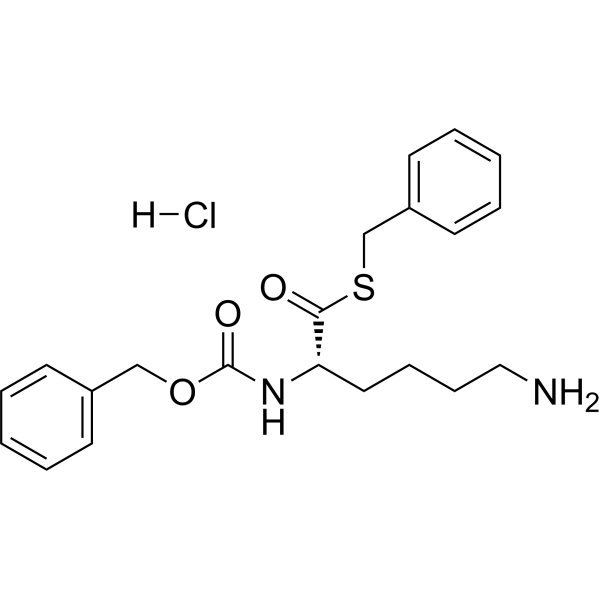
Z-LYS-SBZL monohydrochloride
 0 ImagesSynonyms: α-N-Carbobenzoxy-L-lysine thiobenzyl ester monohydrochloride
Z-LYS-SBZL (monohydrochloride) is a lysine derivative.
-
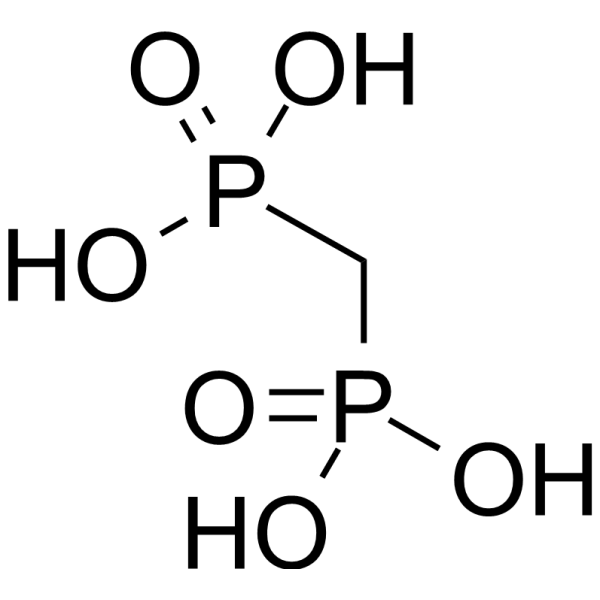
Medronic acid
 0 Images
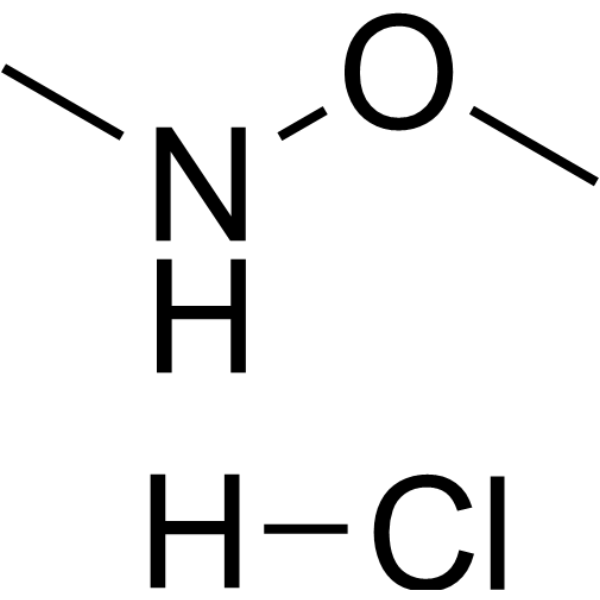
Medronic acid (Methylenediphosphonic acid) is a methylene-substituted bisphosphonate. Medronic acid has an affinity for the surface of hydroxyapatite crystals in the bone matrix and adheres to them. Medronic acid can be used in complex with radioisotopes in bone imaging. Due to its strong metal chelating ability, medronic acid is also used as a water treatment chemical. In addition, medronic acid is used as a solvent additive to improve peak shape and signal of metal-sensitive metabolites in LC/MS analysis.
-
CY7-SE triethylamine
 0 ImagesCat. No.: HY-D0824ASynonyms: Sulfo-Cyanine7 Succinimidyl Ester triethylamine
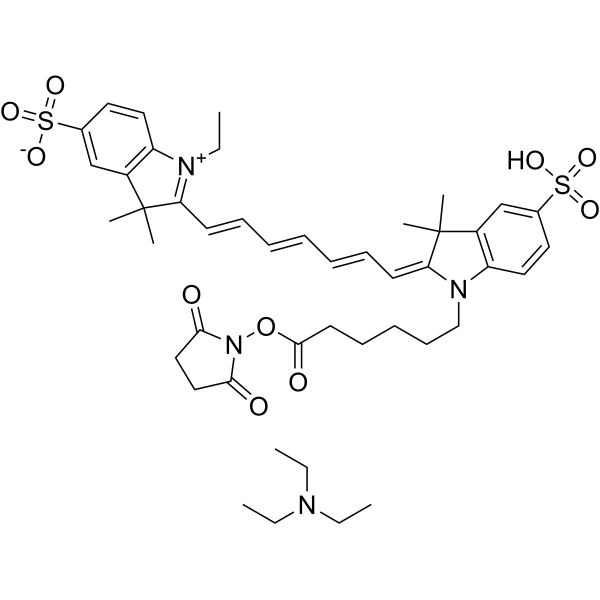
CY7-SE triethylamine is a CY dye. CY, short for Cyanine, is a compound consisting of two nitrogen atoms connected by an odd number of methyl units. Cyanine compounds have the characteristics of long wavelength, adjustable absorption and emission, high extinction coefficient, good water solubility and relatively simple synthesis. CY dyes are of en used for the labeling of proteins, antibodies and small molecular compounds. For the labeling of protein antibodies, the combination can be completed through a simple mixing reaction. Below, we introduce the labeling method of protein antibody labeling, which has certain reference significance.
-
ICG Maleimide
 0 ImagesCat. No.: HY-D1744CAS No.: 2143933-81-5
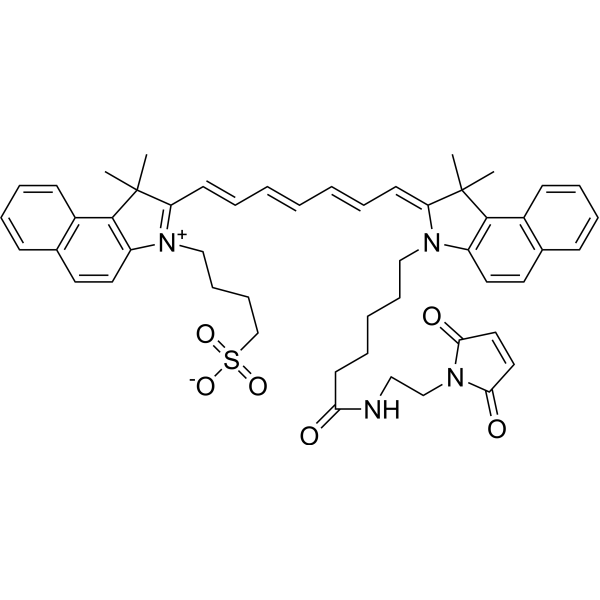
ICG Maleimide is thiol reactive near infrared (NIR) fluorescent dye and used to generate a stable fluorescence signal in bioimaging (Ex/Em = 789/813 nm).
-
L-Dihydroorotic acid
 0 Images
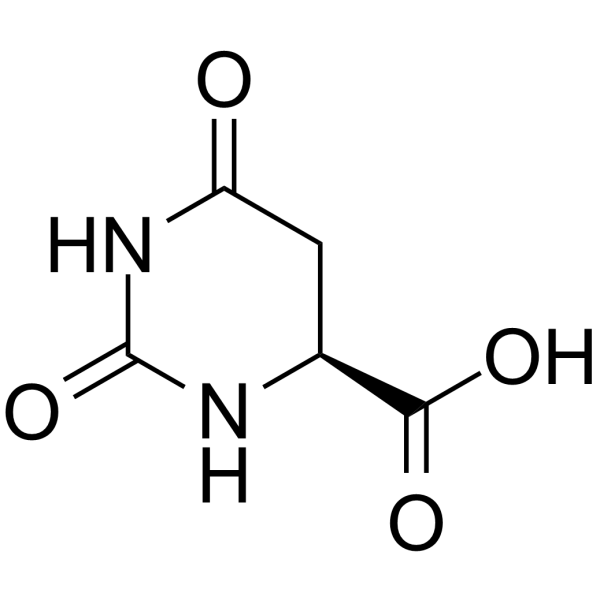
L-Dihydroorotic acid is an important intermediate in the metabolism of orotic acid and a substrate of dihydroorotate dehydrogenase (DHODH). L-Dihydroorotic acid can reversibly hydrolyze to yield the acyclic L-ureidosuccinic acid by dihydrowhey enzyme.

-
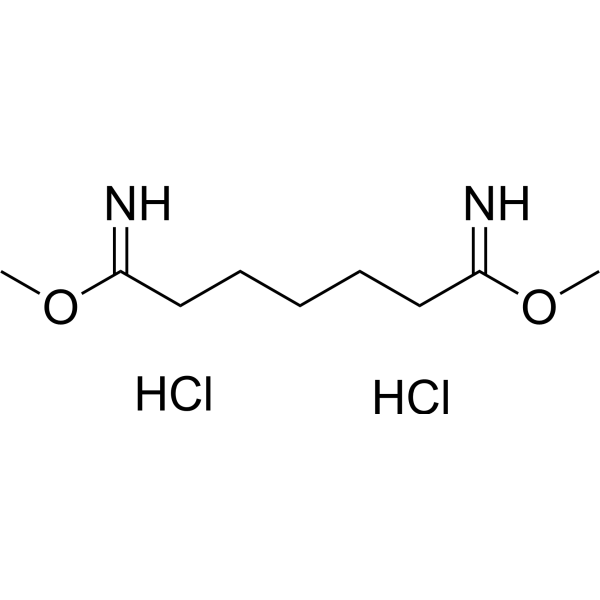
Dimethyl pimelimidate dihydrochloride
 0 Images
Dimethyl pimelimidate dihydrochloride is a bifunctional imidoester protein-protein crosslinker used in chromatin immunoprecipitation (ChIP) assays.
-
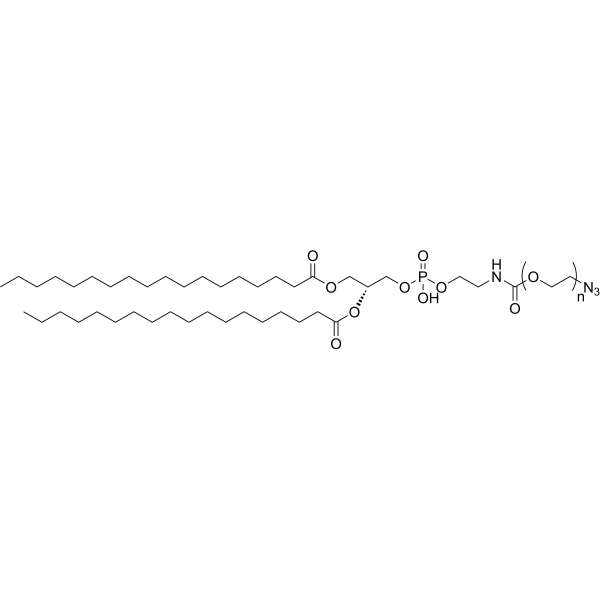
DSPE-PEG2000-azide
 0 ImagesCat. No.: HY-W440832Purity: 99.74%
DSPE-PEG2000-azide is an azide containing lipid that can be used to form micelles as nanoparticles for drug delivery. DSPE-PEG2000-azide is a click chemistry reagent, it contains an Azide group and can undergo copper-catalyzed azide-alkyne cycloaddition reaction (CuAAc) with molecules containing Alkyne groups. It can also undergo strain-promoted alkyne-azide cycloaddition (SPAAC) reactions with molecules containing DBCO or BCN groups.
-
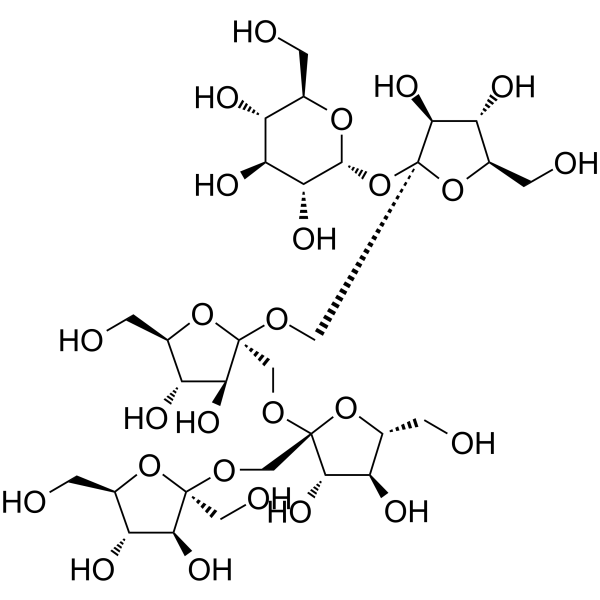
1F-Fructofuranosylnystose
 0 Images
1F-Fructofuranosylnystose can be used in the synthesis of Fructooligosaccharides (FOSs). Fructooligosaccharides exhibit lots of beneficial effects on our health and have been used as food ingredients.