Others
-
Others Related Products (76593)
Related Products (76593)

-
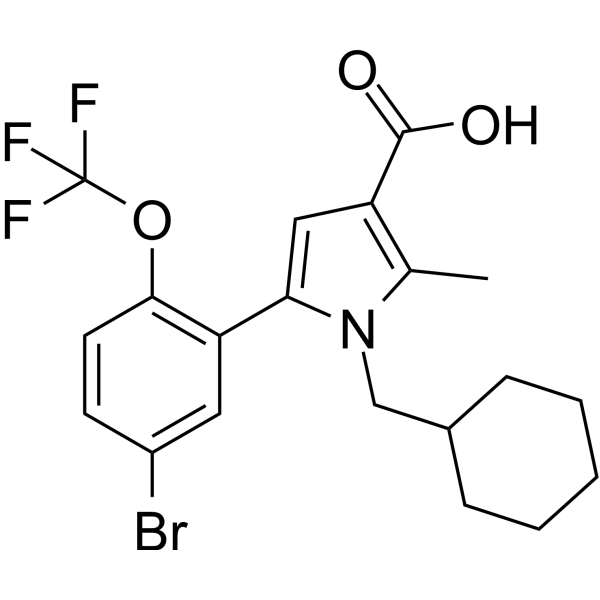
TPC2-A1-P
 0 Images
TPC2-A1-P is a powerful and membrane permeable agonist of two pore channel 2 (TPC2) with an EC50 of 10.5 μM. TPC2-A1-P plays its role by mimicking the physiological actions of PI(3,5)P2. TPC2-A1-P also shows higher potency to induce Na2+ mobilisation from TPC2 than TPC-A1-N (HY-131614). TPC2-A1-P can be used to probe different functions of TPC2 channels in intact cells.
-
HPMC (Type II,Viscosity:5mPa.s)
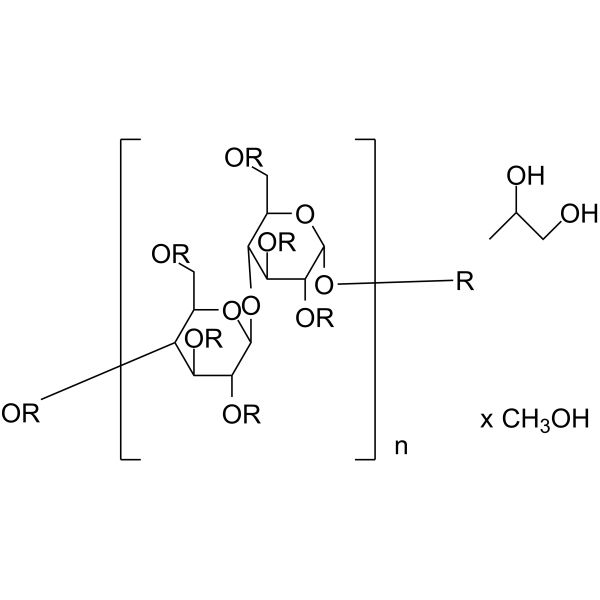 0 ImagesSynonyms: Hypromellose (Type II,Viscosity:5mPa.s); (Hydroxypropyl)methyl cellulose (Type II,Viscosity:5mPa.s); Celacol HPM 5000 (Type II,Viscosity:5mPa.s)
HPMC (Hypromellose) (Type II,Viscosity:5mPa.s) is a hydrophilic, non-ionic cellulose ether used to form swellable-soluble matrices. HPMC (Type II,Viscosity:5mPa.s) is widely used in agent formulations due to its biocompatibility, uncharged nature, solubility in water and thermoplastic behavior.
-
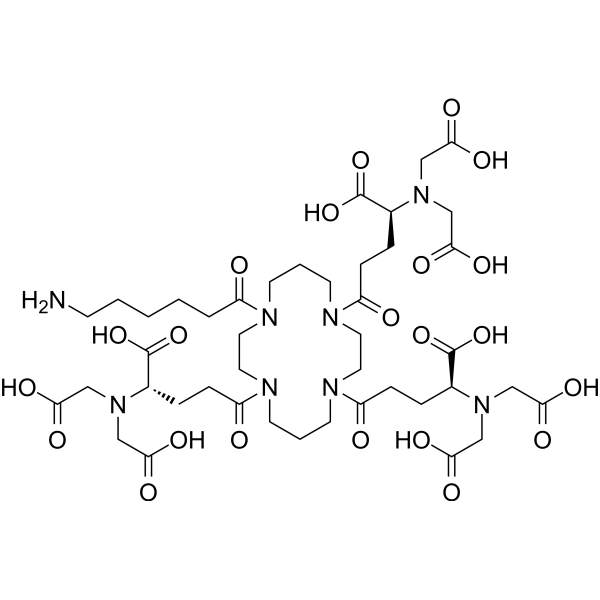
tris-NTA
 0 Images
tris-NTA is a His-tagged protein ligand, which can be used to bind His-tagged proteins.
-
7-Methyl-6-thioguanosine
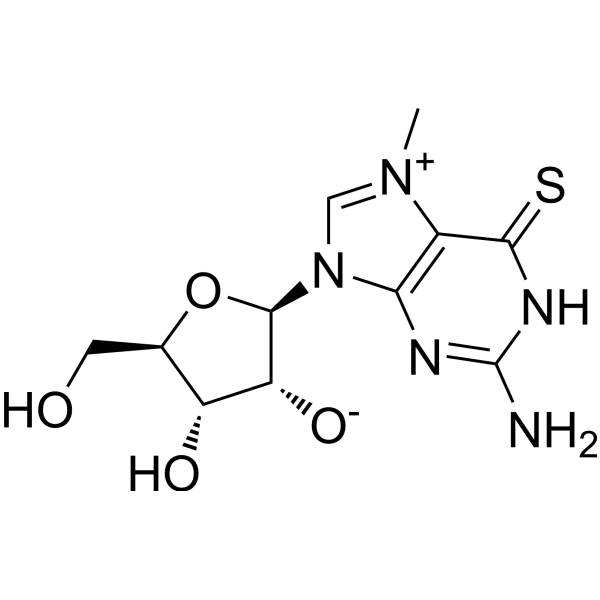 0 ImagesCat. No.: HY-D0995CAS No.: 55727-10-1Synonyms: MESG
7-Methyl-6-thioguanosine (MESG) is a chromogenic substrate that can be converted to 7-methyl-6-thioguanine in the presence of purine nucleoside phosphorylase and inorganic phosphate. 7-Methyl-6-thioguanosine can be used to quantify inorganic phosphate. 7-Methyl-6-thioguanosine can also be used to determine the activities of purine nucleoside phosphorylase and protein phosphatases.
-
MitoTracker Orange CMTMRos
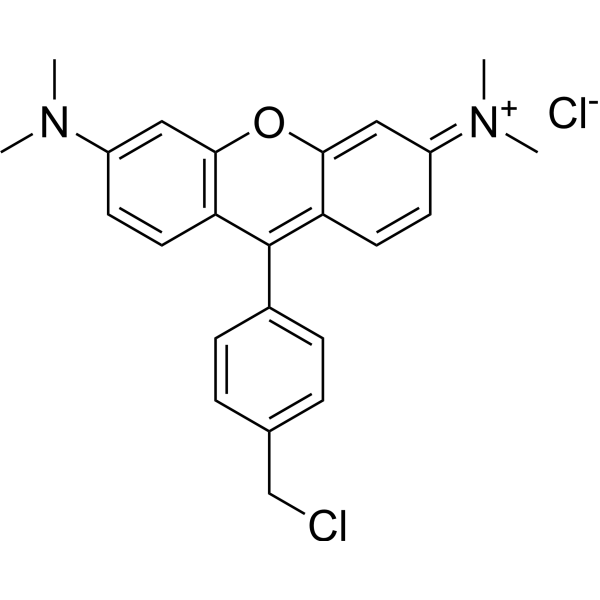 0 ImagesCat. No.: HY-D1696CAS No.: 199116-50-2
MitoTracker Orange CMTMRos is a fluorescent dye that labels mitochondria within live cells utilizing the mitochondrial membrane potential (Ex/Em: 551/576 nm).
-
DL-Glyceraldehyde
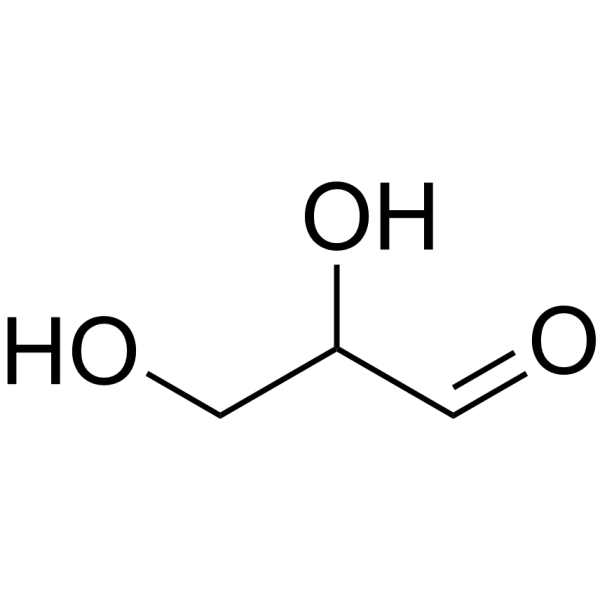 0 Images
DL-Glyceraldehyde is a bioactive substance involved in cellular energy metabolism and a key intermediate in sugar metabolism pathways (such as glycolysis and gluconeogenesis). During glycolysis, DL-Glyceraldehyde is converted by enzymes into other metabolites to provide energy for cells; during gluconeogenesis, DL-Glyceraldehyde participates in the synthesis of glucose as a precursor. In the field of medical research, DL-Glyceraldehyde can be used to study diseases related to sugar metabolism, such as diabetes, tumors, etc
[1] [2].
-
FITC-Dextran (MW 500000)
 0 ImagesCat. No.: HY-128868HCAS No.: 60842-46-8
FITC-Dextran (MW 500000) is a compound belonging to the class of fluorescent dyes. It is commonly used in biomedical research as a tracer molecule to label and track cells or other biological matter. FITC-Dextran consists of fluorescein isothiocyanate (FITC) and dextran, a complex carbohydrate derived from starch. The combination of the two creates a stable fluorescent tracer that can be viewed under a microscope or quantified using specialized detection instruments.
-
FITC-Dextran (MW 1000)
 0 ImagesCat. No.: HY-128868J
FITC-Dextran (MW 1000) is a compound that belongs to the class of fluorescent dyes. It is often used as a tracer molecule in biomedical research to label and track cells or other biological substances. FITC-Dextran consists of fluorescein isothiocyanate (FITC) and dextran, a complex carbohydrate extracted from starch. The combination of the two creates a stable fluorescent tracer that can be observed under a microscope or quantified using specialized detection instruments.
-
Propargylcholine bromide
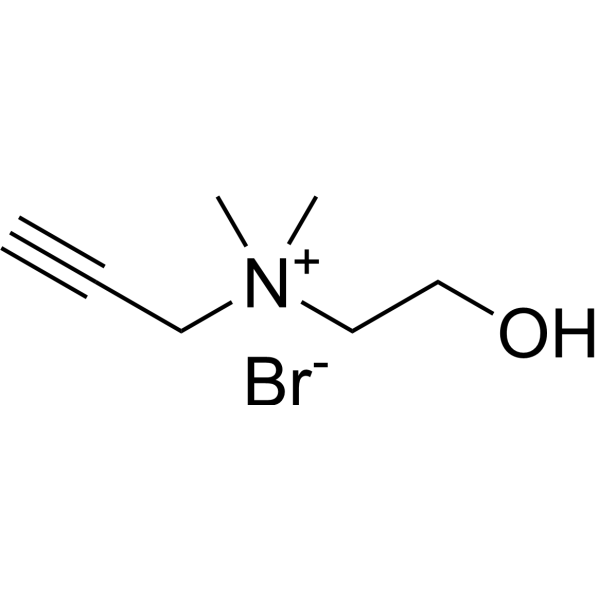 0 Images
Propargylcholine bromide is a choline analogue containing terminal propargyl that can be incorporated into all classes of Choline-containing phospholipids such as phosphatidylcholine and sphingomyelin, labeling Choline-containing phospholipids. Propargylcholine bromide-labeled phospholipid molecules can be visualized in cells with high sensitivity and spatial resolution. Propargylcholine bromide can be used as a molecular tool to study the biochemical and metabolic processes of Choline-containing phospholipids in cells. Propargylcholine (bromide) is a click chemistry reagent, it contains an Alkyne group and can undergo copper-catalyzed azide-alkyne cycloaddition (CuAAc) with molecules containing Azide groups.
-
Endoproteinase Lys-N (MS grade)
 0 ImagesCat. No.: HY-E70563CAS No.: 91116-93-7
Endoproteinase Lys-N (MS grade) is a protease that specifically hydrolyzes the N-terminal peptide bond of lysine fragments.
-
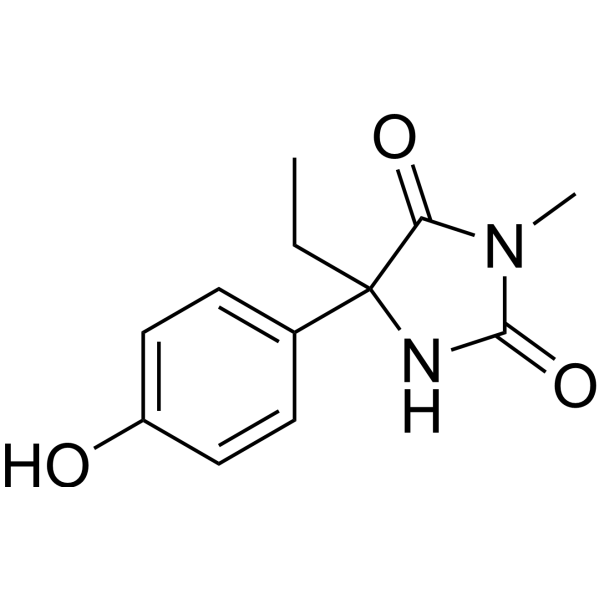
Dodecylphosphocholine
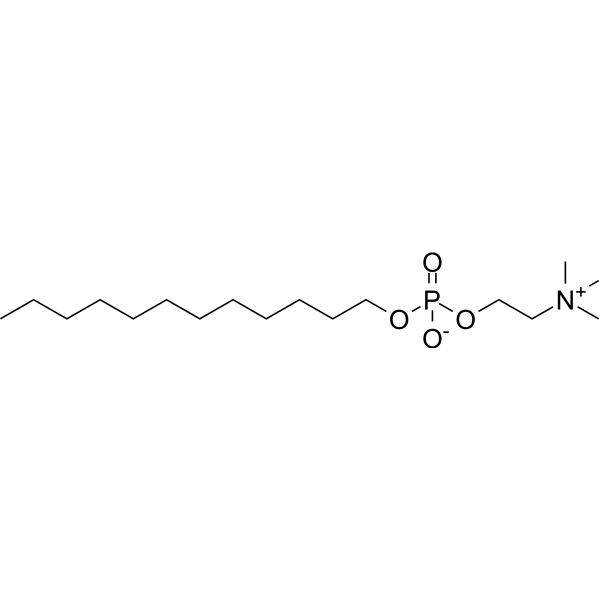 0 Images
Dodecylphosphocholine is a detergent widely utilized in NMR studies of membrane proteins.

-
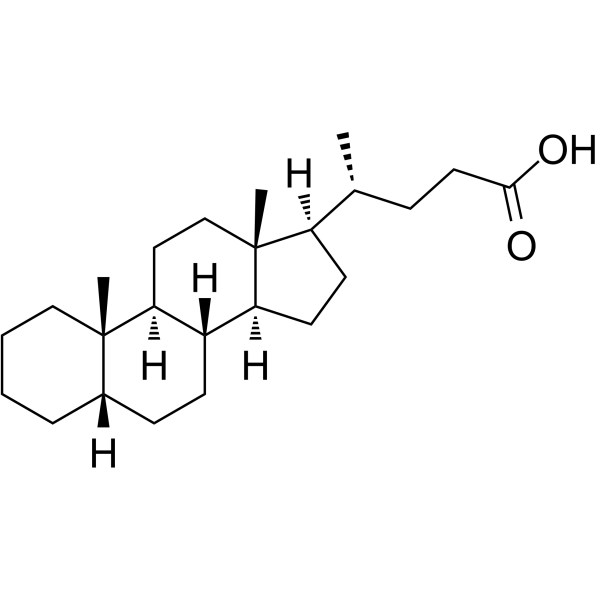
5β-Cholanic acid
 0 Images
5β-Cholanic acid is a hydrophobic modifier used to modify polymer carriers. 5β-Cholanic acid can improve the acid stability, cell penetration efficiency and drug sustained release ability of nanocarriers, and optimize the oral effectiveness of delivered molecules. 5β-Cholanic acid can covalently bind to Glycol chitosan (GC) to form a GC-CA conjugate, which optimizes the hydrophobic anchoring ability of nanoparticles and enables them to be stably adsorbed on the surface of PLGA nanoparticles. Such nanoparticles can resist dissociation in the gastric acid environment and maintain positive charge to enhance endocytic uptake by intestinal epithelial cells (such as Caco-2 cells). 5β-Cholanic acid can be used in the development of drug delivery systems.
-
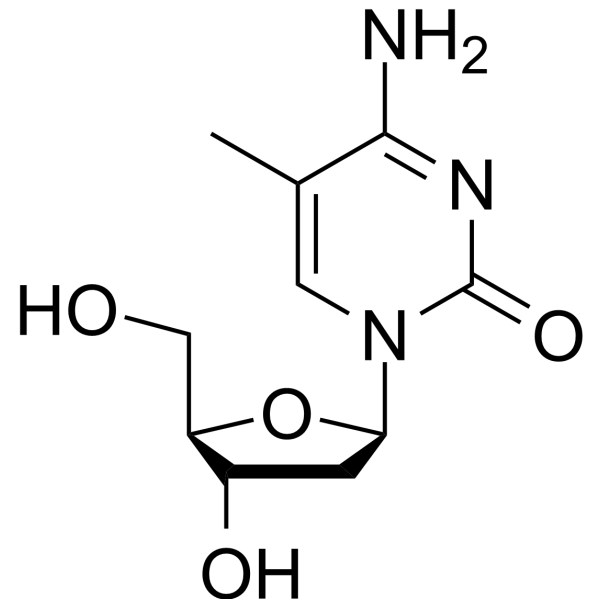
5-Methyl-2'-deoxycytidine
 0 ImagesSynonyms: 5-Methyldeoxycytidine
5-Methyl-2'-deoxycytidine (5mdC) is an endogenous substrate of DNA methyltransferases (such as mammalian 5-C-MTase) and binds to DNA dependent on the formation of DNA stem-loop structures. 5-Methyl-2'-deoxycytidine guides de novo DNA methylation by acting as a methylation mark and activates the methylation of adjacent CpG sites in single-stranded DNA through cis action. 5-Methyl-2'-deoxycytidine regulates DNA methylation patterns by recruiting methyltransferases to specific chromatin regions, affecting chromatin condensation and gene expression. Its distribution in plant cells is related to cell proliferation and differentiation stages. The methylation level of 5-Methyl-2'-deoxycytidine is low in proliferating cells and high in differentiated cells.
-
BCECF Acetoxymethyl ester
 0 ImagesCat. No.: HY-101883A
BCECF Acetoxymethyl ester is a cell membrane permeable compound widely-used as a fluorescent indicator for intracellular pH. BCECF Acetoxymethyl ester could diffuse through the cell membrane and intracellular esterase cleave the ester bond releasing BCECF (HY-101882). BCECF allows measurements in the physiological pH range 6.0-8.0. Excitation ratio: 490/440 nm; Emission intensity: 535 nm.
-
Fluorescamine
 0 ImagesSynonyms: Ro 20-7234
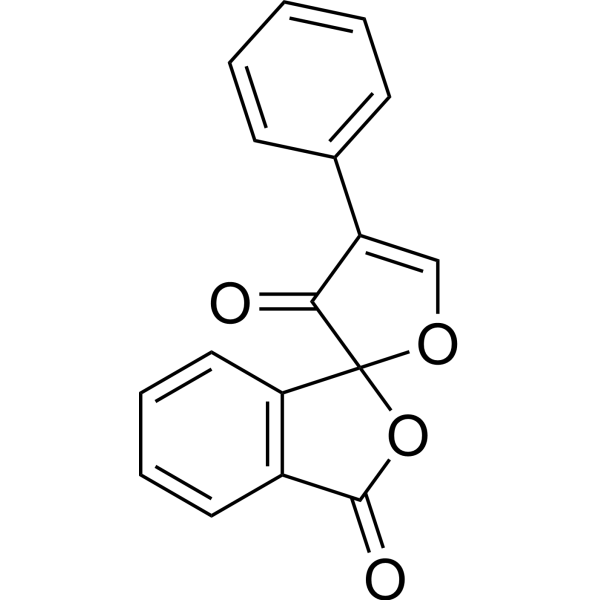
Fluorescamine is a spirocyclic compound that is non-fluorescent. Fluorescamine reacts rapidly with primary amine groups in proteins under alkaline conditions to generate products with strong fluorescence (Ex/Em: 390/475 nm). Fluorescamine can be used to detect amine-containing compounds, including amino acids, peptides, and proteins.
-
Brilliant blue G-250
 0 Images
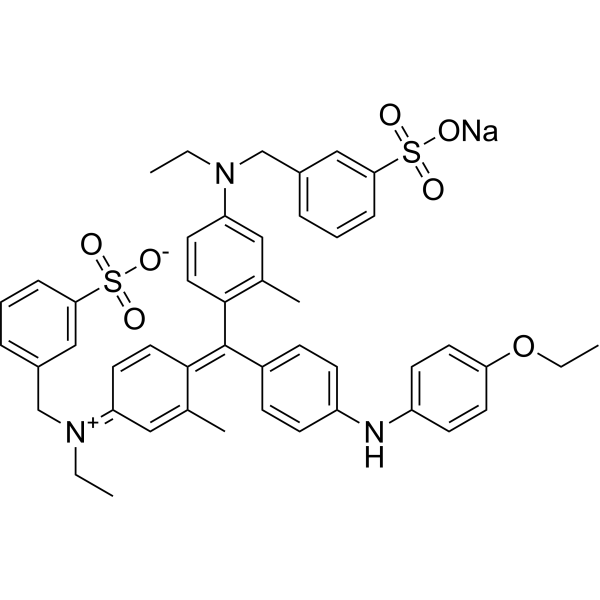
Brilliant Blue G-250 is a dye commonly used for the visualization of proteins separated by SDS-PAGE, offering a simple staining procedure and high quantitation. In the Bradford protein assay, protein concentrations are determined by the absorbance at 595 nm due to the binding of Brilliant Blue G-250 to proteins. Brilliant Blue G-250 is a safe highly selective P2×7R antagonist with promising consequent inactivation of NLRP3 inflammasome.
-
BODIPY 500/510 C1, C12
 0 Images
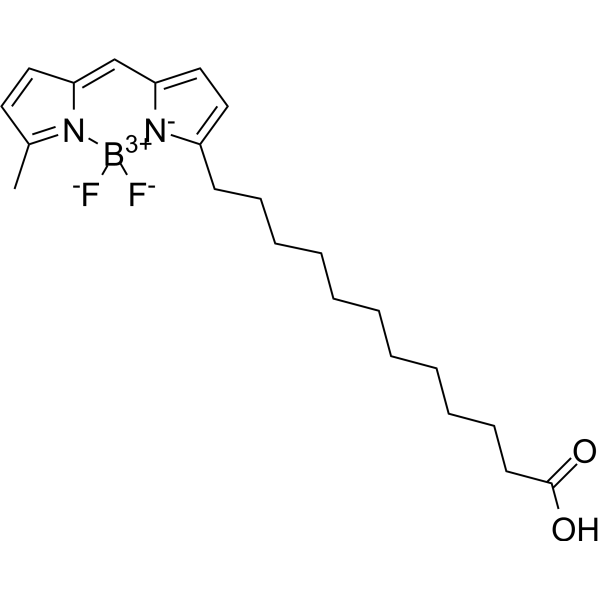
BODIPY 500/510 C1, C12 is a BODIPY dye. BODIPY dye is a small molecule dye with strong ultraviolet absorption ability, its fluorescence peak is relatively sharp, and the quantum yield is high. They are relatively insensitive to the polarity and pH of the environment and are relatively stable under different physiological conditions. Due to its structural asymmetry, BODIPY derives a variety of structural products. BODIPY lipid droplet dyes can well pass through the cell membrane into the cell, and localize the neutral lipids in the cell to specifically stain the lipid droplets, which can be used for labeling of live cells and fixed cells. Maximum excitation/emission wavelength: 500/510 nm. Protect from light, stored at -20°C.