



Lipoxygenase
LOX
Lipoxygenases (LOXs) are a family of enzymes that are responsible for the metabolism of arachidonic and docosahexaenoic acid and for the formation of several eicosanoids and docosanoids, including leukotrienes, lipoxins and neuroprotectins. Depending on cells' redox state and other milieu conditions, these enzymes are engaged in oxidative stress and cell death mechanisms or in cell protection. Lipoxygenases are lipid peroxidizing enzymes, implicated in the pathogenesis of inflammatory and hyperproliferative diseases, which represent potential targets for pharmacological intervention.
Lipoxygenases are classified on the basis of site of arachidonate oxygenation into 5-, 8-, 9-, 11-, 12- and 15-LOX. The prominent animal LOXs are 5-LOX, 8-LOX, 12-LOX and 15-LOX, while the plant LOXs are mostly 5-LOX and 15-LOX. Among these, 5-LOX is the most predominant isoform associated with the formation of 5-hydroperoxyeicosatetraenoic acid (5-HpETE) and other bioactive lipid mediators.
Lipoxygenase Isoform Specific Products
All Product Categories
-
Lipoxygenase Inhibitors
(274)
View all products
-
Lipoxygenase Antagonists
(2)
View all products
-
Lipoxygenase Activators
(2)
View all products
-
Lipoxygenase Modulators
(3)
View all products
-
Lipoxygenase Control
(1)
View all products
-
Lipoxygenase Substrates
(2)
View all products
-
Lipoxygenase Ligand
(1)
View all products
-
Lipoxygenase Related Products (307)
Related Products (307)

-
Antibodies (5)
-
Lipoxygenase Isoform Comparison
-
MK-0731
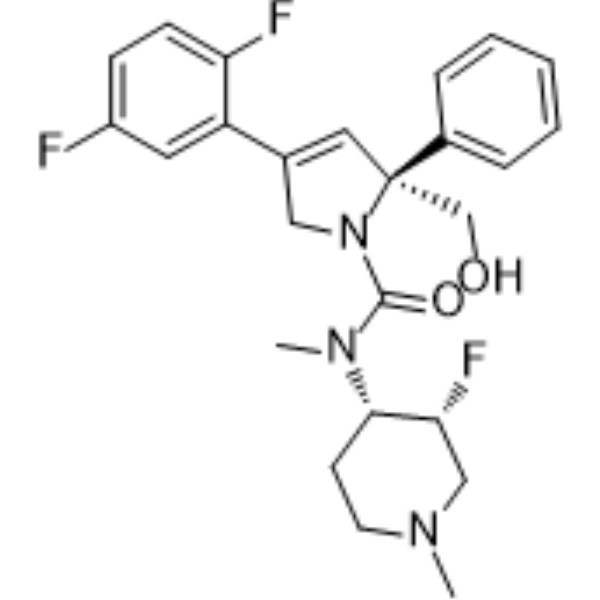 0 ImagesMK-0731 is a selective, non-competitive and allosteric kinesin spindle protein (KSP) inhibitor with an IC50 of 2.2 nM and a pKa of 7.6. MK-0731 is >20,000 fold selectivity against other kinesins. MK-0731 induces mitotic arrest and induces apoptosis in tumors. MK-0731 provides significant antitumor efficacy.
-
7-Hydroxyflavone
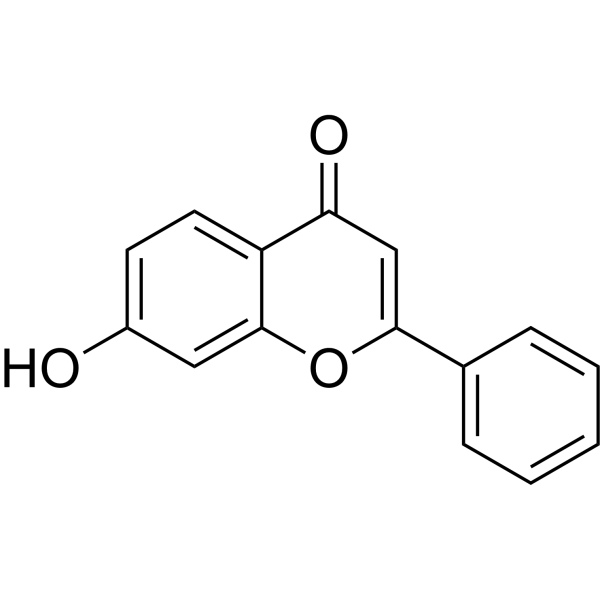 0 Images7-Hydroxyflavone is a flavonoid isolated from Clerodendrum phlomidis, with anti-inflammatory activity. 7-Hydroxyflavone protects renal cells from nicotine (NIC)-associated cytotoxicity via the ERK/Nrf2/HO-1 pathway. 7-Hydroxyflavone inhibits PKM2 with an IC50 of 2.12 μM. 7-Hydroxyflavone inhibits COX-2 and 5-LOX with IC50 of 27 µg/mL and 33 µg/mL. 7-Hydroxyflavone is orally active.
-
SB 203580 sulfone
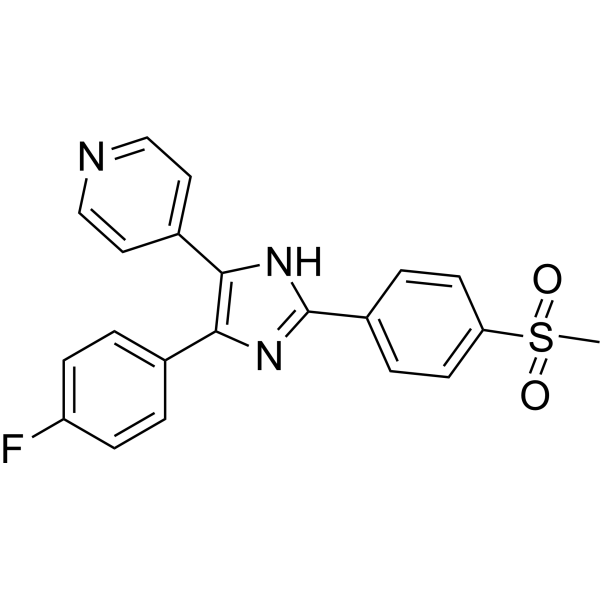 0 ImagesSB 203580 sulfone is an analog of p38 MAP kinase inhibitor SB 203580. SB 203580 sulfone inhibits the IL-1 production (IC50 of 0.2 μM in monocytes) and binds competitively with CSAID binding proteins (CSBP), inhibits it mediated stress response signaling with an IC50 of 0.03 μM. SB 203580 sulfone inhibits 5-LO with an IC50 value of 24 µM. SB 203580 sulfone can be used in the research of inflammatory diseases.
-
Kukoamine A
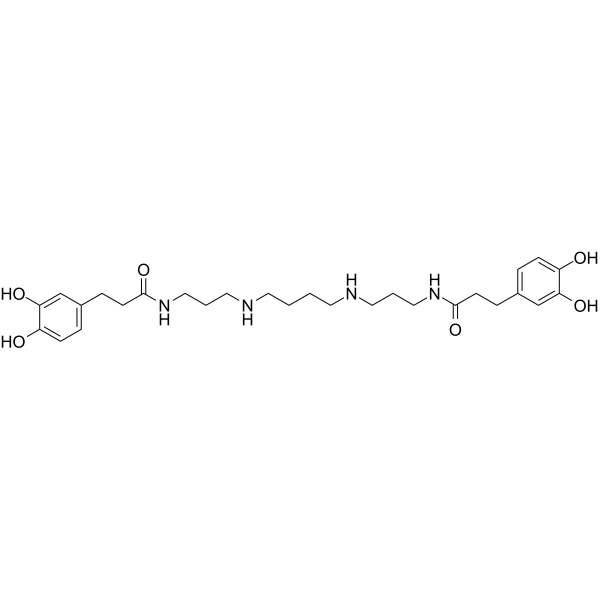 0 ImagesKukoamine A, a spermine alkaloid, is an orally active and brain-penetrant component found in the root barks of Lycium chinense (L. chinense) Miller. Kukoamine A inhibits purified Crithidia fasciculata trypanothione reductase and soybean lipoxygenase, activates μ-opioid receptor. Kukoamine A can inhibt cancer cell proliferation, migration and invasion, cause G0/G1 phase cell cycle arrest and induce apoptosis. Kukoamine A exerts neuroprotective effect and can induce autophagy . Kukoamine A inhibits LPS (HY-D1056)-induced NO, ROS, PGE2, TNF-α, IL-1β, IL-6 production and COX-2 activity. Kukoamine A reverses palmitic acid-induced insulin resistance, lipid accumulation, and oxidative stress via downregulation of Srebp-1c. Kukoamine A can be used for the research of cancer, infection, inflammation, metabolic and neurological disease, such as glioblastoma and Parkinson's disease.
-
β-Boswellic acid
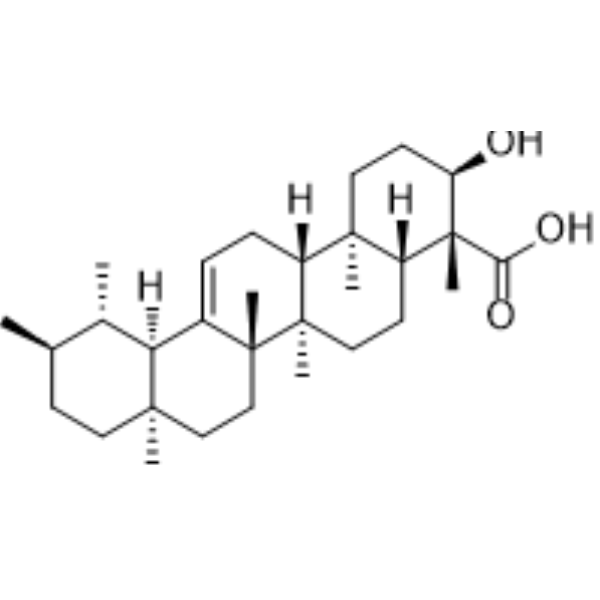 0 Imagesβ-Boswellic acid is isolated from the gum resin of Boswellia serrata with anticancer, antioxidant activity, anti-inflammatory activity and anti-arthritic pain.β-Boswellic acid is an orally active nonreducing-type inhibitor of the 5-lipoxygenase (5-LO) product formation either interacting directly with the 5-LO or blocking its translocation. β-Boswellic acid inhibits the synthesis of DNA, RNA and protein in human leukemia HL-60 cells with IC50 values ranging from 0.6 to 7.1 μM. β-Boswellic acid is promising for research of diabetes, inflammatory and arthritic diseases.
-
11-Keto-beta-boswellic acid
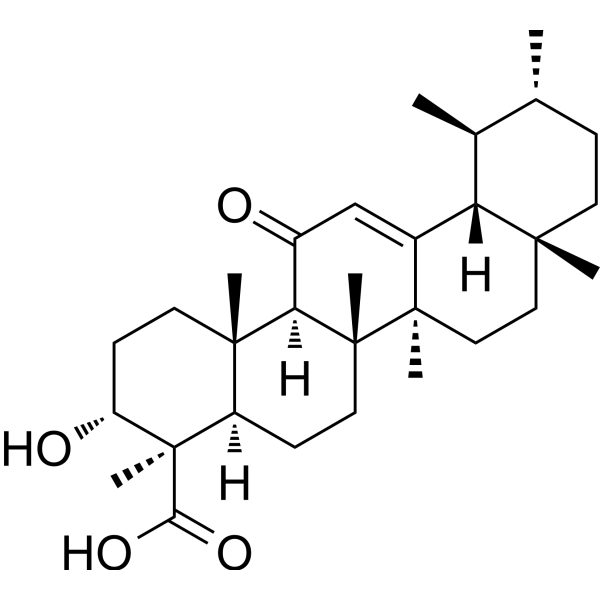 0 ImagesSynonyms: 11-Keto-β-boswellic acid11-Keto-beta-boswellic acid (11-Keto-β-boswellic acid) is a pentacyclic triterpenic acid of the oleogum resin from the bark of the Boswellia serrate tree, popularly known as Indian Frankincense. 11-Keto-beta-boswellic acid has the anti-inflammatory activity is primarily due to inhibit 5-lipoxygenase (5-LOX) and subsequent leukotriene and nuclear factor-kappa B (NF-κB) activation and tumor necrosis factor alpha generation production.
-
Stearidonic acid
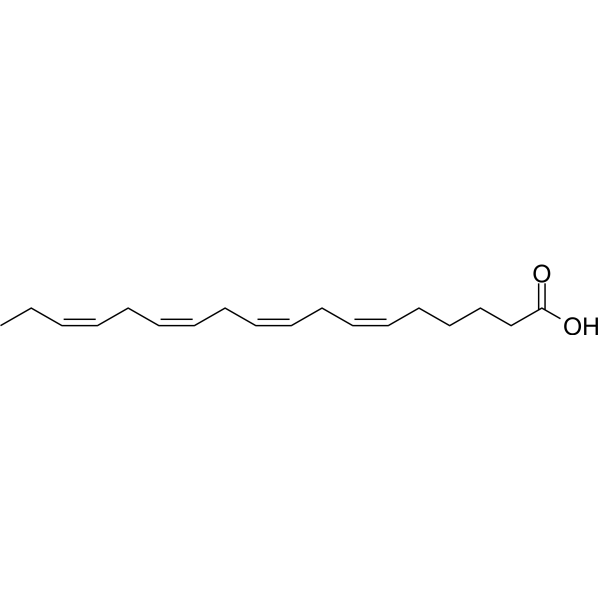 0 ImagesSynonyms: 6Z,9Z,12Z,15Z-Octadecatetraenoic acidStearidonic acid (6Z,9Z,12Z,15Z-Octadecatetraenoic acid) is an orally active polyunsaturated fatty acid found in blackcurrant seed oil. Stearidonic acid can inhibit 5-lipoxygenase and reduce leukotriene and 5-HETE synthesis. Stearidonic acid can increase the content of eicosapentaenoic acid (EPA) in red blood cells. Stearidonic acid can be used for the research of metabolic disease.
-
Zileuton sodium
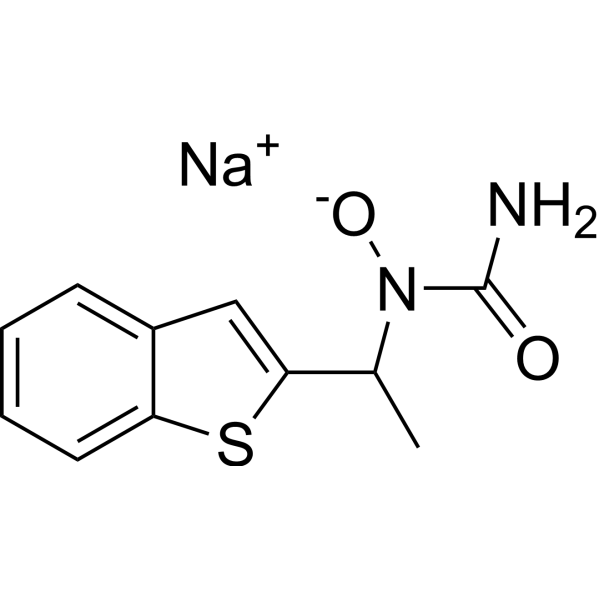 0 ImagesSynonyms: A 64077 sodium; Abbott 64077 sodiumZileuton sodium (A 64077 sodium) is a potent and selective inhibitor of 5-lipoxygenase, exhibiting inflammatory activities.
-
Benoxaprofen
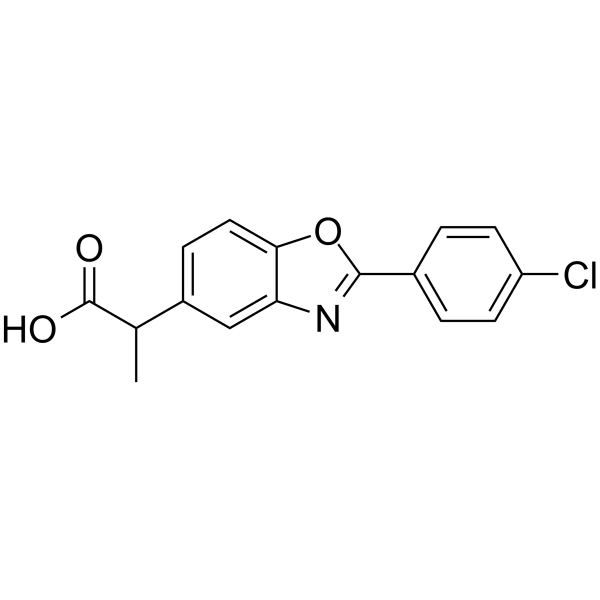 0 ImagesSynonyms: LRCL 3794Benoxaprofen (LRCL 3794) is a nonsteroidal anti-inflammatory agent that blocks the biosynthesis of inflammatory mediators such as leukotrienes and prostaglandins by inhibiting 5-LOX, PGH2 synthase and cytochrome P-450. Benoxaprofen exhibits significant toxicity: it not only alters cellular redox status, uncouples oxidative phosphorylation and disrupts calcium ion homeostasis, but also causes liver injury through the formation of covalent adducts between its active metabolites and hepatic proteins. Benoxaprofen shows strong phototoxicity under ultraviolet irradiation, and induces erythrocyte lysis, mast cell degranulation and histamine release. Benoxaprofen is widely used in studies of urticaria and related phototoxic mechanisms.
-
15-LOX-1 inhibitor 1
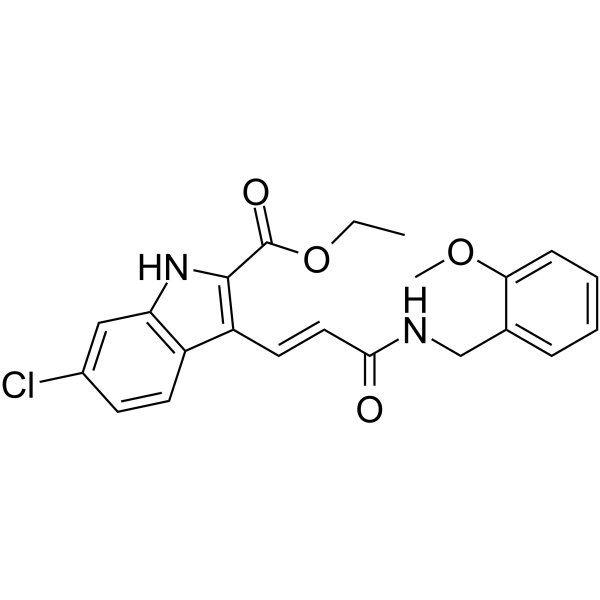 0 Images15-LOX-1 inhibitor 1 is a potent inhibitor of 15-LOX-1 (15-lipoxygenase-1) with an IC50 value of 0.19 μM. 15-LOX-1 inhibitor 1 protects macrophages from lipopolysaccharide-induced cytotoxicity. 15-LOX-1 inhibitor 1 inhibits NO formation and lipid peroxidation.
-
Triphenylphosphinechlorogold
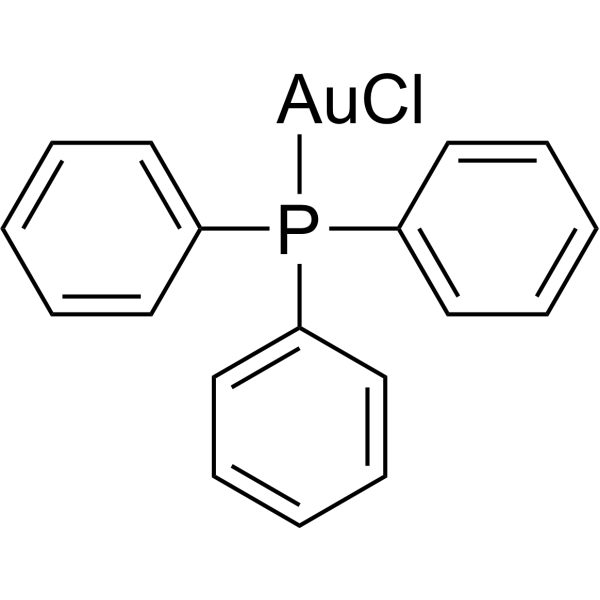 0 ImagesSynonyms: Chloro(triphenylphosphine)gold(I)Triphenylphosphinechlorogold (Chloro(triphenylphosphine)gold(I)) is a gold complex, Apoptosis inducer, and catalyst. Triphenylphosphinechlorogold exhibits high LOX inhibitory activity. Triphenylphosphinechlorogold induces cell cycle arrest and apoptosis. Triphenylphosphinechlorogold catalyzes the peroxidation of linoleic acid. A weak interaction exists between Triphenylphosphinechlorogold and DNA. Triphenylphosphinechlorogold displays antiproliferative activity against breast cancer cells.
-
Cirsiliol
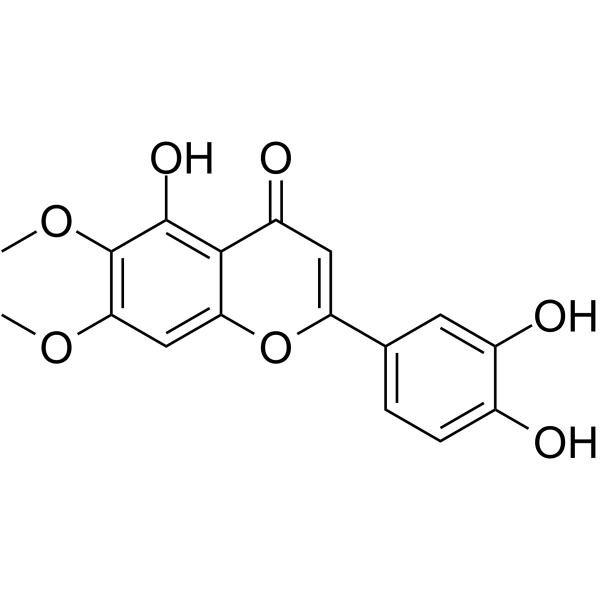 0 ImagesCirsiliol is a potent and selective 5-lipoxygenase inhibitor and a competitive low affinity benzodiazepine receptor ligand.

-
4',5-Dihydroxyflavone
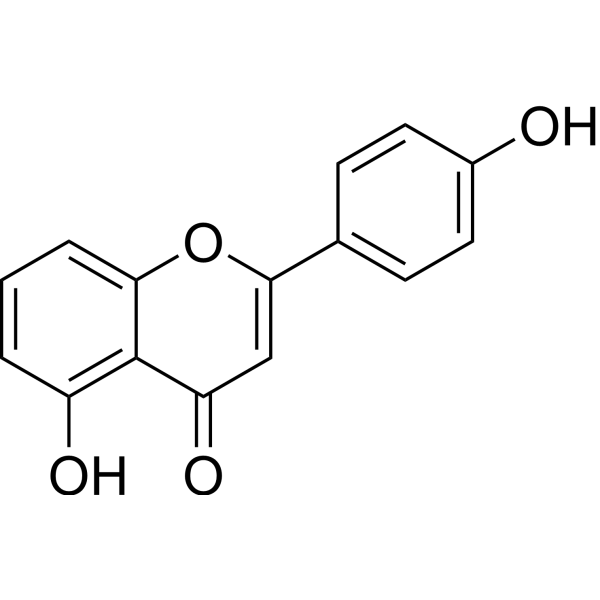 0 Images4',5-Dihydroxyflavone (Compound 2c; Compound B3) is a type of flavonoid compound. 4',5-Dihydroxyflavone can inhibit various oxidases and its IC50 values for collagenase A (ColA) and α-glucosidase are less than 1 μM and 66 μM respectively; for soybean lipoxygenase-1 (LOX-1), its Ki value is 102.6 μM. 4',5-Dihydroxyflavone can be used in studies on anti-toxicity and anti-diabetes.
-
ALOX15-IN-1
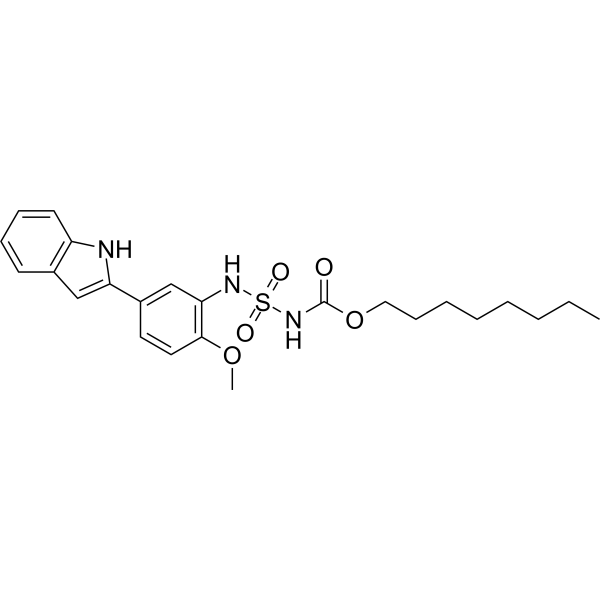 0 ImagesALOX15-IN-1 (compound 8b) is a potent inhibitor of the linoleate oxygenase activity of rabbit and human ALOX15 with IC50s of 0.04 and 2.06 μM for ALOX15 0rthologs linoleic acid (LA) and arachidonic acid (AA), respectively.
-
Tenidap
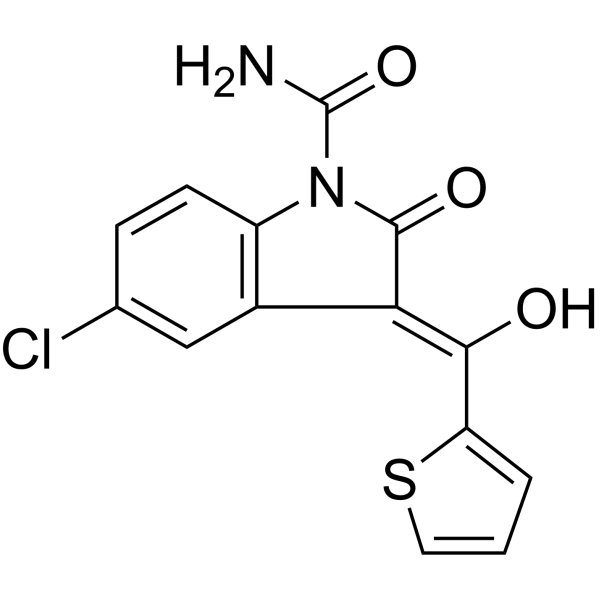 0 ImagesSynonyms: CP-66248Tenidap (CP-66248) is an orally active dual inhibitor of 5-LOX and COX with anti-inflammatory and immunomodulatory properties. Tenidap downregulates the expression of IL-1 receptors in chondrocytes, reduces the release of pro-inflammatory cytokines such as IL-1, IL-6 and TNF-α, and inhibits MMP production and cartilage degradation. Tenidap also blocks bone resorption and leukocyte adhesion to vascular endothelium, interferes with ion and pH changes associated with mouse sperm capacitation, and selectively enhances the activity of hKir2.3 channels (EC50=1.3 μM). Tenidap is applicable to research related to rheumatoid arthritis.
-
Tepoxalin
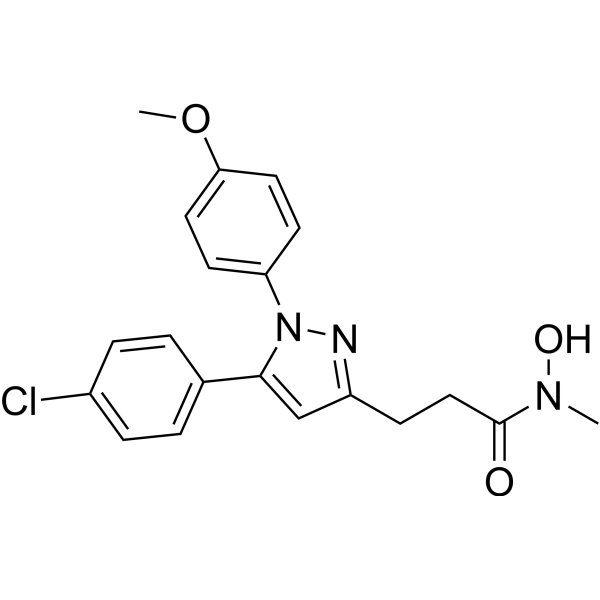 0 ImagesTepoxalin is an orally active dual inhibitor of Cyclooxygenase/Lipoxygenase, with IC50 values of 4.6 μM (sheep cyclooxygenase), 2.85 μM (rat cyclooxygenase), 0.15 μM (rat 5-lipoxygenase), and 3.0 μM (h12-lipoxygenase), respectively. Tepoxalin inhibits ROS production and NF-κB activation. Tepoxalin suppresses the production of thromboxane B2, leukotriene B4, prostaglandins and cytokines, and blocks platelet aggregation. Tepoxalin exhibits potent anti-inflammatory activity in rats with adjuvant-induced arthritis. Tepoxalin possesses analgesic activity. Tepoxalin shows no ulcerogenic activity within the anti-inflammatory dose range. Tepoxalin can be used in studies related to adjuvant-induced arthritis, skin inflammation and Alzheimer's disease.
-
Resolvin E2
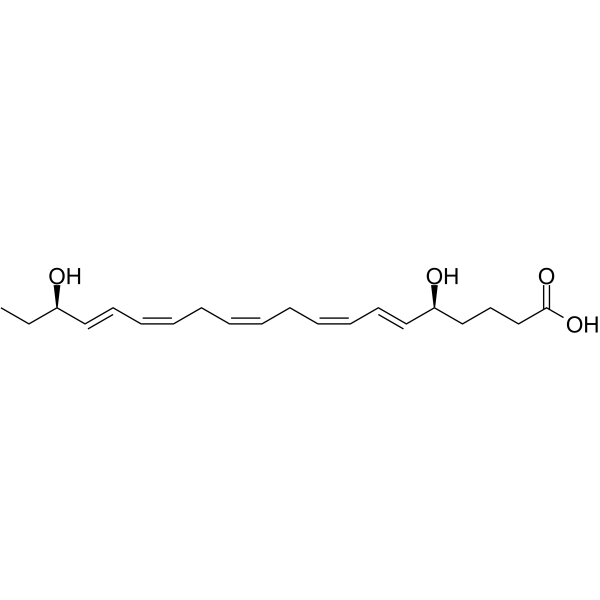 0 ImagesSynonyms: (-)-Resolvin E2Resolvin E2 ((-)-Resolvin E2) is an endogenous lipid mediator produced from eicosapentaenoic acid (EPA) under the catalysis of 5-lipoxygenase (5-LOX), and its production increases in hypoxic environments. Resolvin E2 antagonizes BLT1, partially activates ChemR23, and promotes ubiquitin-proteasome-mediated degradation of COX-2. Resolvin E2 reduces the production of prostaglandin E2, blocks polymorphonuclear leukocyte infiltration, and promotes the resolution of airway inflammation. Resolvin E2 ameliorates lipopolysaccharide (LPS) (HY-D1056)-induced depressive-like behaviors. Resolvin E2 can be used in research related to depression, murine peritonitis, neonatal asthma, and other conditions.
-
ALOX15-IN-2
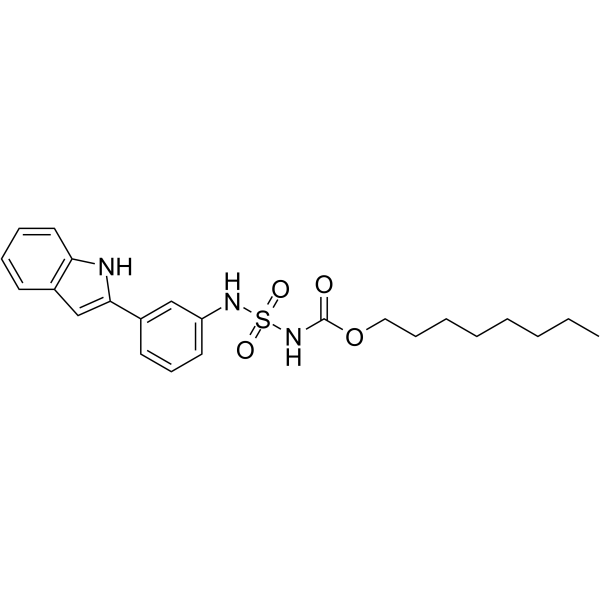 0 ImagesALOX15-IN-2 (compound 8a) is a potent inhibitor of the linoleate oxygenase activity of rabbit and human ALOX15 with IC50s of 1.55 and 2.79 μM for ALOX15 0rthologs linoleic acid (LA) and arachidonic acid (AA), respectively.
-
Phenidone
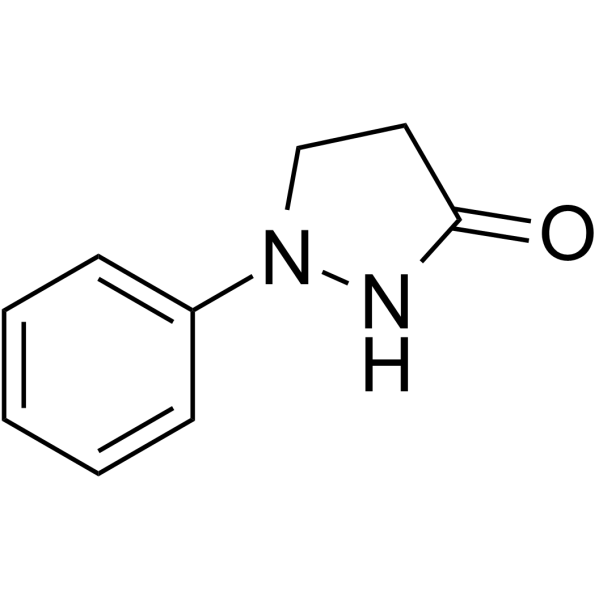 0 ImagesPhenidone, an orally active dual inhibitor of cyclooxygenase (COX) and lipoxygenase (LOX), ameliorates rat paralysis in experimental autoimmune encephalomyelitis. Phenidone is a potent hypotensive agent in the spontaneously hypertensive rat. Phenidone is used as a photographic developer.




