



Lipoxygenase
LOX
Lipoxygenases (LOXs) are a family of enzymes that are responsible for the metabolism of arachidonic and docosahexaenoic acid and for the formation of several eicosanoids and docosanoids, including leukotrienes, lipoxins and neuroprotectins. Depending on cells' redox state and other milieu conditions, these enzymes are engaged in oxidative stress and cell death mechanisms or in cell protection. Lipoxygenases are lipid peroxidizing enzymes, implicated in the pathogenesis of inflammatory and hyperproliferative diseases, which represent potential targets for pharmacological intervention.
Lipoxygenases are classified on the basis of site of arachidonate oxygenation into 5-, 8-, 9-, 11-, 12- and 15-LOX. The prominent animal LOXs are 5-LOX, 8-LOX, 12-LOX and 15-LOX, while the plant LOXs are mostly 5-LOX and 15-LOX. Among these, 5-LOX is the most predominant isoform associated with the formation of 5-hydroperoxyeicosatetraenoic acid (5-HpETE) and other bioactive lipid mediators.
Lipoxygenase Isoform Specific Products
All Product Categories
-
Lipoxygenase Inhibitors
(274)
View all products
-
Lipoxygenase Antagonists
(2)
View all products
-
Lipoxygenase Activators
(2)
View all products
-
Lipoxygenase Modulators
(3)
View all products
-
Lipoxygenase Control
(1)
View all products
-
Lipoxygenase Substrates
(2)
View all products
-
Lipoxygenase Ligand
(1)
View all products
-
Lipoxygenase Related Products (307)
Related Products (307)

-
Antibodies (5)
-
Lipoxygenase Isoform Comparison
-
2-TEDC
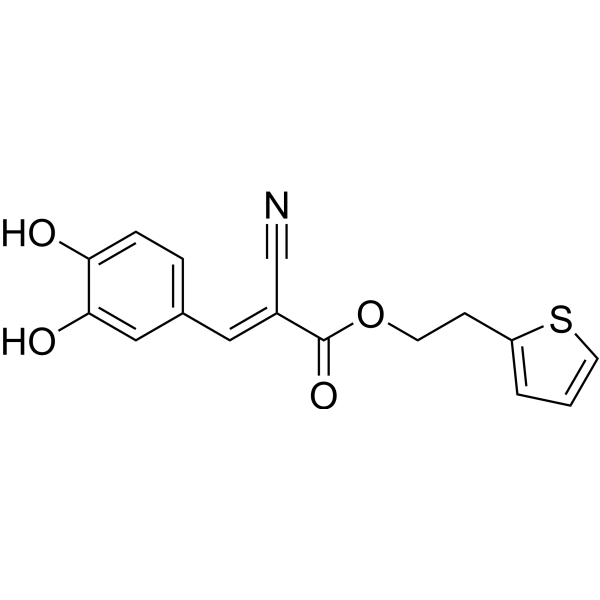 0 Images2-TEDC is a potent inhibitor of 5-, 12-, and 15-lipoxygenase with IC50 values of 0.09 μM, 0.013 μM and 0.5 μM, respectively. 2-TEDC can be used for the research of atheroscrelosi.
-
2,5-Di-tert-butylhydroquinone
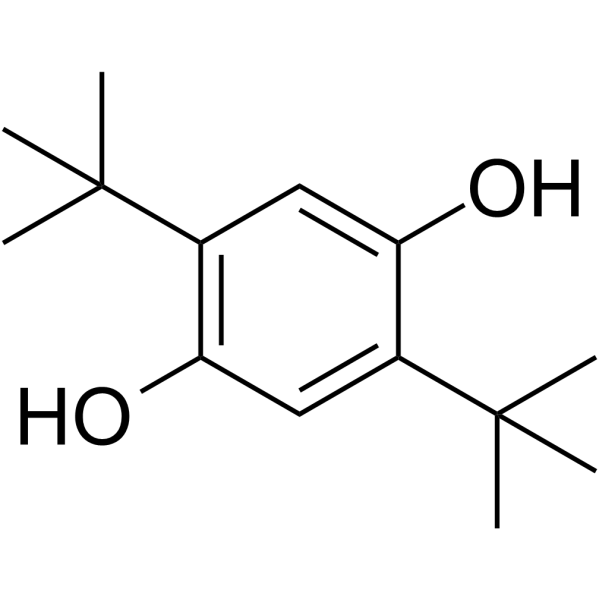 0 Images2,5-Di-tert-butylhydroquinone (BHQ) (Compound 2), an indirect food additive, is a Sarco/endoplasmic reticulum Ca2+ ATPase (SERCA) inhibitor with an IC50 of 400 nM. 2,5-Di-tert-butylhydroquinone disrupts the gating function of the residue Glu309 which prevents Ca2+ from reaching their binding site. 2,5-Di-tert-butylhydroquinone regulates the activity of 5-lipoxygenase and COX-2 (IC50: 1.8 and 14.1 μM for 5-LO and COX-2, respectively).
-
LXG6403
 0 ImagesLXG6403 is an orally active and irreversible LOX inhibitor (IC50 = 1.3 μM). LXG6403 is ~3.5-fold more specific for LOX than LOXL2 and does not inhibit LOXL1. LXG6403 inhibits FAK signaling and induces ROS generation and DNA damage, leading to G1 arrest and apoptosis in chemoresistant triple-negative breast cancer (TNBC) cell lines. LXG6403 alters the extracellular matrix (ECM) and collagen structure, reducing collagen cross-linking and deposition, thereby increasing drug penetration and reducing tumor stiffness. LXG6403 overcomes Doxorubicin (HY-15142) resistance in chemoresistant TNBC PDX in vivo and can be used to study high-stiffness resistant tumors.
-
Cannflavin B
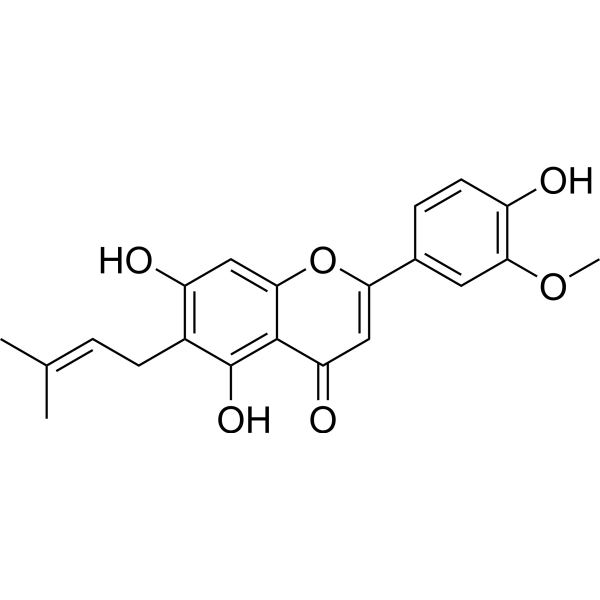 0 ImagesSynonyms: CanniflavoneCannflavin B is a flavonoid compound that can be isolated from Cannabis sativa L. Cannflavin B is inhibitors of PGE2 release (IC50: 0.7 μM), mPGES-1 (IC50: 3.7 μM), and 5-lipoxygenase. Cannflavin B has multiple activities such as anti-inflammatory, antioxidant, anti-glycation, anti-ferroptosis, anti-tumor, and anti-Leishmania (IC50: 14 μM). Cannflavin B can also inhibit the TrkB-BDNF signaling pathway.

-
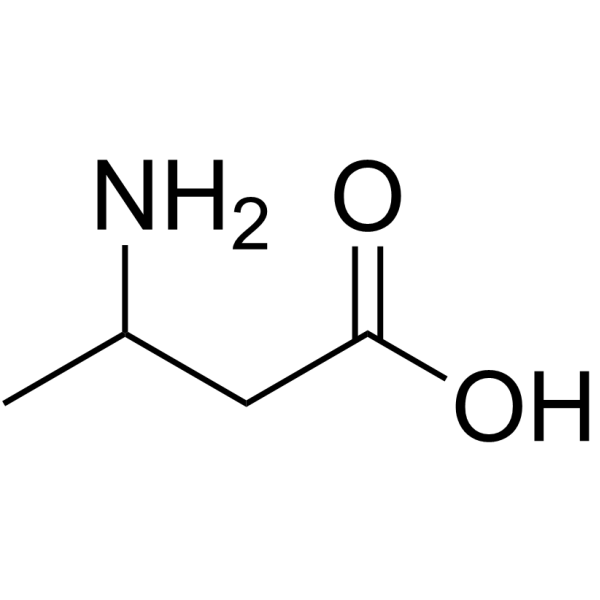
PF-4191834
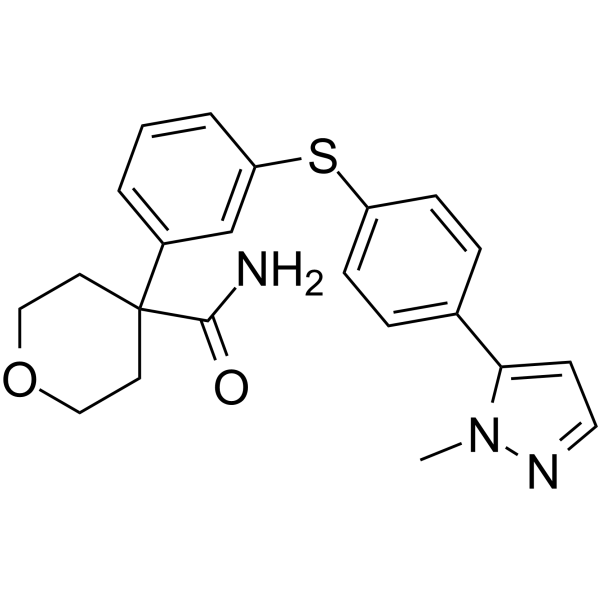 0 ImagesSynonyms: PF-04191834
-
Mirificin
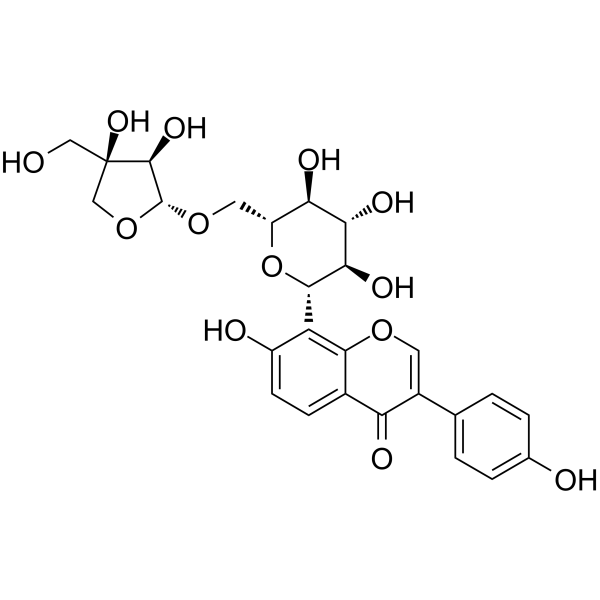 0 ImagesSynonyms: Puerarin apiosideMirificin (Puerarin apioside) is a blood-brain barrier-permeable tyrosinase inhibitor, with an IC50 value of 12.66 μM against mushroom tyrosinase. Mirificin reduces the expression of ALOX12 in cardiomyocytes and alleviates hypoxia/reoxygenation-induced apoptosis. The neuroprotective effect of Mirificin depends on the activation of VEGFR2 and HSP1A1, which reduces cerebral infarct size and improves neurological function. Mirificin can be used in the research of hyperpigmentation, acute myocardial infarction and ischemic stroke.
-
Docebenone
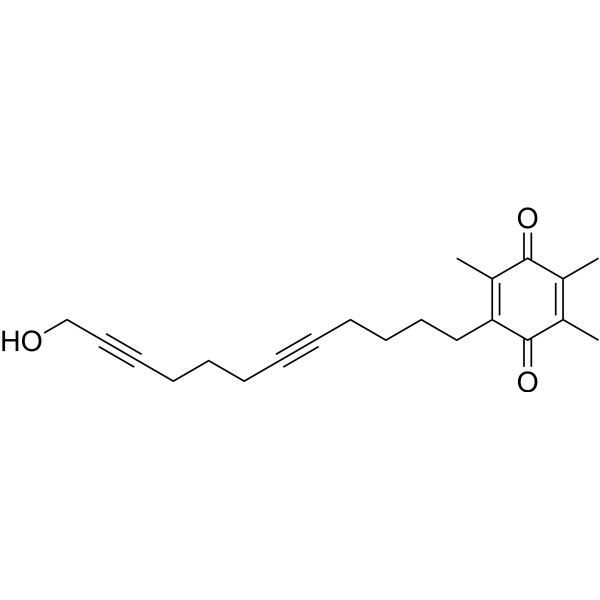 0 ImagesSynonyms: AA 861Docebenone (AA 861) is a potent, selective and orally active 5-LO (5-lipoxygenase) inhibitor.
-
Timosaponin A1
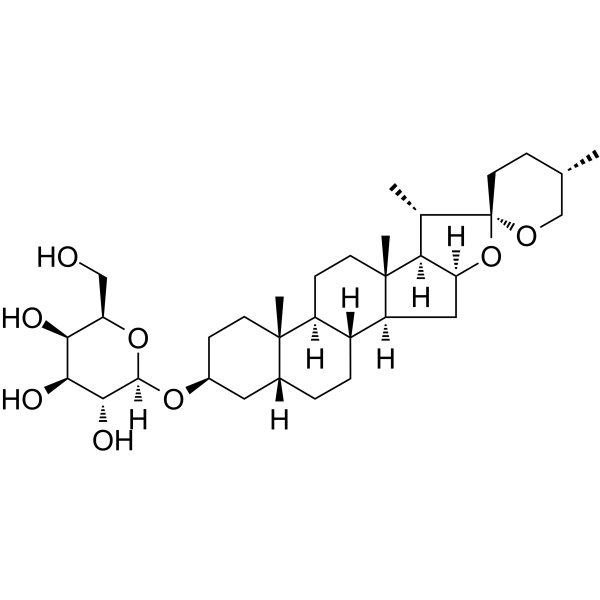 0 ImagesTimosaponin A1, a natural steroidal saponin, is a 5-lipoxygenase (5-LO), COX-2, and dipeptidyl peptidase 4 (DPP-4) inhibitor with IC50s of 3.29 µM, 36.43 µM, and 33.25 µM, respectively.
-
Utreloxastat
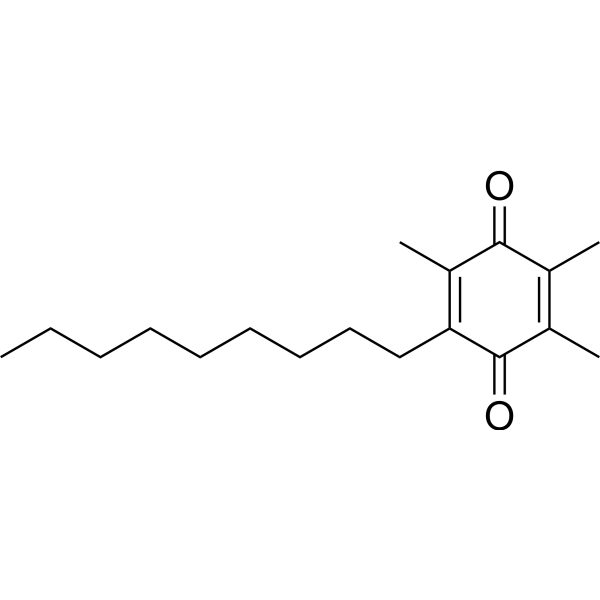 0 ImagesSynonyms: PTC857Utreloxastat (PTC857) is an orally active and blood-brain barrier-permeable 15-lipooxygenase inhibitor. Utreloxastat is a weak inhibitor of CYP1A2 and 2B6 with an IC50 of >5.3 μM. Utreloxastat reduces oxidative stress and inhibits the consumption of reduced glutathione and ferroptosis. Utreloxastat can be used in the study of neurodegenerative diseases characterized by high levels of oxidative stress and mitochondrial pathology, such as amyotrophic lateral sclerosisc.
-
5-O-Demethylnobiletin
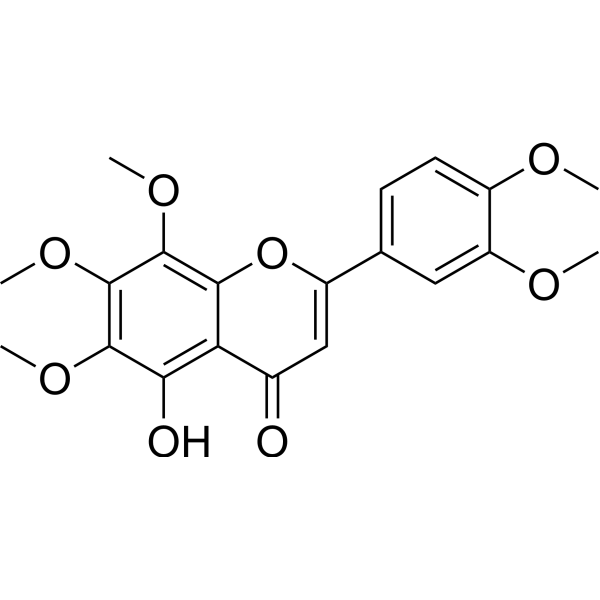 0 Images5-O-Demethylnobiletin (5-Demethylnobiletin), a polymethoxyflavone isolated from Citrus jambhiri Lush., is a direct inhibition of 5-LOX (IC50=0.1 μM), without affecting the expression of COX-2. 5-O-Demethylnobiletin (5-Demethylnobiletin) has anti-inflammatory activity, inhibits leukotriene B (4)(LTB4) formation in rat neutrophils and elastase release in human neutrophils with an IC50 of 0.35 μM.
-
Cinnamyl-3,4-dihydroxy-α-cyanocinnamate
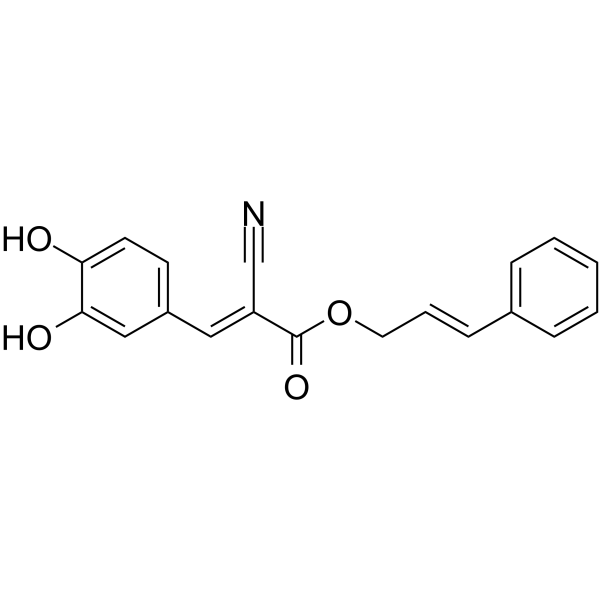 0 ImagesSynonyms: CDCCinnamyl-3,4-dihydroxy-α-cyanocinnamate (CDC) is a potent 12/15-Lipoxygenases (LO) inhibitor. Cinnamyl-3,4-dihydroxy-α-cyanocinnamate has the potential for the research of type 1 diabetes mellitus.
-
Eicosatetraynoic acid
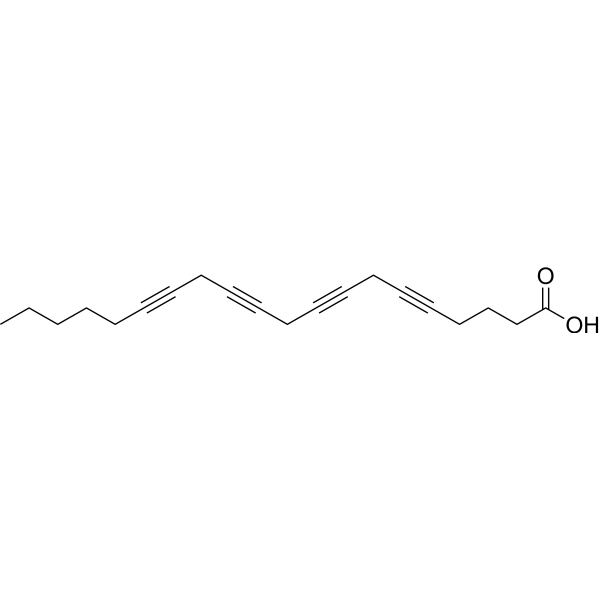 0 ImagesEicosatetraynoic acid (ETYA) is a non-metabolizable analog of Arachidonic acid (HY-109590) and also an inhibitor of the lipoxygenase (LOX)/cyclooxygenase (COX) pathway (ID50 = 8 μM and 4 μM). Eicosatetraynoic acid acts as a suicide substrate to inhibit the production of inflammatory mediators such as leukotrienes and prostaglandins. Eicosatetraynoic acid acts directly on cell membranes and membrane proteins to exert a wide range of effects, including blocking potassium channels, increasing cell membrane fluidity, elevating intracellular calcium levels, inhibiting DNA synthesis in tumor cells, inducing differentiation of certain cells, and specifically inhibiting the assembly and replication of orthopoxviruses. Eicosatetraynoic acid alleviates acute lung injury induced by chemicals such as phosgene.
-
CJ-13,610
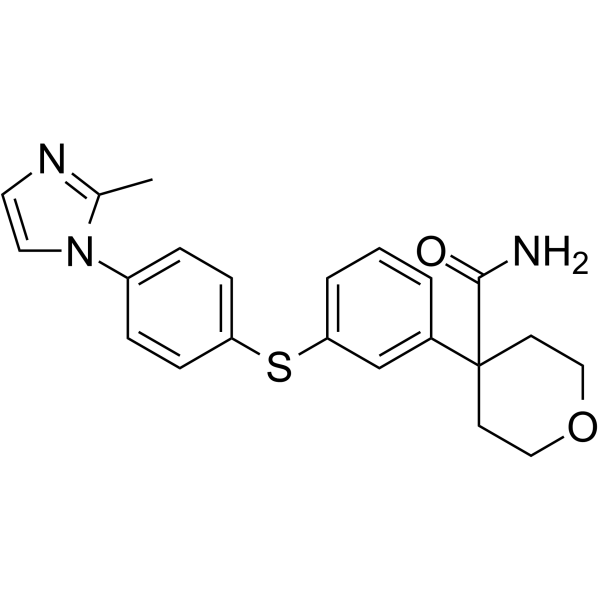 0 ImagesCJ-13,610, a nonredox-type 5-LO inhibitor, dose dependently suppresses 5-LO product formation in ionophore A23187-stimulated PMNL in the absence of exogenous AA with an IC50 of about 70 nM. PMNL: polymorphonuclear leukocytes; AA: arachidonic acid
-
3-Hydroxy-2-pyrone
 0 ImagesCat. No.: HY-W041193CAS No.: 496-64-03-Hydroxy-2-pyrone (Compound 12d) is a metalloenzyme inhibitor. 3-Hydroxy-2-pyrone shows an inhibition rate of approximately 50% for matrix metalloproteinases (MMP) and the inhibition rate for non-heme iron enzyme 5-lipoxygenase (5-LOX) was over 70% at 1 mM. 3-Hydroxy-2-pyrone also has certain inhibitory activity against copper-dependent enzyme tyrosinase. 3-Hydroxy-2-pyrone can be used for the research of cancer, infection and inflammation.
-
ThioLox
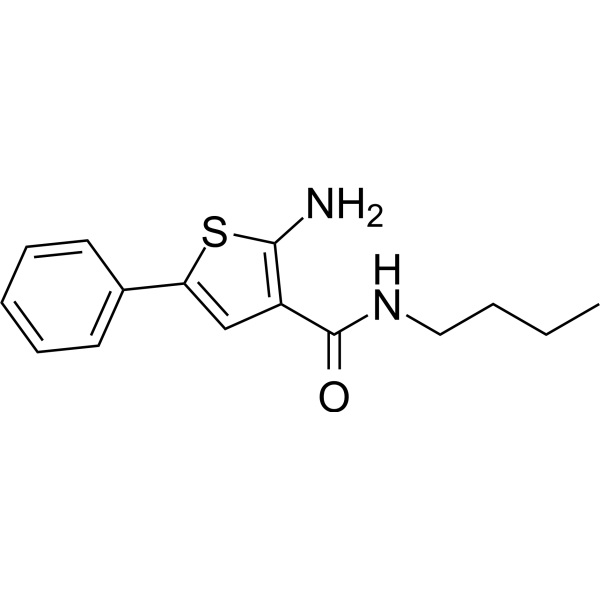 0 ImagesThioLox is a competitive 15-lipoxygenase-1 (15-LOX-1) inhibitor with a Ki of 3.30 μM. ThioLox shows anti-inflammatory and neuroprotective properties.
-
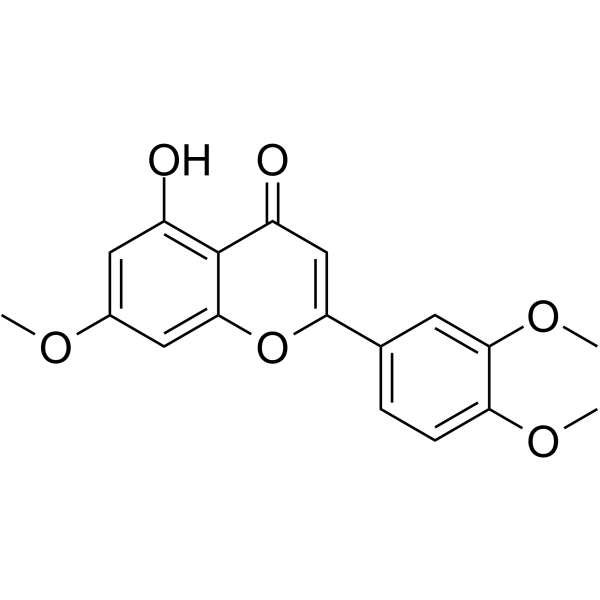
7,3',4'-Tri-O-methylluteolin
 0 ImagesSynonyms: 5-Hydroxy-3',4',7-trimethoxyflavone7,3',4'-Tri-O-methylluteolin (5-Hydroxy-3',4',7-trimethoxyflavone) is a flavonoid with multiple biological activities. 7,3',4'-Tri-O-methylluteolin inhibits soybean lipoxygenase (LOX), with an IC50 value of 23.97 µg/mL. 7,3',4'-Tri-O-methylluteolin possesses anti-inflammatory effects in Lipopolysaccharides (HY-D1056) (LPS)-induced RAW 264.7 macrophages. 7,3',4'-Tri-O-methylluteolin inhibits the binding of MDM2 with p53 and induces apoptosis in MCF-7 breast cancer cells. 7,3',4'-Tri-O-methylluteolin also has antioxidant, antifungal and antitrypanosomal activities.




