Apoptosis
Apoptosis
Apoptosis is a distinctive form of cell death exhibiting specific morphological and biochemical characteristics, including cell membrane blebbing, chromatin condensation, genomic DNA fragmentation, and exposure of specific phagocytosis signaling molecules on the cell surface. Cells undergoing apoptosis differ from those dying through necrosis. Necrotic cells are usually recognized by the immune system as a danger signal and, thus, resulting in inflammation; in contrast, apoptotic death is quiet and orderly.
There are two major pathways of apoptotic cell death induction: The intrinsic pathway, also called the Bcl-2-regulated or mitochondrial pathway, is activated by various developmental cues or cytotoxic insults, such as viral infection, DNA damage and growth-factor deprivation, and is strictly controlled by the BCL-2 family of proteins. The extrinsic or death-receptor pathway is triggered by ligation of death receptors (members of the tumor necrosis factor (TNF) receptor family, such as Fas or TNF receptor-1 (TNFR1)) that contain an intracellular death domain, which can recruit and activate caspase-8 through the adaptor protein Fas-associated death domain (FADD; also known as MORT1) at the cell surface. This recruitment causes subsequent activation of downstream (effector) caspases, such as caspase-3, -6 or -7, without any involvement of the BCL-2 family.
Studies suggest that alterations in cell survival contribute to the pathogenesis of a number of human diseases, including cancer, viral infections, autoimmune diseases, neurodegenerative disorders, and AIDS (acquired immunodeficiency syndrome). Treatments designed to specifically alter the apoptotic threshold may have the potential to change the natural progression of some of these diseases.
All Product Categories
-
Apoptosis Inhibitors
(883)
View all products
-
Apoptosis Agonists
(7)
View all products
-
Apoptosis Antagonists
(9)
View all products
-
Apoptosis Activators
(361)
View all products
-
Apoptosis Modulators
(59)
View all products
-
Apoptosis Inducers
(7800)
View all products
-
Apoptosis Degrader
(1)
View all products
-
Apoptosis Controls
(33)
View all products
-
Apoptosis Related Products (9713)
Related Products (9713)

-
Antibodies (120)
-
IHMT-MST1-39
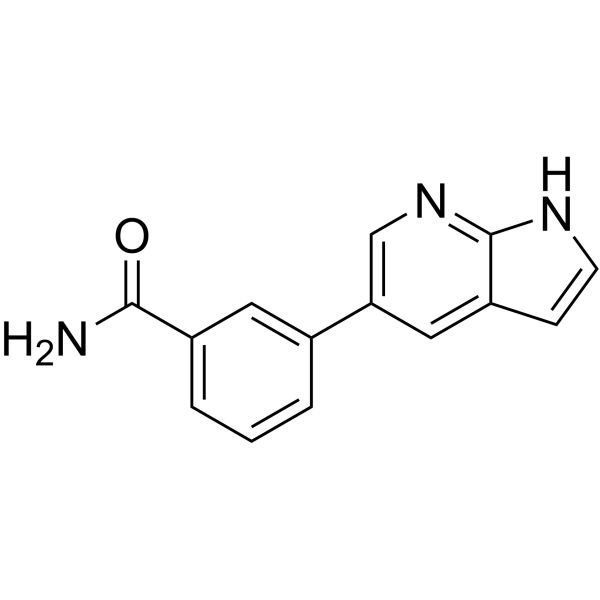
 0 ImagesIHMT-MST1-39 is an orally active inhibitor for MST kinase, with IC50 of 42, 109, 286, 159 nM for MST1, MST2, MST3, MST4. IHMT-MST1-39 activates the AMPK signaling pathway in liver cells, reduces apoptosis of pancreatic β-cells. IHMT-MST1-39 can be used for the studies of type 1 diabetes (T1D) and type 2 diabetes (T2D).
-
Dioscin (Standard)
 0 ImagesSynonyms: Collettiside III (Standard); CCRIS 4123 (Standard)Dioscin (Standard) is the analytical standard of Dioscin. This product is intended for research and analytical applications. Dioscin (CCRIS 4123; Collettiside III) is a natural plant-derived steroidal saponin that has good anti-cancer activity against a variety of cancer cells. Dioscin causes DNA damage and induces apoptosis in HeLa and SiHa cells. Dioscin regulates ROS-mediated DNA damage and mitochondrial signaling pathways, exerting anticancer activity.
-
Cyclamic acid sodium
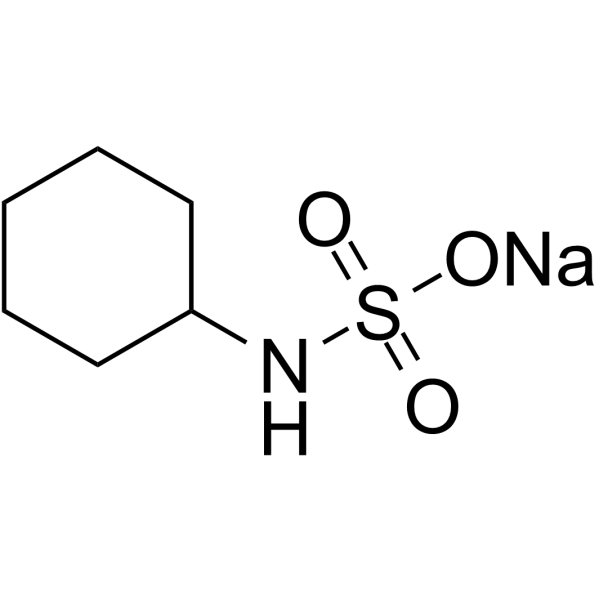 0 ImagesSynonyms: Sodium cyclamate; Cyclohexylsulfamic acid sodiumCyclamic acid sodium (Sodium cyclamate) is a commonly used sweetener. Cyclamic acid sodium is toxic to osteoblasts and can inhibit cell proliferation, induce apoptosis and reduce cell mineralization. Cyclamic acid sodium causes focal necrosis of bladder organs in rats in vitro, which can promote bladder cancer, but some studies have shown that low doses of Cyclamic acid sodium have no carcinogenic effect. In addition, Cyclamic acid sodium has no effect on insulin and glucagon secretion induced by arginine.
-
MTBT
 0 ImagesMTBT is an anticancer agent and p38 MAPK activator. MTBT can inhibit tumor cell proliferation, induce cell cycle arrest and apoptosis. MTBT increases the phosphorylation of histone H3 serine in cancer cells, thereby arresting the cell cycle in the M phase. The specific inhibitor of p38 MAPK, Adezmapimod (HY-10256), can abrogate the cell cycle arrest induced by MTBT.
-
Gomisin D
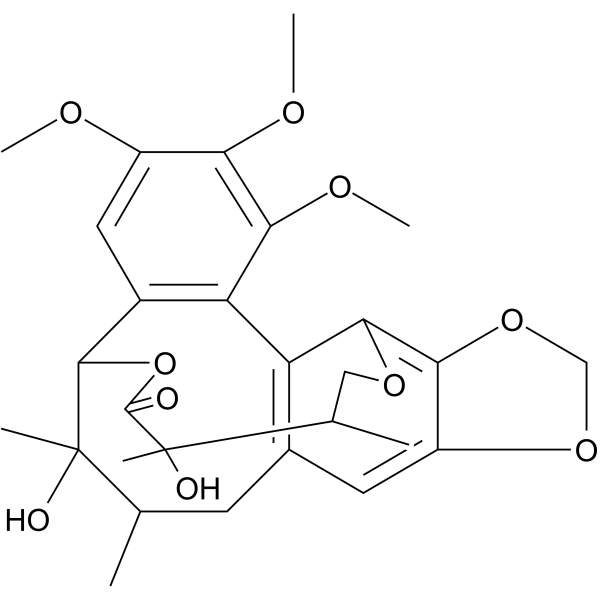 0 ImagesGomisin D is an orally active lignan that binds to PDGFRβ with a Kd of 10 μM. By targeting PDGFRβ to regulate signaling pathways, Gomisin D inhibits the activation and proliferation of hepatic stellate cells and promotes their apoptosis, thereby ameliorating hepatic fibrosis. Gomisin D exhibits multiple activities such as photoprotection, antimelanogenesis, antioxidant effects, and hypoglycemic activity. Gomisin D can be used in studies related to diabetes, Alzheimer's disease, and hepatic fibrosis.
-
PROTAC ATR degrader-1
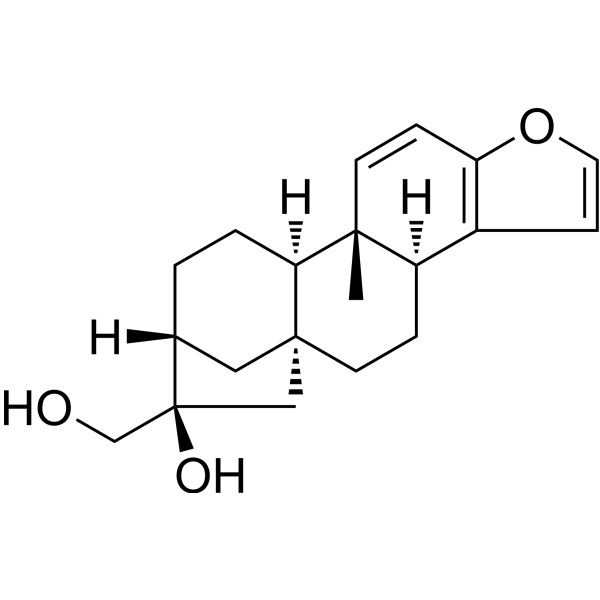
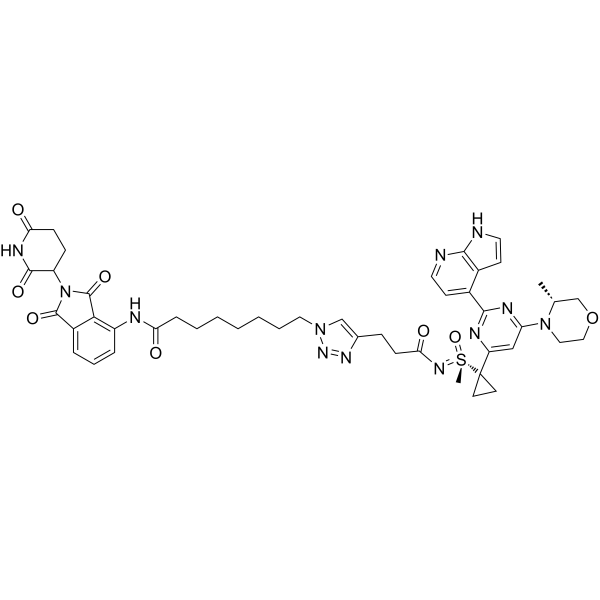 0 ImagesPROTAC ATR degrader-1 is a ATR PROTAC degrader. PROTAC ATR degrader-1 promotes ubiquitination and degradation of ATR. PROTAC ATR degrader-1 facilitates the progression of cells through the G2/M phase, thereby impairing DNA repair and inducing Apoptosis. PROTAC ATR degrader-1 exerts anticancer effects against colorectal cancer either alone or in combination with Cisplatin (HY-17394). PROTAC ATR degrader-1 can be used in research related to colorectal cancer.
-
1-Monopalmitin
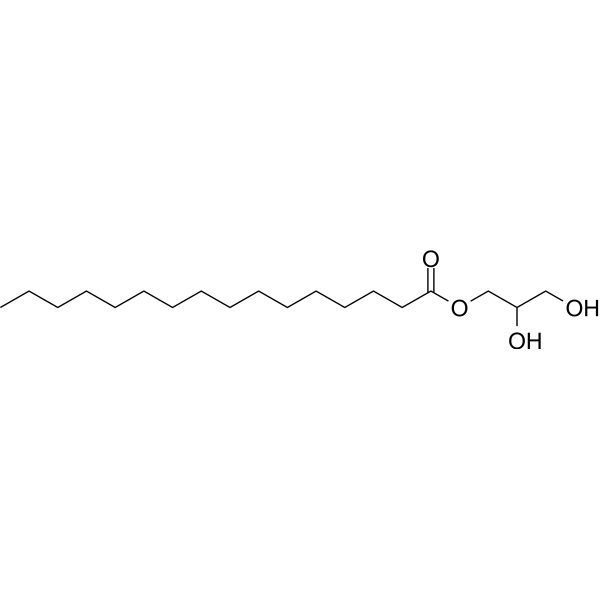 0 ImagesSynonyms: Glyceryl palmitate1-Monopalmitin (Glyceryl palmitate) is an activator of the PI3K/Akt pathway and an inhibitor of P-glycoprotein (P-gp). 1-Monopalmitin can induce G2/M arrest and caspase-dependent apoptosis in cancer cells, while inhibiting IAPs protein expression. 1-Monopalmitin can increase drug accumulation by inhibiting P-gp activity in intestinal Caco-2 cells. 1-Monopalmitin has the ability to induce protective autophagy and apoptosis of lung cancer cells (IC50=50-58 μg/mL), with low toxicity to normal cells.
-
Isotoosendanin
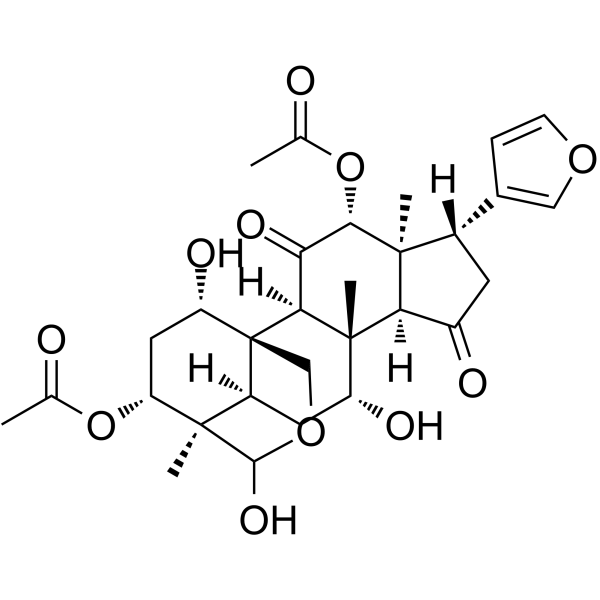 0 ImagesIsotoosendanin is an orally active TGFβR1 inhibitor and abrogating its kinase activity (IC50 = 6732 nM). Isotoosendanin inhibits the JAK/STAT3 signaling pathway by directly targeting SHP-2, enhancing its stability, and reducing its ubiquitination. Isotoosendanin inhibits TGF-β-induced reduces the migration, invasion, and metastasis in triple-negative breast cancer (TNBC) cells. Isotoosendanin exhibits anti-tumor efficacy in TNBC xenograft models and A549 xenograft tumors. Isotoosendanin exhibits significant anti-inflammatory effects in acetic acid-induced vascular permeability and λ-carrageenan-induced hind paw edema tests. Isotoosendanin can be used for the study of non-small cell lung cancer (NSCLC), TNBC and inflammation.
-
cis-p-Coumaric acid
 0 Imagescis-p-Coumaric acid (cis-4-Hydroxycinnamic acid) is the cis-form of p-Coumaric acid (HY-N0351), which is higher in viable seeds of groundnuts than in non-viable ones. p-Coumaric acid is an isomer of cinnamic acid with oral activity. p-Coumaric acid inhibits cell proliferation and promotes Apoptosis.
-
4-Hydroxyretinoic acid
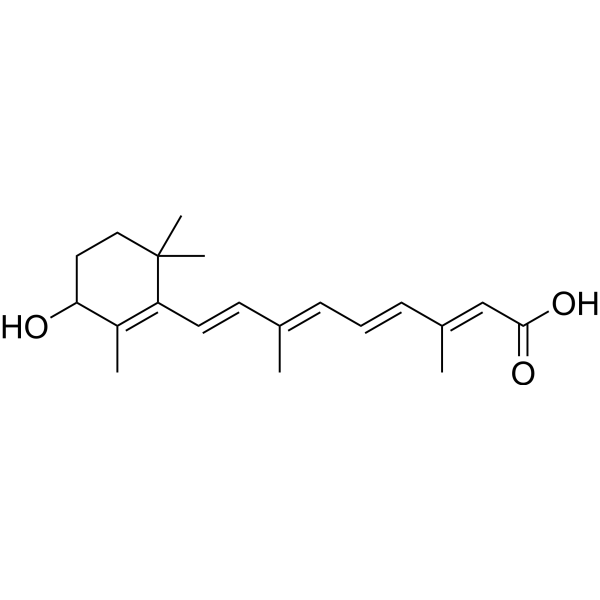 0 ImagesCat. No.: HY-125904CAS No.: 66592-72-14-Hydroxyretinoic acid (4-HRA) is a derivative of Retinoic acid (HY-14649). 4-Hydroxyretinoic acid is formed via the catalysis of retinol by cytochrome P-450 isoenzymes. 4-Hydroxyretinoic acid also serves as a substrate for UDP-glucuronosyltransferase (s) and recombinant UGT2B7. 4-Hydroxyretinoic acid binds to the nuclear receptor RAR (Retinoic Acid Receptor), activates RAR and RXR-alpha, subsequently regulates gene expression and cell differentiation, and induces cancer cell apoptosis (Apoptosis). 4-Hydroxyretinoic acid also participates in multiple physiological processes such as immunoregulation, neuroprotection and antioxidation.
-
BT317
 0 ImagesBT317 is a blood-brain transmissible mitochondrial Lon peptidase I (LonP1) and CT-L proteasome inhibitor. BT317 can increase the production of reactive oxygen species (ROS) and induce apoptosis in astrocytoma cells. BT317 has antitumor activity.
-
Flavokawain C
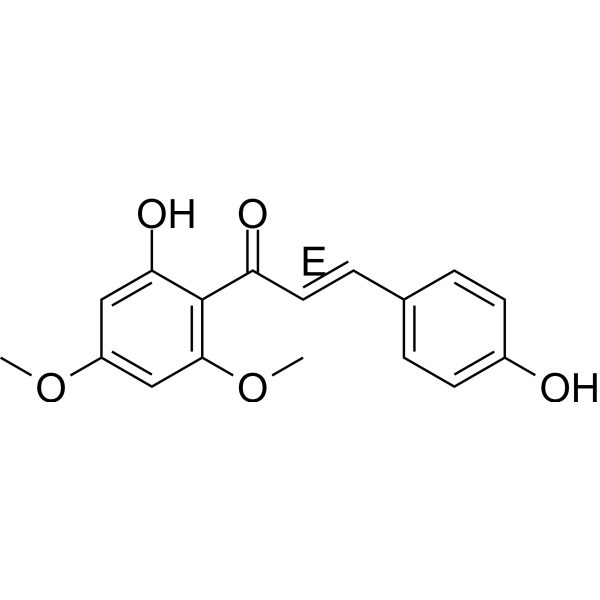 0 ImagesFlavokawain C is an orally active natural chalcone. Flavokawain C inhibits the proliferation of various cancer cells. Flavokawain C upregulates GADD153 in cancer cells, inhibits the phosphorylation of Akt and JNK, suppresses early ERK phosphorylation, activates late ERK phosphorylation, activates caspase related subtypes, induces PARP-1 cleavage, causes upregulation of p21 and p27, downregulation of mutant p53 and anti-apoptotic IAP proteins, elevates intracellular ROS levels, reduces SOD activity, and induces apoptosis. Flavokawain C downregulates FABP4, induces autophagy in cancer cells, and activates the AMPK/mTOR pathway. Flavokawain C decreases the expression of glycolysis-related proteins GLUT1 and HK2, and inhibits glycolysis in nasopharyngeal carcinoma cells. Flavokawain C inhibits the activation of the EGFR/PI3K/Akt/mTOR signaling pathway and reduces the expression of HSP90B1. Flavokawain C inhibits angiogenesis by decreasing the expression of angiogenic proteins Ang-1 and VEGF in human umbilical vein endothelial cells. Flavokawain C increases γ-H2AX levels in cells, inhibits the phosphorylation of FAK, PI3K and AKT in cells, and induces DNA damage in cells. Flavokawain C exerts anti-tumor activity in multiple tumor xenograft mouse models. Flavokawain C is applicable to research related to colorectal cancer, colon adenocarcinoma, nephroblastoma, nasopharyngeal carcinoma and liver cancer.
-
Mirodenafil
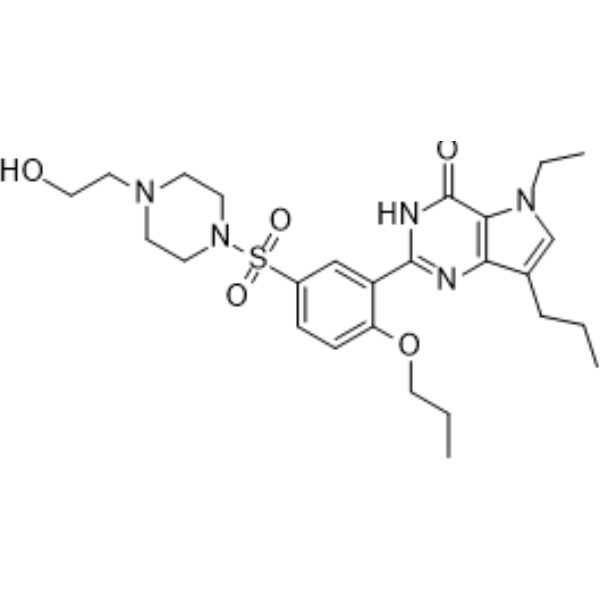 0 ImagesSynonyms: SK3530Mirodenafil (SK3530) is an orally active, potent, reversible, and selective phosphodiesterase 5 (PDE5) inhibitor. Mirodenafil is a glucocorticoid receptor (GR) modulator Mirodenafil activates the Wnt/β-catenin signaling pathway by downregulating Dkk1 expression. Mirodenafil can be used for the research of erectile dysfunction (ED), Alzheimer’s disease (AD) and systemic sclerosis (SSc).
-
L-Glutamic acid-1-13C
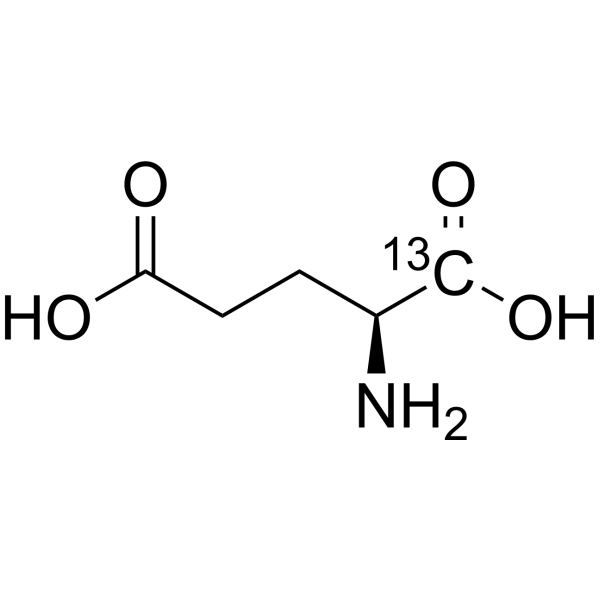 0 ImagesL-Glutamic acid-1-13C is the 13C-labeled L-Glutamic acid. L-Glutamic acid acts as an excitatory transmitter and an agonist at all subtypes of glutamate receptors (metabotropic, kainate, NMDA, and AMPA). L-Glutamic acid shows a direct activating effect on the release of DA from dopaminergic terminals.
-
Vindoline
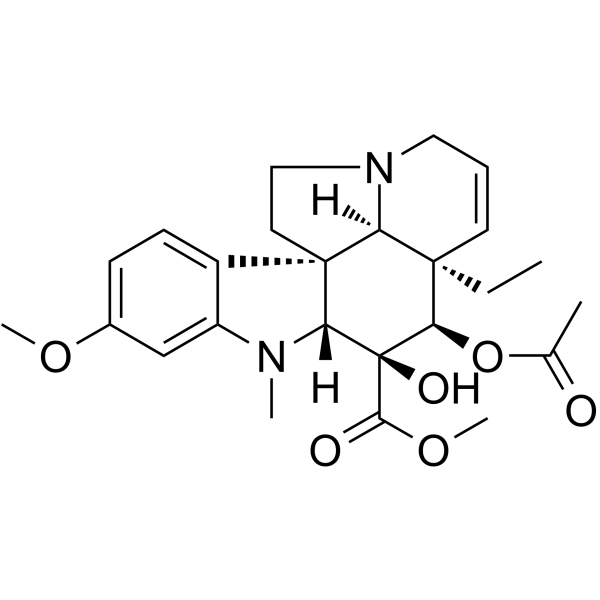 0 ImagesVindoline is an orally active vinca alkaloid. Vindoline can be extracted from the leaves of Catharanthus roseus. Vindoline has a weak inhibitory effect on the self-assembly of tubulin. Vindoline alleviates Apoptosis, inhibits p-p65 and p-ERK. Vindoline improves diabetes, bone loss, osteoarthritis, and kidney damage.
-
Hydroxycitric acid tripotassium
 0 ImagesTripotassium hydroxycitrate is an orally active, multi-target, multi-bioactive organic acid. Tripotassium hydroxycitrate activates Nrf2 and its downstream molecule GPX4, increases glutathione levels, and thereby inhibits ferroptosis. Tripotassium hydroxycitrate activates the Nrf2/Keap1 and ACLY/NF-κB signaling pathways, upregulates the activities of antioxidant enzymes such as superoxide dismutase, reduces MDA content, thereby alleviating oxidative stress and renal tubular epithelial cell apoptosis, and improves pulmonary vascular and right ventricular remodeling. Tripotassium hydroxycitrate activates both the AMPK and mTORC1/S6K pathways, triggers the unfolded protein response, arrests the cancer cell cycle, and induces DNA fragmentation.
-
Lariciresinol
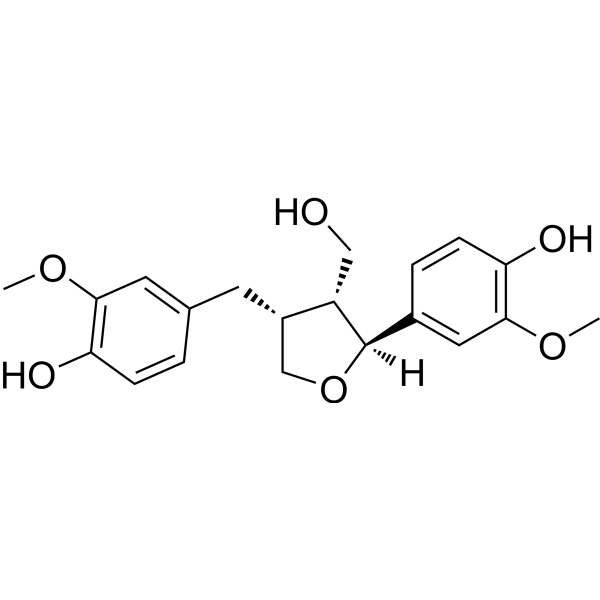 0 ImagesLariciresinol is an orally active ingredient. Lariciresinol can be isolated from Arabidopsis thaliana. Lariciresinol inhibits α-glucosidase activity (IC50 of 6.97 μM; Ki of 0.046 μM). Lariciresinol dereases Bcl-2, upregulates Bax and induces Apoptosis. Lariciresinol regulates TGF-β and NF-κB pathways. Lariciresinol has antitumor activity against liver cancer, gastric cancer, and breast cancer. Lariciresinol shows antifungal activity and anti-diabetic activity.
-
Tenacissoside H
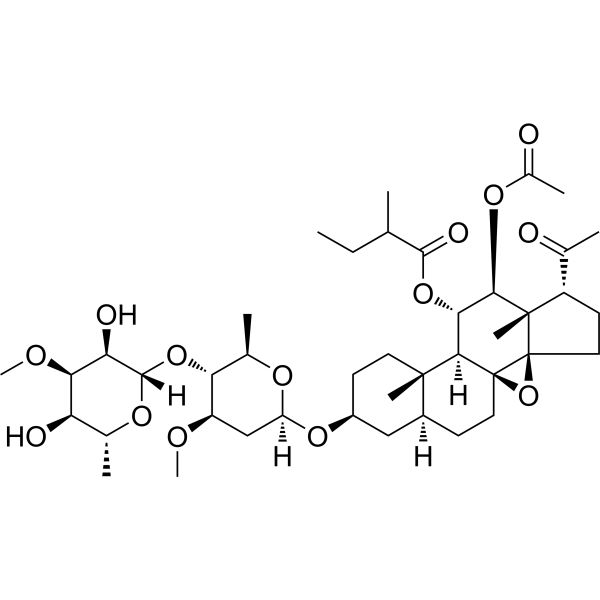 0 ImagesSynonyms: Tenacissimoside CTenacissoside H (Tenacissimoside C) is a compound found in Caulis Marsdeniae Tenacissimae. Tenacissoside H shows anti-inflammation, anti-tumor and neuroprotective effects. Tenacissoside H inhibits PI3K/Akt and NF-κB signaling pathway. Tenacissoside H inhibits cancer cells proliferation, S phase arrest, and inhibits tumor growyh in mice. Tenacissoside H promotes neurological recovery of ischemia-reperfusion injury in mice by inhibiting inflammation and apoptosis. Tenacissoside H can be used for the research of cancer, inflammation and neurological diseases, such as esophageal cancer and cerebral ischemia.