



Apoptosis Inducer
-
5-Hydroxydiclofenac
 0 Images
5-Hydroxydiclofenac is a major metabolite of Diclofenac (HY-15036). 5-Hydroxydiclofenac is formed by the cytochrome P450 (CYP) isoforms CYP3A4, CYP2C189, CYP2C19, and CYP2C8. 5-Hydroxydiclofenac shows apoptotic effects in hepatocytes.
-
Nitrendipine (Standard)
 0 ImagesSynonyms: BAY-E-5009 (Standard)
Nitrendipine (Standard) is the analytical standard of Nitrendipine (HY-B0424). This product is intended for research and analytical applications. Nitrendipine (BAY-E-5009) is an orally active analog of Nifedipine (HY-B0284) and dihydropyridine calcium channel blocker. Nitrendipine induces Apoptosis. Nitrendipine has antihypertensive effects. Nitrendipine blocks alcohol and Morphine withdrawal symptoms. Nitrendipine reduces right ventricular hypertrophy and pulmonary vascular changes induced by intermittent hypoxia. Nitrendipine has anticancer effects on neuroblastoma.
-
Sinapinic acid (Standard)
 0 ImagesSynonyms: Sinapic acid (Standard)
Sinapinic acid (Sinapic acid) is a phenolic compound isolated from Hydnophytum formicarum Jack. Rhizome, acts as an inhibitor of HDAC, with an IC50 of 2.27 mM, and also inhibits ACE-I activity. Sinapinic acid posssess potent anti-tumor activity, induces apoptosis of tumor cells. Sinapinic acid shows antioxidant and antidiabetic activities. Sinapinic acid reduces total cholesterol, triglyceride, and HOMA-IR index, and also normalizes some serum parameters of antioxidative abilities and oxidative damage in ovariectomized rats.
-
Carvacrol (Standard)
 0 Images
Carvacrol (Standard) is the analytical standard of Carvacrol. This product is intended for research and analytical applications. Carvacrol is an orally active and blood-brain barrier-permeable monoterpenic phenol that can be extract from an abundant number of aromatic plants, including thyme and oregano, possessing antioxidant, antibacterial, antifungal, anticancer, anti-inflammatory, hepatoprotective, spasmolytic, and vasorelaxant properties. Carvacrol also causes cell cycle arrest in G0/G1, downregulates Notch-1, and Jagged-1, and induces apoptosis. Carvacrol is used in low concentrations as a food flavoring ingredient and preservative, as well as a fragrance ingredient in cosmetic formulations.
-
Dipropyl phthalate
 0 Images
Dipropyl phthalate is an immunomodulator. Dipropyl phthalate alters the activities of acid phosphatase, phenoloxidase and superoxide dismutase, increases the activity of β-glucuronidase in a dose-dependent manner, and elevates the mRNA level of hemocyanin in shrimp. Dipropyl phthalate activates the FoxO signaling pathway, interferes with cell proliferation and apoptosis, downregulates chondrocyte-related genes, and induces craniofacial cartilage developmental malformations in zebrafish embryos. Dipropyl phthalate can be used in studies related to Aeromonas veronii infection and micrognathia syndrome.
-
Chlorhexidine (Standard)
 0 Images
Chlorhexidine (Standard) is the analytical standard of Chlorhexidine (HY-B1248). This product is intended for research and analytical applications. Chlorhexidine is a orally active cationic antimicrobial agent that targets microbial cell membranes. Chlorhexidine binds to cell membrane phospholipids non-specifically, destroys membrane structure and induces leakage of cell contents. Chlorhexidine has broad-spectrum bactericidal activity against both Gram-positive and Gram-negative bacteria. Chlorhexidine can interfere with membrane permeability, cause protein precipitation and energy metabolism disorders, such as rapid inhibition of microbial growth and induction of cell death (necrosis or apoptosis).
-
A 419259 (GMP)
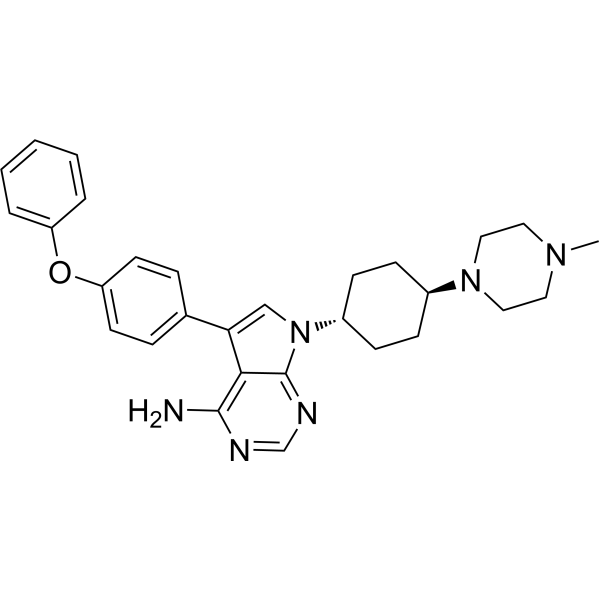 0 ImagesCat. No.: HY-15764GCAS No.: 364042-47-7Synonyms: RK-20449 (GMP)
A 419259 GMP is the GMP grade A 419259 (HY-15764), inducing cell apoptosis. GMP-grade small molecules can be used as auxiliary reagents in cell therapy. A 419259 (RK-20449) is a broad-spectrum pyrrole-pyrimidine inhibitor targeting Src, Lck, and Lyn with IC50s of 9 nM, <3 nM, and <3 nM, respectively.
-
9(S)-HODE-d4
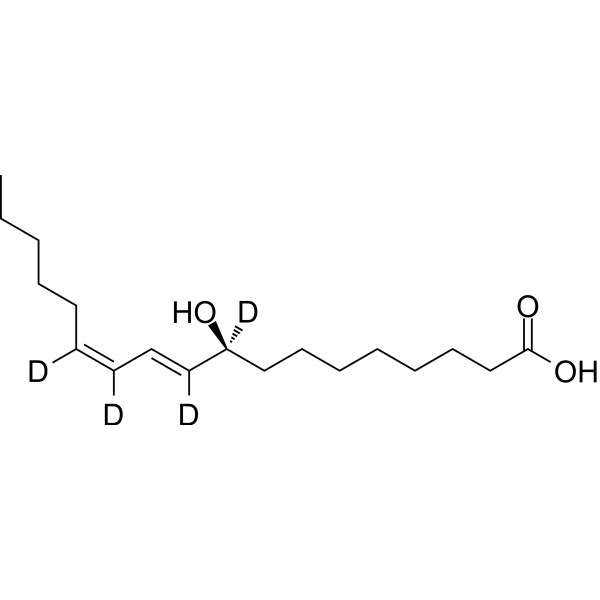 0 ImagesSynonyms: Alpha-dimorphecolic acid-d4
9(S)-HODE-d4 (Alpha-dimorphecolic acid-d4) is the deuterium labeled 9(S)-HODE (HY-113455). 9(S)-HODE (Alpha-dimorphecolic acid) is the major active derivative of Linoleic acid (HY-N0729). 9(S)-HODE regulates the expression of miR-361-3p. 9(S)-HODE reduces cancer cell viability and induces cancer cell apoptosis. 9(S)-HODE can be used in the research of acute myeloid leukemia.
-
Methyl pheophorbide a
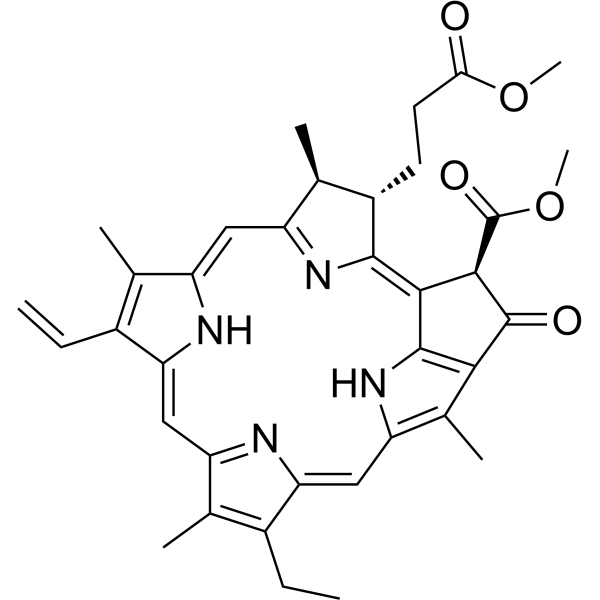 0 Images
Methyl pheophorbide a is a natural product, one of the chlorophyll-a derivatives. Methyl pheophorbide a is a photosensitizer that produces singlet oxygen and reactive oxygen species (ROS) under light of specific wavelength, thereby leading to cell death.
-
L-Ascorbic acid-13C6-1
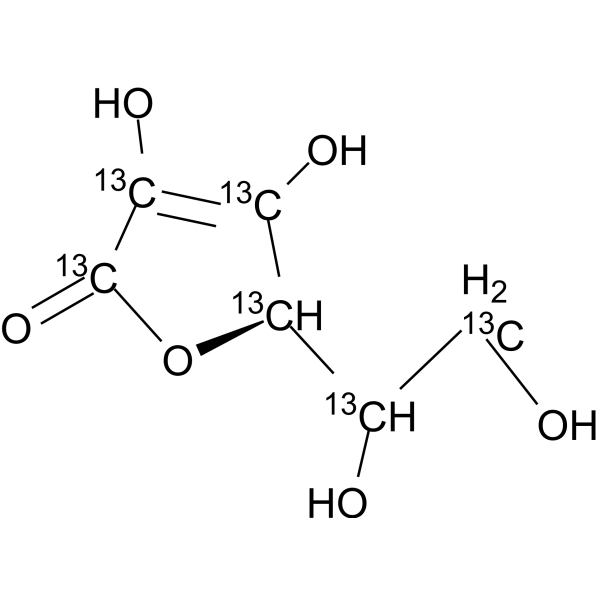 0 ImagesSynonyms: L-Ascorbate-1; Vitamin C-13C6-1
L-Ascorbic acid-13C6-1 (L-Ascorbate-1; Vitamin C-13C6-1) is a 13C labeled L-Ascorbic acid (HY-B0166). L-Ascorbic acid (L-Ascorbate), an electron donor, is an endogenous antioxidant agent. L-Ascorbic acid inhibits selectively Cav3.2 channels with an IC50 of 6.5 μM. L-Ascorbic acid is also a collagen deposition enhancer and an elastogenesis inhibitor. L-Ascorbic acid exhibits anti-cancer effects through the generation of reactive oxygen species (ROS) and selective damage to cancer cells.
-
3-Hydroxykynurenine-13C3,15N
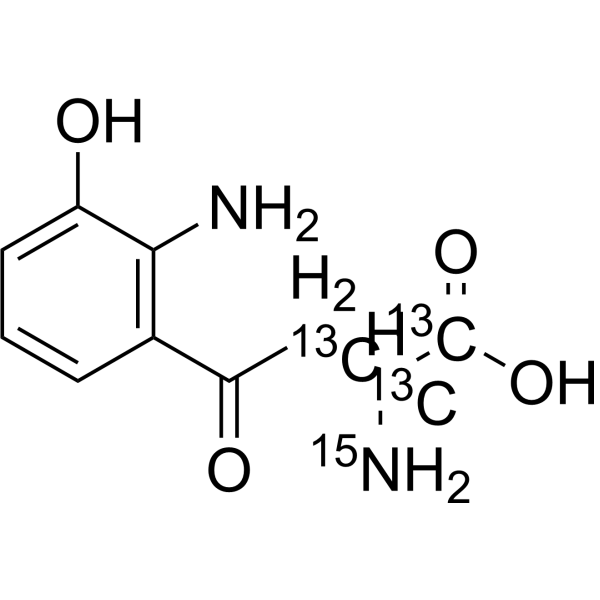 0 ImagesSynonyms: 3-Hydroxy-DL-kynurenine-13C3,15N
3-Hydroxykynurenine-13C3,15N (3-Hydroxy-DL-kynurenine-13C3,15N) is the 13C and 15N labeled 3-Hydroxykynurenine (HY-113294). 3-Hydroxykynurenine, a metabolite of tryptophan, is a potential endogenous neurotoxin whose increased levels have been described in several neurodegenerative disorders. 3-Hydroxykynurenine induces neuronal apoptosis.
-
Boscalid-d4
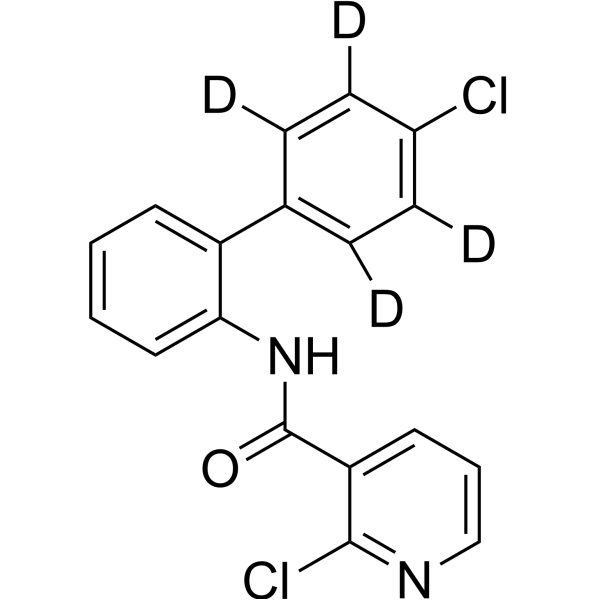 0 Images
Boscalid-d4 is the deuterium labeled Boscalid. Boscalid is a succinate dehydrogenase (SDHI) inhibitor with antifungal activity. Boscalid binds to the ubiquinone-binding site of fungal mitochondrial complex II, blocks ATP production and aerobic respiration, exhibits good control efficacy against a variety of plant fungal diseases including gray mold, sclerotinia rot and powdery mildew, and is widely used for disease control in agriculture. Boscalid induces apoptosis, altered lipid metabolism, mitochondrial dysfunction, respiratory impairment, oxidative stress, ROS accumulation and neurodevelopmental disorders in zebrafish. Boscalid reduces foraging ability, shortens median death time and causes chronic toxicity in exposed honeybees. Boscalid also possesses genotoxicity, cytotoxicity, elevated mitochondrial superoxide levels and early-stage apoptosis.
-
Nirogacestat (Standard)
 0 ImagesSynonyms: PF-3084014 (Standard)
Nirogacestat (Standard) is the analytical standard of Nirogacestat. This product is intended for research and analytical applications. Nirogacestat (PF-3084014) is a reversible, orally bioavailable, noncompetitive, and selective γ-secretase inhibitor with an IC50 of 6.2 nM. Inhibition of Notch signaling by Nirogacestat while minimizing gastrointestinal toxicity presents a promising approach for research of Notch receptor-dependent cancers.
-
Rosiglitazone-d4
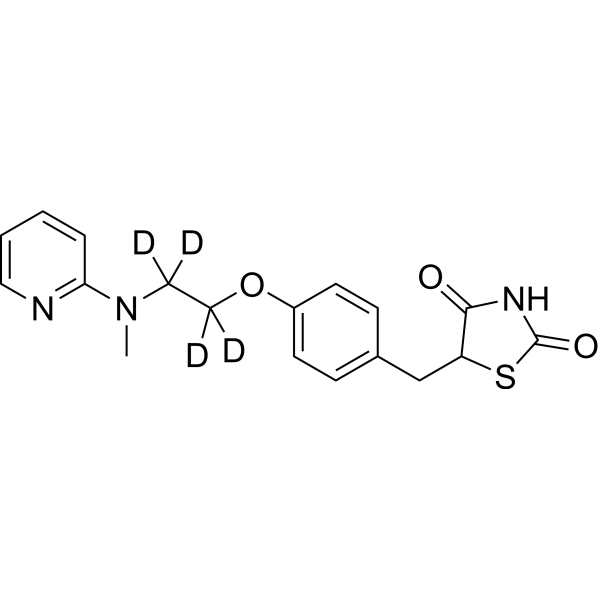 0 ImagesCat. No.: HY-17386S1CAS No.: 1132641-21-4Synonyms: BRL 49653-d4
Rosiglitazone-d4 is deuterated labeled Rosiglitazone (HY-17386). Rosiglitazone (BRL 49653) is an orally active selective PPARγ agonist (EC50: 60 nM, Kd: 40 nM). Rosiglitazone is an TRPC5 activator (EC50: 30 μM) and TRPM3 inhibitor. Rosiglitazone can be used in the research of obesity and diabetes, senescence, ovarian cancer.
-
Haplophytin-A
 0 ImagesCat. No.: HY-N17612CAS No.: 366477-44-3
-
Pantoprazole (Standard)
 0 ImagesSynonyms: BY1023 (Standard); SKF96022 (Standard)
Pantoprazole (Standard) is the analytical standard of Pantoprazole. This product is intended for research and analytical applications. Pantoprazole (BY10232) is an orally active and potent proton pump inhibitor (PPI). Pantoprazole, a substituted benzimidazole, is a potent H+/K+-ATPase inhibitor with an IC50 of 6.8 μM. Pantoprazole improves pH stability and has anti-secretory, anti-ulcer activities. Pantoprazole significantly increased tumor growth delay combined with Doxorubicin (HY-15142).
-
Hydroxytyrosol (Standard)
 0 ImagesSynonyms: DOPET (Standard); 3,4-Dihydroxyphenethyl alcohol (Standard); 3-Hydroxytyrosol (Standard)
Hydroxytyrosol (Standard) (DOPET (Standard)) is the analytical standard of Hydroxytyrosol (HY-N0570). This product is intended for research and analytical applications. Hydroxytyrosol is an orally active, blood-brain barrier-permeable multi-active compound with multiple effects including antibacterial, antioxidant, anti-platelet aggregation, and neuroprotective activities. Hydroxytyrosol not only inhibits the growth of Vibrio by increasing bacterial membrane permeability, but also interacts with DNA and mediates supercoiled DNA relaxation. Meanwhile, Hydroxytyrosol effectively reduces thrombosis and inhibits lipid oxidation by inhibiting COX activity and promoting vascular nitric oxide production. In terms of neuroprotection, Hydroxytyrosol significantly alleviates neuronal apoptosis and inflammatory responses by up-regulating the expression level of ERβ, thereby improving cognitive function in Alzheimer's disease models. Hydroxytyrosol has been widely used in scientific research related to Vibrio infection, arterial thrombosis, Alzheimer's disease and other related fields.
-
2,4-D-d3
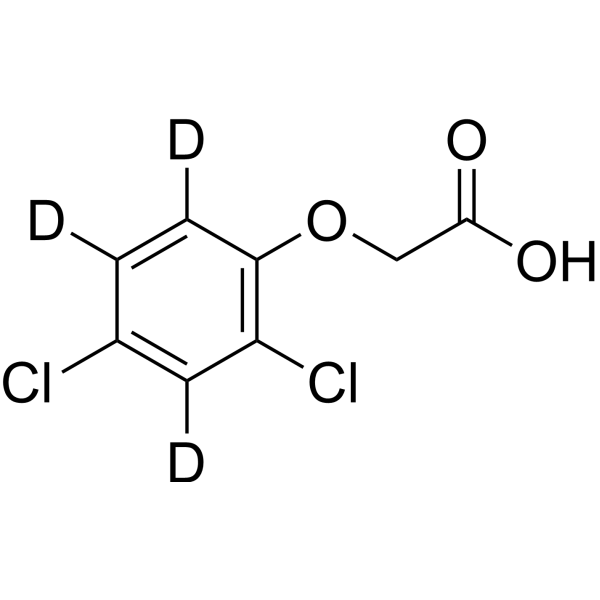 0 ImagesCat. No.: HY-18572S1CAS No.: 202480-67-9
2,4-D-d3 is the deuterium labeled 2,4-D (HY-18572). 2,4-D (2,4-Dichlorophenoxyacetic acid) is a selective systemic herbicide for the control of broad-leaved weeds. 2,4-D acts as a plant hormone, causing uncontrolled growth in the meristematic tissues. 2,4-D inhibits DNA and protein synthesis and thereby prevents normal plant growth and development.
-
Epirubicin hydrochloride (Standard)
 0 ImagesSynonyms: 4'-Epidoxorubicin hydrochloride (Standard)
Epirubicin (hydrochloride) (Standard) is the analytical standard of Epirubicin (hydrochloride). This product is intended for research and analytical applications. Epirubicin hydrochloride (4'-Epidoxorubicin hydrochloride), a semisynthetic L-arabino derivative of doxorubicin, has an antineoplastic agent by inhibiting Topoisomerase. Epirubicin hydrochloride inhibits DNA and RNA synthesis. Epirubicin hydrochloride is a Forkhead box protein p3 (Foxp3) inhibitor and inhibits regulatory T cell activity.



