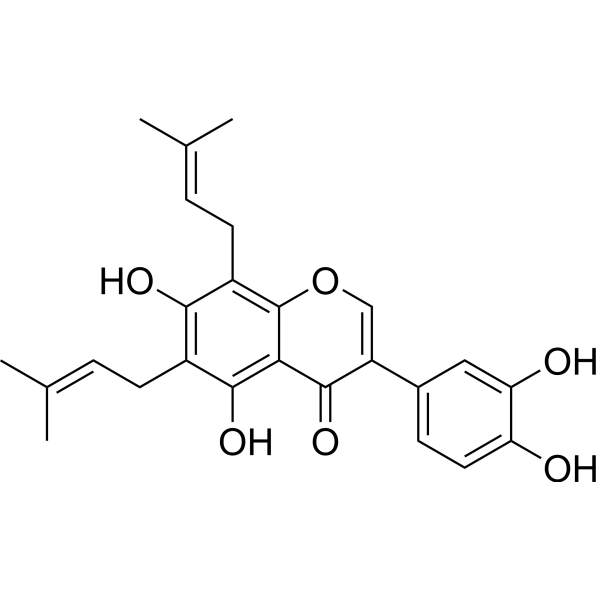
Bcl-2 Family Modulator
-
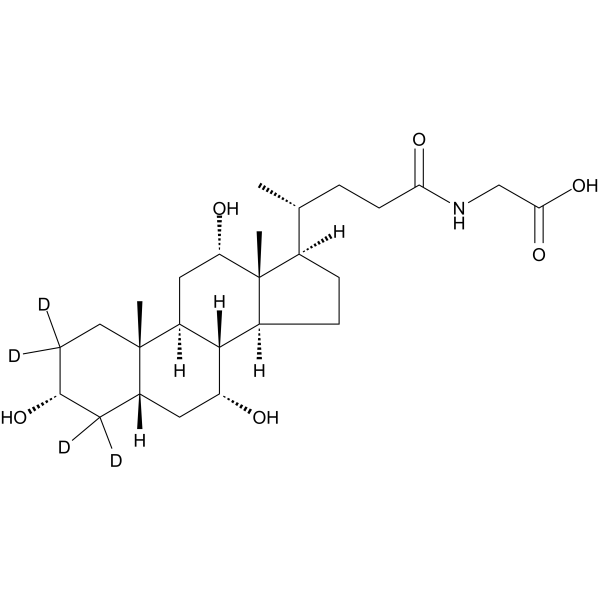
Glycocholic acid-d4
 0 Images
Glycocholic acid-d4 is the deuterium labeled Glycocholic acid (HY-N1423). Glycocholic acid is a bile acid derivative. Glycocholic acid downregulates MDR1, Bcl-2, MRP1, MRP2 and FXR, upregulates Bax, p53, caspase-9, caspase-3, TGR5 and S1PR2. Glycocholic acid inhibits multidrug resistance and efflux pumps, induces mitochondrial apoptosis, and enhances chemosensitivity. Glycocholic acid modulates related bile acid receptor signaling. Glycocholic acid suppresses growth and conjugation of Enterobacteriaceae and increases their antibiotic susceptibility. Glycocholic acid can be used for the research of colon adenocarcinoma and cholangiocarcinoma (CCA).
-
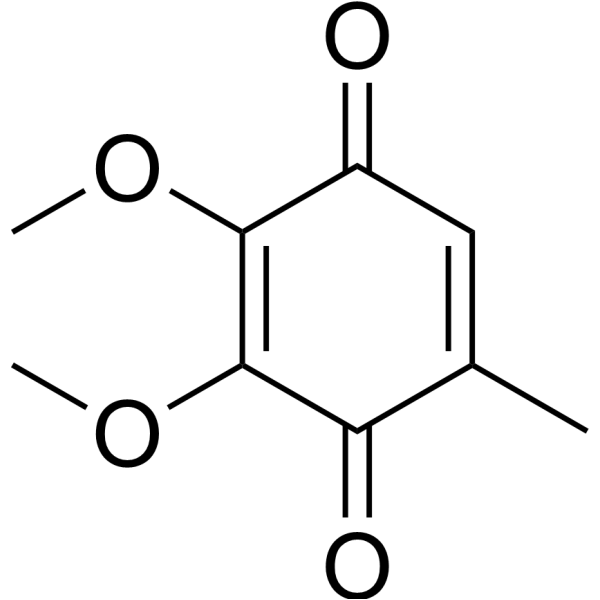
Coenzyme Q0
 0 ImagesSynonyms: CoQ0
Coenzyme Q0 (CoQ0) is a potent, oral active ubiquinone compound can be derived from Antrodia cinnamomea. Coenzyme Q0 induces apoptosis and autophagy, suppresses of HER-2/AKT/mTOR signaling to potentiate the apoptosis and autophagy mechanisms. Coenzyme Q0 regulates NFκB/AP-1 activation and enhances Nrf2 stabilization in attenuation of inflammation and redox imbalance. Coenzyme Q0 has anti-angiogenic activity through downregulation of MMP-9/NF-κB and upregulation of HO-1 signaling.
-
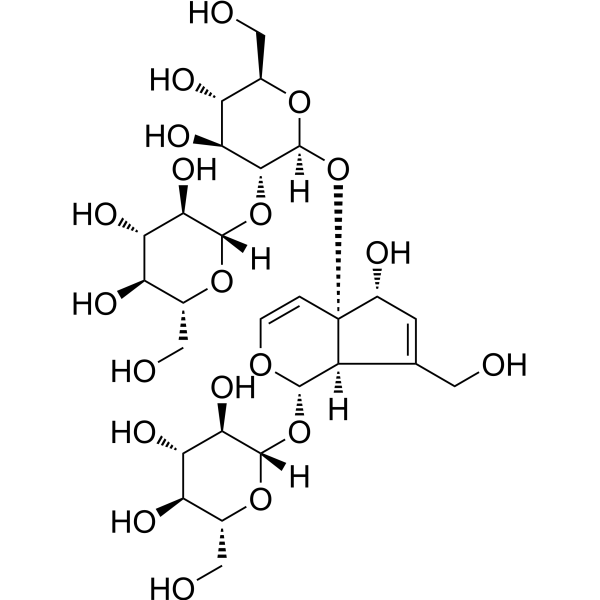
Rehmannioside D
 0 Images
Rehmannioside D is an orally active Sirt7 modulator. Rehmannioside D upregulates Sirt7 expression, inhibits the level of acetylated p53, and blocks the activation of the p53 signaling pathway. Rehmannioside D alleviates liver injury, inflammatory response, collagen deposition and hepatocyte apoptosis. Rehmannioside D is applicable to research related to liver fibrosis.
-
Lobaplatin
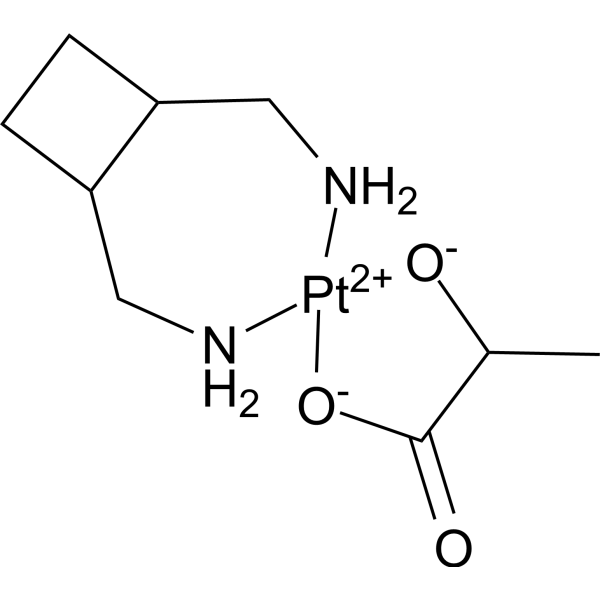 0 ImagesSynonyms: D-19466
-
Hexane-2,5-dione
 0 Images
Hexane-2,5-dione (2,5-HD) is an orally active, CNS-penetrant cytotoxic agent. Hexane-2,5-dione reduces BCL-2 and β-catenin/TCF transcriptional activity, increases BAX and active caspase-3 expression, and promotes apoptosis. Hexane-2,5-dione causes an accumulation of neurofilaments within axons in rats. Hexane-2,5-dione can be used for the research of neurodegenerative diseases.
-
Epimedin B
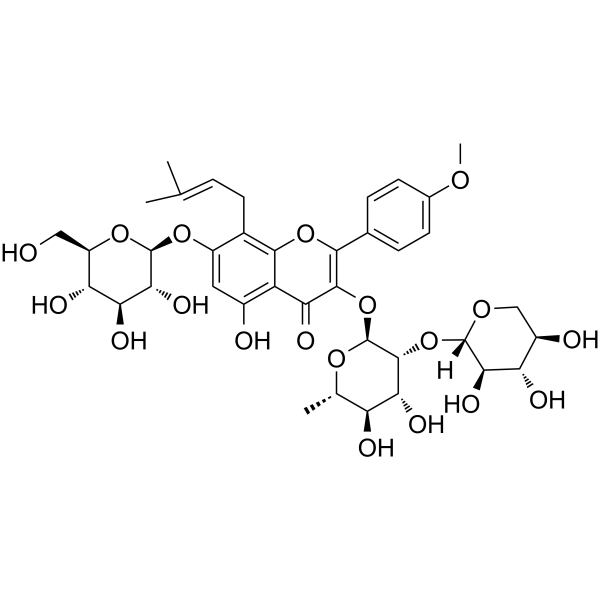 0 ImagesSynonyms: Epmedin B
Epimedin B (Epmedin B) is a flavonoid active component found in Epimedium, with oral activity, and exhibits anti-osteoporotic and neuroprotective effects. Epimedin B inhibits RANKL-induced osteoclast differentiation, F-actin ring formation, and mature osteoclast bone resorption, inhibits the phosphorylation of JNK, p38 MAPK, PI3K, and AKT, activates the AMPK-Nrf2 antioxidant pathway, and reduces cellular and mitochondrial ROS. Epimedin B acts on ESR1 and exerts its effects via GPER. Epimedin B alleviates bone loss and improves bone microstructure in vivo, and in Parkinson's models protects dopaminergic neurons and maintains striatal dopamine levels through anti-apoptotic and anti-endoplasmic reticulum stress effects. Epimedin B can be used for research related to osteoporosis, diabetic osteoporosis, and Parkinson's disease.
-
Glycocholic acid (Standard)
 0 Images
Glycocholic acid (Standard) is the analytical standard of Glycocholic acid (HY-N1423). This product is intended for research and analytical applications. Glycocholic acid is a bile acid with anticancer activity, targeting against pump resistance-related and non-pump resistance-related pathways.
-
Oxychlororaphine
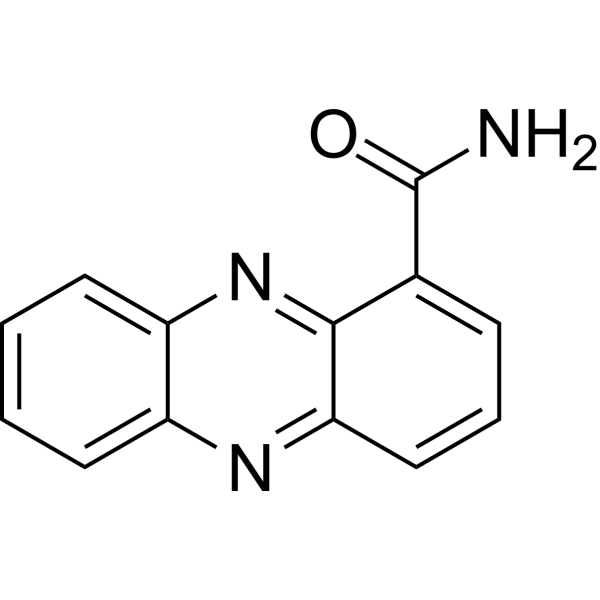 0 Images
Oxychloroaphine could be isolated from the bacterium Pantoea agglomerans naturally present in soil. Oxychloroaphine has broad-spectrum antifungal activity. Oxychloroaphine has cytotoxicity in a dose-dependent manner and induces apoptosis. Oxychloroaphine can be used in research of cancer.
-
ROS-generating agent 1
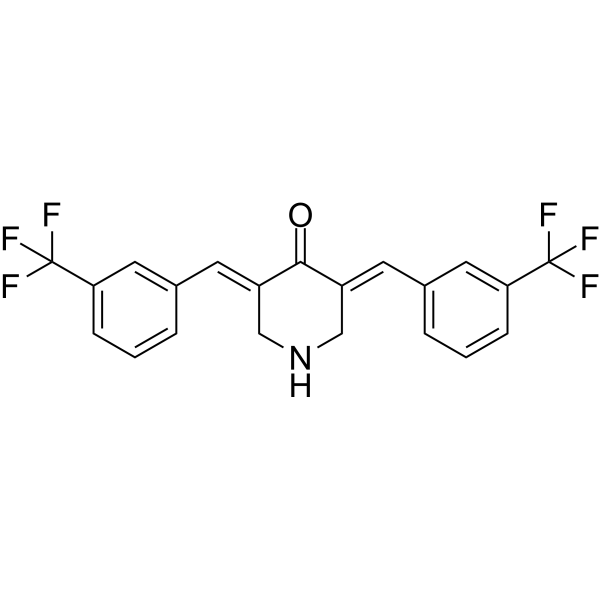 0 Images
ROS-generating agent 1 is a selective ROS-generating agent. ROS-generating agent 1 inhibits TrxR activity and expression in cancer cells. ROS-generating agent 1 induces ROS-dependent apoptosis and ferroptosis in cancer cells. ROS-generating agent 1 selectively kills lung cancer cells and inhibits the growth of cancer cell xenograft tumors in nude mice. ROS-generating agent 1 can be used for the research of non-small cell lung cancer.
-
BEPP hydrochloride
 0 Images
BEPP hydrochloride is a double-stranded RNA-dependent protein kinase (PKR) modulator. BEPP hydrochloride enhances the phosphorylation levels of PKR and eIF2α, activates caspase-3, upregulates the pro-apoptotic protein BAX, and downregulates the anti-apoptotic protein Bcl-2. BEPP hydrochloride inhibits vaccinia virus replication and exhibits selective cytotoxicity in cells expressing PKR. BEPP hydrochloride can be used in research related to cancer and viral infections.
-
Dehydrocorydaline (hydroxyl)
 0 ImagesCat. No.: HY-N0674BPurity: 99.52%Synonyms: 13-Methylpalmatine (hydroxyl)
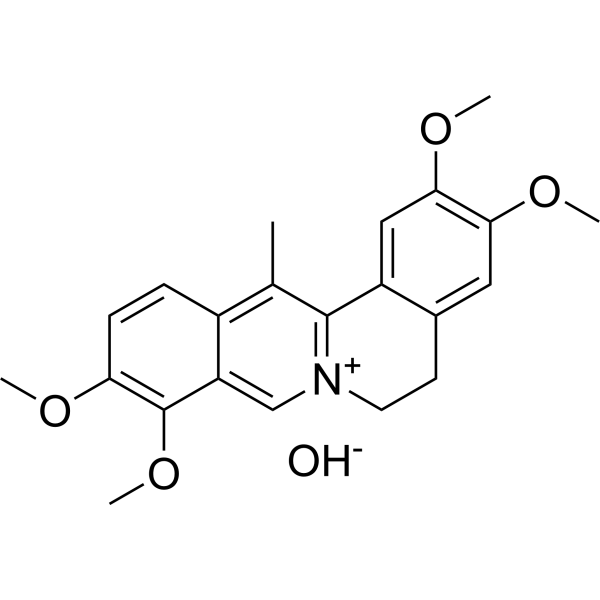
Dehydrocorydaline (13-Methylpalmatine) hydroxyl is an alkaloid that regulates protein expression of Bax, Bcl-2; activates caspase-7, caspase-8, and inactivates PARP. Dehydrocorydaline hydroxyl elevates p38 MAPK activation. Anti-inflammatory and anti-cancer activities. Dehydrocorydaline hydroxyl shows strong anti-malarial effects (IC50=38 nM), and low cytotoxicity (cell viability > 90%) using P. falciparum 3D7 strain.
-
Dimebutic acid
 0 ImagesSynonyms: NSC-16045; NSC-741804
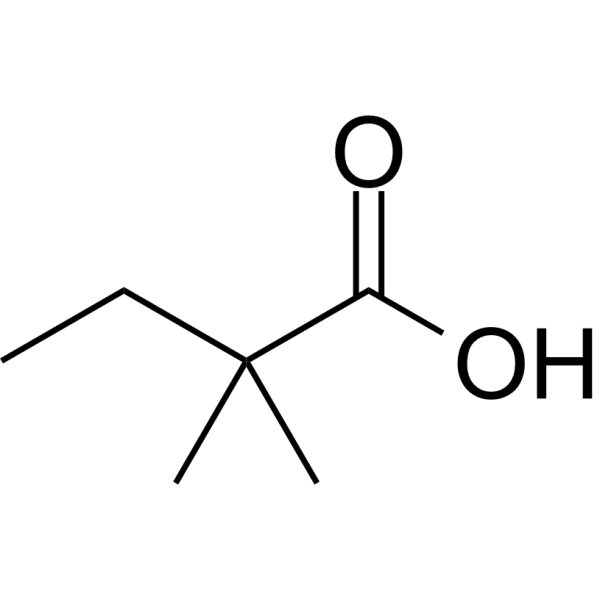
Dimebutic acid is an orally active short-chain fatty acid. Dimebutic acid stimulates fetal globin production and alters the balance of Bcl family proteins. Dimebutic acid prolongs red blood cell survival. Dimebutic acid exhibits toxicity in rats. Dimebutic acid can be used in the study of β-thalassemia and sickle cell disease.
-
PI-1840
 0 Images
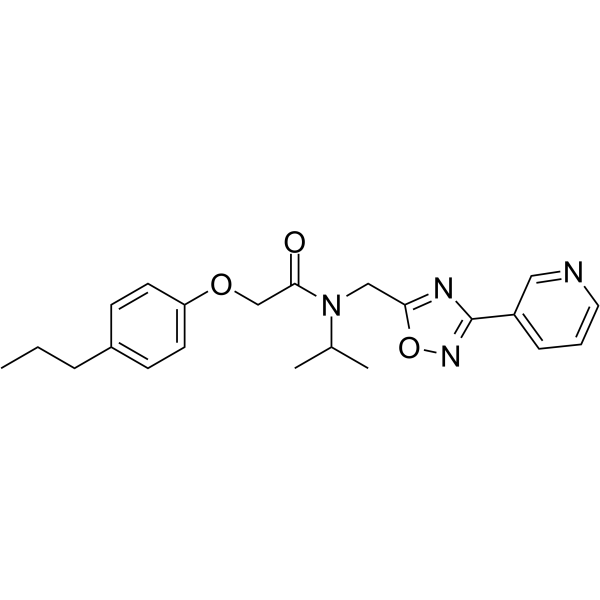
PI-1840 is a potent and selective chymotrypsin-like (CT-L) inhibitor for with an IC50 value of 27 nM. PI-1840 inhibits cell proliferation and arrest cell cycle at G2/M phase. PI-1840 induces apoptosis and induces autophagy. PI-1840 induces the accumulation of proteasome substrates p27, Bax, and IκB-α.
-
Continentalic acid
 0 Images
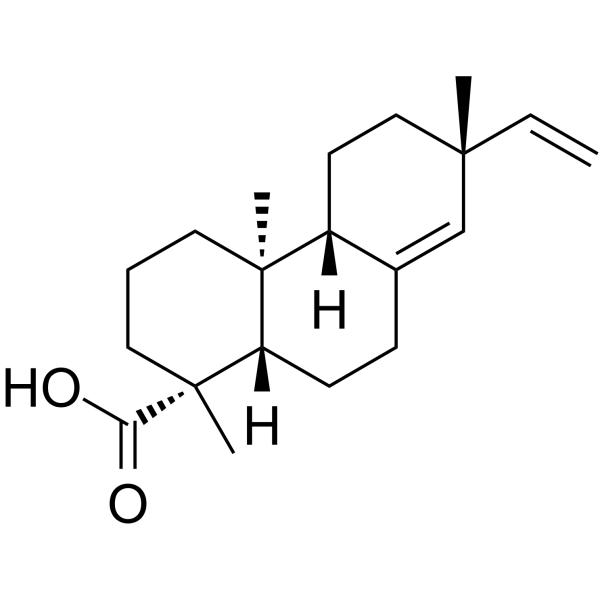
Continentalic acid is a diterpenoid organic acid. Continentalic acid exhibits multiple activities including anti-inflammatory, antioxidant, neuroprotective, antibacterial and antitumor effects. Continentalic acid alleviates oxidative stress, reduces pro-inflammatory cytokine production, inhibits MAPK phosphorylation and neutrophil infiltration, and induces growth inhibition and apoptosis of cancer cells. Continentalic acid can be used in research related to traumatic brain injury, cancer, inflammation and infections.
-
2,5-Hexanedione-d10
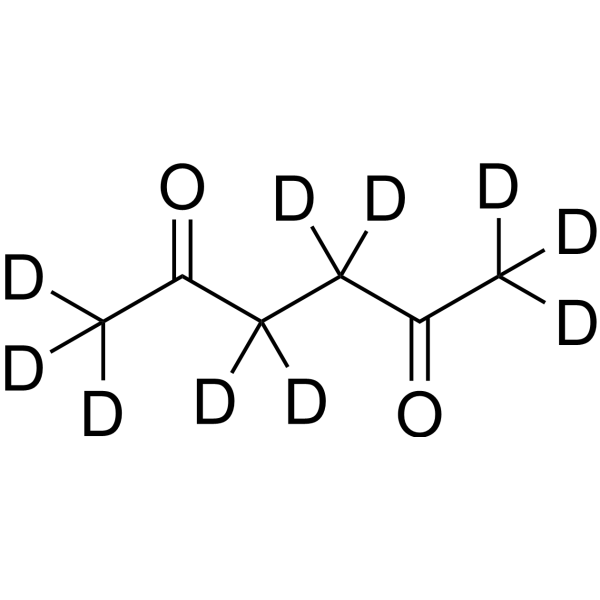 0 ImagesSynonyms: 2,5-HD-d10
2,5-Hexanedione-d10 (2,5-HD-d10) is the deuterium labeled 2,5-Hexanedione. Hexane-2,5-dione (2,5-HD) is an orally active, CNS-penetrant cytotoxic agent. Hexane-2,5-dione reduces BCL-2 and β-catenin/TCF transcriptional activity, increases BAX and active caspase-3 expression, and promotes apoptosis. Hexane-2,5-dione causes an accumulation of neurofilaments within axons in rats. Hexane-2,5-dione can be used for the research of neurodegenerative diseases.
-
(Rac)-Anemonin
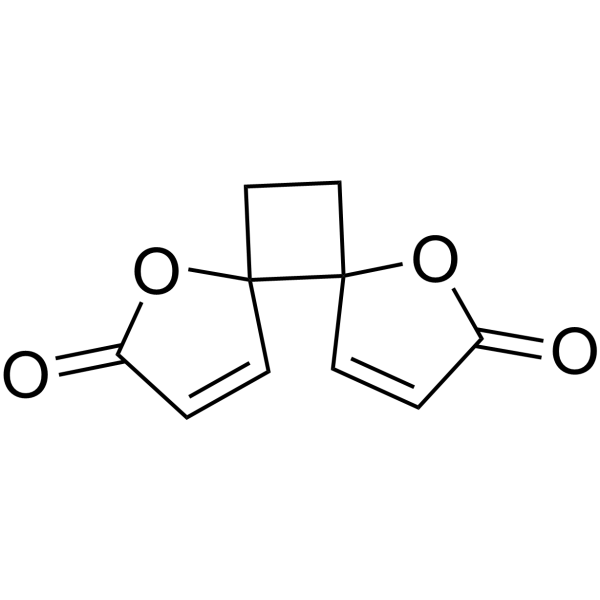 0 ImagesSynonyms: (Rac)-Pulsatilla camphor; (Rac)-Anemonine
(Rac)-Anemonin ((Rac)-Pulsatilla camphor; (Rac)-Anemonine) is an isomer of Anemonin. Anemonin is a naturally occurring bislactone small molecule derived from Ranunculaceae with blood-brain barrier permeability, possessing a variety of activities including anti-inflammatory, antioxidant, neuroprotective, melanogenesis-inhibiting, and antiparasitic effects. Anemonin inhibits iNOS to reduce NO release; it inhibits PKC-θ protein expression and downregulates the pro-inflammatory factors TNF-α, IL-1β, and IL-6; it enhances the activities of the antioxidant enzymes SOD, CAT, and GSH-Px, and reduces MDA and ROS levels. Anemonin modulates the Bcl-2 / Bax / caspase-3 pathway to inhibit apoptosis; it downregulates melanogenesis-related molecules including MITF, TYR, TRP1, and TRP2, thereby inhibiting melanin synthesis in human melanocytes. Anemonin inhibits Leishmania and Schistosoma mansoni. Anemonin is used in research related to diseases such as hyperpigmentation, cerebral ischemia/reperfusion injury, inflammation, sepsis-induced acute lung injury, acute ulcerative colitis, leishmaniasis, and schistosomiasis.
-
Glycocholic acid-d5
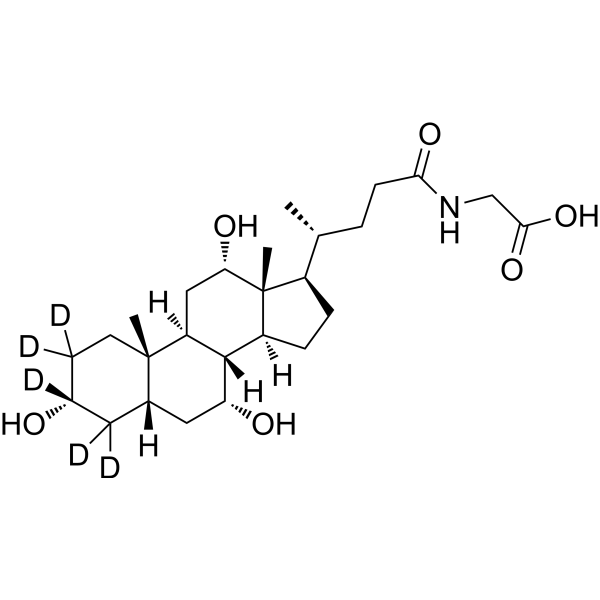 0 Images
Glycocholic acid-d5 is the deuterium labeled Glycocholic acid (HY-N1423). Glycocholic acid is a bile acid derivative. Glycocholic acid downregulates MDR1, Bcl-2, MRP1, MRP2 and FXR, upregulates Bax, p53, caspase-9, caspase-3, TGR5 and S1PR2. Glycocholic acid inhibits multidrug resistance and efflux pumps, induces mitochondrial apoptosis, and enhances chemosensitivity. Glycocholic acid modulates related bile acid receptor signaling. Glycocholic acid suppresses growth and conjugation of Enterobacteriaceae and increases their antibiotic susceptibility. Glycocholic acid can be used for the research of colon adenocarcinoma and cholangiocarcinoma (CCA).
-
Sotetsuflavone
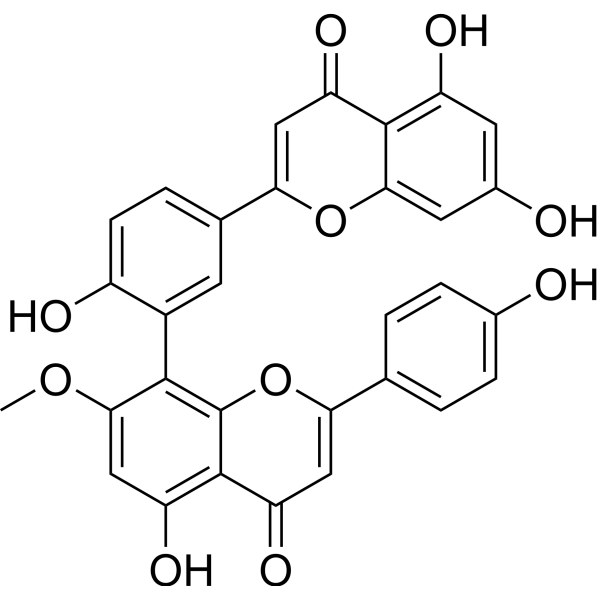 0 Images
Sotetsuflavone is a flavonoid that can be isolated from Cycas revolute. Sotetsuflavone inhibits phosphorylation of PI3K, Akt, mTOR, JNK, and p38 MAPK; modulates expression of Cyclin D1, CDK4, Bcl-2, Bax, cleaved caspases 3/9, MMP-9, TGF-β, STAT3, and β-catenin. Sotetsuflavone induces G0/G1 cell cycle arrest, apoptosis, autophagy, and intracellular ROS elevation, inhibits cancer cell proliferation. Sotetsuflavone inhibits tumor growth in mouse tumor xenograft models. Sotetsuflavone can be used for the research of non-small cell lung cancer and Crohn’s disease.
-
Amantadine (Standard)
 0 ImagesSynonyms: 1-Adamantanamine (Standard); 1-Aminoadamantane (Standard)
Amantadine (Standard) is the analytical standard of Amantadine. This product is intended for research and analytical applications. Amantadine (1-Adamantanamine) is an orally avtive and potent antiviral agent with activity against influenza A viruses. Amantadine inhibits several ion channels such as NMDA and M2, and also inhibits Coronavirus ion channels. Amantadine also has anti-orthopoxvirus and anticancer activity. Amantadine can be used for Parkinson's disease, postoperative cognitive dysfunction (POCD) and COVID-19 research[4].