



COX-2 Inhibitor
-
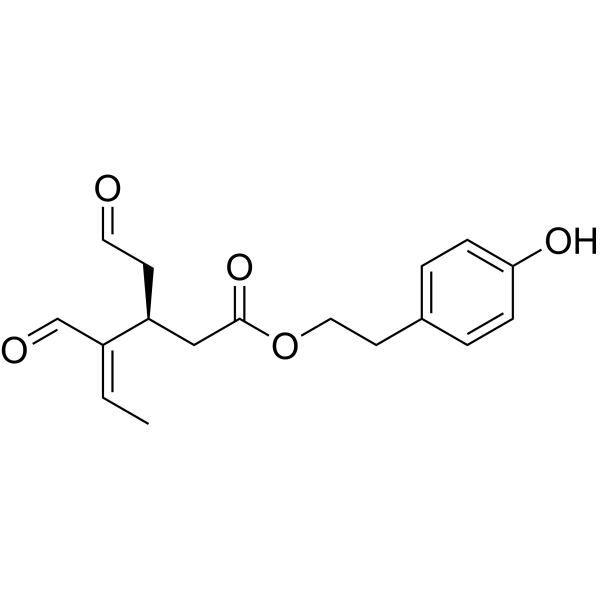
Oleocanthal
 0 ImagesCat. No.: HY-124481CAS No.: 289030-99-5
Oleocanthal is an orally active phenolic seciridoid compound. Oleocanthal can be extracted from olive oil. Oleocanthal inhibits COX-1 and COX-2, reduces ROS and NO, and upregulates Nrf-2 and HO-1. Oleocanthal reduces Aβ deposition. Oleocanthal exhibits anti-Leishmania activity against promastigotes and amastigotes of L. major, with IC50 values of 18.7 and 87 μg/mL, respectively. Oleocanthal exhibits anticancer activity against colon, breast, liver, and melanoma cancers. Oleocanthal also exhibits anti-inflammatory and neuroprotective properties. Oleocanthal can be used in Alzheimer's disease research.
-
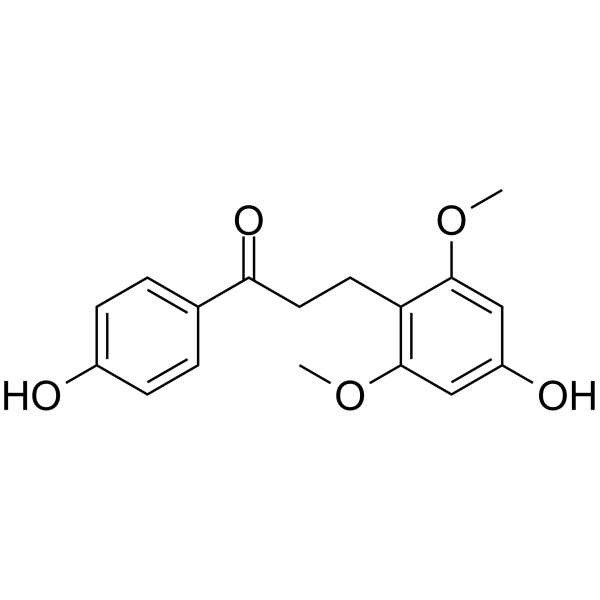
Wnt/β-catenin-IN-6
 0 ImagesCat. No.: HY-172920Purity: 98.34%
Wnt/β-catenin-IN-6 is an orally active Wnt/β-catenin pathway inhibitor. Wnt/β-catenin-IN-6 blocks the AKT/GSK-3β/β-catenin signaling pathway, leading to reduced expression of Wnt target genes (c-Myc, c-Jun). Wnt/β-catenin-IN-6 reduces COX2 expression and IL-8 levels, highlighting its dual anti-inflammatory and antitumor effects. Wnt/β-catenin-IN-6 can induce apoptosis. Wnt/β-catenin-IN-6 serves as a tool for non-small cell lung cancer (NSCLC) research.
-
2,2'-Biphenol
 0 ImagesCat. No.: HY-W016183CAS No.: 1806-29-7Synonyms: o,o'-Biphenol
2,2'-Biphenol (o,o'-Biphenol) is an anti-inflammatory agent and the major non-protein-bound phenolic metabolite activated by rat bone marrow homogenate and hydrogen peroxide. 2,2'-Biphenol inhibits lipopolysaccharide (LPS) (HY-D1056)-induced COX-2 mRNA and protein expression. 2,2'-Biphenol suppresses the binding of AP-1 and NF-κB to their respective consensus sequences. 2,2'-Biphenol is applicable to research related to inflammation.
-
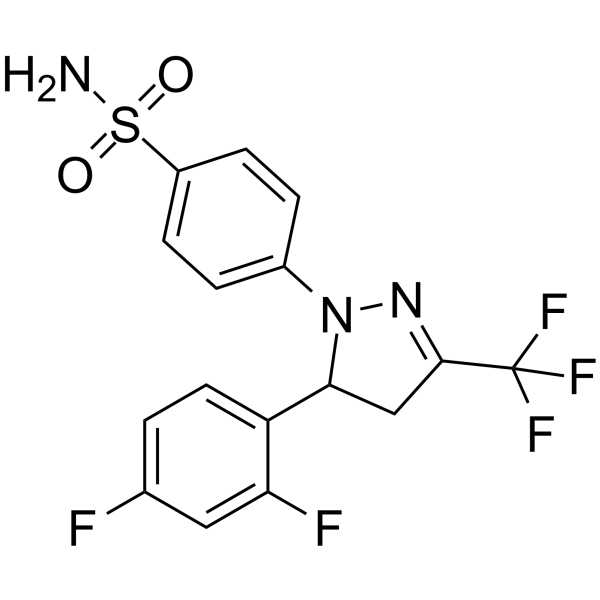
Enflicoxib
 0 ImagesSynonyms: E 6087
-
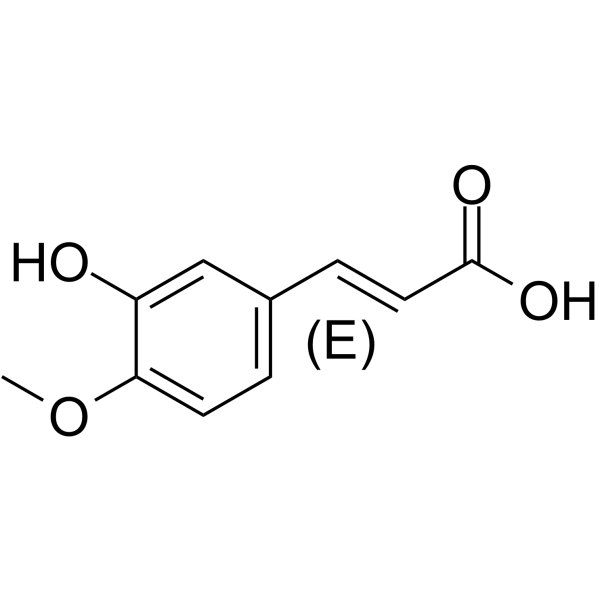
trans-Isoferulic acid
 0 ImagesSynonyms: trans-3-Hydroxy-4-methoxycinnamic acid
trans-Isoferulic acid (trans-3-Hydroxy-4-methoxycinnamic acid) is an aromatic acid that exhibits anti-inflammatory activity. trans-Isoferulic acid dephosphorylates PI3K/Akt, suppresses LPS (HY-D1056)-induced NF-κB activation, enhances Nrf2 activity, downregulates iNOS and COX-2 expression, induces HO-1 expression, inhibits NO and PGE2 production, and scavenges hydroperoxyl radical. trans-Isoferulic acid can be used for research of inflammatiory diseases.
-
Plantanone B
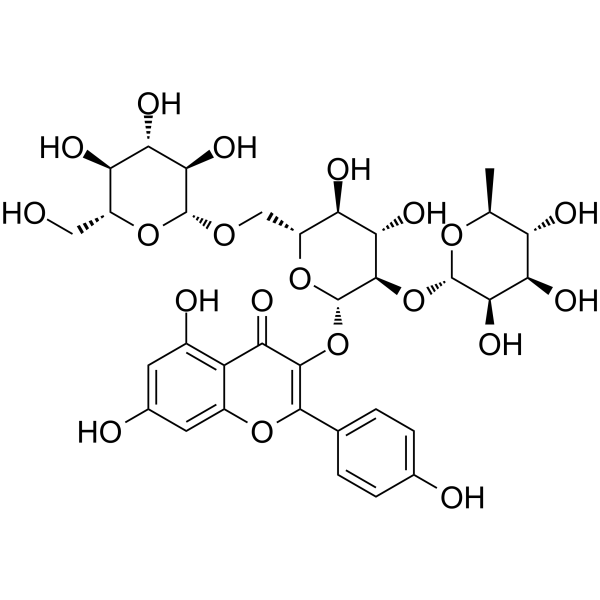 0 ImagesSynonyms: Kaempferol 3-O-rhamnosylgentiobioside
-
Hordenine hydrochloride
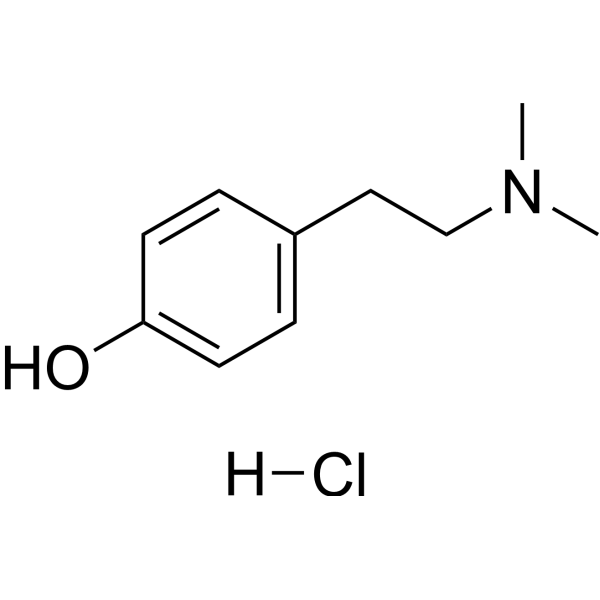 0 ImagesSynonyms: Ordenina hydrochloride; Peyocactine hydrochloride
Hordenine hydrochloride (Ordenina hydrochloride; Peyocactine hydrochloride) is a multifunctional alkaloid with oral activity and blood-brain barrier penetration. Hordenine hydrochloride inhibits LPS-induced phosphorylation of p38, JNK, ERK1/2, p65, IκB, and AKT, prevents p65 nuclear translocation, and suppresses inflammatory cytokines and mediators. Hordenine hydrochloride promotes M2 macrophage polarization, restores blood-milk barrier integrity, alleviates oxidative stress by reducing ROS and MDA, and attenuates LPS-induced lung injury and pulmonary edema. Hordenine hydrochloride inhibits cAMP production, CREB phosphorylation, and MITF expression, thereby suppressing melanin synthesis in melanocytes and reconstructed epidermis. Hordenine hydrochloride activates the Wnt/β-catenin signaling pathway, promotes dermal papilla cell proliferation and hair shaft elongation, and accelerates hair regeneration. Hordenine hydrochloride activates DRD2, acts as a D3R partial agonist, α2A-AR full agonist, and 5-HT2A-R antagonist, and inhibits SERT and DAT. Hordenine hydrochloride inhibits α-synuclein accumulation and ameliorates motor deficits in Parkinson's disease models. Hordenine hydrochloride limits alcohol intake, reduces relapse drinking behavior, and modulates alcohol-induced conditioned place preference. Hordenine hydrochloride can be used for research on mastitis, skin pigmentation, acute lung injury, foodborne diseases, hair loss, Parkinson's disease, bacterial infections, and alcohol use disorder.
-
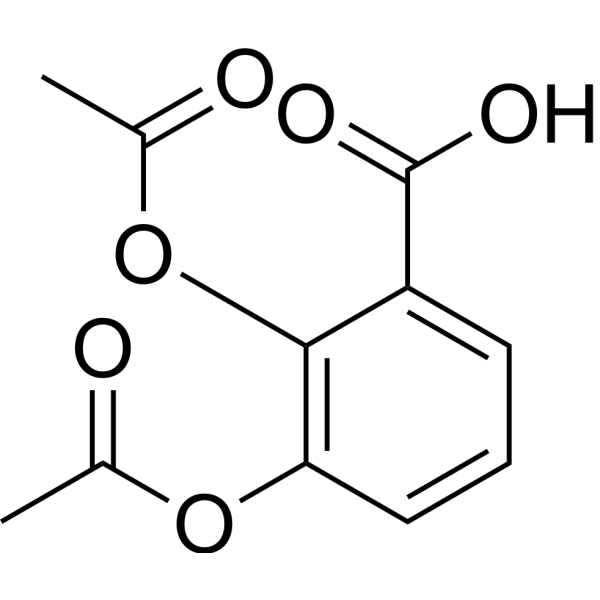
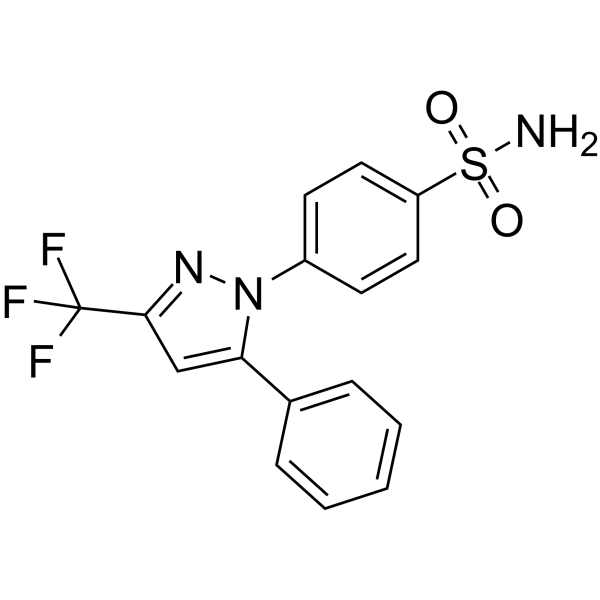
Polmacoxib
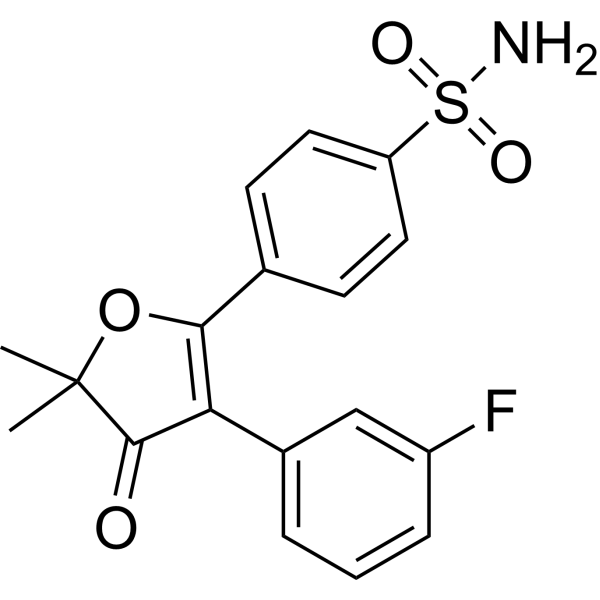 0 ImagesSynonyms: CG100649
Polmacoxib (CG100649) is a first-in-class, orally active nonsteroidal anti-inflammatory agent (NSAID) which is a dual inhibitor of COX-2 (IC50 around 0.1 μg/ml) and carbonic anhydrase. Polmacoxib inhibits colorectal adenoma and tumor growth in mouse models.
-
Phellodendrine
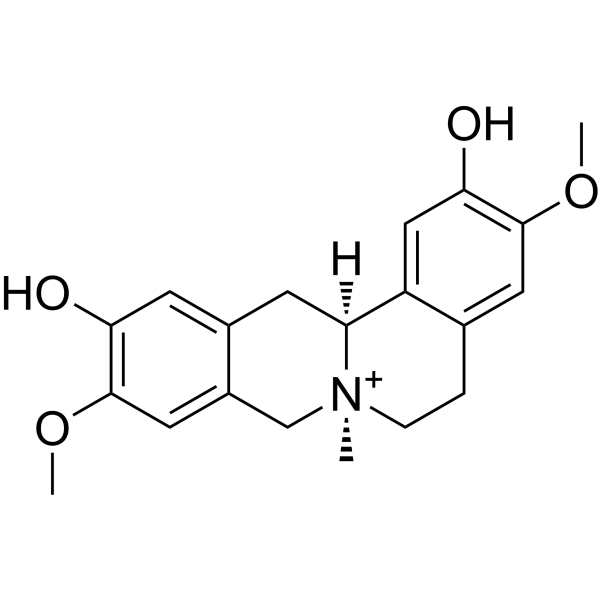 0 Images
Phellodendrine is an orally active plant alkaloid. Phellodendrine inhibits the proliferation of KRAS-mutated pancreatic cancer cells by suppressing macropinocytosis and glutamine metabolism, inducing ROS accumulation and mitochondrial apoptosis. Phellodendrine promotes autophagy by activating the AMPK/mTOR pathway, alleviating intestinal damage in ulcerative colitis. Phellodendrine can alleviate gouty arthritis by inhibiting the IL-6/STAT3 signaling pathway. Phellodendrine suppresses allergic reactions by altering the conformation of MRGPRB3/MRGPRX2 protein, thereby inhibiting the activation of PKC and subsequent downstream MAPK and NF-κB signaling. Phellodendrine inhibits the AKT/NF-κB pathway and down-regulates the expression of COX-2, thereby protecting zebrafish embryos from oxidative stress. Phellodendrine has an anti-major depressive disorder (MDD) effect by down-regulating CHRM1, HTR1A, and the PI3K/Akt signaling pathway.
-
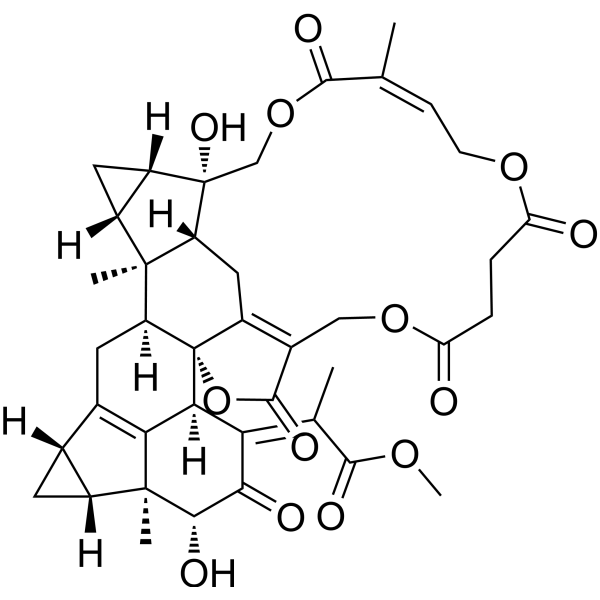
Shizukaol B
 0 ImagesCat. No.: HY-N8371CAS No.: 142279-40-1
Shizukaol B is a lindenane-type dimeric sesquiterpene, used to be isolated from the whole plant of Chloranthus henryi. Shizukaol B has anti-inflammatory effect against lipopolysaccharide (LPS)-induced activation of BV2 microglial cells. Shizukaol B inhibits iNOS and COX-2, and suppresses NO production, TNF-α, and IL-1β expression.
-
4'-Acetoxy resveratrol
 0 Images
4'-Acetoxy resveratrol is a Resveratrol (HY-16561) derivative. 4'-Acetoxy resveratrol upregulates gene expression of elastin, collagen types III and IV, superoxide dismutase (SOD), and catalase (CAT), while downregulating interleukins (IL-1A, IL-1R2, IL-6, IL-8) and cyclooxygenase-2 (COX-2) in human skin models. 4'-Acetoxy resveratrol can be used for skin reasearch.
-
SNJ-1945
 0 Images
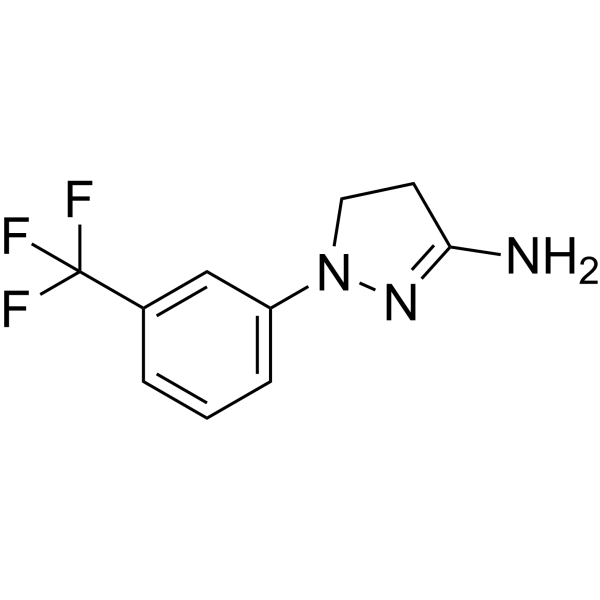
SNJ-1945 is an orally active, blood-brain barrier-penetrant Calpain inhibitor. SNJ-1945 inhibits Cathepsin L, Cathepsin B, and Ca2+ -independent proteases. SNJ-1945 suppresses ROS production and downregulates Cyclooxygenase-2 and Caspase-1. SNJ-1945 alleviates left ventricular systolic dysfunction, reduces cerebral ischemia-induced injury, and decreases the score of experimental autoimmune encephalomyelitis in mouse models. SNJ-1945 can be used in research related to post-cardiac arrest reperfusion injury, Parkinson's disease, multiple sclerosis, and proliferative retinopathy.
-
Oleanolic acid 28-O-β-D-glucopyranoside
 0 ImagesSynonyms: β-D-Glucopyranosyl oleanolate
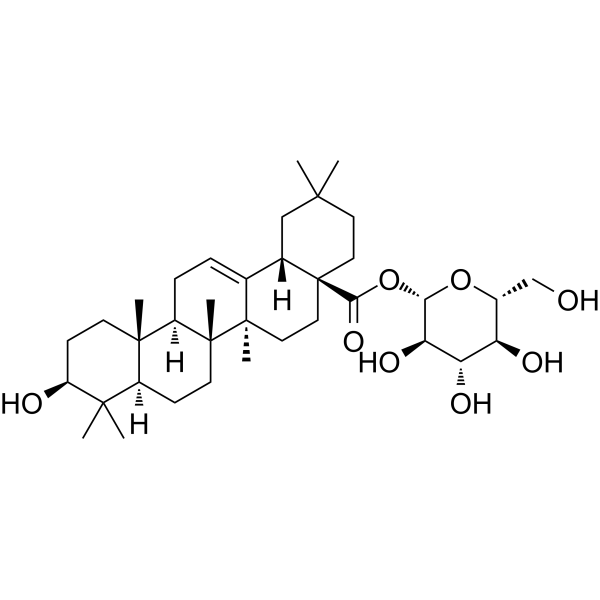
Oleanolic acid 28-O-β-D-glucopyranoside (β-D-Glucopyranosyl oleanolate) is an orally active pentacyclic triterpenoid compound. Oleanolic acid 28-O-β-D-glucopyranoside has anti-inflammatory effects. In ulcerative colitis models, Oleanolic acid 28-O-β-D-glucopyranoside can inhibit the inflammatory response, enhance the intestinal epithelial barrier function, and modulate the gut microbiota. Its mechanism of action is related to the PI3K-AKT and MAPK signaling pathways. Oleanolic acid 28-O-β-D-glucopyranoside can be used in the research of diseases such as colitis.
-
Thymohydroquinone
 0 Images
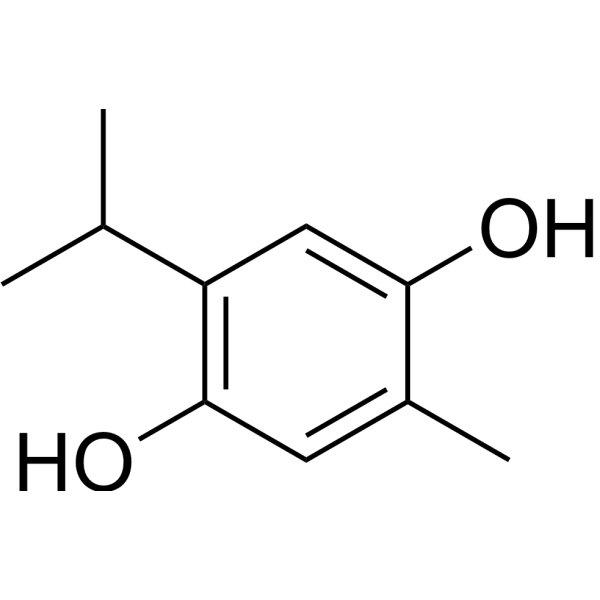
Thymohydroquinone is a COX-2 inhibitor and anti-SARS-CoV-2 agent that induces cytotoxicity, antiproliferative effects and inhibits tumor growth. Thymohydroquinone cannot scavenge superoxide radicals via σ (hydrogen atom transfer) and π-π attacks with superoxide anions. Thymohydroquinone can be used in research related to squamous cell carcinoma, fibrosarcoma and coronavirus disease 2019 (SARS-CoV-2 infection).
-
Diplacone
 0 ImagesSynonyms: Nymphaeol A; Propolin C
Diplacone is an orally active geranyl flavanone. It is isolated from the fruits of Paulownia tomentosa. Diplacone reduces COX-2 levels and increases the pro-MMP2/MMP2 ratio. It induces ferroptosis-mediated cell death. Diplacone enhances mitochondrial Ca2+ influx and ROS production. It possesses anti-inflammatory and free radical-scavenging activities. Diplacone can be used in research related to ulcerative colitis and non-small cell lung cancer.



