COX-2 Inhibitor
-
Floctafenine
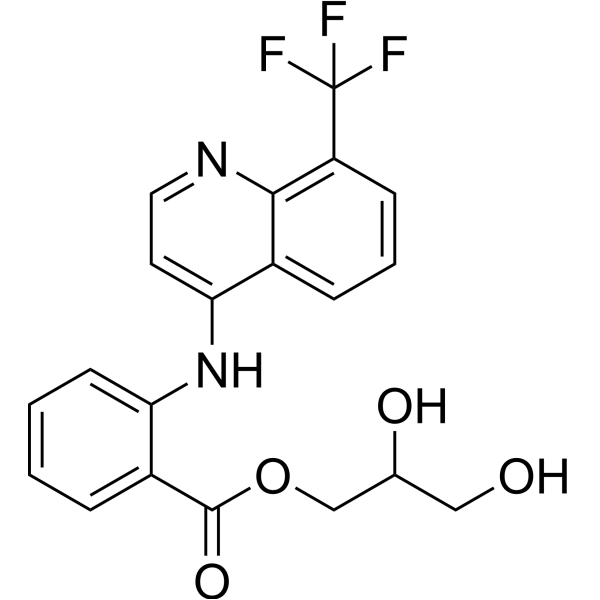 0 ImagesCat. No.: HY-A0259CAS No.: 23779-99-9
-
Isoastragaloside I
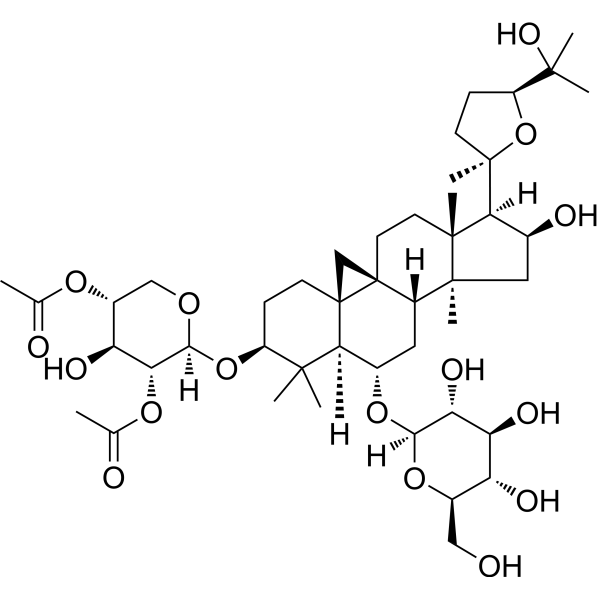 0 ImagesSynonyms: Isoastragaloside-I
Isoastragaloside I is a natural compound found in Astragalus membranaceus, with oral activity and multiple biological activities such as anti-inflammatory and antioxidant properties. Isoastragaloside I inhibits Akt, NF-κB, MAPKs and PI3K, enhances the activity of hepatic FXR, regulates the TGF-β/Smads signaling pathway, and upregulates antioxidant molecules downstream of Nrf2. Isoastragaloside I inhibits the expression of NO, TNF-α, iNOS, COX-2, IL-1β and VCAM-1, and reduces intracellular ROS levels. Isoastragaloside I attenuates blood-brain barrier disruption, restores intestinal barrier function, increases β-cell mass, improves glucose homeostasis, and elevates circulating adiponectin levels. Isoastragaloside I can be used for the study of neuroinflammation-related neurodegenerative diseases, cholestatic liver disease, and diabetes.
-
Casuarinin
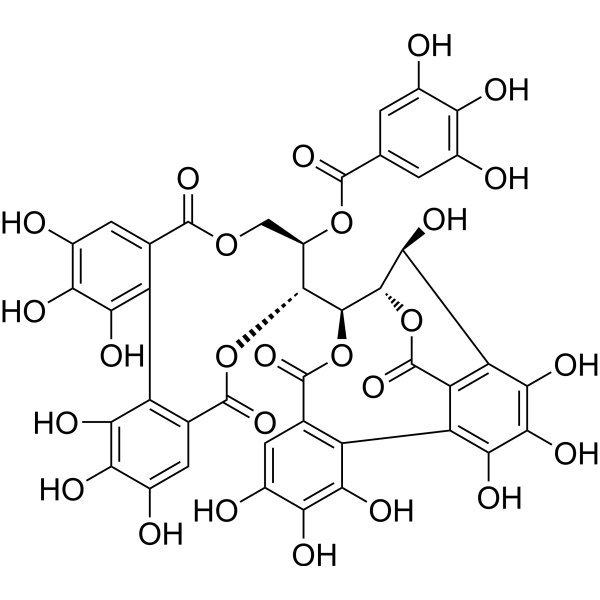 0 ImagesCat. No.: HY-N12717CAS No.: 79786-01-9
Casuarinin is an orally active antiproliferative, anti-inflammatory, antifungal, virucidal and gastroprotective agent. Casuarinin upregulates the expression of p21/WAF1, Fas/APO‑1, mFasL, sFasL and HSP‑70, arrests cell cycle, induces apoptosis and inhibits cancer cell proliferation. Casuarinin inhibits TNF‑α-induced phosphorylation of MAPK and activation of NF‑κB, downregulates the expression of iNOS, NF‑κB, COX‑2 and ICAM‑1, and reduces the production of proinflammatory mediators. Casuarinin attenuates ethanol-induced activation of caspase‑3 and elevation of TNF‑α, inhibits the growth of Candida albicans, and inhibits HSV‑2. Casuarinin can be used in research related to mammary adenocarcinoma, inflammatory skin diseases, gastric ulcers, candidiasis and herpes simplex virus infections.
-
Fenofibric acid (Standard)
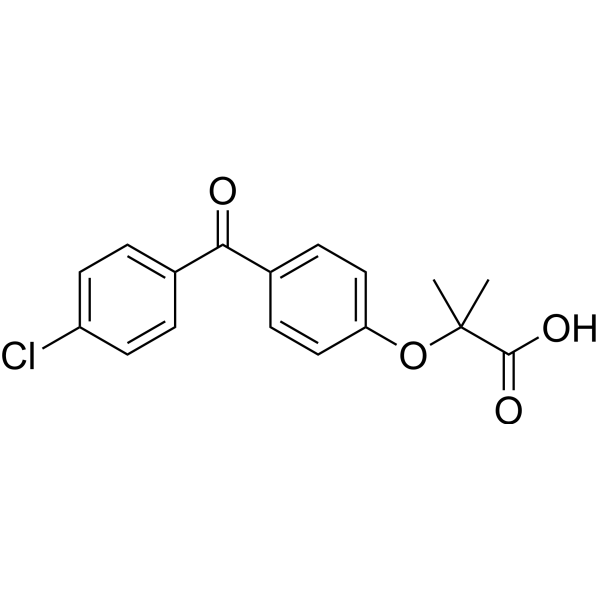 0 ImagesSynonyms: FNF acid (Standard)
Fenofibric acid (Standard) is the analytical standard of Fenofibric acid. This product is intended for research and analytical applications. Fenofibric acid, an active metabolite of fenofibrate, is a PPAR activitor, with EC50s of 22.4 μM, 1.47 μM, and 1.06 μM for PPARα, PPARγ and PPARδ, respectively; Fenofibric acid also inhibits COX-2 enzyme activity, with an IC50 of 48 nM.
-
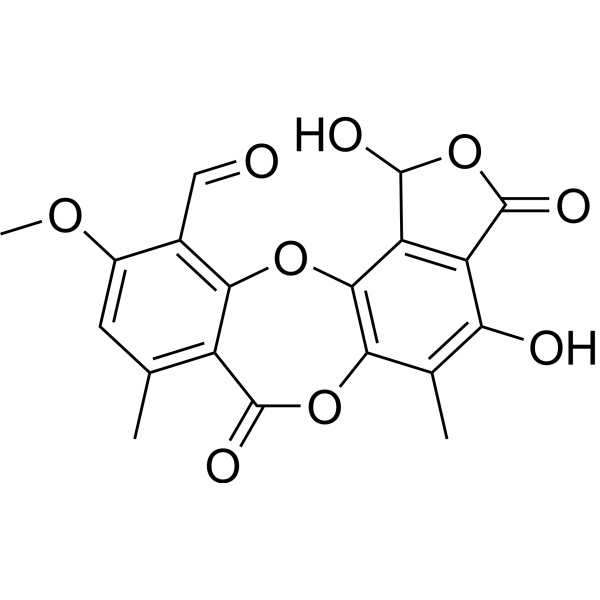
Stictic acid
 0 Images
Stictic acid is a Depsidone. Stictic acid is found in the edible lichens Lobaria pindarensis and Lobaria pulmonaria. Stictic acid inhibits LPS/Aβ42-induced mRNA expression of iNOS, IL-1β, TNF-α, and IL-6, and decreases LPS-induced COX-2 protein expression. Stictic acid inhibits Aβ42 fibril formation and aggregation. Stictic acid scavenges superoxide anions. Stictic acid exhibits anticancer activity against colon adenocarcinoma. Stictic acid is used in research on Alzheimer's disease and colon adenocarcinoma.
-
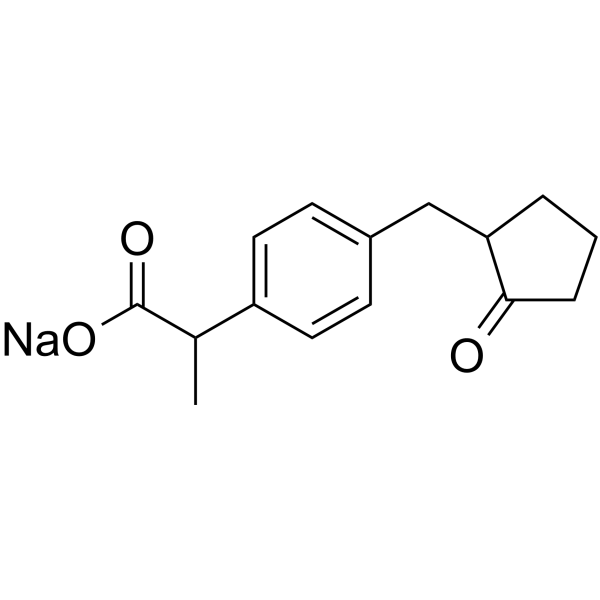
Loxoprofen sodium
 0 Images
Loxoprofen sodium is a non-steroidal, orally active anti-inflammatory agent with analgesic and anti-pyretic properties. Loxoprofen sodium is a nonselective COX inhibitor with IC50s of 6.5 and 13.5 μM for COX-1 and COX-2, respectively. Loxoprofen sodium can reduce atherosclerosis and shows antitumor activity.
-
Ufenamate
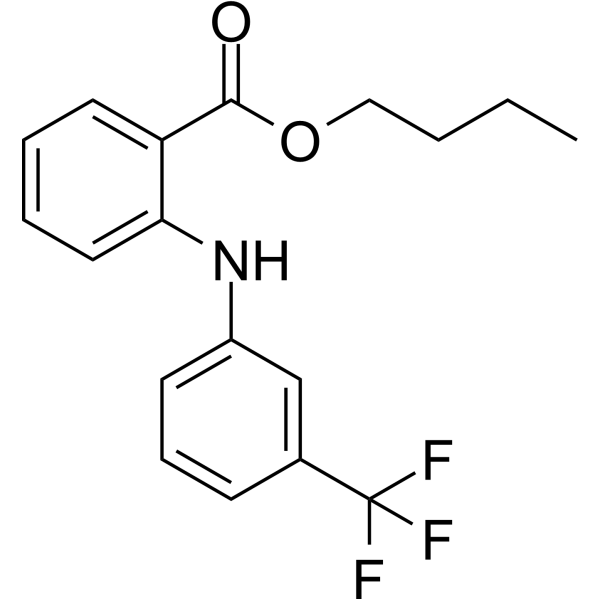 0 ImagesSynonyms: Flufenamic acid butyl ester; Butyl flufenamate
Ufenamate (Flufenamic acid butyl ester) is an anthranilic acid-based anti-inflammatory drug that can be used in the study of skin diseases such as acute and chronic eczema, contact dermatitis, diaper dermatitis, miliary rashes and atopic dermatitis. Ufenamate has a certain photoprotective effect, reduces the degree of skin erythema and swelling in the photoaging model, downregulates the expression level of COX-2 and can promote the healing of mouse skull defects by secreting BMP2.
-
β-Amyrone
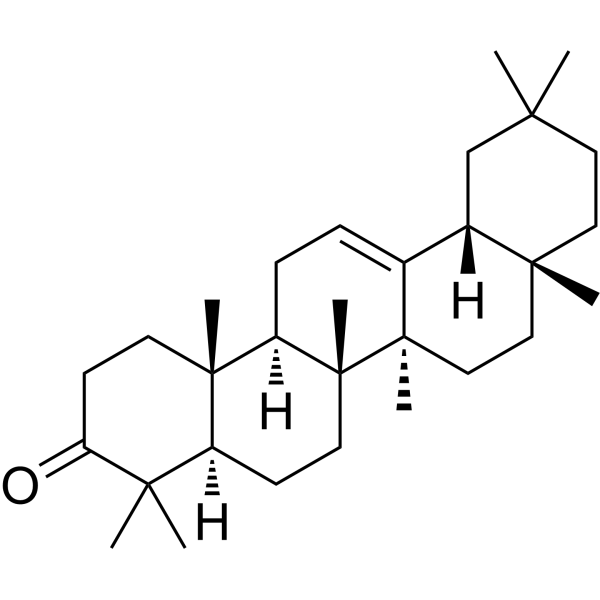 0 Images
β-Amyrone (β-Amyron) is a triterpene compound which has anti-inflammatory activity through inhibiting the expression of COX-2. β-Amyrone has antifungal activity , as well as antiviral activity against Chikungunya virus. β-Amyrone also inhibits α-glucosidase and acetylcholinesterase (AChE) activity. β-Amyrone can be used in the research of disease like inflammation, infection, and obesity.
-
ARN14494
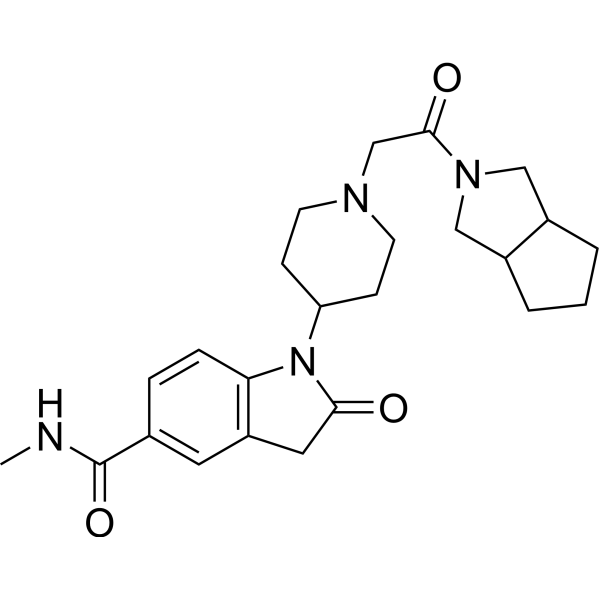 0 Images
ARN14494 is a potent and selective serine palmitoyltransferase (SPT) inhibitor, with an IC50 of 27.3 nM. ARN14494 affects the CNS in terms of anti-inflammation and neuroprotection. ARN14494 protects neurons from β-amyloid 1-42-induced neurotoxicity through a variety of mechanisms, including anti-oxidation, anti-apoptosis, and anti-inflammation. ARN14494 can be used for Alzheimer’s disease research.
-
Madecassic acid (Standard)
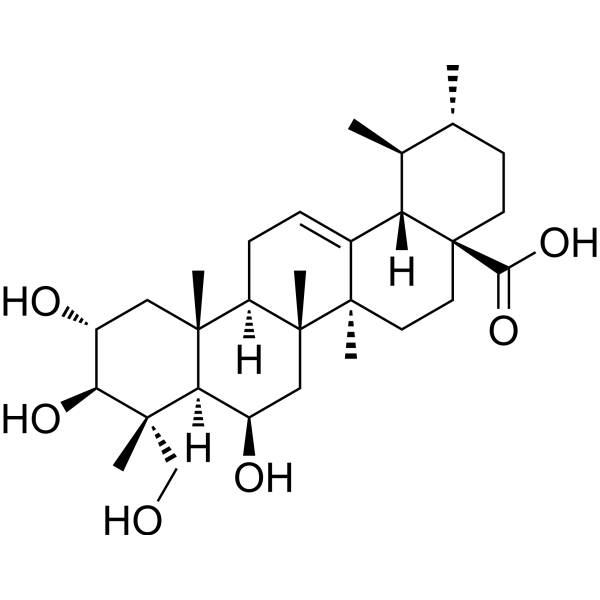 0 Images
Madecassic acid (Standard) is the analytical standard of Madecassic acid. This product is intended for research and analytical applications. Madecassic acid is isolated from Centella asiatica (Umbelliferae). Madecassic acid has anti-inflammatory properties caused by iNOS, COX-2, TNF-alpha, IL-1beta, and IL-6 inhibition via the downregulation of NF-κB activation in RAW 264.7 macrophage cells.
-
4-CPPC
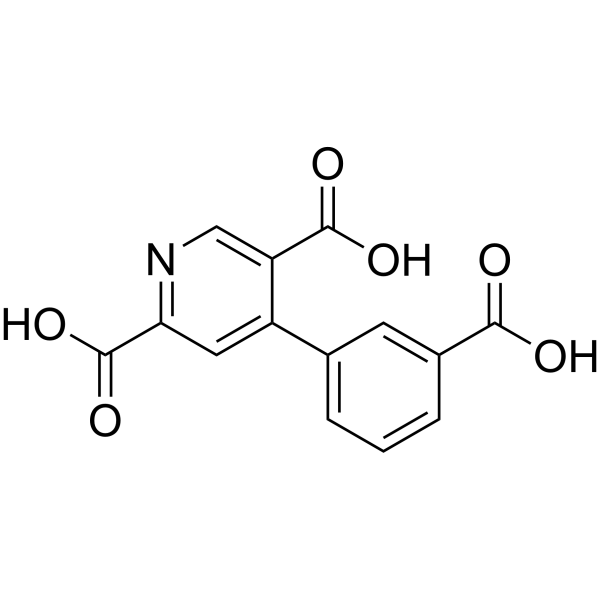 0 Images
4-CPPC is a selective MIF-2 inhibitor with a Ki of 33 µM. 4-CPPC inhibits the COX2/PGE2 pathway, reduces the levels of COX2 and mPGES-1, and decreases the production of PGE2. 4-CPPC attenuates the formation of early atherosclerotic lesions in hyperlipidemic mice, and lowers the levels of circulating inflammatory cytokines and chemokines. 4-CPPC inhibits MIF-2-triggered cell migration. 4-CPPC improves hindlimb motor function in rats with contusion-induced spinal cord injury. 4-CPPC can be used in studies related to atherosclerosis and spinal cord injury.
-
β-Sitostenone
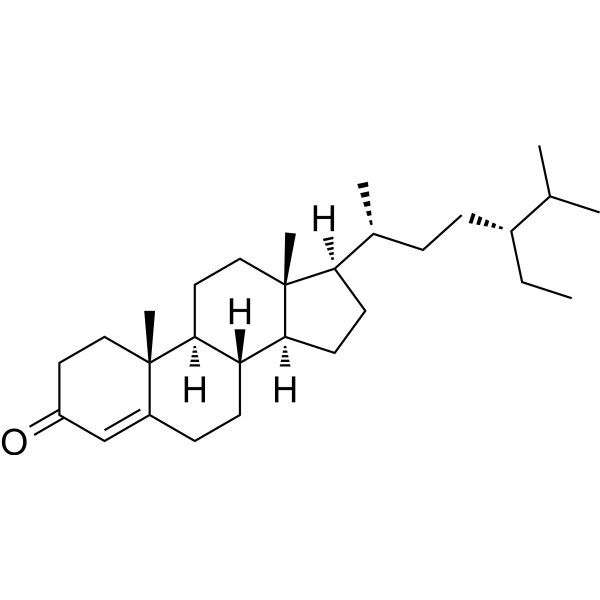 0 Images
β-Sitostenone (Δ4-Sitosterol-3-one; β-Rosasterol oxide) is a sterol isolated from Cleistanthus eberhardtii. β-Sitostenone inhibits tyrosinase (tyrosinase) and cyclooxygenase (COX-1 and COX-2). β-Sitostenone has potential anti-melanogenic, anticancer, and anti-inflammatory activities. β-Sitostenone can be used in research on inflammation, cancer, and cosmetics.
-
Alisol F
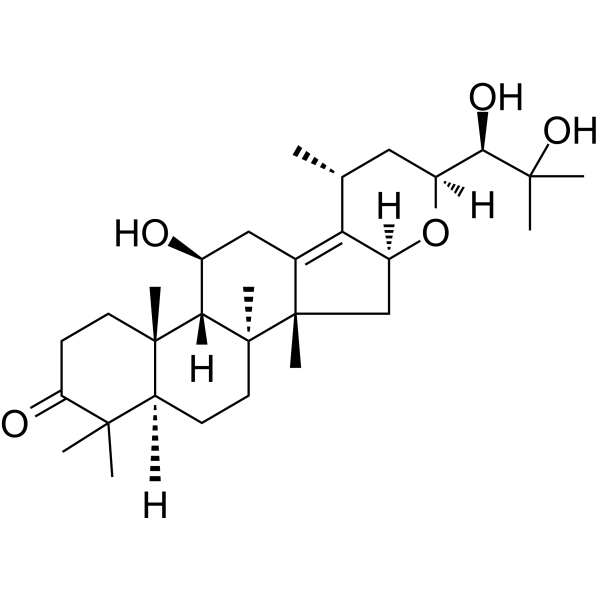 0 Images
Alisol F is a protostane-type triterpenoid with anti-inflammatory and anti-hepatitis B virus activities. Alisol F inhibits LPS (HY-D1056)-induced phosphorylation of ERK, JNK, p38, STAT3 and NF-κB (p65), suppresses the production of NO, IL-6, TNF-α and IL-1β, and also downregulates the levels of iNOS and COX-2. Alisol F reduces the serum alanine aminotransferase and aspartate aminotransferase levels in mice with acute liver injury and ameliorates their liver pathological damage.
-
2-(p-Tolyl)propanoic acid
 0 ImagesCat. No.: HY-W039699CAS No.: 938-94-3Synonyms: 2-(4-Methylphenyl)propionic acid
2-(p-Tolyl) propanoic acid (2-(4-methylphenyl) propionic acid) acts as an Antimicrobial agent intermediate. 2-(p-Tolyl) propanoic acid inhibits COX-1 and COX-2 enzymes, with IC50 values of 38.23 μM and 64.30 μM, respectively. 2-(p-Tolyl) propanoic acid is applicable to research on E. coli, Enterococcus faecalis, Listeria monocytogenes, and Staphylococcus aureus.
-
Leupeptin Ac-LL hydrochloride
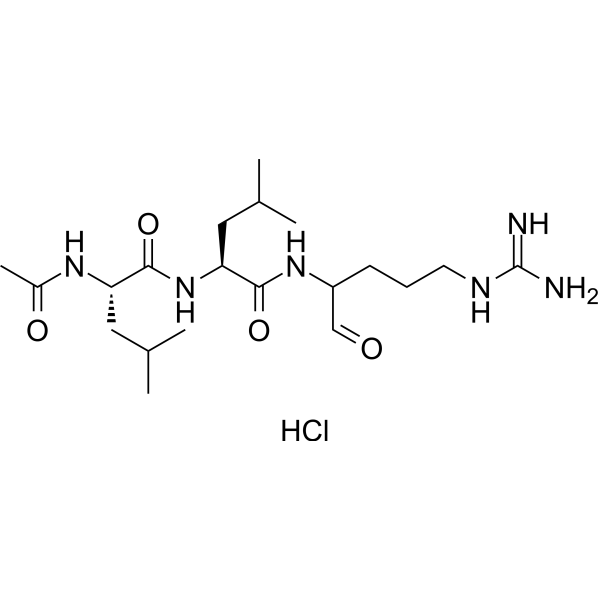 0 ImagesCat. No.: HY-18234CCAS No.: 24125-16-4
Leupeptin Ac-LL hydrochloride is a broad-spectrum protease inhibitor. By inhibiting the activation of the PTEN/PI3K/Akt/NF-κB/ERK1/2/p38 signaling pathway, Leupeptin Ac-LL hydrochloride significantly reduces LPS-induced NO and ROS production, mitochondrial membrane potential hyperpolarization, phagocytic activity, pro-inflammatory cytokine release, and M1 polarization in mouse peritoneal macrophages, and reverses autophagic flux impairment. It also decreases Concanavalin A (HY-P2149)-induced proliferation index of mouse splenic lymphocytes and the Th1/IL-10 and Th2/IL-10 cytokine ratios, thereby modulating innate and adaptive immune responses. Leupeptin Ac-LL hydrochloride inhibits blood coagulation and tumorigenesis in mouse skin. Leupeptin Ac-LL hydrochloride can be used in research on chronic inflammatory diseases and skin tumorigenesis.
-
Ketorolac-d5
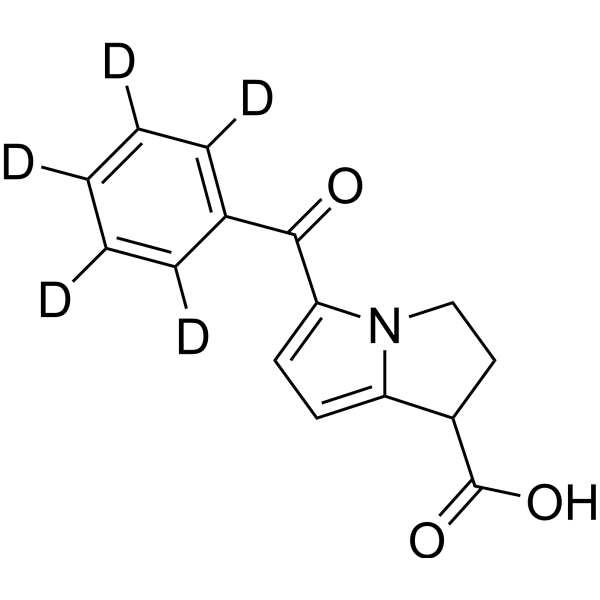 0 Images
Ketorolac-d5 is a deuterium labeled Ketorolac. Ketorolac is a non-steroidal anti-inflammatory agent, acting as a nonselective COX inhibitor, with IC50s of 20 nM for COX-1 and 120 nM for COX-2.
-
Azaleatin
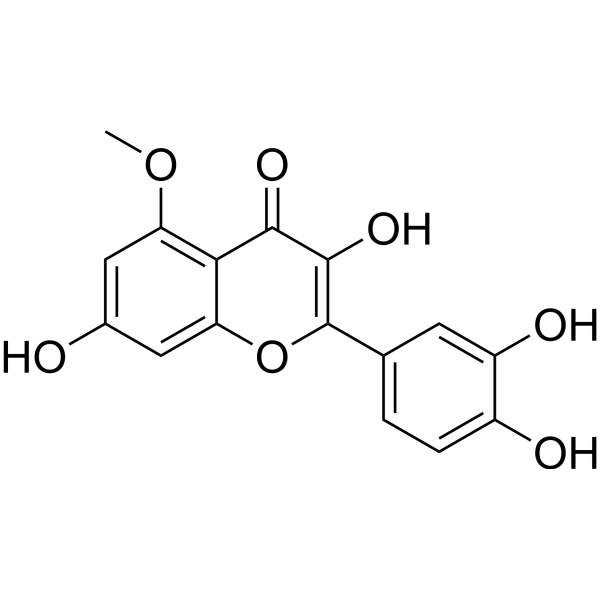 0 Images
Azaleatin is an orally active inhibitor of hQC, NS2B-NS3 protease and E. coli β-glucuronidase, with IC50 values of 1.1 μM, 38.00 μg/mL and 0.57 μM, respectively. Azaleatin inhibits the activities of NF-κB, MyD88, JAK1, TLR4, STAT3, IL-1β, IL-6, COX-2, TNF-α and β-glucuronidase, blocks pro-inflammatory signaling pathways, reduces the levels of ROS, MDA and uric acid, elevates the levels of GPx, GSR, GST, SOD, CAT, HO-1 and GSH, scavenges free radicals and exerts reducing capacity. Azaleatin inhibits the expression of pro-apoptotic proteins Bax, Caspase-9 and Caspase-3, and upregulates the expression of anti-apoptotic protein Bcl-2. Azaleatin reduces the levels of cardiac injury markers, restores cardiac histological structure, inhibits Aβ aggregation, dengue protease activity, hepatic stellate cell proliferation and cancer cell growth, and also exhibits antibacterial activity. Azaleatin can be used in studies related to subchronic cardiotoxicity, Alzheimer's disease, dengue fever, hyperuricemia, liver fibrosis, gastric cancer and bacterial infections.