



Caspase 1 Inhibitor
-
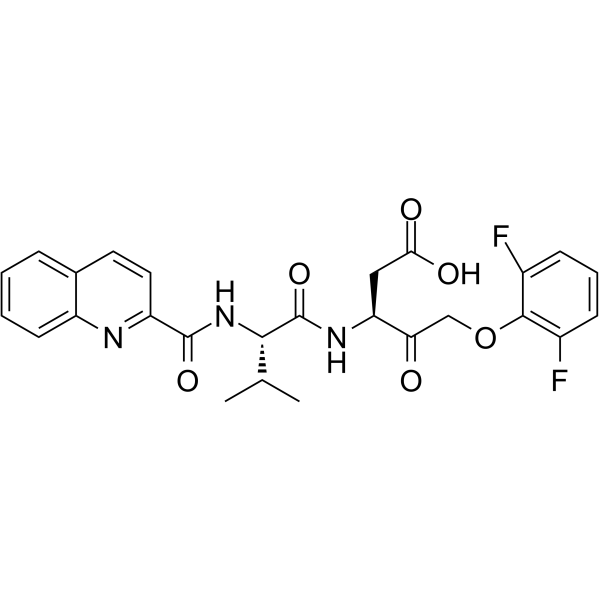
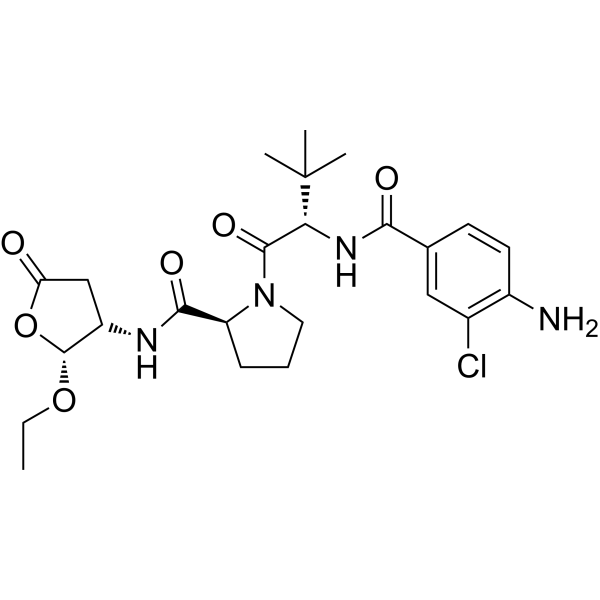
Belnacasan
 0 ImagesSynonyms: VX-765
Belnacasan (VX-765) is an orally bioactive proagent of VRT-043198, which is a potent and selective inhibitor of IL-converting enzyme (ICE)/caspase-1 with Kis of 0.8 nM and less than 0.6 nM for caspase-1 and caspase-4, respectively. Belnacasan (VX-765) inhibits the release of LPS-induced IL-1β and IL-18 by human PBMCs with an IC50 of ~0.7 μM.
-
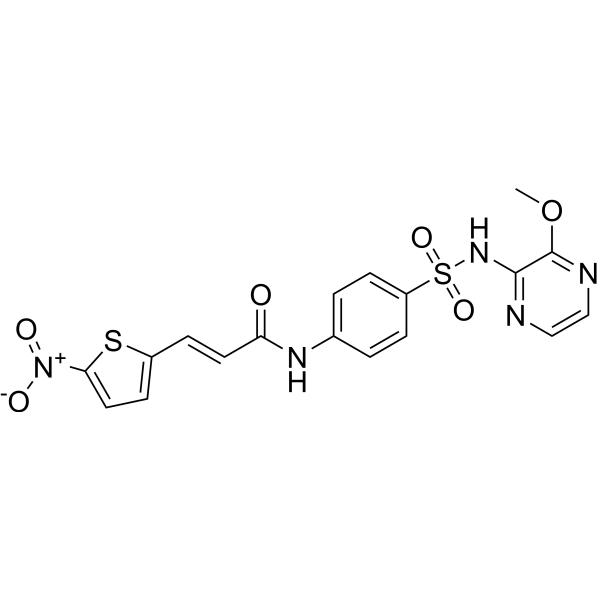
Necrosulfonamide
 0 Images
Necrosulfonamide is a MLKL and Gasdermin D (GSDMD) inhibitor, capable of separately inhibiting necroptosis and pyroptosis of cells. Necrosulfonamide does not affect the activation of upstream signals, but specifically inhibits the downstream executor oligomerization step. Necrosulfonamide reduces the expression of the key kinases NLRP3 and caspase-1 involved in necroptosis and pyroptosis, activate the Nrf2 pathway and the downstream antioxidant enzymes, and also downregulates a variety of inflammatory factors. Necrosulfonamide plays significant roles in various diseases such as neurodegenerative diseases (such as Parkinson’s disease), tissue damage and ischemia-reperfusion injury, inflammatory bowel disease, osteoarthritis and fracture repair, and hair loss by regulating two important programmed necrosis pathways.
-
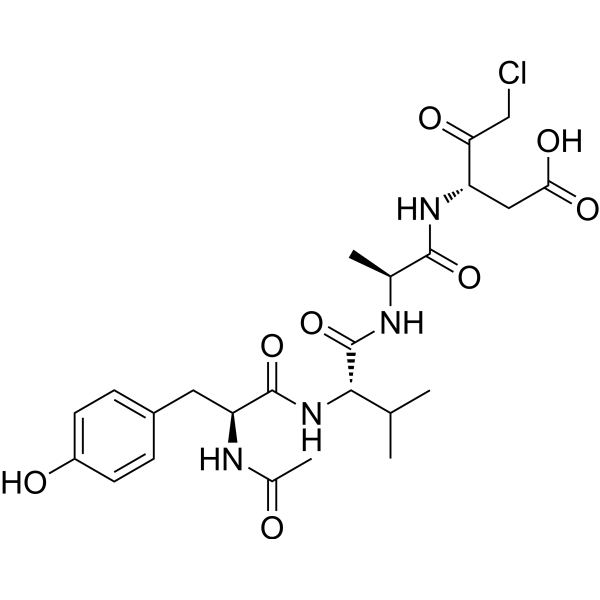
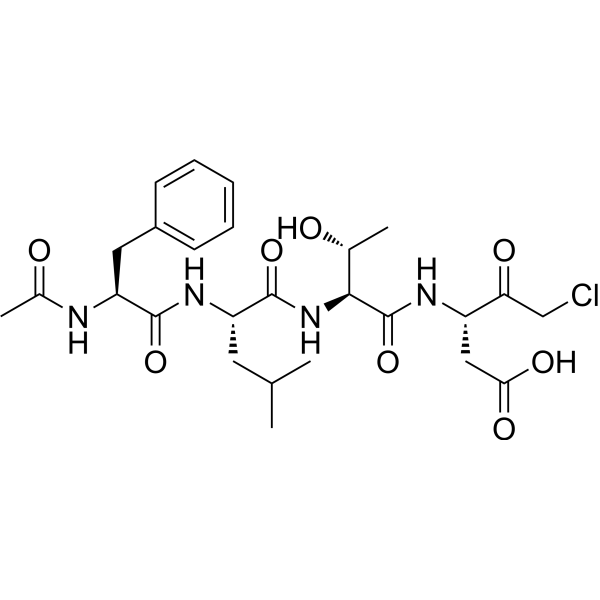
Ac-YVAD-cmk
 0 ImagesSynonyms: Caspase-1 Inhibitor II
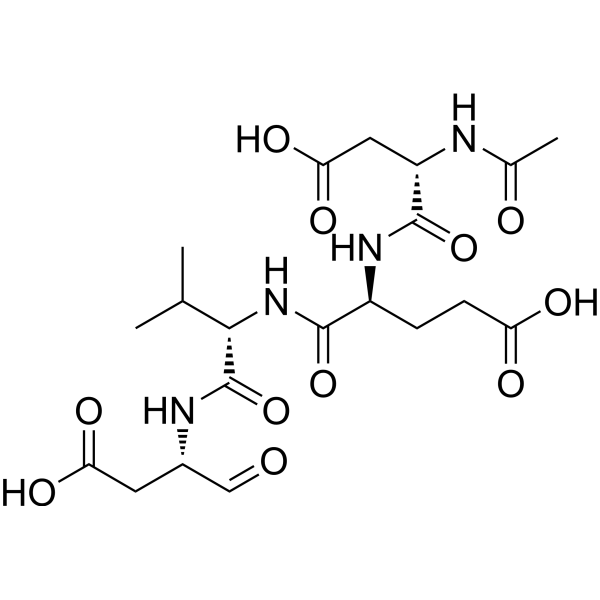
Ac-YVAD-cmk (Caspase-1 Inhibitor II) is a selective caspase-1 (IL-1beta converting enzyme, ICE)) inhibitor with neuroprotective and anti-inflammatory effects. Ac-YVAD-cmk effectively suppresses the expression of IL-1β and IL-18. Ac-YVAD-cmk inhibits pyroptosis in many diseases.
-
ANA-12
 0 Images
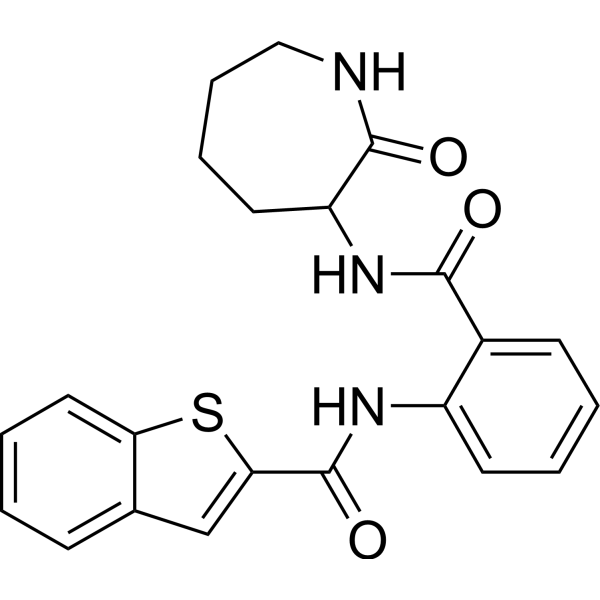
ANA-12 is a brain-penetrant, selective TrkB antagonist with IC50 values of 45.6 nM and 41.1 μM, and Kd values of 10 nM and 12 μM, for high- and low-affinity sites, respectively. ANA-12 specifically inhibits BDNF-induced TrkB receptor activation and its downstream signaling cascades by directly and non-competitively binding to the TrkB receptor, without affecting the functions of TrkA and TrkC. ANA-12 is used in research concerning neuropsychiatric disorders (such as depression and anxiety), acute and chronic pain, neuroimmune inflammation, and the mechanisms of learning and memory.
-
Secretoneurin, rat
 0 Images
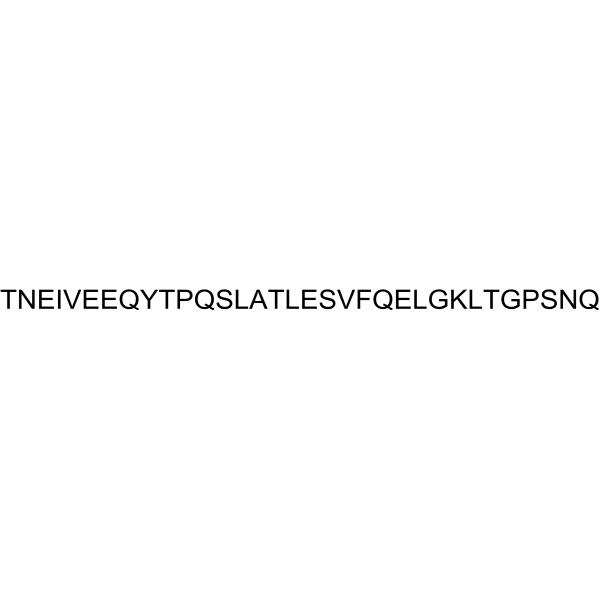
Secretoneurin, rat is a 33-amino acid neuropeptide produced by proteolytic processing of chromogranin II, widely distributed in the central and peripheral nervous systems, and its release is calcium-dependent. Secretoneurin, rat modulates the activities of caspase-3, caspase-1, the NLRP3 inflammasome, IGF-1R, VEGFR1, VEGFR2, FGFR3, AMPK, ERK1/2/MAPK, and Jak2/Stat3 pathways. Secretoneurin, rat regulates neuronal apoptosis, synaptic structure, inflammation, neurogenesis, angiogenesis, oxidative stress, cardiomyocyte hypertrophy, dopamine release, and cell migration and proliferation. Secretoneurin, rat is used in studies of global cerebral ischemia, myocardial infarction, stroke, and cardiac hypertrophy.
-
SNJ-1945
 0 Images
SNJ-1945 is an orally active, blood-brain barrier-penetrant Calpain inhibitor. SNJ-1945 inhibits Cathepsin L, Cathepsin B, and Ca2+ -independent proteases. SNJ-1945 suppresses ROS production and downregulates Cyclooxygenase-2 and Caspase-1. SNJ-1945 alleviates left ventricular systolic dysfunction, reduces cerebral ischemia-induced injury, and decreases the score of experimental autoimmune encephalomyelitis in mouse models. SNJ-1945 can be used in research related to post-cardiac arrest reperfusion injury, Parkinson's disease, multiple sclerosis, and proliferative retinopathy.
-
NEK7 degrader-3
 0 ImagesCat. No.: HY-185311CAS No.: 3119435-52-5
NEK7 degrader-3 is an orally active and brain-penetrant NEK7 molecular glue degrader with a DC50 of 33.1 nM. NEK7 degrader-3 mediates interaction between NEK7 and E3 ligase cereblon, promoting proteasomal degradation of NEK7 and attenuating NLRP3 inflammasome-mediated inflammatory responses. NEK7 degrader-3 inhibits caspase-1 activity, cytokine release of IL-1β, IL-1α, and IL-18, and pyroptosis-related plasma membrane permeabilization. NEK7 degrader-3 shows antiinflammatory activity in an LPS (HY-D1056)-induced neuroinflammation mouse model. NEK7 degrader-3 can be used for the research of neuroinflammation.
-
Inclisiran sodium
 0 ImagesCat. No.: HY-132591APurity: 99.08%Synonyms: ALN-PCSsc sodium
Inclisiran sodium is a double-stranded small interfering RNA (siRNA) molecule. Inclisiran sodium inhibits the transcription of PCSK9. Inclisiran sodium inhibits Pyroptosis, activates PPARγ, and reduces NLRP3, cleaved caspase-1, IL-1β, and IL-18. Inclisiran sodium has anti-inflammatory, lipid-regulating and anti-atherosclerotic activities. Inclisiran sodium can be used in researches of hyperlipidemia and cardiovascular disease (CVD).
-
Inclisiran
 0 ImagesSynonyms: ALN-PCSsc
Inclisiran is a double-stranded small interfering RNA (siRNA) molecule. Inclisiran inhibits the transcription of PCSK9. Inclisiran inhibits Pyroptosis, activates PPARγ, and reduces NLRP3, cleaved caspase-1, IL-1β, and IL-18. Inclisiran has anti-inflammatory, lipid-regulating and anti-atherosclerotic activities. Inclisiran can be used in researches of hyperlipidemia and cardiovascular disease (CVD).
-
IRF1-IN-1
 0 Images
IRF1-IN-1 (Compound I-2) is an IRF1 inhibitor. IRF1-IN-1 decreases the recruitment of IRF1 to the promoter of CASP1. IRF1-IN-1 inhibits cell death signaling pathway (i.e., cleavage of Caspase 1, GSDMD, IL-1 and PARP1). IRF1-IN-1 has a protective effect on ionizing radiation-induced inflammatory skin injury.
-
VRT-043198
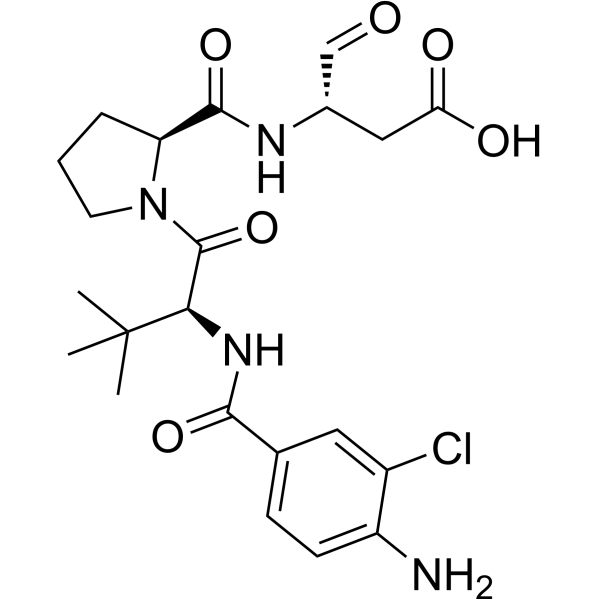 0 ImagesCat. No.: HY-112226CAS No.: 244133-31-1
VRT-043198, the agent metabolite of VX-765 (Belnacasan), is a potent, selective and blood-brain barrier permeable inhibitor of interleukin-converting enzyme/caspase-1 subfamily caspases. VRT-043198 exhibits Ki values of 0.8 nM and 0.6 nM for ICE/caspase-1 and caspase-4, respectively.
-
Perfluorodecanoic acid
 0 ImagesSynonyms: PFDA
Perfluorodecanoic acid (PFDA) is an orally active perfluoroalkyl substance. Perfluorodecanoic acid causes dysfunction of rat fetal Leydig cells via endoplasmic reticulum stress-mediated changes in lipid components. Perfluorodecanoic acid reduces testosterone biosynthesis in rat R2C Leydig cells by inducing endoplasmic reticulum stress. Perfluorodecanoic acid can be used in studies related to fetal Leydig cell dysfunction.
-
Periplogenin
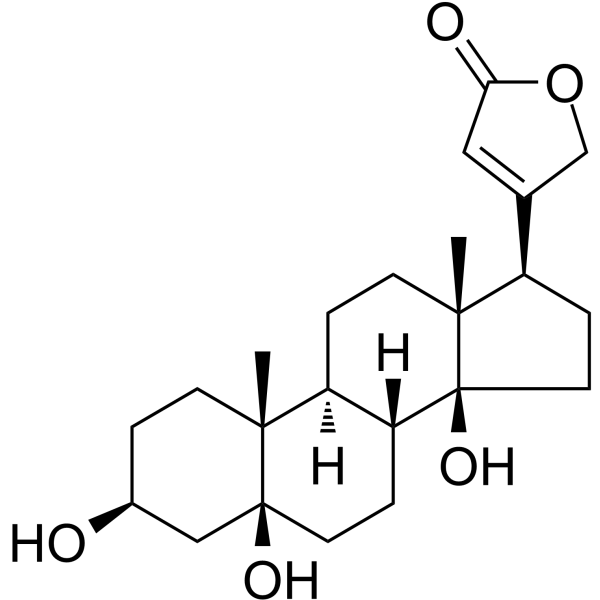 0 Images
Periplogenin is an orally active cardiac glycoside found in Cortex periplocae. Periplogenin can induce ROS production and necroptosis and cause G0/G1 phase arrest. Periplogenin can inhibit pyroptosis by regulating the NLRP3/Caspase-1/GSDMD signaling. Periplogenin suppresses growth of prostate carcinoma cells by docking to an ATP1A1 protein pocket and forming a hydrogen bond with T804. Periplogenin can be used for the researches of cancer, inflammation and immunology, such as prostate carcinoma, rheumatoid arthritis and psoriasis.
-
Forsythoside I
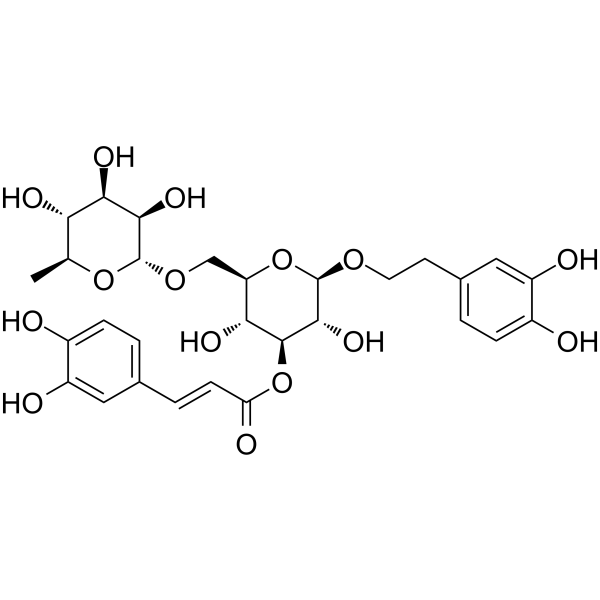 0 Images
Forsythoside I is an orally active caffeoyl phenylethanoid glycoside (CPG) that can be isolated from Forsythia suspense (Thunb.) Vahl. Forsythoside I has anti-inflammatory activity and can exert a protective effect in a mouse model of acute lung injury.
-
IRF1-IN-2
 0 Images
IRF1-IN-2 (Compound I-19) is an IRF1 inhibitor. IRF1-IN-2 decreases the recruitment of IRF1 to the promoter of CASP1. IRF1-IN-2 inhibits cell death signaling pathway (i.e., cleavage of Caspase 1, GSDMD, IL-1 and PARP1; inhibits the Pho of TKB1, upregulates GPX4 and downregulates FACL4). IRF1-IN-2 has a protective effect on ionizing radiation-induced inflammatory skin injury.
-
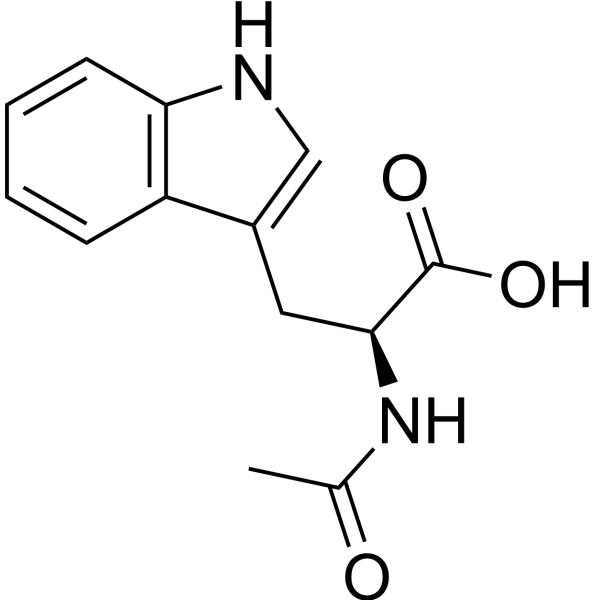
N-Acetyl-L-tryptophan
 0 Images
N-Acetyl-L-tryptophan is an antagonist of the neurokinin-1 receptor (NK-1R), disrupting the binding of substance P (SP) to NK-1R. This action provides neuroprotective effects, improving memory deficits and motor impairments. N-Acetyl-L-tryptophan is also an inhibitor of cytochrome c (Cytochrome c), and it exerts antioxidant and anti-inflammatory effects by inhibiting the expression of IL-1β and the activation of caspase-1. N-Acetyl-L-tryptophan holds promise for research in neurodegenerative and inflammatory diseases.
-
Ofirnoflastum
 0 ImagesSynonyms: Ofirnoflast; HT-6184
Ofirnoflastum (Ofirnoflast) is an orally active first-in-class allosteric NEK7 inhibitor with an IC50 of 46 nM. Ofirnoflastum binds an allosteric site adjacent to NEK7’s ATP-binding pocket, induces conformational shifts, disrupts NEK7-NLRP3 binding, blocks NLRP3 inflammasome assembly, spares NEK7’s physiological functions, and suppresses caspase-1, caspase-8, NF-κB, and TNF activity. Ofirnoflastum reduces pro-inflammatory cytokine production, suppresses ASC specks, IL-1β release, pyroptotic cell death, and leukemic burden, induces apoptosis and erythroid differentiation, restores hematopoiesis, and improves outcomes in colitis models. Ofirnoflastum can be used for the research of myelodysplastic syndromes, chronic myelomonocytic leukemia, and acute myeloid leukemia.



