



FLT3
Cluster of differentiation antigen 135; CD135; Fms like tyrosine kinase 3
FLT3 (Fms-like tyrosine kinase 3, CD135) is a protein that in humans is encoded by the FLT3 gene. FLT3 is a cytokine receptor which belongs to the receptor tyrosine kinase class III. FLT3 is the receptor for the cytokine Flt3 ligand (FLT3L). FLT-3 is expressed on the surface of many hematopoietic progenitor cells. Signalling of FLT3 is important for the normal development of haematopoietic stem cells and progenitor cells. The FLT3 gene is one of the most frequently mutated genes in acute myeloid leukemia (AML). Besides, high levels of wild-type FLT3 have been reported for blast cells of some AML patients without FLT3 mutations. These high levels may be associated with worse prognosis. Signaling through FLT3 plays a role in cell survival, proliferation, and differentiation. FLT3 is important for lymphocyte (B cell and T cell) development, but not for the development of other blood cells. Two cytokines that down modulate FLT3 activity are TNF-Alpha and TGF-Beta.
All Product Categories
-
FLT3 Inhibitors
(307)
View all products
-
FLT3 Antagonist
(1)
View all products
-
FLT3 Modulator
(1)
View all products
-
FLT3 Degraders
(12)
View all products
-
FLT3 Control
(1)
View all products
-
FLT3 Substrate
(1)
View all products
-
FLT3 Ligands
(6)
View all products
-
Flt-3/CD135 Proteins
(11)
View all products
-
FLT3 Related Products (335)
Related Products (335)

-
Recombinant Proteins (11)
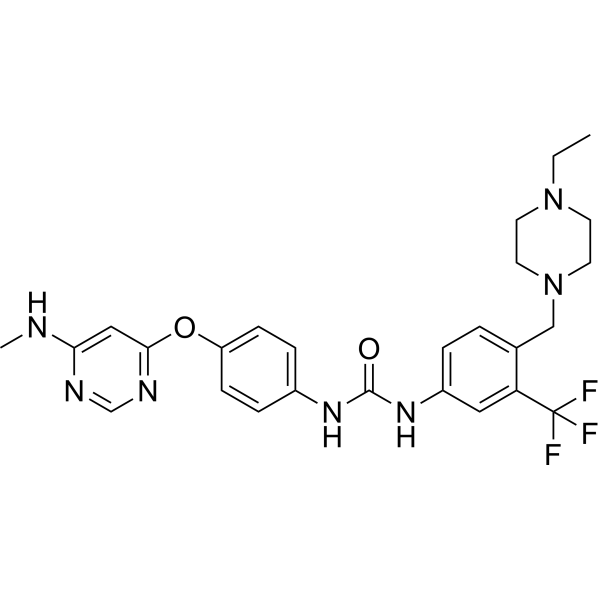
-
INE963
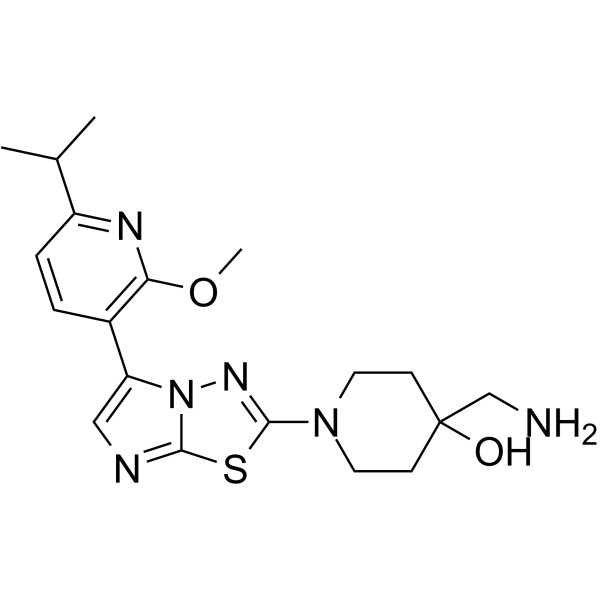 0 ImagesINE963 is a potent and fast-acting blood-stage antimalarial agent, with an EC50s of 3-6 nM. INE963 is potential for single-dose cures in uncomplicated malaria.
-
Tyrphostin AG1296
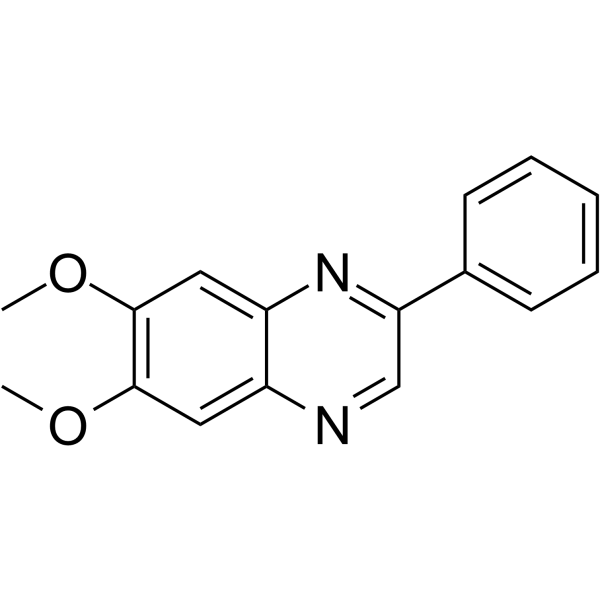 0 ImagesSynonyms: AG1296Tyrphostin AG1296 is a potent and selective inhibitor of platelet-derived growth factor receptor (PDGFR), with an IC50 of 0.8 μM. Tyrphostin AG1296 inhibits signaling of human PDGF α- and β-receptors as well as of the related stem cell factor receptor (c-Kit). Tyrphostin AG1296 is also a potent inhibitor of FLT3, with an IC50 in the micromolar range.
-
Mivavotinib monohydrochloride
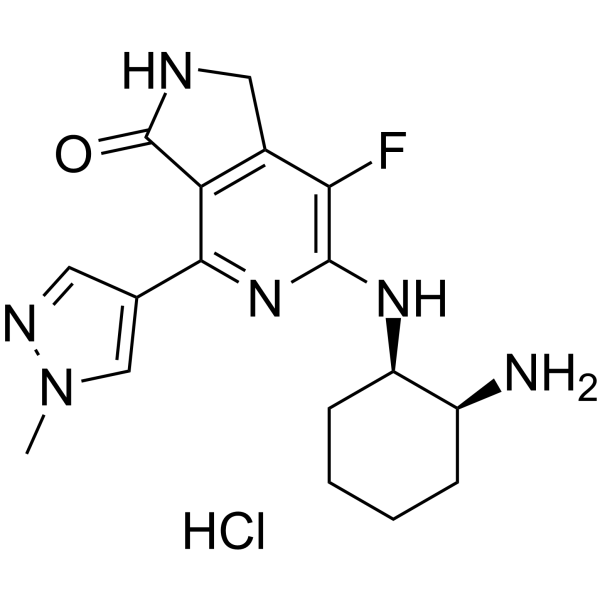 0 ImagesSynonyms: TAK-659 monohydrochloride; CB-659 monohydrochlorideTAK-659 hydrochloride is a highly potent, selective, reversible and orally available dual inhibitor of spleen tyrosine kinase (SYK) and fms related tyrosine kinase 3 (FLT3), with an IC50 of 3.2 nM and 4.6 nM for SYK and FLT3, respectively. TAK-659 hydrochloride induces cell death in tumor cells but not in nontumor cells, and with potential for the treatment of chronic lymphocytic leukemia (CLL).
-
Crotonoside
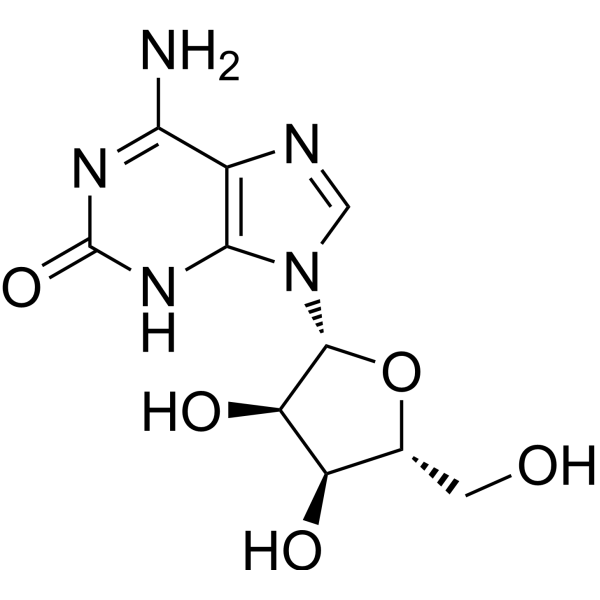 0 ImagesCrotonoside is isolated from Chinese medicinal herb, Croton. Crotonoside inhibits FLT3 and HDAC3/6, exhibits selective inhibition in acute myeloid leukemia (AML) cells. Crotonoside could be a promising new lead compound for the research of AML.
-
Quizartinib dihydrochloride
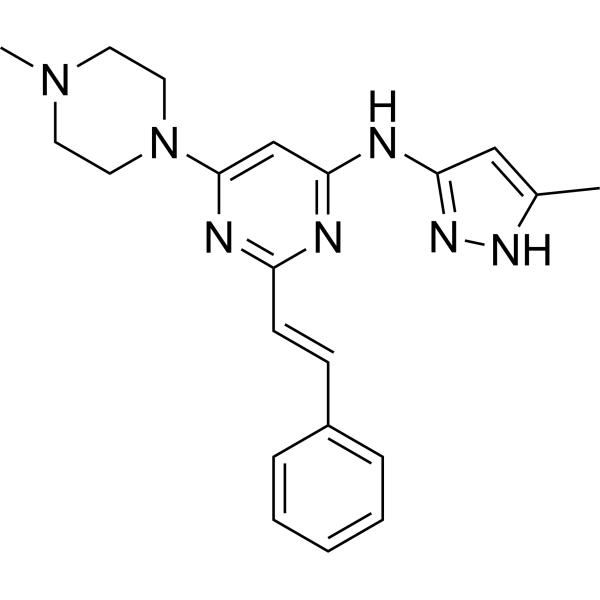
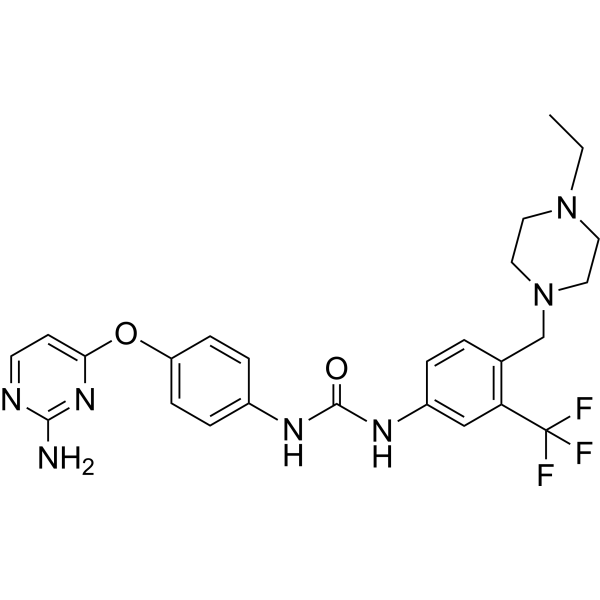
 0 ImagesSynonyms: AC220 dihydrochlorideQuizartinib (AC220) dihydrochloride is an orally active, potent and selective FLT3 inhibitor. Quizartinib dihydrochloride inhibits kinase activity of mutant-FLT3, -PDGFRA and -KIT isoforms and inhibits autophosphorylation. Quizartinib dihydrochloride inhibits cellular proliferation, induces apoptosis in cancer cells. Quizartinib dihydrochloride can be used for the research of cancer.
-
Denfivontinib
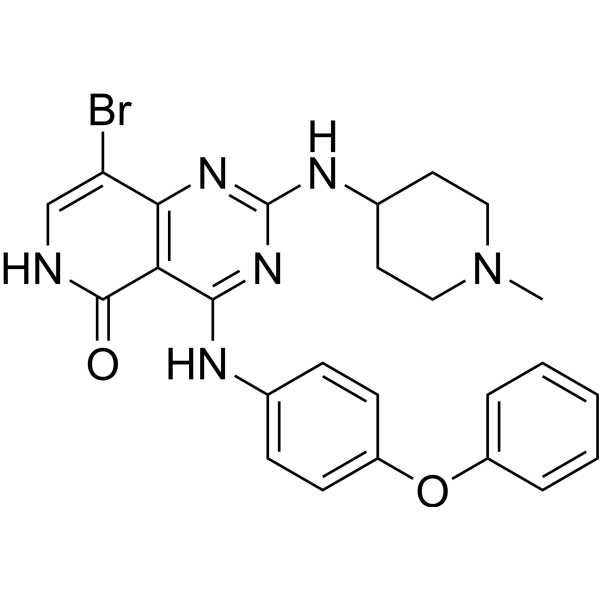 0 ImagesSynonyms: G-749Denfivontinib (G-749) is a potent, oral active and ATP competitive FLT3 inhibitor, with IC50s of 0.4 nM and 0.6 nM for FLT3 wild type and FLT3-D835Y, respectively. Denfivontinib can be used for the research of agent resistance for acute myeloid leukemia (AML).
-
Amuvatinib
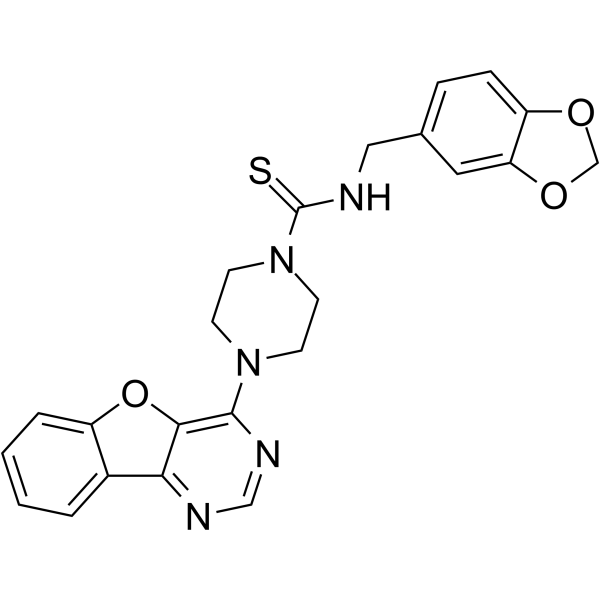 0 ImagesSynonyms: MP470; HPK 56Amuvatinib (MP470) is an orally bioavailable multi-targeted tyrosine kinase inhibitor with potent activity against mutant c-Kit, PDGFRα, Flt3, c-Met and c-Ret. Amuvatinib (MP470) is also a DNA repair suppressor through suppression of DNA repair protein RAD51, thereby disrupting DNA damage repair. Antineoplastic activity.
-
UNC2025 hydrochloride
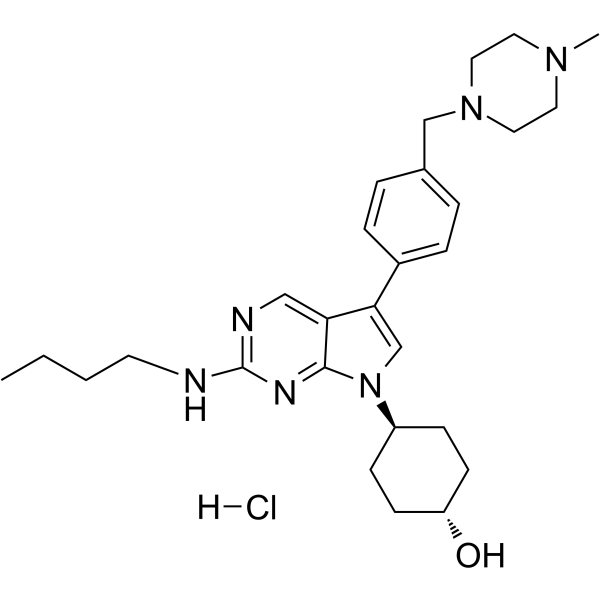 0 ImagesUNC2025 hydrochloride is a potent, ATP-competitive, highly orally active and BBB-permeable Mer/Flt3 inhibitor with IC50 values of 0.74 nM and 0.8 nM, respectively. UNC2025 hydrochloride is >45-fold selectivity for MERTK relative to Axl (IC50= 122 nM; Ki = 13.3 nM). UNC2025 hydrochloride exhibits an excellent PK properties, and can be used for the investigation of acute leukemia.
-
FN-1501
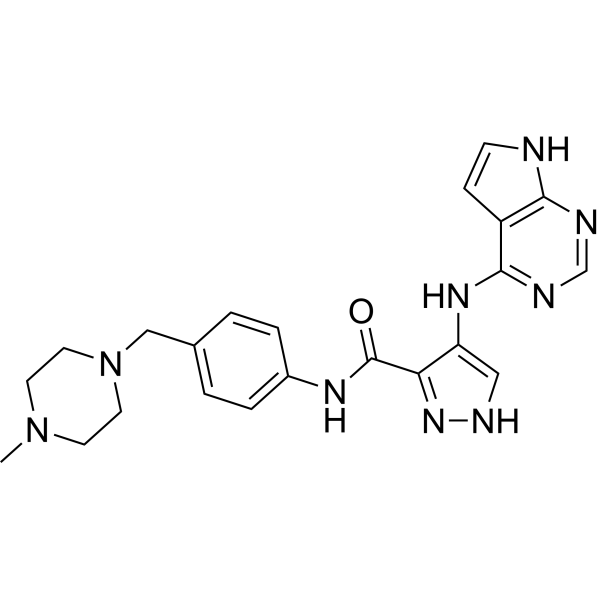 0 ImagesSynonyms: LT-171-861FN-1501 is a potent inhibitor of FLT3 and CDK, with IC50s of 2.47, 0.85, 1.96, and 0.28 nM for CDK2/cyclin A, CDK4/cyclin D1, CDK6/cyclin D1 and FLT3, respectively. FN-1501 has anticancer activity.
-
Cenisertib
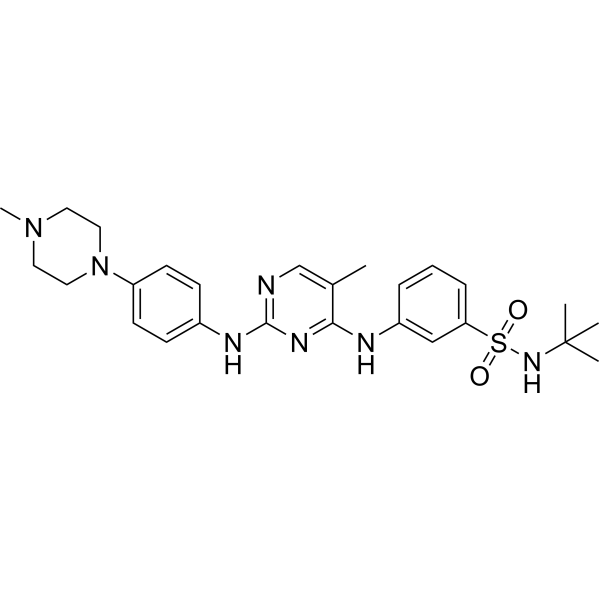
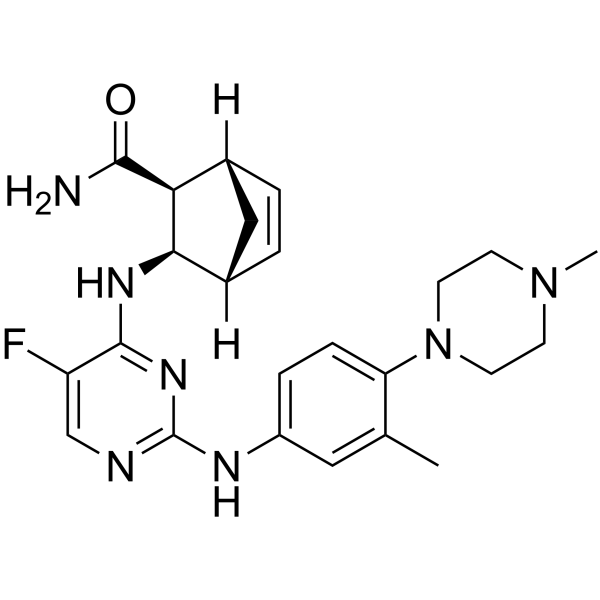 0 ImagesSynonyms: AS-703569; R-763Cenisertib (AS-703569) is an ATP-competitive multi-kinase inhibitor that blocks the activity of Aurora-kinase-A/B, ABL1, AKT, STAT5 and FLT3. Cenisertib induces major growth-inhibitory effects by blocking the activity of several different molecular targets in neoplastic mast cells (MC). Cenisertib inhibits tumor growth in xenograft models of pancreatic, breast, colon, ovarian, and lung tumors and leukemia.
-
Sorafenib (Standard)
 0 ImagesSynonyms: Bay 43-9006 (Standard)Sorafenib (Standard) (Bay 43-9006 (Standard)) is the analytical standard of Sorafenib (HY-10201). This product is intended for research and analytical applications. Sorafenib (Bay 43-9006) is a potent oral active multikinase inhibitor. Sorafenib blocks autophosphorylation and activity of receptor tyrosine kinases (VEGFR-2, VEGFR-3) and RAF family kinases, thereby suppressing the RAF/MEK/ERK and PI3K/Akt pathways, inhibiting STAT3 phosphorylation, and selectively inhibiting the MAPK pathway in cancer cells. Sorafenib induces cell cycle arrest, autophagy, apoptosis, and PARP cleavage, reduces Bcl-2, Bcl-XL, cyclin D1 levels, and activates Bak and Bax. Sorafenib inhibits tumor growth and metastasis in mouse and rat models. Sorafenib can be used for cancer research, such as colon, breast, non-small-cell lung cancer (NSCLC), ovarian, pancreatic, melanoma, colorectal and hepatocellular carcinoma.
-
Fostamatinib Disodium
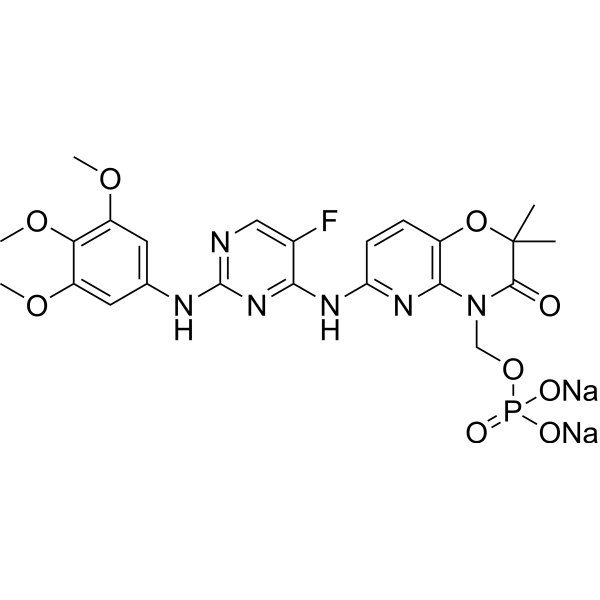 0 ImagesSynonyms: R788Disodium
-
Luxeptinib
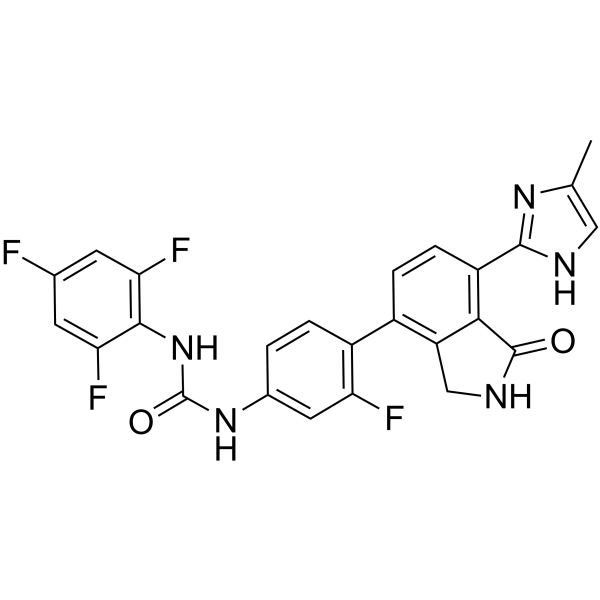 0 ImagesSynonyms: CG-806Luxeptinib (CG-806) is an orally active, reversible, first-in-class, non-covalent and potent pan-FLT3/pan-BTK inhibitor. Luxeptinib induces cell cycle arrest, apoptosis or autophagy in acute myeloid leukemia cells.
-
Tandutinib
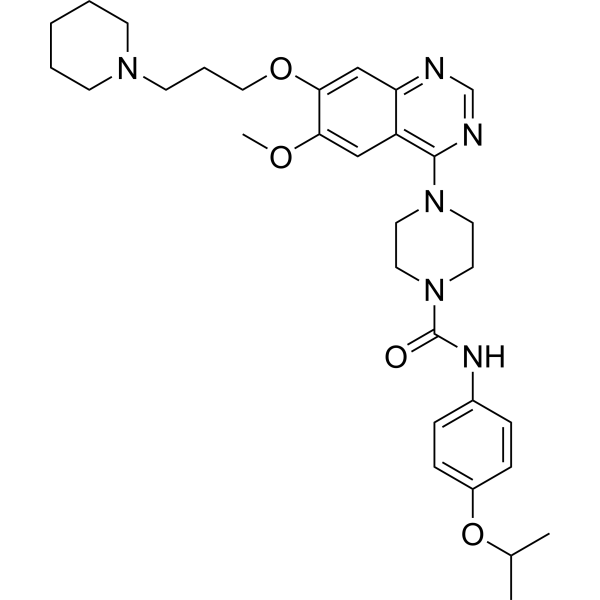 0 ImagesSynonyms: MLN518; CT53518
-
(E/Z)-Zotiraciclib hydrochloride
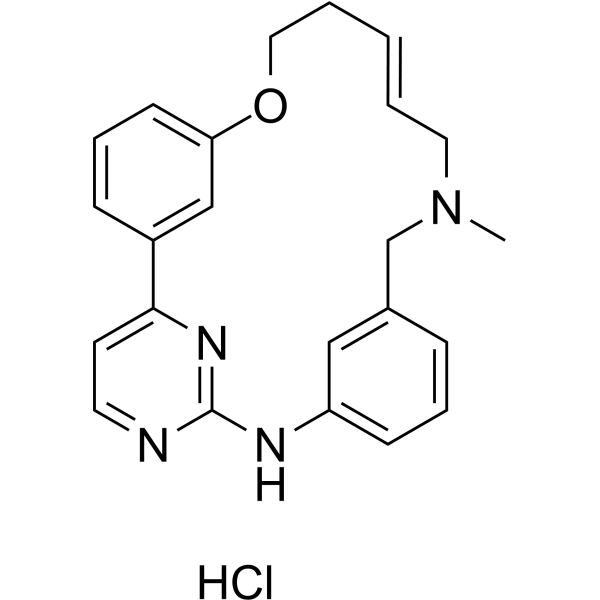 0 ImagesSynonyms: (E/Z)-TG02 hydrochloride; (E/Z)-SB1317 hydrochloride




