



HDAC3
HDAC3 (histone deacetylase 3) is a class I histone deacetylase that functions as a central epigenetic regulator of chromatin structure and transcriptional repression through its association with nuclear receptor corepressor complexes containing NCOR and SMRT[1][2]. Mechanistically, HDAC3 forms an enzymatically active complex with NCOR/SMRT and associated cofactors, enabling histone deacetylation and coordinated control of gene expression programs involved in metabolism, circadian regulation, and cellular homeostasis[2][3][4]. HDAC3 also participates in signal-responsive transcriptional regulation, including repression of the JNK pathway and modulation of inflammatory gene expression, linking epigenetic regulation to cellular stress and immune responses[5][6]. In disease models, dysregulation of HDAC3-dependent transcriptional networks has been associated with metabolic disorders, cardiovascular pathology, inflammatory diseases, and cancer-related transcriptional abnormalities[4][6]. HDAC3 is additionally required for normal embryonic development, organ function, and maintenance of metabolic processes, highlighting its broad physiological significance[4]. Compared with related class I HDAC isoforms, HDAC3 is distinguished by its obligate functional interaction with the NCOR/SMRT corepressor complex and its dependence on corepressor-mediated activation for full biological activity[1][2][7]. Structural and genetic studies further demonstrate that disruption of HDAC3-corepressor interactions compromises HDAC3 function in vivo, emphasizing a unique regulatory mechanism not shared to the same extent by other HDAC family members[7][3]. For experimental applications, selective HDAC3 inhibitors are widely used to investigate epigenetic control of inflammation, metabolism, and disease-associated transcriptional programs, while offering greater isoform specificity than pan-HDAC inhibition strategies[6][4].
References:
- [1]. Wen YD, et al. The histone deacetylase-3 complex contains nuclear receptor corepressors. Proc Natl Acad Sci U S A. 2000 Jun 20;97(13):7202-7. [Content Brief]
- [2]. Fischle W, et al. Enzymatic activity associated with class II HDACs is dependent on a multiprotein complex containing HDAC3 and SMRT/N-CoR. Mol Cell. 2002 Jan;9(1):45-57. [Content Brief]
- [3]. Watson PJ, et al. Structure of HDAC3 bound to co-repressor and inositol tetraphosphate. Nature. 2012 Jan 9;481(7381):335-40. [Content Brief]
- [4]. He R, et al. The role of HDAC3 and its inhibitors in regulation of oxidative stress and chronic diseases. Cell Death Discov. 2023 Apr 18;9(1):131. [Content Brief]
- [5]. Zhang J, et al. The N-CoR-HDAC3 nuclear receptor corepressor complex inhibits the JNK pathway through the integral subunit GPS2. Mol Cell. 2002 Mar;9(3):611-23. [Content Brief]
- [6]. Watson N, et al. The role of HDAC3 in inflammation: mechanisms and therapeutic implications. Front Immunol. 2024 Jul 10;15:1419685. [Content Brief]
- [7]. Rabezanahary H, et al. Live virus neutralizing antibodies against pre and post Omicron strains in food and retail workers in Québec, Canada. Heliyon. 2024 May 21;10(10):e31026. [Content Brief]
-
HDAC3 Related Products (203)
Related Products (203)

-
Antibodies (1)
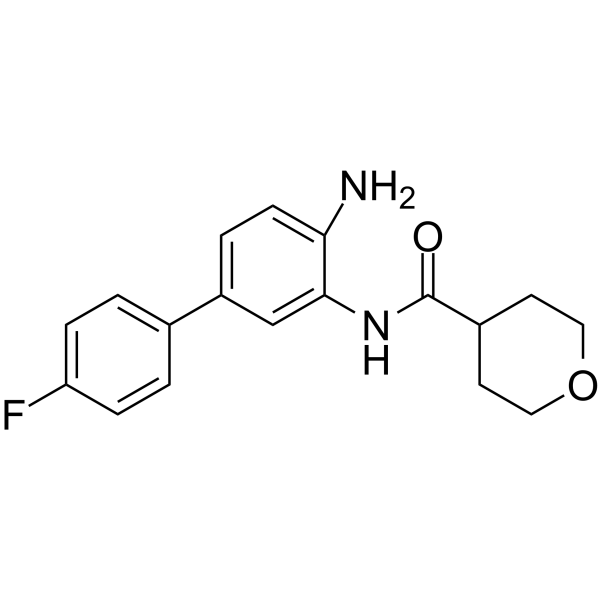
-
YX968
 0 ImagesYX968 is a selective HDAC3/HDAC8 PROTAC dual degrader, with a DC50 value of 1.7 nM against HDAC3 and 6.1 nM against HDAC8. YX968 inhibits cancer cell growth, induces apoptosis, prevents global histone hyperacetylation, and exerts effects via antiproliferative activity. YX968 can be used in research related to triple-negative breast cancer, non-small cell lung cancer, and multiple myeloma.
-
HDAC3-IN-T247
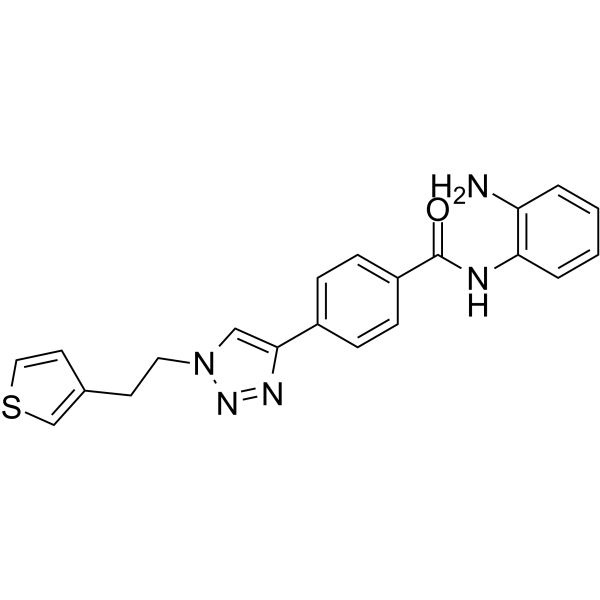 0 ImagesHDAC3-IN-T247 is a potent and selective HDAC3 (histone deacetylase 3) inhibitor, with an IC50 of 0.24 µM. HDAC3-IN-T247 induces a selective increase of NF-κB acetylation in HCT116 cells. HDAC3-IN-T247 shows anticancer and antiviral activity. HDAC3-IN-T247 inhibits growth of cancer cells, and activates HIV gene expression in latent HIV-infected cells.
-
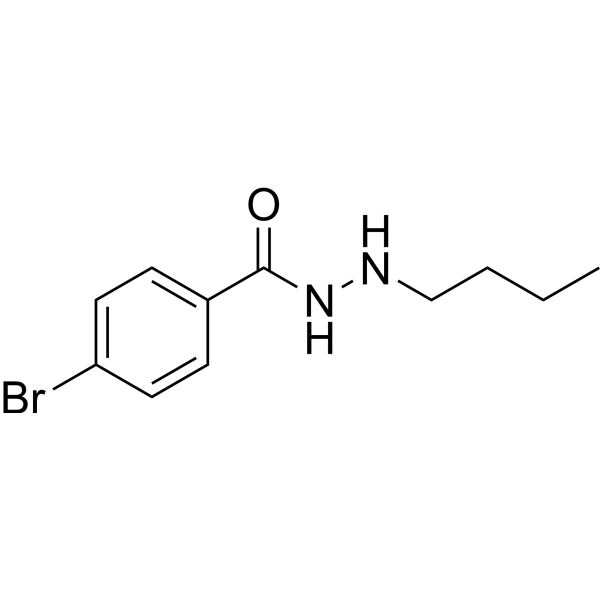
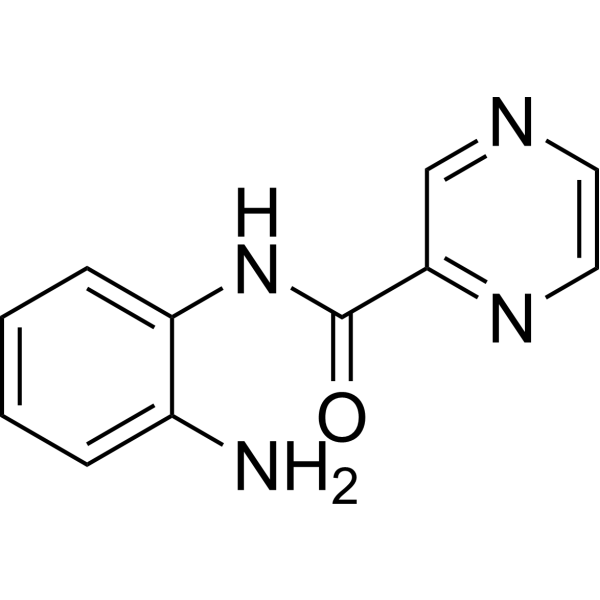
Pimelic Diphenylamide 106
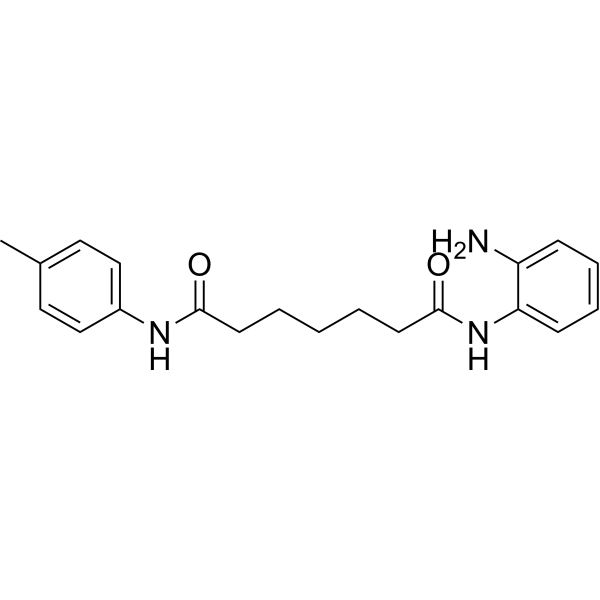 0 ImagesSynonyms: RGFA-8; TC-H 106; Histone Deacetylase Inhibitor VIIPimelic Diphenylamide 106 (TC-H 106) is a slow, tight binding class I HDAC inhibitor (inhibits HDAC1, 2, and 3 with IC50 values of 150 nM, 760 nM, and 370 nM, respectively), with no activity against class II HDACs. Pimelic Diphenylamide 106 modulates dopamine concentration and protects dopamine cells by inducing VMAT2 expression. Pimelic Diphenylamide 106 can be used in the study of neuropsychiatric diseases such as attention deficit hyperactivity disorder (ADHD).
-
JPS014 TFA
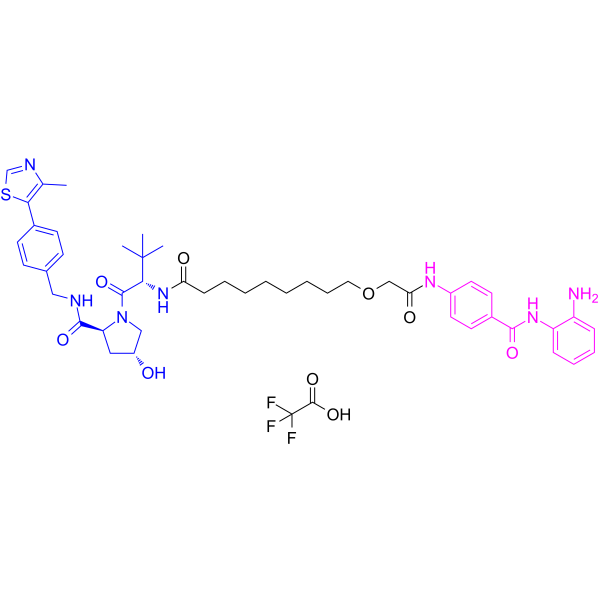 0 ImagesCat. No.: HY-145815APurity: 98.12%JPS014 TFA is a PROTAC degrader targeting HDAC1, HDAC2 and HDAC3, with DC50 values of 0.91 μM, 4.19 μM and 0.64 μM, respectively. JPS014 TFA recruits the VHL E3 ligase to mediate the ubiquitination and proteasomal degradation of HDAC1, HDAC2 and HDAC3. JPS014 TFA acts as a submicromolar inhibitor of the HDAC1-CoREST, HDAC2-CoREST and HDAC3-SMRT complexes in vitro. JPS014 TFA increases the level of H3K56ac, reduces the stability of LSD1 and SIN3A, and induces cell apoptosis (apoptosis). JPS014 TFA can be used for the research of colon cancer.
-
Puzerinostat mesylate
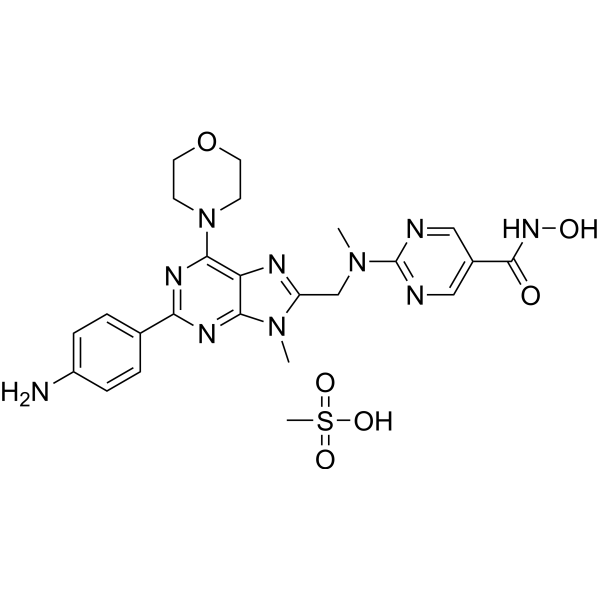 0 ImagesSynonyms: Purinostat mesylatePuzerinostat mesylate (Purinostat mesylate) is a highly selective class I/IIb histone deacetylase (HDAC) inhibitor, with IC50 values of 0.81 nM, 1.4 nM, 1.7 nM, 3.8 nM, 11.5 nM, and 1.1 nM against HDAC1, HDAC2, HDAC3, HDAC8, HDAC6, and HDAC10, respectively. Puzerinostat mesylate enhances glutamine metabolism by upregulating GLS1. Puzerinostat mesylate induces cell Apoptosis and downregulates the expression of BCR-ABL and c-MYC. Puzerinostat mesylate delays the progression of Ph+ B-cell acute lymphoblastic leukemia and prolongs the survival of relevant mouse models. Puzerinostat mesylate regulates the immune microenvironment. Puzerinostat mesylate can be used in research related to chronic myeloid leukemia, Philadelphia chromosome-positive B-cell acute lymphoblastic leukemia, relapsed/refractory multiple myeloma, relapsed/refractory lymphoma, diffuse large B-cell lymphoma, and double-expression lymphoma.
-
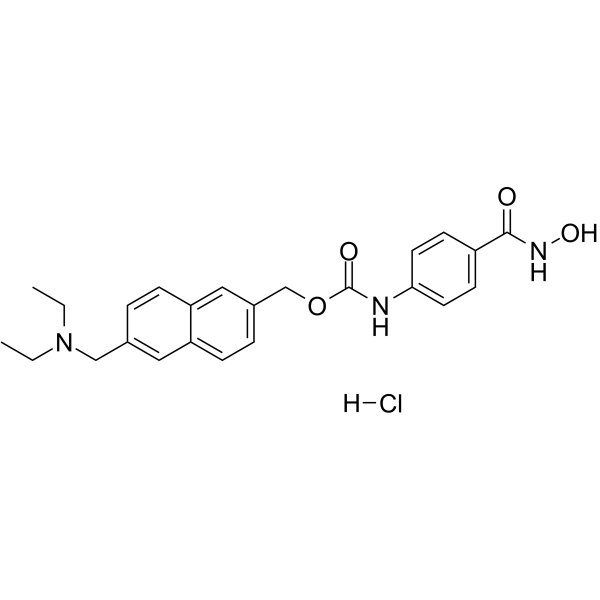
Resminostat hydrochloride
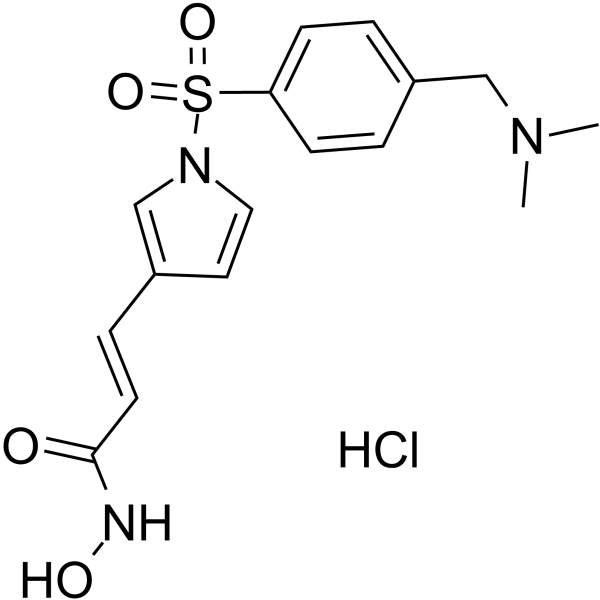 0 ImagesSynonyms: RAS2410 hydrochloride; 4SC-201 hydrochloride
-
Bavarostat
 0 ImagesSynonyms: EKZ-001Bavarostat (EKZ-001) is a blood-brain barrier-permeable, potent HDAC6 inhibitor and PET radiotracer, with an IC50 as low as 17 nM against human HDAC6. Bavarostat can be labeled with 18F and used as a probe to map HDAC6 distribution and measure target occupancy in the brains of non-human primates. Bavarostat also selectively modulates tubulin acetylation, but not histone acetylation. Bavarostat is applicable for research on Alzheimer's disease, other neurodegenerative disorders, and cancers.
-
Suberoyl bis-hydroxamic acid
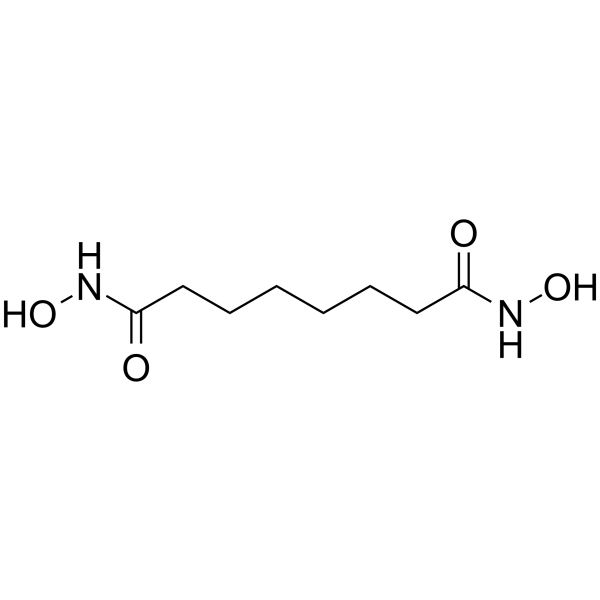 0 ImagesCat. No.: HY-W009776CAS No.: 38937-66-5Synonyms: Suberohydroxamic acid; SBHASuberoyl bis-hydroxamic acid (Suberohydroxamic acid; SBHA) is a competitive and cell-permeable HDAC1 and HDAC3 inhibitor with ID50 values of 0.25 μM and 0.30 μM, respectively.Suberoyl bis-hydroxamic acid renders MM cells susceptible to apoptosis and facilitates the mitochondrial apoptotic pathways.Suberoyl bis-hydroxamic acid can be used for the study of medullary thyroid carcinoma (MTC).
-
Crebinostat
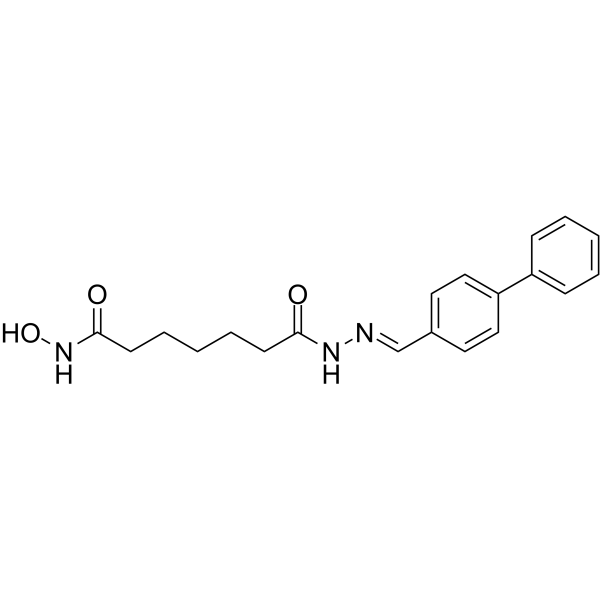 0 ImagesCrebinostat is a potent histone deacetylase (HDAC) inhibitor with IC50 values of 0.7 nM, 1.0 nM, 2.0 nM and 9.3 nM for HDAC1, HDAC2, HDAC3 and HDAC6, respectively. Crebinostat potently induces acetylation of both histone H3 and histone H4 as well as enhances the expression of the cAMP response element-binding protein (CREB) target gene Egr1. Crebinostat increases the density of synapsin-1 punctae along dendrites in cultured neurons. Crebinostat can modulate chromatin-mediated neuroplasticity and exhibits enhanced memory in mice.
-
WT-161
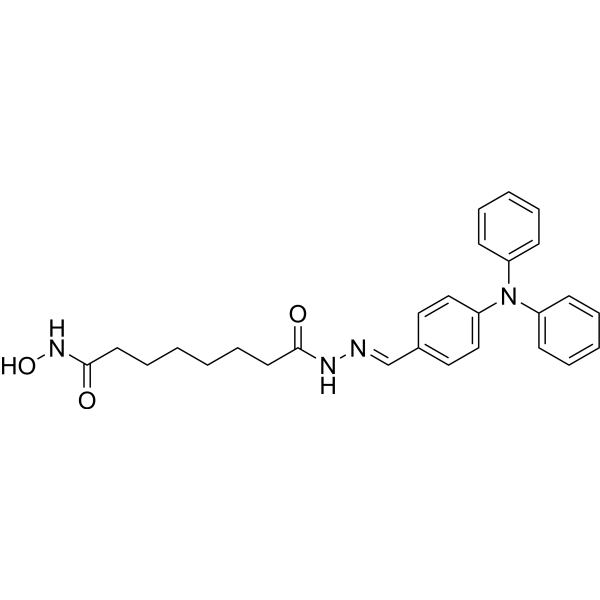 0 ImagesWT-161 is a potent and selective HDAC6 inhibitor with an IC50 of 0.40 nM. WT-161 also inhibits metallo-β-lactamase domain-containing protein 2 (MBLAC2).
-
BRD2492
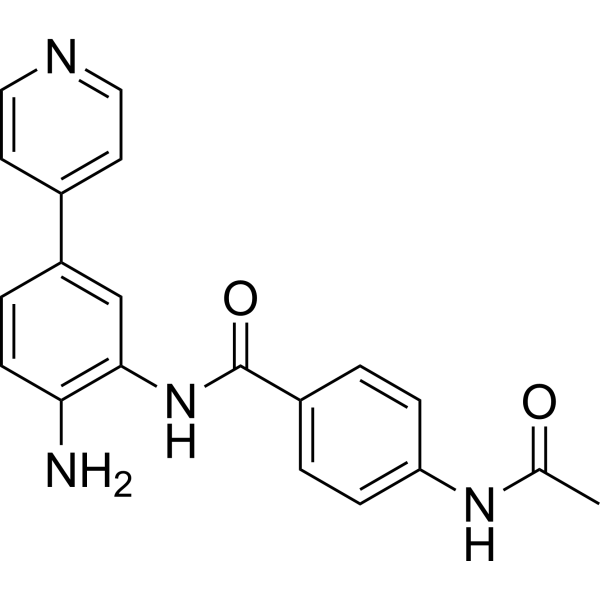 0 ImagesBRD2492 (compound 6d) is a potent, selective HDAC1 and HDAC2 inhibitor with IC50s of 13.2 nM and 77.2 nM, respecrtively. BRD2492 exhibits >100-fold selectivity for HDAC1/2 over selectivity over HDAC3 and HDAC6. BRD2492 inhibits breast cancer cell lines growth with IC50s of 1.01 μM and 11.13 μM for T-47D and MCF-7 cells, respectively.
-
HD-TAC7
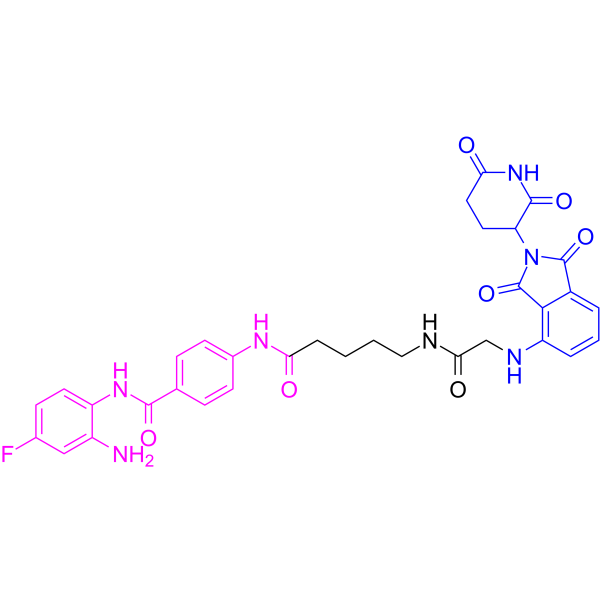 0 ImagesHD-TAC7 is a selective HDAC3 PROTAC degrader with an IC50 of 1.1 μM. By recruiting the CRBN E3 ligase, HD-TAC7 induces ubiquitin-proteasome degradation and selective downregulation of HDAC3, which in turn increases H3K27 acetylation levels and downregulates the NF-κB subunit p65, exerting anti-inflammatory activity. HD-TAC7 is used in research on COVID-19, SARS-CoV-2 infection, asthma, chronic obstructive pulmonary disease, and colon cancer.
-
Puzerinostat
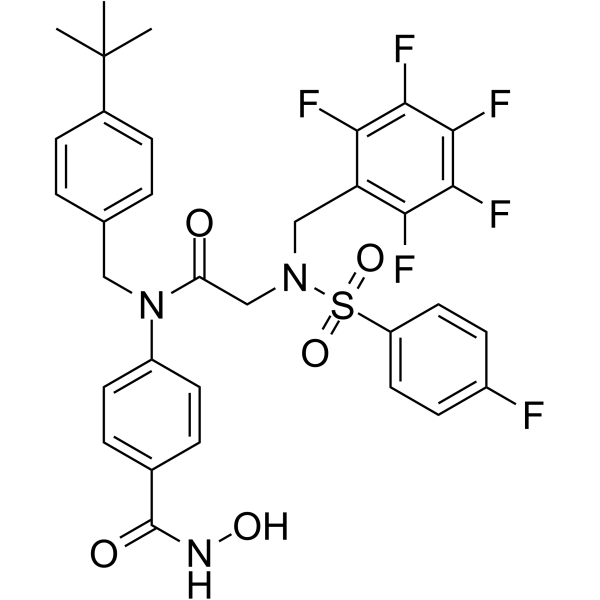
 0 ImagesSynonyms: PurinostatPuzerinostat (Purinostat) is a highly selective class I/IIb histone deacetylase (HDAC) inhibitor, with IC50 values of 0.81 nM, 1.4 nM, 1.7 nM, 3.8 nM, 11.5 nM, and 1.1 nM against HDAC1, HDAC2, HDAC3, HDAC8, HDAC6, and HDAC10, respectively. Puzerinostat enhances glutamine metabolism by upregulating GLS1. Puzerinostat induces cell Apoptosis and downregulates the expression of BCR-ABL and c-MYC. Puzerinostat delays the progression of Ph+ B-cell acute lymphoblastic leukemia and prolongs the survival of relevant mouse models. Puzerinostat regulates the immune microenvironment. Puzerinostat can be used in research related to chronic myeloid leukemia, Philadelphia chromosome-positive B-cell acute lymphoblastic leukemia, relapsed/refractory multiple myeloma, relapsed/refractory lymphoma, diffuse large B-cell lymphoma, and double-expression lymphoma.
-
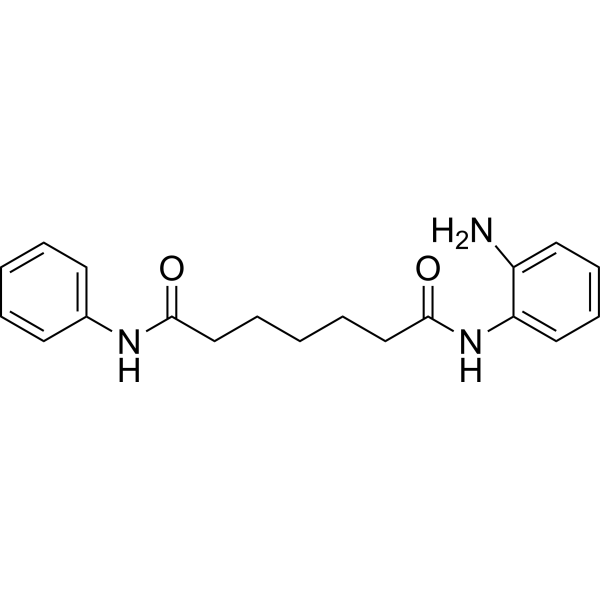
NKL 22
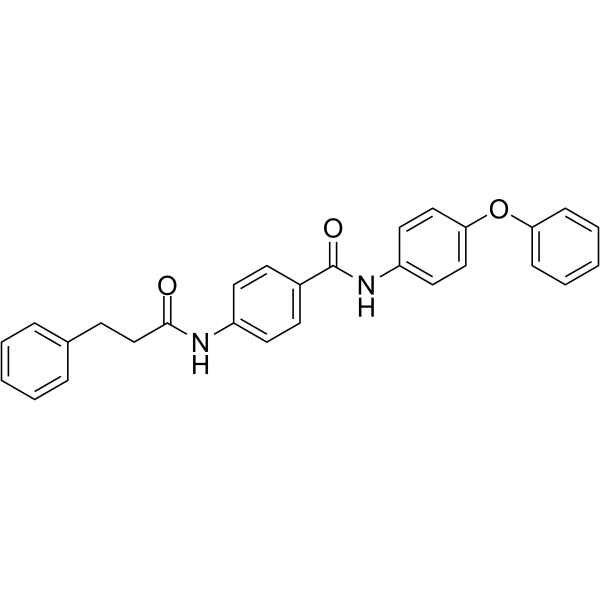
 0 ImagesCat. No.: HY-100384CAS No.: 537034-15-4NKL 22 is a potent and selective inhibitor of histone deacetylases (HDAC), with IC50 values of 199 and 69 nM for HDAC1 and HDAC3, respectively. NKL 22 can reverse abnormal expression of HD‑related genes and restore the levels of key genes including Ppp1r1b in Huntington's disease transgenic mice. NKL 22 can be used for the researches of Huntington's disease and cancer.




