



HSV
Herpes simplex virus
HSV (Herpes simplex virus) can be spread when an infected person is producing and shedding the virus. Herpes simplex can be spread through contact with saliva, such as sharing drinks. Symptoms of herpes simplex virus infection include watery blisters in the skin or mucous membranes of the mouth, lips or genitals. Lesions heal with ascab characteristic of herpetic disease. As neurotropic and neuroinvasive viruses, HSV-1 and -2 persist in the body by becoming latent and hiding from the immune system in the cell bodies of neurons. After the initial or primary infection, some infected people experience sporadic episodes of viral reactivation or outbreaks.
HSV Isoform Specific Products
All Product Categories
-
HSV Related Products (362)
Related Products (362)

-
HSV Isoform Comparison
-
Acyclovir (Standard)
 0 ImagesSynonyms: Aciclovir (Standard); Acycloguanosine (Standard)Acyclovir (Standard) is the analytical standard of Acyclovir. This product is intended for research and analytical applications. Acyclovir (Aciclovir) is a potent, orally active antiviral agent. Acyclovir has antiherpetic activity with IC50 values of 0.85 μM and 0.86 μM for HSV-1 and HSV-2, respectively. Acyclovir induces cell cycle perturbation and apoptosis. Acyclovir prevents bacterial infections during induction therapy for acute leukaemia.
-
Trigonelline-d3 chloride
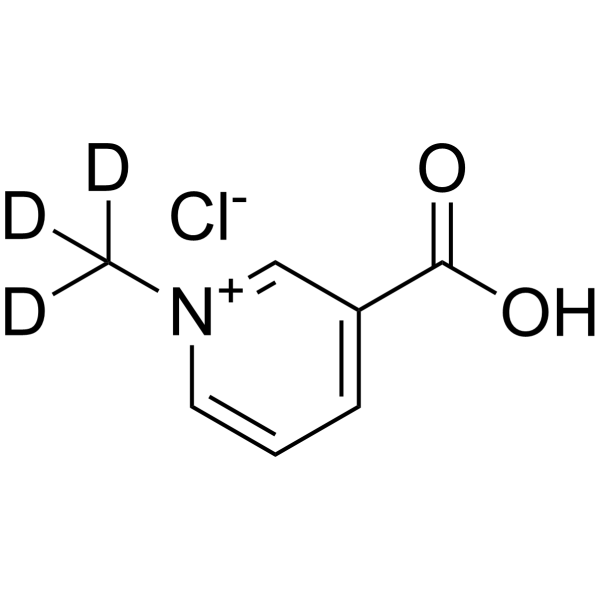 0 ImagesCat. No.: HY-N0415SPurity: 99.9%Synonyms: Trigonelline-d3 hydrochlorideTrigonelline-d3 (chloride) is the deuterium labeled Trigonelline chloride. Trigonelline chloride, an alkaloid with potential antidiabetic activity, is present in considerable amounts in coffee. Trigonelline chloride has anti-HSV-1 , antibacterial, and antifungal activities.
-
(Z)-Capsaicin
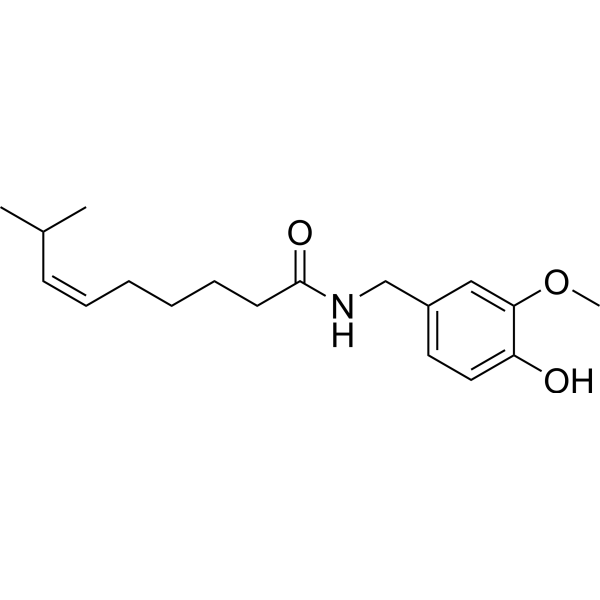 0 ImagesSynonyms: Zucapsaicin; Civamide; cis-Capsaicin
-
L-Lysine (Standard)
 0 ImagesL-Lysine (Standard) is the analytical standard of L-Lysine. This product is intended for research and analytical applications. L-lysine is an essential amino acid for humans with orally activity. L-lysine can inhibit the occurrence of HSV infections and is used in herpes research. L-lysine increases calcium absorption, reduces diabetes-related diseases, improves gut health, and alleviates pancreatic inflammation. L-lysine can be used in research on metabolism, infection, and inflammation. IC50 & Target:L-lysine (150 mg/kg) promotes, but not initiates, bladder cancer. The administration of L-lysine to rats submitted to colovesical cystoplasty accelerates the development of transitional metaplasia of the intestinal epithelium.
L-lysine (10 mg/kg) treatment attenuates pancreatic tissue injury induced by L-arginine by inhibiting the release of the inflammatory cytokine IL-6 and enhance antioxidant activity. In Vivo:L-lysine (10?mg/kg, p.o., pre-treated or post-treated, administration duration 15 days) treatment attenuates pancreatic tissue injury induced by L-arginine by inhibiting the release of the inflammatory cytokine IL-6 and enhance antioxidant activity in acute pancreatitis mice model. L-lysine (5 or 10?mg/kg, p.o., 45 days) ameliorates sepsis-induced acute lung injury in a lipopolysaccharide (HY-D1056)-induced mouse model.
-
Prostaglandin A2
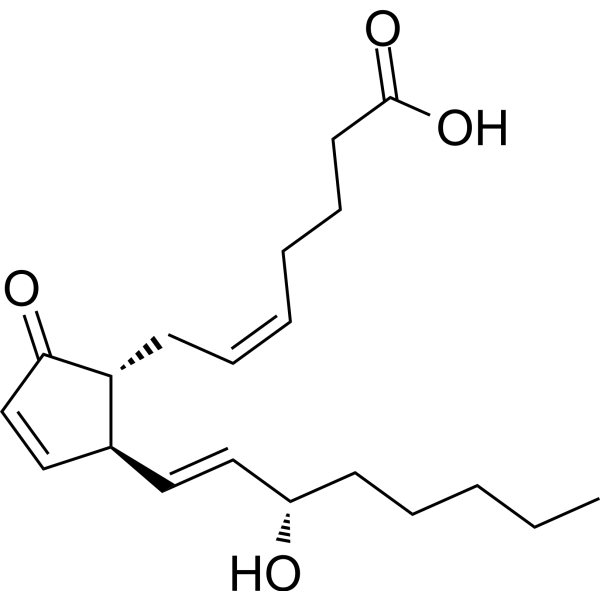 0 ImagesSynonyms: PGA2; MedullinProstaglandin A2 (PGA2) is a Cyclopentenone prostaglandin. Prostaglandin A2 induces Caspase-dependent Apoptosis, activates p53. Prostaglandin A2 activates ERK2 and JNK1/SAPK. Prostaglandin A2 shows antiviral activity against HSV-1. Prostaglandin A2 has anti-tumor effects. Prostaglandin A2 can be used for the research of colorectal cancer, colorectal carcinoma, breast carcinoma, and herpetic keratitis.
-
Cytarabine (Standard)
 0 ImagesSynonyms: Cytosine β-D-arabinofuranoside (Standard); Cytosine Arabinoside (Standard); Ara-C (Standard)Cytarabine (Standard) is the analytical standard of Cytarabine. This product is intended for research and analytical applications. Cytarabine, a nucleoside analog, causes S phase cell cycle arrest and inhibits DNA polymerase. Cytarabine inhibits DNA synthesis with an IC50 of 16 nM. Cytarabine has antiviral effects against HSV. Cytarabine shows anti-orthopoxvirus activity.
-
Oxytetracycline hydrochloride
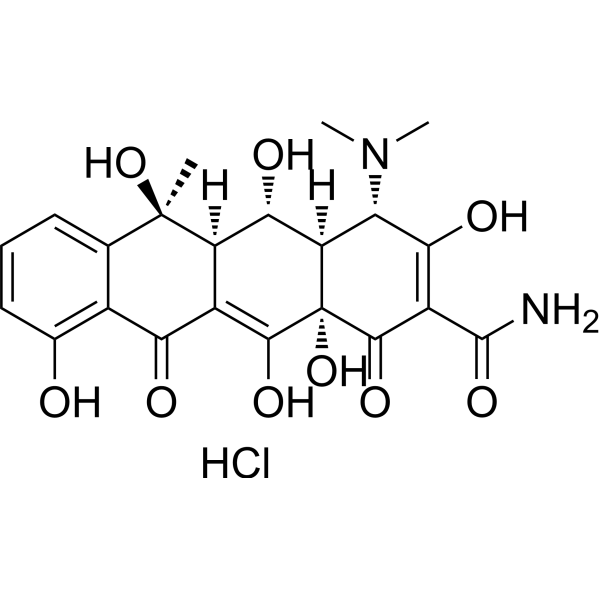 0 ImagesOxytetracycline hydrochloride is an antibiotic belonging to the tetracycline class. Oxytetracycline hydrochloride potent inhibits Gram-negative and Gram-positive bacteria. Oxytetracycline hydrochloride is a protein synthesis inhibitor and prevents the binding from aminoacil-tRNA to the complex m-ribosomal RNA. Oxytetracycline hydrochloride also possesses anti-HSV-1 activity.
-
LDC4297
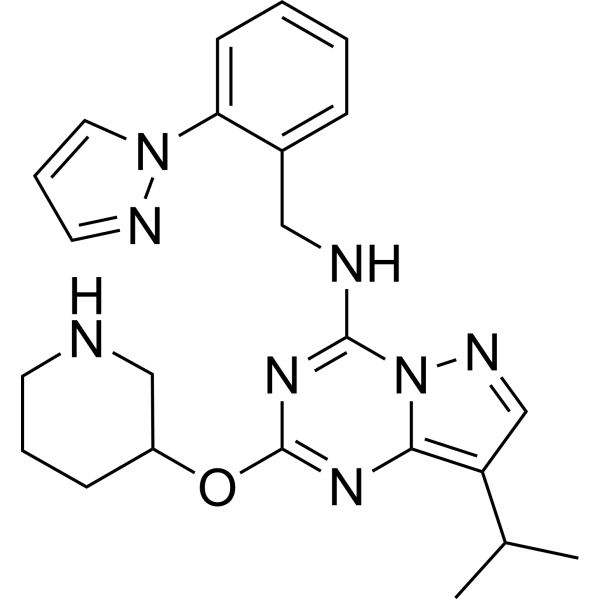 0 ImagesLDC4297 is a selective inhibitor of CDK7 with an IC50 value of 0.13 nM. LDC4297 inhibits human cytomegalovirus (HCMV) replication with an EC50 value of 24.5 nM. LDC4297 shows broad antiviral activities to Herpesviridae, Adenoviridae, Poxviridae, Retroviridae and Orthomyxoviridae with EC50 value of 0.02-1.21 μM. LDC4297 can be used for the research of infection.
-
BIO-acetoxime
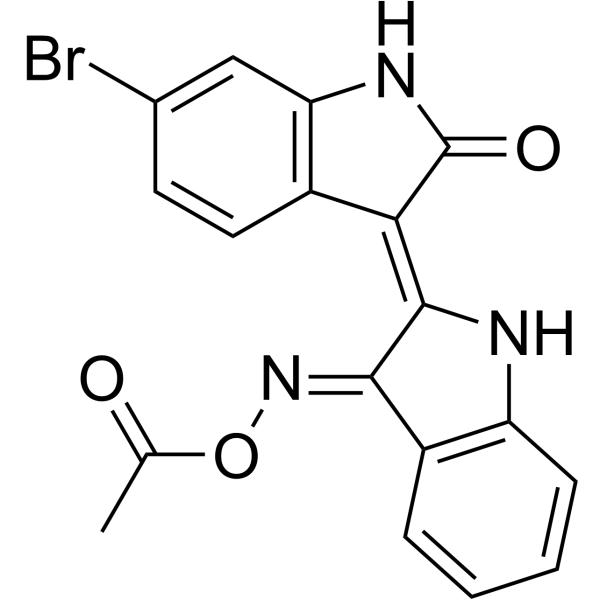 0 ImagesSynonyms: BIABIO-acetoxime (BIA) is a potent and selective GSK-3 inhibitor, with IC50s of both 10 nM for GSK-3α/β. BIO-acetoxime has anticonvulsant and anti-infection activity.
-
SQDG
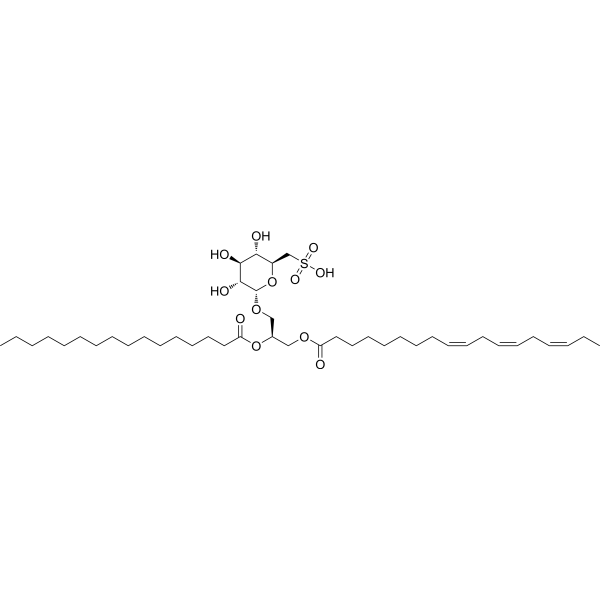 0 ImagesSQDG inhibits topoisomerase I and P-selectin receptor, exhibits anti-inflammatory, antiviral and antitumor activities. SQDG is a glycolipid that possesses sugar moieties in their head groups. SQDG is a membrane lipid that can be used to investigate the effects of structural lipid in LNP formulations.
-
Vidarabine phosphate
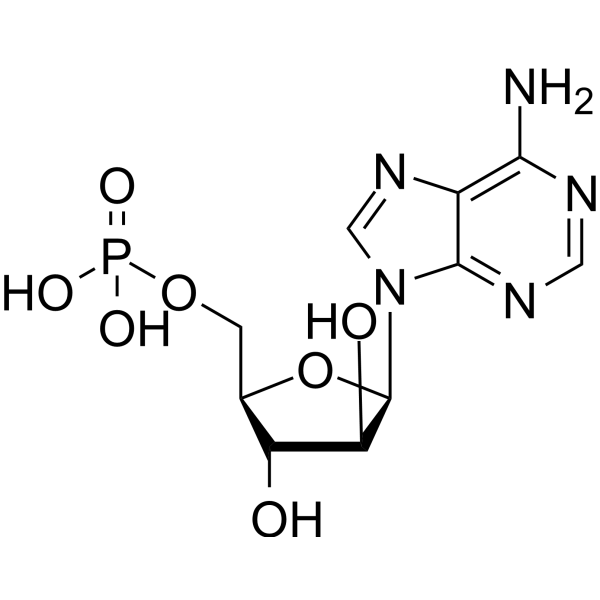 0 ImagesSynonyms: ara-AMP; ara-A 5'-monophosphateVidarabine phosphate (ara-AMP; ara-A 5'-monophosphate) is a purine nucleoside antiviral agent and a prodrug of Vidarabine (HY-B0277). Vidarabine phosphate is rapidly converted into the antiviral active Vidarabine in vivo, which selectively inhibits viral DNA polymerase and cellular ribonucleotide reductase, thereby blocking viral replication. Vidarabine phosphate also exhibits antifungal activity, induces late-stage cellular apoptosis, and causes cell cycle arrest. Vidarabine phosphate can be used in research related to severe chronic active Epstein-Barr virus (EBV) infection, herpes infection, and candidiasis.
-
Brassicasterol
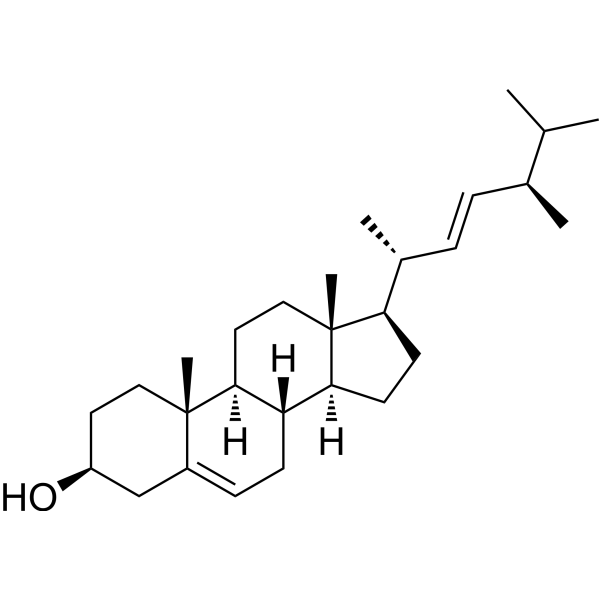 0 ImagesBrassicasterol is a metabolite of Ergosterol and has cardiovascular protective effects. Brassicasterol exerts anticancer effects in prostate cancer through dual targeting of AKT and androgen receptor signaling pathways. Brassicasterol inhibits HSV-1 (IC50=1.2 μM) and Mycobacterium tuberculosis. Brassicasterol also inhibits sterol δ 24-reductase, slowing the progression of atherosclerosis. Brassicasterol is also a cerebrospinal fluid biomarker for Alzheimer's disease.
-
Defensin HNP-1 human
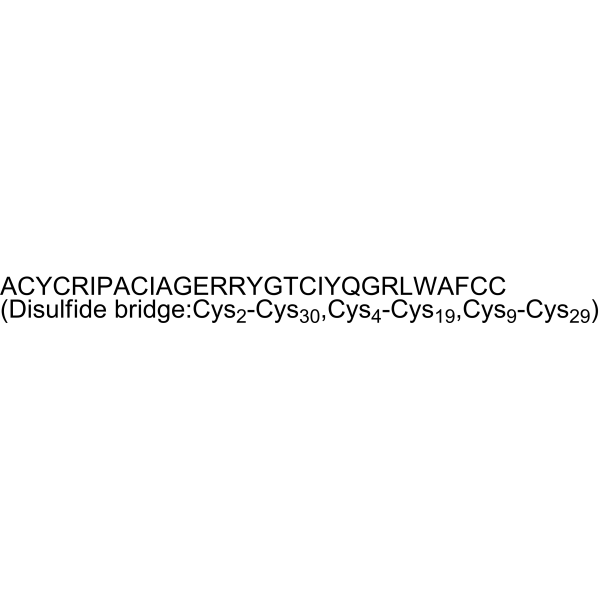 0 ImagesDefensin HNP-1 human is a type of human neutrophil peptide (HNPs). Defensin HNP-1 human possesses immunomodulatory functions and can delay the apoptosis of neutrophils. Defensin HNP-1 human inhibits DNA/RNA/protein synthesis and interferes with metabolic pathways, thus exhibiting broad antibacterial activity. Defensin HNP-1 human has direct inactivation effects on HIV, HSV-1, HSV-2, CMV, influenza virus, etc. Defensin HNP-1 human has antileishmanial activity. Defensin HNP-1 human is involved in endothelial cell dysfunction during the early development of atherosclerosis.

-
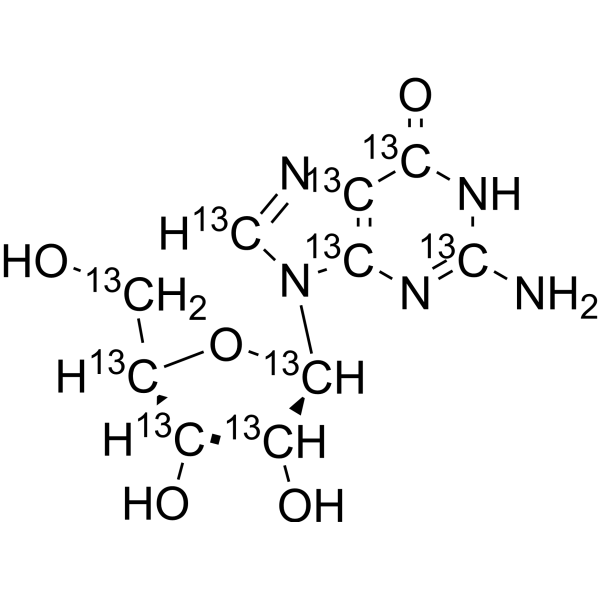
Guanosine (Standard)
 0 ImagesSynonyms: DL-Guanosine (Standard); Vernine (Standard)Guanosine (Standard) is the analytical standard of Guanosine. This product is intended for research and analytical applications. Guanosine (DL-Guanosine) is a purine nucleoside comprising guanine attached to a ribose (ribofuranose) ring via a β-N9-glycosidic bond. Guanosine possesses anti-HSV activity. In Vitro: Guanosine can be phosphorylated to become guanosine monophosphate (GMP), cyclic guanosine monophosphate (cGMP), guanosine diphosphate (GDP), and guanosine triphosphate (GTP). These forms play important roles in various biochemical processes such as synthesis of nucleic acids and proteins, photosynthesis, muscle contraction, and intracellular signal transduction (cGMP).
-
Gallic aldehyde
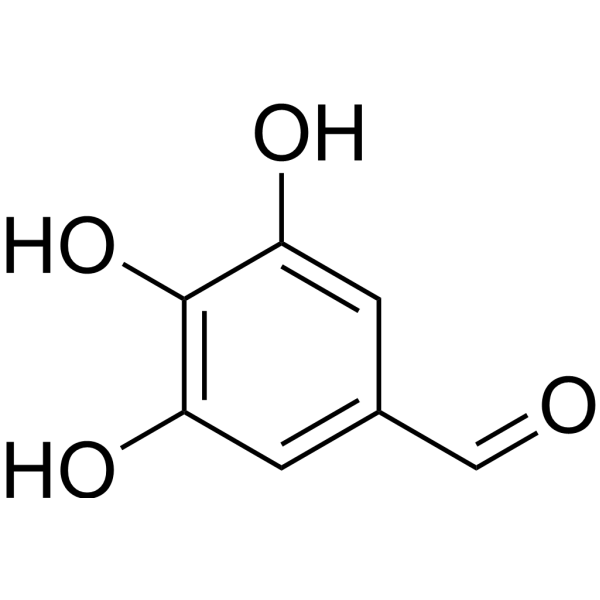 0 ImagesGallic aldehyde (3,4,5-Trihydroxybenzaldehyde) is a phenolic aldehyde. Gallic aldehyde can be isolated from Geum japonicum. Gallic aldehyde inhibits the gelatinolytic activity and expression of MMP-9. Gallic aldehyde also inhibits ERK1/2, p38, and JNK. Gallic aldehyde has potent anti-HSV-1 and antioxidant activities. Gallic aldehyde also exhibits antibacterial activity against Oenococcus oeni VF.
-
Oosporein
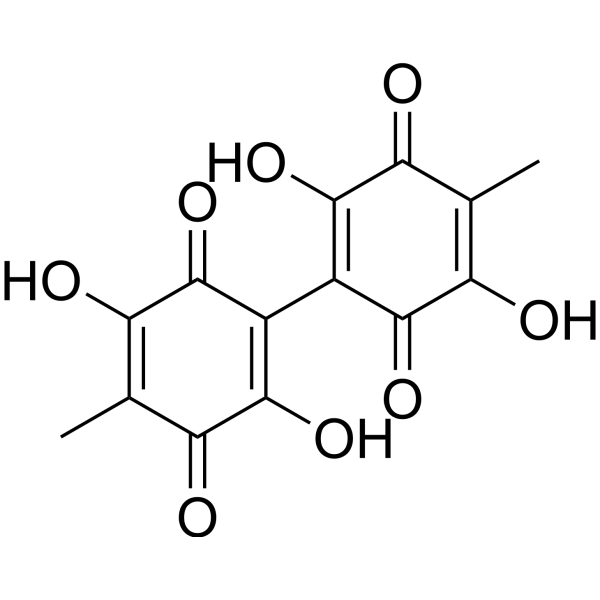 0 ImagesOosporein is a microbial metabolite and a red crystalline toxin produced by various fungi. Oosporein can promote the reproduction of fungi in host bodies by inhibiting insect immunity, and possesses multiple activities such as antibacterial, antiviral (HSV), and insecticidal effects. Oosporein can inhibit plant growth. In addition, Oosporein can also induce apoptosis, cell membrane damage, oxidative stress, and mitochondrial damage. Oosporein has certain antitumor activity.



