



PD-1/PD-L1
PD-1/Programmed death-ligand 1
Programmed death-1 (PD-1) is a cell surface receptor that functions as a T cell checkpoint and plays a central role in regulating T cell exhaustion. PD-1 is activated by the engagement of its ligands PDL-1 or PDL-2. PD-1 receptor delivers inhibitory checkpoint signals to activated T cells upon binding to its ligands PD-L1 and PD-L2 expressed on antigen-presenting cells and cancer cells, resulting in suppression of T-cell effector function and tumor immune evasion. Inhibiting the programmed cell death-1 (PD-1)/programmed cell death-ligand 1 (PD-L1) pathway is an attractive strategy for tumor immunotherapy.
PD-1 is expressed on activated T cells, B cells, monocytes, dendritic cells (DCs), regulatory T cells (Tregs), and natural killer T cells (NKT). It is a member of a family of immunoglobulin domain (Ig) co-receptors that modify the outcome of activation of the T cell receptor by an antigen-presenting cell (APC) or infected target cell. PD-L1 is widely and constitutively expressed on both hematopoietic and nonhematopoietic cells; e.g., naive T and B cells, vascular endothelial cells, and pancreatic islet cells, whereas PD-L2 is exclusively and inducibly expressed on professional APCs.
All Product Categories
-
PD-1/PD-L1 Inhibitors
(349)
View all products
-
PD-1/PD-L1 Agonists
(5)
View all products
-
PD-1/PD-L1 Antagonists
(11)
View all products
-
PD-1/PD-L1 Activators
(16)
View all products
-
PD-1/PD-L1 Modulators
(7)
View all products
-
PD-1/PD-L1 Inducers
(3)
View all products
-
PD-1/PD-L1 Degraders
(13)
View all products
-
PD-1/PD-L1 Control
(1)
View all products
-
PD-1/PD-L1 Substrates
(2)
View all products
-
PD-1/PD-L1 Ligands
(7)
View all products
-
PD-1/PD-L1 Related Products (459)
Related Products (459)

-
Antibodies (8)
-
Sintilimab
 0 ImagesSynonyms: IBI308Sintilimab (IBI308) is a safe and effectivel humanized IgG4 monoclonal antibody that binds to PD-1 with a KD value of 74 pM. Sintilimab blocks the interaction of PD-1 with its ligands (PD-L1 and PL-L2), consequently helping to restore the endogenous antitumour T-cell response. Sintilimab combined with prebiotics inhibits tumor volume and regulates immune cell subpopulation balance in lung adenocarcinoma mice. Sintilimab can be used for the research of classical Hodgkin's lymphoma, non-small cell lung cancer and oesophageal cancer.
-
Toripalimab
 0 ImagesSynonyms: JS-001; TAB-001; Tripleitriumab; CHS-007; Teriprizumab; TreprizumabToripalimab is a selective, recombinant, humanized monoclonal antibody against PD-1. Toripalimab is able to bind to PD-1 and block the interaction with its ligands. Toripalimab has exhibited primary anti-tumor effects in tumors such as melanoma, lung cancer, digestive tract tumors, hepatobiliary and pancreatic tumors, neuroendocrine neoplasms, nasopharyngeal carcinoma and urothelial carcinoma.
-
Anti-Mouse PD-1 Antibody (29F.1A12)
 0 ImagesCat. No.: HY-P990788Purity: 99.01%Anti-Mouse PD-1 Antibody (29F.1A12) is a rat-derived IgG2a κ type antibody inhibitor, targeting to mouse PD-1. Anti-Mouse PD-1 Antibody (29F.1A12) blocks the binding of PD-1 to its two ligands, PD-L1 and PD-L2. Anti-Mouse PD-1 Antibody (29F.1A12) can be used for the researches of cancer and immunology, such as CT26 tumor and pancreatic cancer.
-
Envafolimab
 0 ImagesSynonyms: ASC 22; KN 035Envafolimab (ASC 22; KN 035) is a recombinant protein of a humanized single-domain anti- PD-L1 antibody. Envafolimab is created by a fusion of the of anti-PD-L1 domain with Fc fragment of human IgG1 antibody. Envafolimab blocks interaction between PD-L1 and PD-1 with an IC50 value of 5.25 nM. Envafolimab has the potential for the research of solid tumors.
-
Pumitamig
 0 ImagesCat. No.: HY-P991097Purity: 99.6%Synonyms: PM-8002; BNT-327Pumitamig (PM-8002, BNT-327) is a bispecific antibody targeting PD-L1 and VEGF-A, with immune activation and anti-angiogenic activities. By binding to PD-L1, Pumitamig restores the function of effector T cells, while neutralizing VEGF-A in the tumor microenvironment to reverse its inhibition on the infiltration and activation of immune cells and normalize tumor blood vessels. Pumitamig can also be combined with various ADCs targeting TROP2, B7H3, HER2, HER3 for the research of advanced/metastatic solid tumors, including non-small cell lung cancer, ovarian cancer, triple-negative breast cancer, cervical cancer, etc. Pumitamig also exhibits potential efficacy in "cold" tumors with low PD-L1 expression that are insensitive to immunotherapy.
-
Cilengitide TFA
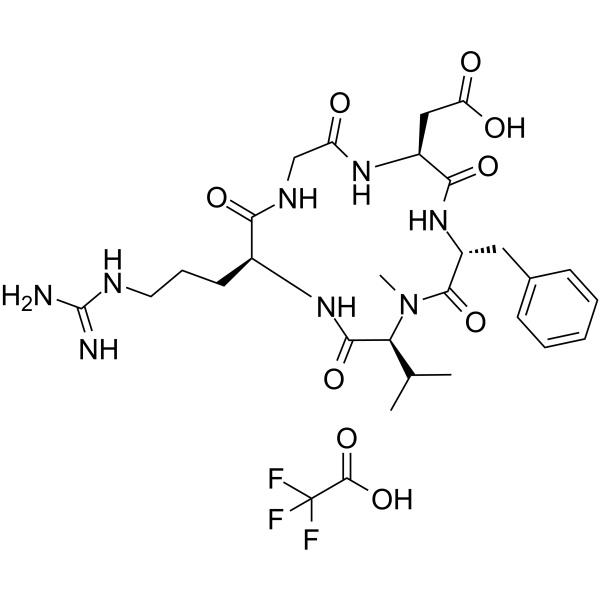 0 ImagesSynonyms: EMD 121974 TFACilengitide TFA (EMD 121974 TFA) is an integrin (integrin) inhibitor with blood-brain barrier permeability, with IC50 values against human targets as follows: 0.61 nM for αvβ3, 8.4 nM for αvβ5, 14.9 nM for α5β1, 5400 nM for αIIbβ3, 2050 nM for αvβ6, 2350 nM for αvβ8. Cilengitide TFA inhibits the binding of integrins to vitronectin, fibronectin, fibrinogen and LAP (TGF-β), and serves as an internal standard for solid-phase integrin binding assays. Cilengitide TFA inhibits tumor cell viability, induces apoptosis, reduces the phosphorylation levels of STAT3, AKT and mTOR, downregulates the expression of PD-L1, inhibits cell viability and angiogenesis, regulates anti-tumor immune responses and slows tumor growth. Cilengitide TFA can be used in research related to glioblastoma, melanoma, advanced solid tumors and refractory brain tumors.
-
Anti-Mouse PD-1 Antibody (S-5001)
 0 ImagesCat. No.: HY-P99144APurity: 99.50%Anti-Mouse PD-1 Antibody (S-5001) is a selective inhibitor targeting PD-1, blocking the PD-1/PD-L1 immune checkpoint axis through competitive binding to PD-1. Anti-Mouse PD-1 Antibody (S-5001) works by reversing the tumor immunosuppressive microenvironment and reactivating the anti-tumor activity of cytotoxic T lymphocytes. It can be used in research on tumors such as melanoma and HPV-positive oropharyngeal squamous cell carcinoma. Anti-Mouse PD-1 Antibody (S-5001) is often combined with photothermal therapy, chemotherapy, etc., to enhance efficacy.
-
Cadonilimab
 0 ImagesSynonyms: AK104Cadonilimab (AK104) is a humanized tetravalent IgG1 bispecific antibody targeting PD1/CTLA4. Cadonilimab blocks both PD-1 and CTLA-4 pathways, thereby relieving their corresponding immunosuppressive effects and reversing tumor specific T cell exhaustion. Cadonilimab significantly downregulates Fc-mediated effector functions, including antibody-dependent cell-mediated cytotoxicity (ADCC), antibody-dependent cellular phagocytosis (ADCP), complement dependent cytotoxicity (CDC). Cadonilimab can be used for research of metastatic cervical cancer, as well as other malignancies such as gastric cancer, GEJ adenocarcinoma and non-small cell lung cancer (NSCLC).
-
Lartesertib
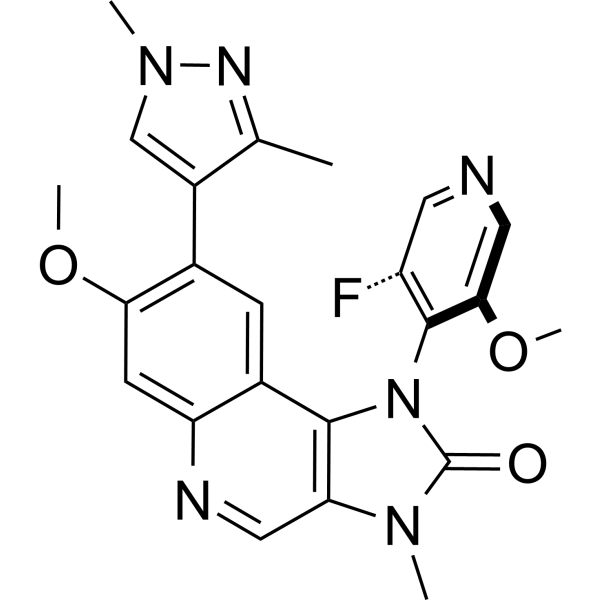 0 ImagesSynonyms: M4076; ATM Inhibitor-5Lartesertib (M4076) is an inhibitor of the serine/threonine protein kinase ATM with high potency. Lartesertib can inhibit the growth of multiple hematopoietic cell lines. Additionally, when combined with the ATR inhibitor Tuvusertib (HY-111451), Lartesertib can promote the death of tumor cells, activate the immune signaling pathway, and exhibit anti-tumor activity.
-
Camrelizumab
 0 ImagesSynonyms: SHR-1210; INCSHR1210Camrelizumab (SHR-1210) is a potent humanied high-affinity IgG4-κ monoclonal antibody (mAb) to PD-1. Camrelizumab binds PD-1 at a high affinity of 3 nM and inhibits the binding interaction of PD-1 and PD-L1 with an IC50 of 0.70 nM. Camrelizumab acts as anti-PD-1/PD-L1 agent and can be used for cancer research, including NSCLC, ESCC, Hodgkin lymphoma, and advanced HCC et,al.
-
VIPhyb
 0 ImagesVIPhyb is a vasoactive intestinal polypeptide (VIP) receptor antagonist. VIPhyb can inhibit VIP signaling, increase T-cell immunity and downregulate PD1. VIPhyb can inhibit cancer cell proliferation. VIPhyb can reduce inflammatory cytokine expression. VIPhyb can enhance viral clearance. VIPhyb can be used for the researches of cancer, infection and inflammation and immunology, such as non-small cell lung cancer (NSCLC), cytomegalovirus infection and colitis.
-
Avelumab (anti-PD-L1)
 0 ImagesCat. No.: HY-108730ACAS No.: 1537032-82-8
-
Cemiplimab
 0 ImagesSynonyms: REGN-2810; SAR-439684
-
Acesulfame potassium
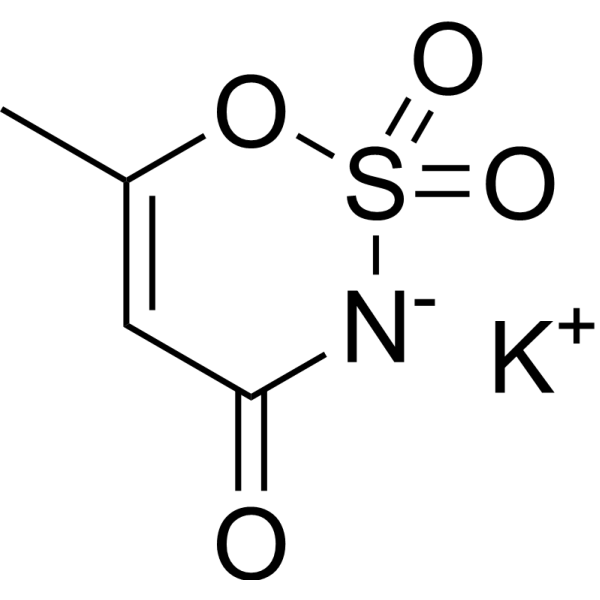 0 ImagesAcesulfame potassium is a synthetic sweetener. Long-term use of Acesulfame potassium can affect cognitive function, possibly by altering the neurometabolic functions in mice. Acesulfame potassium can suppress autophagic degradation of PD-L1 in RIL-175 and SK-Hep1 cells through the ERK1/2-mTORC1-ULK1 pathway, which may be related to immune evasion in cancer cells. Acesulfame potassium can be used in research on neurological diseases, metabolic disorders, cancer, and immune evasion.
-
Durvalumab (anti-PD-L1)
 0 ImagesSynonyms: MEDI 4736 (anti-PD-L1)
-
CD24/Siglec-10 blocking peptide, CSBP
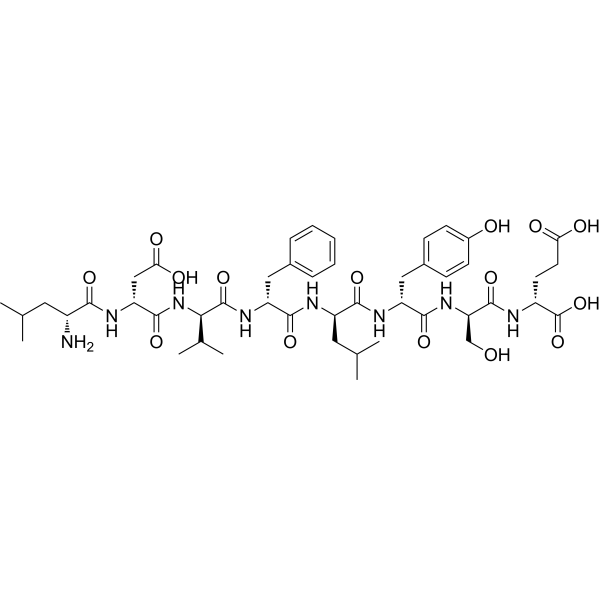 0 ImagesCat. No.: HY-P10091Purity: 99.12%CD24/Siglec-10 blocking peptide, CSBP can not only block the interaction of CD24/Siglec-10 but also PD-1/PD-L1. CD24/Siglec-10 blocking peptide, CSBP can induce the phagocytosis of tumor cell.
-
BMS-1166
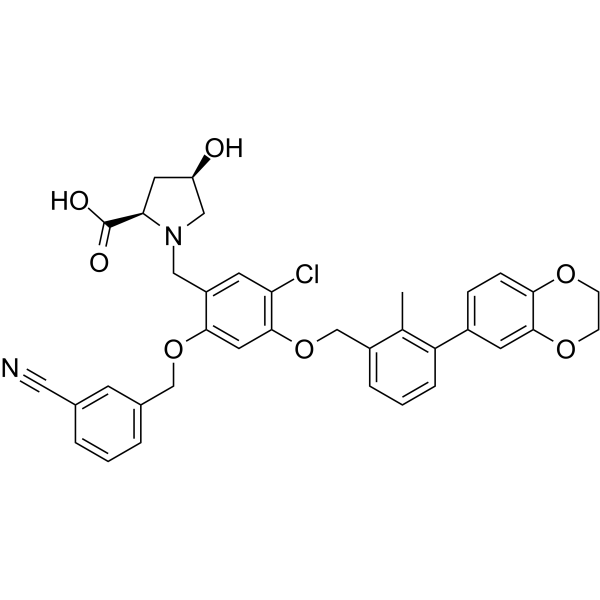 0 ImagesBMS-1166 is a potent PD-1/PD-L1 immune checkpoint inhibitor. BMS-1166 induces dimerization of PD-L1 and blocks its interaction with PD-1, with an IC50 of 1.4 nM. BMS-1166 antagonizes the inhibitory effect of PD-1/PD-L1 immune checkpoint on T cell activation.
-
PF-08046054
 0 ImagesCat. No.: HY-171821Synonyms: SGN-PDL1VPF-08046054 (SGN-PDL1V) is a PD-L1-directed Antibody-drug conjugate (ADC), which is comprised of an anti-PD-L1 antibody conjugated to VcMMAE (HY-15575). PF-08046054 is direct cytotoxicity to PD-L1-expressing tumor cells via the intracellular delivery of MMAE. PF-08046054 can be used for the study of solid tumors
-
IBI-363
 0 ImagesCat. No.: HY-P991740Purity: 99.92%IBI-363 is a PD-1/IL-2 bispecific antibody with functions of blocking the PD-1/PD-L1 pathway and activating the IL-2 pathway. The IL-2 arm of IBI-363 retains affinity for IL-2Rα but attenuates binding ability to IL-2Rβ and IL-2Rγ to reduce toxicity. The PD-1 binding arm of IBI-363 enables PD-1 blockade and selective delivery of IL-2. IBI-363 can be used in cancer research, such as non-small cell lung cancer.
-
SSGJ-707
 0 ImagesCat. No.: HY-P991628Purity: ≥99.0%Synonyms: PF-08634404SSGJ-707 (PF-08634404) is a bispecific antibody targeting VEGF and PD-1. SSGJ-707 exerts dual anti-tumor effects by neutralizing VEGF and blocking the PD-1 signaling pathway. SSGJ-707 can be combined with platinum-based chemotherapy to inhibit advanced non-small cell lung cancer (NSCLC), and its inhibitory effect is not limited by PD-L1 expression levels. In the HARMONi-2 trial, the objective response rate of SSGJ-707 correlates with the PD-L1 tumor proportion score, and the incidence of grade ≥3 adverse events is comparable to that of Inetetamab (HY-P99969). SSGJ-707 is being extensively investigated for a variety of malignancies including advanced NSCLC, colorectal cancer and small cell lung cancer.




