



Smo Agonist
- 1
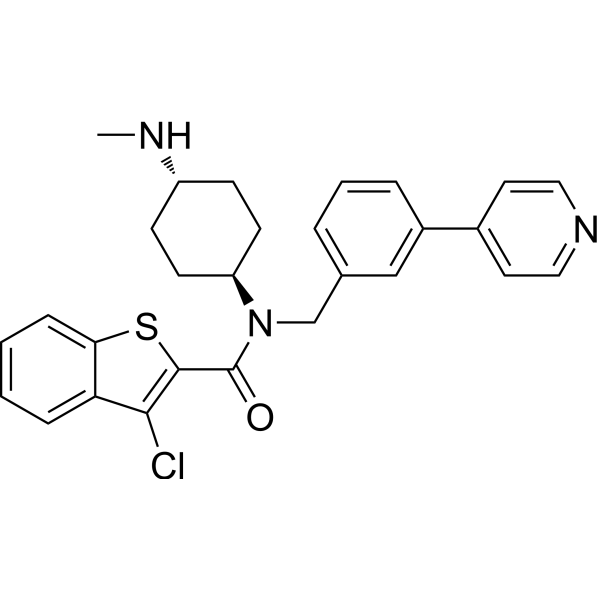
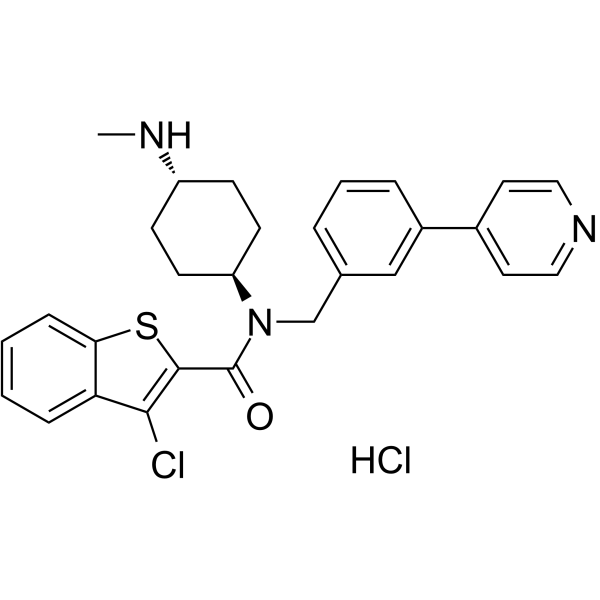
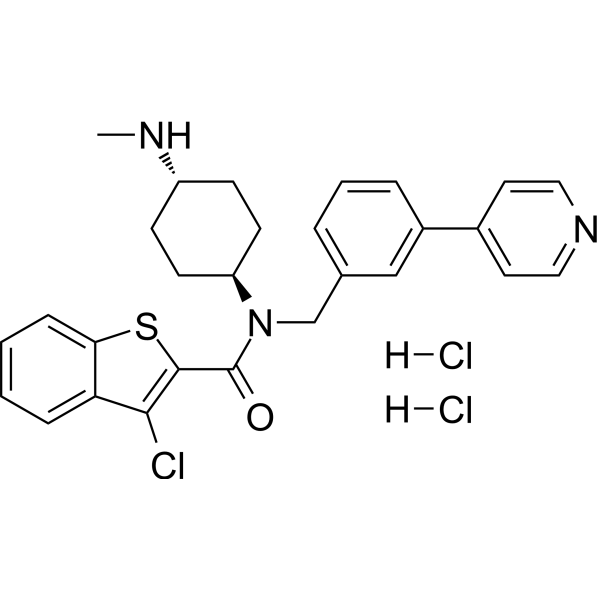
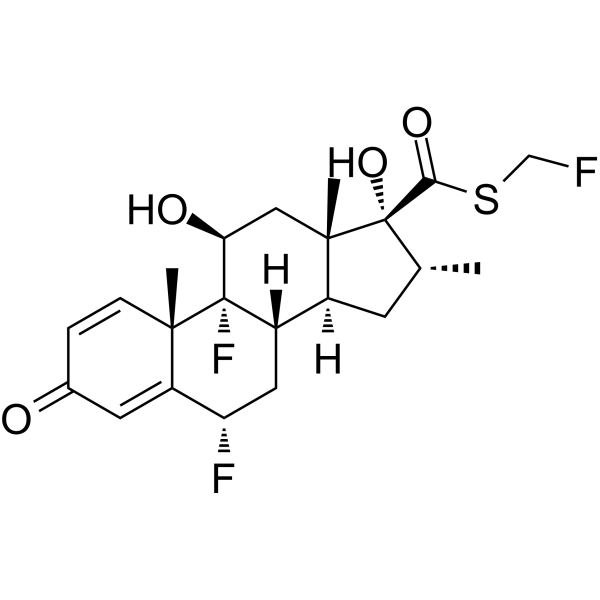
-
Purmorphamine (GMP)
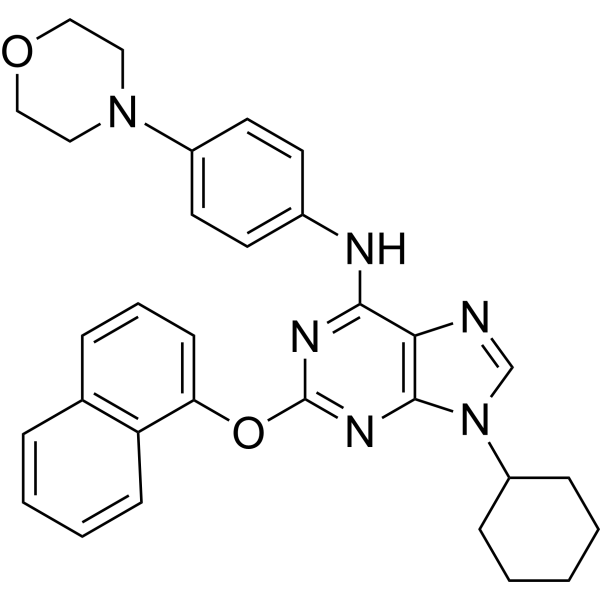 0 ImagesCat. No.: HY-15108GCAS No.: 483367-10-8
Purmorphamine (GMP) is Purmorphamine (HY-15108) produced by using GMP guidelines. GMP small molecules work appropriately as an auxiliary reagent for cell therapy manufacture. Purmorphamine is a smoothened/Smo receptor agonist with an EC50 of 1 μM.
-
Halcinonide
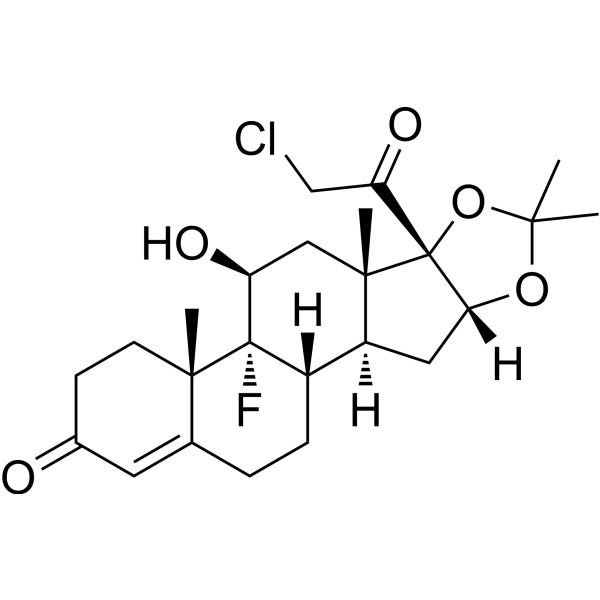 0 Images
Halcinonide (SQ-18566) is an orally active Smoothened (Smo) agonist. Halcinonide activates the Hedgehog signaling pathway by binding to Smo and promoting its internalization and expression, thereby activating Gli transcription factors. Halcinonide not only stimulates cell proliferation, increases the expression of cyclin D2/CDK6 and inhibits the degradation of caspase-3, but also suppresses Bcl-2/Bax-mediated apoptosis, oxidative stress and inflammatory responses. Halcinonide activates RxRγ to upregulate the expression of myelin genes, thereby reducing cerebral infarction and improving behavioral deficits. Halcinonide has been used in studies related to multiple sclerosis and ischemic stroke.

-
7-Keto-27-hydroxycholesterol
 0 ImagesCat. No.: HY-W414581CAS No.: 240129-30-0Synonyms: 3ß,27-Dihydroxy-5-cholesten-7-one
-
Halcinonide (Standard)
 0 Images
Halcinonide (Standard) is the analytical standard of Halcinonide. This product is intended for research and analytical applications. Halcinonide (SQ-18566) is a high potency corticosteroid used topically in the treatment of certain skin conditions.
-
SAG (GMP)
 0 ImagesCat. No.: HY-12848GCAS No.: 912545-86-9
-
Clobetasol
 0 ImagesCat. No.: HY-W338819CAS No.: 25122-41-2
Clobetasol is a glucocorticoid and Smoothened agonist that can cross the blood-brain barrier. Clobetasol induces Smo-dependent activation of the Shh signaling pathway and nuclear translocation of Gli1. Clobetasol promotes remyelination and reduces myelin loss in lesions of neuromyelitis optica (NMO). Clobetasol may cause adrenal suppression, cushingoid appearance, and local adverse reactions including dysgeusia, xerostomia, and gastroesophageal burning. Clobetasol can be used in research related to neurodegenerative diseases, oral lichen planus, mucous membrane pemphigoid, and neuromyelitis optica.
-
Fluticasone (Standard)
 0 ImagesCat. No.: HY-B0603RCAS No.: 90566-53-3
Fluticasone (Standard) is the analytical standard of Fluticasone. This product is intended for research and analytical applications. Fluticasone is an inhaled corticosteroid used for respiratory research. Fluticasone is a Smo agonist with an IC50 value of 99 nM. Fluticasone activates Hedgehog signaling and promotes the proliferation of primary neuronal stem or precursor cells.
- 1



