mAChR
Muscarinic acetylcholine receptor
mAChRs (muscarinic acetylcholine receptors) are acetylcholine receptors that form G protein-receptor complexes in the cell membranes of certainneurons and other cells. They play several roles, including acting as the main end-receptor stimulated by acetylcholine released from postganglionic fibersin the parasympathetic nervous system. mAChRs are named as such because they are more sensitive to muscarine than to nicotine. Their counterparts are nicotinic acetylcholine receptors (nAChRs), receptor ion channels that are also important in the autonomic nervous system. Many drugs and other substances (for example pilocarpineand scopolamine) manipulate these two distinct receptors by acting as selective agonists or antagonists. Acetylcholine (ACh) is a neurotransmitter found extensively in the brain and the autonomic ganglia.
mAChR Isoform Specific Products
All Product Categories
-
mAChR Inhibitors
(115)
View all products
-
mAChR Agonists
(147)
View all products
-
mAChR Antagonists
(320)
View all products
-
mAChR Activators
(20)
View all products
-
mAChR Modulators
(48)
View all products
-
mAChR Inducer
(1)
View all products
-
mAChR Controls
(9)
View all products
-
mAChR Ligands
(10)
View all products
-
mAChR Related Products (722)
Related Products (722)

-
Antibodies (2)
-
mAChR Isoform Comparison
-
Tolterodine tartrate
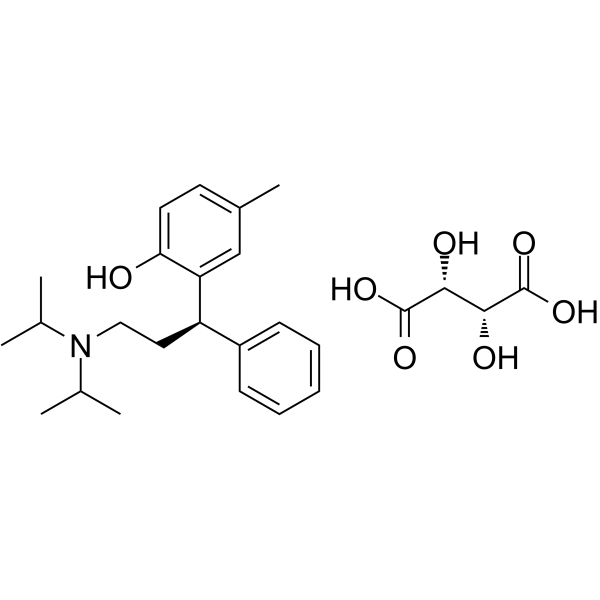 0 ImagesSynonyms: Kabi-2234; PNU-200583ETolterodine tartrate (Kabi-2234) is a mAChR inhibitor and substrate for cytochrome P450 enzymes. Tolterodine tartrate competitively binds acetylcholine, reduces sympathetic excitation, and inhibits involuntary bladder muscle contraction. Tolterodine tartrate restores the Nrf2/NF-κB signaling pathway, mediates protection against inflammatory response and ferroptosis. Tolterodine tartrate ameliorates LPS (HY-D1056)-induced reactive oxygen species production and lipid oxidation. Tolterodine tartrate can be used for the research of urinary tract infections and overactive bladder.
-
Clozapine (Standard)
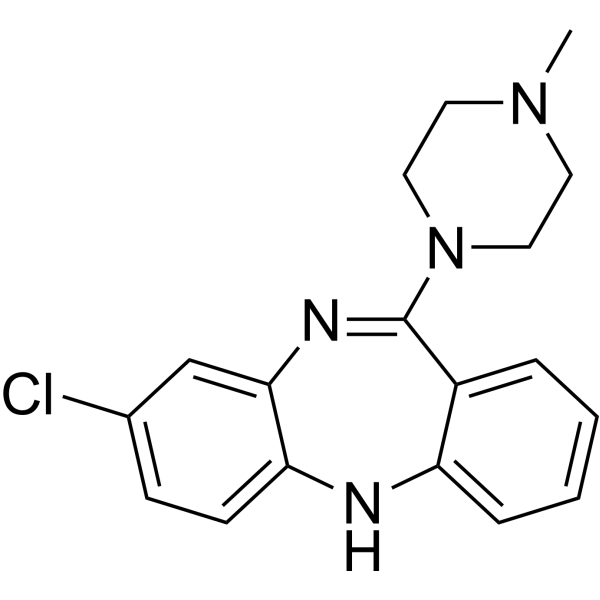 0 ImagesClozapine (Standard) is the analytical standard of Clozapine. This product is intended for research and analytical applications. Clozapine (HF 1854) is an antipsychotic used for the research of schizophrenia. Clozapine has high affinity for a number of neuroreceptors. Clozapine is a potent antagonist of dopamine D2 with a Ki of 75 nM. Clozapine inhibits the muscarinic M1 receptor and serotonin 5HT2A receptor with Kis of 9.5 nM and 4 nM, respectively. Clozapine is also a potent and selective agonist at the muscarinic M4 receptor (EC50=11 nM).
-
Imidafenacin
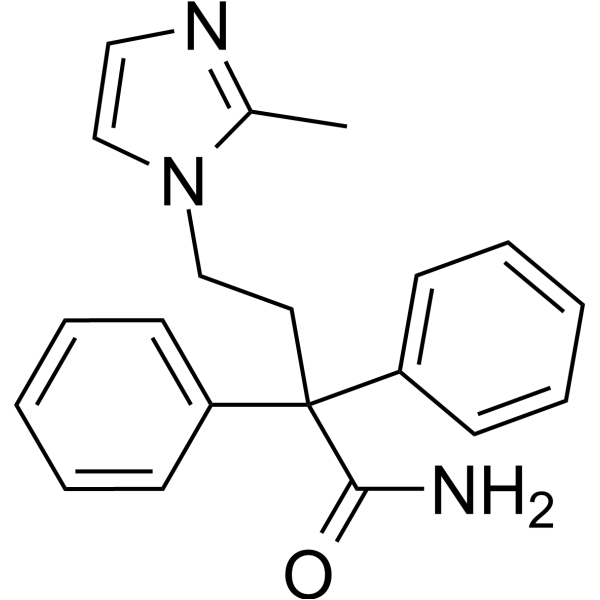 0 ImagesSynonyms: KRP-197; ONO-8025Imidafenacin (KRP-197; ONO-8025) is an orally active inhibitor of muscarinic (mAChR) M1 and M3 receptors. Imidafenacin potently inhibits bladder contraction in vivo and exerts an antidiuretic effect by enhancing the signaling pathway of vasopressin (antidiuretic hormone). Imidafenacin can be used in research related to overactive bladder.
-
Scopolamine butylbromide
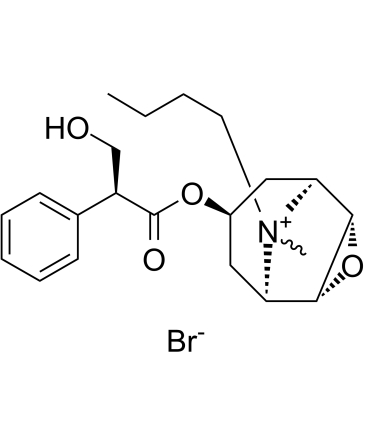 0 ImagesSynonyms: Hyoscine butylbromide; (-)-Scopolamine butylbromide; Butylscopolamine bromideScopolamine butylbromide (Hyoscine butylbromide) is an orally active anticholinergic agent and spasmolytic. Scopolamine butylbromide binds with high affinity to rat cardiac M2 (Ki 83 nmol/L), hM2 (Ki 233 nmol/L), rat intestinal M3 (Ki 290 nmol/L) and hM3 (Ki 643 nmol/L) muscarinic receptors. Scopolamine butylbromide exerts a dose-dependent antagonistic effect on Carbachol-induced gastrointestinal smooth muscle spasm. Scopolamine butylbromide can be used for the research of abdominal colic and pain associated with gastrointestinal spasm, functional abdominal pain, chronic gastropathy and gastric ulcer.
-
RHC 80267
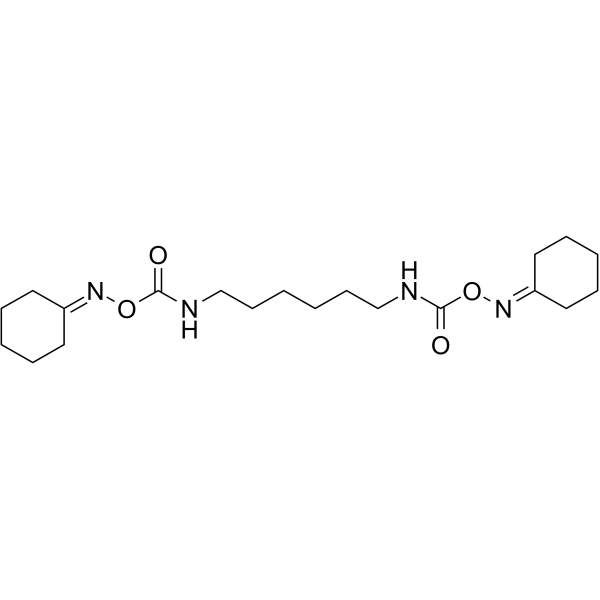 0 ImagesSynonyms: U-57908RHC 80267 (U-57908) is a potent and selective inhibitor of diacylglycerol lipase (DAGL) (with IC50 of 4 μM in canine platelets). RHC-80267 inhibits cholinesterase activity with an IC50 of 4 μM, thereby enhancing the relaxation evoked by acetylcholine. RHC 80267 also inhibits COX and the hydrolysis of phosphatidylcholine (PC).
-
Telenzepine dihydrochloride
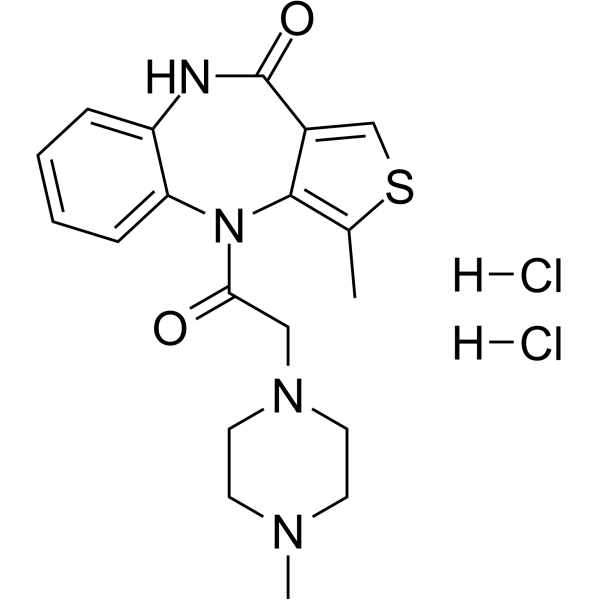 0 ImagesTelenzepine dihydrochloride is a selective and orally active muscarinic M1 receptor antagonist with a Ki of 0.94 nM. Telenzepine dihydrochloride inhibits gastric acid secretion and has antiulcer effects.
-
Batefenterol
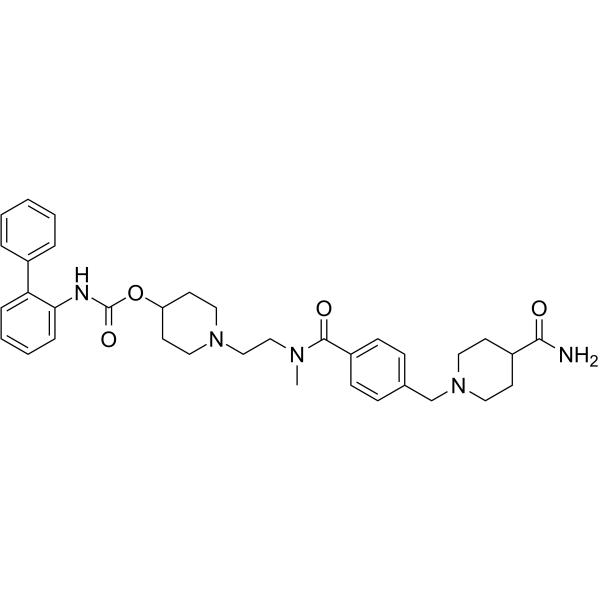
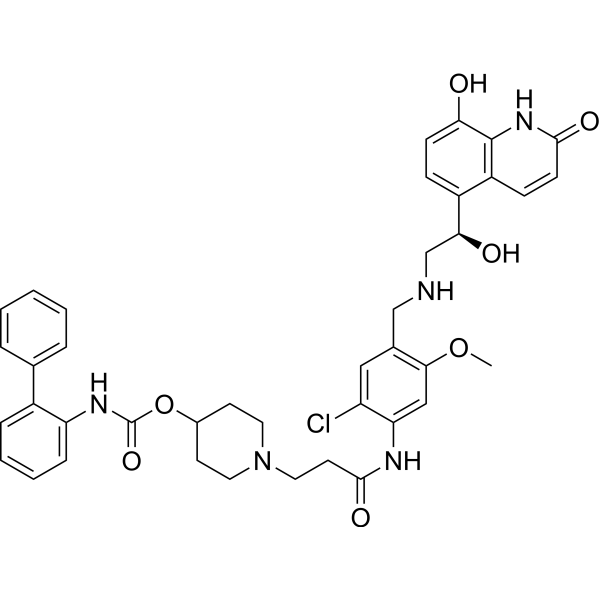 0 ImagesSynonyms: GSK961081; TD-5959Batefenterol (GSK961081;TD-5959) is a novel muscarinic receptor antagonist and β2-adrenoceptor agonist; displays high affinity for hM2, hM3 muscarinic and hβ2-adrenoceptor with Ki values of 1.4, 1.3 and 3.7 nM, respectively.
-
VU0364572 TFA
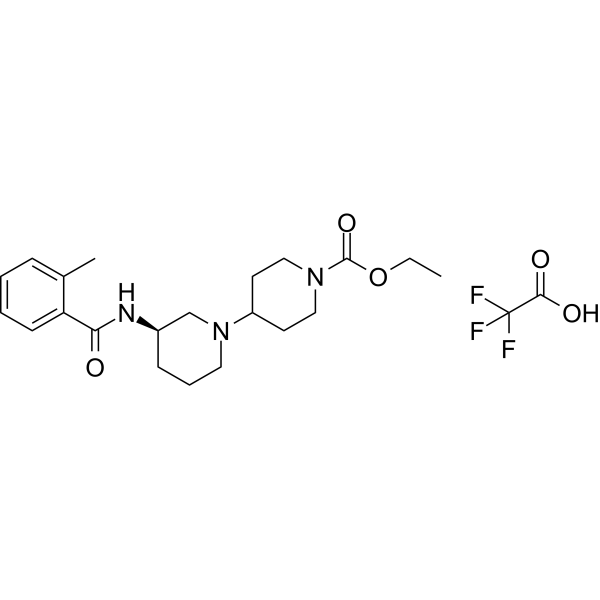 0 ImagesVU0364572 TFA is an orally active and selective allosteric agonist of the M1 muscarinic receptor with an EC50 of 0.11 μM. VU0364572 TFA has neuroprotective potential for preventing memory impairments and reducing neuropathology in Alzheimer’s Disease. VU0364572 TFA is CNS penetrant.
-
Metixene hydrochloride hydrate
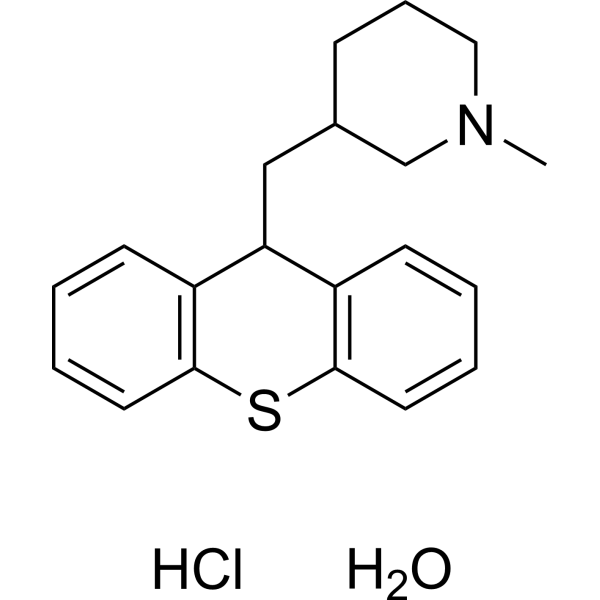 0 ImagesMetixene (Piperidine) hydrochloride hydrate is an anticholinergic and antiparkinsonian agent. Metixene hydrochloride hydrate potently inhibits binding of quinuclidinyl benzilate (QNB) with the muscarinic receptor, IC50 and Ki values of 55 nM and 15 nM, respectively. Metixene hydrochloride hydrate can be used for the research of parkinsonian.
-
Dicyclomine hydrochloride
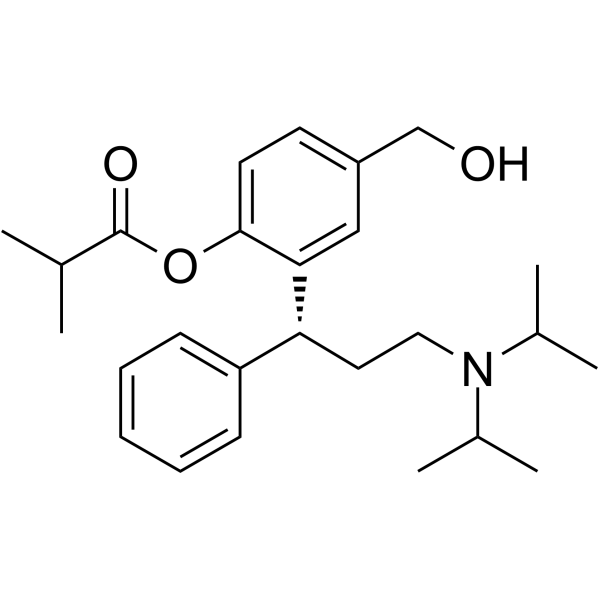
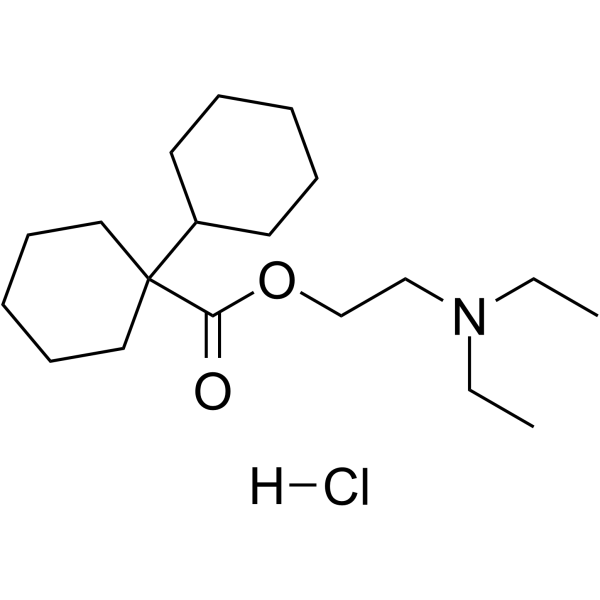 0 ImagesDicyclomine hydrochloride is a potent and orally active muscarinic cholinergic receptors antagonist. Dicyclomine hydrochloride shows high affinity for muscarinic M1 receptor subtype (Ki=5.1 nM) and M2 receptor subtype (Ki=54.6 nM) in brush-border membrane and basal plasma membranes, respectively. Dicyclomine is an antispasmodic agent and relieves smooth muscle spasm of the gastrointestinal tract in vivo.
-
VU0467319
 0 ImagesSynonyms: VU319VU0467319 (Compound VU319) is a highly selective and blood-brain-permeable, orally active M1 positive allosteric modulator (PAM) (EC50: 492 nM). VU0467319 is selective (EC50 > 30 μM) versus M2-5 for both human and rat. VU0467319 improves cognitive impairment in Alzheimer's disease (AD) through central M1 muscarinic receptors. VU0467319 does not induce cholinergic adverse reactions and has potential in AD research.
-
Flavoxate hydrochloride
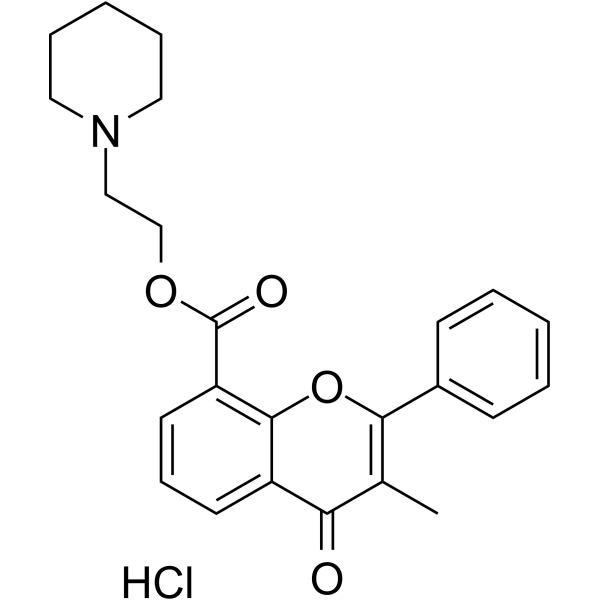 0 ImagesFlavoxate hydrochloride (Rec-7-0040; DW61) is an orally active L-type Ca2+ channel inhibitor and antispasmodic. Flavoxate hydrochloride inhibits cyclic adenosine monophosphate production by blocking voltage-dependent inward Ba2+ currents, regulating the brainstem micturition center, and stimulating G protein-coupled receptors. Consequently, Flavoxate hydrochloride induces relaxation of bladder smooth muscle and inhibits isovolumetric rhythmic contractions. Flavoxate hydrochloride effectively increases bladder capacity and alleviates symptoms of urgent urination frequency and pollakiuria caused by overactive bladder. Flavoxate hydrochloride can be used in research on overactive bladder and related voiding dysfunctions.
-
PQCA
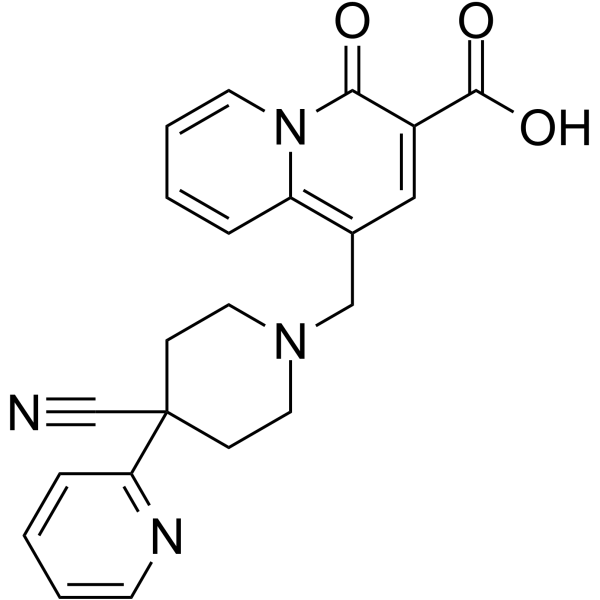 0 ImagesPQCA is a highly selective and potent muscarinic M1 receptor positive allosteric modulator. PQCA has an EC50 value of 49 nM and 135 nM on rhesus and human M1 receptor, respectively. PQCA is inactive for other muscarinic receptors. PQCA has potential to reduce the cognitive deficits associated with Alzheimer's disease.
-
(Rac)-Atropine-d3
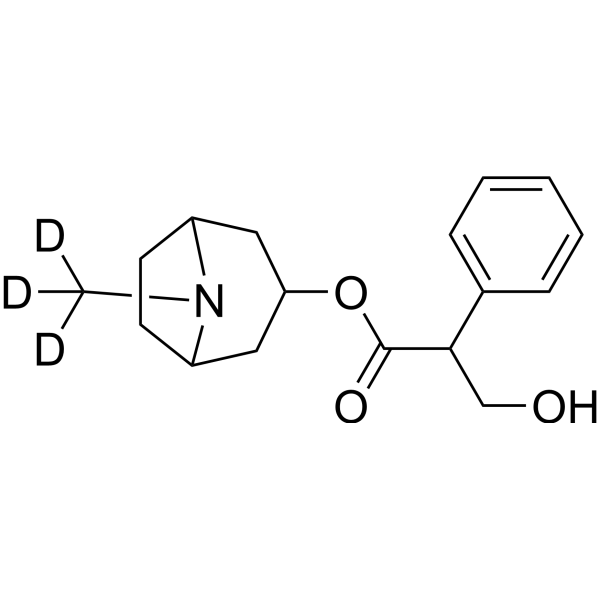 0 ImagesSynonyms: (Rac)-Tropine tropate-d3; (Rac)-Hyoscyamine-d3(Rac)-Atropine-d3 is the deuterium labeled (Rac)-Atropine[1].
-
Sofpironium bromide
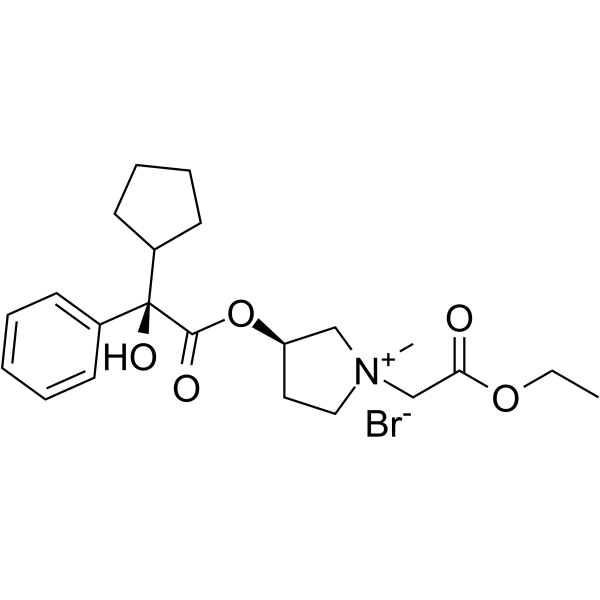 0 ImagesSynonyms: BBI 4000Sofpironium bromide (BBI 4000) is an anticholinergic agent used in the study of primary axillary hyperhidrosis (PAH). Sofpironium bromide reduces sweating by inhibiting M3 muscarinic receptors in eccrine glands at the application site. Sofpironium bromide also has a high afnity for the M1, M2, M4 and M5 subtypes.
-
Gallamine Triethiodide
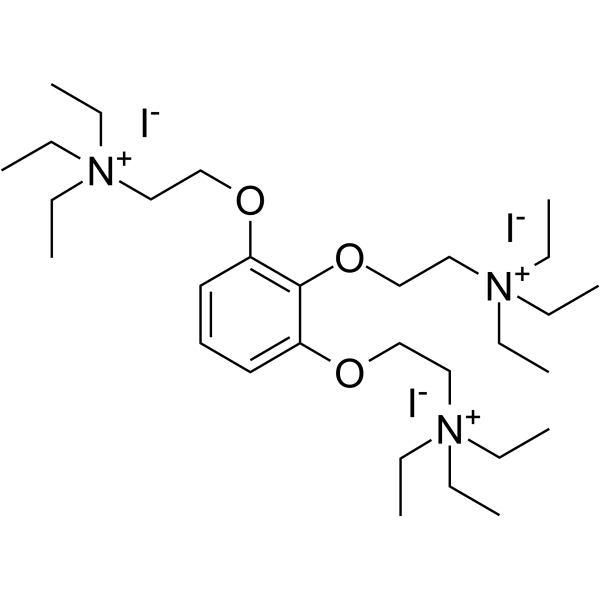 0 ImagesGallamine Triethiodide is a blood-brain barrier-permeable skeletal muscle relaxant. Gallamine Triethiodide induces skeletal muscle paralysis by blocking acetylcholine. Gallamine Triethiodide directly stimulates intracardiac β receptors. Gallamine Triethiodide prolongs the duration of afterdischarge in the cat cerebral cortex. Gallamine Triethiodide can be used in studies related to convulsive disorders.