



mAChR
Muscarinic acetylcholine receptor
mAChRs (muscarinic acetylcholine receptors) are acetylcholine receptors that form G protein-receptor complexes in the cell membranes of certainneurons and other cells. They play several roles, including acting as the main end-receptor stimulated by acetylcholine released from postganglionic fibersin the parasympathetic nervous system. mAChRs are named as such because they are more sensitive to muscarine than to nicotine. Their counterparts are nicotinic acetylcholine receptors (nAChRs), receptor ion channels that are also important in the autonomic nervous system. Many drugs and other substances (for example pilocarpineand scopolamine) manipulate these two distinct receptors by acting as selective agonists or antagonists. Acetylcholine (ACh) is a neurotransmitter found extensively in the brain and the autonomic ganglia.
mAChR Isoform Specific Products
All Product Categories
-
mAChR Inhibitors
(115)
View all products
-
mAChR Agonists
(151)
View all products
-
mAChR Antagonists
(324)
View all products
-
mAChR Activators
(20)
View all products
-
mAChR Modulators
(48)
View all products
-
mAChR Inducer
(1)
View all products
-
mAChR Controls
(9)
View all products
-
mAChR Ligands
(10)
View all products
-
mAChR Related Products (730)
Related Products (730)

-
Antibodies (2)
-
mAChR Isoform Comparison
-
Amitriptyline
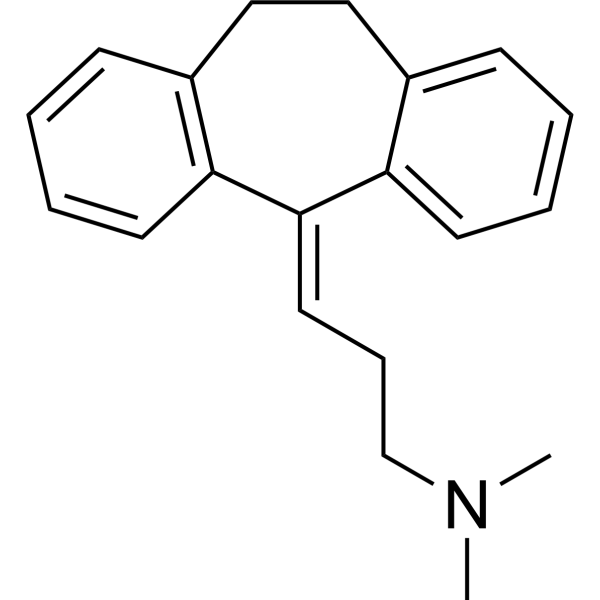 0 ImagesAmitriptyline is an orally active tricyclic antidepressant (TCA). Amitriptyline mainly exerts its antidepressant effect by blocking SERT (Ki = 3.45 nM) and NET (Ki = 13.3 nM), thereby increasing the concentrations of 5-hydroxytryptamine (5-HT) and norepinephrine (NE) in the synaptic cleft. Amitriptyline is also an agonist at α2A and TrkA/TrkB receptors, thereby exerting analgesic and neurotrophic activities (inhibiting cell apoptosis). Amitriptyline can reduce inflammation, angiogenesis and fibrosis. Amitriptyline binds to DAT (with Ki = 2.58 μM). Amitriptyline has high affinity for a series of receptors and can antagonize muscarinic cholinergic receptors (M1/M2/M3/M4/M5 receptors) (Ki = 11-24 nM), H1 receptors (Ki = 0.5-1.1 nM), adrenergic α1 receptors (Ki = 4.4 nM), etc., resulting in a series of side effects. Amitriptyline can block sodium channels and hERG potassium channel (IC50 = 4.78 μM) and it has cardiotoxicity.
-
Tiotropium Bromide
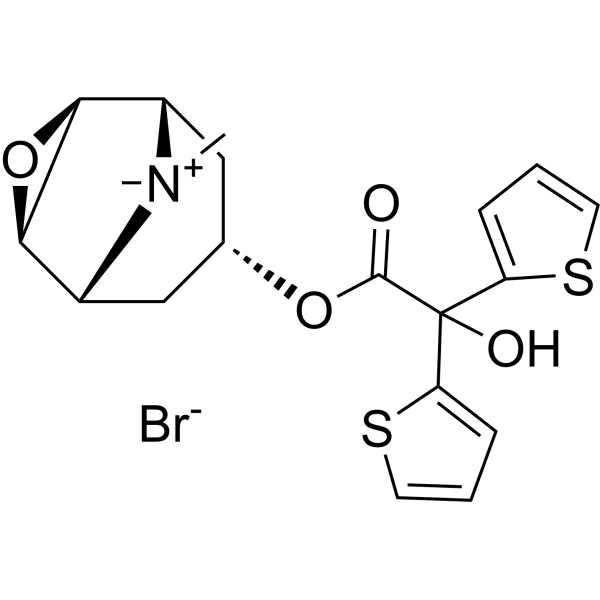 0 ImagesSynonyms: BA679 BRTiotropium bromide (BA-679 BR) is a long-acting anticholinergic bronchodilator. Tiotropium bromide blocks the action of acetylcholine at muscarinic M1, M2, and M3 receptors, prevents bronchoconstriction, and dilates bronchial airways. Tiotropium bromide is applicable to research related to chronic obstructive pulmonary disease and asthma.
-
Glycopyrrolate
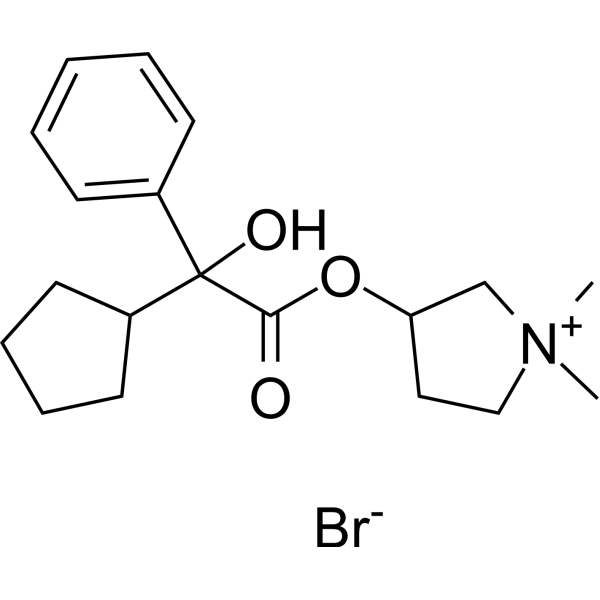 0 ImagesSynonyms: Glycopyrronium bromide; Glycopyrrolate bromideGlycopyrrolate (Glycopyrronium bromide), a quaternary ammonium derivative, is a muscarinic receptor antagonist. Glycopyrrolate has bronchoprotective effect and produces a beneficial effect on blood pressure. Glycopyrrolate can be used for the research of bronchial diseases.
-
Amitriptyline hydrochloride
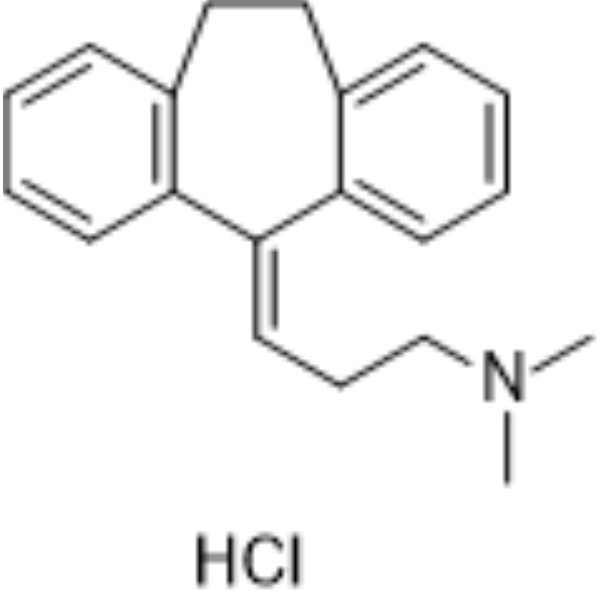 0 ImagesAmitriptyline hydrochloride is an orally active tricyclic antidepressant (TCA). Amitriptyline hydrochloride mainly exerts its antidepressant effect by blocking SERT (Ki = 3.45 nM) and NET (Ki = 13.3 nM), thereby increasing the concentrations of 5-hydroxytryptamine (5-HT) and norepinephrine (NE) in the synaptic cleft. Amitriptyline hydrochloride is also an agonist at α2A and TrkA/TrkB receptors, thereby exerting analgesic and neurotrophic activities (inhibiting cell apoptosis). Amitriptyline hydrochloride can reduce inflammation, angiogenesis and fibrosis. Amitriptyline hydrochloride binds to DAT (with Ki = 2.58 μM). Amitriptyline hydrochloride has high affinity for a series of receptors and can antagonize muscarinic cholinergic receptors (M1/M2/M3/M4/M5 receptors) (Ki = 11-24 nM), H1 receptors (Ki = 0.5-1.1 nM), adrenergic α1 receptors (Ki = 4.4 nM), etc., resulting in a series of side effects. Amitriptyline hydrochloride can block sodium channels and hERG potassium channel (IC50 = 4.78 μM) and it has cardiotoxicity.
-
Xanomeline oxalate
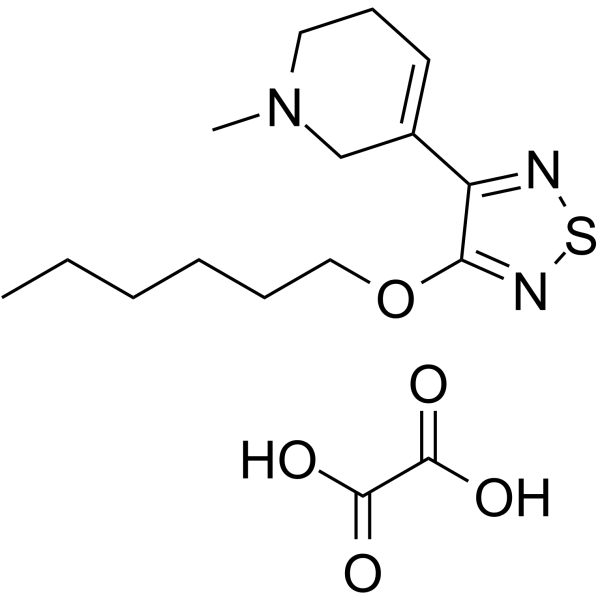 0 ImagesSynonyms: LY246708 oxalateXanomeline oxalate (LY246708 oxalate) is a potent and selective muscarinic receptor agonist (SMRA) and stimulates phosphoinositide hydrolysis in vivo. Xanomeline oxalate can be used for the research of Alzheimer’s disease.
-
4-DAMP
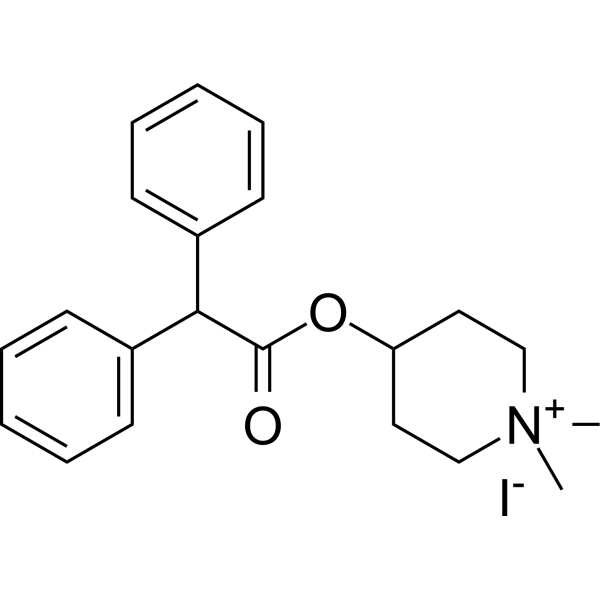 0 Images4-DAMP (4-DAMP methiodide) is a potent and selective antagonist of M3 receptors and also has a high affinity for the closely-related M5 receptors. 4-DAMP combined with 5-Fluorouracil (5-Fu) (HY-90006) could significantly reduce the cell viability and enhance apoptosis in MKN45 and BGC823 gastric cancer cells. 4-DAMP inhibits lipopolysaccharide (LPS)- and tobacco-induced pulmonary inflammation and reduces mucin 5AC (MUC5AC), oligomeric mucus/gel-forming secretion.
-
Atropine sulfate
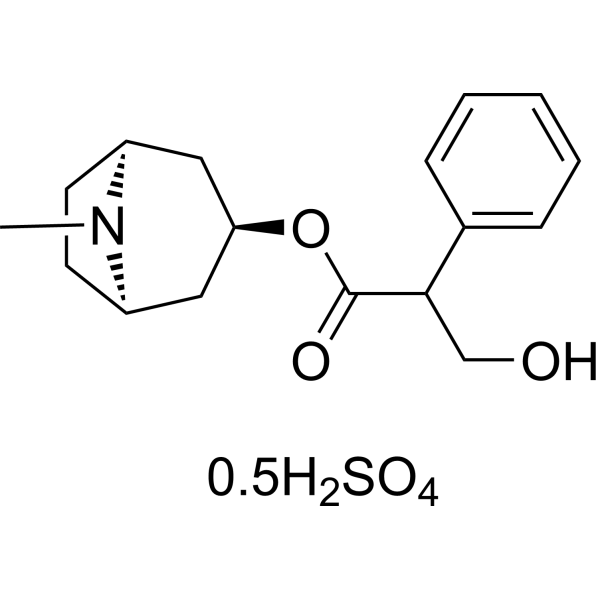 0 ImagesSynonyms: Tropine tropate sulfate; DL-Hyoscyamine sulfate; SulfatropinolAtropine (Tropine tropate) sulfate is a competitive muscarinic acetylcholine receptor (mAChR) antagonist with IC50 values of 0.39 and 0.71 nM for Human mAChR M4 and Chicken mAChR M4, respectively. Atropine sulfate inhibits ACh-induced relaxations in human pulmonary veins. Atropine sulfate can be used for research of anti-myopia and bradycardia.
-
(S)-(+)-Dimethindene maleate
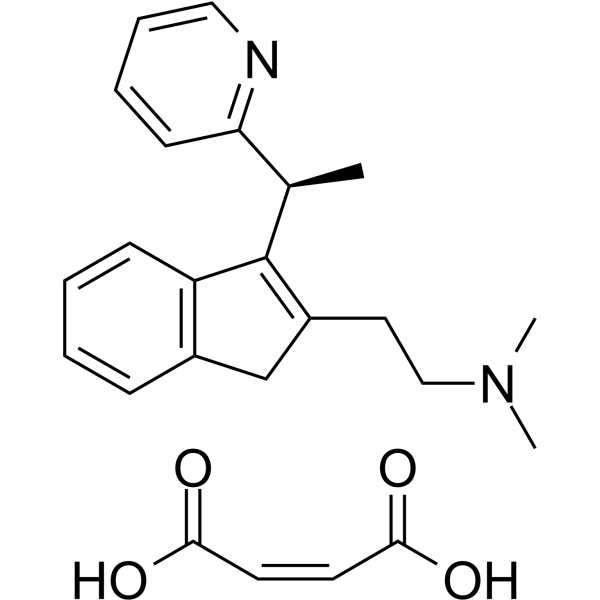 0 Images(S)-(+)-Dimethindene maleate, an enantiomer, is a potent M2-selective muscarinic receptor antagonist (pA2 = 7.86/7.74; pKi = 7.78). (S)-(+)-Dimethindene maleate shows lower affinities for the muscarinic M1 (pA2 = 6.83/6.36; pKi = 7.08), the M3 (pA2 = 6.92/6.96; pKi = 6.70) and the M4 receptors (pKi = 7.00), respectively. (S)-(+)-Dimethindene maleate also is a histamine H1 receptor antagonist (pA2 = 7.48).
-
Iperoxo
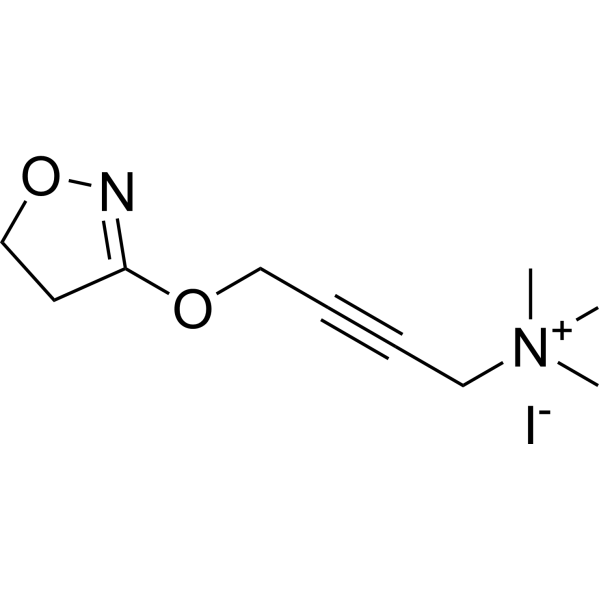 0 ImagesIperoxo is a potent superagonist of muscarinic acetylcholine receptor (mAChR) that activates M1, M2 and M3 receptors with pEC50 of 9.87, 10.1 and 9.78. Iperoxo can be used for direct probing activation-related conformational transitions of muscarinic receptors when labeled with tritium.
-
Oxotremorine M iodide
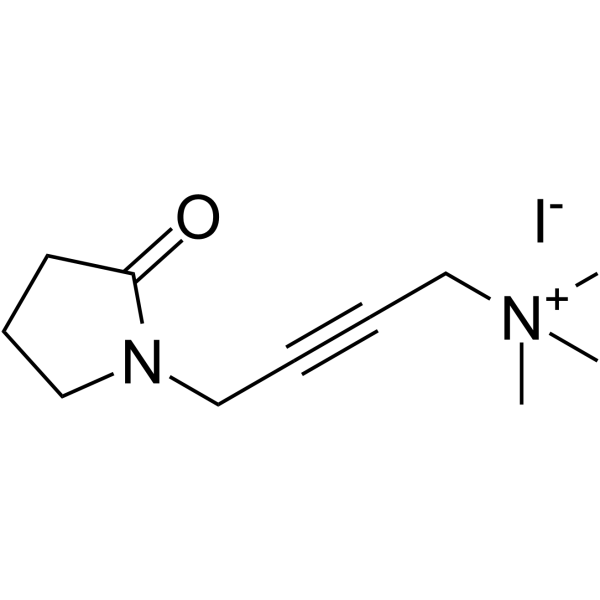 0 ImagesOxotremorine M iodide is a potent and non-selective muscarinic acetylcholine receptor (mAChR) agonist. Oxotremorine M iodide potentiates NMDA receptors by muscarinic receptor dependent and independent mechanisms.
-
Cevimeline hydrochloride
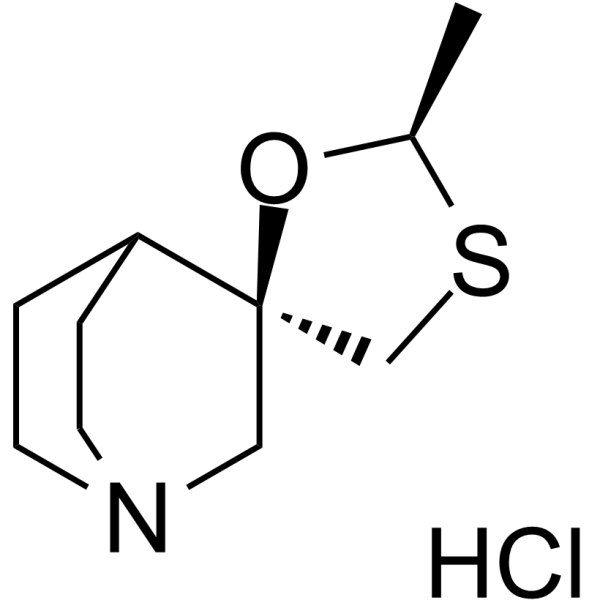 0 ImagesSynonyms: AF102B hydrochlorideCevimeline hydrochloride (AF102B hydrochloride) is a quinuclidine derivative of acetylcholine and a selective and orally active muscarinic M1 and M3 receptor agonist. Cevimeline hydrochloride stimulates secretion by the salivary glands and can be used as a sialogogue for xerostomia. Cevimeline hydrochloride can cross the blood-brain barrier (BBB).
-
Benztropine mesylate
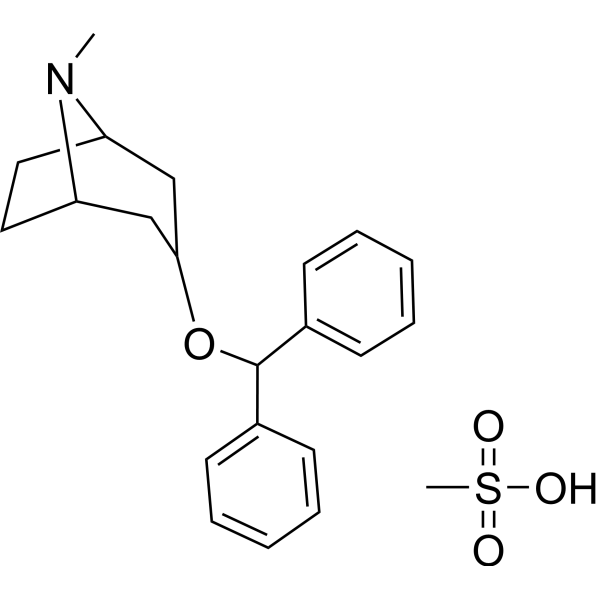 0 ImagesSynonyms: Benzatropine mesylate; Benzotropine mesylate; Benztropine methanesulfonateBenztropine mesylate (Benzatropine mesylate) is an orally active and BBB-permeable centrally acting anticholinergic agent that can be used for Parkinson's disease research. Benztropine mesylate is an anti-histamine agent and a dopamine re-uptake inhibitor. Benztropine mesylate is also a human D2 dopamine receptor allosteric antagonist. Benztropine mesylate also has anti-CSCs (cancer stem cells) effects.
-
Emraclidine
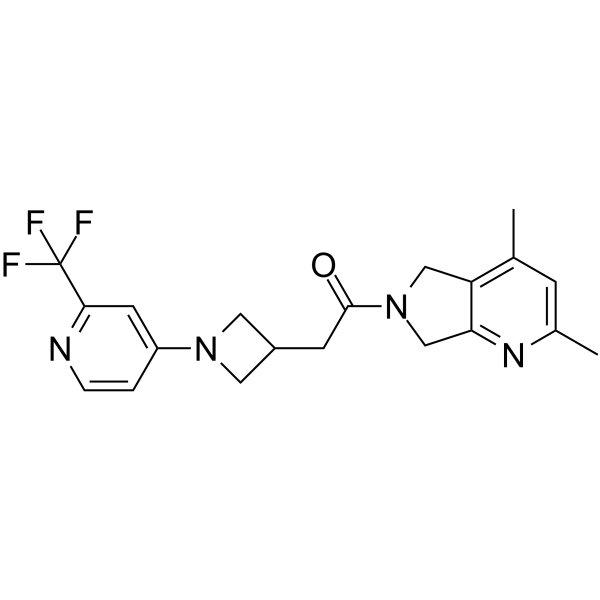 0 ImagesSynonyms: CVL-231Emraclidine (CVL-231) is a muscarinic M4 receptor positive allosteric modulator (WO2018002760, compound 11). Emraclidine can be used for the research of neurological diseases.
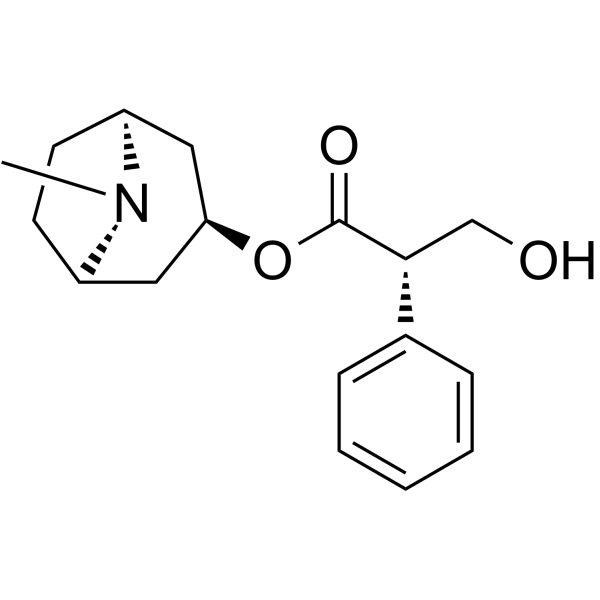
-
DREADD agonist 21 dihydrochloride
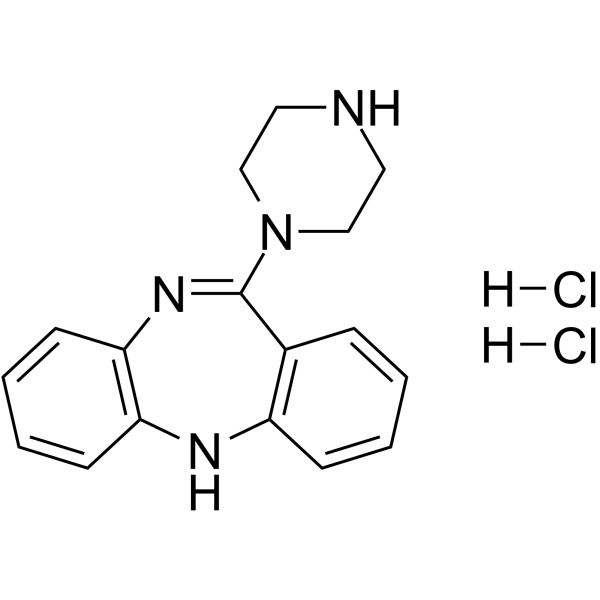 0 ImagesDREADD agonist 21 dihydrochloride is a potent human muscarinic acetylcholine M3 receptors (hM3Dq) agonist (EC50=1.7 nM).
-
Otenzepad
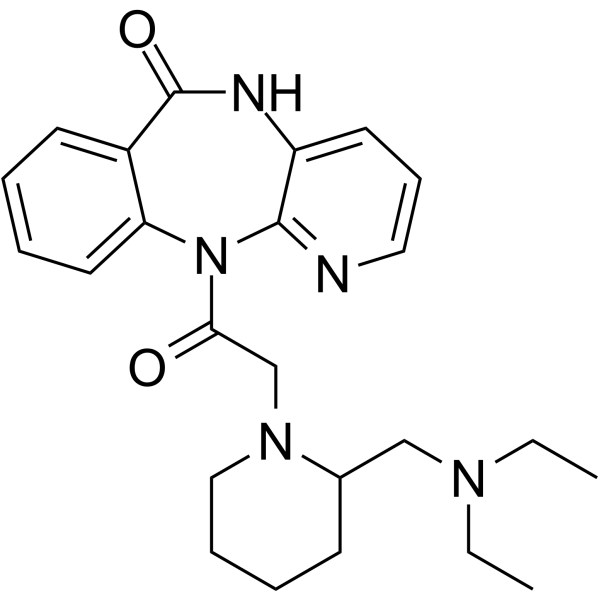 0 ImagesSynonyms: AF-DX 116Otenzepad (AF-DX 116) is a selective and competitive M2 muscarinic acetylcholine receptor antagonist, with IC50 values of 640 nM and 386 nM for rabbit peripheral lung and rat heart, respectively.
-
Methscopolamine bromide
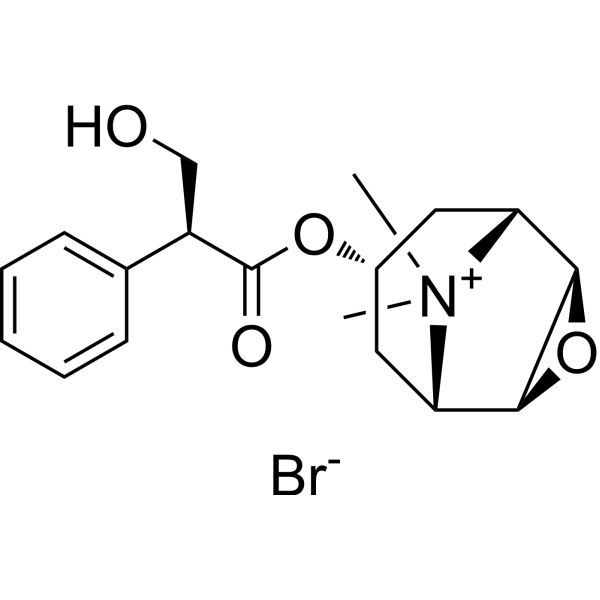 0 ImagesSynonyms: (-)-Scopolamine methyl bromide; Hyoscine methyl bromideMethscopolamine bromide ((-)-Scopolamine methyl bromide; Hyoscine methyl bromide) is a peripherally acting muscarinic receptor (mAChR) antagonist that cannot cross the blood-brain barrier. Methscopolamine bromide blocks the muscarinic negative feedback regulation of acetylcholine release from striatal cholinergic terminals, thereby increasing acetylcholine release in the striatum of freely moving rats. Methscopolamine bromide does not induce motor excitation in freely moving rats, nor does it alter the duration of ethanol-induced loss of righting reflex in mice. Methscopolamine bromide fails to antagonize the arecoline-mediated reduction in the duration of ethanol-induced loss of righting reflex in mice.
-
Pilocarpine nitrate
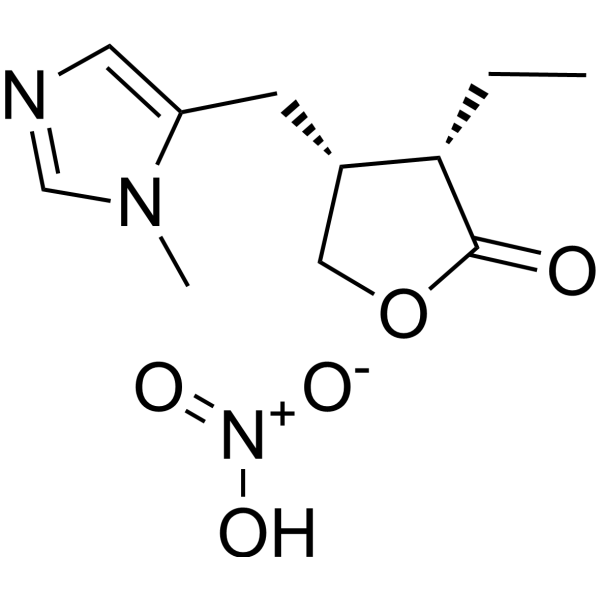 0 ImagesPilocarpine nitrate is an orally active, selective M3 muscarinic acetylcholine receptor agonist. Pilocarpine nitrate can induce seizures and is used in research on conditions such as epilepsy, dry mouth (xerostomia), and elevated intraocular pressure.




