



Balofloxacin

Based on 1 Customer Validation
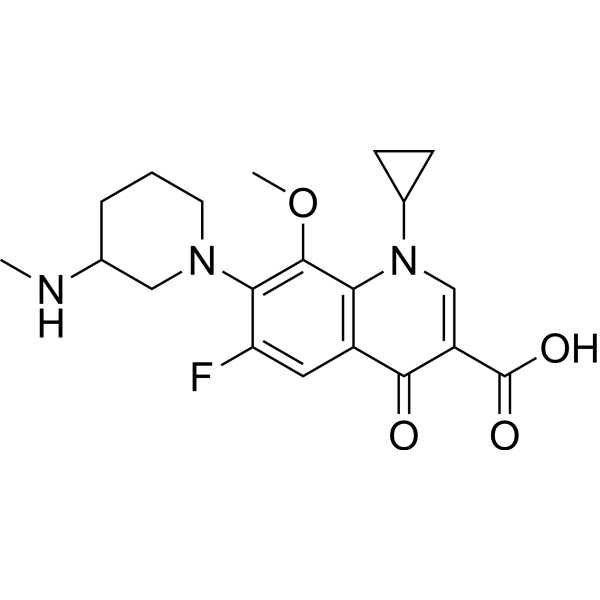
Balofloxacin (Q-35) is an orally active fluoroquinolone antibiotic with broad-spectrum antibacterial activity against gram-negative, gram-positive, and anaerobic bacteria. Balofloxacin can be used for the research of respiratory, intestinal, and urinary tract infections.
For research use only. We do not sell to patients.
- Purity : 99.28%
- CAS No.: 127294-70-6
- Formula: C20H24FN3O4
- Molecular Weight:389.42
-
Storage:Powder -20°C, 3 years , 4°C, 2 years ; In solvent -80°C, 2 years , -20°C, 1 year

To place orders, for customer services and technical support, please contact: MedChemExpress USA
Tel: 609-228-6898 E-mail: [email protected] [email protected]


-
 Biological Activity
-
Chemical Information
-
Solvent & Solubility
- Protocols
- Purity & Documentation
- References
-
 Help & FAQs


-
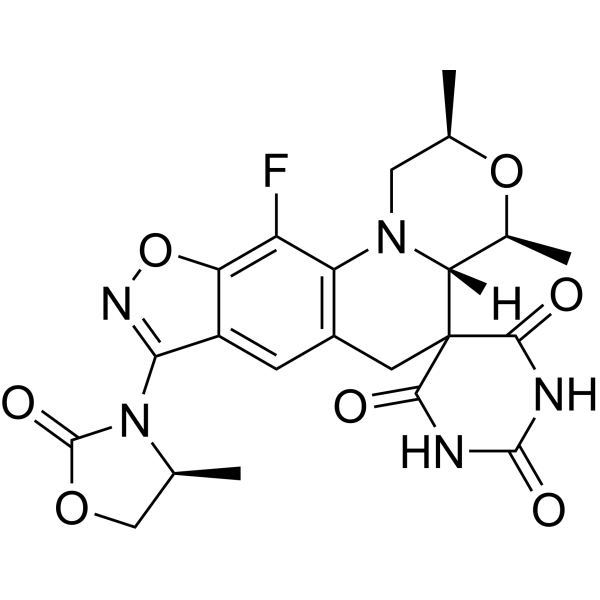
HY-17647
ZoliflodacinDNA gyrase/topoisomerase Inhibitor -

HY-B0159R
Balofloxacin (Standard)Antibiotic -
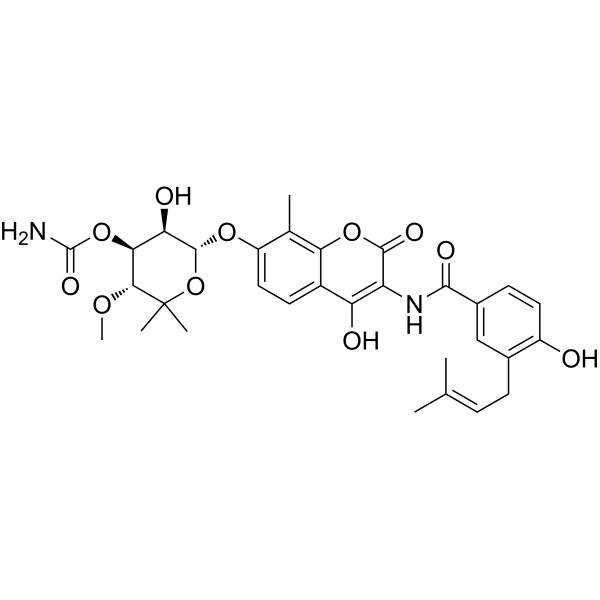
HY-B0425
NovobiocinAntibiotic -
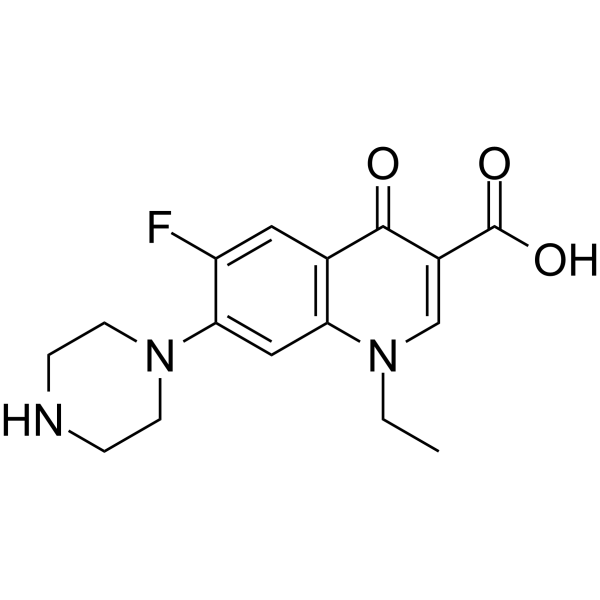
HY-B0132
Norfloxacin -
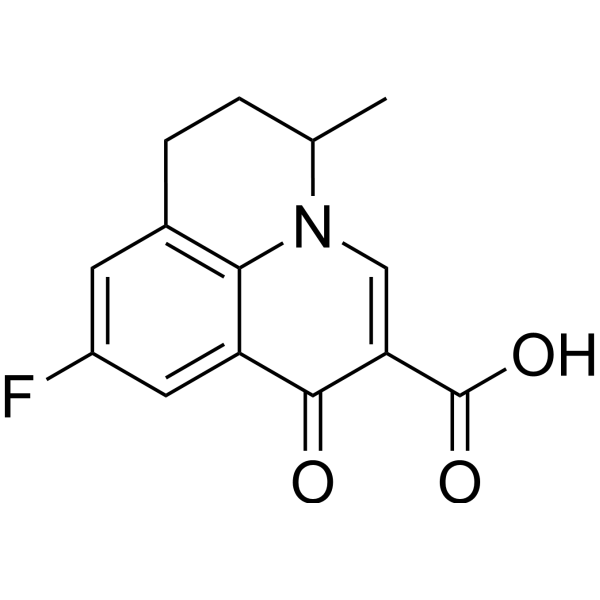
HY-B0526
FlumequineBacterial Inhibitor -
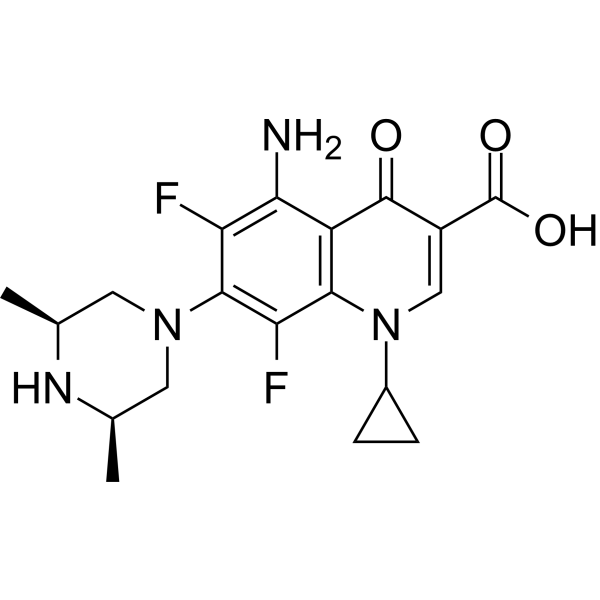
HY-B0308
SparfloxacinBacterial Inhibitor -

HY-17647R
Zoliflodacin (Standard)DNA gyrase/topoisomerase Inhibitor -
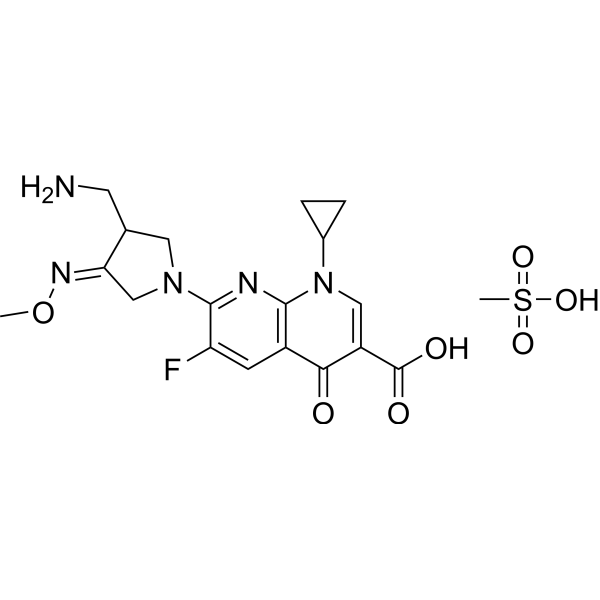
HY-B1050
Gemifloxacin mesylateAntibacterial Agent -

HY-B0132R
Norfloxacin (Standard) -
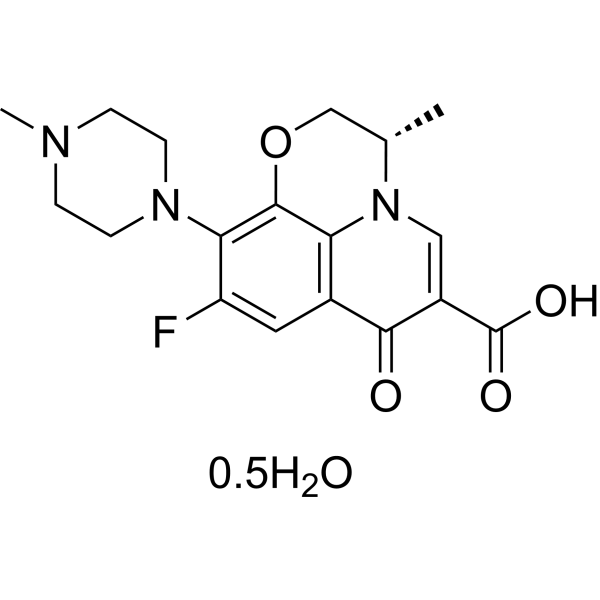
HY-B0330A
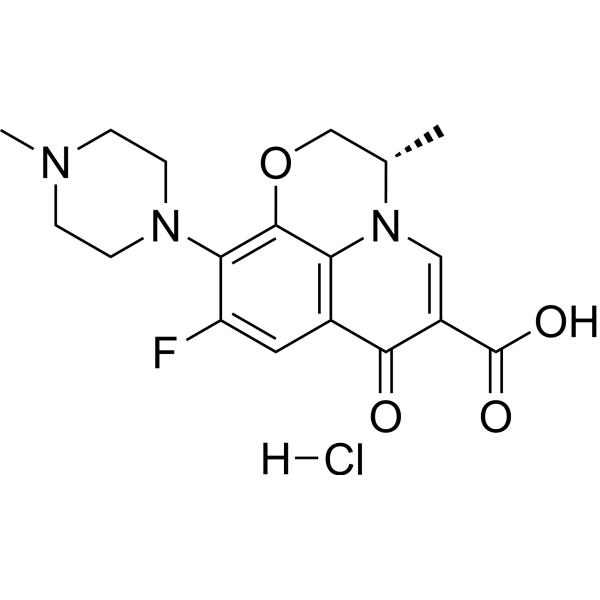
Levofloxacin hydrateDNA Gyrase/Topoisomerase Inhibitor -
HY-B0330B
Levofloxacin hydrochlorideAntibiotic -
HY-13566A
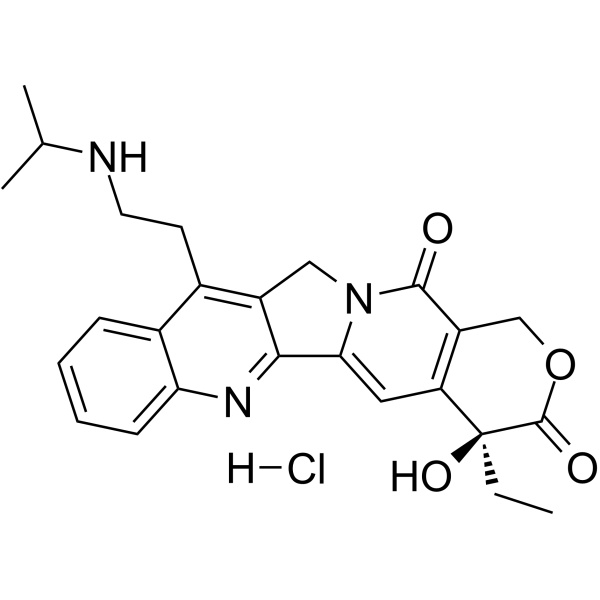
Belotecan hydrochlorideTopoisomerase Inhibitor
All Antibiotic Isoforms
More

Biological Activity
Description
IC50 & Target
|
Quinolone |
Cellular Effect
|
Cell Line

|
Type | Value | Description | References |
|---|---|---|---|---|
| Vero | CC50 |
317 μM
Compound: BLFX
|
Cytotoxicity against african green monkey Vero cells after 72 hrs by MTT assay
Cytotoxicity against african green monkey Vero cells after 72 hrs by MTT assay
|
[PMID: 20493593] |
In Vitro
Balofloxacin (25 mg/mL; 1 h) decreases the growth of S. aureus that adhered to human corneal epithelial cells (HCECs)[2].
Balofloxacin inhibits the S. aureus ATCC 25923, with a MIC of 0.125 mg/mL[2].
Balofloxacin (0.05-500 μg/mL; 72 h) does not induce toxicity on the HCECs at a low concentration, such as 0.625 mg/mL[2].
MedChemExpress (MCE) has not independently confirmed the accuracy of these methods. They are for reference only. Further protocols information, click here.
In Vivo
Balofloxacin eye drops (0.5%) is effective in S. aureus bacterial keratitis of rabbits[2].
MedChemExpress (MCE) has not independently confirmed the accuracy of these methods. They are for reference only.


Chemical Information
-
CAS No. 127294-70-6
-
Appearance Solid
-
Molecular Weight 389.42
-
Formula C20H24FN3O4
-
Color White to off-white
-
SMILES
O=C(C1=CN(C2CC2)C3=C(C=C(F)C(N4CC(NC)CCC4)=C3OC)C1=O)O
-
Synonyms
Q-35
-
Shipping
Room temperature in continental US; may vary elsewhere.
-
Storage
Powder -20°C 3 years 4°C 2 years In solvent -80°C 2 years -20°C 1 year


Solvent & Solubility
In Vitro:
DMSO : 0.67 mg/mL (1.72 mM; Need ultrasonic; Hygroscopic DMSO has a significant impact on the solubility of product, please use newly opened DMSO)
H2O : < 0.1 mg/mL (insoluble)
Please refer to the solubility information to select the appropriate solvent. Once prepared, please aliquot and store the solution to prevent product inactivation from repeated freeze-thaw cycles.
Storage method and period of stock solution: -80°C, 2 years; -20°C, 1 year. When stored at -80°C, please use it within 2 years. When stored at -20°C, please use it within 1 year.
Please refer to the solubility information to select the appropriate solvent. Once prepared, please aliquot and store the solution to prevent product inactivation from repeated freeze-thaw cycles.
Storage method and period of stock solution: -80°C, 2 years; -20°C, 1 year. When stored at -80°C, please use it within 2 years. When stored at -20°C, please use it within 1 year.
Concentration (start) × Volume (start) = Concentration (final) × Volume (final)

Protocols
-
Research Protocol for Infectious Diseases
Infectious-disease experiments test how pathogens interact with host barriers, innate immune receptors, inflammatory signaling, pathogen replication, and tissue injury; pattern-recognition receptors such as TLRs, RIG-I-like receptors, NOD-like receptors, and inflammasomes detect microbial molecules and activate NF-κB, interferon, and cytokine responses. The central hypothesis is that infection severity reflects the balance between pathogen burden and host response: protective inflammation restricts pathogen growth, whereas excessive or mislocalized inflammation contributes to tissue damage and disease phenotype. Unresolved questions include which host pathways are protective versus pathogenic, why some infection models fail to translate to human disease, and which combined readouts best predict clinically relevant infection outcomes.
-
Anaerobic Bacterial Culture
Anaerobic bacterial culture detects viable bacteria that can grow under oxygen-depleted conditions; the readout is visible colony formation or broth turbidity after incubation in a chamber, jar, pouch, bag, or roll-tube system that maintains anaerobiosis. Oxygen control is central to the method because recovery depends on limiting oxygen exposure during collection, transport, inoculation, and incubation.
-
Gram Staining of Tissue Sections
Gram staining of tissue sections is a histochemical technique used to differentiate Gram-positive and Gram-negative bacteria within histological specimens based on differences in bacterial cell wall structure and dye retention, adapted from classical bacteriological Gram staining into tissue-compatible “histological Gram stain” variants. In tissue applications, modifications of the Brown-Hopps and Brown-Brenn methods are commonly used to improve differentiation of microorganisms embedded within host connective tissue and to reduce overstaining or loss of Gram-negative signal, which are known limitations of earlier approaches. The principle relies on crystal violet-iodine complex retention in Gram-positive organisms and subsequent decolorization and counterstaining steps that allow contrast visualization of Gram-negative organisms against tissue background.
-
Bacterial live/dead nucleic-acid viability staining
The LIVE/DEAD bacterial viability staining method is based on differential permeability of nucleic-acid-binding fluorescent dyes, most commonly SYTO 9 and propidium iodide (PI), which enables discrimination of bacterial populations with intact versus compromised cytoplasmic membranes. SYTO 9 penetrates both intact and damaged bacterial membranes and binds nucleic acids to produce green fluorescence, whereas propidium iodide penetrates only cells with compromised membranes and fluoresces red while also reducing SYTO 9 signal through competitive binding and fluorescence interactions. The resulting fluorescence pattern is interpreted as a proxy for membrane integrity, which is widely used as an indicator of bacterial viability in microscopy, flow cytometry, and spectroscopic platforms. However, mechanistic studies show that SYTO 9 and PI interactions involve displacement and fluorescence resonance energy transfer effects, which can influence signal interpretation depending on dye ratios a


Purity & Documentation
-
Data Sheet (273 KB)
-
SDS (394 KB)
- English - EN (394 KB)
- Français - FR (394 KB)
- Deutsch - DE (394 KB)
- Norwegian - NO (394 KB)
- Español - ES (394 KB)
- Swedish - SV (394 KB)
- Italian - IT (394 KB)
- Korean - KR (394 KB)
- Portuguese - PT (394 KB)
-
Handling Instructions (2659 KB)
References
[1]. Alksne L. Balofloxacin Choongwae. Curr Opin Investig Drugs. 2003 Feb;4(2):224-9. [Content Brief]
[2]. Jiang H, et, al. In vitro and in vivo effectiveness evaluation of balofloxacin in experimental Staphylococcus aureus keratitis. J Ocul Pharmacol Ther. 2014 Aug;30(6):482-8. [Content Brief]
[3]. Gohara Y, et, al. In vitro and in vivo activities of Q-35, a new fluoroquinolone, against Mycoplasma pneumonia. Antimicrob Agents Chemother. 1993 Sep;37(9):1826-30. [Content Brief]


Complete Stock Solution Preparation Table
Please refer to the solubility information to select the appropriate solvent. Once prepared, please aliquot and store the solution to prevent product inactivation from repeated freeze-thaw cycles.
Storage method and period of stock solution: -80°C, 2 years; -20°C, 1 year. When stored at -80°C, please use it within 2 years. When stored at -20°C, please use it within 1 year.
| Optional Solvent | Concentration Solvent Mass | 1 mg | 5 mg | 10 mg | 25 mg |
|---|---|---|---|---|---|
| DMSO | 1 mM | 2.5679 mL | 12.8396 mL | 25.6792 mL | 64.1980 mL |


Balofloxacin Related Classifications
HY-B0159 Related Classifications
 Powered by Bioz