



Rapastinel
Based on 1 publication(s) in Google Scholar
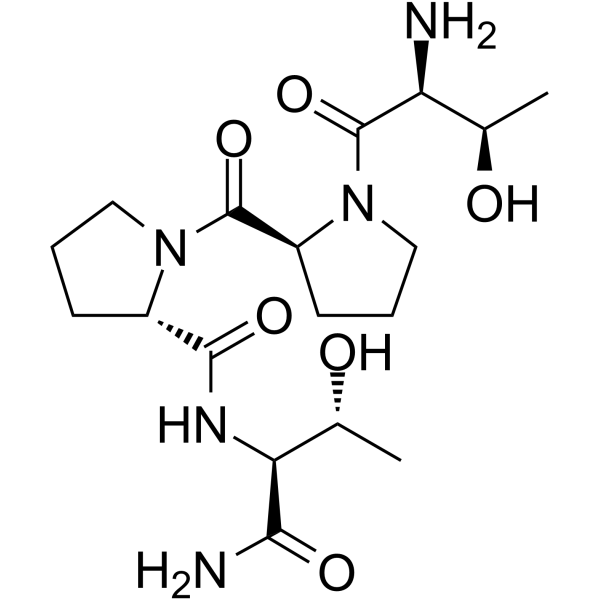
Rapastinel (GLYX-13) is a potent NMDAR modulator capable of crossing the blood-brain barrier, and it exhibits extremely high affinity for human NMDAR (EC50=0.0017-9.9 nM). Rapastinel enhances ERK signaling and activates the mTOR pathway, thereby upregulating the expression of BDNF and VGF, and inducing significant neuroplastic changes such as enhanced LTP and increased mature dendritic spine density in the hippocampus. Rapastinel moderately elevates the efflux of dopamine, norepinephrine and 5-HT in the prefrontal cortex, and uniquely avoids side effects of traditional antidepressants such as dissociation, addiction or sedation. Rapastinel is applicable to the research of major depressive disorder and hepatocellular carcinoma.
Nos produits utilisent uniquement pour la recherche. Nous ne vendons pas aux patients.
- Pureté : 99.78%
- CAS No.: 117928-94-6
- Formule: C18H31N5O6
- Masse moléculaire:413.47
-
Stockage:Powder -20°C, 3 years ; In solvent -80°C, 6 months , -20°C, 1 month

To place orders, for customer services and technical support, please contact: MedChemExpress USA
Tel: 609-228-6898 E-mail: [email protected] [email protected]


-
 Activité biologique
-
Chemical Information
-
Solvant et solubilité
- Protocole
- Pureté et documentation
- Références
-
 Help & FAQs


-
HY-100807
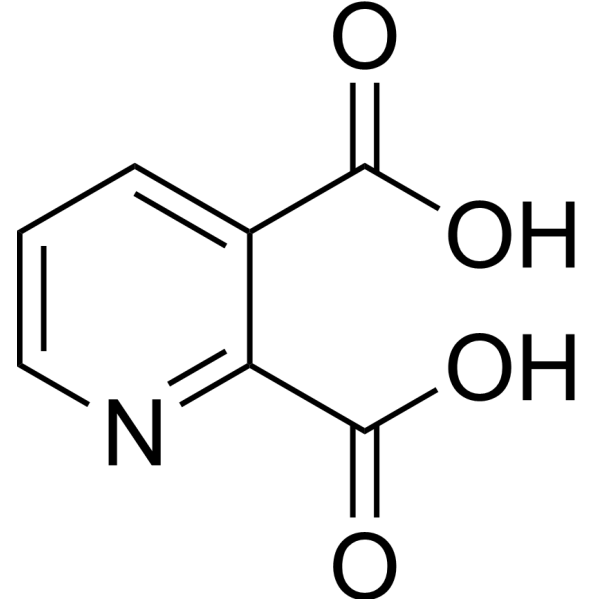
Quinolinic acidNMDA Receptor Agonist -
HY-100807R
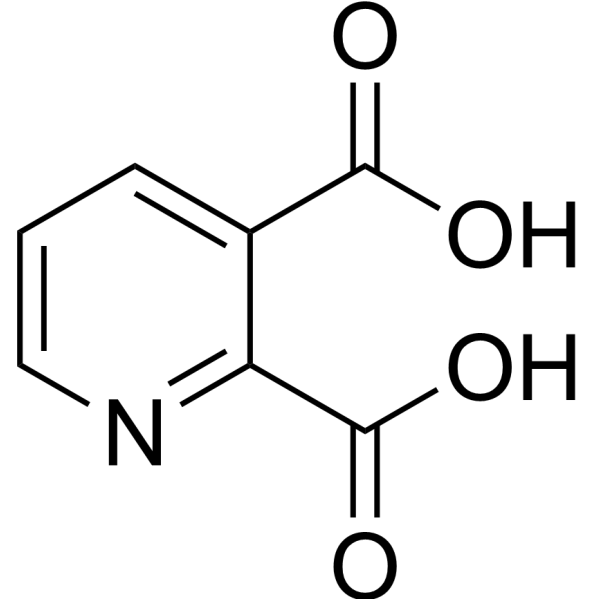
Quinolinic acid (Standard)Standard of Quinolinic acid -
HY-100714A
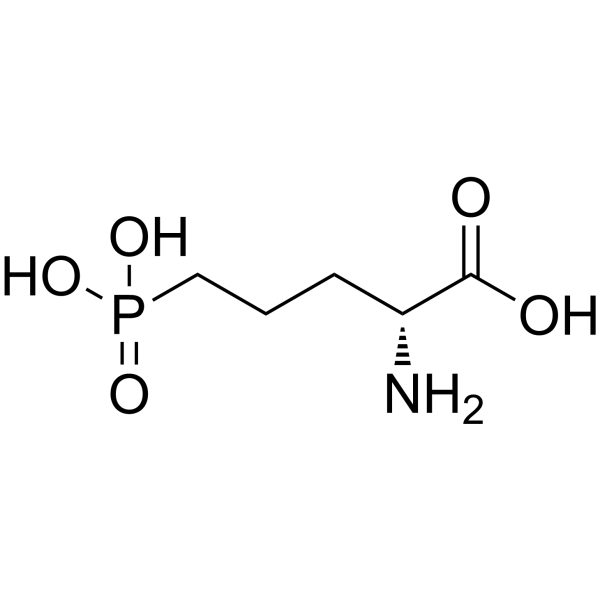
D-AP5NMDA Antagonist -
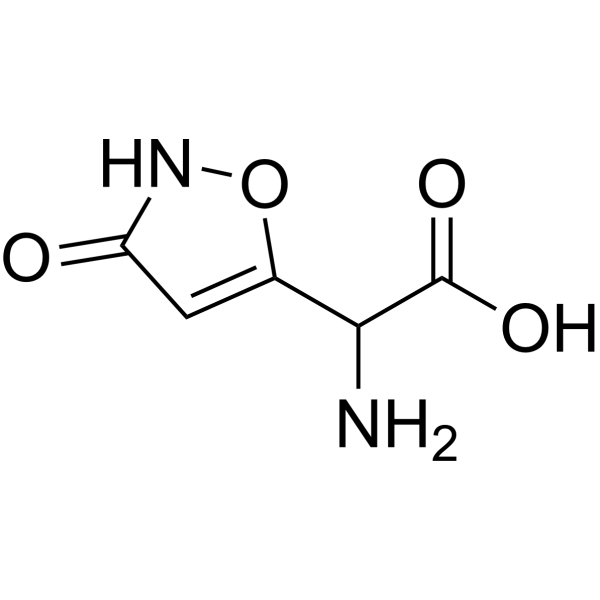
HY-N2311
Ibotenic acidiGluR Agonist -
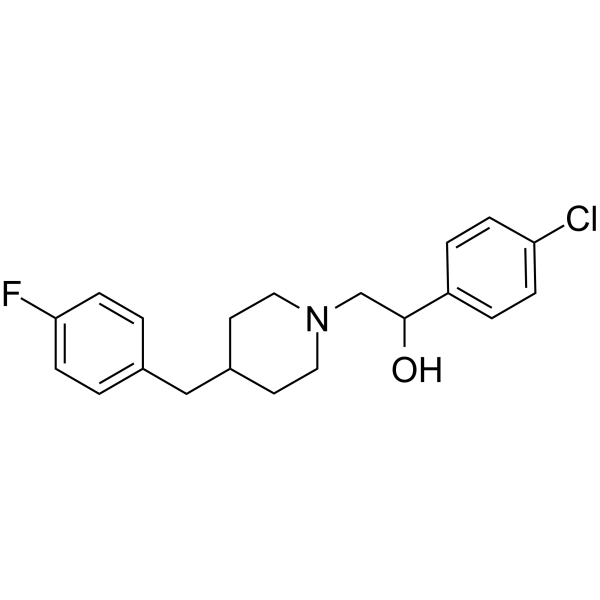
HY-12881
EliprodilNR2B-NMDA Inhibitor -
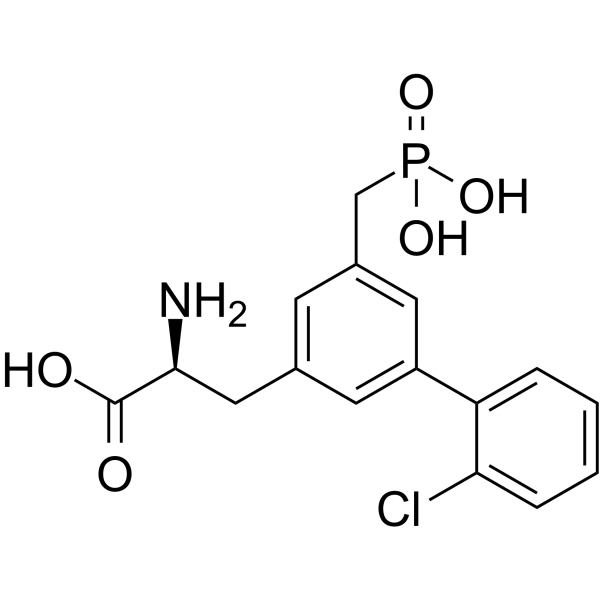
HY-13059
SDZ 220-581NMDA Receptor Antagonist -
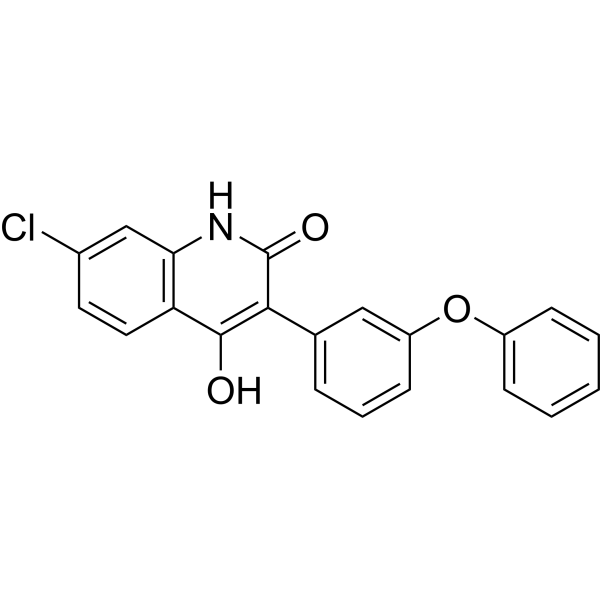
HY-18698
L-701324NMDA Receptor Antagonist -
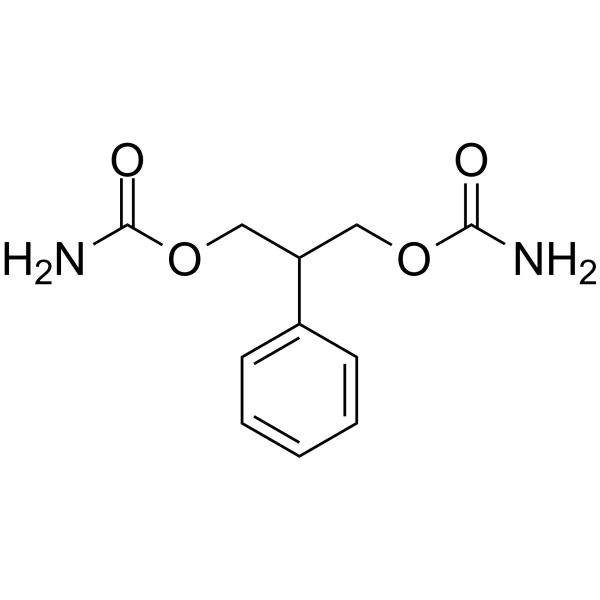
HY-B0184
FelbamateiGluR Inhibitor -
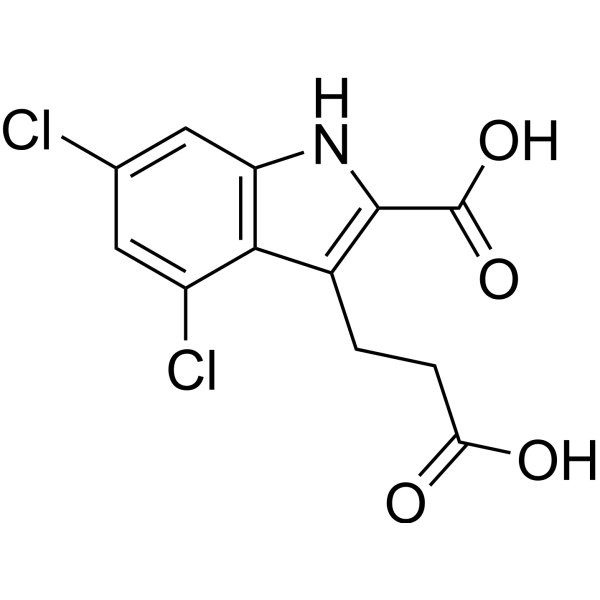
HY-16312
MDL-29951nMDA Receptor Antagonist -
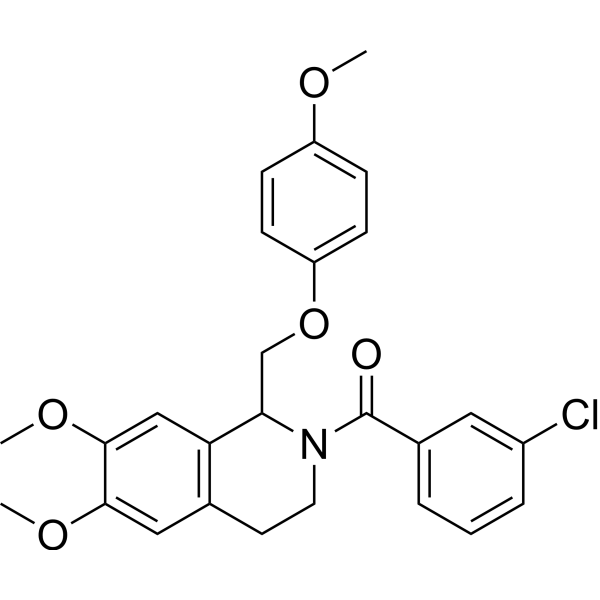
HY-18699
CIQiGluR Activator -

HY-N2311R
Ibotenic acid (Standard)iGluR Agonist -
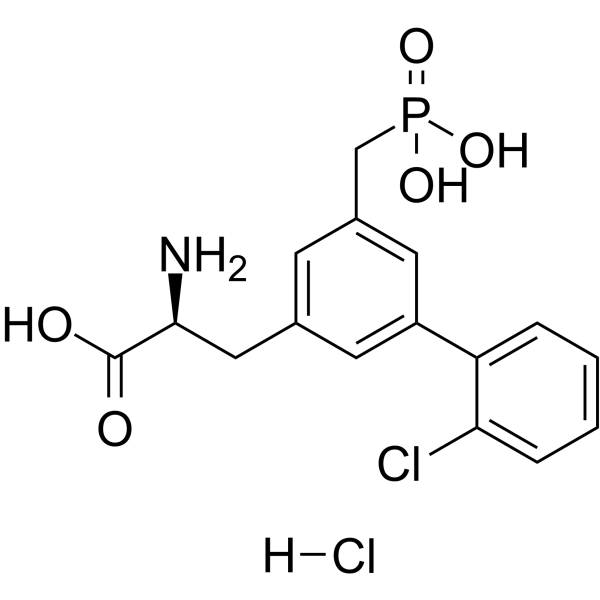
HY-13059B
SDZ 220-581 hydrochloride
Publications Citing Use of MedChemExpress (MCE) Rapastinel
More Customer Validation & Images

-
WB
Voir tous les produits spécifiques à Isoform iGluR
More

Activité biologique
Description
IC50 & Target
|
NMDA Receptor |
In Vitro
Rapastinel (20 μM; 4 h) reverses the propofol-induced reductions in CaMKII phosphorylation, AKT phosphorylation, HIF-1α expression, intracellular Ca2+ concentration, glycolysis protein levels, adhesion molecule levels, and tumor cell-endothelial cell adhesion in Huh7 tumor conditioned medium-treated HUVECs[2].
Rapastinel (tested concentrations; 15 min preincubation, 15 min with [3H] MK-801) partially enhances [3H] MK-801 binding to recombinant human NR2A-, NR2B-, NR2C-, and NR2D-containing NMDARs with EC50 values of 9.8 pM, 9.9 nM, 2.2 pM, and 1.7 pM, respectively[5].
Rapastinel (100 nM-1 μM) has its modulatory effects on NMDAR-mediated calcium mobilization completely abolished by mutations of critical amino acids in the NR2A(R392E) or NR2B(R393E) NMDAR amino terminal domain, confirming this domain is required for rapastinel's activity[5].
MedChemExpress (MCE) has not independently confirmed the accuracy of these methods. They are for reference only. Further protocols information, click here.
-
Cell Line:human umbilical vein endothelial cells (HUVECs) pretreated with Huh7 tumor conditioned medium
-
Concentration:20 μM (co-administered with 25 μM propofol)
-
Incubation Time:4 h
-
Result:Reversed the inhibitory effect of propofol on CaMKII phosphorylation, AKT phosphorylation, and HIF-1α expression in HUVECs.
Reversed the propofol-induced reduction in intracellular Ca2+ concentration.
Reversed the propofol-induced downregulation of glycolysis proteins (GLUT1, HK2, LDHA) and restored ECAR levels.
Reversed the propofol-induced downregulation of adhesion molecules (E-selectin, VCAM-1, ICAM-1).
Reversed the propofol-induced reduction in Huh7 cell adhesion to HUVECs.
All effects were statistically significant relative to the propofol-only treated group.
In Vivo
A single intravenous administration of Rapastinel (3 mg/kg) produces sustained antidepressant-like and anxiolytic-like effects in male Sprague-Dawley rats for at least 1 week, as evidenced by significant changes in ultrasonic vocalizations, time spent in the central zone of the open field test, and immobility time in the Porsolt forced swim test. It also induces sustained cognitive-enhancing effects, as reflected by improved behavioral performance of rats in spontaneous alternation, positive affective learning, Morris water maze, and contextual fear extinction tests[3].
Rapastinel (1 mg/kg; subcutaneous injection; twice daily; administered for 3 or 5 days) reverses subchronic Phencyclidine-induced novel object recognition (NOR) impairment for at least 9 or 10 weeks, respectively, whereas Rapastinel (1 mg/kg; subcutaneous injection; 30 minutes in advance; single dose) only transiently reverses NOR function when the test interval is 24 hours[4].
Rapastinel (10-30 mg/kg; subcutaneous injection; single administration) produces rapid and sustained antidepressant-like effects in rats, corresponding to concentrations of approximately 30 nM and ~100 nM in the medial prefrontal cortex (mPFC), respectively[5].
MedChemExpress (MCE) has not independently confirmed the accuracy of these methods. They are for reference only.
-
Animal Model:C57BL/6J (male, adult, 20-25 g, CUS-induced depression)[1]
-
Dosage:0.5 mg/kg; 5 mg/kg; 10 mg/kg
-
Administration:i.v.; daily for 3 consecutive days
-
Result:Significantly reversed CUS-induced reductions in OFT line crossings and rearings, and significantly reversed CUS-induced reductions in sucrose preference (5 and 10 mg/kg).
Significantly reversed CUS-induced increases in NSFT feeding latency and FST immobility time (5 and 10 mg/kg).
Significantly reversed CUS-induced downregulation of phosphorylated ERK1/2, phosphorylated mTOR, phosphorylated p70S6k, and phosphorylated 4E-BP1 in the hippocampus and PFC (5 and 10 mg/kg).
Significantly reversed CUS-induced reductions in BDNF and VGF expression in the hippocampal CA1, CA2/3, and DG subregions, as well as in the PFC (5 and 10 mg/kg).
Did not produce significant changes in measured behavioral or molecular measures (0.5 mg/kg).
-
Animal Model:C57BL/6J (2-3-month-old male; subchronic PCP-induced cognitive impairment)[4]
-
Dosage:1 mg/kg (NOR testing); 3 mg/kg (ORL testing)
-
Administration:s.c.; single dose 30 min prior to NOR/ORL testing
-
Result:Blocked the ability of rapastinel 1 mg/kg s.c.
to increase DI in the NOR task, with DI remaining at 0.07 (comparable to subchronic PCP+vehicle levels) following rapamycin pre-treatment.
Blocked the ability of rapastinel 3 mg/kg s.c.
to increase percent correct responses in the ORL task, with responses remaining at 48% (comparable to subchronic PCP+vehicle levels of 38%) following rapamycin pre-treatment.
-
Animal Model:Sprague-Dawley (male; 6-10 weeks old for mPFC slice studies; unspecified age for forced swim test and microdialysis)[5]
-
Dosage:3 mg/kg; 10 mg/kg; 30 mg/kg
-
Administration:s.c.; single dose
-
Result:Produced a rapid (within 1 hour) and sustained (>7 days) dose-dependent antidepressant-like effect in the forced swim test at 10 and 30 mg/kg.
Reached a Tmax of ~20 minutes and a half-life of ~20 minutes in rat mPFC extracellular fluid.
Achieved a brain concentration of ~30 nM at 10 mg/kg, associated with minimal antidepressant efficacy.
Achieved a brain concentration of ~100 nM at 30 mg/kg, associated with maximal antidepressant efficacy.
Essai clinique
| NCT Number | Sponsor | Condition | Start Date |
Phase

|
|---|---|---|---|---|
| NCT01329991 | Plexxikon| | 2011-05 | PHASE1 |


Chemical Information
-
CAS No. 117928-94-6
-
Appearance Solid
-
Masse moléculaire 413.47
-
Formule C18H31N5O6
-
Color White to off-white
-
SMILES
O=C(N(CCC1)[C@@H]1C(N[C@H](C(N)=O)[C@H](O)C)=O)[C@H](CCC2)N2C([C@@H](N)[C@H](O)C)=O
-
Synonyms
GLYX-13
-
Sequence Shortening
TPPT-NH2
-
Livraison
Room temperature in continental US; may vary elsewhere.
-
Stockage
Powder -20°C 3 years In solvent -80°C 6 months -20°C 1 month


Publications (1)
-
Journal Impact Factor
-
Most Recent
-
J Cell Mol Med
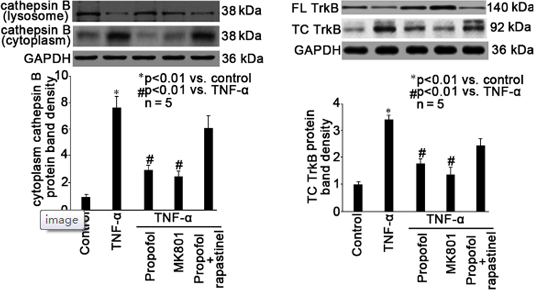
Calpain-2 plays a pivotal role in the inhibitory effects of propofol against TNF-α-induced autophagy in mouse hippocampal neurons. [Abstract]2020 Aug;24(16):9287-9299. PMID: 32627970
Rapastinel purchased from MedChemExpress. Usage Cited in: J Cell Mol Med. 2020 Aug;24(16):9287-9299. [Abstract]
Neurons are pre-treated with 25 μM propofol plus 20 μM Rapastinel, followed by TNF-α treatment (40 ng/mL, 2 h). The effect of propofol on TNF-α- induced intracellular calcium accumulation, phosphorylation of CaMK II and calpain-2, calpain activation, cathepsin B release and TrkB truncation is counteracted by Rapastinel.


Solvant et solubilité
In Vitro:
DMSO : ≥ 32 mg/mL (77.39 mM; Hygroscopic DMSO has a significant impact on the solubility of product, please use newly opened DMSO)
* "≥" means soluble, but saturation unknown.
Please refer to the solubility information to select the appropriate solvent. Once prepared, please aliquot and store the solution to prevent product inactivation from repeated freeze-thaw cycles.
Storage method and period of stock solution: -80°C, 6 months; -20°C, 1 month. When stored at -80°C, please use it within 6 months. When stored at -20°C, please use it within 1 month.
Please refer to the solubility information to select the appropriate solvent. Once prepared, please aliquot and store the solution to prevent product inactivation from repeated freeze-thaw cycles.
Storage method and period of stock solution: -80°C, 6 months; -20°C, 1 month. When stored at -80°C, please use it within 6 months. When stored at -20°C, please use it within 1 month.
Concentration (start) × Volume (start) = Concentration (final) × Volume (final)

Protocole
-
RNA extraction experimental
By lysing cells, releasing RNA, and removing impurities such as proteins and DNA, high-purity RNA products are finally obtained. The commonly used traditional method is the guanidine isothiocyanate/phenol/chloroform method (Trizol), which is suitable for a variety of animal materials including animal tissues, microorganisms, cultured cells, etc., and most plant materials.
-
Liver Cancer Modeling
Liver cancer can be classified into primary liver cancer and secondary liver cancer. Secondary liver cancer is the metastatic liver cancer. Primary liver cancer includes hepatocellular carcinoma (HCC), intrahepatic cholangiocarcinoma (ICC) and fibrolamellar HCC, of which HCC is the most common form, accounting for approximately 90% of primary liver cancers[1]. HCC mouse models include chemical agent-induced models, transplanted tumor models, and genetic engineered models.


Pureté et documentation
-
Fiche technique (293 KB)
-
SDS (396 KB)
- English - EN (396 KB)
- Français - FR (396 KB)
- Deutsch - DE (396 KB)
- Norwegian - NO (396 KB)
- Español - ES (396 KB)
- Swedish - SV (396 KB)
- Italian - IT (396 KB)
- Korean - KR (396 KB)
- Portuguese - PT (396 KB)
-
Instruction de manipulation (2659 KB)
Références
[1]. Shen M, et al. ERK/mTOR signaling may underlying the antidepressant actions of rapastinel in mice. Transl Psychiatry. 2022;12(1):522. Published 2022 Dec 22. [Content Brief]
[2]. Qi J, et al. Propofol attenuates the adhesion of tumor and endothelial cells through inhibiting glycolysis in human umbilical vein endothelial cells. Acta Biochim Biophys Sin (Shanghai). 2019;51(11):1114-1122. [Content Brief]
[3]. Burgdorf J, et al. The long-lasting antidepressant effects of rapastinel (GLYX-13) are associated with a metaplasticity process in the medial prefrontal cortex and hippocampus. Neuroscience. 2015;308:202-211. [Content Brief]
[4]. Rajagopal L, et al. Repeated administration of rapastinel produces exceptionally prolonged rescue of memory deficits in phencyclidine-treated mice. Behav Brain Res. 2022;432:113964. [Content Brief]
[5]. Donello JE, et al. Positive N-Methyl-D-Aspartate Receptor Modulation by Rapastinel Promotes Rapid and Sustained Antidepressant-Like Effects. Int J Neuropsychopharmacol. 2019;22(3):247-259. [Content Brief]


Complete Stock Solution Preparation Table
Please refer to the solubility information to select the appropriate solvent. Once prepared, please aliquot and store the solution to prevent product inactivation from repeated freeze-thaw cycles.
Storage method and period of stock solution: -80°C, 6 months; -20°C, 1 month. When stored at -80°C, please use it within 6 months. When stored at -20°C, please use it within 1 month.
| Optional Solvent | Concentration Solvent Mass | 1 mg | 5 mg | 10 mg | 25 mg |
|---|---|---|---|---|---|
| DMSO | 1 mM | 2.4186 mL | 12.0928 mL | 24.1856 mL | 60.4639 mL |
| 5 mM | 0.4837 mL | 2.4186 mL | 4.8371 mL | 12.0928 mL | |
| 10 mM | 0.2419 mL | 1.2093 mL | 2.4186 mL | 6.0464 mL | |
| 15 mM | 0.1612 mL | 0.8062 mL | 1.6124 mL | 4.0309 mL | |
| 20 mM | 0.1209 mL | 0.6046 mL | 1.2093 mL | 3.0232 mL | |
| 25 mM | 0.0967 mL | 0.4837 mL | 0.9674 mL | 2.4186 mL | |
| 30 mM | 0.0806 mL | 0.4031 mL | 0.8062 mL | 2.0155 mL | |
| 40 mM | 0.0605 mL | 0.3023 mL | 0.6046 mL | 1.5116 mL | |
| 50 mM | 0.0484 mL | 0.2419 mL | 0.4837 mL | 1.2093 mL | |
| 60 mM | 0.0403 mL | 0.2015 mL | 0.4031 mL | 1.0077 mL |


Rapastinel Related Classifications
HY-16728 Related Classifications
 Powered by Bioz