



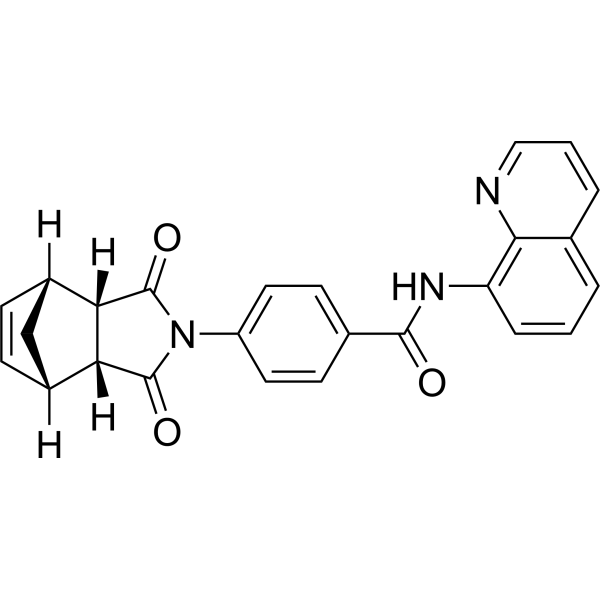
IWR-1
Based on 72 publication(s) in Google Scholar
IWR-1 (IWR-1-endo) is a tankyrase inhibitor targeting Wnt/β-catenin (IC50 = 180 nM). IWR-1 compromises critical steps of the canonical Wnt signaling, namely translocation of β-catenin to the nucleus and subsequent TCF/LEF activation and expression of Wnt/β-catenin downstream targets. IWR-1 promotes β-catenin phosphorylation by promoting stability of Axin-scaffolded destruction complexes. IWR-1 can be studied in research for anti-tumor purposes, and diseases such as osteosarcoma, colorectal cancer and psoriasis.
Nos produits utilisent uniquement pour la recherche. Nous ne vendons pas aux patients.
- Pureté : 99.60%
- CAS No.: 1127442-82-3
- Formule: C25H19N3O3
- Masse moléculaire:409.44
-
Stockage:Powder -20°C, 3 years , 4°C, 2 years ; In solvent -80°C, 2 years , -20°C, 1 year

To place orders, for customer services and technical support, please contact: MedChemExpress USA
Tel: 609-228-6898 E-mail: [email protected] [email protected]


-
 Activité biologique
-
Chemical Information
-
Solvant et solubilité
- Protocole
- Pureté et documentation
- Références
-
 Help & FAQs


-
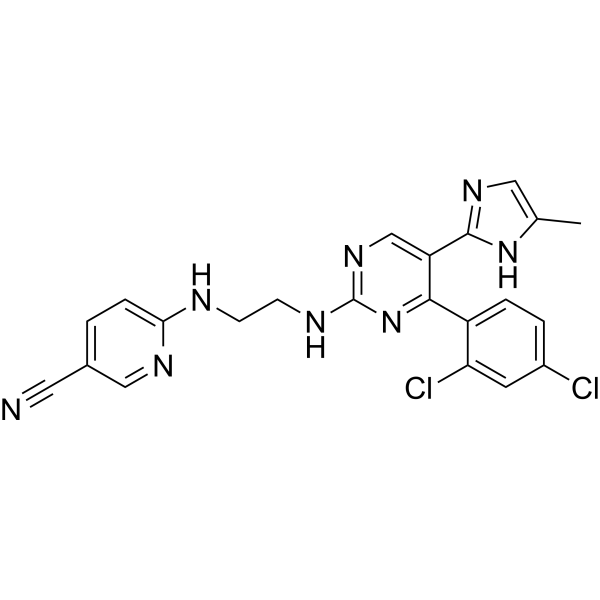
HY-10182
LaduviglusibGSK-3 Inhibitor -
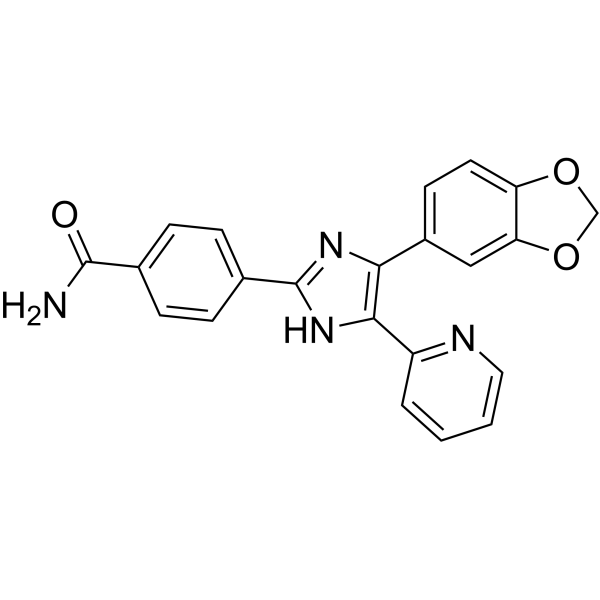
HY-10431
SB-431542TGF-β Receptor Kinase Inhibitor -
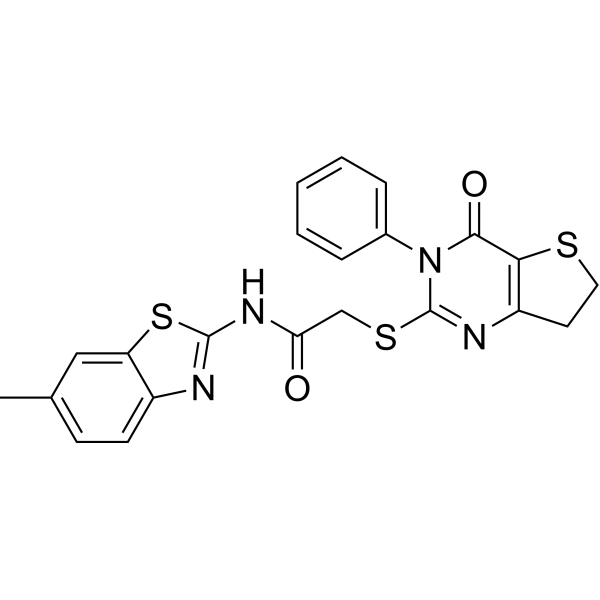
HY-13912
IWP-2Wnt Production Inhibitor -
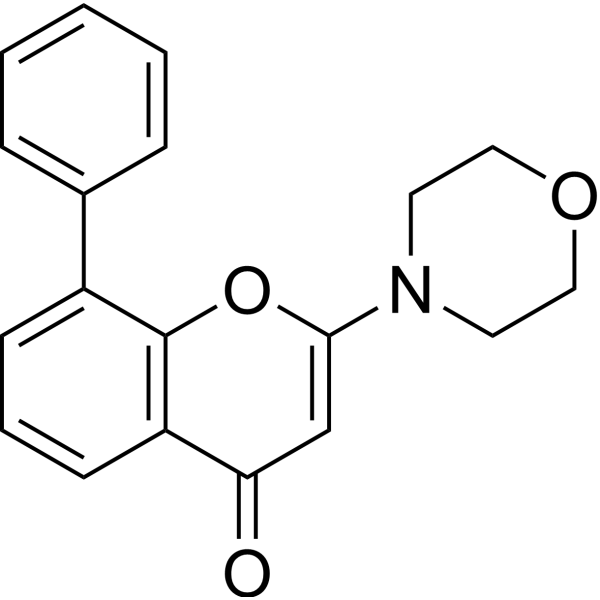
HY-10108
LY294002PI3K Inhibitor -
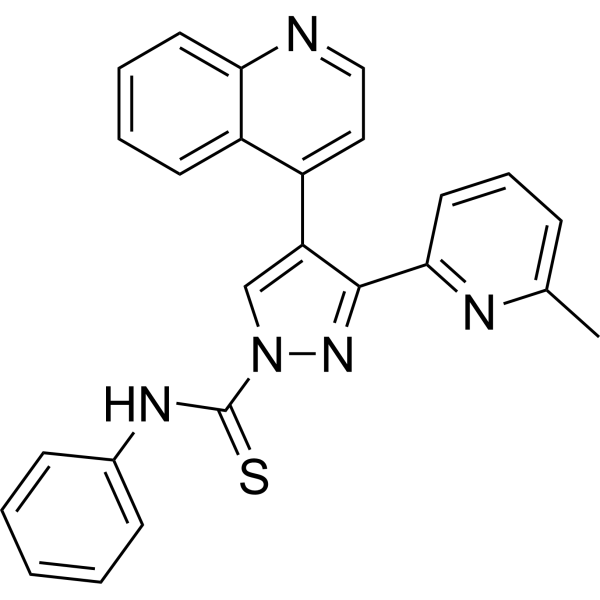
HY-10432
A 83-01ALK4/5/7 Inhibitor -
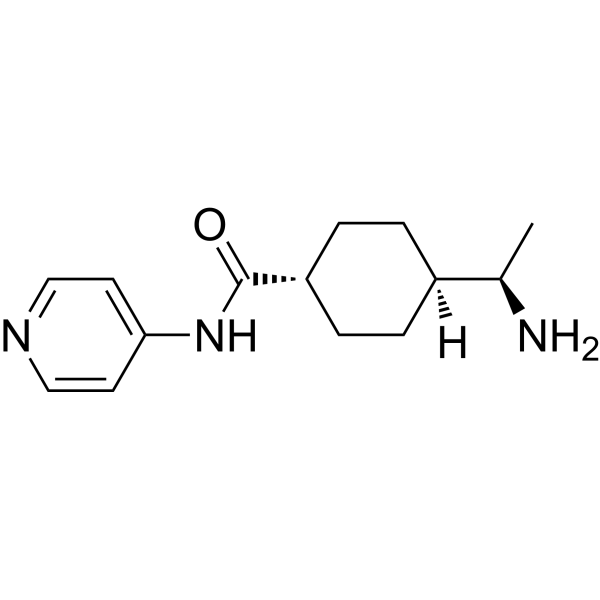
HY-10071
Y-27632ROCK Inhibitor -
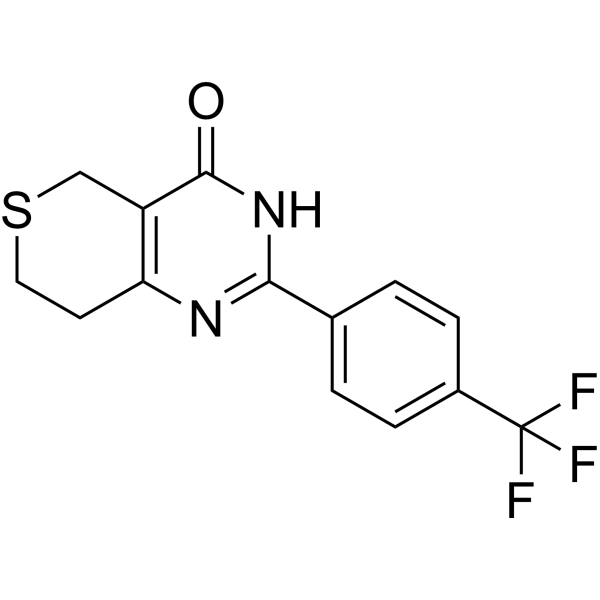
HY-15147
XAV-939Tankyrase Inhibitor -
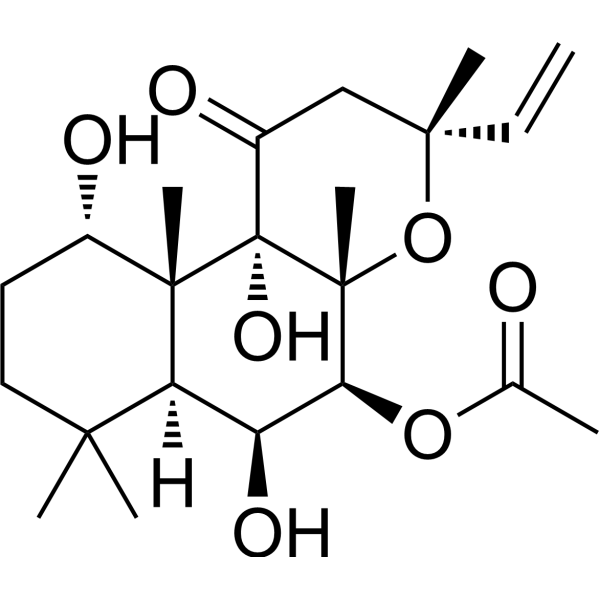
HY-15371
ForskolinAdenylate Cyclase Activator -
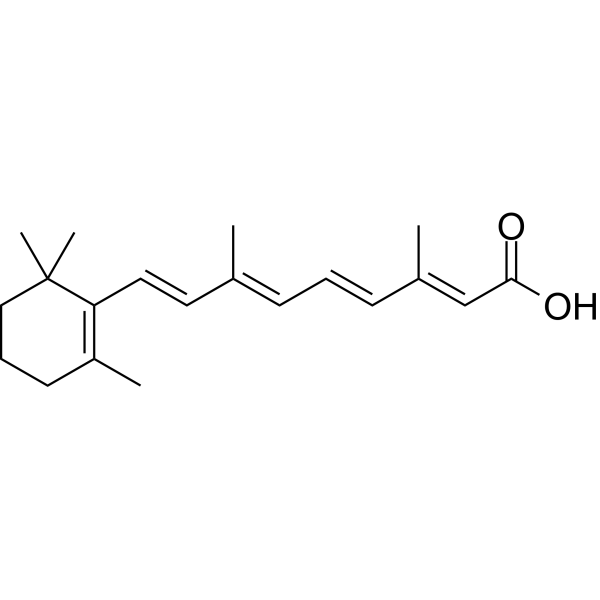
HY-14649
Retinoic acidRAR Agonist -
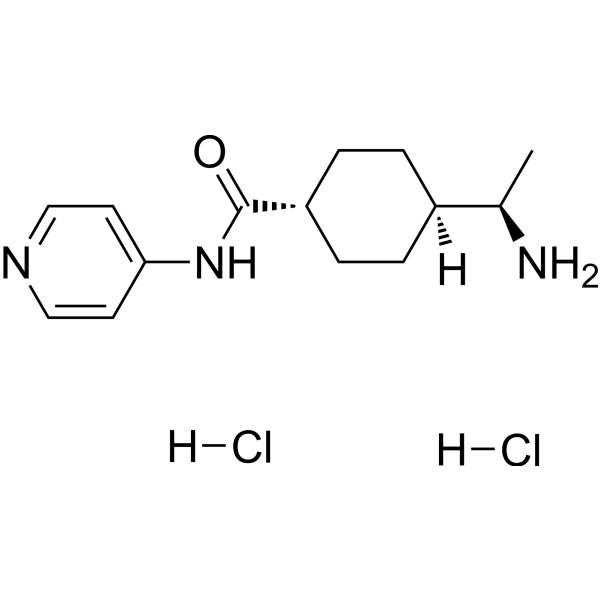
HY-10583
Y-27632 dihydrochlorideROCK Inhibitor -
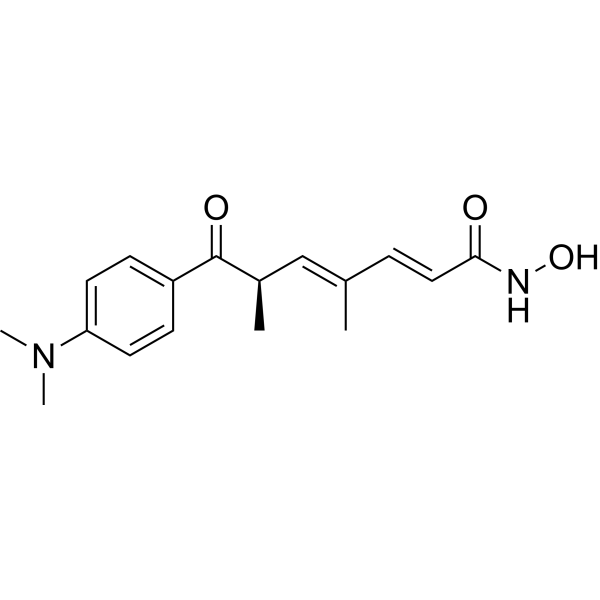
HY-15144
Trichostatin AHDAC Class I/II Inhibitor -
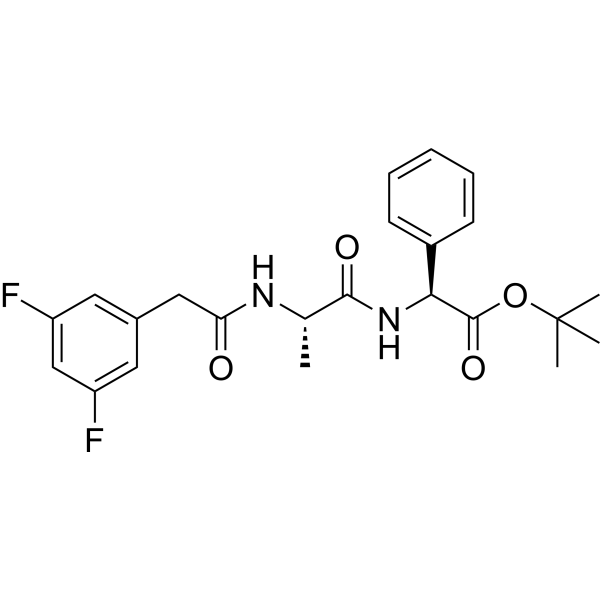
HY-13027
DAPTγ-secretase Inhibitor
Publications Citing Use of MedChemExpress (MCE) IWR-1
More- Cell Stem Cell. 2025 Oct 2;32(10):1509-1527.e9. [Abstract]
- Cell Stem Cell. 2025 Mar 6;32(3):409-425.e8. [Abstract]
- Adv Funct Mater. 2024 Apr 25;34(17):2309866. [Abstract]
- Nat Commun. 2024 May 23;15(1):4393. [Abstract]
- J Adv Res. 2025 Jul 7:S2090-1232(25)00506-5. [Abstract]
- Adv Sci (Weinh). 2026 Apr;13(23):e11606. [Abstract]
- Adv Sci (Weinh). 2025 Oct 13:e01250. [Abstract]
- Adv Sci (Weinh). 2025 Sep;12(33):e05340. [Abstract]
- MedComm (2020). 2025 Sep 18;6(10):e70392. [Abstract]
- Cell Rep Med. 2026 Aug 18;7(8):102963.
- Cell Death Differ. 2026 May 22. [Abstract]
- Cell Death Dis. 2025 Dec 12;16(1):887. [Abstract]
- Phytomedicine. 2025 Jul 25:143:156830. [Abstract]
- Nano Today. 21 September 2022.
- Acta Pharmacol Sin. 2025 Nov 1. [Abstract]
- J Orthop Translat. 2020 Mar 28:23:29-37. [Abstract]
- Apoptosis. 2026 Feb 2;31(2):63. [Abstract]
- Int J Biol Macromol. 2026 Jun:369:152797. [Abstract]
- J Genet Genomics. 2022 Dec;49(12):1101-1113. [Abstract]
- Stem Cell Res Ther. 2025 Nov 13;16(1):636. [Abstract]
- Aging Cell. 2024 Mar;23(3):e14072. [Abstract]
- Cancer Cell Int. 2019 Nov 27:19:314. [Abstract]
- JCI Insight. 2024 Dec 5;10(2):e181857. [Abstract]
- J Agric Food Chem. 2022 Nov 2;70(43):13882-13892. [Abstract]
- Biochem Pharmacol. 2023 Nov:217:115829. [Abstract]
- Cell Biosci. 2019 Jun 14:9:48. [Abstract]
- Life Sci. 2025 Jul 15:373:123664. [Abstract]
- J Cell Biol. 2026 Jun 1;225(6):e202504054. [Abstract]
- Commun Biol. 2026 Apr 9;9(1):780. [Abstract]
- Int Immunopharmacol. 2024 Dec 25;143(Pt 1):113299. [Abstract]
- Neurochem Int. 2026 Sep:198:106207. [Abstract]
- Mol Neurobiol. 2024 Apr;61(4):1936-1952. [Abstract]
- Neurochem Int. 2022 Oct:159:105389. [Abstract]
- Chem Biol Interact. 2025 Apr 25:411:111421. [Abstract]
- Toxicology. 2024 Mar:503:153735. [Abstract]
- Cell Signal. 2022 May:93:110299. [Abstract]
- Oncol Rep. 2018 Aug;40(2):877-886. [Abstract]
- iScience. 2019 Sep 27:19:1248-1259. [Abstract]
- Biology (Basel). 2026 Aug 5;15(15):1302.
- FASEB J. 2022 May;36(5):e22316. [Abstract]
- FEBS J. 2026 Sep 30.
- Development. 2026 Sep 17:dev.205876.
- Bone. 2025 Jan:190:117331. [Abstract]
- J Cell Sci. 2024 May 1;137(9):jcs261241. [Abstract]
- Aquacul Rep. 2021, 100774.
- Ren Fail. 2019 Nov;41(1):159-166. [Abstract]
- Stem Cells Int. 2024 Nov 26:2024:4397807. [Abstract]
- Exp Cell Res. 2022 Nov 11;422(1):113416. [Abstract]
- Cell Biol Int. 2017 May;41(5):534-543. [Abstract]
- Animals (Basel). 2024 May 4;14(9):1382. [Abstract]
- Mol Biotechnol. 2024 Feb;66(2):208-221. [Abstract]
- Exp Eye Res. 2025 Aug:257:110440. [Abstract]
- Tissue Cell. 2024 Dec:91:102587. [Abstract]
- Hum Mol Genet. 2024 Nov 5;33(21):1890-1899. [Abstract]
- Theriogenology. 2022 Nov:193:68-76. [Abstract]
- Anim Reprod Sci. 2026 Feb:285:108070. [Abstract]
- Biochem Biophys Res Commun. 2024 Sep 17:725:150255. [Abstract]
- Cytotechnology. 2021 Apr;73(2):203-215. [Abstract]
- Res Sq. 2026 Sep 17.
- Cell Press Blue. 2026 Apr 22.
- Sci Total Environ. 2026 Jan 15:1012:181191. [Abstract]
- Biomed Pharmacother. 2026 Feb:195:119050. [Abstract]
- Seoul National University. 2029.
- SSRN. 2025 Sep 30.
- SSRN. 2024 Apr 30.
- Chemosphere. 2023 Dec:344:140283. [Abstract]
- Research Square Print. September 27th, 2022.
- Sci Total Environ. 2022 Feb 25;809:152102. [Abstract]
- Ann Transl Med. 2022 Jan;10(2):55. [Abstract]
- Oxid Med Cell Longev. 2021 Aug 14:2021:8889408. [Abstract]
- Research Square Preprint. 2021 Jun.
- Curr Protoc Cell Biol. 2018 Dec;81(1):e62. [Abstract]
 Customer Validation & Images

-
RT-PCR
-
RT-PCR
-
2D/3D Cell Culture and Differentiation
-
WB
-
IF


Activité biologique
Description
IC50 & Target
IC50: 180 nM (Wnt)
Cellular Effect
|
Cell Line

|
Type | Value | Description | References |
|---|---|---|---|---|
| A549 | GI50 |
>100 μM
Compound: IWR1
|
Antiproliferative activity against human A549 cells after 72 hrs by MTT assay
Antiproliferative activity against human A549 cells after 72 hrs by MTT assay
|
[PMID: 24950489] |
| HEK293 | IC50 |
136 μM
Compound: 1, IWR1
|
Inhibition of Tankyrase in human HEK293 cells assessed as inhibition of Wnt pathway by Wnt3a-induced STF assay
Inhibition of Tankyrase in human HEK293 cells assessed as inhibition of Wnt pathway by Wnt3a-induced STF assay
|
[PMID: 23316926] |
| HEK-293T | IC50 |
26 nM
Compound: 1, IWR-1
|
Inhibition of beta-casein-dependent canonical Wnt3 pathway in human HEK293T cells by luciferase reporter gene assay
Inhibition of beta-casein-dependent canonical Wnt3 pathway in human HEK293T cells by luciferase reporter gene assay
|
[PMID: 22191557] |
| HepG2 | GI50 |
95.4 μM
Compound: IWR1
|
Antiproliferative activity against human HepG2 cells after 72 hrs by MTT assay
Antiproliferative activity against human HepG2 cells after 72 hrs by MTT assay
|
[PMID: 24950489] |
| HT-29 | GI50 |
>100 μM
Compound: IWR1
|
Antiproliferative activity against human HT-29 cells after 72 hrs by MTT assay
Antiproliferative activity against human HT-29 cells after 72 hrs by MTT assay
|
[PMID: 24950489] |
| HT-29 | IC50 |
24.4 μM
Compound: IWR1
|
Inhibition of Wnt signaling in human HT29 cells assessed as inhibition of beta-catenin-mediated Tcf/Lef transcriptional activity after 24 hrs by dual luciferase reporter gene assay relative to control
Inhibition of Wnt signaling in human HT29 cells assessed as inhibition of beta-catenin-mediated Tcf/Lef transcriptional activity after 24 hrs by dual luciferase reporter gene assay relative to control
|
[PMID: 24950489] |
| HT-29 | IC50 |
9.52 μM
Compound: IWR-1
|
Cytotoxicity against human HT-29 cells assessed as cell viability at 1.563 to 50 uM measured after 72 hrs by plate reader method
Cytotoxicity against human HT-29 cells assessed as cell viability at 1.563 to 50 uM measured after 72 hrs by plate reader method
|
[PMID: 34062253] |
| LoVo | GI50 |
63.1 μM
Compound: IWR1
|
Antiproliferative activity against human LoVo cells after 72 hrs by MTT assay
Antiproliferative activity against human LoVo cells after 72 hrs by MTT assay
|
[PMID: 24950489] |
| SW480 | EC50 |
2.5 μM
Compound: 1, IWR1
|
Inhibition of tankyrase in human SW480 cells assessed as accumulation of axin2 after 24 hrs by Hoechst dye-based method
Inhibition of tankyrase in human SW480 cells assessed as accumulation of axin2 after 24 hrs by Hoechst dye-based method
|
[PMID: 23701517] |
| SW480 | IC50 |
0.25 μM
Compound: 1, IWR1
|
Inhibition of tankyrase in human SW480 cells assessed as degradation of beta catenin after 40 to 48 hrs
Inhibition of tankyrase in human SW480 cells assessed as degradation of beta catenin after 40 to 48 hrs
|
[PMID: 23701517] |
In Vitro
IWR-1 is cytotoxic for osteosarcoma cancer stem-like cells (CSCs)[1].
IWR-1 suppresses cell migration, invasion, and matrix metalloproteinase activities of colorectal cancer cell lines[2].
IWR-1 (2.5-10 μM, 48-96 h) is effective in reducing spheres’ viability in a concentration- and time- dependent manner in parental and spheres from MG-63 and MNNG-HOS cell lines[1].
IWR-1 (10 μM, 96 h) increases the number of TUNEL-positive cells, reaching 4.65- and 15.83-fold differences relative to control at 96 h and promoted the activation of caspases 3/7 reaching 2.15- and 1.27-fold in MG-63 and MNNG-HOS spheres[1].
IWR-1 (10 μM, 48 h) induces a cell cycle arrest in the G2/M phase in spheres derived from MG-63 and MNNG-HOS cell lines and increases the percentage of cells in the S phase slightly[1].
IWR-1 (10 μM, 48 h) inhibits secondary sphere-forming efficacy by approximately 53% and 55% of the first-generation 7-day old spheres in MG-6t4 and MNNG-HOS cells[1].
IWR-1 (5-50 μM, 24-48 h) decreases the proliferation of HCT116 cells in a dose- and time-dependent manner[2].
IWR-1 (5-50 μM, 24-48 h) inhibits TNF-α-stimulated migration in HCT116 and HT29 cells[2].
MedChemExpress (MCE) has not independently confirmed the accuracy of these methods. They are for reference only.
-
Cell Line:MG-63 and MNNG-HOS spheres and parent cells
-
Concentration:10 μM
-
Incubation Time:96 h
-
Result:Led to an upregulation of Bak and a downregulation of Bcl-2 (key proteins involved in mitochondrial-dependent apoptosis), which contributes to a Bak/Bcl-2 ratio >1 that prone the cells to undergo apoptosis.
Resulted in a higher β-catenin nuclear/cytoplasmic ratio in spheres, indicating an increased Wnt/β-catenin pathway activation in osteosarcoma spheres.
Stabilized Axin2 protein levels.
Diminished the protein expression levels of Cyclin D1 in both parental cells and spheres.
-
Cell Line:MG-63 and MNNG-HOS spheres and parent cells
-
Concentration:10 μM
-
Incubation Time:96 h
-
Result:Led to an upregulation of Bak and a downregulation of Bcl-2 (key proteins involved in mitochondrial-dependent apoptosis), which contributes to a Bak/Bcl-2 ratio >1 that prone the cells to undergo apoptosis.
Results in a higher β-catenin nuclear/cytoplasmic ratio in spheres, indicating an increased Wnt/β-catenin pathway activation in osteosarcoma spheres.
Stabilized Axin2 protein levels.
Diminished the protein expression levels of Cyclin D1 in both parental cells and spheres.
-
Cell Line:MG-63 and MNNG-HOS spheres and parent cells
-
Concentration:2.5, 5, 7.5, 10 μM
-
Incubation Time:48 and 96 h
-
Result:Reduced cell viability when concentration is higher than 5 μM.
Elicited more than 70% reduction of cell viability in spheres derived from the two cell lines at 96 h with 10 μM.
Had minimal effect on parental cells since the Wnt/β-catenin signaling is absent in these cells.
Increased the susceptibility of spheres towards Doxorubicin (HY-15142) when treated in combination with increasing concentrations of Doxorubicin (0.01-100 μM).
-
Cell Line:HCT116 cells
-
Concentration:5, 10, 20, 50 μM
-
Incubation Time:0, 4, 8, 24, 48 h
-
Result:Increased the levels of the epithelial marker E-cadherin whilst decreased the mesenchymal markers N-cadherin, Vimentin, and Snail dose- and time-dependently.
Inhibited the EMT process in HCT116 cells effectively.
Decreased β-catenin expression and inhibited the EMT-like expressional changes whereby decreasing N-cadherin and Snail and increasing E-cadherin expressions, even in the presence of TNF-α (HY-P1860) (10 ng/mL for 24 h)-induced EMT stimulation.
Decreased the phosphorylation of Akt in a concentration- and time-dependent manner.
Decreased the surviving expression in a concentration- and time-dependent manner, thereby promoting tumor proliferation directly or indirectly through regulating cancer cell homeostasis.
Reduced MMP activities only when surviving was suppressed.
-
Cell Line:HCT116 cells
-
Concentration:5, 10, 20, 50 μM
-
Incubation Time:0, 4, 8, 24, 48 h
-
Result:Inhibited EMT in the mRNA levels under the TNF-α-induced EMT stimulation.
In Vivo
IWR-1 (10 mg/kg, s.c., on days 1, 3, 5) ameliorates IL-36γ (2 μg/mouse on days 1, 3, 5)-mediated exacerbation of psoriatic skin lesions in an Imiquimod (IMQ) (HY-B0180)-induced psoriasis-like mice model[3].
MedChemExpress (MCE) has not independently confirmed the accuracy of these methods. They are for reference only.
-
Animal Model:Immunocompromised nude mice (6-week old female Swiss nude) were injected sub-cutaneously the pGL4-transfected MNNG-HOS cells (2×10⁶ cells/100 mL PBS)[1]
-
Dosage:5 mg/kg
-
Administration:Intratumorally, each 2 d for 12 d
-
Result:Resulted in slower tumor growth rate and reduction in tumor size by 73% and 71% in comparison to control and to Doxorubicin-treated (8 mg/kg, i.p., each 4 d for 12 d) groups.
Enhanced the therapeutic efficacy of Doxorubicin shown by a greater reduction of tumor burden at the end of the treatment in opposite to Doxorubicin alone.
-
Animal Model:Balb/c mice (aged 6-8 weeks) with shaven back and treated with a daily topical dose of IMQ cream[3]
-
Dosage:10 mg/kg
-
Administration:Subcutaneous injection (s.c.) on days 1, 3, 5
-
Result:Increased epidermal thickening with keratinocyte thickness.
Significantly diminished the effect of IMQ on hyperplasia in the IMQ+IWR-1 group.
Ameliorated the pathological changes in IL-36γ-induced psoriasiform skin lesion.
Reversed IL-36γ-mediated upregulation of inflammatory factors (IL-17 A and IFN-γ) in psoriatic lesions.
Reversed IL-36γ-mediated upregulation of β-catenin and DKK1 expression.


Chemical Information
-
CAS No. 1127442-82-3
-
Appearance Solid
-
Masse moléculaire 409.44
-
Formule C25H19N3O3
-
Color Off-white to yellow
-
SMILES
O=C(NC1=C2N=CC=CC2=CC=C1)C3=CC=C(N(C([C@]4([H])[C@](C5)([H])C=C[C@]5([H])[C@]64[H])=O)C6=O)C=C3
-
Synonyms
endo-IWR 1; IWR-1-endo
-
Livraison
Room temperature in continental US; may vary elsewhere.
-
Stockage
Powder -20°C 3 years 4°C 2 years In solvent -80°C 2 years -20°C 1 year


Publications (72)
-
Journal Impact Factor
-
Most Recent
-
Cell Stem Cell
An inducible model of human post-implantation development derived from primed and naive stem cells. [Abstract]2025 Oct 2;32(10):1509-1527.e9. PMID: 40885193 -
Cell Stem Cell
Modeling early gastrulation in human blastoids with DNA methylation patterns of natural blastocysts. [Abstract]2025 Mar 6;32(3):409-425.e8. PMID: 39814012 -
Adv Funct Mater
Metabolically Glycoengineered Neural Stem Cells Boost Neural Repair After Cardiac Arrest. [Abstract]2024 Apr 25;34(17):2309866. PMID: 39071865 -
Nat Commun
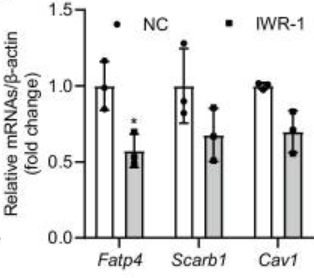
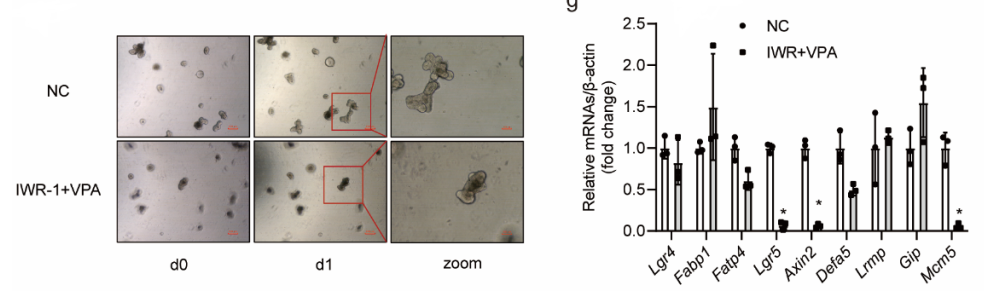
Reduction of specific enterocytes from loss of intestinal LGR4 improves lipid metabolism in mice. [Abstract]2024 May 23;15(1):4393. PMID: 38782937
IWR-1 purchased from MedChemExpress. Usage Cited in: Nat Commun. 2024 May 23;15(1):4393. [Abstract]
mRNA levels of lipid absorption markers of MODE-K cells treated with the Wnt inhibitor IWR-1 (10 μM).
IWR-1 purchased from MedChemExpress. Usage Cited in: Nat Commun. 2024 May 23;15(1):4393. [Abstract]
Organoids derived from WT mice were incubated with 10 μM IWR-1 and 4 mM VPA or DMSO as a negative control for 1 day, n=3.
-
J Adv Res
Tankyrase activity is essential for asymmetric division and chromosome segregation in oocyte meiosis. [Abstract]2025 Jul 7:S2090-1232(25)00506-5. PMID: 40633837 -
Adv Sci (Weinh)
PDZK1-ULK1 Axis Triggers Lipophagy to Inhibit Tumor Progression and Sunitinib Resistance in Clear Cell Renal Cell Carcinoma. [Abstract]2026 Apr;13(23):e11606. PMID: 41698049 -
Adv Sci (Weinh)
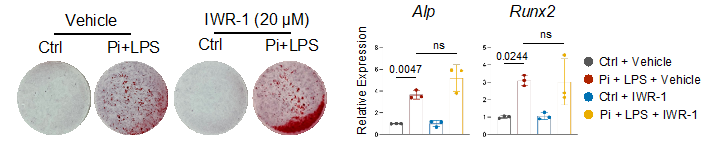
The Pathogenic Roles of Local Vitamin D Metabolism Defect in Valve Inflammation and Calcification. [Abstract]2025 Oct 13:e01250. PMID: 41082345
IWR-1 purchased from MedChemExpress. Usage Cited in: Adv Sci (Weinh). 2025 Oct 13:e01250. [Abstract]
Blockade of β-catenin activation with IWR-1 (20 μM; preincubated FOR 2 h) did not affect Pi-induced VIC osteogenic differentiation, which was verified by staining for Alizarin red (E) and qPCR analysis of osteoblast-specific genes.
-
Adv Sci (Weinh)
Large-Scale Bioprinting of Human Epiblast-Like Models Featuring Disc-Shaped Morphogenesis and Gastrulation Events. [Abstract]2025 Sep;12(33):e05340. PMID: 40470686 -
MedComm (2020)
Gene Therapy Targeting Pkp2 Deficiency Attenuates Cardiac Fibrosis: Insights From Single-Cell Transcriptomics in Pkp2-Knockout Rats. [Abstract]2025 Sep 18;6(10):e70392. PMID: 40979216 -
-
Cell Death Differ
The E3 ubiquitin ligase Itch plays an essential role in kidney fibrosis by inhibiting Dvl2/GSK3β/β-catenin signaling pathway. [Abstract]2026 May 22. PMID: 42168361 -
Cell Death Dis
2025 Dec 12;16(1):887. PMID: 41387479 -
Phytomedicine
18β-Glycyrrhetinic acid from Glycyrrhiza Uralensis protects colonic epithelium in ulcerative colitis by activating Wnt/β-catenin pathway to restore tight junction. [Abstract]2025 Jul 25:143:156830. PMID: 40450977 -
-
Acta Pharmacol Sin
Galangin 3-methyl ether alleviates mouse hypertrophic cardiomyopathy via targeting HDAC2 and subsequently inactivating the PI3K-AKT signaling pathway. [Abstract]2025 Nov 1. PMID: 41176539 -
J Orthop Translat
Wnt10b-overexpressing umbilical cord mesenchymal stem cells promote critical size rat calvarial defect healing by enhanced osteogenesis and VEGF-mediated angiogenesis. [Abstract]2020 Mar 28:23:29-37. PMID: 32477867 -
Apoptosis
SEMA3E promotes beige adipocyte differentiation and thermogenesis via β-catenin signaling in mice. [Abstract]2026 Feb 2;31(2):63. PMID: 41627586 -
Int J Biol Macromol
SUMO-specific protease 2 governs cardiac function through the regulation of β-catenin SUMOylation. [Abstract]2026 Jun:369:152797. PMID: 42219101 -
J Genet Genomics
Cdx1b protects intestinal cell fate by repressing signaling networks for liver specification. [Abstract]2022 Dec;49(12):1101-1113. PMID: 36460297 -
Stem Cell Res Ther
Beclin1 deficiency unlocks cardiac lineage commitment through convergent Wnt and BMP signaling activation. [Abstract]2025 Nov 13;16(1):636. PMID: 41233909 -
Aging Cell
Lipoteichoic acid restrains macrophage senescence via β-catenin/FOXO1/REDD1 pathway in age-related osteoporosis. [Abstract]2024 Mar;23(3):e14072. PMID: 38126583 -
Cancer Cell Int
Silencing expression of PHF14 in glioblastoma promotes apoptosis, mitigates proliferation and invasiveness via Wnt signal pathway. [Abstract]2019 Nov 27:19:314. PMID: 31798343 -
JCI Insight
WNT signaling contributes to the extrahepatic bile duct proliferative response to obstruction in mice. [Abstract]2024 Dec 5;10(2):e181857. PMID: 39636699 -
J Agric Food Chem
α-Ketoglutarate Restores Intestinal Barrier Function through Promoting Intestinal Stem Cells-Mediated Epithelial Regeneration in Colitis. [Abstract]2022 Nov 2;70(43):13882-13892. PMID: 36269035 -
Biochem Pharmacol
Extracellular vesicles from bone marrow mesenchymal stem cells alleviate osteoporosis in mice through USP7-mediated YAP1 protein stability and the Wnt/β-catenin pathway. [Abstract]2023 Nov:217:115829. PMID: 37748664 -
Cell Biosci
Label-free quantitative proteomics identifies transforming growth factor β1 (TGF-β1) as an inhibitor of adipogenic transformation in OP9-DL1 cells and primary thymic stromal cells. [Abstract]2019 Jun 14:9:48. PMID: 31249661 -
Life Sci
Bexarotene regulates zebrafish embryonic development by activating Wnt signaling pathway. [Abstract]2025 Jul 15:373:123664. PMID: 40288573 -
J Cell Biol
Bistable Otx2-Id1 circuitry governs a developmental transition state in the pluripotency continuum. [Abstract]2026 Jun 1;225(6):e202504054. PMID: 41995726 -
Commun Biol
Enhancing reprogramming towards induced human expanded pluripotency through substitution of SOX2 with engineered SOX17 transcription factors. [Abstract]2026 Apr 9;9(1):780. PMID: 41957290 -
Int Immunopharmacol
Curcumin activates the Wnt/β-catenin signaling pathway to alleviate hippocampal neurogenesis abnormalities caused by intermittent hypoxia: A study based on network pharmacology and experimental verification. [Abstract]2024 Dec 25;143(Pt 1):113299. PMID: 39362017 -
Neurochem Int
Cordycepin alleviates aluminium chloride-induced neurodevelopmental toxicity in zebrafish embryos by modulating inflammation and Wnt signaling. [Abstract]2026 Sep:198:106207. PMID: 42314834 -
Mol Neurobiol
Teriflunomide Promotes Blood-Brain Barrier Integrity by Upregulating Claudin-1 via the Wnt/β-catenin Signaling Pathway in Multiple Sclerosis. [Abstract]2024 Apr;61(4):1936-1952. PMID: 37819429 -
Neurochem Int
Inhibition of Wnt/β-catenin signaling attenuates axonal degeneration in models of Parkinson's disease. [Abstract]2022 Oct:159:105389. PMID: 35809720 -
Chem Biol Interact
Modeling diabetic cardiomyopathy using human cardiac organoids: Effects of high glucose and lipid conditions. [Abstract]2025 Apr 25:411:111421. PMID: 39984109 -
Toxicology
Dimethyl fumarate induces cardiac developmental toxicity in zebrafish via down-regulation of oxidative stress. [Abstract]2024 Mar:503:153735. PMID: 38272385 -
Cell Signal
2022 May:93:110299. PMID: 35263629 -
Oncol Rep
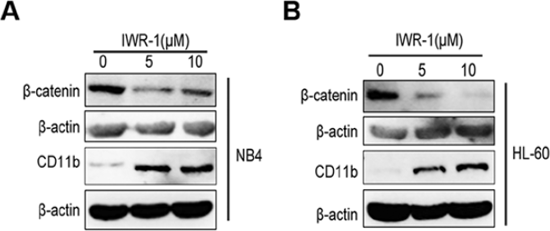
Salinomycin induces apoptosis and differentiation in human acute promyelocytic leukemia cells. [Abstract]2018 Aug;40(2):877-886. PMID: 29989650
IWR-1 purchased from MedChemExpress. Usage Cited in: Oncol Rep. 2018 Aug;40(2):877-886. [Abstract]
IWR-1 induces cell differentiation. (A) NB4 and (B) HL-60 cells are treated with 0 (DMSO), 5 and 10 μM IWR-1 for three days, and the expression of β-catenin and differentiation marker CD11b is assessed by western blotting.
-
iScience
2019 Sep 27:19:1248-1259. PMID: 31353167 -
-
FASEB J
Serpina3c deficiency induced necroptosis promotes non-alcoholic fatty liver disease through β-catenin/Foxo1/TLR4 signaling. [Abstract]2022 May;36(5):e22316. PMID: 35429042 -
-
-
Bone
Macrophage migration inhibitory factor promotes heterotopic ossification by mediating ROS/HIF-1α positive feedback loop and activating Wnt/β-catenin signaling pathway. [Abstract]2025 Jan:190:117331. PMID: 39549900 -
J Cell Sci
Tbl1 promotes Wnt/β-catenin signaling-induced degradation of the Tcf7l1 protein in mouse ESCs. [Abstract]2024 May 1;137(9):jcs261241. PMID: 38639717 -
-
Ren Fail
Intermedin protects HUVECs from ischemia reperfusion injury via Wnt/β-catenin signaling pathway. [Abstract]2019 Nov;41(1):159-166. PMID: 30931679 -
Stem Cells Int
Long Noncoding RNA EMX2-AS Facilitates Osteoblast Differentiation and Bone Formation by Inhibiting EMX2 Protein Translation and Activating Wnt/ β-Catenin Pathway. [Abstract]2024 Nov 26:2024:4397807. PMID: 39628661 -
Exp Cell Res
Up-regulation of Dsg2 confered stem cells with malignancy through wnt/β-catenin signaling pathway. [Abstract]2022 Nov 11;422(1):113416. PMID: 36375513 -
Cell Biol Int
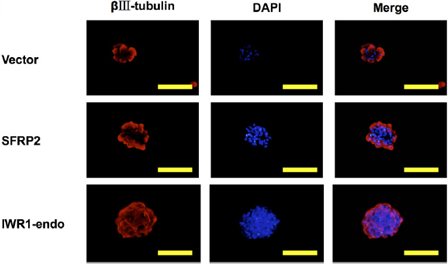
SFRP2 enhanced the adipogenic and neuronal differentiation potentials of stem cells from apical papilla. [Abstract]2017 May;41(5):534-543. PMID: 28244619
IWR-1 purchased from MedChemExpress. Usage Cited in: Cell Biol Int. 2017 May;41(5):534-543. [Abstract]
SCAPs are cultured with modified neural differentiation medium for the indicated time periods. The neuron-like cells in control group, SFRP2 over-expressed group and 10 uM IWR1-endo treated group are positive for βIII-tubulin (red) expression by using immunofluorescence staining.
-
Animals (Basel)
The Effect of Inhibiting the Wingless/Integrated (WNT) Signaling Pathway on the Early Embryonic Disc Cell Culture in Chickens. [Abstract]2024 May 4;14(9):1382. PMID: 38731386 -
Mol Biotechnol
Inhibition of the Tumor Suppressor Gene SPINK5 via EHMT2 Induces the Oral Squamous Cell Carcinoma Development. [Abstract]2024 Feb;66(2):208-221. PMID: 37071303 -
Exp Eye Res
The effects of pigment epithelium-derived factor and associated peptides on the differentiation of retinal ganglion cells from human-induced pluripotent stem cells. [Abstract]2025 Aug:257:110440. PMID: 40409357 -
Tissue Cell
Curcumin triggers the Wnt/β-catenin pathway and shields neurons from injury caused by intermittent hypoxia. [Abstract]2024 Dec:91:102587. PMID: 39454474 -
Hum Mol Genet
TRIM25 activates Wnt/β-catenin signalling by destabilising MAT2A mRNA to drive thoracic aortic aneurysm development. [Abstract]2024 Nov 5;33(21):1890-1899. PMID: 39216871 -
Theriogenology
Effect of VD3 on cell proliferation and the Wnt signaling pathway in bovine endometrial epithelial cells treated with lipopolysaccharide. [Abstract]2022 Nov:193:68-76. PMID: 36156426 -
Anim Reprod Sci
Pharmacological activation of Wnt/β-catenin signaling is essential for oocyte developmental competence and enhances in vitro embryo production in water buffalo. [Abstract]2026 Feb:285:108070. PMID: 41365046 -
Biochem Biophys Res Commun
3D layered co-culture model enhances Trastuzumab Deruxtecan sensitivity and reveals the combined effect with G007-LK in HER2-positive non-small cell lung cancer. [Abstract]2024 Sep 17:725:150255. PMID: 38897043 -
Cytotechnology
MicroRNA-384 inhibits nasopharyngeal carcinoma growth and metastasis via binding to Smad5 and suppressing the Wnt/β-catenin axis. [Abstract]2021 Apr;73(2):203-215. PMID: 33911345 -
-
-
Sci Total Environ
Activation of the Wnt/β-catenin pathway attenuates the acute toxic effects of copper exposure in Penaeus vannamei. [Abstract]2026 Jan 15:1012:181191. PMID: 41418521 -
Biomed Pharmacother
2026 Feb:195:119050. PMID: 41579708 -
-
-
-
Chemosphere
Benzophenone induces cardiac developmental toxicity in zebrafish embryos by upregulating Wnt signaling. [Abstract]2023 Dec:344:140283. PMID: 37775055 -
-
Sci Total Environ
Hematopoietic stem cell and immunotoxicity in zebrafish embryos induced by exposure to Metalaxyl-M. [Abstract]2022 Feb 25;809:152102. PMID: 34863748 -
Ann Transl Med
Activation of the AKT/GSK-3β/β-catenin pathway via photobiomodulation therapy promotes neural stem cell proliferation in neonatal rat models of hypoxic-ischemic brain damage. [Abstract]2022 Jan;10(2):55. PMID: 35282079 -
Oxid Med Cell Longev
Study on Protection of Human Umbilical Vein Endothelial Cells from Amiodarone-Induced Damage by Intermedin through Activation of Wnt/ β-Catenin Signaling Pathway. [Abstract]2021 Aug 14:2021:8889408. PMID: 34434487 -
-
Curr Protoc Cell Biol
2018 Dec;81(1):e62. PMID: 30239150


Solvant et solubilité
In Vitro:
DMSO : 50 mg/mL (122.12 mM; Need ultrasonic; Hygroscopic DMSO has a significant impact on the solubility of product, please use newly opened DMSO)
Please refer to the solubility information to select the appropriate solvent. Once prepared, please aliquot and store the solution to prevent product inactivation from repeated freeze-thaw cycles.
Storage method and period of stock solution: -80°C, 2 years; -20°C, 1 year. When stored at -80°C, please use it within 2 years. When stored at -20°C, please use it within 1 year.
Please refer to the solubility information to select the appropriate solvent. Once prepared, please aliquot and store the solution to prevent product inactivation from repeated freeze-thaw cycles.
Storage method and period of stock solution: -80°C, 2 years; -20°C, 1 year. When stored at -80°C, please use it within 2 years. When stored at -20°C, please use it within 1 year.
Concentration (start) × Volume (start) = Concentration (final) × Volume (final)
In Vivo:
Select the appropriate dissolution method based on your experimental animal and administration route.
- For the following dissolution methods, please ensure to first prepare a clear stock solution using an In Vitro approach and then sequentially add co-solvents:
- To ensure reliable experimental results, the clarified stock solution can be appropriately stored based on storage conditions. As for the working solution for In Vivo experiments, it is recommended to prepare freshly and use it on the same day.
- The percentages shown for the solvents indicate their volumetric ratio in the final prepared solution. If precipitation or phase separation occurs during preparation, heat and/or sonication can be used to aid dissolution.
Add each solvent one by one: 10% DMSO 40% PEG300 5% Tween-80 45% Saline
Solubility: ≥ 2.5 mg/mL (6.11 mM); Clear solution
This protocol yields a clear solution of ≥ 2.5 mg/mL (saturation unknown).
Taking 1 mL working solution as an example, add 100 μL DMSO stock solution (25.0 mg/mL) to 400 μL PEG300, and mix evenly; then add 50 μL Tween-80 and mix evenly; then add 450 μL Saline to adjust the volume to 1 mL.
Preparation of Saline: Dissolve 0.9 g sodium chloride in ddH₂O and dilute to 100 mL to obtain a clear Saline solution.
Add each solvent one by one: 10% DMSO 90% (20% SBE-β-CD in Saline)
Solubility: ≥ 2.5 mg/mL (6.11 mM); Clear solution
This protocol yields a clear solution of ≥ 2.5 mg/mL (saturation unknown).
Taking 1 mL working solution as an example, add 100 μL DMSO stock solution (25.0 mg/mL) to 900 μL 20% SBE-β-CD in Saline, and mix evenly.
Preparation of 20% SBE-β-CD in Saline (4°C, storage for one week): 2 g SBE-β-CD powder is dissolved in 10 mL Saline, completely dissolve until clear.
In Vivo Dissolution Calculator
Please enter the basic information of animal experiments:
-
-
-
-
Recommended: Prepare an additional quantity of animals to account for potential losses during experiments.
Please enter your animal formula composition:
-
%DMSO +
Recommended: Keep the proportion of DMSO in working solution below 2% if your animal is weak.
-
%+
-
+%Tween-80 + +
-
%Saline +
The co-solvents required include: DMSO, . All of co-solvents are available by MedChemExpress (MCE). , Tween 80. All of co-solvents are available by MedChemExpress (MCE).
Working solution concentration: 0.22 mg/mL
Method for preparing stock solution: mg drug dissolved in μL DMSO. Stock solution concentration: mg/mL.
1. Take μL DMSO stock solution;
2. Add μL .
μL , mix evenly;
3. Then add μL Tween 80, mix evenly;
4. Then add μL
Please ensure that the stock solution in the first step is dissolved to a clear state, and add co-solvents in sequence. You can use ultrasonic heating (ultrasonic cleaner, recommended frequency 20-40 kHz), vortexing, etc. to assist dissolution.


Pureté et documentation
-
Fiche technique (289 KB)
-
SDS (396 KB)
- English - EN (396 KB)
- Français - FR (396 KB)
- Deutsch - DE (396 KB)
- Norwegian - NO (396 KB)
- Español - ES (396 KB)
- Swedish - SV (396 KB)
- Italian - IT (396 KB)
- Korean - KR (396 KB)
- Portuguese - PT (396 KB)
-
Instruction de manipulation (2659 KB)
Références
[1]. Sara R. Martins-Neves, et al., IWR-1, a tankyrase inhibitor, attenuates Wnt/β-catenin signaling in cancer stem-like cells and inhibits in vivo the growth of a subcutaneous human osteosarcoma xenograft, Cancer Letters, Volume 414, 2018, Pages 1-15, ISSN 0304-3835. [Content Brief]
[3]. Wang, W. M., et al., IWR-1 attenuates the promotional effect of IL-36γ in a mouse model of psoriasis. BMC immunology, 25(1), 78. [Content Brief]
[4]. Chen, B., Dodge, M.E., Tang, W., et al. Small molecule-mediated disruption of Wnt-dependent signaling in tissue regeneration and cancer. Nat. Chem. Biol. 5(2), 100-107 (2009). [Content Brief]


Complete Stock Solution Preparation Table
Please refer to the solubility information to select the appropriate solvent. Once prepared, please aliquot and store the solution to prevent product inactivation from repeated freeze-thaw cycles.
Storage method and period of stock solution: -80°C, 2 years; -20°C, 1 year. When stored at -80°C, please use it within 2 years. When stored at -20°C, please use it within 1 year.
| Optional Solvent | Concentration Solvent Mass | 1 mg | 5 mg | 10 mg | 25 mg |
|---|---|---|---|---|---|
| DMSO | 1 mM | 2.4424 mL | 12.2118 mL | 24.4236 mL | 61.0590 mL |
| 5 mM | 0.4885 mL | 2.4424 mL | 4.8847 mL | 12.2118 mL | |
| 10 mM | 0.2442 mL | 1.2212 mL | 2.4424 mL | 6.1059 mL | |
| 15 mM | 0.1628 mL | 0.8141 mL | 1.6282 mL | 4.0706 mL | |
| 20 mM | 0.1221 mL | 0.6106 mL | 1.2212 mL | 3.0530 mL | |
| 25 mM | 0.0977 mL | 0.4885 mL | 0.9769 mL | 2.4424 mL | |
| 30 mM | 0.0814 mL | 0.4071 mL | 0.8141 mL | 2.0353 mL | |
| 40 mM | 0.0611 mL | 0.3053 mL | 0.6106 mL | 1.5265 mL | |
| 50 mM | 0.0488 mL | 0.2442 mL | 0.4885 mL | 1.2212 mL | |
| 60 mM | 0.0407 mL | 0.2035 mL | 0.4071 mL | 1.0177 mL | |
| 80 mM | 0.0305 mL | 0.1526 mL | 0.3053 mL | 0.7632 mL | |
| 100 mM | 0.0244 mL | 0.1221 mL | 0.2442 mL | 0.6106 mL |


IWR-1 Related Classifications
HY-12238 Related Classifications
 Powered by Bioz