



TCID
Based on 7 publication(s) in Google Scholar
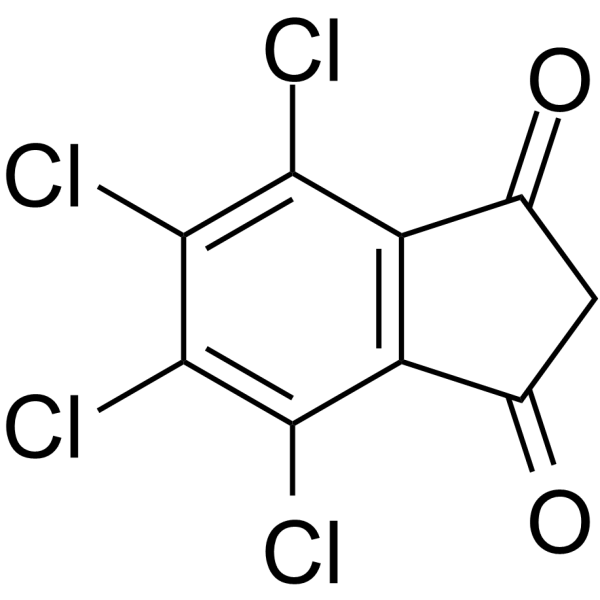
TCID (4,5,6,7-Tetrachloroindan-1,3-dione) is a potent and selective neuronal ubiquitin C-terminal hydrolase (UCH-L3) inhibitor with an IC50 of 0.6 μM. TCID diminishes glycine transporter GlyT2 ubiquitination in brainstem and spinal cord primary neurons.
For research use only. We do not sell to patients.
- Purity : 99.78%
- CAS No.: 30675-13-9
- Formula: C9H2Cl4O2
- Molecular Weight:283.92
-
Storage:Powder -20°C, 3 years , 4°C, 2 years ; In solvent -80°C, 2 years , -20°C, 1 year

To place orders, for customer services and technical support, please contact: MedChemExpress USA
Tel: 609-228-6898 E-mail: [email protected] [email protected]


-
 Biological Activity
-
Chemical Information
-
Solvent & Solubility
- Purity & Documentation
- References
-
 Help & FAQs


-
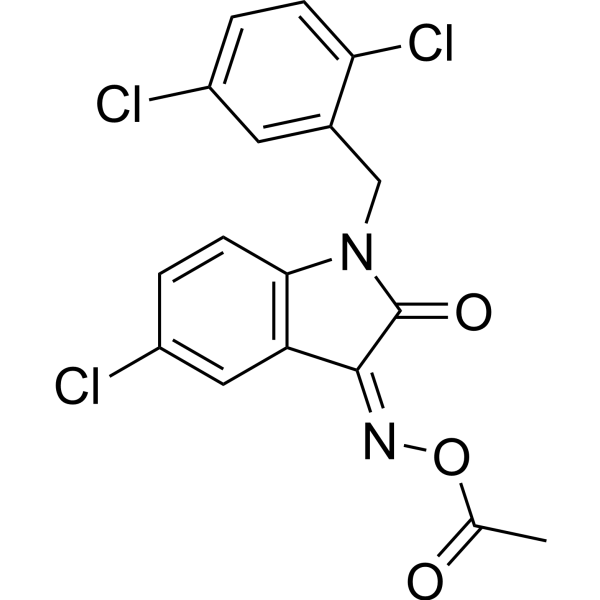
HY-18637
LDN-57444Deubiquitinase Inhibitor -
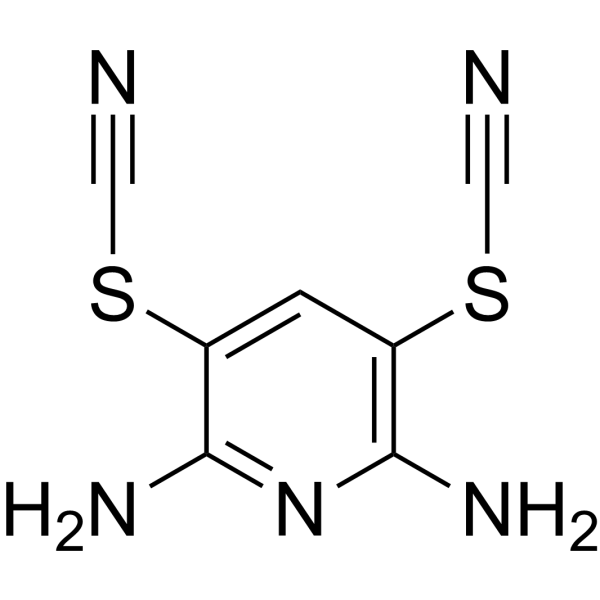
HY-13814
PR-619DUB Inhibitor -
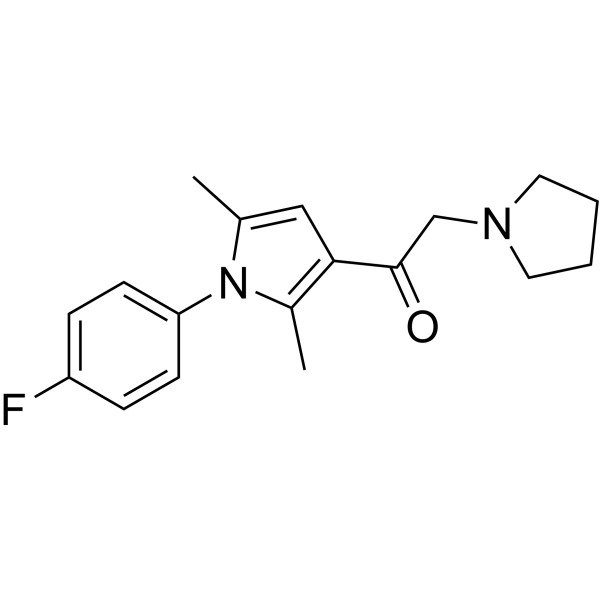
HY-13817
IU1USP14 Inhibitor -
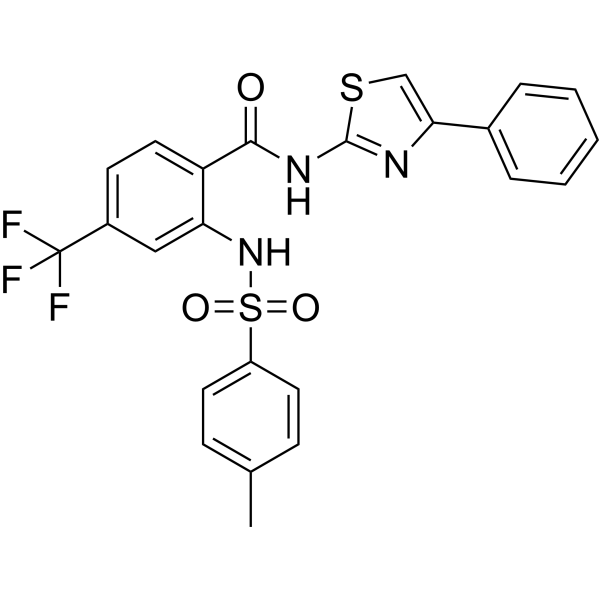
HY-100900
ML364USP2 Inhibitor -
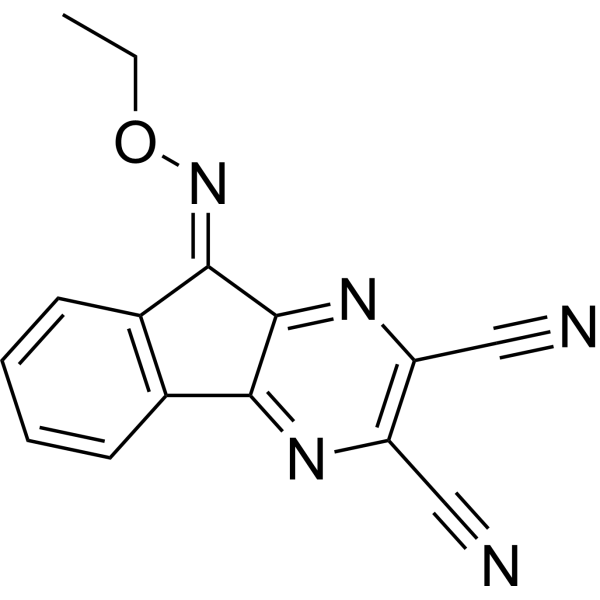
HY-50737A
DUB-IN-2Deubiquitinase Inhibitor -
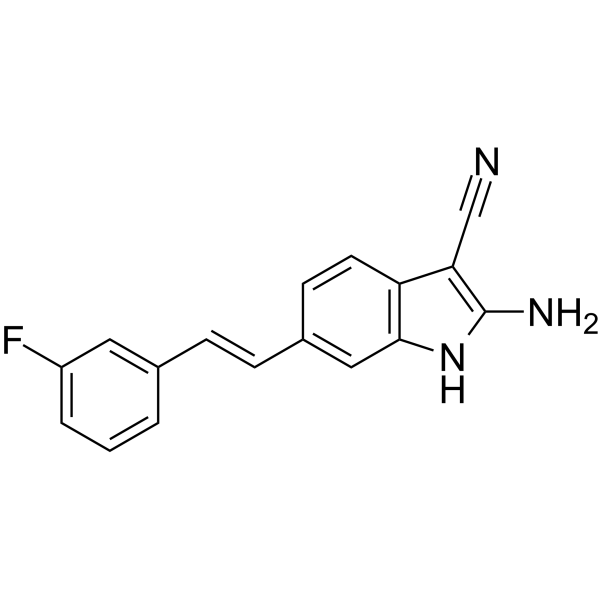
HY-111458
GSK2643943ADeubiquitinating Enzyme (DUB) Inhibitor -
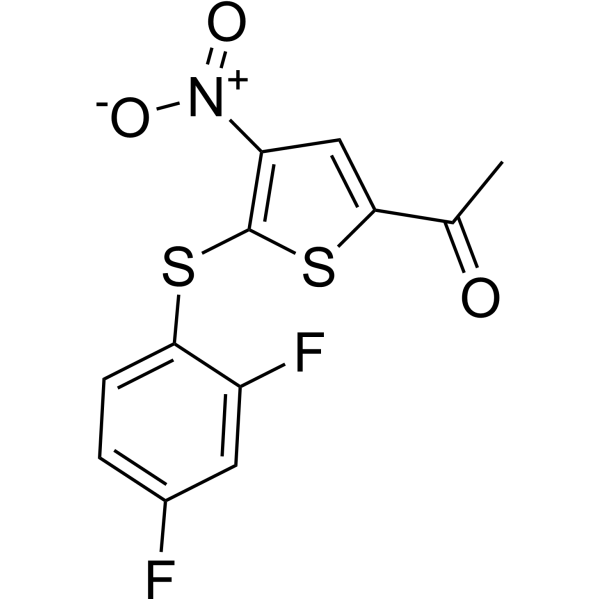
HY-13865
P 22077USP7/47 Inhibitor -
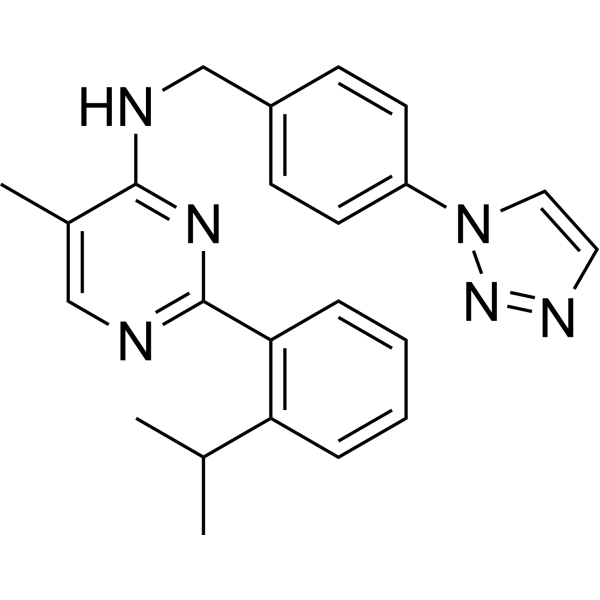
HY-17543
ML-323USP1-UAF1 Inhibitor -
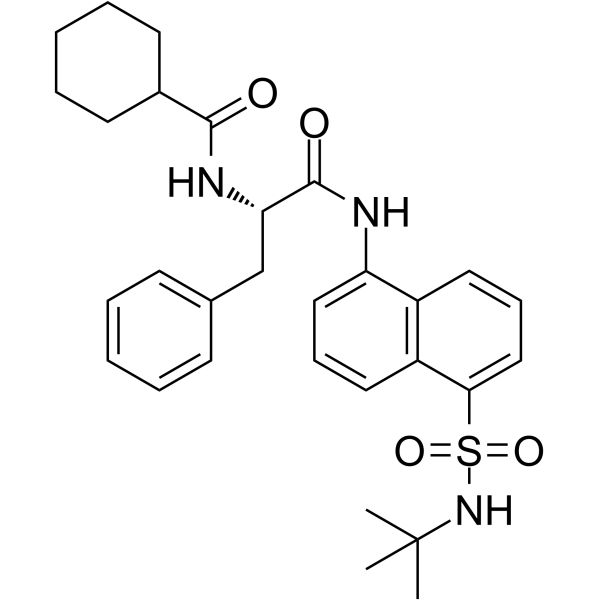
HY-112438
MF-094USP30 Inhibitor -
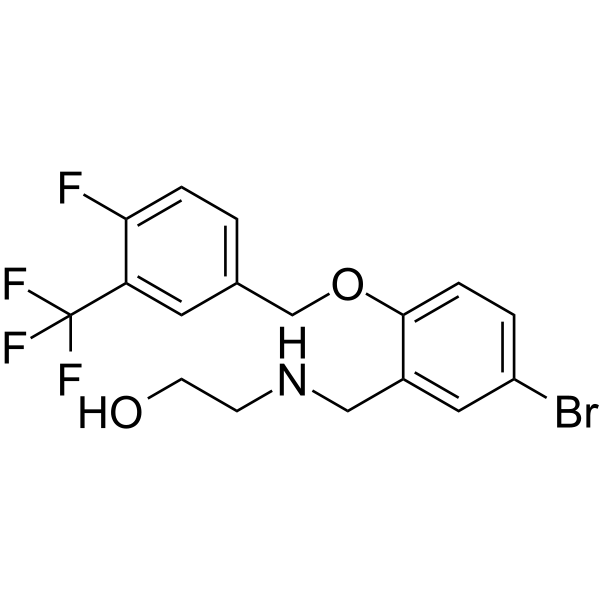
HY-117370
USP25/28 inhibitor AZ1Deubiquitinase Inhibitor -
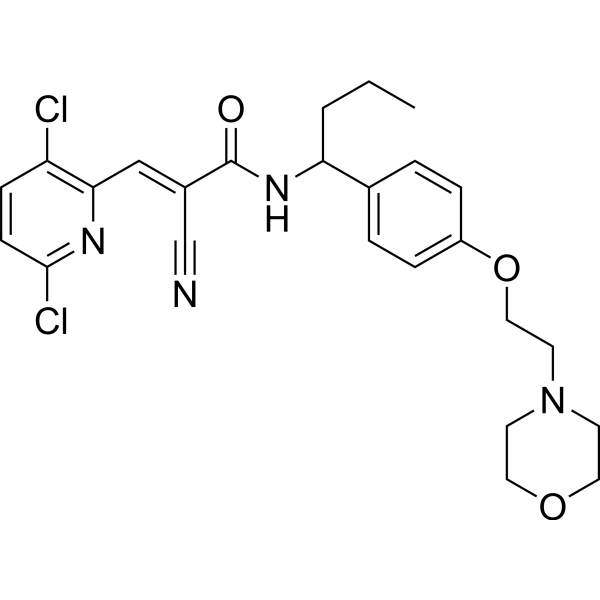
HY-111408
EOAI3402143DUB Inhibitor -
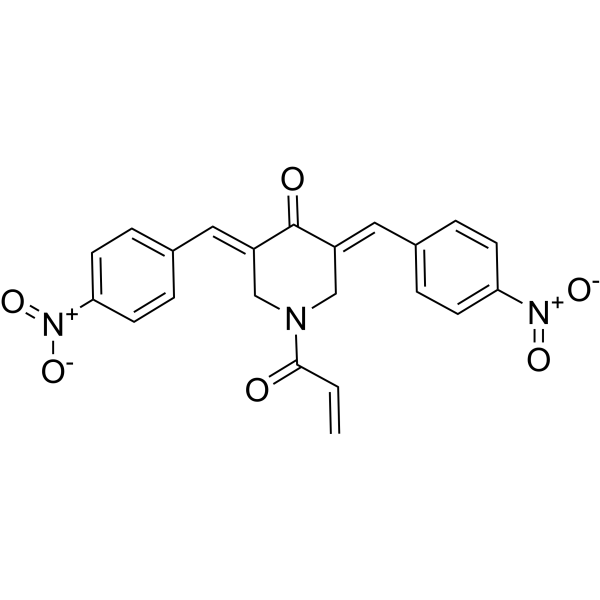
HY-13989
b-AP15UCHL5/Usp14 Inhibitor
Publications Citing Use of MedChemExpress (MCE) TCID
More- Cancer Cell. 2026 Feb 9;44(2):306-320.e7. [Abstract]
- Nat Commun. 2025 Feb 27;16(1):2039. [Abstract]
- Redox Biol. 2026 May:92:104086. [Abstract]
- J Nanobiotechnology. 2023 Mar 14;21(1):88. [Abstract]
- Environ Pollut. 2025 Nov 1:384:126969. [Abstract]
- Anim Cells Syst. 2024 May 11;28(1):237-250. [Abstract]
- Cell Press Blue. 2026 Jul 3.
 Customer Validation & Images

-
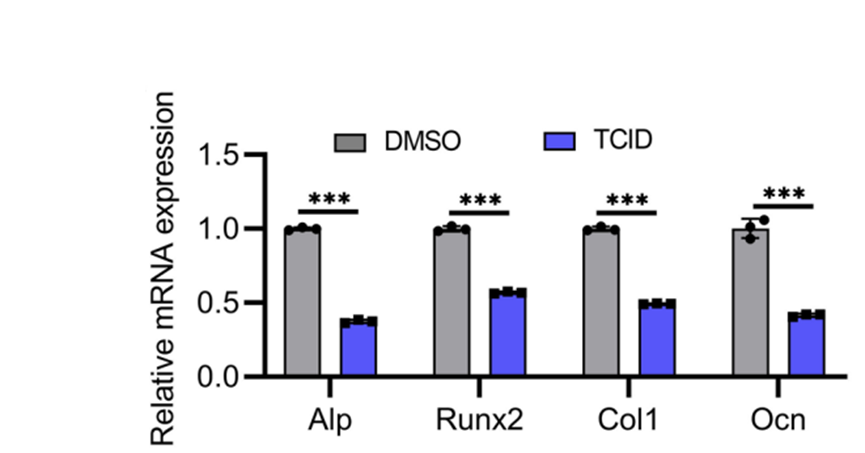
RT-PCR
-
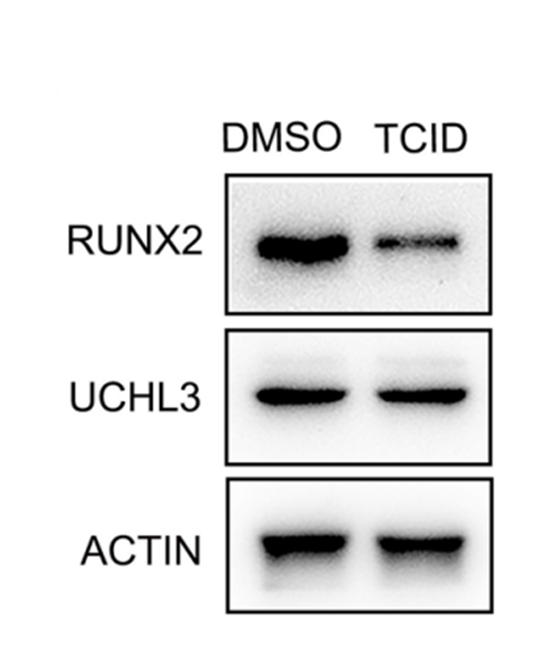
WB
-
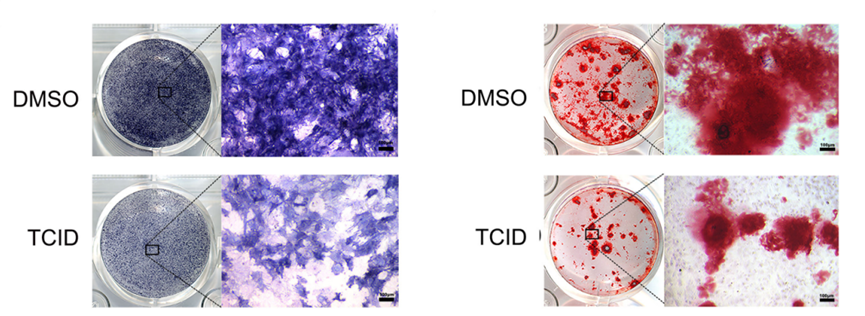
Cell Imaging/Staining


Biological Activity
Description
IC50 & Target
IC50: 0.6 μM (UCH-L3) and 75 μM (UCH-L1)[1]
In Vitro
TCID (4,5,6,7-Tetrachloroindan-1,3-dione; compound 11) inhibits UCH-L1 with an IC50 of 75 μM[1].
TCID (10 μM; 1, 2 hours) diminishes glycine transporter GlyT2 ubiquitination in brainstem and spinal cord primary neurons[2].
MedChemExpress (MCE) has not independently confirmed the accuracy of these methods. They are for reference only.


Chemical Information
-
CAS No. 30675-13-9
-
Appearance Solid
-
Molecular Weight 283.92
-
Formula C9H2Cl4O2
-
Color Light yellow to yellow
-
SMILES
O=C1CC(C2=C1C(Cl)=C(Cl)C(Cl)=C2Cl)=O
-
Synonyms
4,5,6,7-Tetrachloroindan-1,3-dione
-
Shipping
Room temperature in continental US; may vary elsewhere.
-
Storage
Powder -20°C 3 years 4°C 2 years In solvent -80°C 2 years -20°C 1 year


Publications (7)
-
Journal Impact Factor
-
Most Recent
-
Cancer Cell
Ubiquitination-directed cytosolic DNA degradation governs cGAS-STING-mediated immune response to DNA damage. [Abstract]2026 Feb 9;44(2):306-320.e7. PMID: 41512867 -
Nat Commun
The adaptor protein AP-3β disassembles heat-induced stress granules via 19S regulatory particle in Arabidopsis. [Abstract]2025 Feb 27;16(1):2039. PMID: 40016204 -
Redox Biol
USP20 governs tyrosine kinase inhibitors resistance through ferroptosis evasion by targeting GPX4 in cancers. [Abstract]2026 May:92:104086. PMID: 41844497 -
J Nanobiotechnology
Mechanical force induces macrophage-derived exosomal UCHL3 promoting bone marrow mesenchymal stem cell osteogenesis by targeting SMAD1. [Abstract]2023 Mar 14;21(1):88. PMID: 36915132
TCID purchased from MedChemExpress. Usage Cited in: J Nanobiotechnology. 2023 Mar 14;21(1):88. [Abstract]
qRT‒PCR of the mRNA expression of osteogenesis genes in BMSCs after treatment with UCHL3 inhibitor TCID (10 μM), and DMSO as a control.
TCID purchased from MedChemExpress. Usage Cited in: J Nanobiotechnology. 2023 Mar 14;21(1):88. [Abstract]
Western blotting of RUNX2 and UCHL3 protein levels in BMSCs after treatment with UCHL3 inhibitor TCID (10 μM), and DMSO as a control.
TCID purchased from MedChemExpress. Usage Cited in: J Nanobiotechnology. 2023 Mar 14;21(1):88. [Abstract]
ALP staining and Alizarin red staining in BMSCs after treatment with TCID (10 μM), and DMSO as a control.
-
Environ Pollut
UCHL3-mediated proteasomal degradation of GOPC drives microcystin-LR-induced acrosomal dysgenesis. [Abstract]2025 Nov 1:384:126969. PMID: 40784473 -
Anim Cells Syst
Blocking SLC7A11 attenuates the proliferation of esophageal squamous cell carcinoma cells. [Abstract]2024 May 11;28(1):237-250. PMID: 38741950 -


Solvent & Solubility
In Vitro:
DMSO : 20 mg/mL (70.44 mM; Need ultrasonic; Hygroscopic DMSO has a significant impact on the solubility of product, please use newly opened DMSO)
Please refer to the solubility information to select the appropriate solvent. Once prepared, please aliquot and store the solution to prevent product inactivation from repeated freeze-thaw cycles.
Storage method and period of stock solution: -80°C, 2 years; -20°C, 1 year. When stored at -80°C, please use it within 2 years. When stored at -20°C, please use it within 1 year.
Please refer to the solubility information to select the appropriate solvent. Once prepared, please aliquot and store the solution to prevent product inactivation from repeated freeze-thaw cycles.
Storage method and period of stock solution: -80°C, 2 years; -20°C, 1 year. When stored at -80°C, please use it within 2 years. When stored at -20°C, please use it within 1 year.
Concentration (start) × Volume (start) = Concentration (final) × Volume (final)
In Vivo:
Select the appropriate dissolution method based on your experimental animal and administration route.
- For the following dissolution methods, please ensure to first prepare a clear stock solution using an In Vitro approach and then sequentially add co-solvents:
- To ensure reliable experimental results, the clarified stock solution can be appropriately stored based on storage conditions. As for the working solution for In Vivo experiments, it is recommended to prepare freshly and use it on the same day.
- The percentages shown for the solvents indicate their volumetric ratio in the final prepared solution. If precipitation or phase separation occurs during preparation, heat and/or sonication can be used to aid dissolution.
Add each solvent one by one: 10% DMSO 40% PEG300 5% Tween-80 45% Saline
Solubility: ≥ 2.08 mg/mL (7.33 mM); Clear solution
This protocol yields a clear solution of ≥ 2.08 mg/mL (saturation unknown).
Taking 1 mL working solution as an example, add 100 μL DMSO stock solution (20.8 mg/mL) to 400 μL PEG300, and mix evenly; then add 50 μL Tween-80 and mix evenly; then add 450 μL Saline to adjust the volume to 1 mL.
Preparation of Saline: Dissolve 0.9 g sodium chloride in ddH₂O and dilute to 100 mL to obtain a clear Saline solution.
In Vivo Dissolution Calculator
Please enter the basic information of animal experiments:
-
-
-
-
Recommended: Prepare an additional quantity of animals to account for potential losses during experiments.
Please enter your animal formula composition:
-
%DMSO +
Recommended: Keep the proportion of DMSO in working solution below 2% if your animal is weak.
-
%+
-
+%Tween-80 + +
-
%Saline +
The co-solvents required include: DMSO, . All of co-solvents are available by MedChemExpress (MCE). , Tween 80. All of co-solvents are available by MedChemExpress (MCE).
Working solution concentration: 0.22 mg/mL
Method for preparing stock solution: mg drug dissolved in μL DMSO. Stock solution concentration: mg/mL.
1. Take μL DMSO stock solution;
2. Add μL .
μL , mix evenly;
3. Then add μL Tween 80, mix evenly;
4. Then add μL
Please ensure that the stock solution in the first step is dissolved to a clear state, and add co-solvents in sequence. You can use ultrasonic heating (ultrasonic cleaner, recommended frequency 20-40 kHz), vortexing, etc. to assist dissolution.


Purity & Documentation
-
Data Sheet (283 KB)
-
SDS (393 KB)
- English - EN (393 KB)
- Français - FR (393 KB)
- Deutsch - DE (393 KB)
- Norwegian - NO (393 KB)
- Español - ES (393 KB)
- Swedish - SV (393 KB)
- Italian - IT (393 KB)
- Korean - KR (393 KB)
- Portuguese - PT (393 KB)
-
Handling Instructions (2659 KB)
References
[1]. Liu Y, et al. Discovery of inhibitors that elucidate the role of UCH-L1 activity in the H1299 lung cancer cellline. Chem Biol. 2003 Sep;10(9):837-46. [Content Brief]
[2]. de Juan-Sanz J, et al. Constitutive endocytosis and turnover of the neuronal glycine transporter GlyT2 is dependent on ubiquitination of a C-terminal lysine cluster. PLoS One. 2013;8(3):e58863. [Content Brief]


Complete Stock Solution Preparation Table
Please refer to the solubility information to select the appropriate solvent. Once prepared, please aliquot and store the solution to prevent product inactivation from repeated freeze-thaw cycles.
Storage method and period of stock solution: -80°C, 2 years; -20°C, 1 year. When stored at -80°C, please use it within 2 years. When stored at -20°C, please use it within 1 year.
| Optional Solvent | Concentration Solvent Mass | 1 mg | 5 mg | 10 mg | 25 mg |
|---|---|---|---|---|---|
| DMSO | 1 mM | 3.5221 mL | 17.6106 mL | 35.2212 mL | 88.0530 mL |
| 5 mM | 0.7044 mL | 3.5221 mL | 7.0442 mL | 17.6106 mL | |
| 10 mM | 0.3522 mL | 1.7611 mL | 3.5221 mL | 8.8053 mL | |
| 15 mM | 0.2348 mL | 1.1740 mL | 2.3481 mL | 5.8702 mL | |
| 20 mM | 0.1761 mL | 0.8805 mL | 1.7611 mL | 4.4026 mL | |
| 25 mM | 0.1409 mL | 0.7044 mL | 1.4088 mL | 3.5221 mL | |
| 30 mM | 0.1174 mL | 0.5870 mL | 1.1740 mL | 2.9351 mL | |
| 40 mM | 0.0881 mL | 0.4403 mL | 0.8805 mL | 2.2013 mL | |
| 50 mM | 0.0704 mL | 0.3522 mL | 0.7044 mL | 1.7611 mL | |
| 60 mM | 0.0587 mL | 0.2935 mL | 0.5870 mL | 1.4675 mL |


TCID Related Classifications
HY-18638 Related Classifications
 Powered by Bioz