
2414 Results for "

decrease

" in MedChemExpress (MCE) Product Catalog:
Products (2414)

2414 Results for "decrease" in MCE Product Catalog:

2
2 Cited Publications
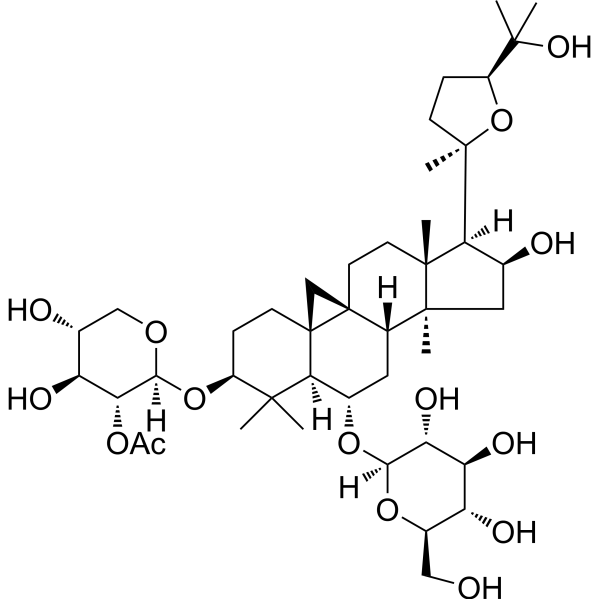
Cat. No.: HY-N0433
CAS No.: 84676-89-1
Synonyms: Astrasieversianin VIII
Astragaloside II is an orally active Cycloartane-type triterpene glycoside. Astragaloside II can be extracted from Astragalus membranaceus. Astragaloside II inhibits Autophagy, decreases pro-inflammatory cytokines (IL-6, IL-1β), HIF-α, p-p65, p-IκB and increases SOD. Astragaloside II regulates immunity and reduces inflammatory responses. Astragaloside II can be used in the research of diseases such as liver cancer, osteoporosis, immunosuppressive diseases, and ulcerative colitis .
loading...
    loading...
2
2 Cited Publications
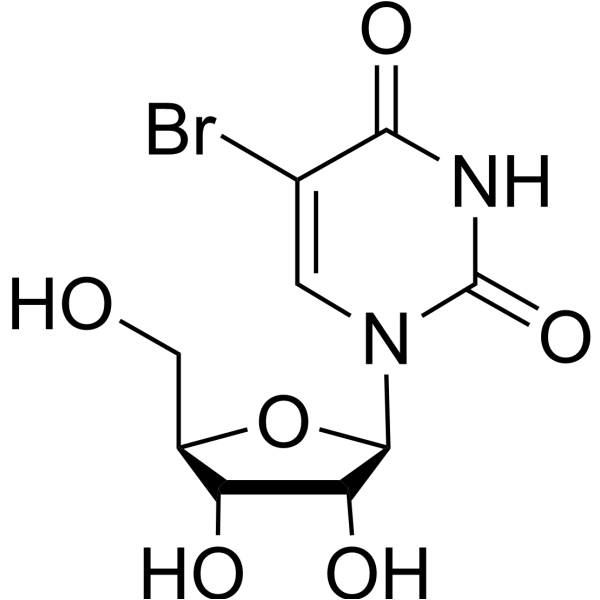
Cat. No.: HY-W009163
CAS No.: 957-75-5
5-Bromouridine is a brominated uridine nucleoside. The triphosphate form of 5-Bromouridine, 5BrdUTP, can substitute for TTP as a substrate for DNA polymerase and be incorporated into nascent DNA strands, rendering the resulting 5-bromouridine-labeled DNA photosensitive to 300 nm UV irradiation; upon UV irradiation, the 5BrdU signal decreases and dU is generated, accompanied by DNA strand breaks and cross-link formation. 5-Bromouridine is useful for studies on nucleoside structure and halogenated nucleoside-labeled nucleic acids .
loading...
    loading...
2
2 Cited Publications
Cat. No.: HY-105064
CAS No.: 241800-98-6
Purity:  99.89%
Synonyms: CP-597396
Zoniporide (CP-597396) is a selective Na +/H + exchanger subtype 1 (NHE1) inhibitor with cardioprotective activity, with IC50 values of 67 nM and 73 nM against rat NHE1. Zoniporide reduces intracellular Na + and Ca 2+ overload, preserves mitochondrial integrity, activates pro-survival ERK1/2 and STAT3 signaling pathways, reduces necrosis and apoptosis, and decreases neutrophil aggregation. Zoniporide is applicable to research related to myocardial ischemia-reperfusion injury and heart graft ischemia-reperfusion injury .
loading...
    loading...
2
2 Cited Publications
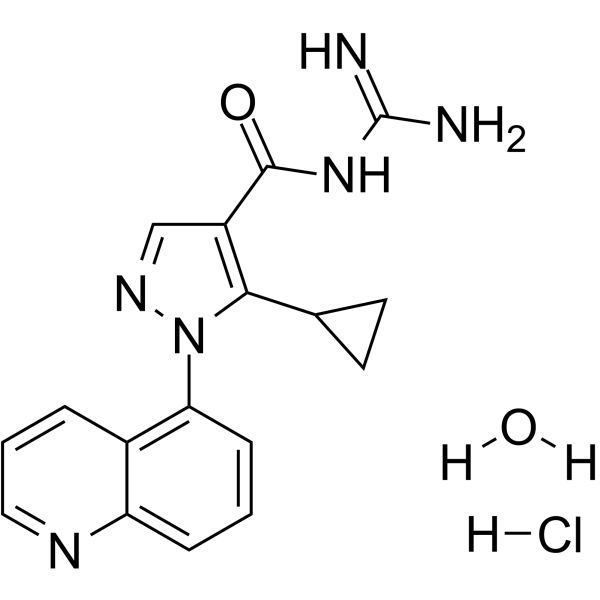
Cat. No.: HY-105064D
CAS No.: 863406-85-3
Purity:  99.37%
Synonyms: CP-597396 hydrochloride hydrate
Zoniporide hydrochloride hydrate (CP-597396 hydrochloride hydrate) is a selective Na +/H + exchanger subtype 1 (NHE1) inhibitor with cardioprotective activity, with IC50 values of 67 nM and 73 nM against rat NHE1. Zoniporide hydrochloride hydrate reduces intracellular Na + and Ca 2+ overload, preserves mitochondrial integrity, activates pro-survival ERK1/2 and STAT3 signaling pathways, reduces necrosis and apoptosis, and decreases neutrophil aggregation. Zoniporide hydrochloride hydrate is applicable to research related to myocardial ischemia-reperfusion injury and heart graft ischemia-reperfusion injury .
loading...
    loading...
2
2 Cited Publications
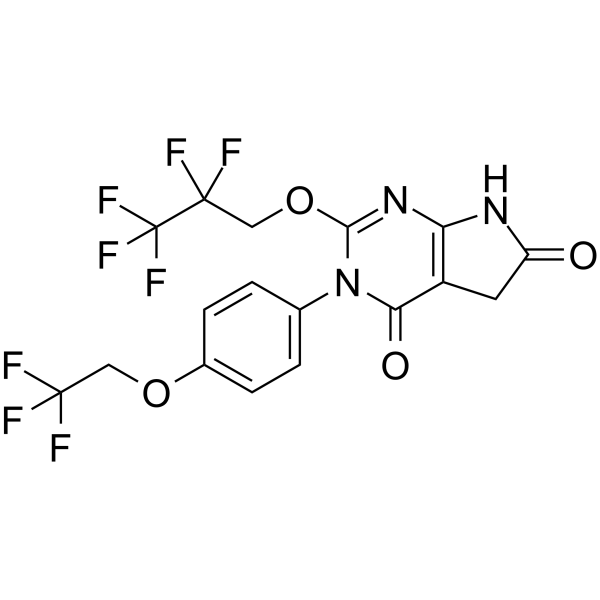
Cat. No.: HY-117427
CAS No.: 1236767-85-3
Purity:  99.90%
Research Areas:  

Metabolic Disease

D5D-IN-326 is a selective, orally active delta-5 desaturase (D5D) inhibitor, with IC50s of 72 and 22 nM for rat and human D5D in enzymic and cell-based assays, respectively, has no effect on D6D or D9D activity. D5D-IN-326 reduces insulin resistance and decreases body weight in diet-induced obese C57BL/6J mice .
loading...
    loading...
2
2 Cited Publications
Cat. No.: HY-12534
CAS No.: 253449-04-6
Purity:  99.87%
Target:  

Arp2/3 Complex

Research Areas:  

Neurological Disease

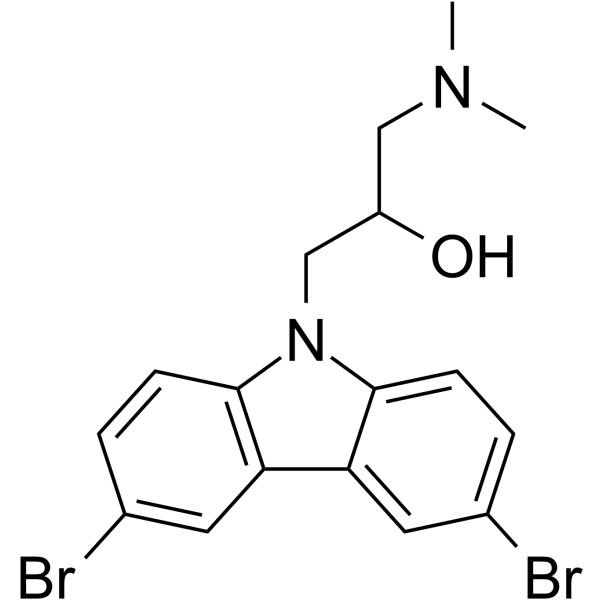
Wiskostatin is a potent and selective inhibitor of neuronal Wiskott-Aldrich syndrome protein (N-WASP)-mediated actin polymerization by stabilization of the closed, autoinhibited conformation, thereby preventing Arp2/3 complex activation. Wiskostatin is also a dynamin inhibitor with an IC50 value of 20.7 μM and a potent inhibitor of clathrin-mediated endocytosis with an IC50 value of 6.9 μM. Wiskostatin causes a rapid, profound, and irreversible decrease in cellular ATP levels. Wiskostatin also induces disassembly of podosomes in a murine monocyte cell line .
loading...
    loading...
2
2 Cited Publications
Cat. No.: HY-141866
CAS No.: 2415225-30-6
Purity:  99.21%
Target:  

Ceramidase

Research Areas:  

Neurological Disease

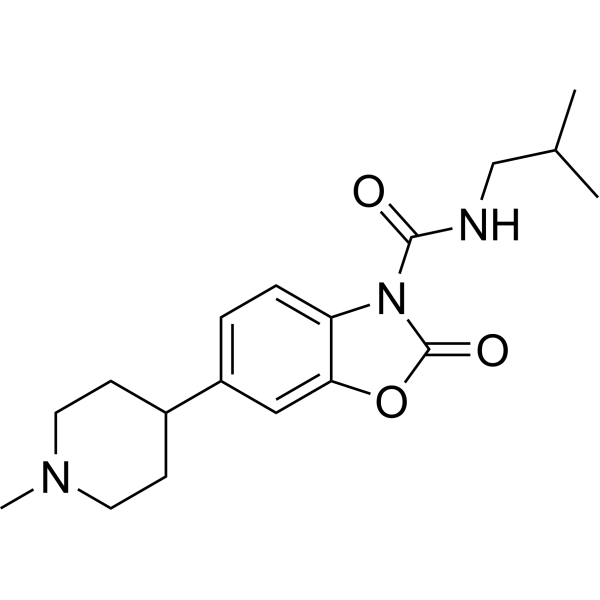
Acid Ceramidase-IN-1 is orally active and blood-brain barrier penetrant acid ceramidase (AC, ASAH-1) inhibitor (hAC IC50=0.166 μM). Acid Ceramidase-IN-1 reduces AC activity, accumulates ceramide species (Cer (d18:0/16:0), Cer (d18:1/16:0)), and decreases sphingosine levels. Acid Ceramidase-IN-1 can be used for the study of severe neurological lysosomal storage diseases (LSDs) such as Gaucher’s disease (GD) and Krabbe’s disease (KD) .
loading...
    loading...
2
2 Cited Publications
Cat. No.: HY-145801
CAS No.: 2582816-37-1
Purity:  99.48%
Target:  

NF-κB

Research Areas:  

Inflammation/Immunology

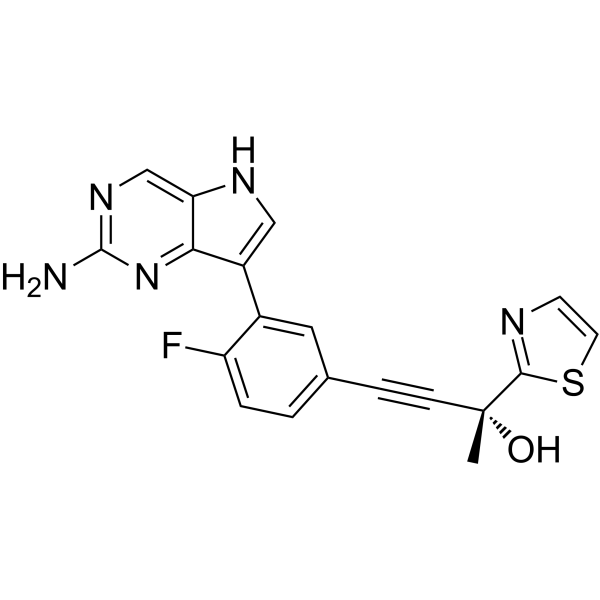
XT2 is a potent, orally active, and selective inhibitor of NF-κB-inducing kinase (NIK) with an IC50 of 9.1 nM. XT2 suppresses CCl4-induced upregulation of ALT, a key biomarker of acute liver injury. XT2 also decreases immune cell infiltration into the injured liver tissue. XT2 has the potential for the research of liver inflammatory diseases . XT2 is a click chemistry reagent, it contains an Alkyne group and can undergo copper-catalyzed azide-alkyne cycloaddition (CuAAc) with molecules containing Azide groups.
loading...
    loading...
2
2 Cited Publications
Cat. No.: HY-N2484
CAS No.: 73340-41-7
Synonyms: Astrapterocarpan
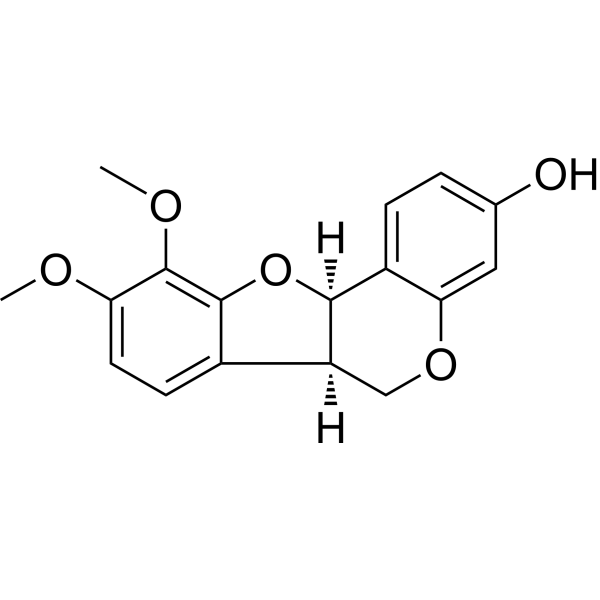
Methylnissolin (Astrapterocarpan) is an osteoclast inhibitor with anti-inflammatory, neuroprotective and antioxidant activities. Methylnissolin downregulates the activation of the MAPK and PI3K/AKT pathways, inhibits the phosphorylation of MAPK1 and AKT1, and blocks PDGF-BB-induced phosphorylation of ERK1/2. Methylnissolin reduces the expression and secretion of proinflammatory mediators, decreases intracellular ROS levels, upregulates antioxidant enzymes, and downregulates osteoclastogenesis markers. Methylnissolin is applicable to research related to ischemic stroke, osteoporosis, cardiovascular diseases, skin aging, etc.
loading...
    loading...
2
2 Cited Publications
Cat. No.: HY-145651
CAS No.: 2166487-23-4
Purity:  99.89%
Synonyms: NRD167
Et-29 (NRD167) is a selective SIRT5 inhibitor. Et-29 increases the levels of total protein succinylation and citrate synthase succinylation in cells. Et-29 reduces serum CTX-I levels and blocks Ferroptosis by downregulating the SIRT5/ACSL4/LPCAT3/ALOX15 axis and restoring antioxidant defense. Et-29 decreases bone resorption and improves trabecular bone mass and microarchitecture. Et-29 is applicable for research related to osteoporosis and hepatocellular carcinoma .
loading...
    loading...
2
2 Cited Publications
Cat. No.: HY-154629
CAS No.: 8008-74-0
Purity:  ≥98.0%
Sesame Oil is a vegetable oil. Sesame Oil can be extracted from the seeds of Sesamum indicum L. Sesame Oil decreases NF-κB, aspartate aminotransferase, alanine aminotransferase, IL-1β, IL-4 and nitric oxide. Sesame Oil has antitumor activity against malignant melanoma. Sesame Oil has protective effects against liver damage caused by various agents such as Cisplatin (HY-17394) and Acetaminophen (HY-66005). Sesame Oil shows antinociceptive and anti-inflammatory activities .
loading...
    loading...
2
2 Cited Publications
Cat. No.: HY-W018791
CAS No.: 73536-69-3
Synonyms: DDB
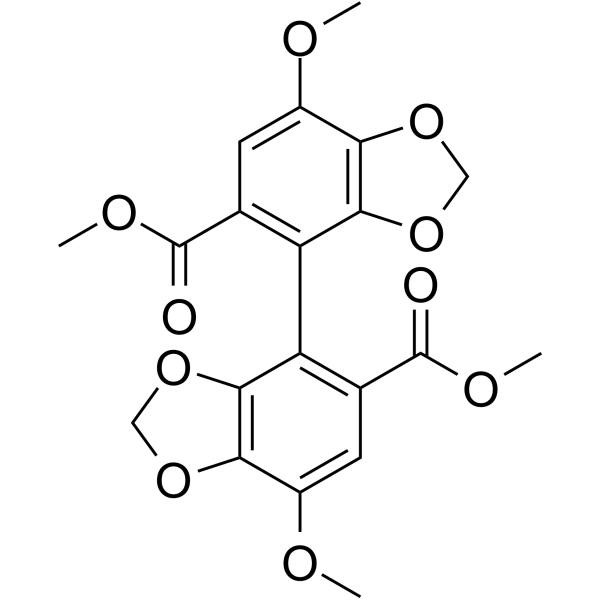
Bifendate (DDB), extracted from Schisandrae chinensis, is an orally active anti-HBV agent against chronic hepatitis B. Bifendate inhibits ATG5-dependent autophagy and attenuates oleic acid-induced lipid accumulation with anti-oxidant properties in vitro. Bifendate can decrease alanine transaminase (ALT) level in mice. Bifendate attenuates hepatic steatosis in cholesterol/bile salt- and high-fat diet-induced hypercholesterolemia in mice. Bifendate potently increases the activity of cytochrome proteins (CYPs) and reverse P-gp-mediated multi-drug resistance (MDR) .
loading...
    loading...
2
2 Cited Publications
Cat. No.: HY-125118
CAS No.: 1416334-69-4
Purity:  99.04%
Target:  

PI4K HCV

Research Areas:  

Infection

GSK-A1 is a selective type III phosphatidylinositol 4-kinase PI4KA (PI4KIIIα) inhibitor with a pIC50 of 8.5-9.8. GSK-A1 inhibits PtdIns(4,5)P2 resynthesis with an IC50 of about 3 nM. GSK-A1 potently decreases the levels of PtdIns(4)P with a negligible effect on PtdIns(4,5)P2. GSK-A1 has the potential for anti-hepatitis C virus (HCV) research .
loading...
    loading...
2
2 Cited Publications
Cat. No.: HY-128578
CAS No.: 906669-07-6
Purity:  99.86%
KPLH1130 is a pyruvate dehydrogenase kinase (PDK) inhibitor. KPLH1130 potently inhibits M1 macrophage polarization by reducing the expression of pro-inflammatory cytokines, decreasing the levels of M1 phenotype markers (HIF-1α, iNOS) and nitric oxide (NO) production. KPLH1130 prevents the reduction of mitochondrial oxygen consumption rate (OCR) induced by inflammatory stimuli (LPS ((HY-D1056) + IFN-γ) in various macrophage types. KPLH1130 improves glucose tolerance in HFD-fed mice. KPLH1130 can be used for the study of obesity-associated metabolic disorders and other inflammatory conditions .
loading...
    loading...
2
2 Cited Publications
Cat. No.: HY-119272
CAS No.: 342808-40-6
Purity:  99.34%
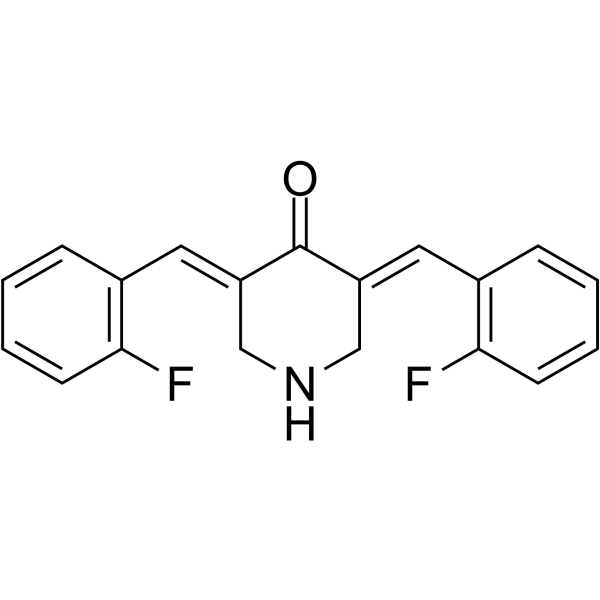
EF24, a curcumin analogue, is an NF-kB inhibitor with great anti-tumor efficacy and oral bioavailability via deactivation of the MAPK/ERK signaling pathway in oral squamous cell carcinoma (OSCC). EF24 is active against melanoma and breast cancer cell lines with GI50 values of 0.7 μM and 0.8 μM, respectively. EF24 induces cell cycle arrest and apoptosis in MDA-MB-231 human breast cancer cells and DU-145 human prostate cancer cells. EF24 increases the levels of activated caspase 3 and 9, and decreases the phosphorylated forms of MEK1 and ERK .
loading...
    loading...
2
2 Cited Publications
Cat. No.: HY-B1114
CAS No.: 33342-05-1
Synonyms: AR-DF 26
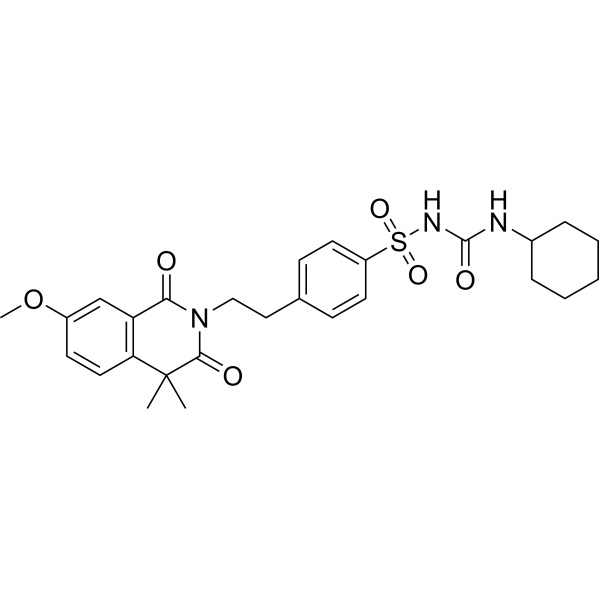
Gliquidone can bind to the pancreatic β-cells and increases insulin release to regulate blood glucose levels. Gliquidone significantly decreases LPS (HY-D1056)-induced proinflammatory responses and inhibits ERK/STAT3/NF-κB phosphorylation in BV2 microglial cells. Gliquidone can suppress microgliosis, microglial hypertrophy mediated by LPS, and proinflammatory cytokine COX-2 and IL-6 levels in murine model. Gliquidone also exhibits good anticancer activity in lung carcinoma cells. Gliquidone has antioxidant property. Gliquidone can be studied in research for type 2 diabetes and cancers .
loading...
    loading...
2
2 Cited Publications
Cat. No.: HY-114360
CAS No.: 2958-04-5
Purity:  99.73%
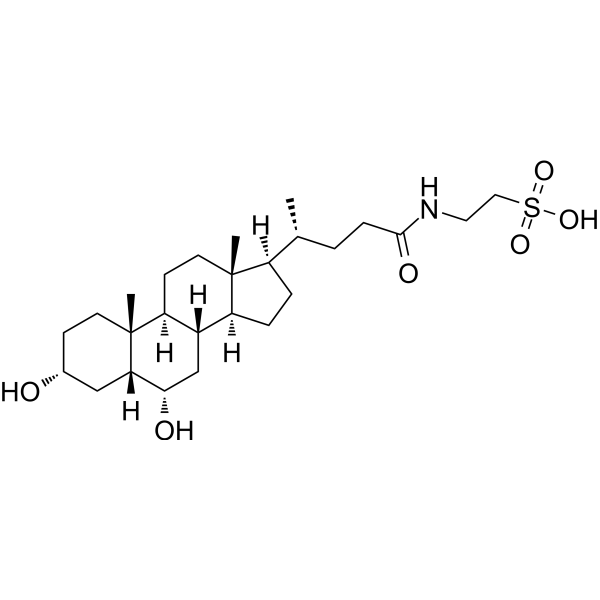
Taurohyodeoxycholic acid is an orally active 6 alpha-hydroxylated bile acid. Taurohyodeoxycholic acid decreases colonic MPO activity, TNF-α, lL-6 serum levels and the expression of COX-2. Taurohyodeoxycholic acid alleviates trinitrobenzene sulfonic acid induced ulcerative colitis via regulating Th1/Th2 and Th17/Treg cells balance. Taurohyodeoxycholic acid ameliorates high-fat diet-induced nonalcoholic fatty liver disease in mice. Taurohyodeoxycholic acid prevents Taurochenodeoxycholic acid (HY-N2027)-induced hepatotoxicity in bile fistula rats. Taurohyodeoxycholic acid can be used for the study of nonalcoholic fatty liver disease (NAFLD), colitis and biliary fistula .
loading...
    loading...
2
2 Cited Publications
Cat. No.: HY-17355A
CAS No.: 104632-27-1
Synonyms: (R)-Pramipexole dihydrochloride; R-(+)-Pramipexole dihydrochloride; KNS-760704 dihydrochloride
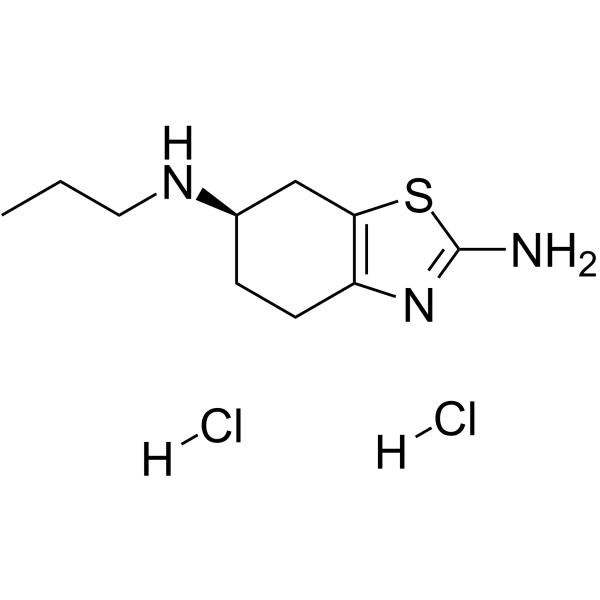
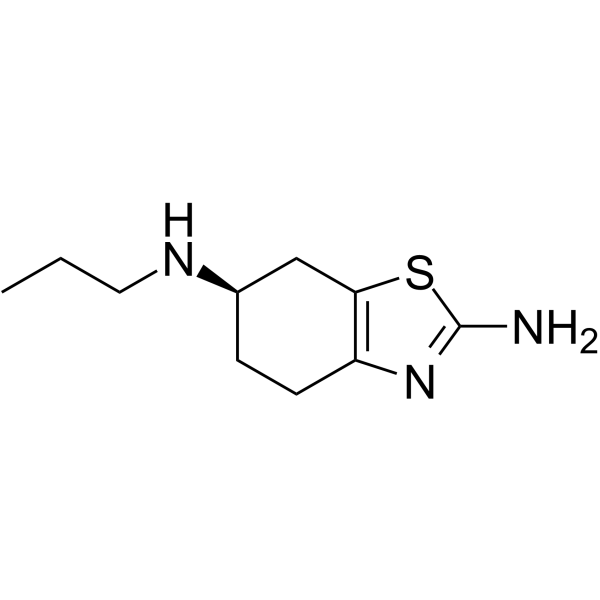
Dexpramipexole ((R)-Pramipexole) dihydrochloride is an orally active, blood-brain barrier permeable mitochondrial protective agent. Dexpramipexole dihydrochloride upregulates the expression of Parkin, PINK1, GPX4 and FSP1; binds to mitochondrial F1/Fo-ATP synthase; blocks the Nav1.8 sodium channel; and inhibits the activation of the NLRP3 inflammasome. Dexpramipexole dihydrochloride induces mitophagy, inhibits ferroptosis, pyroptosis, apoptosis, neuroinflammation and eosinophilopoiesis; maintains mitochondrial function and redox homeostasis; reduces reactive oxygen species production; and decreases myocardial infarct size. Dexpramipexole dihydrochloride is applicable to studies on eosinophilic asthma, myocardial ischemia/reperfusion injury, sepsis-associated encephalopathy, analgesia, and more .
loading...
    loading...
2
2 Cited Publications
Cat. No.: HY-17355B
CAS No.: 104632-28-2
Synonyms: (R)-Pramipexole; R-(+)-Pramipexole; KNS-760704
Dexpramipexole ((R)-Pramipexole) is an orally active, blood-brain barrier permeable mitochondrial protective agent. Dexpramipexole upregulates the expression of Parkin, PINK1, GPX4 and FSP1; binds to mitochondrial F1/Fo-ATP synthase; blocks the Nav1.8 sodium channel; and inhibits the activation of the NLRP3 inflammasome. Dexpramipexole induces mitophagy, inhibits ferroptosis, pyroptosis, apoptosis, neuroinflammation and eosinophilopoiesis; maintains mitochondrial function and redox homeostasis; reduces reactive oxygen species production; and decreases myocardial infarct size. Dexpramipexole is applicable to studies on eosinophilic asthma, myocardial ischemia/reperfusion injury, sepsis-associated encephalopathy, analgesia, and more .
loading...
    loading...
2
2 Cited Publications
Cat. No.: HY-16782
CAS No.: 945614-12-0
Synonyms: ARRY-614
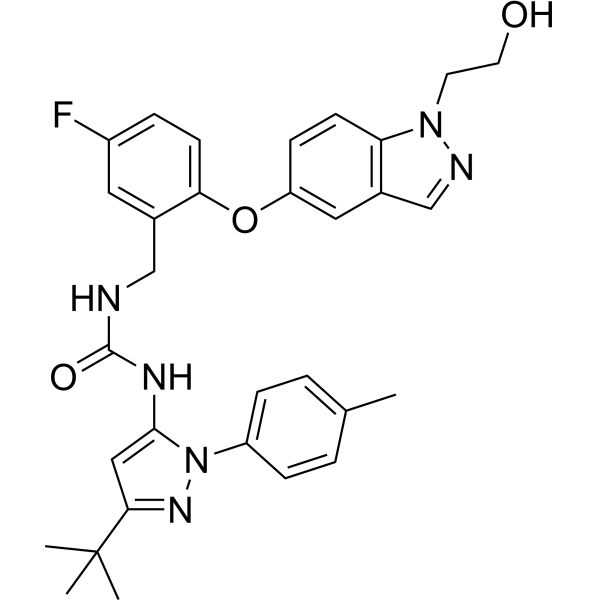
Pexmetinib (ARRY-614) is an orally active dual Tie-2 and p38 MAPK inhibitor. Pexmetinib binds to Tie-2 and p38 MAPK in a "DFG-out" conformation, attenuates the phosphorylation of p38, inhibits STAT3 activation, reduces the promoter-binding activity of NFATc1, and decreases the expression of MMPs. Pexmetinib inhibits leukemia cell proliferation, abrogates TNF-α-mediated myelosuppression of healthy hematopoietic stem cells, stimulates hematopoiesis in primary myelodysplastic syndrome (MDS) samples, inhibits RANKL-induced osteoclast formation and bone resorption, and suppresses migration, invasion and induced osteolysis of breast cancer cells. Pexmetinib can be used in research related to myelodysplastic syndrome, acute myeloid leukemia and breast cancer-induced osteolysis .
loading...
    loading...

