
2412 Results for "

decrease

" in MedChemExpress (MCE) Product Catalog:
Products (2412)

2412 Results for "decrease" in MCE Product Catalog:

2
2 Cited Publications
Cat. No.: HY-144981
CAS No.: 1226443-41-9
Purity:  98.10%
Target:  

CDK Molecular Glues

Research Areas:  

Cancer

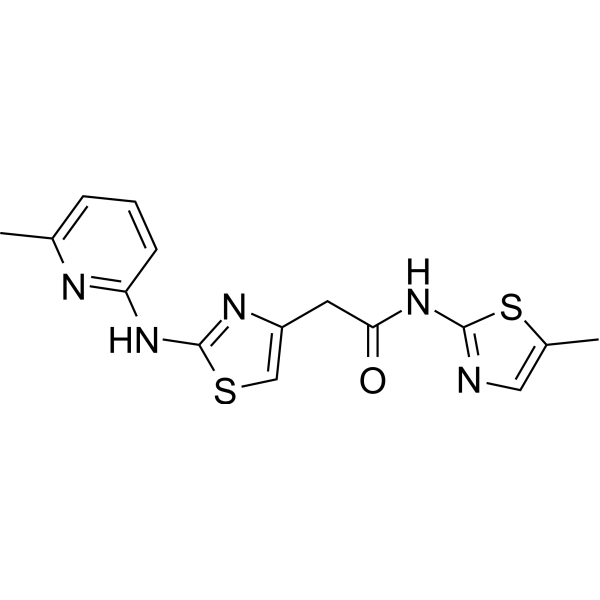
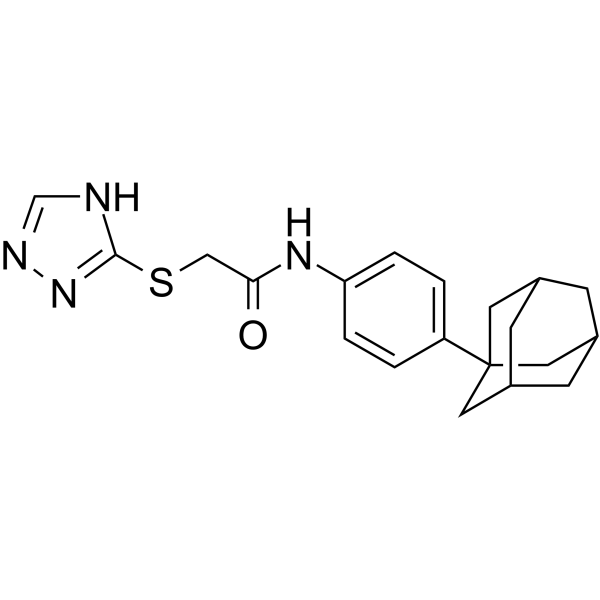
HQ461 is a molecular glue that promotes CDK12-DDB1 interaction to trigger cyclin K degradation. HQ461-mediated degradation of cyclin K impairs CDK12 function, resulting in decreased CDK12 substrate phosphorylation, downregulation of DNA damage response genes, and cell death .
loading...
    loading...
2
2 Cited Publications
Cat. No.: HY-135902A
CAS No.: 2741856-68-6
Purity:  98.23%
Synonyms: NSC 377363 hydrochloride
Target:  

DNA/RNA Synthesis

Research Areas:  

Neurological Disease

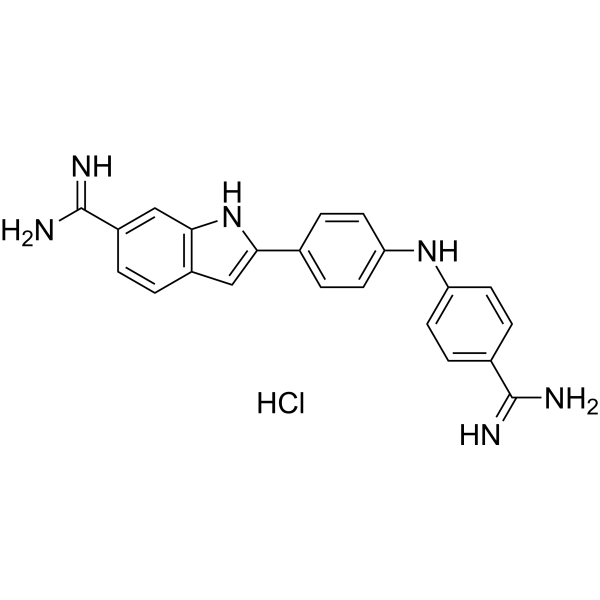
Synucleozid hydrochloride (NSC 377363 hydrochloride) is a potent inhibitor of the?SNCA?mRNA?that encodes α-synuclein protein. Synucleozid selectively?targets the?α-synuclein?mRNA 5′ UTR at the designed IRE site, decreases the amount of?SNCA?mRNA loaded into polysomes and thereby inhibits?SNCA?translation. Synucleozid has the potential for the investigation of Parkinson’s disease .
loading...
    loading...
2
2 Cited Publications
Cat. No.: HY-108691
CAS No.: 1407966-77-1
Purity:  99.48%
Target:  

Itk Btk CXCR PD-1/PD-L1 LAG-3

Research Areas:  

Cancer

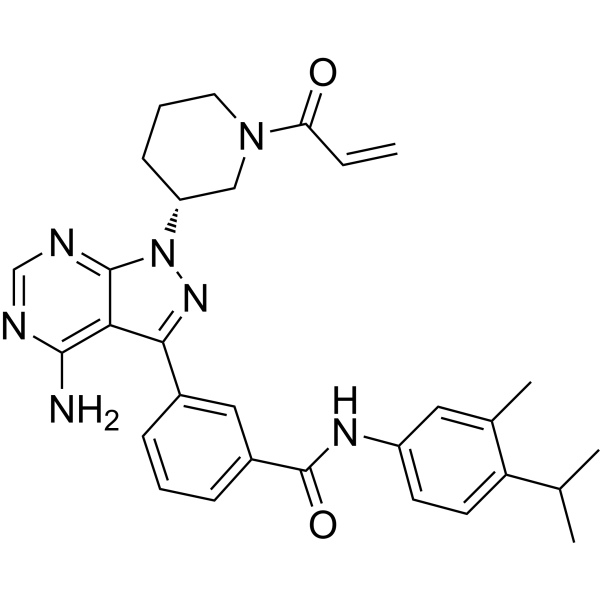
PF-06465469 is a covalent inhibitor of ITK with an IC50 of 2 nM. PF-06465469 also inhibits BTK. PF-06465469 inhibits cell migration in response to CXCL12. PF-06465469 decreases PD-1 and LAG-3 expression. PF-06465469 can be used to study leukemia and T-cell lymphoma .
loading...
    loading...
2
2 Cited Publications
Cat. No.: HY-131945
CAS No.: 2471982-20-2
Purity:  99.63%
Research Areas:  

Inflammation/Immunology

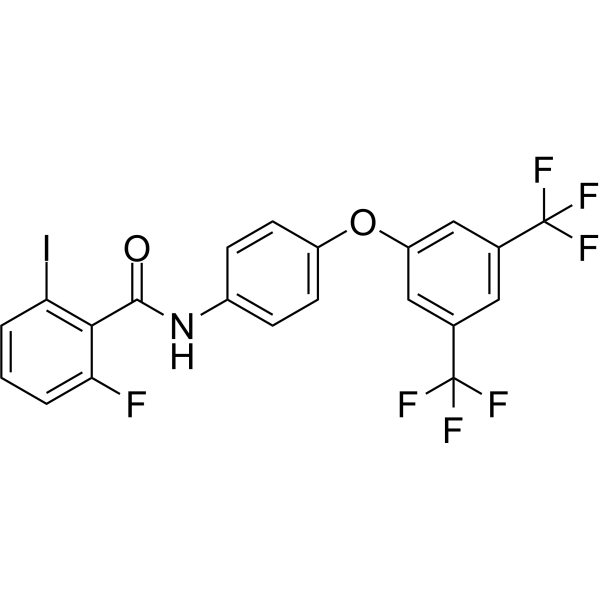
CU-115 is a potent TLR8 antagonist (IC50=1.04 µM), and shows selective for TLR8 over TLR7 (IC50=>50 µM). CU-115 decreases TNF-α and IL-1β production activated by R-848 in THP-1 cells .
loading...
    loading...
2
2 Cited Publications
Cat. No.: HY-B0887
CAS No.: 52645-53-1
Synonyms: NRDC-143
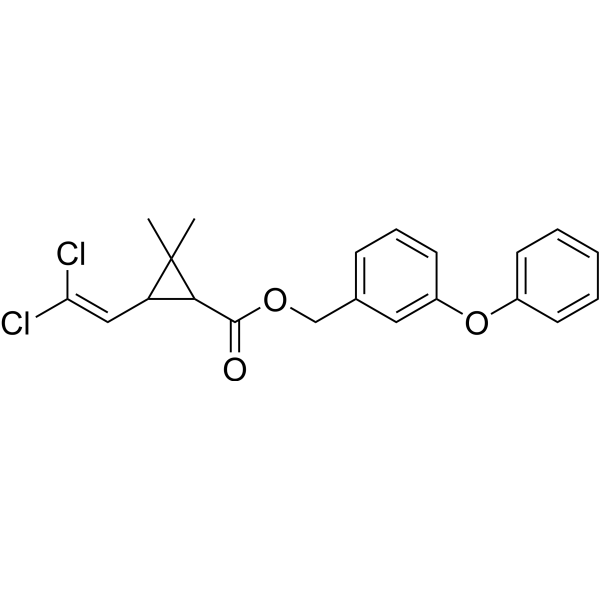
Permethrin (NRDC-143) is an insecticide, acaricide and a high selectively inhibitor of the Mitochondrial complex I, found in sediment and water samples. Permethrin shows estrogenic in vivo and anti-estrogenic activity in vitro. Permethrin also acts as a neurotoxin affecting neuron membranes by prolonging Sodium channel activation. Permethrin decreases resistance to bacterial infections in medaka (Oryzias latipes) .
loading...
    loading...
2
2 Cited Publications
Cat. No.: HY-N1987
CAS No.: 50298-90-3
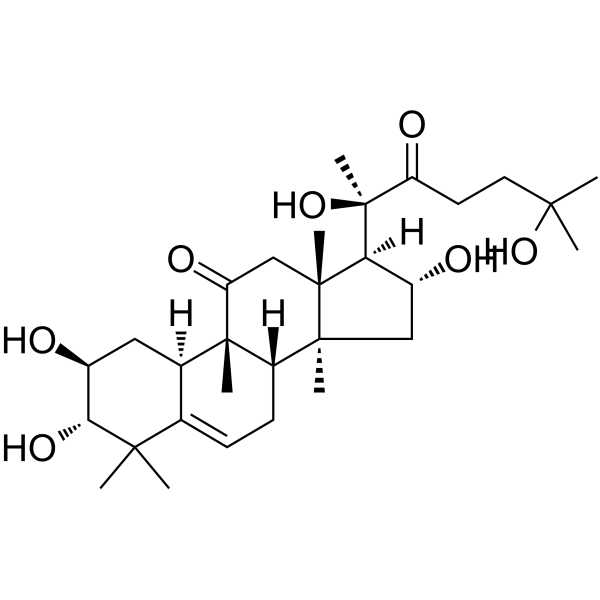
Cucurbitacin IIb is an active component isolated from Hemsleya amabilis, induces apoptosis with anti-inflammatory activity. Cucurbitacin IIb inhibits phosphorylation of STAT3, JNK and Erk1/2, enhances the phosphorylation of IκB and NF-κB (p65), blocks nuclear translocation of NF-κB (p65) and decreases mRNA levels of IκBα and TNF-α .
loading...
    loading...
2
2 Cited Publications
Cat. No.: HY-W016562
CAS No.: 495-69-2
Synonyms: Benzoylglycine
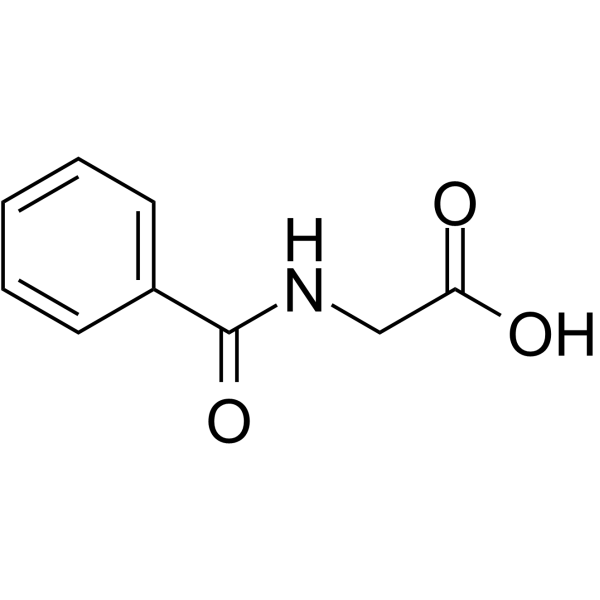
Hippuric Acid is an orally active metabolite. Hippuric Acid can be produced by intestinal microorganisms from the metabolism of polyphenols, benzoic acid. Hippuric Acid decreases NRF2, MMP9 and leads to ROS accumulation. Hippuric Acid activates TGFβ/SMAD signaling. Hippuric Acid improves hyperuricemia and colitis. Hippuric Acid can also be used in cardiovascular disease research . .
loading...
    loading...
2
2 Cited Publications
Cat. No.: HY-106950
CAS No.: 488-69-7
Synonyms: Diphosphofructose; Esafosfan; FDP
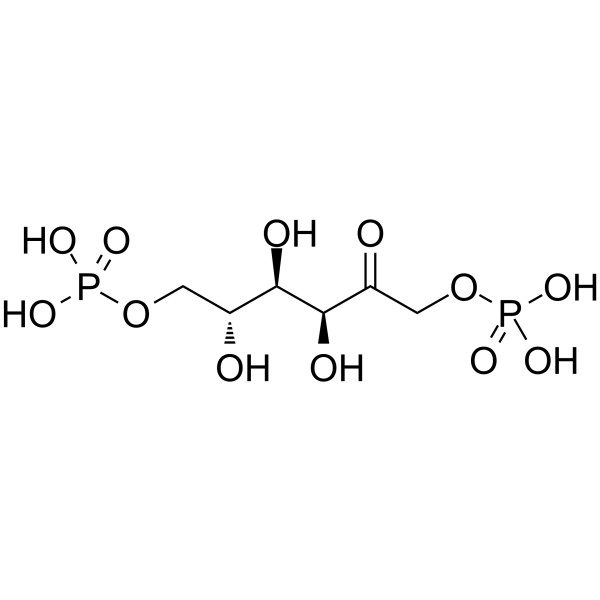
Fosfructose is an orally active cyclooxygenase-2 inhibitor and Toll-like receptor 4 modulator. Fosfructose reduces the expression of cyclooxygenase-2, thereby decreasing prostaglandin production. By inhibiting the Toll-like receptor 4 signaling pathway, Fosfructose downregulates LPS-induced adhesion molecule expression. Fosfructose is applicable to research related to ischemic stroke, epilepsy, sepsis, myocardial injury, osteoporosis, and ultraviolet B-induced skin damage .
loading...
    loading...
2
2 Cited Publications
Cat. No.: HY-12895
CAS No.: 24418-86-8
Purity:  98.95%
Target:  

SphK PI3K Apoptosis

Research Areas:  

Cancer

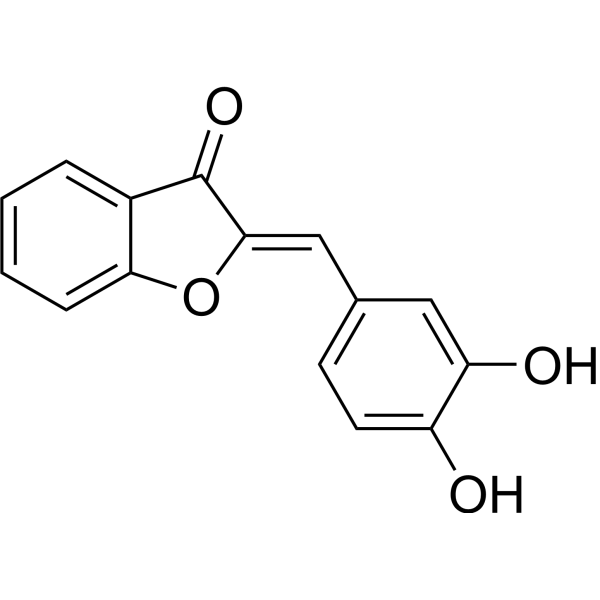
SKI V is a noncompetitive and potent non-lipid sphingosine kinase (SPHK; SK) inhibitor with an IC50 of 2 μM for GST-hSK. SKI V potently inhibits PI3K with an IC50 of 6 μM for hPI3k. SKI V decreases formation of the mitogenic second messenger sphingosine-1-phosphate (S1P). SKI V induces apoptosis and has antitumor activity .
loading...
    loading...
2
2 Cited Publications
Cat. No.: HY-101986
CAS No.: 246146-55-4
Purity:  99.10%
Synonyms: AR-H 053591
Research Areas:  

Metabolic Disease Endocrinology

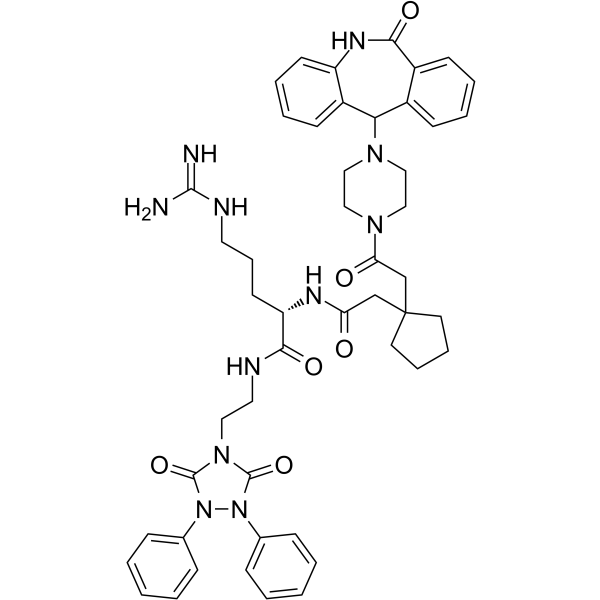
BIIE-0246 (AR-H 053591) is a potent and selective NPY2R (neuropeptide Y receptor 2) antagonist with an IC50 value of 15 nM for rat [ 125I]PYY3-36. BIIE-0246 decreases the expression of p-AKT S473, P-p44/42 MAPK under the NPY-stimulated. BIIE-0246 reduces albuminuria in ADR nephropathy .
loading...
    loading...
2
2 Cited Publications
Cat. No.: HY-101986A
Purity:  ≥99.0%
Synonyms: AR-H 053591 hydrochloride
Research Areas:  

Metabolic Disease

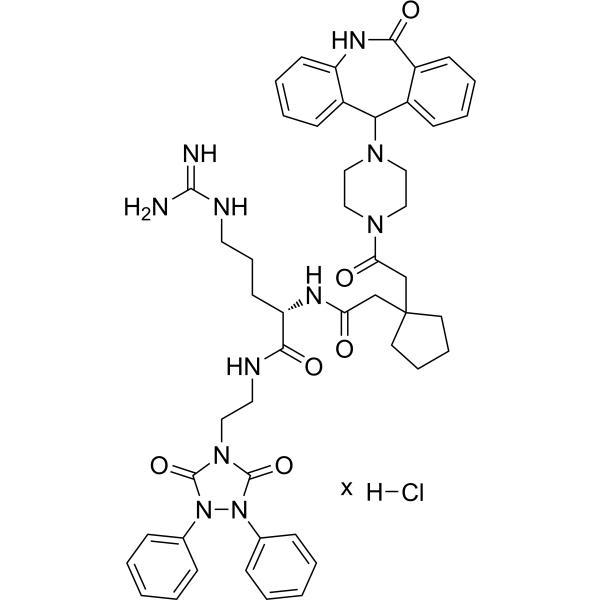
BIIE-0246 hydrochloride (AR-H 053591 hydrochloride) is a potent and selective NPY2R (neuropeptide Y receptor 2) antagonist with an IC50 value of 15 nM for rat [ 125I]PYY3-36. BIIE-0246 hydrochloride decreases the expression of p-AKT S473, P-p44/42 MAPK under the NPY-stimulated. BIIE-0246 hydrochloride reduces albuminuria in ADR nephropathy .
loading...
    loading...
2
2 Cited Publications
Cat. No.: HY-W014841
CAS No.: 532-94-5
Synonyms: N-Benzoylglycine sodium, 98%
Sodium hippurate, 98% is an orally active metabolite. Sodium hippurate, 98% can be produced by intestinal microorganisms from the metabolism of polyphenols, benzoic acid. Sodium hippurate, 98% decreases NRF2, MMP9 and leads to ROS accumulation. Sodium hippurate, 98% activates TGFβ/SMAD signaling. Sodium hippurate, 98% improves hyperuricemia and colitis. Sodium hippurate, 98% can also be used in cardiovascular disease research . .
loading...
    loading...
2
2 Cited Publications
Cat. No.: HY-12753A
CAS No.: 197431-02-0
Purity:  98.73%
Synonyms: SR35021 hydrochloride
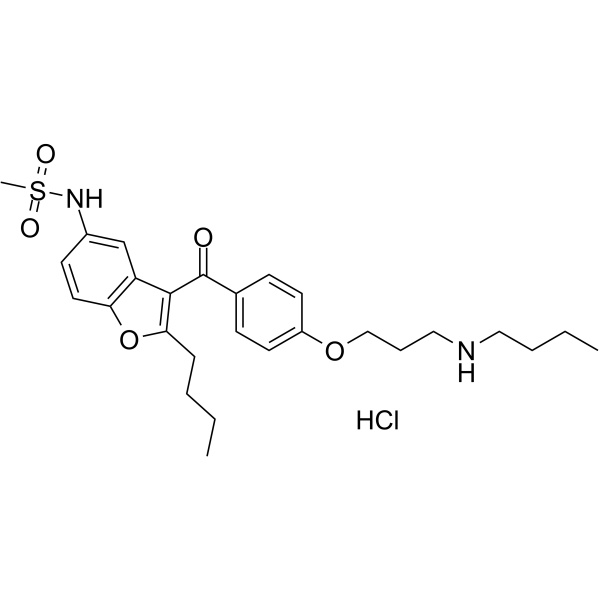
Debutyldronedarone hydrochloride (SR35021 hydrochloride) is a Cytochrome P450 enzyme inhibitor and a Thyroid Hormone Receptor inhibitor, and it is a metabolite of Dronedarone (HY-A0016). Debutyldronedarone hydrochloride inhibits the binding of T3 to TRα1 and TRβ1. Debutyldronedarone hydrochloride reduces the incidence of reperfusion-induced ventricular fibrillation in anesthetized rats, while decreasing their heart rate and blood pressure. Debutyldronedarone hydrochloride can be used in studies related to ventricular fibrillation and atrial fibrillation .
loading...
    loading...
2
2 Cited Publications
Cat. No.: HY-139330
CAS No.: 896657-58-2
Purity:  99.56%
Target:  

Apoptosis

Research Areas:  

Cancer

MGH-CP1 is a potent and orally active TEAD2 and TEAD4 auto-palmitoylation inhibitor with IC50s of 710 nM and 672 nM, respectively. MGH-CP1 can decrease the palmitoylation levels of endogenous or ectopically expressed TEAD proteins in cells. MGH-CP1 can suppress Myc expression, inhibit epithelial over-proliferation, and induce apoptosis when together with Lats1/2 deletion .
loading...
    loading...
2
2 Cited Publications
Cat. No.: HY-B0920
CAS No.: 1156-19-0
Synonyms: U-17835
Target:  

Potassium Channel

Research Areas:  

Metabolic Disease Endocrinology

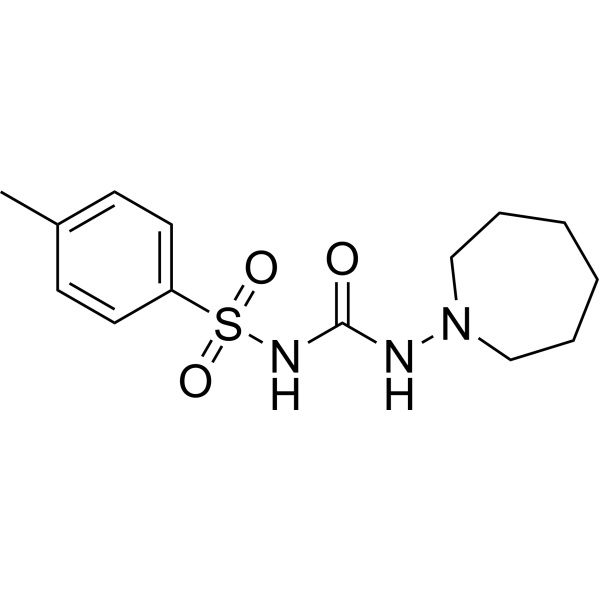
Tolazamide (U-17835) is an orally active sulfonylurea agent that inhibits sulfonylurea receptor 1 (SUR1) linked to the inwardly rectifying potassium channel (IC50 = 4.2 µM in HEK293 cells transfected with the human receptor). Tolazamide has anti-diabetic properties. Tolazamide can lower blood glucose in sulfonylurea class. Tolazamide decreases insulin dose while continuing to maintain adequate metabolic control. Tolazamide is able to improve or normalize hyperglycemia and HbA .
loading...
    loading...
2
2 Cited Publications
Cat. No.: HY-P10769
CAS No.: 2209854-03-3
Target:  

AMPK Apoptosis

Research Areas:  

Metabolic Disease

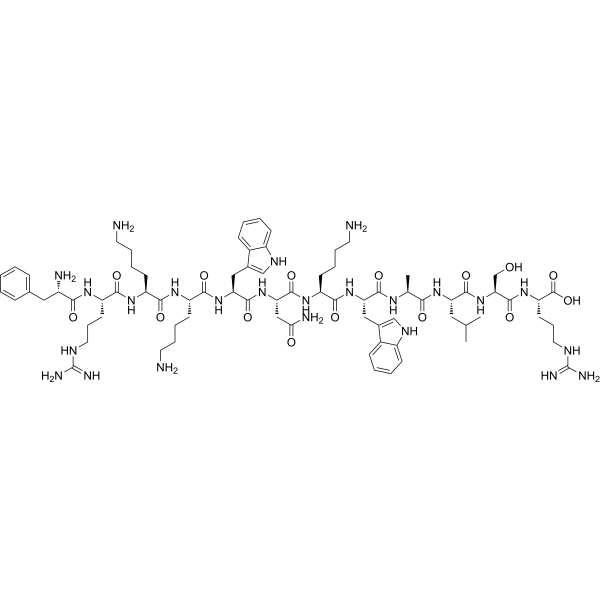
MOTS-c (mouse) is a mitochondrial-derived polypeptide that can be used to regulates pancreatic cell function. MOTS-c (mouse) reduces insulin secretion and expression in INS-1E cells, and enhances glucagon secretion and expression in αTC-1 cells. MOTS-c (mouse) decreases the apoptosis in INS-1E and αTC-1. MOTS-c (mouse) counteracts diet-induced obesity and insulin resistance through AMPK activation .
loading...
    loading...
2
2 Cited Publications
Cat. No.: HY-P99171
CAS No.: 1129435-60-4

Target:  

Interleukin Related

Research Areas:  

Inflammation/Immunology Cancer

Gevokizumab is a potent anti-IL-1β antibody, negatively modulates IL-1β signaling through an allosteric mechanism. Gevokizumab selectively decreases the binding affinity of IL-1β for the IL-1 receptor type I (IL-1RI) signaling receptor instead of IL-1 counter-regulatory decoy receptor (IL-1 receptor type II) .
loading...
    loading...
2
2 Cited Publications
Cat. No.: HY-N6263
CAS No.: 148707-39-5
Synonyms: AcEGCG; Peracetylated (-)-epigallocatechin-3-gallate
Target:  

Bacterial PI3K Akt NF-κB

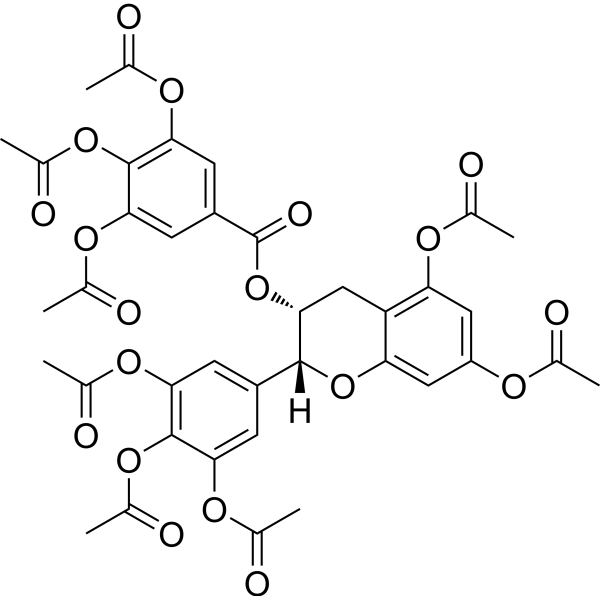
EGCG Octaacetate (AcEGCG) is a proagent of Green tea epigallocatechin-3-gallate (EGCG). EGCG Octaacetate decreases the proinflammatory mediator levels by down-regulating of PI3K/Akt/NFκB phosphorylation and p65 acetylation. EGCG octaacetate is the potential antibacterial compound for gram-positive bacteria (GPB) and gram-negative bacteria (GNB). EGCG Octaacetate exhibits antioxidant, anti-angiogenesis, anti-inflammatory and antitumor activities .
loading...
    loading...
2
2 Cited Publications
Cat. No.: HY-P3419
CAS No.: 929905-12-4
PAMP-12 (unmodified) is an endogenous peptide and is a MrgX2 agonist. PAMP-12 (unmodified) can reduce cAMP accumulation, increase Ca 2+ levels, enhance beta-arrestin recruitment, decrease IP-1, and increases phosphoERK. PAMP-12 (unmodified) can elicit hypotension through inhibiting catecholamine secretion from sympathetic nerve endings and adrenal chromaffin cells. PAMP-12 (unmodified) can be used for the research of hypotension and ulcerative colitis .
loading...
    loading...
2
2 Cited Publications
Cat. No.: HY-17587
CAS No.: 36861-47-9
Synonyms: 4-MBC; Enzacamene
Target:  

Apoptosis PI3K Akt ERK

Research Areas:  

Metabolic Disease

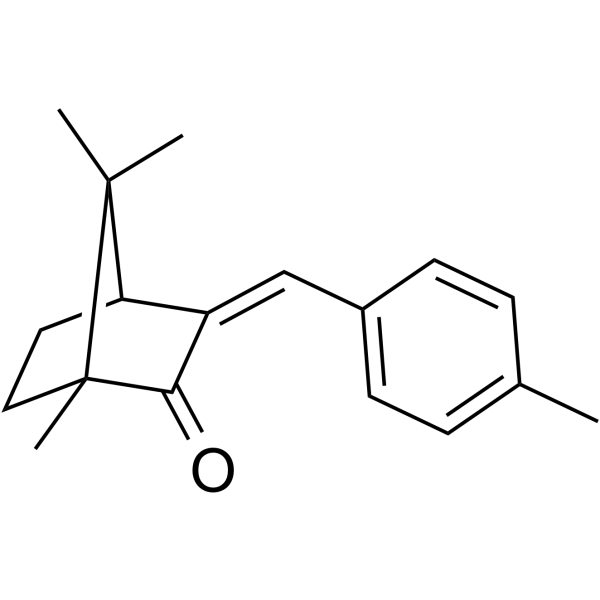
4-Methylbenzylidene camphor (4-MBC) is an endocrine disrupter that produces estrogen-like effects. 4-Methylbenzylidene camphor decreases the proliferation of human trophoblast cells and induces apoptosis. 4-Methylbenzylidene camphor activates PI3K/AKT and ERK1/2 signaling pathways and elevates intracellular ROS production. 4-Methylbenzylidene camphor is a ultraviolet (UV) filter and may hamper normal placental formation during early pregnancy .
loading...
    loading...

