2410 Results for "

decrease

" in MedChemExpress (MCE) Product Catalog:
Products (2410)

2410 Results for "decrease" in MCE Product Catalog:

3
3 Cited Publications
Cat. No.: HY-P10102
CAS No.: 629628-53-1
Research Areas:  

Inflammation/Immunology Cancer

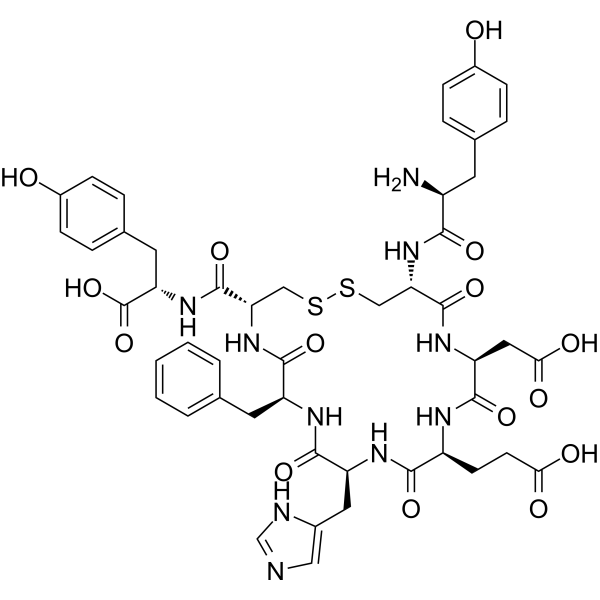
Kp7-6 is a Fas mimetic peptide and also a Fas/FasL antagonist. Kp7-6 specifically binds to Fas and FasL, disrupts receptor complexes, and blocks downstream apoptosis signaling pathways. Kp7-6 inhibits the phosphorylation of ERK1-2, induces the phosphorylation of IκBα, and activates NF-κB. Kp7-6 inhibits the activation of caspase-8, caspase-3 and JNK, and suppresses human amylin-induced β-cell apoptosis. Kp7-6 inhibits FasL-induced lymphoid cytotoxicity and apoptosis. Kp7-6 reduces local tumor FasL expression, increases CD8 +Fas + T cell infiltration, and decreases tumor volume in pancreatic neuroendocrine tumor models. Kp7-6 prevents concanavalin A-induced liver injury in mice. Kp7-6 is applicable to research related to type 2 diabetes, concanavalin A-induced hepatitis and pancreatic neuroendocrine tumors .
loading...
    loading...
2
2 Cited Publications
Cat. No.: HY-N0936
CAS No.: 532-91-2
Synonyms: 6-Methoxy-2-benzoxazolinone; 6-MBOA
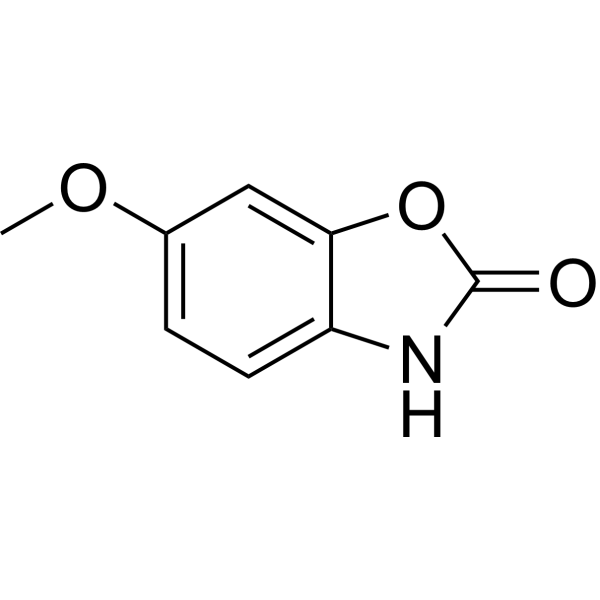
Coixol (6-Methoxy-2-benzoxazolinone; 6-MBOA) is a potent and orally active anti-inflammatory agent. Coixol decreases the iNOS protein expression. Coixol inhibits the production of TNF-α, IL-6, and IL-1β. Coixol improves glucose tolerance and plasma insulin. Coixol decreases the blood glucose level .
loading...
    loading...
2
2 Cited Publications
Cat. No.: HY-N0785
CAS No.: 15291-76-6
Synonyms: BN-52022
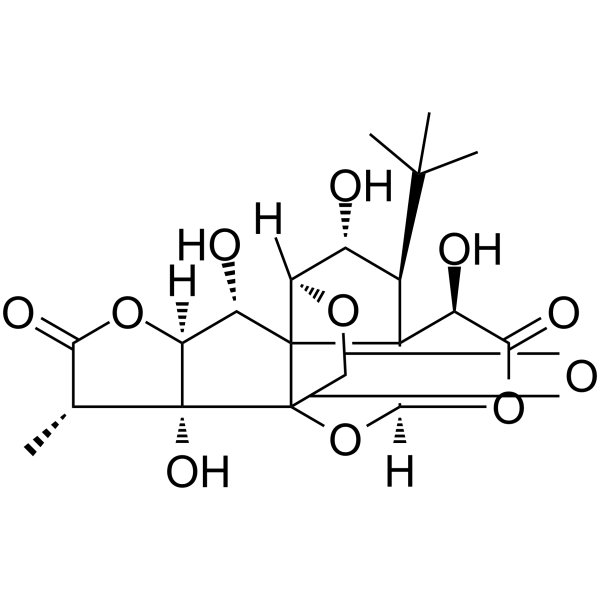
Ginkgolide C is a flavone isolated from Ginkgo biloba leaves, possessing multiple biological functions, such as decreasing platelet aggregation and ameliorating Alzheimer disease.
loading...
    loading...
2
2 Cited Publications
Cat. No.: HY-14925
CAS No.: 189059-71-0
Purity:  99.81%
Synonyms: T-91485
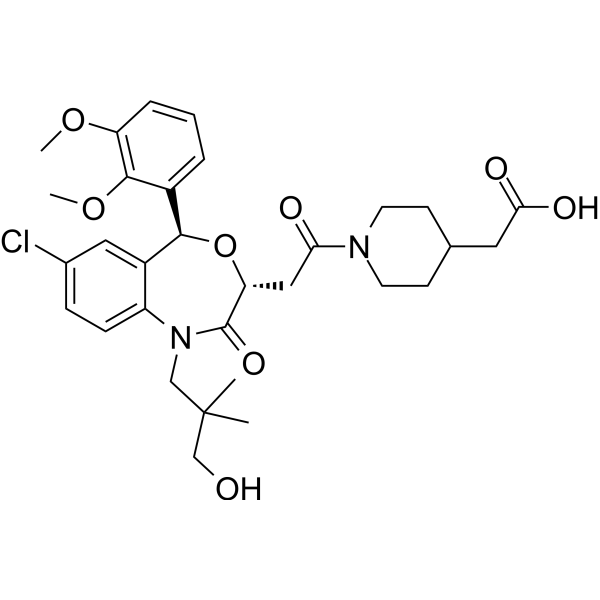
Lapaquistat (T-91485), a cholesterol biosynthesis inhibitor, is the active metabolite of Lapaquistat acetate (HY-16274). Lapaquistat can decrease statin-induced myotoxicity in lipid-lowering therapy .
loading...
    loading...
2
2 Cited Publications
Cat. No.: HY-B0452
CAS No.: 23239-51-2
Synonyms: DU21220 hydrochloride
Target:  

Adrenergic Receptor

Research Areas:  

Endocrinology

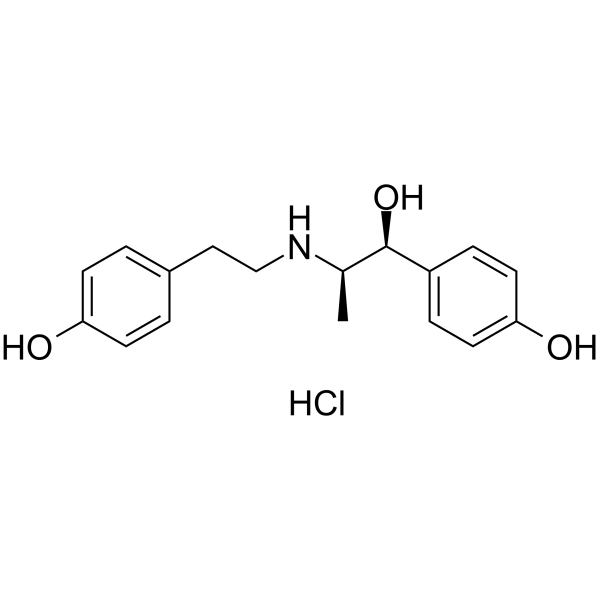
Ritodrine (DU21220) hydrochloride is a potent and orally active β-adrenergic agonist. Ritodrine hydrochloride decreases preterm delivery and uterine contraction. Ritodrine hydrochloride has the potential for the research of preterm labor .
loading...
    loading...
2
2 Cited Publications
Cat. No.: HY-134217
CAS No.: 2247950-73-6
Purity:  98.17%
Research Areas:  

Cancer

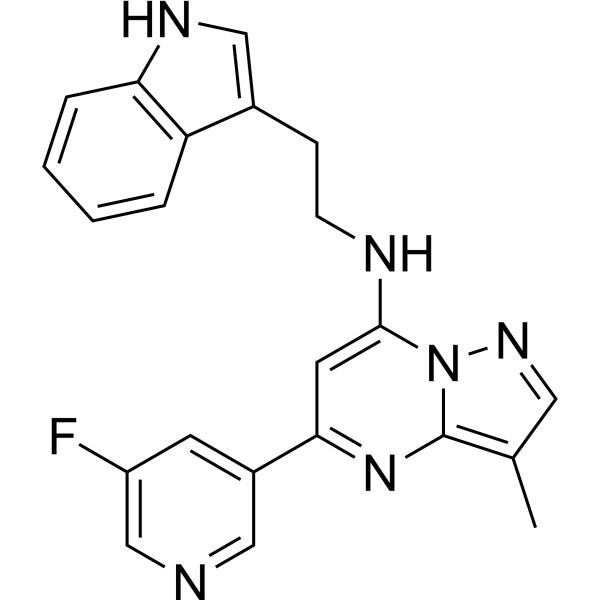
KYN-101 is a potent, selective and orally active AHR inhibitor. KYN-101 decreases the CYP1A1 mRNA expression. KYN-101 shows anti-cancer activity .
loading...
    loading...
2
2 Cited Publications
Cat. No.: HY-134828
CAS No.: 2043321-54-4
Purity:  99.74%
Research Areas:  

Cancer

AZ506 is a potent SMYD2 inhibitor with an IC50 of 17 nM. AZ506 inhibits SMYD2 methyltransferase activity in cells, leading to a decrease in the SMYD2-mediated methylation signal .
loading...
    loading...
2
2 Cited Publications
Cat. No.: HY-131901
CAS No.: 637-03-6
Purity:  99.32%
Synonyms: Oxophenylarsine; PhAsO; Arsenosobenzene
Research Areas:  

Others

Phenylarsine oxide (PAO), an inhibitor of endocytosis, inhibits PTPε with an IC50 of 18 μM. Phenylarsine oxide (PAO) inhibits oxygen consumption and decreases cellular ATP content overlap with those used to inhibit protein internalization .
loading...
    loading...
2
2 Cited Publications
Cat. No.: HY-B0310
CAS No.: 76963-41-2
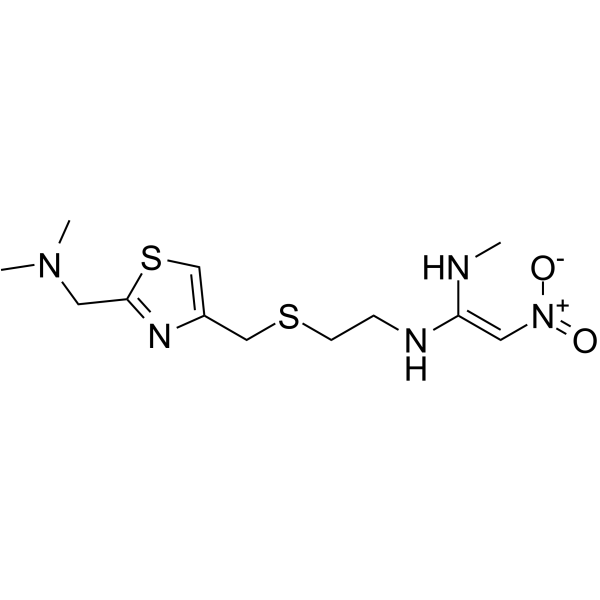
Nizatidine is a potent and orally active histamine H2 receptor antagonist, can be used for the research of stomach and intestines ulcers. Nizatidine works by decreasing the secretion of gastric acid the stomach makes and prevent ulcers from coming back after they have healed in animal models .
loading...
    loading...
2
2 Cited Publications
Cat. No.: HY-113328
CAS No.: 542-32-5
Purity:  99.86%
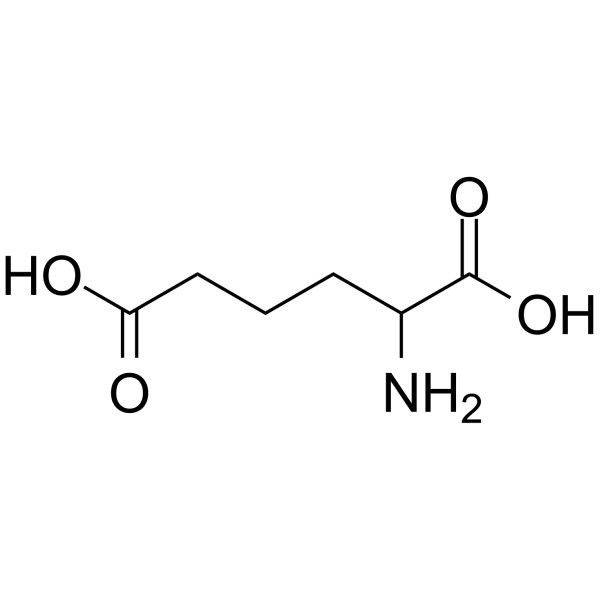
Aminoadipic acid is an orally active lysine oxide derivative. Aminoadipic acid induces ROS generation, increases free Ca 2+, decreases SOD, and activates TXNIP/NLRP3 pathway. Aminoadipic acid has pro-inflammatory effects. Aminoadipic acid can be used in atherosclerosis research .
loading...
    loading...
2
2 Cited Publications
Cat. No.: HY-13676
CAS No.: 595-33-5
Purity:  99.69%
Research Areas:  

Endocrinology Cancer

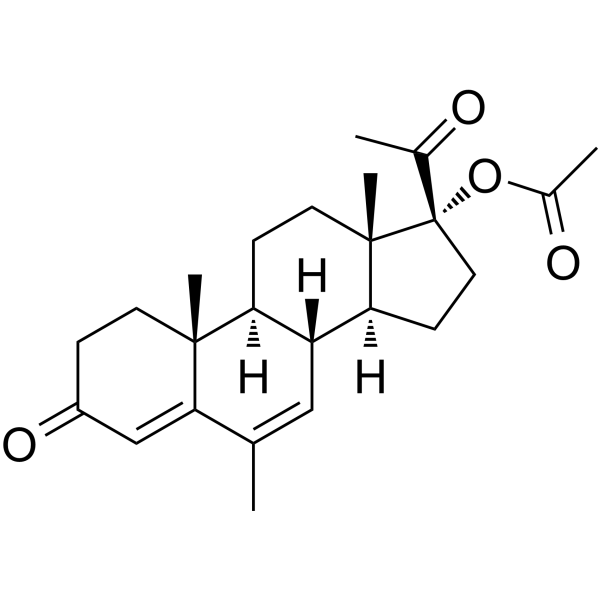
Megestrol acetate is a synthetic and orally active progesteronal agent. Megestrol acetate is effective as an appetite stimulant for wasting syndromes such as cachexia. Megestrol acetate decreases nuclear and cytosol androgen receptors human BPH tissue. Megestrol acetate has the potential for HIV study and downregulates autophagic catabolic pathway .
loading...
    loading...
2
2 Cited Publications
Cat. No.: HY-18366A
CAS No.: 1782573-67-4
Target:  

Hedgehog

Research Areas:  

Cancer

RU-SKI 43 hydrochloride is a potent and selective Hedgehog acyltransferase (Hhat) inhibitor with an IC50 of 850 nM. RU-SKI 43 hydrochloride reduces Gli-1 activation through Smoothened-independent non-canonical signaling and decreases Akt and mTOR pathway activity. RU-SKI 43 hydrochloride has anti-cancer activity .
loading...
    loading...
2
2 Cited Publications
Cat. No.: HY-117522
CAS No.: 163126-81-6
Purity:  97.89%
Target:  

Separase

Research Areas:  

Cancer

Sepin-1 is a potent separase inhibitor with an IC50 value of 14.8 µM. Sepin-1 inhibits cell proliferation, migration and wound healing. Sepin-1 decreases the expression of FoxM1 protein and mRNA level. Sepin-1 shows anti-tumor activity .
loading...
    loading...
2
2 Cited Publications
Cat. No.: HY-15100
CAS No.: 354813-19-7
Purity:  98.25%
Synonyms: AAE581
Target:  

Cathepsin

Research Areas:  

Inflammation/Immunology

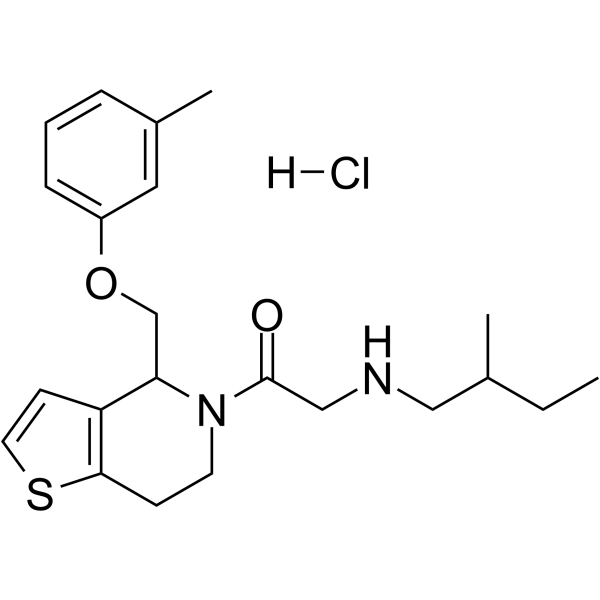
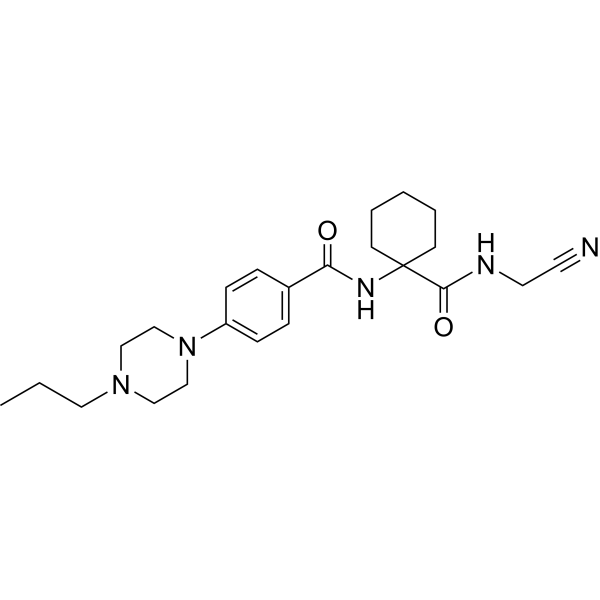
Balicatib (AAE581) is a potent, orally active and selective cathepsin K inhibitor with IC50 values of 22, 61, 48, 2900 nM for cathepsin K, cathepsin B, cathepsin L, cathepsin S, respectively. Balicatib inhibits bone turnover, decreases bone formation rates. Balicatib has the potential for the research of osteoporosis .
loading...
    loading...
2
2 Cited Publications
Cat. No.: HY-107541
CAS No.: 317321-41-8
Purity:  99.68%
Target:  

GPR55

Research Areas:  

Neurological Disease

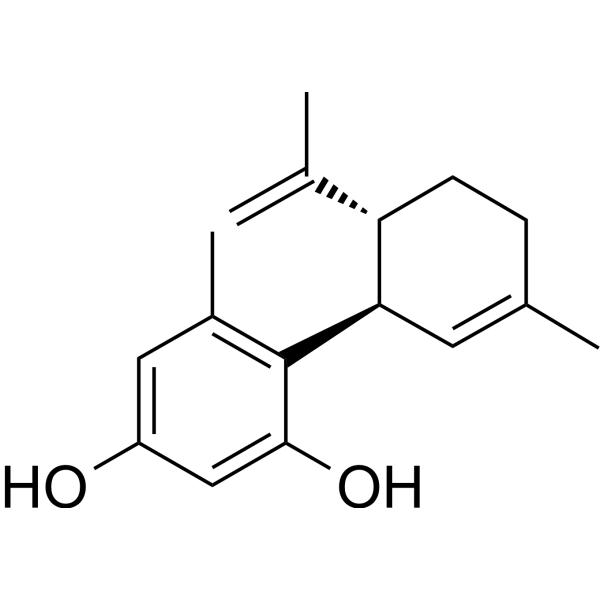
O-1602 is an agonist of GPR55 (G protein-coupled receptor 55). O-1602 reduces the number and activation of hippocampal microglia induced by METH (methamphetamine). O-1602 decreases the expression levels of NLRP3 inflammasome proteins, including NLRP3, ASC and Caspase-1 .
loading...
    loading...
2
2 Cited Publications
Cat. No.: HY-B0557
CAS No.: 603-50-9
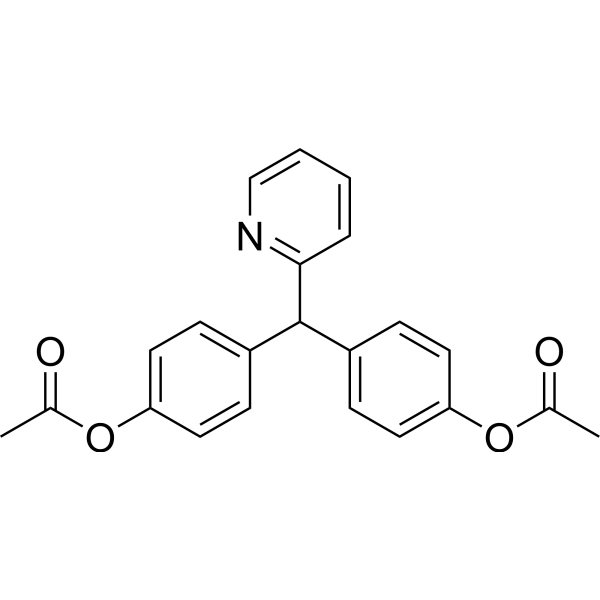
Bisacodyl is a stimulant laxative agent that works directly on the colon to produce a bowel movement. Bisacodyl increases the secretion of PGE2 by direct activation of colon macrophages. PGE2 acts as a paracrine factor and decreases the expression of AQP3 in the colon, which inhibits water transfer from the luminal to the vascular side and leads to a laxative effect .
loading...
    loading...
2
2 Cited Publications
Cat. No.: HY-13769A
CAS No.: 2076-91-7
Purity:  ≥98.0%
Synonyms: NSC55712; TPU-260 Dihydrochloride
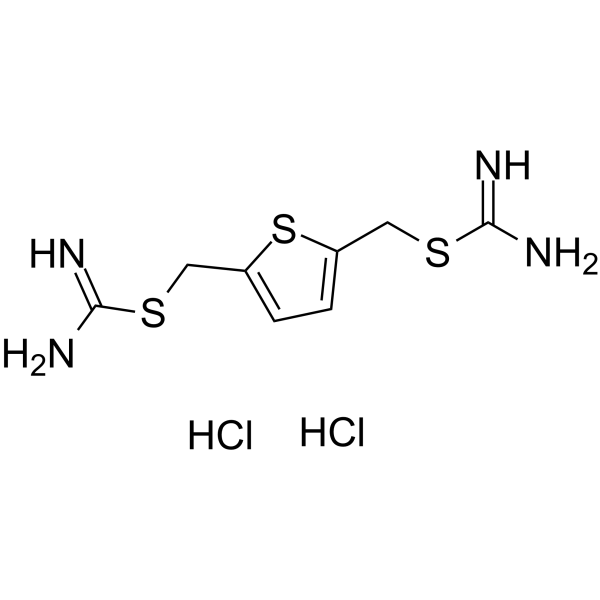
TPT-260 Dihydrochloride (NSC55712), a thiophene thiourea derivative, is a retromer complex stabilizer against thermal denaturation (Kd = ~5 µM). TPT-260 Dihydrochloride increases the levels of retromer proteins, shifts amyloid-precursor protein (APP) away from the endosome, and decreases the pathogenic processing of APP. TPT-260 Dihydrochloride inhibits TLR4 upregulation, IKKβ phosphorylation, NF-κB p65 nuclear translocation, and NLRP3 inflammasome formation. TPT-260 Dihydrochloride improves retromer-mediated cargo trafficking, reduces brain infarct area, and decreases amyloid plaque deposition. TPT-260 Dihydrochloride exhibits minimal cytotoxicity to primary microglia at tested concentrations. TPT-260 Dihydrochloride can be used for the research of inflammatory bowel disease, ischemic stroke and Alzheimer's disease .
loading...
    loading...
2
2 Cited Publications
Cat. No.: HY-117690
CAS No.: 2170679-45-3
Purity:  99.75%
Research Areas:  

Cancer

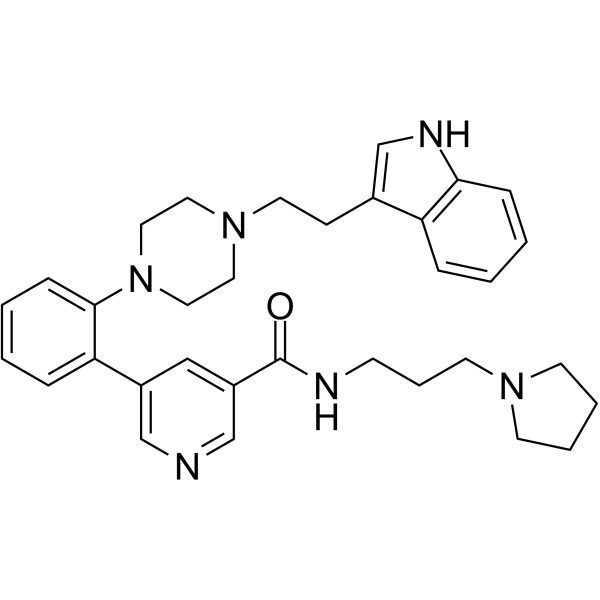
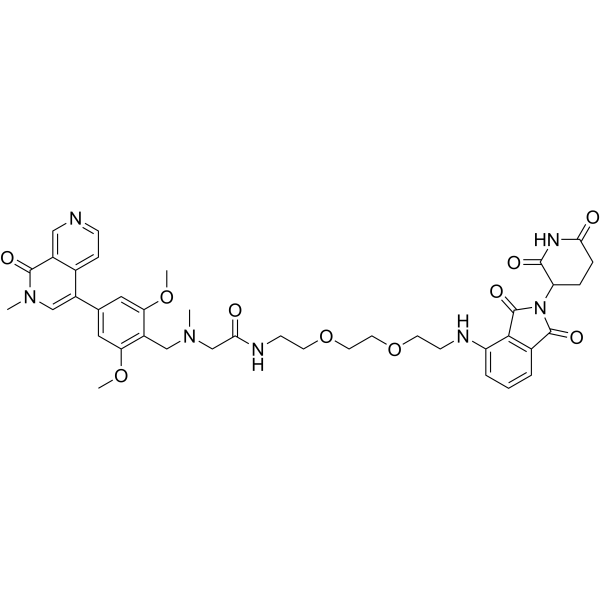
dBRD9 is a BRD9 PROTAC degrader. dBRD9 reduces the binding of the ISGF3 complex to ISG promoters, decreases the level of ISG induction downstream of IFNAR signaling, and reduces the chromatin binding of BRD4 at BRD9 co-binding sites. dBRD9 can be used in research related to acute myeloid leukemia .
loading...
    loading...
2
2 Cited Publications
Cat. No.: HY-117690A
CAS No.: 2341840-98-8
Research Areas:  

Cancer

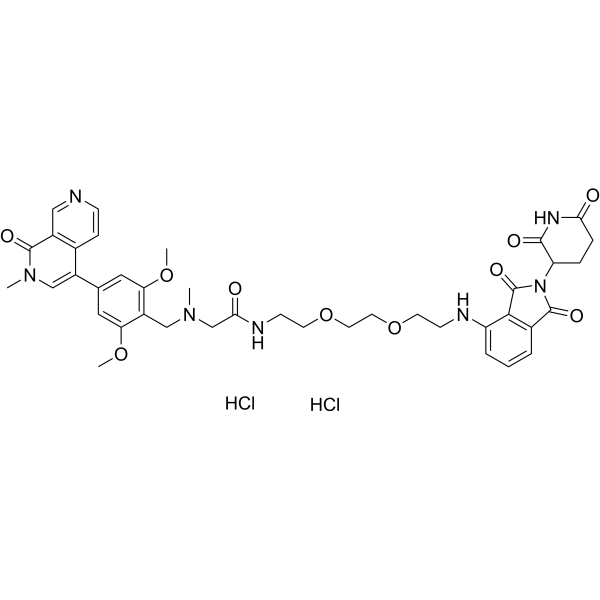
dBRD9 dihydrochloride is a BRD9 PROTAC degrader. dBRD9 dihydrochloride reduces the binding of the ISGF3 complex to ISG promoters, decreases the level of ISG induction downstream of IFNAR signaling, and reduces the chromatin binding of BRD4 at BRD9 co-binding sites. dBRD9 dihydrochloride can be used in research related to acute myeloid leukemia .
loading...
    loading...
2
2 Cited Publications
Cat. No.: HY-144981
CAS No.: 1226443-41-9
Purity:  98.10%
Target:  

CDK Molecular Glues

Research Areas:  

Cancer

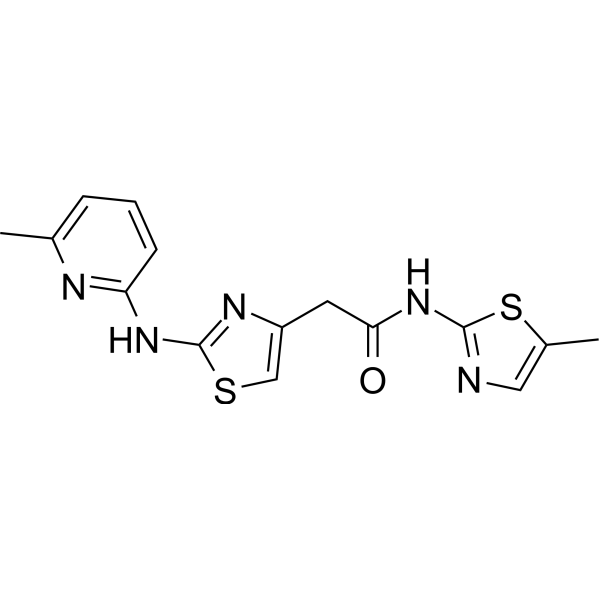
HQ461 is a molecular glue that promotes CDK12-DDB1 interaction to trigger cyclin K degradation. HQ461-mediated degradation of cyclin K impairs CDK12 function, resulting in decreased CDK12 substrate phosphorylation, downregulation of DNA damage response genes, and cell death .
loading...
    loading...

