298 Results for "

bactericidal activity

" in MedChemExpress (MCE) Product Catalog:
Products (298)

298 Results for "bactericidal activity" in MCE Product Catalog:

Cat. No.: HY-N10116A
CAS No.: 483-77-2
Calamenene is a sesquiterpene compound . Calamenene promotes dendritic cell maturation, upregulates CD1a, CD80, CD83, CD86, HLA-DR and CCR7 on the cell surface, reduces endocytic activity, enhances T cell-stimulating capacity, drives Th1 polarization through the secretion of IL-12, induces IFN-γ production, decreases IL-4 generation, and triggers intracellular Ca 2+ mobilization as well as dendritic cell migration towards MIP-3β. Calamenene exerts bacteriostatic and bactericidal growth-inhibitory effects against pathogenic *Vibrio harveyi*. Calamenene can be used in studies related to cancer and bacterial infections .
loading...
    loading...
Cat. No.: HY-N2902
CAS No.: 7608-44-8
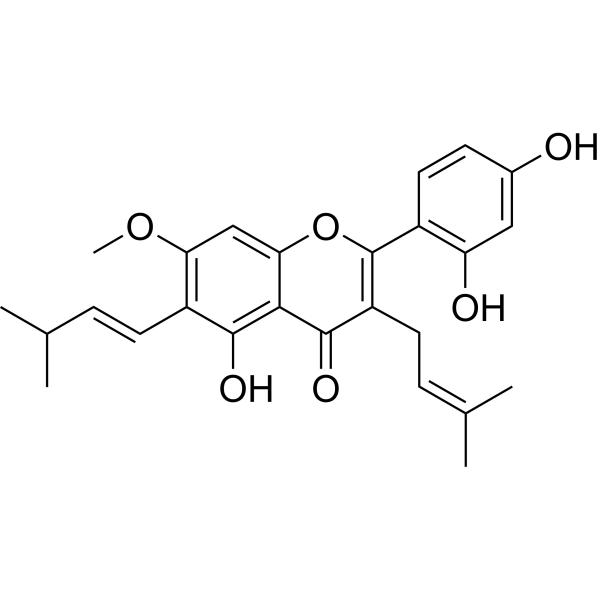
Artocarpin is an orally active apoptosis inducer. Artocarpin targets NF-κB, Erk1/2, p38 MAPK, AktS473, p53, Akt 1 kinase and Akt 2 kinase. Artocarpin induces reactive oxygen species (ROS) production, mediates p53-dependent and p53-independent apoptotic signaling pathways, induces G1-phase cell cycle arrest, and triggers autophagic cell death. Artocarpin exerts cytotoxic and bactericidal effects on cancer cells, reduces bacterial load, and exhibits anti-inflammatory, analgesic and anti-angiogenic activities .
loading...
    loading...
Cat. No.: HY-P1752A
Research Areas:  

Metabolic Disease

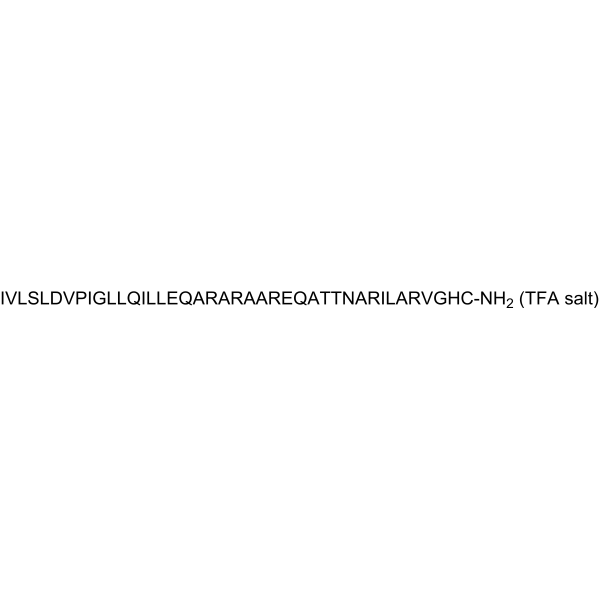
Urocortin II, human TFA is a selective endogenous peptide agonist of type-2 corticotropin-releasing factor (CRF2) receptor. Urocortin II, human TFA has an effect of promoting satiet and neuroprotective effect. Urocortin II, human TFA also has bactericidal, antiparasitic and pro-inflammation activity. Urocortin II, human TFA can activate NF-κB pathway and ERK1/2 MAP kinase. Urocortin II, human TFA can reduce pulmonary arterial hypertension and shows cardiac protection effect. Urocortin II, human TFA can be used for the researches of infection, inflammation, metabolic, neurological and cardiovascular disease .
loading...
    loading...
Cat. No.: HY-P11615
Target:  

Bacterial

Research Areas:  

Infection

FuK is a WK2-analog antimicrobial peptide modified with fluorinated unnatural amino acids. FuK has an LD50 of 72.34 mg/kg in mice, shows no hemolytic activity, with high stability against trypsin, chymotrypsin, and saline environments. FuK exerts bactericidal effects by enhancing the permeability of bacterial outer membranes, inducing depolarization of cytoplasmic membranes, and disrupting membrane potential balance against bacterias such as Staphylococcus aureus, Escherichia coli, Klebsiella pneumoniae, and MRSA. FuK exhibits synergistic antimicrobial activity with polymyxin B (HY-149179), vancomycin (HY-B0671), and ciprofloxacin (HY-B0356), and also inhibits Ciprofloxacin-induced bacterial drug resistance. FuK has in vivo safety, effectively reduces bacterial load and inflammatory cell infiltration in a mouse MRSA model, and promotes collagen fiber formation in skin wounds .
loading...
    loading...
Cat. No.: HY-107833
CAS No.: 102961-72-8
Purity:  92.38%
Target:  

Antibiotic Bacterial

Research Areas:  

Infection

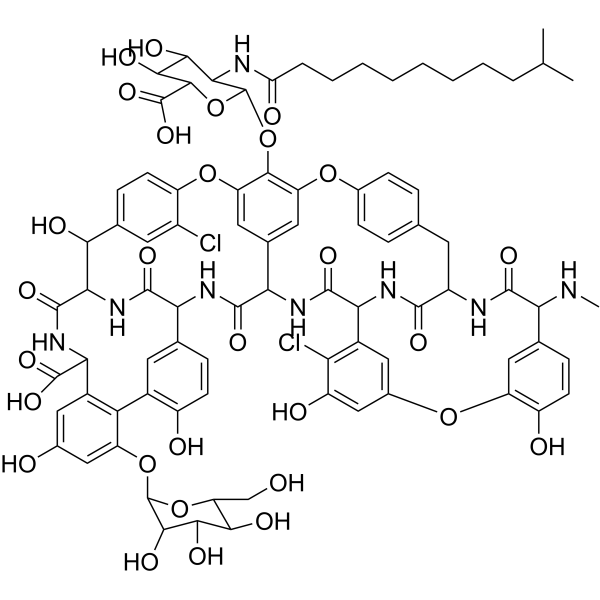
A40926 is a glycopeptide antibiotic that targets the bacterial cell wall peptidoglycan precursor D-alanyl-D-alanine (D-Ala-D-Ala). A40926 irreversibly inhibits cell wall synthesis by competitively binding to this target, and has high bactericidal activity against Gram-positive bacteria (such as Staphylococcus, Streptococcus) and Neisseria gonorrhoeae, with MIC=0.06-2 μg/mL, and is also effective against penicillin-resistant strains. A40926 blocks peptidoglycan cross-linking, destroys cell wall integrity, and causes bacterial lysis and death. A40926 has a fat-soluble fatty acid structure, which can increase serum concentrations and prolong the duration of action (e.g., the terminal half-life in rats is 61.22 h) .
loading...
    loading...
Cat. No.: HY-111989
CAS No.: 103923-27-9
Target:  

Bacterial Fungal

Research Areas:  

Infection Inflammation/Immunology

Pirtenidine free base is a broad-spectrum antibacterial and anti-plaque agent. Pirtenidine free base exhibits bactericidal activity against oral plaque bacteria in vitro and inhibits plaque formation. Pirtenidine free base inhibits the growth, budding, germ tube formation and buccal epithelial cell adhesion of Candida albicans and Saccharomyces cerevisiae, reduces the oxygen uptake rate of yeast, and impairs mitochondrial respiratory function. Pirtenidine free base disrupts the integrity of fungal cell wall and membrane, leading to cytoplasmic leakage, cell shrinkage, and lysis. Pirtenidine free base binds tightly to mucosal surfaces in vivo with low systemic exposure. Pirtenidine free base can be used in studies related to dental plaque, fungal infections and oral candidiasis .
loading...
    loading...
Cat. No.: HY-121365
CAS No.: 71522-58-2
Target:  

Bacterial

Research Areas:  

Infection

Forphenicinol is an immunomodulator and a derivative of the bacterial metabolite forphenicine. It increases the phagocytosis of yeast by peritoneal macrophages isolated from thioglycolate-stimulated mice. Forphenicinol (100 μg/animal) prevents cyclophosphamide-induced suppression of delayed-type hypersensitivity (DTH), as well as enhances DTH in response to the hapten oxazolone or sheep red blood cells in mice. It enhances the bactericidal activity of macrophages against P. aeruginosa in mice when administered at a dose of 0.5 mg/kg.2 Forphenicinol (15.6-1,000 μg/animal) increases survival in a mouse model of P. aeruginosa infection. It also inhibits tumor growth in S180 sarcoma and IMC carcinoma mouse xenograft models when administered at doses ranging from 0.05 to 5 mg/kg per day.
loading...
    loading...
Cat. No.: HY-184417
CAS No.: 3085883-97-9
Target:  

Bacterial

Research Areas:  

Infection

Energy-coupling factor-IN-1 is an energy-coupling factor (ECF) transporter inhibitor with an IC50 of 42.84 μM against ECF-FolT2. Energy-coupling factor-IN-1 binds to the interface between the S component and the ECF module, and inhibits the uptake of folic acid and pantothenic acid via the target transporter. Energy-coupling factor-IN-1 acts as a bactericidal agent, exerting rapid and sustained activity for 24 h against Enterococcus faecium, while also acting against Gram-positive bacteria including drug-resistant strains. Energy-coupling factor-IN-1 improves the survival rate of zebrafish embryos infected with Enterococcus faecium. Energy-coupling factor-IN-1 can be used in studies of Gram-positive bacterial infections .
loading...
    loading...
Cat. No.: HY-185351
Synonyms: Ampicillin/Sulbactam combination
Target:  

Bacterial Antibiotic

Research Areas:  

Infection

Ampicillin sodium and Sulbactam sodium are formed by mixing HY-B0522A Ampicillin sodium with HY-B0334A Sulbactam sodium (each 1.5 g of this product contains 1 g amoxicillin sodium and 0.5 g sulbactam sodium). Ampicillin is a β-lactam antimicrobial, whereas sulbactam is a β-lactamase inhibitor. Ampicillin has a broad spectrum of bactericidal activity against many gram-positive and gram-negative aerobic and anaerobic bacteria. However, ampicillin is degraded by beta-lactamases. The combination of ampicillin and sulbactam demonstrates synergy in addressing bacterial strains resistant to ampicillin, thus providing broader coverage. Bacteria susceptible to ampicillin/sulbactam include Haemophilus influenzae, Escherichia coli, Acinetobacter, Klebsiella, Staphylococcus aureus, Enterobacter, and anaerobes.
loading...
    loading...
Cat. No.: HY-W698249R
CAS No.: 299-29-6
Ferrous gluconate (Standard) is the analytical standard of Ferrous gluconate. This product is intended for research and analytical applications. Ferrous gluconate is a highly water-soluble iron-containing agent with high bioavailability and bactericidal activity. As a non-heme iron, Ferrous gluconate is used for meat product fortification and improvement of iron deficiency anemia. Ferrous gluconate induces ferroptosis in E. coli through Fe 2+ infiltration, reactive oxygen species burst, lipid peroxidation and direct interaction with DNA. Ferrous gluconate also downregulates the SOS responsive transcriptional repressor LexA. In addition, Ferrous gluconate regulates multiple key pathways in E. coli such as fatty acid metabolism, iron-sulfur cluster assembly and pyruvate metabolism, and is applied in studies related to *E. coli* infection and iron deficiency anemia .
loading...
    loading...
Cat. No.: HY-128866
CAS No.: 2332841-25-3
Target:  

Bacterial

Research Areas:  

Infection

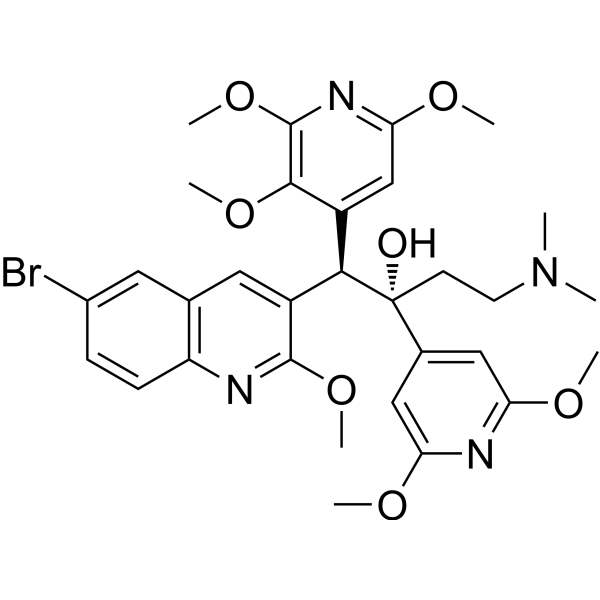
TBAJ-876 is an orally active diarylquinoline anti-Mycobacterium agent. TBAJ-876 regulates energy metabolism by targeting the c and ε subunits of Mycobacterium tuberculosis F-ATP synthase, exerts bactericidal activity against replicating Mycobacterium tuberculosis, and retains activity against strains carrying the Rv0678 mutation. TBAJ-876 undergoes N-demethylation in vivo to form its major active metabolite TBAJ-876-M3, which has lower lipophilicity and hERG potassium channel binding affinity. TBAJ-876 is well tolerated in BALB/c mice and significantly reduces the colony-forming units of Mycobacterium tuberculosis in the lungs. In addition, TBAJ-876 exhibits inhibitory activity against Mycobacterium abscessus, reduces bacterial loads in the lungs and spleens of infected mice, and shows no antagonistic effect when used in combination with common antibiotics. TBAJ-876 can be used in studies related to tuberculosis and Mycobacterium abscessus pulmonary diseases .
loading...
    loading...
Cat. No.: HY-W015551
CAS No.: 3913-81-3
Synonyms: (E)-Dec-2-enal
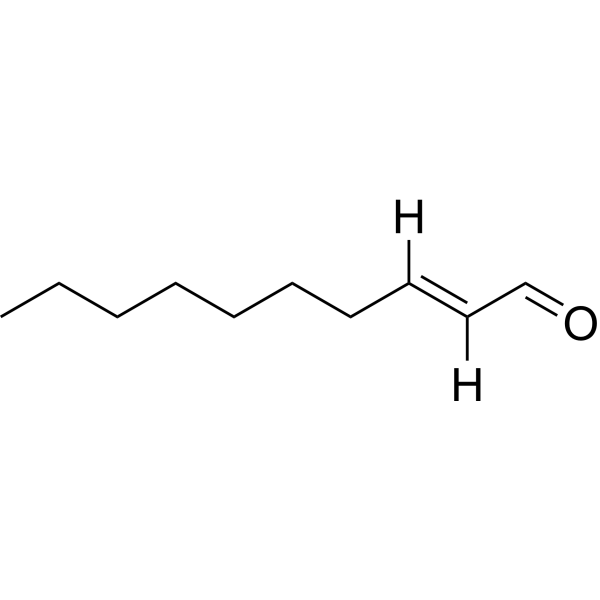
trans-2-Decenal ((E)-Dec-2-enal) acts as a urease inhibitor and antibacterial agent against Helicobacter pylori, with an IC50 of 9.484 μg/mL against Helicobacter pylori urease. trans-2-Decenal reduces the urease activity of Helicobacter pylori, and possesses antibacterial, bactericidal, anti-biofilm and anti-migratory activities. It alters the morphology of Helicobacter pylori, induces bacterial rupture, inhibits biofilm formation, reduces the number of mature biofilms and impairs the migratory capacity of Helicobacter pylori. trans-2-Decenal disrupts the cell wall integrity of Phytophthora capsici, damages membrane integrity and permeability, triggers intracellular reactive oxygen species (ROS) accumulation, decreases glutathione levels and disrupts the mitochondrial membrane potential of Phytophthora capsici. trans-2-Decenal is applicable to studies related to Helicobacter pylori and plant diseases induced by and Phytophthora capsici .
loading...
    loading...
Cat. No.: HY-103249
CAS No.: 303957-69-9
Purity:  98.08%
Synonyms: Reutericycline
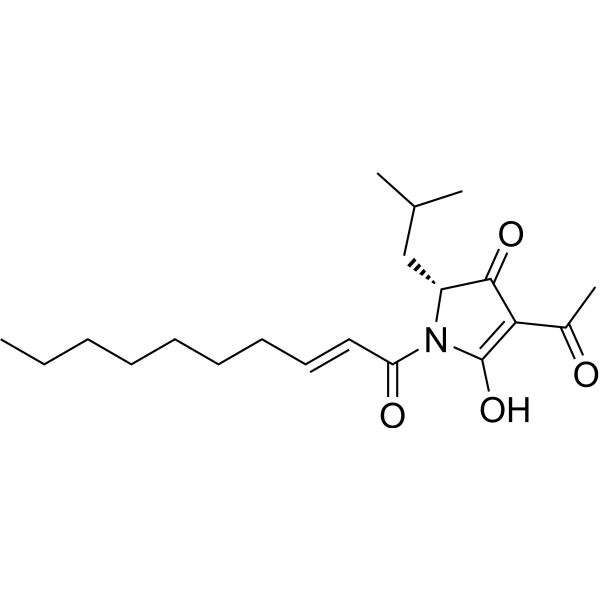
Reutericyclin (Reutericycline) is an orally active antibacterial and anti-obesity agent that selectively inhibits Gram-positive bacteria. By selectively dissipating transmembrane potential, Reutericyclin exerts non-lytic bactericidal or bacteriostatic activity against pathogens such as Clostridium difficile and Staphylococcus aureus, and rapidly kills vegetative cells and spores of Clostridium difficile. Reutericyclin possesses favorable properties including resistance to enzymatic hydrolysis, iron-chelating function, and poor absorption by colonic epithelium. Reutericyclin not only eradicates staphylococcal biofilms and inhibits drug-resistant strains, but also counteracts Risperidone (HY-11018)-induced weight gain by inducing changes in gut microbiota composition and restoring energy utilization efficiency. Reutericyclin can be used in research related to Clostridium difficile infection, Risperidone-induced weight gain, and staphylococcal superficial skin infections .
loading...
    loading...
Cat. No.: HY-P2302
CAS No.: 136661-76-2
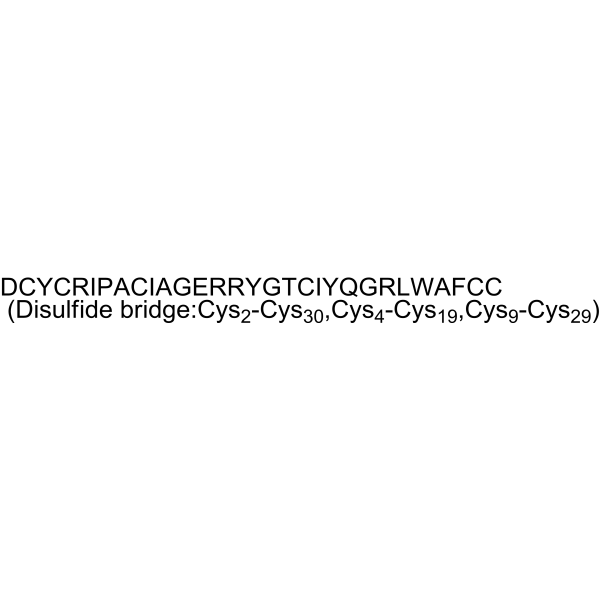
Defensin HNP-3 human is an α-defensin stored in the azurophilic granules of human neutrophils. Defensin HNP-3 human exerts broad-spectrum bactericidal, antifungal and antiviral activities mainly by forming bacterial membrane pores, and acts as a chemoattractant for monocytes and T cells. Defensin HNP-3 human maintains epithelial integrity to support periodontal tissue homeostasis, and exerts concentration-dependent effects on epithelial cell proliferation, adhesion and bacterial adhesion. Defensin HNP-3 human targets solid tumors and leukemia by inducing single-strand DNA breaks and membrane permeabilization in tumor cells via electrostatic binding and pore formation. Defensin HNP-3 human is abundant in human tongue squamous cell carcinoma and neutrophils infiltrating oral squamous cell carcinoma. Defensin HNP-3 human can be applied to research related to periodontitis and human tongue squamous cell carcinoma .
loading...
    loading...
Cat. No.: HY-W250308A
Synonyms: Epsilon-polylysine hydrochloride (MV 2000-5000); ε-Polylysine hydrochloride (MV 2000-5000); ε-PL hydrochloride (MV 2000-5000)
ε-Poly-L-lysine (Epsilon-polylysine; ε-Polylysine) hydrochloride (MV 2000-5000) is a polycationic antibacterial agent with broad-spectrum activity against Gram-positive bacteria, Gram-negative bacteria, fungi, yeasts and specific bacteriophages. ε-Poly-L-lysine hydrochloride (MV 2000-5000) exerts bactericidal effects through mechanisms such as disrupting microbial membranes, inducing ROS production, inhibiting metabolism and spore germination. ε-Poly-L-lysine hydrochloride (MV 2000-5000) also regulates the expression of multiple key genes including sodA, oxyR and recA. ε-Poly-L-lysine hydrochloride (MV 2000-5000) exhibits properties such as low eukaryotic cytotoxicity, thermal stability and pH stability, and supports tissue regeneration and anti-tumor applications. ε-Poly-L-lysine hydrochloride (MV 2000-5000) can be applied in research fields including bacterial and fungal infections, diabetic ulcers, and methicillin-resistant Staphylococcus aureus infections .
loading...
    loading...
Cat. No.: HY-W015551R
CAS No.: 3913-81-3
Synonyms: (E)-Dec-2-enal (Standard)
trans-2-Decenal ((E)-Dec-2-enal)) Standard is the analytical standard of trans-2-Decenal (HY-W015551). This product is intended for research and analytical applications. trans-2-Decenal ((E)-Dec-2-enal) acts as a urease inhibitor and antibacterial agent against Helicobacter pylori, with an IC50 of 9.484 μg/mL against Helicobacter pylori urease. trans-2-Decenal reduces the urease activity of Helicobacter pylori, and possesses antibacterial, bactericidal, anti-biofilm and anti-migratory activities. It alters the morphology of Helicobacter pylori, induces bacterial rupture, inhibits biofilm formation, reduces the number of mature biofilms and impairs the migratory capacity of Helicobacter pylori. trans-2-Decenal disrupts the cell wall integrity of Phytophthora capsici, damages membrane integrity and permeability, triggers intracellular reactive oxygen species (ROS) accumulation, decreases glutathione levels and disrupts the mitochondrial membrane potential of Phytophthora capsici. trans-2-Decenal is applicable to studies related to Helicobacter pylori and plant diseases induced by and Phytophthora capsici.
loading...
    loading...
Cat. No.: HY-W015551S
CAS No.: 1335436-39-9
Synonyms: (E)-Dec-2-enal-d2
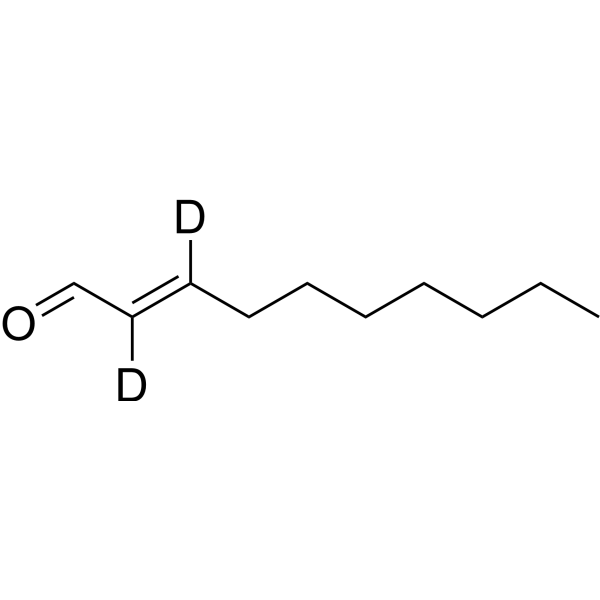
trans-2-Decenal-d2 ((E)-Dec-2-enal-d2) is deuterated labeled trans-2-Decenal (HY-W015551). trans-2-Decenal ((E)-Dec-2-enal) acts as a urease inhibitor and antibacterial agent against Helicobacter pylori, with an IC50 of 9.484 μg/mL against Helicobacter pylori urease. trans-2-Decenal reduces the urease activity of Helicobacter pylori, and possesses antibacterial, bactericidal, anti-biofilm and anti-migratory activities. It alters the morphology of Helicobacter pylori, induces bacterial rupture, inhibits biofilm formation, reduces the number of mature biofilms and impairs the migratory capacity of Helicobacter pylori. trans-2-Decenal disrupts the cell wall integrity of Phytophthora capsici, damages membrane integrity and permeability, triggers intracellular reactive oxygen species (ROS) accumulation, decreases glutathione levels and disrupts the mitochondrial membrane potential of Phytophthora capsici. trans-2-Decenal is applicable to studies related to Helicobacter pylori and plant diseases induced by and Phytophthora capsici .
loading...
    loading...
Cat. No.: HY-P11242
Cm-CATH2 is an antimicrobial peptide discovered from Chelonia mydas. Cm-CATH2 has a potent, broad-spectrum and rapid bactericidal ability by rapidly destroying the integrity of bacterial cell membranes. It shows strong activity against Gram-positive bacteria (such as VREF, Staphylococcus aureus), Gram-negative bacteria (such as Escherichia coli, Klebsiella pneumoniae), and fungi (such as Candida albicans) with MICs ranges from 1.17 to 18.75 μg/mL. Cm-CATH2 is also effective against various aquatic pathogenic bacteria. Cm-CATH2 not only inhibits biofilm formation but can also remove the formed biofilms. Cm-CATH2 has immunomodulatory functions and chemotactic effects on immune cells, and can inhibit the production of pro-inflammatory cytokines by macrophages stimulated by LPS (HY-D1056). Cm-CATH2 prevents the activation of NF-κB by inhibiting the degradation of IκBα, and also inhibits the phosphorylation of MAPK signaling pathways (p38, JNK, ERK). Cm-CATH2 demonstrates strong anti-infective ability in mouse peritonitis models and pneumonia models .
loading...
    loading...

