2954 Results for "

D3-

" in MedChemExpress (MCE) Product Catalog:
Products (2954)

2954 Results for "D3-" in MCE Product Catalog:

6
6 Cited Publications
Cat. No.: HY-B0413S
CAS No.: 1228182-47-5
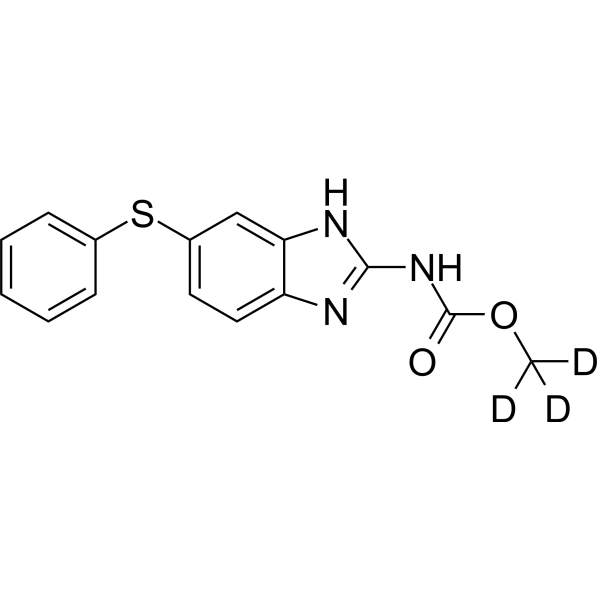
Fenbendazole-d3 is a deuterium labeled Fenbendazole. Fenbendazole-d3 is a HIF-1α agonist and activates the HIF-1α-related GLUT1 pathway. Fenbendazole is an orally active benzimidazole anthelmintic agent, with a broad antiparasitic range. Fenbendazole is a microtubule destabilizing agent. Fenbendazole causes cell-cycle arrest and mitotic cell death, and has antitumor activity in mice xenografted with wild-type p53 [3] .
loading...
    loading...
6
6 Cited Publications
Cat. No.: HY-N0636
CAS No.: 13463-28-0
Synonyms: Eriodictyol 7-rutinoside; Eriodictyol 7-O-rutinoside
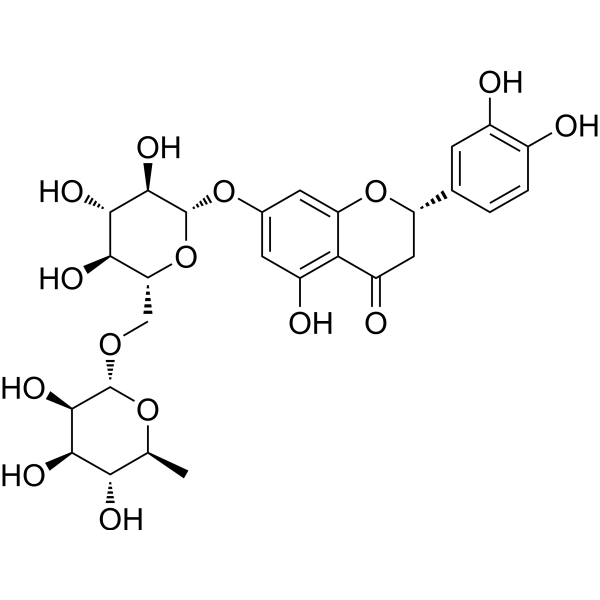
Eriocitrin is a flavonoid isolated from lemons that is a powerful antioxidant. Eriocitrin inhibits the proliferation of liver cancer cells by arresting the cell cycle in the S phase by upregulating p53, cyclin A, cyclin D3 and CDK6. Eriocitrin triggers apoptosis by activating intrinsic signaling pathways involving mitochondria .
loading...
    loading...
6
6 Cited Publications
Cat. No.: HY-B0366A
CAS No.: 969-33-5
Synonyms: Cyproheptadine HCl
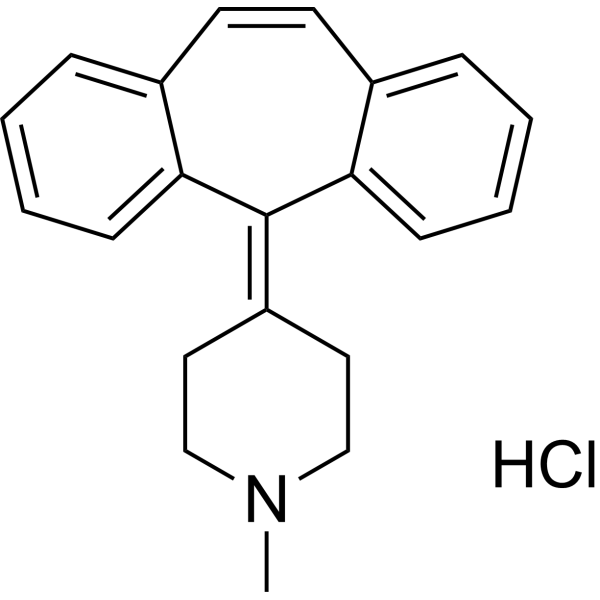
Cyproheptadine hydrochloride (Cyproheptadine HCl) acts as a p38 MAP kinase activator, CHK2 activator, histamine H1 receptor inhibitor and serotonin receptor inhibitor. Cyproheptadine hydrochloride mediates cell cycle arrest via G1 phase arrest, G1/S transition arrest, G0/G1 phase arrest, reduced expression of cyclins D1/D2/D3, upregulated expression of HBP1, p16, p21, p27, and decreased phosphorylation of retinoblastoma protein. Cyproheptadine hydrochloride induces Apoptosis by increasing PARP and cleaved PARP, as well as activating the mitochondrial caspase pathway. Cyproheptadine hydrochloride inhibits tumor growth with extremely low toxicity to normal cells. Cyproheptadine hydrochloride can be used in research related to hepatocellular carcinoma, multiple myeloma and acute myeloid leukemia .
loading...
    loading...
6
6 Cited Publications
Cat. No.: HY-B1622
CAS No.: 129-03-3
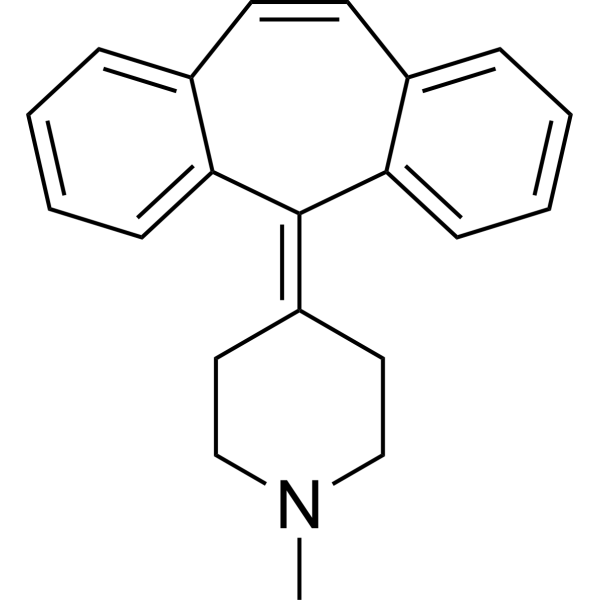
Cyproheptadine acts as a p38 MAP kinase activator, CHK2 activator, histamine H1 receptor inhibitor and serotonin receptor inhibitor. Cyproheptadine mediates cell cycle arrest via G1 phase arrest, G1/S transition arrest, G0/G1 phase arrest, reduced expression of cyclins D1/D2/D3, upregulated expression of HBP1, p16, p21, p27, and decreased phosphorylation of retinoblastoma protein. Cyproheptadine induces Apoptosis by increasing PARP and cleaved PARP, as well as activating the mitochondrial caspase pathway. Cyproheptadine inhibits tumor growth with extremely low toxicity to normal cells. Cyproheptadine can be used in research related to hepatocellular carcinoma, multiple myeloma and acute myeloid leukemia .
loading...
    loading...
6
6 Cited Publications
Cat. No.: HY-B1165
CAS No.: 41354-29-4
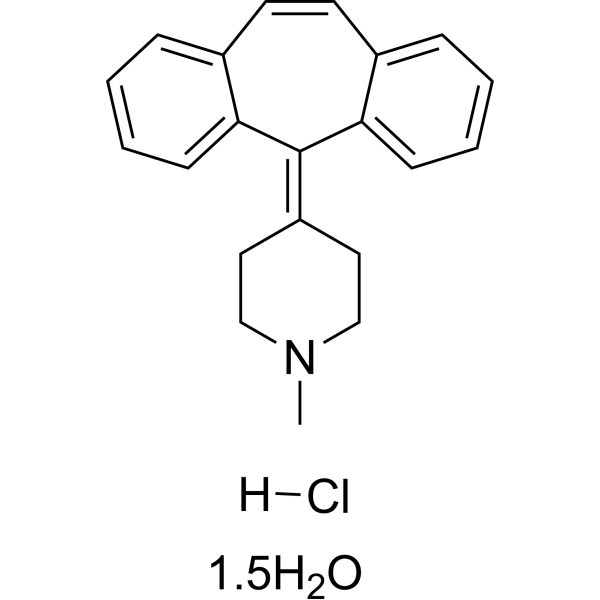
Cyproheptadine hydrochloride sesquihydrate acts as a p38 MAP kinase activator, CHK2 activator, histamine H1 receptor inhibitor and serotonin receptor inhibitor. Cyproheptadine hydrochloride sesquihydrate mediates cell cycle arrest via G1 phase arrest, G1/S transition arrest, G0/G1 phase arrest, reduced expression of cyclins D1/D2/D3, upregulated expression of HBP1, p16, p21, p27, and decreased phosphorylation of retinoblastoma protein. Cyproheptadine hydrochloride sesquihydrate induces Apoptosis by increasing PARP and cleaved PARP, as well as activating the mitochondrial caspase pathway. Cyproheptadine hydrochloride sesquihydrate inhibits tumor growth with extremely low toxicity to normal cells. Cyproheptadine hydrochloride sesquihydrate can be used in research related to hepatocellular carcinoma, multiple myeloma and acute myeloid leukemia .
loading...
    loading...
5
5 Cited Publications
Cat. No.: HY-A0020
CAS No.: 104121-92-8
Synonyms: ED-71; 2-(3-hydroxypropoxy)-1,25-dihydroxyvitamin D3
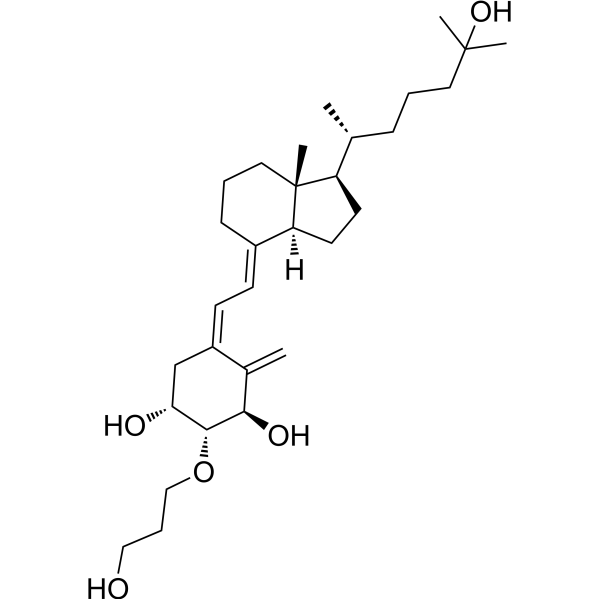
Eldecalcitol (ED-71) is an orally active vitamin D3 analogue, inhibits bone resorption and increases bone mineral density. Eldecalcitol (ED-71) displays anti-tumor effect and inhibits cell proliferation, migration and induces apoptosis by suppressing GPx-1 [3] .
loading...
    loading...
5
5 Cited Publications
Cat. No.: HY-10003
CAS No.: 41294-56-8
Purity:  99.96%
Synonyms: 1-hydroxycholecalciferol; 1.alpha.-Hydroxyvitamin D3
Research Areas:  

Metabolic Disease

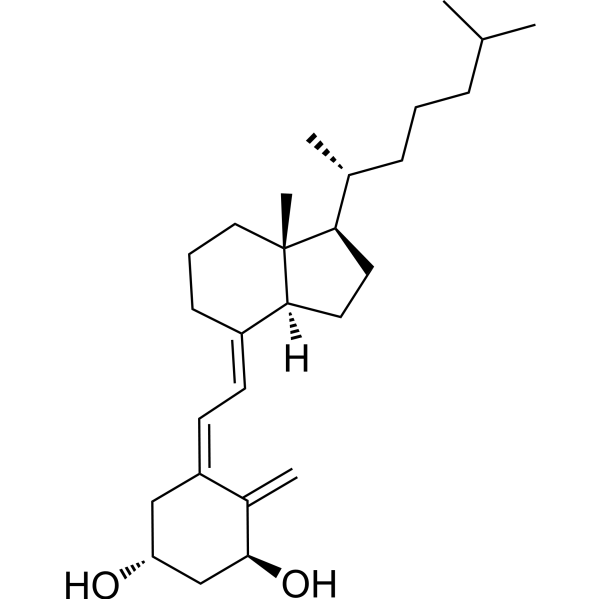
Alfacalcidol (1-hydroxycholecalciferol) is a vitamin D active metabolites, acts as a non-selective VDR activator medication, and widely be used in the management of osteoporosis [3] .
loading...
    loading...
5
5 Cited Publications
Cat. No.: HY-N0486S9
CAS No.: 87828-86-2
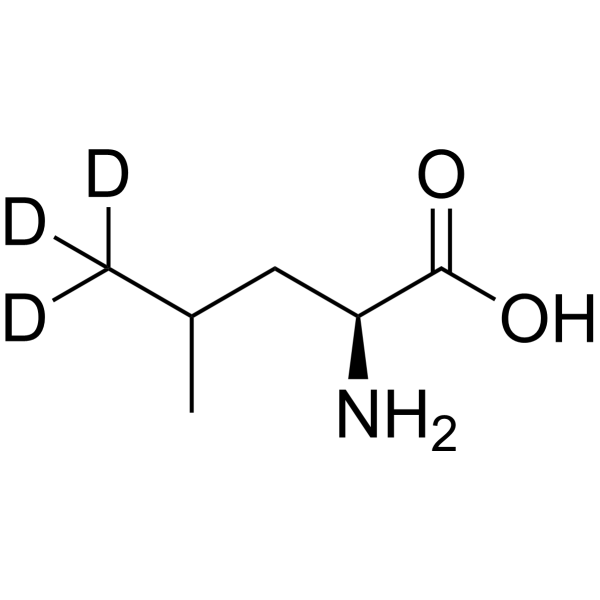
L-Leucine-d3 is the deuterium labeled L-Leucine. L-Leucine is an essential branched-chain amino acid (BCAA), which activates the mTOR signaling pathway .
loading...
    loading...
5
5 Cited Publications
Cat. No.: HY-B1752A
CAS No.: 85798-08-9
Synonyms: LY 171555 hydrochloride; (-)-LY 141865 hydrochloride
Target:  

Dopamine Receptor

Research Areas:  

Neurological Disease

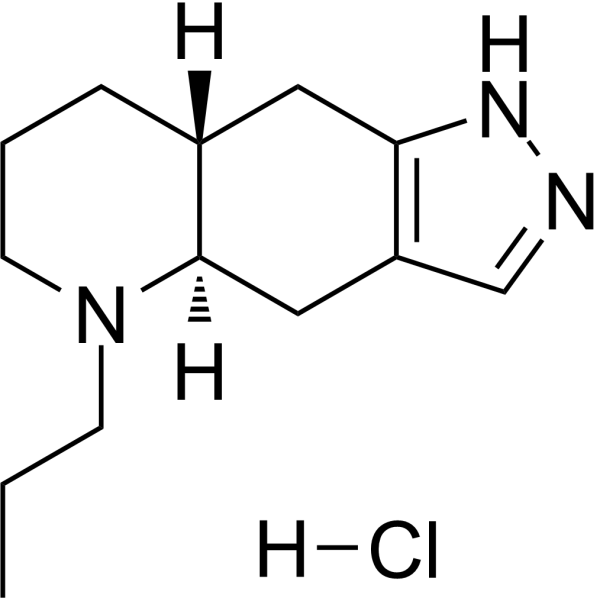
Quinpirole hydrochloride (LY 171555 hydrochloride) is a high-affinity agonist of dopamine D2/D3 receptor.
loading...
    loading...
5
5 Cited Publications
Cat. No.: HY-B0504S
CAS No.: 143827-20-7
Synonyms: NSC13123-d3
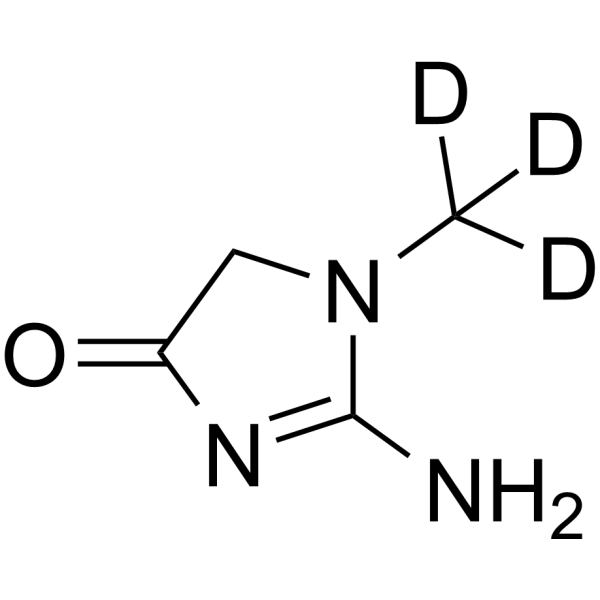
Creatinine-d3 is a deuterium labeled Creatinine. Creatinine (NSC13123) is an orally active, blood-brain barrier-permeable modulator of GABAA and NMDA receptors, with activities of antioxidation and metabolic regulation. Creatinine is generated via non-enzymatic conversion of creatine and phosphocreatine in muscle. Creatinine serum levels correlate with muscle mass, glomerular filtration rate, and extrarenal clearance, serving as an evaluation biomarker for renal function, muscle mass, and clinical outcomes, and used for perioperative renal risk assessment. In addition, Creatinine can induce specific Cryptococcus species to produce creatinine deiminase and act as their nitrogen source, while it can be secreted via renal tubules. Creatinine is widely used in research related to various diseases such as neurodegenerative diseases, psychiatric disorders, acute kidney injury, chronic kidney disease, and renal failure [3] .
loading...
    loading...
5
5 Cited Publications
Cat. No.: HY-B1752
CAS No.: 80373-22-4
Synonyms: LY 171555; (-)-LY 141865
Quinpirole (LY 171555; (-)-LY 141865) is a D2/D3 dopamine receptor agonist and a CaV1.3 calcium channel modulator. Quinpirole normalizes dendritic spine density in dopamine-depleted striatum, upregulates the protein expression of BCL2 and GluR2, downregulates the protein expression of BAX, and delays the onset of seizures. Quinpirole enhances learning and memory, inhibits neuronal apoptosis (apoptosis), and induces anxiety-like, stereotyped, and compulsive behaviors. Quinpirole disrupts prepulse inhibition in rhesus monkeys, enhances the activity of paraventricular thalamic neurons to promote recovery from Isoflurane anesthesia, and alters the composition of the gut microbiota in rats. Quinpirole can be used in research related to dyskinesia, pain, epilepsy, and neurological disorders including anxiety disorder, obsessive-compulsive disorder, and schizophrenia [3] .
loading...
    loading...
4
4 Cited Publications
Cat. No.: HY-100807S
CAS No.: 138946-42-6
Purity:  99.90%
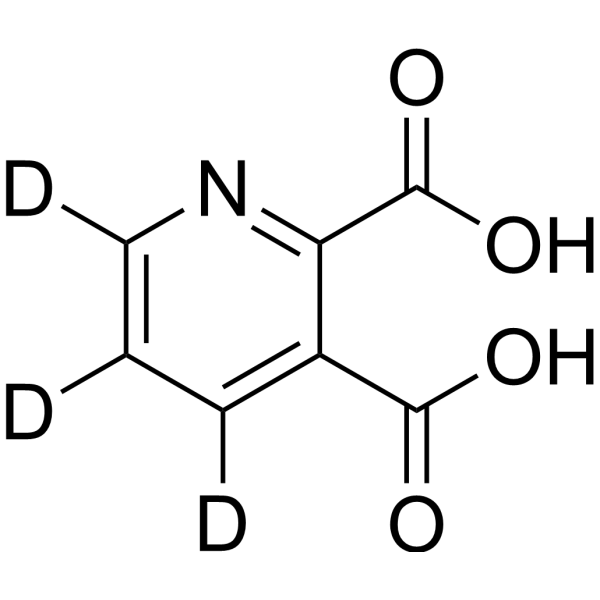
Quinolinic acid-d3 is the deuterium labeled Quinolinic acid. Quinolinic acid, an endogenous metabolite of tryptophan, is a N-methyl-D-aspartate receptor (NMDA receptor) agonist. Quinolinic acid increases glutamate efflux, induces the generation of ROS, activates nitric oxide synthase, produces excessive NO, leading to calcium ion influx and neuronal apoptosis.
loading...
    loading...
4
4 Cited Publications
Cat. No.: HY-32339
CAS No.: 103909-75-7
Synonyms: 22-Oxacalcitriol
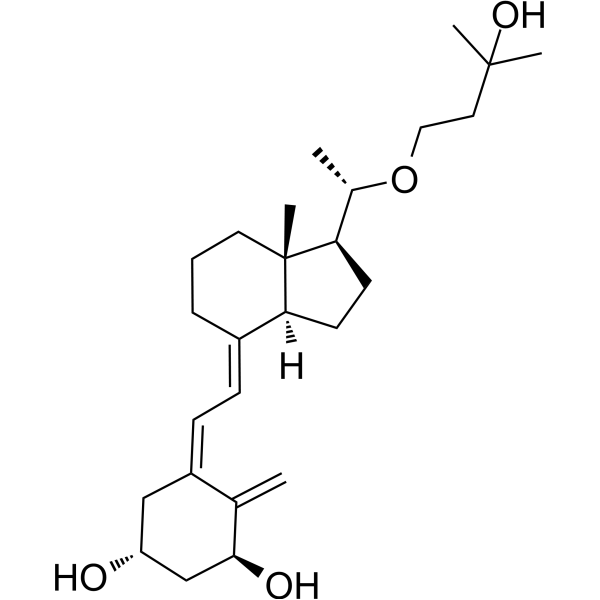
Maxacalcitol (22-Oxacalcitriol), a vitamin D3 (HY-15398) analog, is an orally active VDR agonist. Maxacalcitol has a limited calcemic effect. Maxacalcitol has the potential for psoriasis and hyperparathyroidism research [3].
loading...
    loading...
4
4 Cited Publications
Cat. No.: HY-B0623
CAS No.: 91374-21-9
Synonyms: SKF 101468
Target:  

Dopamine Receptor

Research Areas:  

Neurological Disease

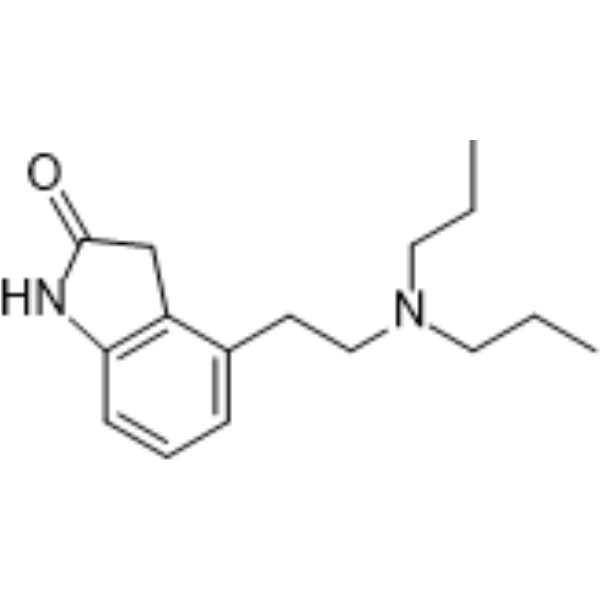
Ropinirole (SKF 101468) is an orally active, potent D3/D2 receptor agonist with a Ki of 29 nM for D2 receptor. Ropinirole has pEC50s of 7.4, 8.4 and 6.8 for hD2, hD3 and hD4 receptors, respectively. Ropinirole has no affinity for the D1 receptors. Ropinirole has the potential for Parkinson's disease .
loading...
    loading...
4
4 Cited Publications
Cat. No.: HY-B0623A
CAS No.: 91374-20-8
Synonyms: SKF 101468 hydrochloride
Target:  

Dopamine Receptor

Research Areas:  

Neurological Disease

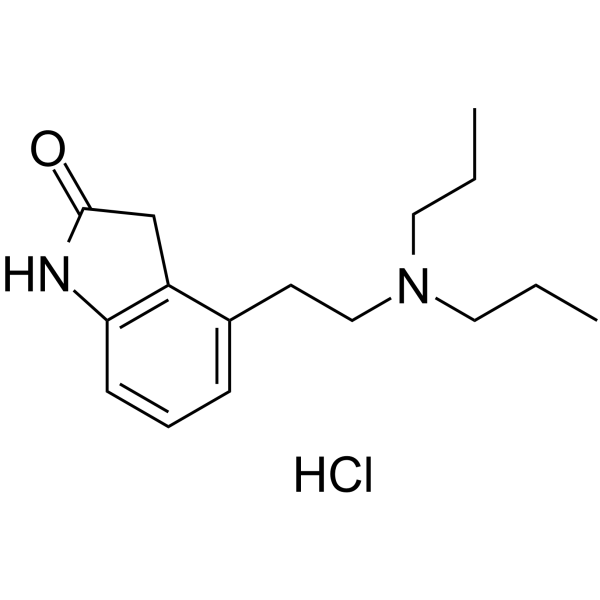
Ropinirole (SKF 101468) hydrochloride is an orally active, potent D3/D2 receptor agonist with a Ki of 29 nM for D2 receptor. Ropinirole hydrochloride has pEC50s of 7.4, 8.4 and 6.8 for hD2, hD3 and hD4 receptors, respectively. Ropinirole hydrochloride has no affinity for the D1 receptors. Ropinirole hydrochloride has the potential for Parkinson's disease .
loading...
    loading...
4
4 Cited Publications
Cat. No.: HY-A0007
CAS No.: 125572-93-2
Synonyms: N-0923 Hydrochloride
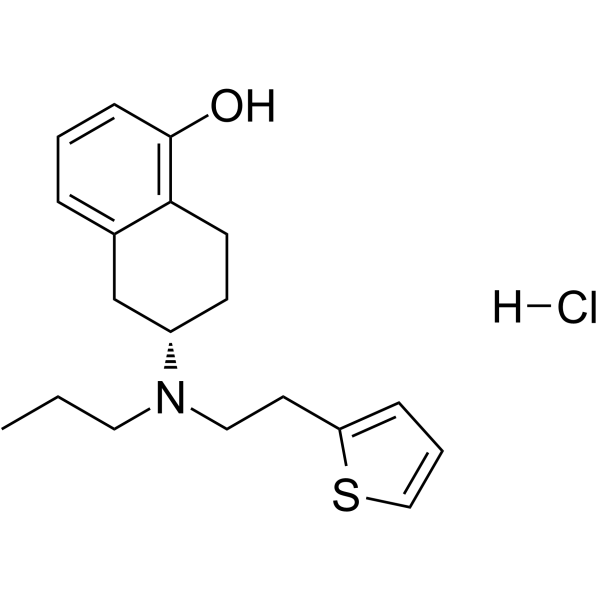
Rotigotine Hydrochloride (N-0923 Hydrochloride) is a full agonist of dopamine receptor, a partial agonist of the 5-HT1A receptor, and an antagonist of the α2B-adrenergic receptor, with Ki of 0.71 nM, 4-15 nM, and 83 nM for the dopamine D3 receptor and D2, D5, D4 receptors, and dopamine D1 receptor.
loading...
    loading...
4
4 Cited Publications
Cat. No.: HY-75502
CAS No.: 99755-59-6
Synonyms: N-0923; (-)-N 0437
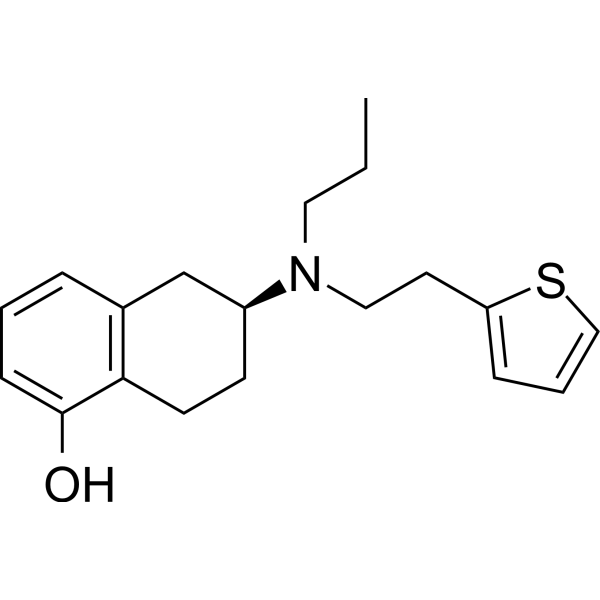
Rotigotine is a potent dopamine receptor agonist with Ki values of 0.71 nM, 4-15 nM, and 83 nM for the dopamine D3 receptor and D2, D5, D4 receptors and dopamine D1 receptor. Rotigotine a partial agonist of the 5-HT1A receptor, and an antagonist of the α2B-adrenergic receptor. Rotigotine can be used for parkinson's disease (PD) research [3] .
loading...
    loading...
4
4 Cited Publications
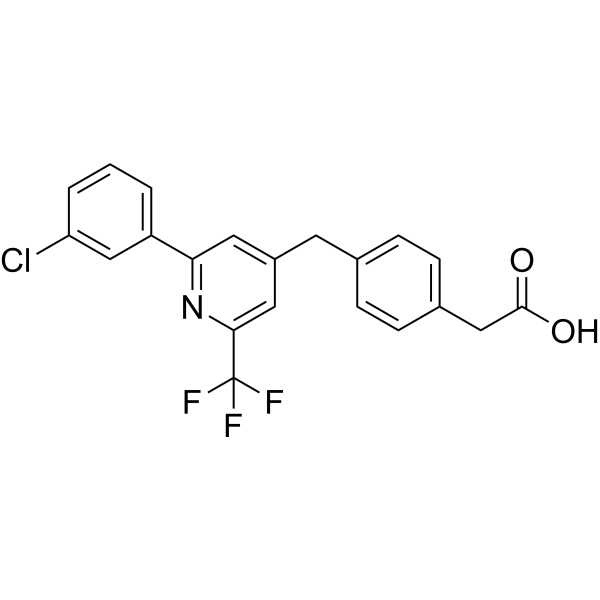
Cat. No.: HY-117571
CAS No.: 1606974-33-7
Purity:  99.50%
Synonyms: BPN14770
Research Areas:  

Neurological Disease

Zatolmilast (BPN14770) is a selective phosphodiesterase 4D (PDE4D) allosteric inhibitor with IC50s of 7.8 nM and 7.4 nM for PDE4D7 and PDE4D3, respectively .
loading...
    loading...
3
3 Cited Publications
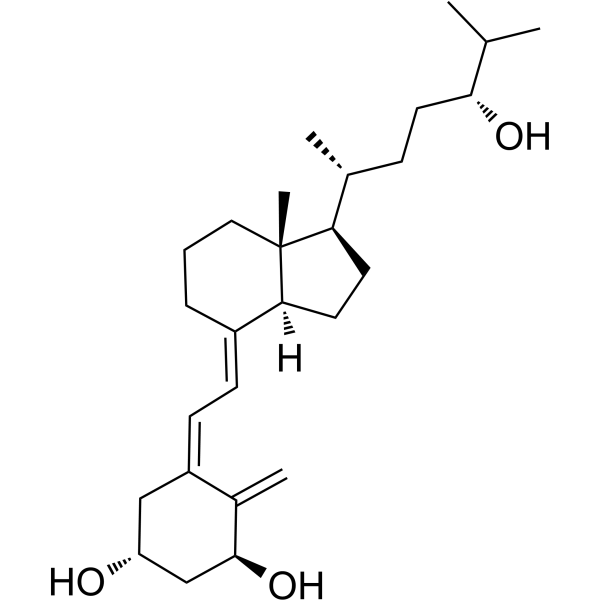
Cat. No.: HY-32337
CAS No.: 57333-96-7
Synonyms: 1,24(R)-Dihydroxyvitamin D3; 1.alpha.,24R-Dihydroxyvitamin D3
Tacalcitol (1,24(R)-Dihydroxyvitamin D3; 1.alpha.,24R-Dihydroxyvitamin D3) can promote normal bone growth by regulating calcium ions. Tacalcitol inhibits cancer cell proliferation and migration. Tacalcitol can be used in the research of inflammation, cancer, and skin diseases [3] .
loading...
    loading...
3
3 Cited Publications
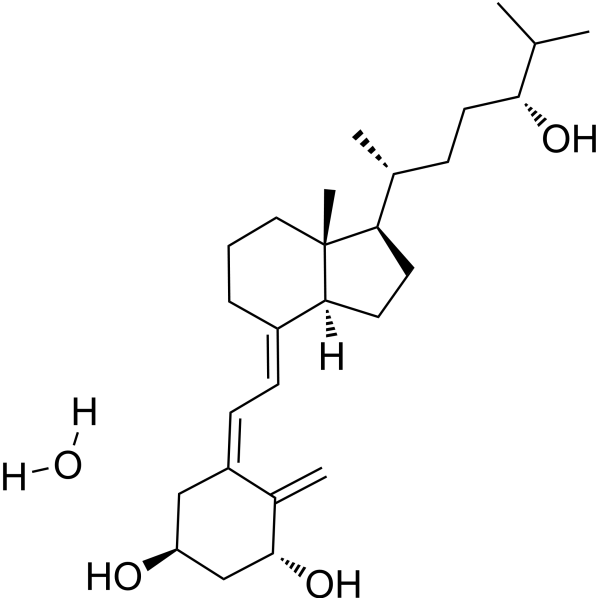
Cat. No.: HY-32338
CAS No.: 93129-94-3
Synonyms: 1,24(R)-Dihydroxyvitamin D3 monohydrate
Tacalcitol monohydrate (1,24(R)-Dihydroxyvitamin D3; 1.alpha.,24R-Dihydroxyvitamin D3 monohydrate) can promote normal bone growth by regulating calcium ions. Tacalcitol monohydrate inhibits cancer cell proliferation and migration. Tacalcitol monohydrate can be used in the research of inflammation, cancer, and skin diseases [3] .
loading...
    loading...

