246 Results for "

GSH

" in MedChemExpress (MCE) Product Catalog:
Products (246)

246 Results for "GSH" in MCE Product Catalog:

2
2 Cited Publications
Cat. No.: HY-N4118
CAS No.: 483-17-0
Synonyms: (-)-Cephaeline; NSC 32944 free base
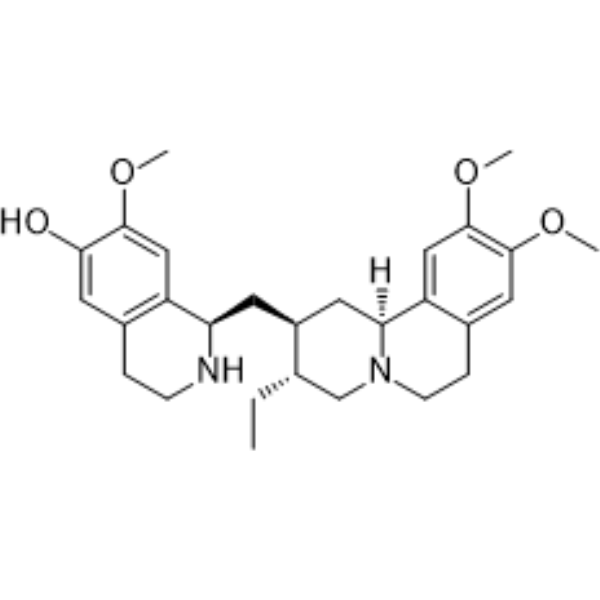
Cephaeline ((-)-Cephaeline; NSC 32944) is a ferroptosis inducer, with broad-spectrum anticancer and antiviral activities. Cephaeline induces ferroptosis (Ferroptosis) by upregulating p53, inhibiting NRF2, activating ULK3, downregulating the expressions of SLC7A11 and GPX4 in a p53-dependent manner, reducing GSH and mitochondrial membrane potential, and increasing lipid peroxidation and iron accumulation. Cephaeline inhibits cancer cell proliferation, migration and tumor growth. Cephaeline inhibits Ebola virus (EBOV) VLP entry and infection, with IC50 values of 3.27 μM and 22.18 μM respectively; it also inhibits Zika virus (ZIKV) NS5 RdRp activity (IC50 = 976 nM), and binds to severe acute respiratory syndrome coronavirus 2 (SARS-CoV-2) RdRp and N protein, with Kd values of 8.9 μM and 53.8 μM respectively. Cephaeline can be used in studies related to breast cancer, lung cancer, COVID-19, EBOV and ZIKV infections .
loading...
    loading...
1
1 Cited Publications
Cat. No.: HY-134124
CAS No.: 92614-59-0
Purity:  95.8%
Research Areas:  

Metabolic Disease

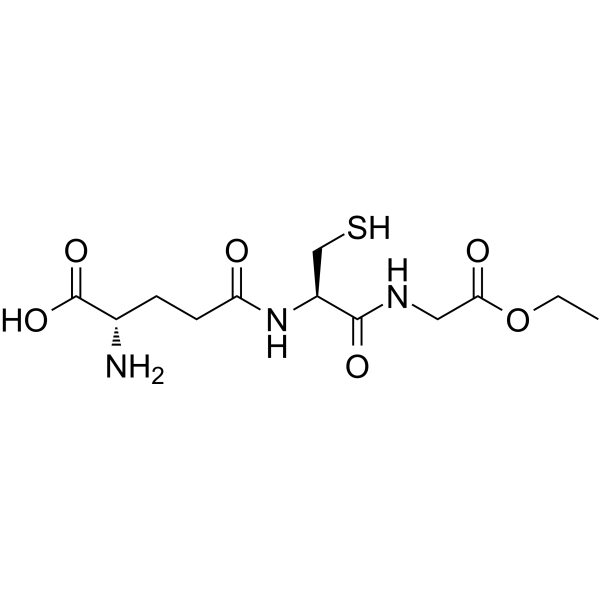
Glutathione ethyl ester is a cell-permeable GSH donor and provides an efficient supply of GSH to the oocyte. Glutathione ethyl ester shows positive effect on the in vitro production of embryos by enhancement of the antioxidative defense .
loading...
    loading...
1
1 Cited Publications
Cat. No.: HY-Y1147
CAS No.: 141-05-9
Synonyms: Maleic acid diethyl ester
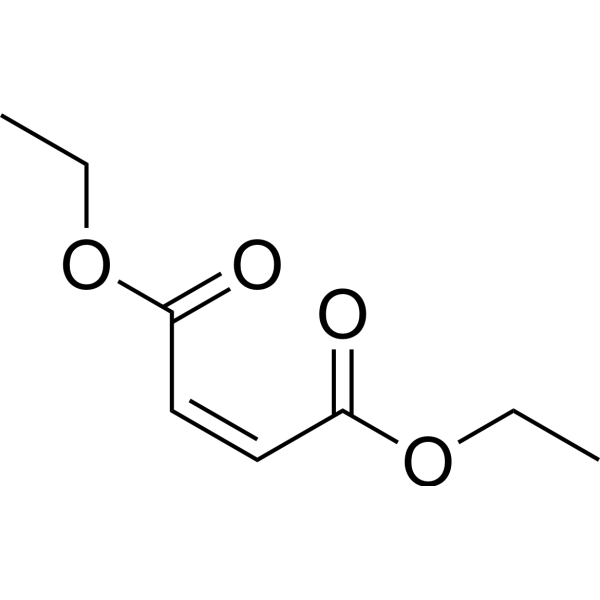
Diethyl maleate (DEM) is an orally available, effective glutathione (GSH) depletor that crosses the blood-brain barrier. Diethyl maleate covalently binds irreversibly to GSH via glutathione S-transferase with an in vitro IC50 of 0.1-0.5 mM. Diethyl maleate selectively depletes GSH in liver, lung, and brain tissues, exacerbating oxidative stress and enhancing hyperbaric oxygen toxicity. Diethyl maleate promotes precursor amino acid uptake and in turn promotes GSH synthesis by upregulating the activity of the cystine-glutamate transporter XO -. Diethyl maleate can be used to study redox homeostasis and GSH protection mechanisms in oxidative stress-related diseases such as hyperbaric oxygen injury and metabolic diseases[1][2][3].
loading...
    loading...
1
1 Cited Publications
Cat. No.: HY-W017464
CAS No.: 50700-49-7
Synonyms: N-Acetyl-4-benzoquinone Imine
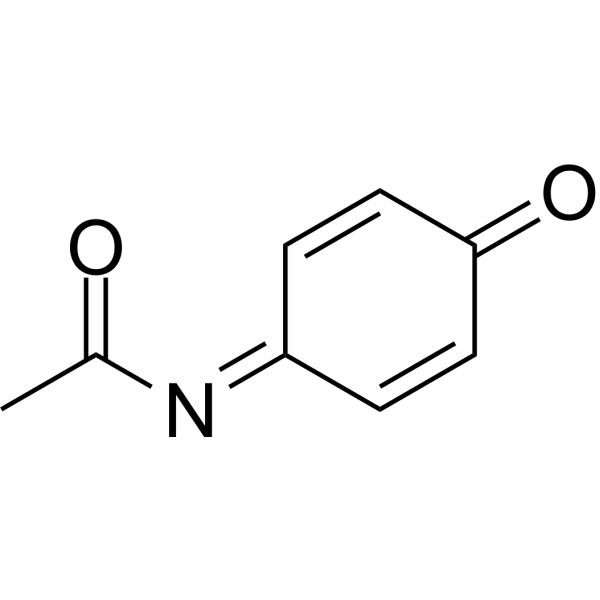
NAPQI is the toxic metabolite of Acetaminophen (HY-66005). NAPQI is also an inhibitor of enzymes in the vitamin K cycle. NAPQI is rapidly detoxified by glutathione (GSH), but in situations of GSH deficiency, excess NAPQI reacts with cysteine residues in proteins, causing cell death and toxicity in the liver .
loading...
    loading...
1
1 Cited Publications
Cat. No.: HY-B0655
CAS No.: 81938-43-4
Synonyms: SQ26991
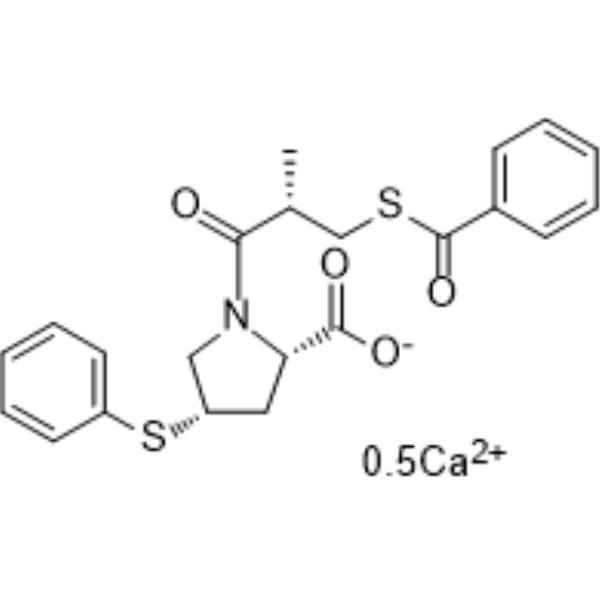
Zofenopril Calcium (SQ26991) is an orally active angiotensin-converting enzyme (ACE) inhibitor with antioxidant activity and cardioprotective effects. Zofenopril Calcium reduces ROS production and GSH consumption and helps inhibit foam cell formation, thus slowing the progression of atherosclerosis. Zofenopril Calcium prevents cardiac damage caused by chronic Doxorubicin (HY-15142A) .
loading...
    loading...
1
1 Cited Publications
Cat. No.: HY-131013
CAS No.: 1479071-34-5
Purity:  98.06%
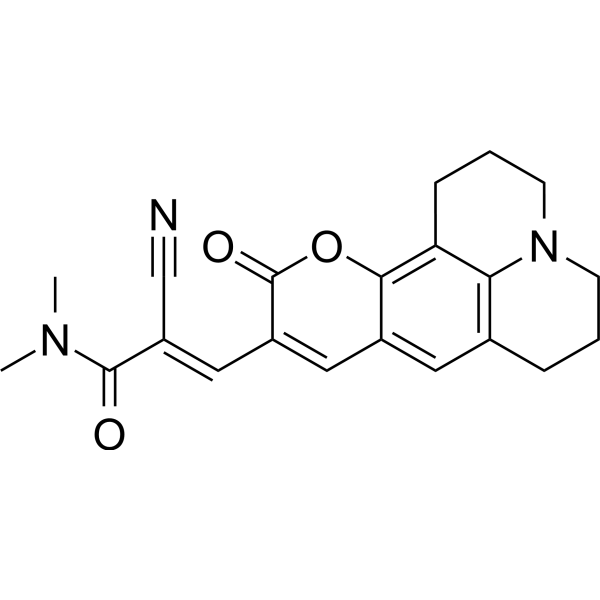
GSHtracer is a ratiometric probe for measuring of GSH levels. GSHtracer exhibits Ex/Em from 520/580 nm to 430/510 nm (upon GSH binding) .
loading...
    loading...
1
1 Cited Publications
Cat. No.: HY-D3004
CAS No.: 1888323-45-2
GSH Tracker Probe (CPDSA) is a cyanine-based fluorescent probe with a NIR emission that is specific for GSH (excitation: 635 nm; emission: 655-755 nm). CPDSA can monitor and image GSH levels in live cells and in vivo .
loading...
    loading...
1
1 Cited Publications
Cat. No.: HY-N7127
CAS No.: 14755-02-3
Synonyms: trans-3-Hydroxycinnamic acid
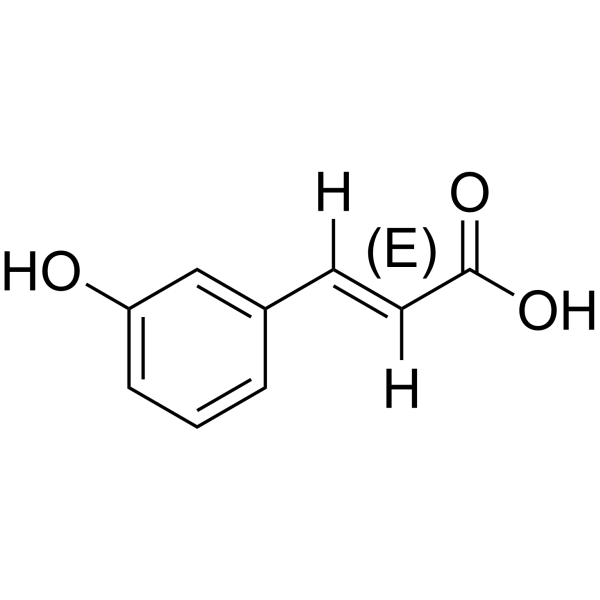
(E)-m-Coumaric acid (trans-3-Hydroxycinnamic acid) is a natural phenolic cinnamic acid derivative with antioxidant activity, and it is found in the young shoots of Limonium densiflorum. (E)-m-Coumaric acid upregulates the levels of SOD and GSH and reduces MDA levels, thereby alleviating oxidative stress and lipid peroxidation in liver tissue. (E)-m-Coumaric acid can be used in studies related to oxidative stress-mediated liver injury .
loading...
    loading...
1
1 Cited Publications
Cat. No.: HY-Y1881B
CAS No.: 7758-99-8
Copper sulfate pentahydrate, for cell culture, 98% is a biochemical reagent. Copper sulfate pentahydrate, for cell culture, 98% reduces the production of ROS and the expression levels of MyD88 as well as c-Rel genes. Copper sulfate pentahydrate, for cell culture, 98% decreases the activities of T-SOD, CAT, and GSH, increases the activities of caspase-3, caspase-8, and caspase-9. Copper sulfate pentahydrate, for cell culture, 98% is cytotoxic to various cells .
loading...
    loading...
1
1 Cited Publications
Cat. No.: HY-N4280
CAS No.: 2445-80-9
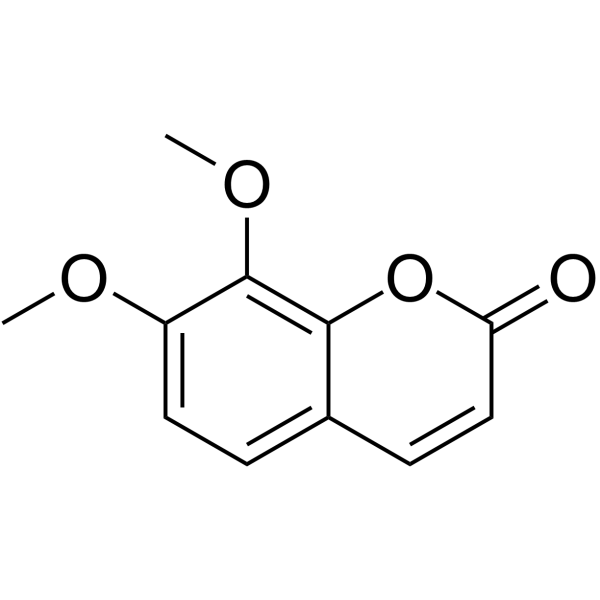
7,8-Dimethoxycoumarin is a coumarin compound derived from Artemisia caruifolia with oral activity. 7,8-Dimethoxycoumarin inhibits mitochondrial permeability transition pore and H +/K +-ATPase, and exhibits antioxidant, anti-inflammatory, renoprotective, neuroprotective and gastroprotective effects. 7,8-Dimethoxycoumarin reduces lipid peroxidation (TBARS), increases GSH levels, inhibits myeloperoxidase (MPO) activity, and regulates the expression of inflammatory factors by inhibiting the NF‑κB and MAPK pathways. 7,8-Dimethoxycoumarin ameliorates gastric mucosal injury, alleviates renal tissue lesions and relieves neuropathic pain. 7,8-Dimethoxycoumarin can be used in studies related to acute renal failure, trigeminal neuralgia and gastritis .
loading...
    loading...
Cat. No.: HY-D0187S
CAS No.: 815610-65-2
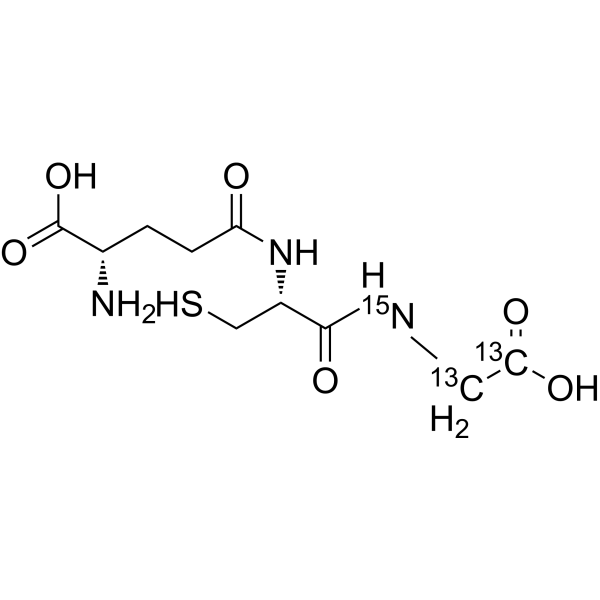
Synonyms: GSH-13C2,15N; γ-L-Glutamyl-L-cysteinyl-glycine-13C2,15N
L-Glutathione reduced- 13C2, 15N is the 13C- and 15N-labeled L-Glutathione reduced. L-Glutathione reduced (GSH) is an endogenous antioxidant and is capable of scavenging oxygen-derived free radicals.
loading...
    loading...
Cat. No.: HY-D0187R
CAS No.: 70-18-8
Synonyms: GSH (Standard); γ-L-Glutamyl-L-cysteinyl-glycine (Standard)
L-Glutathione reduced (Standard) is the analytical standard of L-Glutathione reduced. This product is intended for research and analytical applications. L-Glutathione reduced (GSH; γ-L-Glutamyl-L-cysteinyl-glycine) is an endogenous antioxidant and is capable of scavenging oxygen-derived free radicals.
loading...
    loading...
Cat. No.: HY-P2833
CAS No.: 9013-66-5
Synonyms: GSH-Px; EC 1.11.1.9
Research Areas:  

Metabolic Disease

Glutathione Peroxidase (GSH-Px; EC 1.11.1.9) belongs to the peroxidase family and is commonly used in biochemical research. Glutathione Peroxidase can catalyze reduced glutathione (GSH) to form a disulfide bridge with another glutathione molecule, convert it into oxidized glutathione (GSSG), and react with hydrogen peroxide or lipid peroxide reaction, reducing it to H2O. Glutathione Peroxidase is an effective antioxidant against oxidative stress .
loading...
    loading...
Cat. No.: HY-125862
CAS No.: 9001-48-3
Synonyms: EC 1.6.4.2; GR
Glutathione reductase, baker's yeast (EC 1.6.4.2) is a reductase. Glutathione reductase, baker's yeast eliminates intracellular ROS. Glutathione reductase, baker's yeast reduces oxidized glutathione (GSSG) to reduced glutathione (GSH) using NADPH as an electron donor. Glutathione reductase, baker's yeast exerts antioxidant activity. Glutathione reductase is mainly used to study diseases associated with oxidative stress, such as Parkinson's disease and sickle cell anemia .
loading...
    loading...
Cat. No.: HY-W075903
CAS No.: 10534-89-1
Synonyms: Cobalt hexammine trichloride; Hexaamminecobalt trichloride
Hexaamminecobalt (III) chloride is an orally active cobalt coordination compound. Hexaamminecobalt (III) chloride restores the activities of liver antioxidant enzymes (SOD, Catalase) and detoxification enzyme GST. Hexaamminecobalt (III) chloride restores GSH content and reduces DAG. Hexaamminecobalt (III) chloride impairs renal function. Hexaamminecobalt (III) chloride exerts anti-carcinogenic effects in Diethylnitrosamine (HY-N7434)-induced hepatocarcinoma .
loading...
    loading...
Cat. No.: HY-N0729D
CAS No.: 60-33-3
Research Areas:  

Cardiovascular Disease

Linoleic acid is a critical component of polyunsaturated fatty acids. Linoleic acid reduces GSH-PX and T-SOD activities. Linoleic acid functions as a structural component to maintain a certain level of membrane fluidity of the transdermal water barrier of the epidermis. Linoleic acid can cause acute oxidative damage to red blood cells, ultimately leading to partial acute anemia. Linoleic acid can be used in the research of skin diseases associated with linoleic acid deficiency .
loading...
    loading...
Cat. No.: HY-138634
Purity:  99.45%
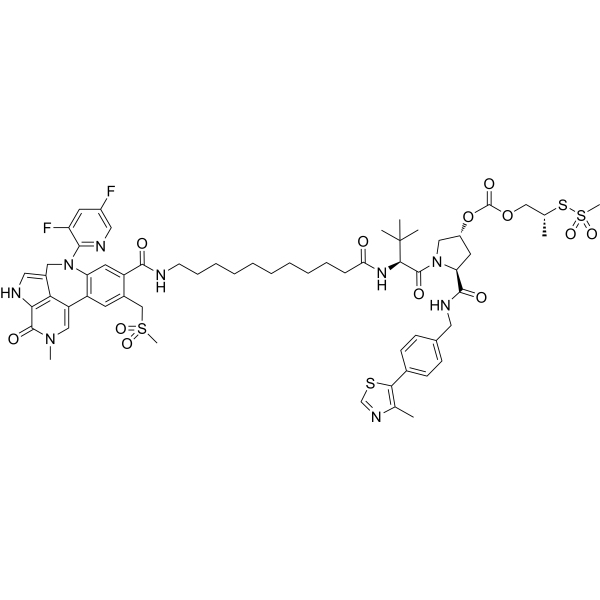
GNE-987 GSH linker-2 is a drug-linker conjugates for ADC. GNE-987 GSH linker-2 is a conjugation of PROTAC GNE-987 (HY-129937A) and ADC linker GSH linker-2 (HY-182740), and can be used to prepare antibody-drug conjugates (ADC) for BRD4 degradation. GNE-987 GSH linker-2 can be used for the research of cancer .
loading...
    loading...
Cat. No.: HY-W009177
CAS No.: 2922-56-7
Target:  

Glyoxalase (GLO)

Research Areas:  

Others

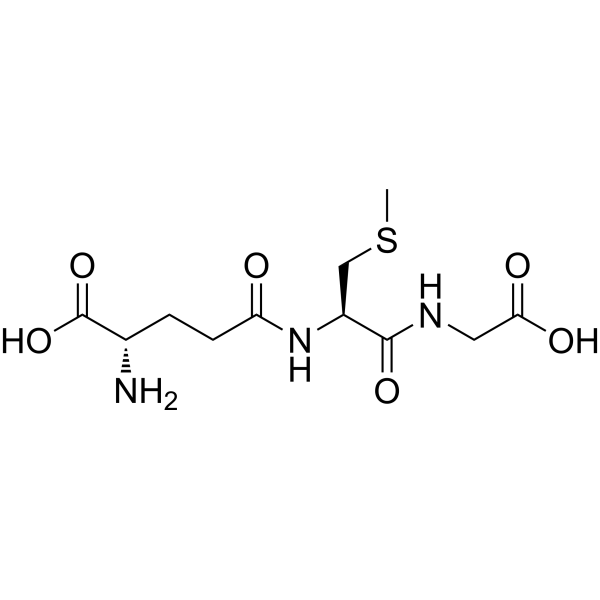
S-Methylglutathione is an S-substitued glutathione and a stronger nucleophile than GSH . S-Methylglutathione has inhibitory effect on glyoxalase 1 .
loading...
    loading...
Cat. No.: HY-129938
CAS No.: 2417370-39-7
Purity:  99.61%
Research Areas:  

Cancer

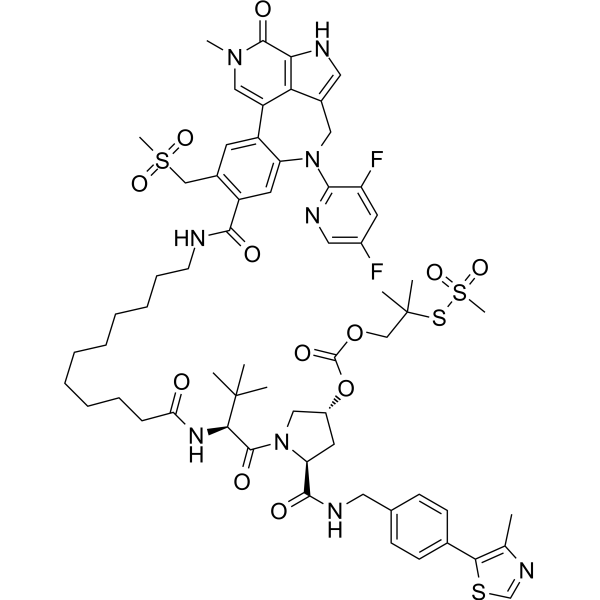
GNE-987 GSH linker-1, a PROTAC-linker Conjugate for PAC, comprises the chimeric BET degrader GNE-987 (HY-129937A) and disulfide-containing linker. GNE-987 GSH linker-1 remains inactive as a degrader until intracellular release of GNE-987 via disulfide reduction and linker self-immolation. GNE-987 GSH linker-1 can be used for the research of acute myeloid leukemia .
loading...
    loading...
Cat. No.: HY-178872
CAS No.: 6363-01-5
Synonyms: Sodium 2-propenyl thiosulfate; 2PTS
Target:  

COX

Research Areas:  

Inflammation/Immunology Cancer

Allyl thiosulfate (Sodium 2-propenyl thiosulfate) is found in Allium plants such as garlic and onion. Allyl thiosulfate can inhibit COX activity and reduce GSH concentration in platelets. Allyl thiosulfate exhibits anti-aggregatory and anti-cancer effects. Allyl thiosulfate can be used for the researches of cancer, inflammation and cardiovascular disease .
loading...
    loading...

