432 Results for "

HepG2

" in MedChemExpress (MCE) Product Catalog:
Products (432)

432 Results for "HepG2" in MCE Product Catalog:

3
3 Cited Publications
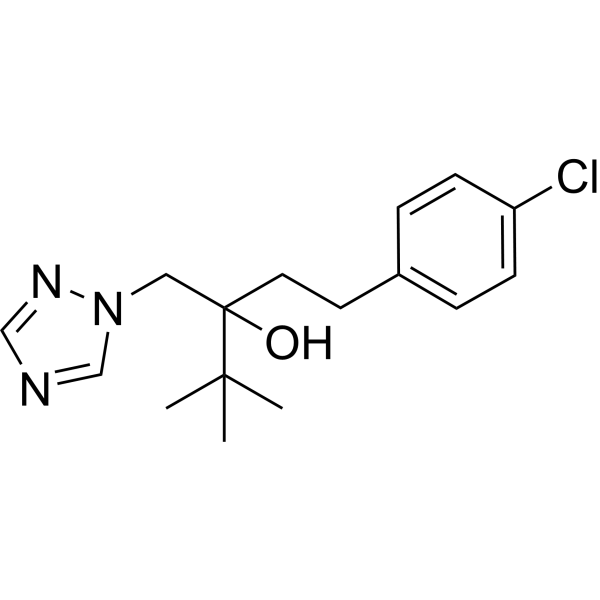
Cat. No.: HY-B0852
CAS No.: 107534-96-3
Tebuconazole is an orally active agricultural azole fungicide which can also inhibit CYP51 with IC50s of 0.9 and 1.3 μM for Candida albicans CYP51 (CaCYP51) and truncated Homo sapiens CYP51 (Δ60HsCYP51), respectively. Tebuconazole induces lipid accumulation and oxidative stress in HepG2 Cells. Tebuconazole decreases MAC-T cells viability and proliferation, induces ER-stress-mediated apoptosis and increases oxidative stress levels in MAC-T cells [2] .
loading...
    loading...
2
2 Cited Publications
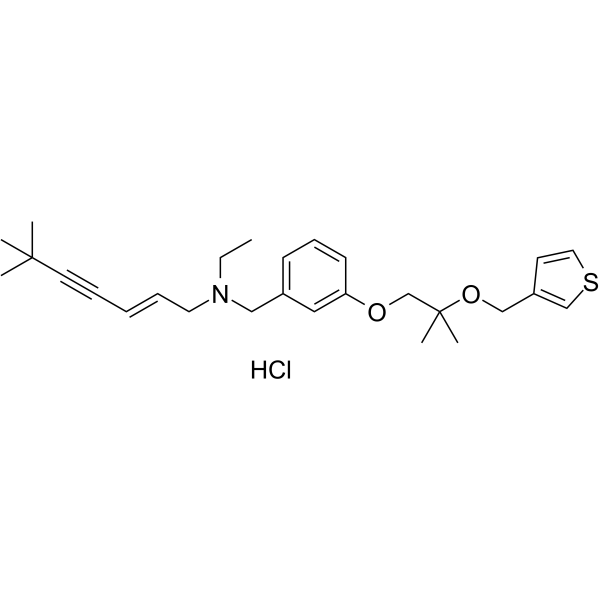
Cat. No.: HY-100303A
CAS No.: 204067-52-7
Purity:  98.76%
Research Areas:  

Metabolic Disease

FR194738 is a squalene epoxidase inhibitor. FR194738 inhibits squalene epoxidase activity in HepG2 cell homogenates with an IC50 of 9.8 nM.
loading...
    loading...
2
2 Cited Publications
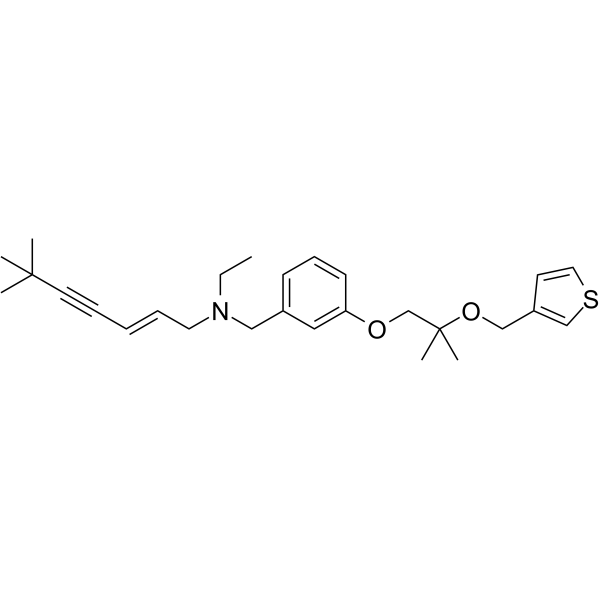
Cat. No.: HY-100303
CAS No.: 204067-45-8
Purity:  99.84%
Research Areas:  

Metabolic Disease

FR194738 free base is a squalene epoxidase inhibitor. FR194738 inhibits squalene epoxidase activity in HepG2 cell homogenates with an IC50 of 9.8 nM.
loading...
    loading...
2
2 Cited Publications
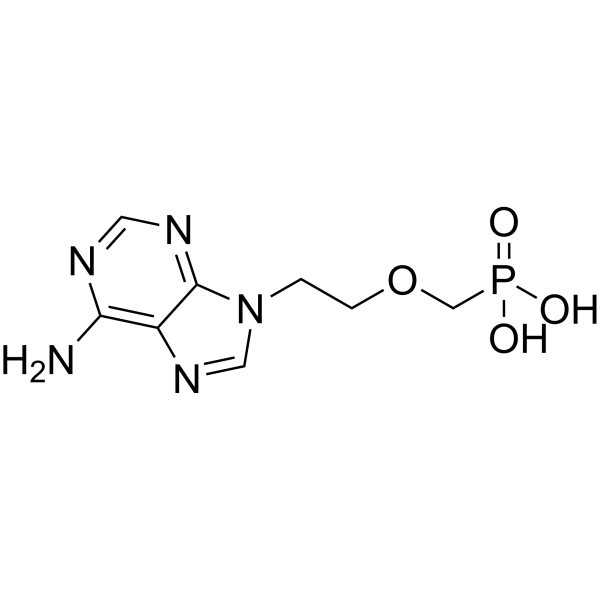
Cat. No.: HY-B1826
CAS No.: 106941-25-7
Synonyms: GS-0393; PMEA
Research Areas:  

Infection

Adefovir (GS-0393) is an adenosine monophosphate analog antiviral agent that after intracellular conversion to Adefovir diphosphate inhibits HBV DNA polymerase. Adefovir has an IC50 of 0.7 μM against HBV in the HepG2.2.15 cell line. Adefovir has good antiviral activity against several viruses, including HBV and herpesviruses [2] .
loading...
    loading...
2
2 Cited Publications
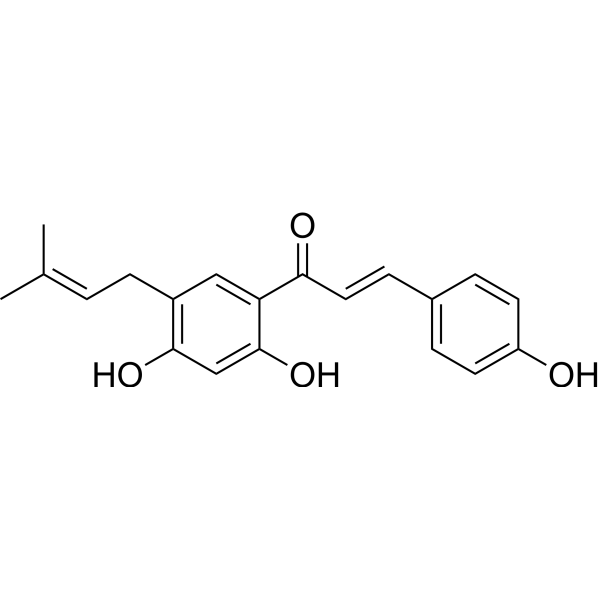
Cat. No.: HY-N0231
CAS No.: 28448-85-3
Synonyms: Broussochalcone B
Bavachalcone is a potent inducer of apoptosis. Bavachalcone exerts anticancer activity by promoting autophagy and apoptosis in HepG2 cells. Bavachalcone acts as an anti-neuroinflammatory and antidepressant through the NF-κB pathway. Bavachalcone inhibits osteoclasts by interfering with ERK and Akt signaling pathways and the expression of c-Fos and NFATc1. Bavachalcone exhibits a significant inhibitory effect on baculovirus-expressed BACE-1 in vitro [2] .
loading...
    loading...
1
1 Cited Publications
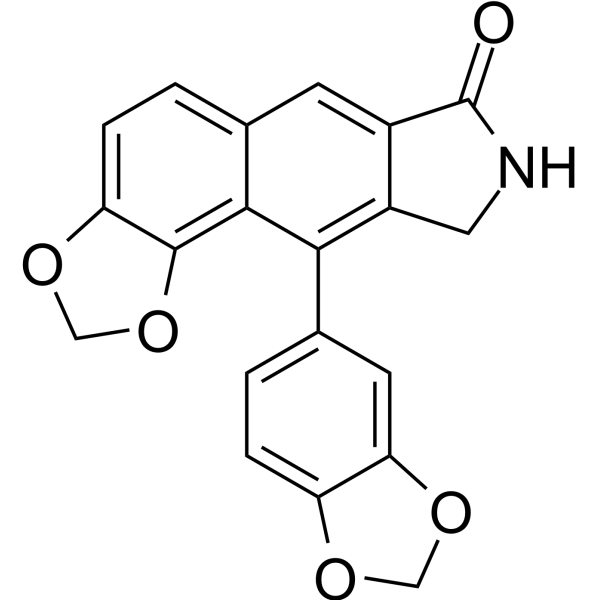
Cat. No.: HY-16679
CAS No.: 203935-39-1
Synonyms: Helioxanthin 5-4-2
Target:  

HBV

Research Areas:  

Infection

Helioxanthin derivative 5-4-2 is an analogue of helioxanthin, exhibites significant in vitro anti-HBV activity with EC50 of 0.08 uM in HepG2.2.15 cells.
loading...
    loading...
1
1 Cited Publications
Cat. No.: HY-P87694
Synonyms: GLUT1, SLC2A1, HepG2 glucose transporter, GLUT-1

Host:  

Rabbit

Application:  

WB, IHC-P, ICC/IF, ELISA

Reactivity:  

Human, Mouse, Rat

loading...
    loading...
1
1 Cited Publications
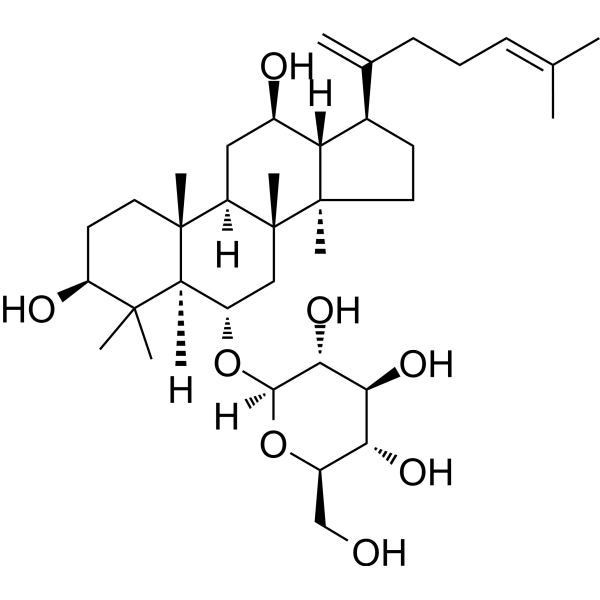
Cat. No.: HY-N0906
CAS No.: 364779-15-7
Ginsenoside Rk3 is present in the roots Panax ginseng herbs. Ginsenoside Rk3 significantly inhibits TNF-α-induced NF-κB transcriptional activity, with an IC50 of 14.24±1.30 μM in HepG2 cells.
loading...
    loading...
1
1 Cited Publications
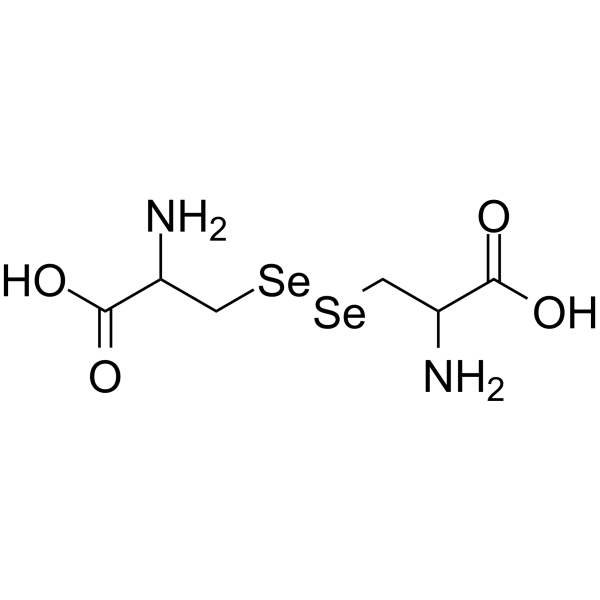
Cat. No.: HY-113064
CAS No.: 2897-21-4
Purity:  ≥99.0%
Selenocystine is a broad-spectrum anti-cancer agent. Selenocystine induces DNA damage in HepG2 cells, particularly in the form of DNA double strand breaks (DSBs). Selenocystine exhibits great promise as a therapeutic or adjuvant agent targeting DNA repair for cancer treatment .
loading...
    loading...
1
1 Cited Publications
Cat. No.: HY-12841
CAS No.: 1303469-70-6
Target:  

Ketohexokinase

Research Areas:  

Metabolic Disease

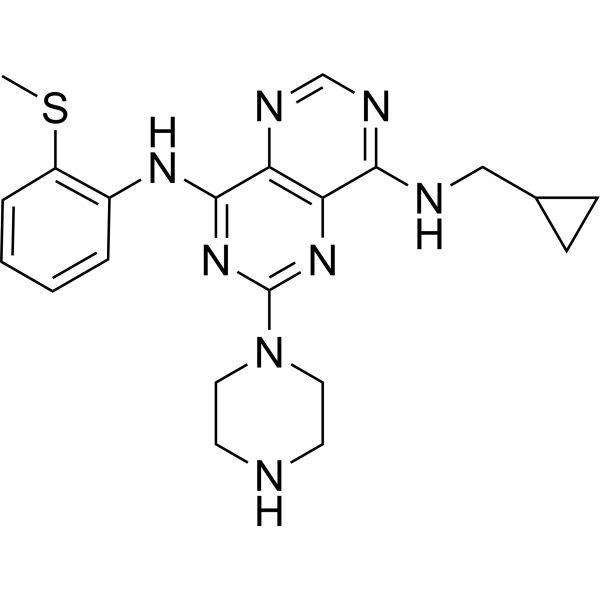
KHK-IN-1 (compound 8) is a selective and cell membrane permeable ketohexokinase (KHK) inhibitor (IC50=12 nM; F=34%). KHK-IN-1 inhibits the production of F1P in HepG2 cell lysates (IC50=400 nM). KHK-IN-1 has potential for the study of diabetes and obesity .
loading...
    loading...
1
1 Cited Publications
Cat. No.: HY-12841A
CAS No.: 1303470-48-5
Purity:  98.03%
Target:  

Ketohexokinase

Research Areas:  

Metabolic Disease

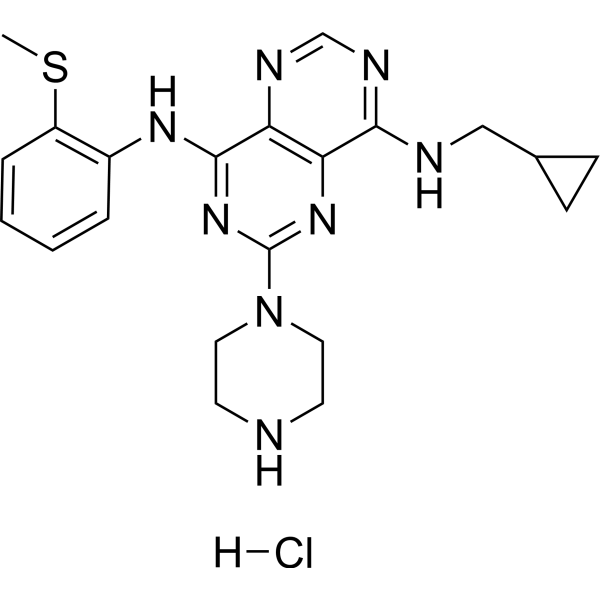
KHK-IN-1 hydrochloride (compound 8) is a selective and cell membrane permeable ketohexokinase (KHK) inhibitor (IC50=12 nM; F=34%). KHK-IN-1 hydrochloride inhibits the production of F1P in HepG2 cell lysates (IC50=400 nM). KHK-IN-1 hydrochloride has potential for the study of diabetes and obesity .
loading...
    loading...
1
1 Cited Publications
Cat. No.: HY-152223
CAS No.: 2882035-56-3
Purity:  99.66%
Target:  

PCSK9

Research Areas:  

Cardiovascular Disease

PCSK9-IN-11 (compound 5r) is a potent and orally active PCSK9 inhibitor. PCSK9-IN-11 exhibits PCSK9 transcriptional inhibitory activity in HepG2 cells, with an IC50 of 5.7 μM. PCSK9-IN-11 increases LDL receptor (LDLR) protein level. PCSK9-IN-11 can be used for atherosclerosis research .
loading...
    loading...
1
1 Cited Publications
Cat. No.: HY-139398
CAS No.: 2071265-08-0
Purity:  99.73%
Target:  

Antibiotic Bacterial

Research Areas:  

Infection

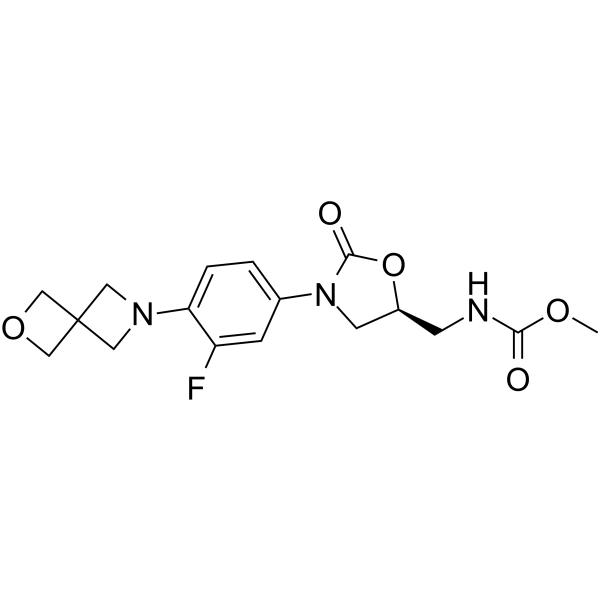
TBI-223 is an orally active oxazolidinone antibiotic and an antimicrobial. TBI-223 shows activity against Mycobacterium tuberculosis (Mtb). TBI-223 exhibits an IC50 of 68 μg/mL for inhibiting mitochondrial protein synthesis (MPS) in HepG2 cells. TBI-223 is effective in three mouse models (bloodstream infection, skin infection, and bone infection) of methicillin-resistant staphylococcus aureus infection. TBI-223 can be used for the study of tuberculosis [2].
loading...
    loading...
1
1 Cited Publications
Cat. No.: HY-21191
CAS No.: 375-73-5
Synonyms: PFBS
Perfluorobutanesulfonic acid (PFBS) is a short-chain perfluoroalkyl substance and the main replacement for perfluorooctanesulfonic acid. Perfluorobutanesulfonic acid induces fat accumulation in human HepG2 hepatoma cells. Perfluorobutanesulfonic acid promotes lipid accumulation by activating PPARγ pathway and triggering oxidative stress, endoplasmic reticulum stress and calcium dyshomeostasis. Perfluorobutanesulfonic acid impairs reproduction and causes developmental disorders in offspring of Caenorhabditis elegans. Perfluorobutanesulfonic acid disrupts pancreatic organogenesis and lipid homeostasis in zebrafish embryos. Perfluorobutanesulfonic acid can be used in environmental toxicology, lipid metabolism and developmental toxicity studies [2] .
loading...
    loading...
1
1 Cited Publications
Cat. No.: HY-126876
CAS No.: 1178583-19-1
Research Areas:  

Cancer

GL-V9 inhibits proliferation of HepG2 cell (IC50 is 35.2 μM) through induction of apoptosis and cell cycle arrest at G2/M phase. GL-V9 regulates mitochondrial membrane potential and increases the production of intracellular reactive oxygen species. GL-V9 inhibits the pentose phosphate pathway (PPP), enhances fatty acid oxidation (FAO) through activation of AMPK, and thus inhibits the metastasis of cancer cells. GL-V9 exhibits antitumor efficacy in mouse model [2].
loading...
    loading...
1
1 Cited Publications
Cat. No.: HY-124346
CAS No.: 1356354-09-0
Purity:  99.80%
Research Areas:  

Metabolic Disease

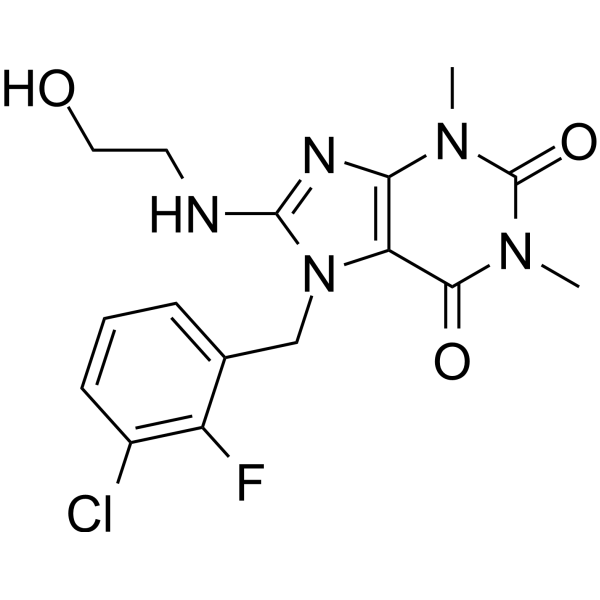
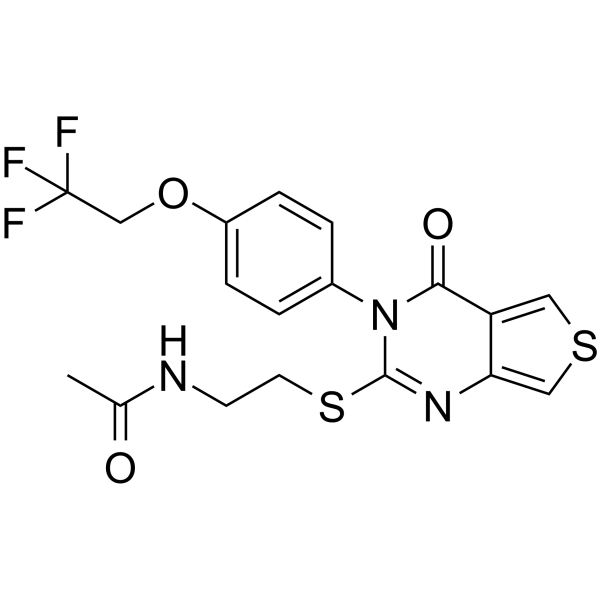
T-3364366 is a reversible, slow-binding, thienopyrimidinone delta-5 desaturase (D5D) inhibitor with IC50s of 1.9 nM and 2.1 nM in HepG2 and RLN-10 cells, respectively. T-3364366 exhibits potent D5D (IC500=19 nM) inhibitory activity and excellent selectivity away from delta-6 desaturase (D6D, IC50=6200 nM) and delta-9 desaturase (stearoyl-CoA desaturase, SCD,50 >10000 nM) in the enzymatic activity assay .
loading...
    loading...
1
1 Cited Publications
Cat. No.: HY-N0043
CAS No.: 52705-93-8
Synonyms: Gypenoside VIII
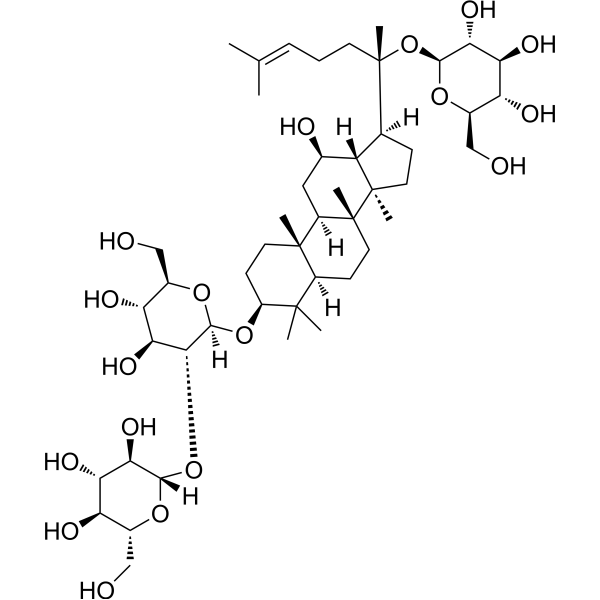
Ginsenoside Rd inhibits TNFα-induced NF-κB transcriptional activity with an IC50 of 12.05±0.82 μM in HepG2 cells. Ginsenoside Rd inhibits expression of COX-2 and iNOS mRNA. Ginsenoside Rd also inhibits Ca 2+ influx. Ginsenoside Rd inhibits CYP2D6, CYP1A2, CYP3A4, and CYP2C9, with IC50s of 58.0±4.5 μM, 78.4±5.3 μM, 81.7±2.6 μM, and 85.1±9.1 μM, respectively.
loading...
    loading...
Cat. No.: HY-178018
CAS No.: 1269110-12-4
Synonyms: iOXCT1
Research Areas:  

Cancer

D574-0246 is a dual-activity inhibitor of OXCT1, inhibiting both the ketolytic and succinyltransferase activities of OXCT1. D574-0246 reduces substrate-specific (LACTB K284) and global protein succinylation and decreases OXCT1 ketolytic activity in HepG2 cells. D574-0246 inhibits the viability of HCC cells (IC50: 16.49 μM in PLC cells, 6.656 μM in HepG2 cells). D574-0246 exerts anti-tumor efficacy in nude mice bearing OXCT1-overexpressing HepG2 xenograft tumors. D574-0246 can be used for the study of hepatocellular carcinoma (HCC) .
loading...
    loading...
Cat. No.: HY-N0907
CAS No.: 147419-93-0
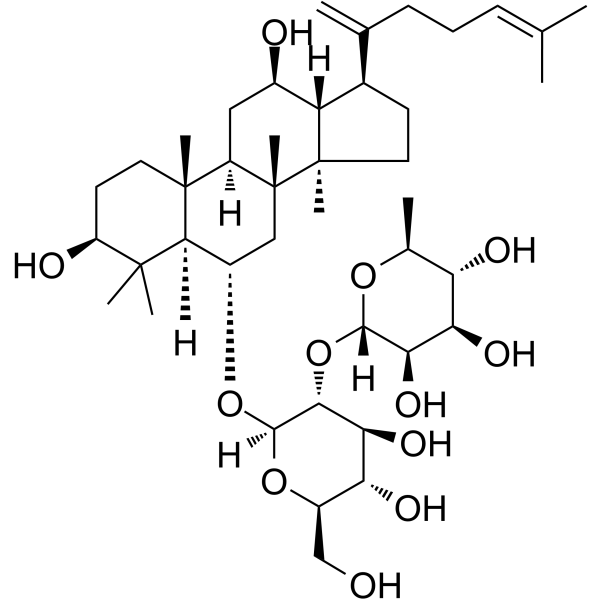
Ginsenoside Rg6 inhibits TNF-α-induced NF-κB transcriptional activity with an IC50 of 29.34 μM in HepG2 cells. Ginsenoside Rg6 also exhibits apoptosis-inducing effect.
loading...
    loading...
Cat. No.: HY-N6683
CAS No.: 88337-96-6
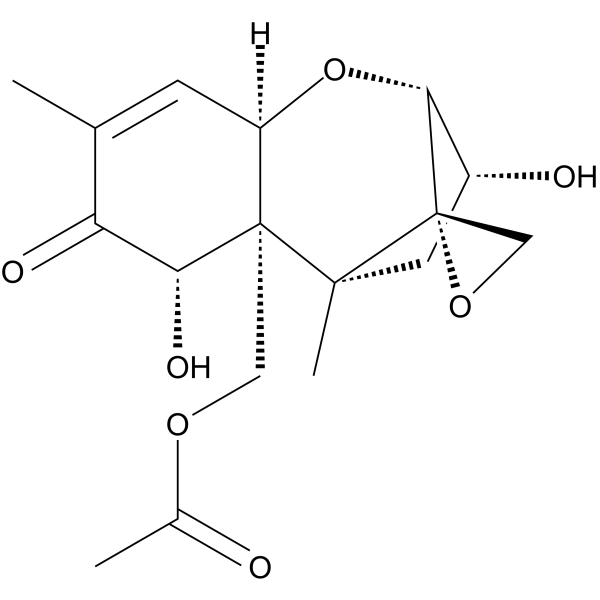
15-Acetyl-deoxynivalenol is a highly toxic trichothecene found in cereals, and a metabolite of deoxynivalenol, exhibits toxicity to HepG2 cells .
loading...
    loading...

