203 Results for "

IL-8

" in MedChemExpress (MCE) Product Catalog:
Products (203)

203 Results for "IL-8" in MCE Product Catalog:

1
1 Cited Publications
Cat. No.: HY-P1206
CAS No.: 174688-78-9
Target:  

Somatostatin Receptor

Research Areas:  

Neurological Disease

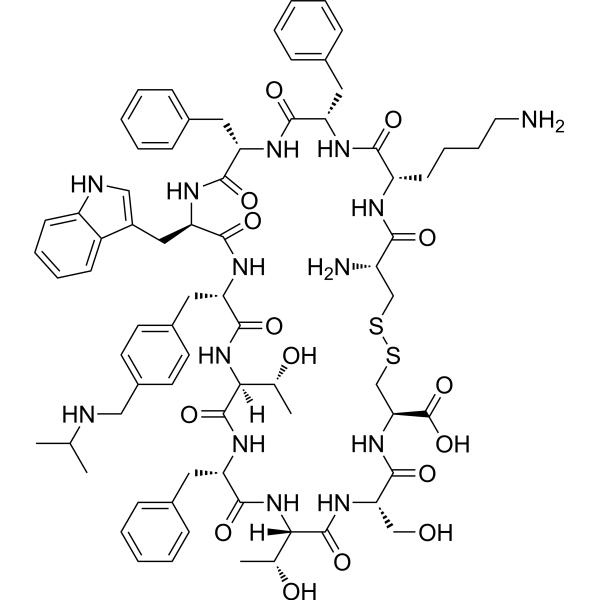
CH 275 is a peptidic somatostatin analog that acts as an agonist of SST1 (IC50 = 30.9 nM, Ki = 52 nM). The IC50 values of CH 275 for sst3, sst4, sst2, and sst5 are 345 nM, >1 μM, >10 μM, and >10 μM, respectively. CH 275 binds to SSTR1 via the IAmp9-Asp137 ion pair interaction and the hydrophobic interaction between the isopropyl group of IAmp9 and Leu107, and reduces the extracellular acidification rate. CH 275 induces weak sst1 internalization, exerts immunosuppressive effects on macrophages, and decreases macrophage viability, MCP-1 expression/secretion, and IL-8 secretion, but does not alter proMMP-9 secretion or IL-8 mRNA levels. CH 275 reduces hippocampal β-amyloid levels and alleviates plaque pathology without inducing hippocampal microglial activation. CH 275 is used in research on Alzheimer's disease, Parkinson's disease, and depression .
loading...
    loading...
1
1 Cited Publications
Cat. No.: HY-P81106
Synonyms: Interleukin 8; Interleukin8; (Ala-IL-8)77; (Ser-IL-8)72; 3 10C; 310C; AMCF1; b ENAP; CXC chemokine ligand 8; CXCL 8; CXCL8; Emoctakin; GCP-1; GCP1; IL 8; IL-8; IL-8(1-77); IL-8(9-77); IL8; LYNAP; MDNCF; MDNCF-b; MDNCF-c; MONAP; NAF; NAP-1; NAP1; Protein 3 10C; Protein 3-10C; SCYB 8; SCYB8; TSG1.

Host:  

Rabbit

Application:  

WB, IHC-P, IHC-F, ICC/IF, ELISA

Reactivity:  

Human, Rabbit

loading...
    loading...
1
1 Cited Publications
Cat. No.: HY-W014049
CAS No.: 66036-77-9
Target:  

NO Synthase

Research Areas:  

Others

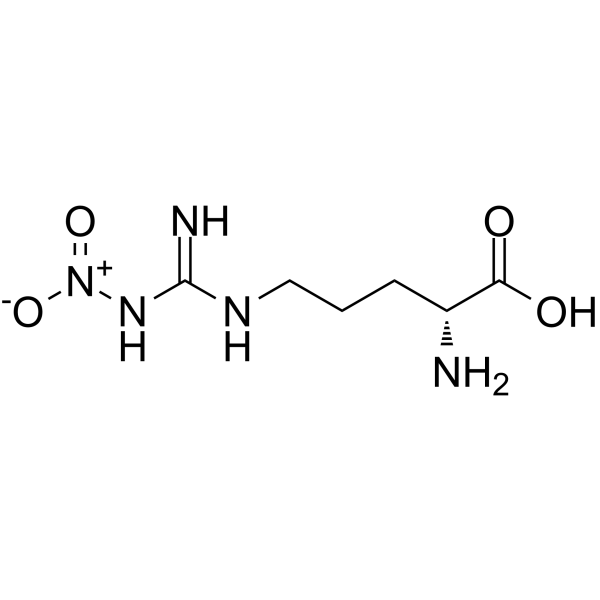
N'-Nitro-D-arginine, a nitric oxide synthesis inhibitor, also is a vasodilator that relaxes the smooth muscles and increases blood flow to the penis, improving erections. N'-Nitro-D-arginine also inhibits neutrophil migration by blocking receptors for tumour necrosis factor alpha (TNFα) and interleukin 8 (IL8) .
loading...
    loading...
1
1 Cited Publications
Cat. No.: HY-B0506
CAS No.: 124858-35-1
Synonyms: OPC7251
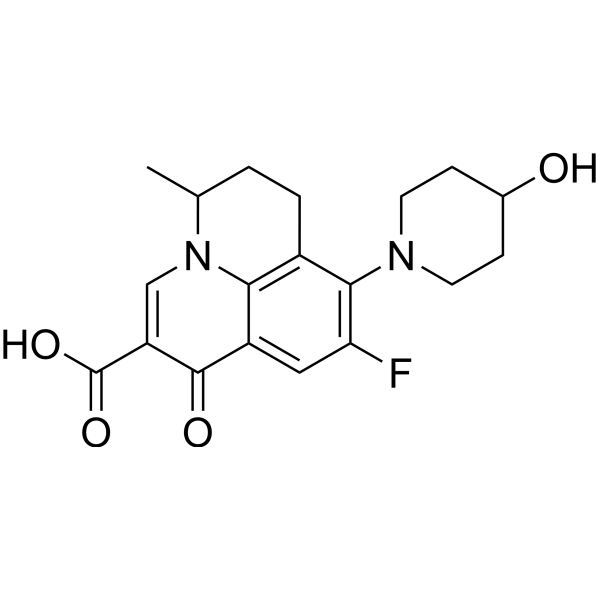
Nadifloxacin (OPC7251) is a broad-spectrum quinolone antibiotic. Nadifloxacin inhibits bacterial DNA gyrase and topoisomerase IV, interfering with DNA replication. It also suppresses the production of proinflammatory cytokines (such as IL-1α, IL-6, and IL-8). Nadifloxacin exhibits antibacterial activity against various pathogens, including Propionibacterium acnes and Staphylococcus aureus. Nadifloxacin also exhibits anti-inflammatory activity. Nadifloxacin can be used in the research of skin infections such as acne vulgaris, folliculitis, and impetigo .
loading...
    loading...
1
1 Cited Publications
Cat. No.: HY-W251428
CAS No.: 383907-64-0
Synonyms: Egg PG
Phosphatidylglycerols (PG) is a selective inhibitor targeting the TLR4 accessory protein CD14/MD-2 complex, inhibiting LPS or virus (such as RSV)-mediated inflammatory signaling pathways through competitive binding. Phosphatidylglycerols directly bind to viral particles to block infection, inhibit COX-2 expression to reduce the release of inflammatory factors (IL-6, IL-8), and improve oxidative stress by regulating mitochondrial membrane phospholipid remodeling. Phosphatidylglycerols can be taken orally or by inhalation and can be used in the study of chronic inflammatory diseases (such as atherosclerosis) and respiratory viral infections (such as RSV) .
loading...
    loading...
1
1 Cited Publications
Cat. No.: HY-123789
CAS No.: 956507-49-6
Purity:  98.1%
Research Areas:  

Inflammation/Immunology

T-5342126 is a toll-like receptor 4 (TLR4) antagonist. It reduces LPS-induced production of nitric oxide (NO) in RAW 264.7 cells (IC50=27.8 μM), as well as decreases LPS-induced IL-8, TNF-α, and IL-6 production in isolated human whole blood (IC50s=110.5, 315.6, and 318.4 μM, respectively). T-5342126 (82 mg/kg) reduces ethanol intake and the abundance of ionized calcium-binding adapter molecule 1 (Iba1), a marker of microglial activation, in the central nucleus of the amygdala in ethanol-dependent mice.
loading...
    loading...
1
1 Cited Publications
Cat. No.: HY-139481
CAS No.: 1415823-49-2
Purity:  99.86%
Synonyms: TL-895
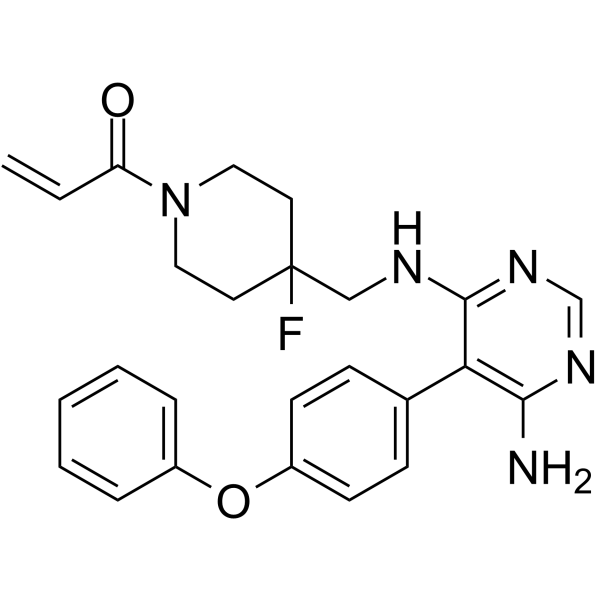
Flixebrutinib (TL-895) is a potent, orally active, ATP-competitive, and highly selective irreversible BTK inhibitor. Flixebrutinib is active against recombinant BTK (average IC50: 1.5 nM) and inhibits only three additional kinases BLK, BMX (IC50 = 1.6 nM) and TXK with IC50 within tenfold of BTK activity. Flixebrutinib inhibits BTK auto-phosphorylation at the Y223 phosphorylation site (IC50: 1-10 nM). The Flixebrutinib effectively inhibits the production of inflammatory factors such as IL-8, IL-1β, MCP-1 and TNF-α by monocytes or macrophages, and reduces the chemotactic migration of MF cells towards SDF-1. Flixebrutinib is used be for studies of chronic lymphocytic leukemia (CLL), myelofibrosis (MF), and B-cell malignancies .
loading...
    loading...
1
1 Cited Publications
Cat. No.: HY-159059
Purity:  41.20%
Ganoderma Lucidum/Reishi Extract is a Ganoderma lucidum extract. Ganoderma Lucidum/Reishi Extract reduces the expression of c-Myc, BCL-2, BCL-XL, TERT, PDGFB, eIF4G, Survivin, β-catenin, and eIF4E. Ganoderma Lucidum/Reishi Extract downregulates the gene expression of MMP-9. Ganoderma Lucidum/Reishi Extract upregulates the expression of IL8. Ganoderma Lucidum/Reishi Extract is applicable to the research of inflammatory breast cancer. Ganoderma Lucidum is used in the research of various diseases, such as allergy, arthritis, hypertension, neurasthenia, inflammation, and cancer .
loading...
    loading...
1
1 Cited Publications
Cat. No.: HY-P5522A
Synonyms: L-Ala-γ-D-Glu-meso-diaminopimelic acid dihydrochloride
TriDAP dihydrochloride (L-Ala-γ-D-Glu-meso-diaminopimelic acid dihydrochloride) is a NOD1 agonist with a Kd value of 34.5 μM. TriDAP dihydrochloride enhances the binding of NOD1-RICK, promotes RICK phosphorylation, and activates the NF-κB, TAK1, MEK/ERK, p38 and interferon response pathways. TriDAP dihydrochloride downregulates Runx2 via increasing ubiquitination and reduces trabecular bone parameters. TriDAP dihydrochloride decreases IκBα levels and increases p65 levels. TriDAP dihydrochloride induces the secretion of proinflammatory mediators IL-8 and prostaglandins, triggers tissue inflammation and innate immune activation, and inhibits SARS-CoV-2 replication in lung epithelial cells. TriDAP dihydrochloride increases the RANKL/OPG ratio in mice, reduces bone mass and enhances osteoclast activity, and inhibits new bone formation by decreasing the mineralization deposition rate in mice. TriDAP dihydrochloride can be used in research related to pulpitis, chronic ulcerative colitis, Crohn's disease and SARS-CoV-2 infection .
loading...
    loading...
1
1 Cited Publications
Cat. No.: HY-N2736
CAS No.: 2150-11-0
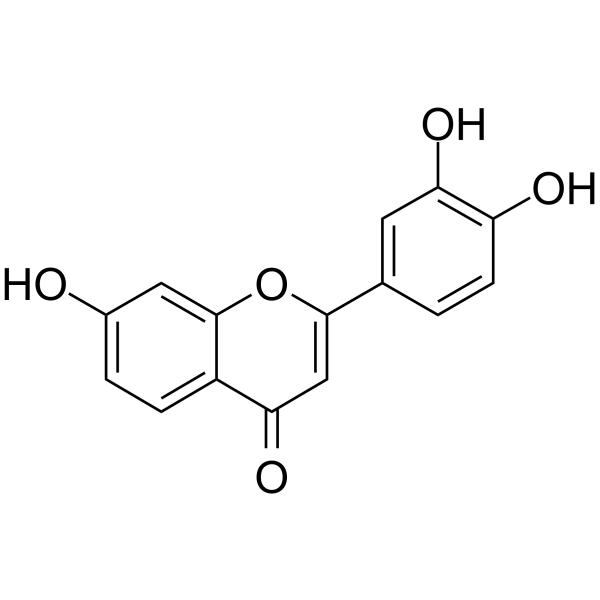
3′,4′,7-Trihydroxyflavone is an orally active inhibitor of OXA-48 (IC50 = 1.89 μM) and COX-1 (IC50 = 36.37 μM). 3′,4′,7-Trihydroxyflavone exhibits antioxidant and anti-inflammatory properties, inhibiting the release of inflammatory cytokines such as IL-6, IL-8, and TNF-α. 3′,4′,7-Trihydroxyflavone inhibits H2O2-induced neuronal apoptosis and ROS accumulation, and exerts anti-neuroinflammatory effects by suppressing the JNK-STAT1 pathway. 3′,4′,7-Trihydroxyflavone exhibits antimicrobial and antibiotic-modifying activities against multidrug-resistant Gram-negative enteric bacteria. 3′,4′,7-Trihydroxyflavone inhibits RANKL-induced osteoclast formation via NFATc1. 3′,4′,7-Trihydroxyflavone activates the CREB-BDNF axis and restores scopolamine (HY-N0296)-induced memory deficits in mice [8] .
loading...
    loading...
1
1 Cited Publications
Cat. No.: HY-P5524A
Synonyms: Lauroyl-γ-D-glutamyl-meso-diaminopimelic acid hydrochloride; γ-D-glutamyl-meso-diaminopimelic acid hydrochloride
C12-iE-DAP hydrochloride (Lauroyl-γ-D-glutamyl-meso-diaminopimelic acid hydrochloride) is a highly potent and selective NOD1 agonist, with an EC50 of 0.027 nM in HEK-Blue cells expressing human NOD1. C12-iE-DAP hydrochloride activates the NOD1/RIPK2 signaling pathway and its downstream p38 MAPK and NF-κB, induces the expression of inflammatory mediators such as IL6 and IL8, and exerts synergistic effects with TLR4, Dectin-1 or Mincle signaling. C12-iE-DAP hydrochloride can be used in studies related to vascular inflammation, tumor metastasis and neuroinflammation .
loading...
    loading...
Cat. No.: HY-W110551
CAS No.: 67881-98-5
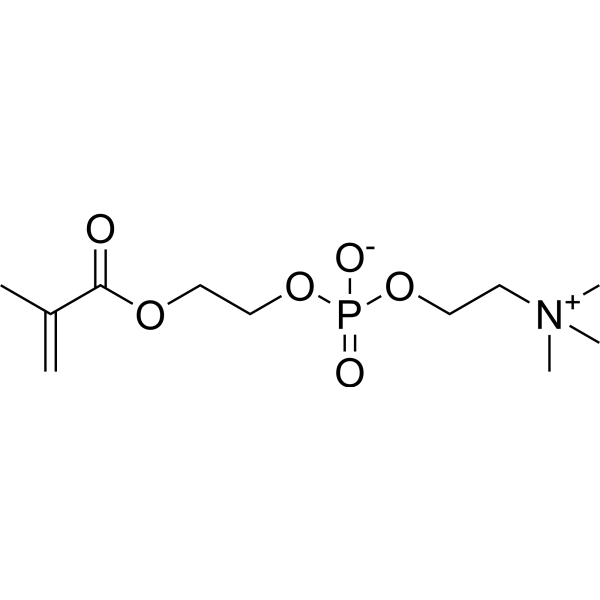
2-Methacryloyloxyethyl phosphorylcholine is a polymer monomer containing a phospholipid polar group. 2-Methacryloyloxyethyl phosphorylcholine polymers modify the surface properties of materials and reduce protein-surface interactions, reduce IL-8 production, inhibit cell, Staphylococcus aureus, and Porphyromonas gingivalis adhesion. 2-Methacryloyloxyethyl phosphorylcholine is used in the study of medical device-associated infections, periodontitis, and dental caries .
loading...
    loading...
Cat. No.: HY-N9445
CAS No.: 13007-32-4
Synonyms: LNnT
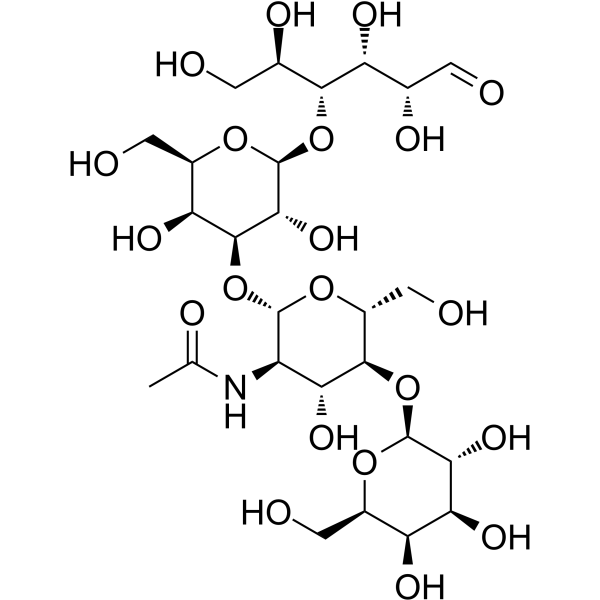
Lacto-N-neotetraose (LNnT) is an endogenous metabolite. Lacto-N-neotetraose can inhibit TNF-α induced IL-8 secretion in immature epithelial cells. Lacto-N-neotetraose has anti-inflammatory avtivity, and can improve the wound closure .
loading...
    loading...
Cat. No.: HY-N2572
CAS No.: 520-11-6
Synonyms: Nepetin; 6-Methoxyluteolin
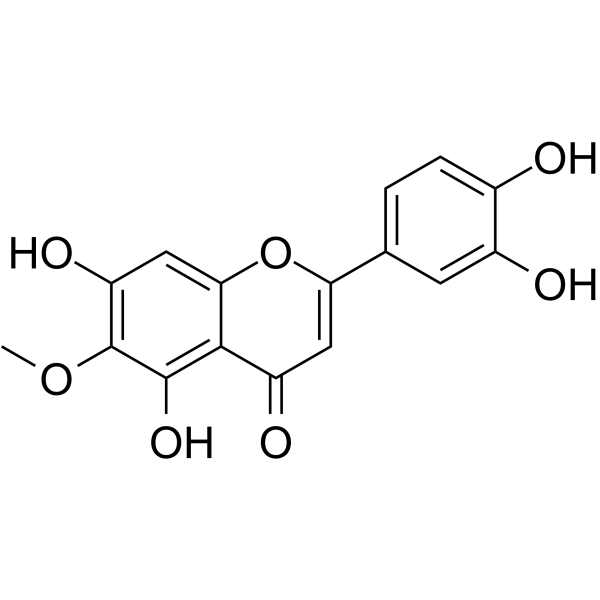
Eupafolin (Nepetin) (6-Methoxyluteolin) is a natural flavonoid isolated from Eupatorium ballotaefolium HBK with potent anti-inflammatory activities. Eupafolin inhibits IL-6, IL-8 and MCP-1 secretion with IC50 values of 4.43 μM, 3.42 μM and 4.17 μM, respectively in ARPE-19 cells .
loading...
    loading...
Cat. No.: HY-P991049
Synonyms: ATM-001

Target:  

TNF Receptor

Atrosimab is an Fv-Fc1K fusion protein with an EC50 value of 0.37 nM against humans. Atrosimab inhibits TNF-induced TNFR1 activation, release of IL-6 and IL-8, and cell death, and alleviates neuroinflammation. Atrosimab is applicable to research related to inflammatory diseases, neurodegenerative diseases, acute and chronic inflammation, experimental arthritis, non-alcoholic steatohepatitis, and experimental autoimmune encephalomyelitis .
loading...
    loading...
Cat. No.: HY-P990598
CAS No.: 2231258-73-2
Synonyms: BMS-986253; HuMax-IL-8

Research Areas:  

Inflammation/Immunology Cancer

Adakitug (BMS-986253) is a CHO-expressed human antibody targeting CXCL8/IL-8. Adakitug contains huIgG1 heavy chain and huκ light chain, with a predicted molecular weight (MW) of 144.94 kDa. The isotype control for Adakitug can refer to Human IgG1 kappa, Isotype Control (HY-P99001). Adakitug exhibits anti-tumor activity and can be applied in tumor research .
loading...
    loading...
Cat. No.: HY-B0348
CAS No.: 88678-31-3
Synonyms: Piritetrate; M-732
Target:  

Fungal

Research Areas:  

Infection

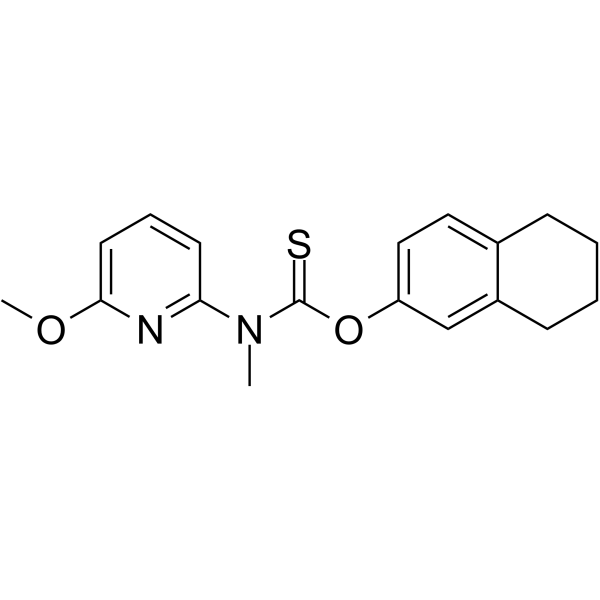
Liranaftate (Piritetrate) is a squalene epoxidase inhibitor with anti-fungicidal activities. Liranaftate can be used for the research of dermatophytes. Liranaftate also suppresses fungal element-promoted production of IL-8 and experimental inflammation .
loading...
    loading...
Cat. No.: HY-P990313

Research Areas:  

Inflammation/Immunology

ABX-IL8 is a human-derived antibody expressed in CHO cells, targeting CXCL8/IL-8. ABX-IL8 contains a huIgG2 heavy chain and a huκ light chain, with a predicted molecular weight (MW) of 143.94 kDa. The isotype control for ABX-IL8 can refer to Human IgG2 kappa, Isotype Control (HY-P99002).
loading...
    loading...
Cat. No.: HY-19717
CAS No.: 13419-46-0
Synonyms: S-[(1E)-1,2-Dichloroethenyl]-L-cysteine
Target:  

TNF Receptor

Research Areas:  

Inflammation/Immunology

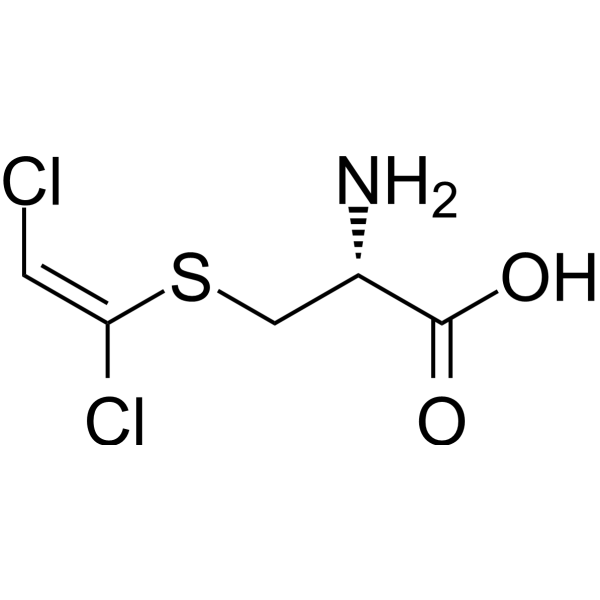
DCVC (S-[(1E)-1,2-Dichloroethenyl]-L-cysteine) is a bioactive metabolite of trichloroethylene (TCE). DCVC inhibits pathogen-stimulated pro-inflammatory cytokines IL-1β, IL-8, and TNF-α release from tissue cultures .
loading...
    loading...
Cat. No.: HY-P3412
CAS No.: 1039342-24-9
Synonyms: MK2i peptide; YARA-MK2i
Target:  

MAPKAPK2 (MK2)

Research Areas:  

Inflammation/Immunology

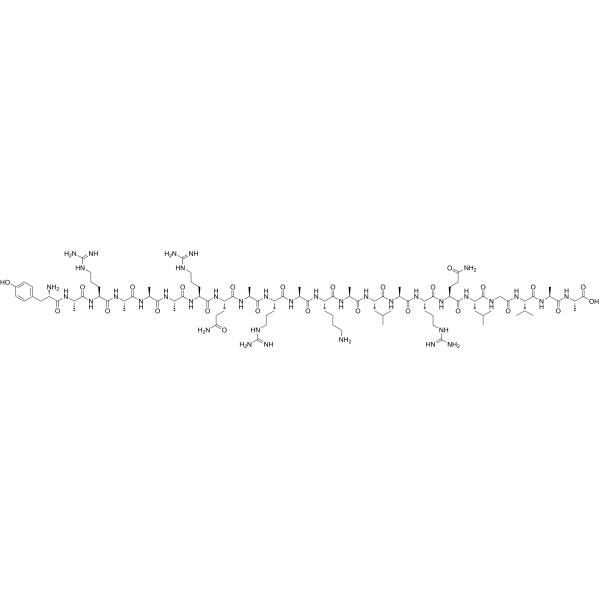
MMI-0100 is a cell-permeant peptide inhibitor of mitogen activated protein kinase activated protein kinase II (MK2). MMI-0100 reduces intimal hyperplasia ex vivo and in vivo. MMI-0100 suppresses IL-6 expression without effect on IL-8 expression. MMI-0100 suppresses fibrotic processes such as vein graft disease .
loading...
    loading...

