
82 Results for "

Intestinal Barriers

" in MedChemExpress (MCE) Product Catalog:
Products (82)

82 Results for "Intestinal Barriers" in MCE Product Catalog:

1
1 Cited Publications
Cat. No.: HY-N6625
CAS No.: 1897-45-6
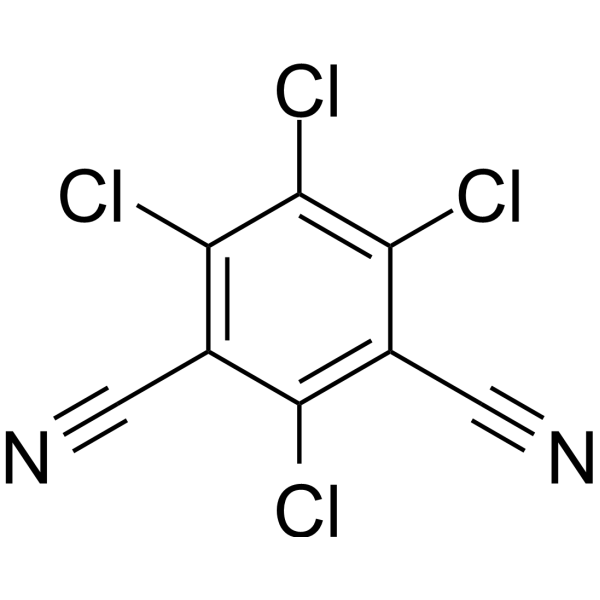
Chlorothalonil is a broad-spectrum foliar fungicide with oral activity. Chlorothalonil can be used to combat fungal diseases in vegetable and crop leaves. Chlorothalonil can alter the microbial community in the soil. Chlorothalonil inhibits spermatogenesis. Chlorothalonil can cause intestinal epithelial barrier dysfunction and fetal toxicity .
loading...
    loading...
1
1 Cited Publications
Cat. No.: HY-P1108
CAS No.: 681260-70-8
Target:  

CRFR

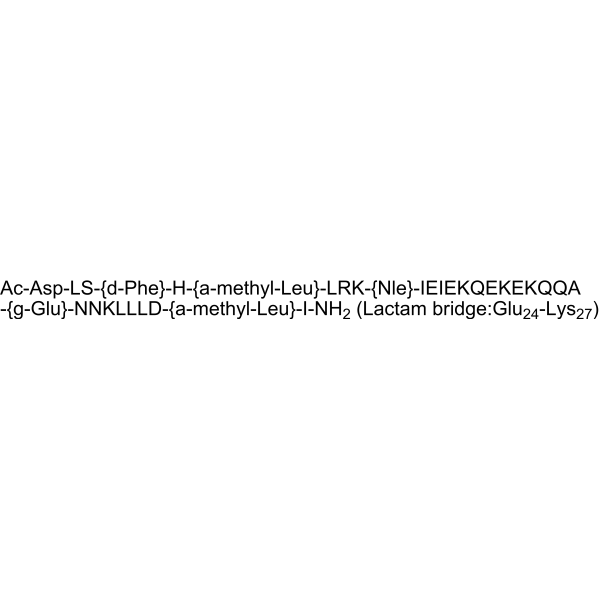
Astressin 2B is a blood-brain barrier-impermeable, highly selective CRFR2 antagonist (rCRFR2, IC50=0.57 nM). Astressin 2B blocks the protective effects mediated by CRFR2, thereby exacerbating indomethacin (HY-14397)-induced hemorrhagic intestinal injury in rats. Astressin 2B reverses the protective effects of Urocortin 1 against intestinal hypermotility, bacterial invasion and upregulation of inflammatory mediators. Astressin 2B also blocks the anxiogenic effect of Urocortin 2 and attenuates stress-induced anxiety-related behaviors. In the Clostridioides difficile toxin A (C. difficile toxin A)-mediated enteritis model, Astressin 2B mimics the phenotype of CRFR2-deficient mice, significantly exacerbating intestinal epithelial damage, edema, neutrophil migration and the expression of multiple proinflammatory cytokines. Astressin 2B is an important tool molecule for investigating the intestinal protective mechanisms of CRFR2 .
loading...
    loading...
1
1 Cited Publications
Cat. No.: HY-N2830
CAS No.: 21499-24-1
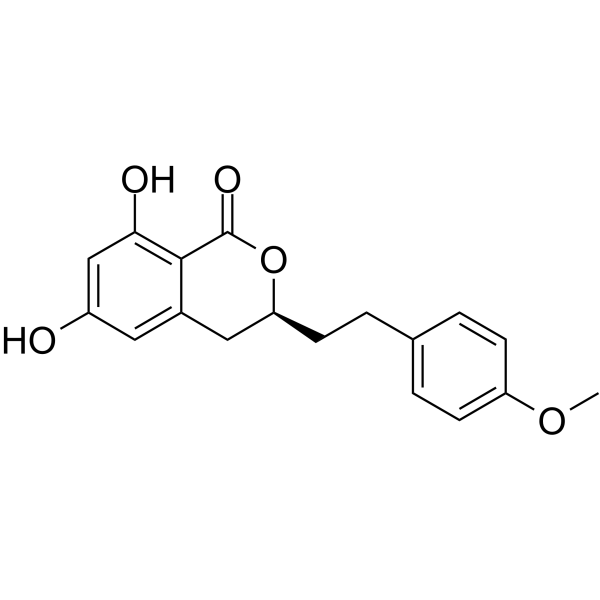
Agrimonolide is a phenethyl isocoumarin compound discovered from Agrimonia pilosa, exhibiting anti-inflammatory, antioxidant, and anticancer activities. Agrimonolide inhibits NF-κB, MAPK, and TLR4-mediated neuroinflammatory signaling, suppresses Notch and JAK2/STAT3 signaling to modulate Th17/Treg balance and maintain the intestinal barrier. Agrimonolide decreases HIF1A expression, inhibits glycolysis, and induces ferroptosis and cell cycle arrest via the mTOR pathway in tumor models, thereby suppressing cancer cell viability, proliferation, and metastasis. Agrimonolide exerts hepatoprotective and anti-fibrotic effects by regulating bile acid transporter expression and reducing hepatic bile acid accumulation. Agrimonolide is used for research on ulcerative colitis, ovarian cancer, non-small cell lung cancer, cholestatic liver injury, and neuroinflammation .
loading...
    loading...
1
1 Cited Publications
Cat. No.: HY-121324
CAS No.: 7287-19-6
Purity:  99.79%
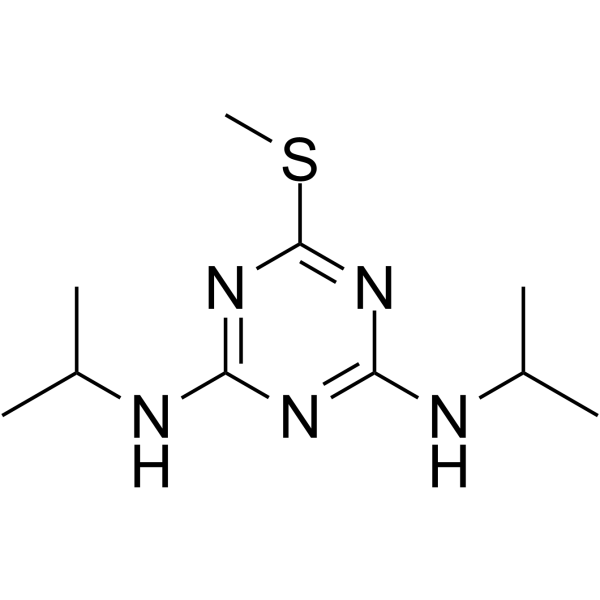
Prometryn is a triazine herbicide. Prometryn induces apoptosis and cell cycle arrest. Prometryn induces oxidative stress, DNA damage and autophagy-related gene expression, and non-specific immunity gene expression. Prometryn can be used for the research of herbicide, hepatopancreas injury, and intestinal stress and intestinal barrier dysfunction .
loading...
    loading...
1
1 Cited Publications
Cat. No.: HY-N6612B
CAS No.: 7182-77-6
Target:  

Bacterial

Research Areas:  

Inflammation/Immunology

Glucuronic acid sodium is a polysaccharide that exhibits anti-inflammatory activity, supporting the healing of ulcerative colitis. Glucuronic acid sodium also enhances the intestinal barrier by upregulating tight junction proteins like ZO-1 and Occludin. Furthermore, Glucuronic acid sodium plays a role in modulating gut microbiota by increasing beneficial bacterial populations while suppressing harmful ones.
loading...
    loading...
Cat. No.: HY-Y1683
CAS No.: 89-78-1
Synonyms: Racementhol
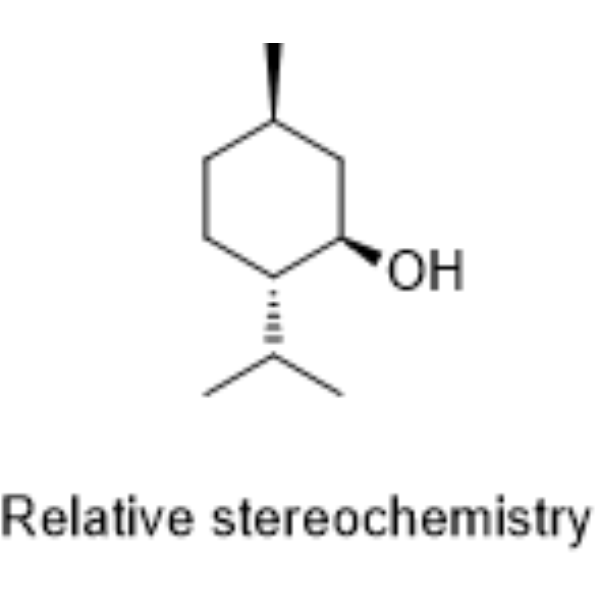
DL-Menthol (Racementhol) is an orally active, GABAaR positive allosteric modulator and UDP-glucuronosyltransferase (UGT) inhibitor that can cross the blood-brain barrier. DL-Menthol binds to GABAAR and exhibits an allosteric activation effect, enhancing GABA-mediated chloride influx and inhibiting neuronal excitability. DL-Menthol can induce surgical anesthesia in fish and inhibit the metabolic detoxification of tobacco carcinogens by human liver and intestinal UGT enzymes, resulting in reduced NNAL-N-Gluc production .
loading...
    loading...
Cat. No.: HY-123630
CAS No.: 25956-17-6
Purity:  98.01%
Synonyms: FD&C RED NO. 40; CI 16035
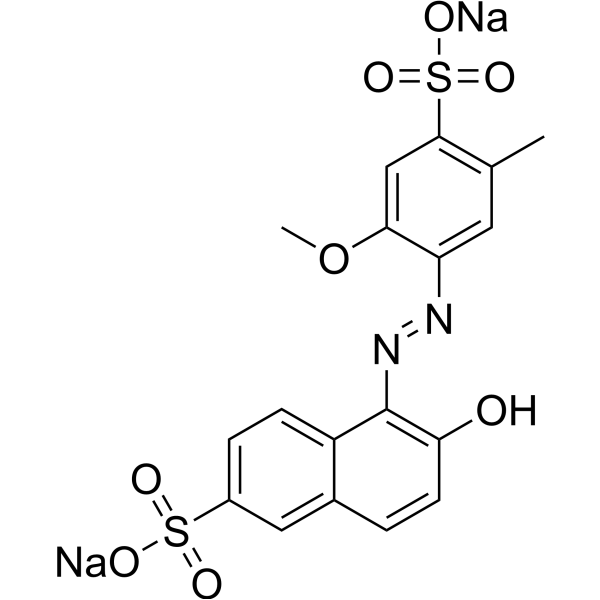
Allura Red AC is a food colorant, appearing as a deep red water-soluble powder or granules, used in various applications such as beverages, syrups, candies, and cereals. Allura Red AC can statically quench the intrinsic fluorescence of HSA. Additionally, Allura Red AC is a 5-hydroxytryptamine (5-HT) pathway-associated pro-inflammatory agent, capable of exacerbating experimental colitis. Allura Red AC holds potential for research in inflammatory bowel disease (IBD), intestinal barrier function, and food additive safety .
loading...
    loading...
Cat. No.: HY-N2468
CAS No.: 6860-47-5
Synonyms: 1,4-β-D-Xylobiose; 1,4-D-Xylobiose
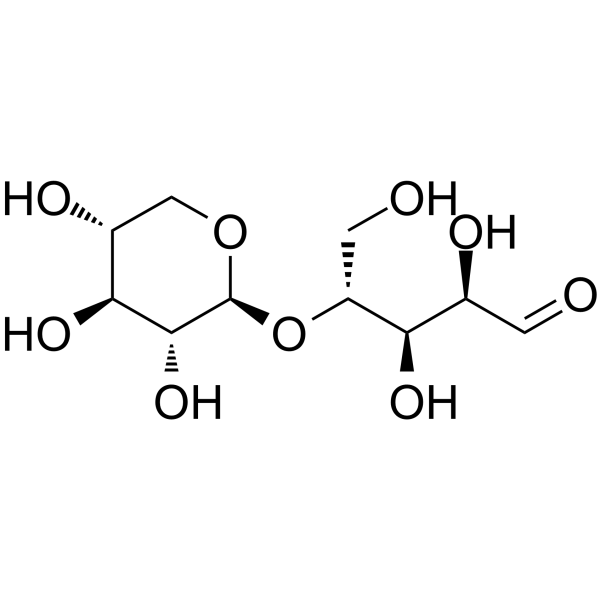
Xylobiose (1,4-β-D-Xylobiose; 1,4-D-Xylobiose) is an orally active Claudin 2/CLDN2 inhibitor and HSP27 inducer. Xylobiose works by regulating intestinal barrier function and glucose and lipid metabolism-related signaling pathways. Xylobiose inhibits CLDN2 expression to reduce intestinal permeability, induces HSP27 to enhance cell protection, and regulates the miR-122a/miR-33a axis to inhibit liver lipid synthesis and improve insulin resistance. Xylobiose can strengthen intestinal barrier integrity, reduce blood sugar and blood lipid levels, and reduce oxidative stress and inflammatory response. Xylobiose can be used in the study of type 2 diabetes and metabolic syndrome .
loading...
    loading...
Cat. No.: HY-W105835
CAS No.: 3344-18-1
Synonyms: Trimagnesium dicitrate
Research Areas:  

Neurological Disease

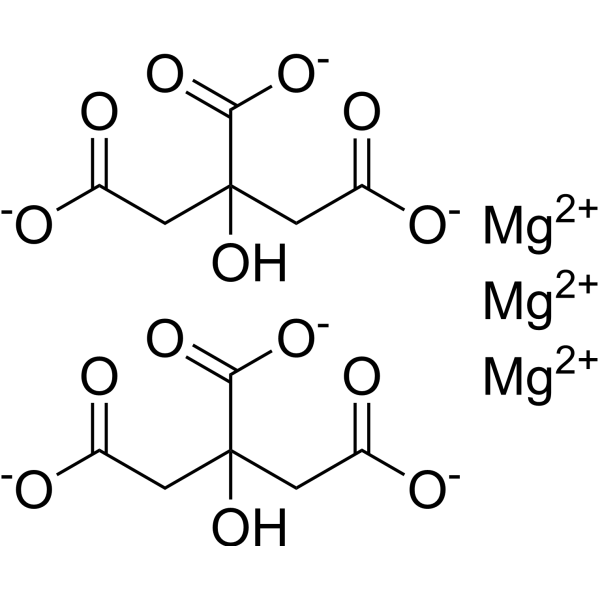
Magnesium citrate (Trimagnesium dicitrate) is an orally active magnesium-containing compound that can cross the blood-brain barrier (BBB). Magnesium citrate can be used as an intestinal cleanser and is studied for its application in laxatives. Magnesium citrate can also increase the pain threshold and is studied for pain-relief purposes .
loading...
    loading...
Cat. No.: HY-P99917
CAS No.: 2200269-84-5
Synonyms: F-652; rhIL-22 dimer

Target:  

STAT

Research Areas:  

Infection Inflammation/Immunology

Eflepedocokin alfa is a recombinant fusion protein. Eflepedocokin alfa consists of human IL-22 fused to human IgG2-Fc domain. Eflepedocokin alfa leads to the activation of IL-22/IL-22R-mediated signal transduction pathways as well as STAT3. Eflepedocokin alfa plays a role in immune response and bacterial infection, enhancing intestinal barrier function, intestinal immunity, and tissue repair .
loading...
    loading...
Cat. No.: HY-W002199
CAS No.: 647-42-7
Synonyms: 6:2 FTOH; 1H,1H,2H,2H-Perfluoro-1-octanol; 2-(Perfluorohexyl)ethanol
6:2 Fluorotelomer alcohol (6:2 FTOH) is an orally active, blood-brain barrier-permeable modulator of cyclin D1 and ETS1. 6:2 Fluorotelomer alcohol downregulates cyclin D1 expression, upregulates ETS1 via the TNF-α/ERK 1/2 pathway, impairs mitochondrial membrane potential and respiratory function, increases reactive oxygen species levels, disrupts calcium homeostasis and activates endoplasmic reticulum stress markers, and induces cell proliferation inhibition and endothelial-mesenchymal transition. Furthermore, 6:2 Fluorotelomer alcohol induces morphological abnormalities in zebrafish embryos and liver developmental damage, while disrupting the brain immune microenvironment in mice, causing systemic toxicity and delayed pup maturation in CD-1 mice. 6:2 Fluorotelomer alcohol also induces cortical neuron apoptosis, glial cell activation, synaptic abnormalities, colonic barrier damage, intestinal dysbiosis and autism spectrum disorder-like symptoms in mice. 6:2 Fluorotelomer alcohol shows no mutagenic, clastogenic, primary skin/eye irritation or skin sensitizing effects, exhibits no selective reproductive toxicity in CD-1 mice, and is classified as GHS Category 4 for acute oral toxicity. 6:2 Fluorotelomer alcohol can be used in studies of neurodevelopmental disorders and autism spectrum disorders .
loading...
    loading...
Cat. No.: HY-N0442
CAS No.: 84272-85-5
Synonyms: 4'-O-β-D-Glucosyl-5-O-methylvisamminol
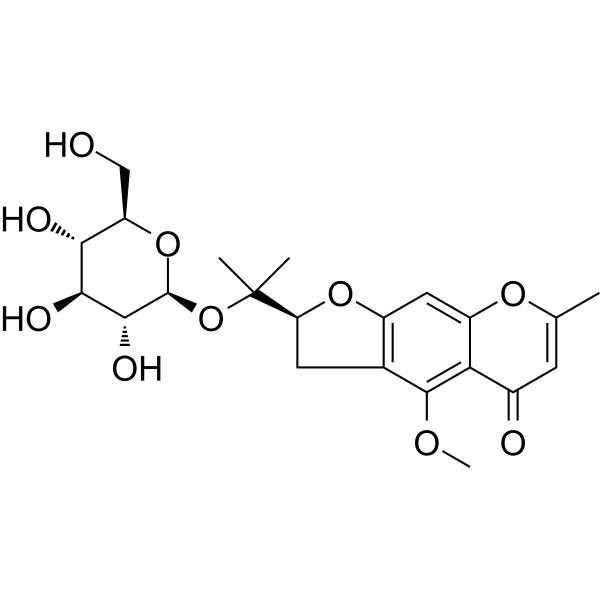
5-O-Methylvisammioside (4'-O-β-D-Glucosyl-5-O-methylvisamminol) is an orally active natural chromone glycoside and multiple biological activities. 5-O-Methylvisammioside inhibits ferroptosis by activating the Nrf2/HO-1 signaling axis. 5-O-Methylvisammioside alleviates intestinal barrier damage by inhibiting the ROS/NF-κB/NLRP3 pathway. 5-O-Methylvisammioside exerts a protective effect against acute liver injury by reducing ALT/AST, decreasing inflammatory infiltration, and inhibiting IκB-α phosphorylation and NF-κB nuclear translocation. 5-O-Methylvisammioside blocks the HMGB1/RAGE/MEK/ERK signaling axis to exert anti-tumor and anti-angiogenic effects. 5-O-Methylvisammioside improves depression-like behaviors by inhibiting Src kinase and the NF-κB pathway .
loading...
    loading...
Cat. No.: HY-N8268
CAS No.: 53608-86-9
Synonyms: 3α,12α-Dihydroxynorcholanic acid
Category:  

Animals

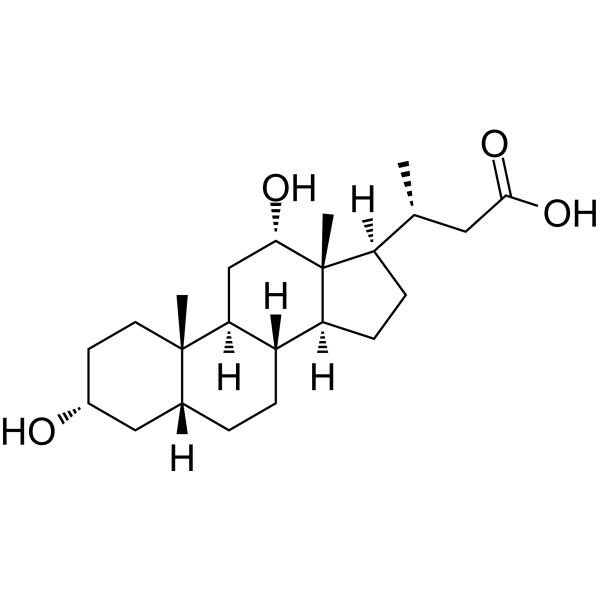
Nordeoxycholic acid (3α,12α-Dihydroxynorcholanic acid) is an orally active hydrophobic bile acid metabolite. Nordeoxycholic acid inhibits autophagic flux, induces endoplasmic reticulum stress and causes hepatocyte injury. Nordeoxycholic acid impairs intestinal barrier integrity in mice. Nordeoxycholic acid can be used in the research of alcohol-associated liver disease .
loading...
    loading...
Cat. No.: HY-158766
CAS No.: 94159-47-4
Purity:  99.72%
Synonyms: 3-Succinylated cholic acid
3-sucCA is an orally available bacterial bile acid that exerts anti-MASH effects by promoting the growth of Akkermansia muciniphila. By remodeling the intestinal microbiota and promoting the growth of Akkermansia, 3-sucCA can improve intestinal barrier damage and reduce chronic low-level inflammation, thereby alleviating the progression of metabolic dysfunction-associated steatohepatitis (MASH). 3-sucCA accelerates the synthesis of cell wall peptidoglycan and has in vivo efficacy in the mouse MAFL-MASH model. 3-sucCA levels are low in the MAFLD model and are mainly used in the study of MASH .
loading...
    loading...
Cat. No.: HY-N2128
CAS No.: 18110-86-6
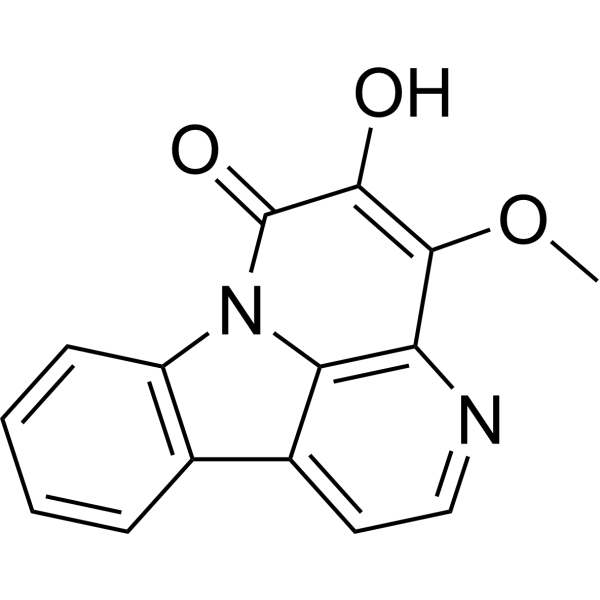
Nigakinone is an orally active FXR agonist and NLRP3 inhibitor. Nigakinone suppresses bile acid-induced inflammation and cell damage, regulates the bile acid profile, and alleviates intestinal mucosal barrier injury. Nigakinone synergizes with Irinotecan (HY-16562) to inhibit the proliferation and migration of colorectal cancer cells as well as the growth of subcutaneous xenograft tumors. Nigakinone can be used in research related to ulcerative colitis and colorectal cancer .
loading...
    loading...
Cat. No.: HY-N0688
CAS No.: 13476-25-0
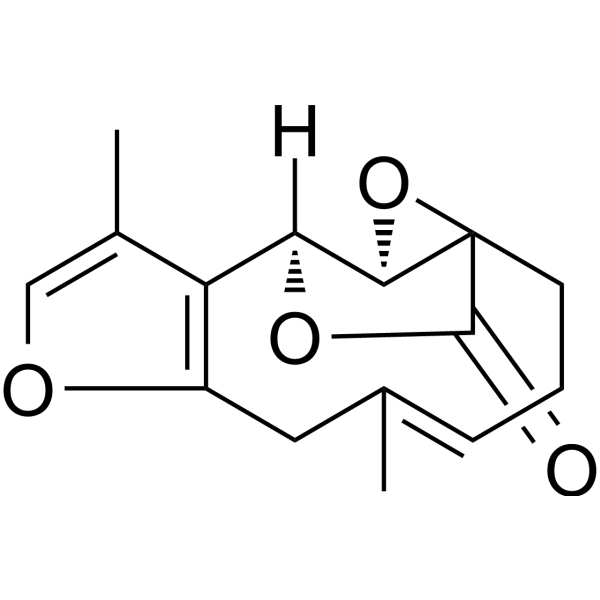
Linderane is an orally active natural sesquiterpene lactone with blood-brain barrier permeability. Linderane indirectly activates PDE3 by activating ERK/STAT3, thereby inhibiting the cAMP/PKA/CREB signaling pathway and hepatic gluconeogenesis. Linderane protects pancreatic β cells against oxidative damage by inhibiting the activation of the p38 MAPK pathway and activating the Nrf2 pathway. Linderane inhibits cell apoptosis and ameliorates intestinal mucosal inflammation by suppressing the IL-6/JAK/STAT3 signaling pathway. Linderane reduces pain sensitivity and alleviates anxiety-like behaviors by activating cannabinoid receptor 2 (CB2R). Linderane can be used in studies related to type 2 diabetes, ulcerative colitis, and chronic inflammatory pain with anxiety .
loading...
    loading...
Cat. No.: HY-78036
CAS No.: 498-24-8
Synonyms: Citronic acid; Methylfumaric acid
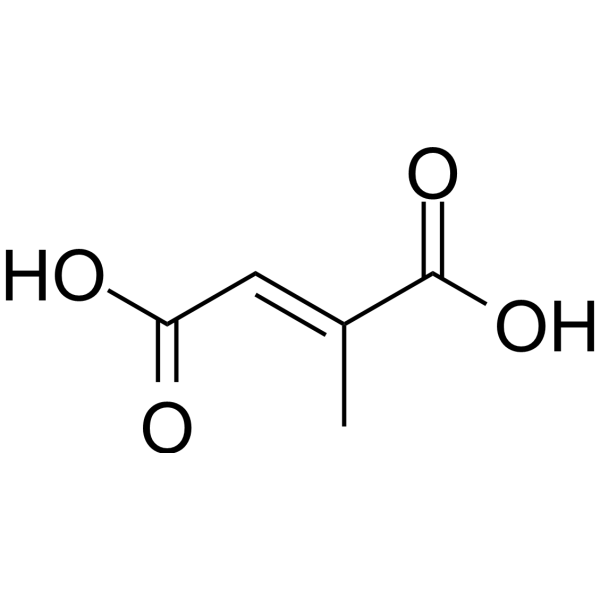
Mesaconic acid (Citronic acid; Methylfumaric acid) is an orally active anti-inflammatory and antioxidant agent. Mesaconic acid reduces the level of NF-κB in colon tissues, downregulates the expression of Keap1 and Bax, upregulates the expression of Nrf2 and Bcl2, and decreases the expression of Caspase-1. Mesaconic acid reduces the levels of NLRP3, ASC and Casp-1 in colon, liver and kidney tissues. Mesaconic acid reduces pro-inflammatory cytokine levels, increases the level of the anti-inflammatory cytokine IL-10, elevates NAD + levels, regulates oxidative stress markers and antioxidant enzyme levels, and upregulates intestinal barrier proteins in colon, liver and kidney tissues. Mesaconic acid increases the abundance of beneficial gut bacteria and reduces the abundance of harmful gut bacteria in rapidly aging mice, and exhibits anti-aging properties. Mesaconic acid acts as a flame retardant and serves as a competitive inhibitor of fumarate reduction. Mesaconic acid can be used in the research of aging-related inflammation .
loading...
    loading...
Cat. No.: HY-154795
CAS No.: 658701-67-8
Purity:  99.81%
Synonyms: 18α-Glycyrrhizic acid Magnesium hydrate; 18α-GA Magnesium hydrate; 18α-Licorice-saponin H2 Magnesium hydrate
Magnesium isoglycyrrhizinate hydrate (18α-Glycyrrhizic acid Magnesium hydrate; 18α-GA Magnesium hydrate; 18α-Licorice-saponin H2 Magnesium hydrate) is a derivative of glycyrrhizic acid with oral activity. Magnesium isoglycyrrhizinate hydrate exhibits antioxidant, anti-inflammatory, hepatoprotective and cardioprotective activities. Magnesium isoglycyrrhizinate hydrate protects against ethanol-induced alcoholic liver disease in rats by upregulating the expression levels of SOD, GSH, PPAR-α and CPT-1 . Magnesium isoglycyrrhizinate hydrate shows cytotoxicity against T lymphocytes and inhibits HIV-1 replication in these cells . Magnesium isoglycyrrhizinate hydrate alleviates oxidative stress by reducing the levels of ROS, Nrf2, HO-1 and p-P65, and alleviates pyroptosis by downregulating the expression levels of NLRP3, GSDMD-N, P20 and c-IL-1β. Magnesium isoglycyrrhizinate hydrate inhibits autophagy, colonic fibrosis and myocardial fibrosis, and regulates intestinal barrier integrity. Magnesium isoglycyrrhizinate hydrate can be used in research related to alcoholic liver disease, HIV-1 infection, hepatotoxicity, acute liver failure, inflammatory bowel disease and myocardial fibrosis .
loading...
    loading...
Cat. No.: HY-13771R
CAS No.: 128-13-2
Synonyms: Ursodeoxycholate (Standard); Ursodiol (Standard); UDCA (Standard)
Ursodeoxycholic acid (Standard) is the analytical standard of Ursodeoxycholic acid. This product is intended for research and analytical applications. Ursodeoxycholic acid (Ursodeoxycholate) is a secondary bile acid issued from the transformation of (cheno)deoxycholic acid by intestinal bacteria, acting as a key regulator of the intestinal barrier integrity and essential for lipid metabolism. Ursodeoxycholic acid acts as signaling molecule, exerting its effects by interacting with bile acid activated receptors, including G-protein coupled bile acid receptor 5 (TGR5, GPCR19) and the farnesoid X receptor (FXR). Ursodeoxycholic acid can be used for the research of a variety of hepatic and gastrointestinal diseases. Ursodeoxycholic acid also reduces ACE2 expression and is beneficial for reducing SARS-CoV-2 infection. Orally active .
loading...
    loading...
Cat. No.: HY-170522
CAS No.: 2924181-80-4
Synonyms: ISM012-042
Research Areas:  

Inflammation/Immunology

Garutadustat (ISM012-042) is an orally active, selective inhibitor of PHD1 and PHD2, with IC50 values of 1.9 nM and 2.5 nM, respectively. Garutadustat stabilizes HIF1α protein in intestinal epithelial cells, thereby activating gene transcription programs associated with mucus production, tight junction formation, anti-inflammatory mediator generation and wound healing, which fundamentally promotes mucosal barrier repair and regulates intestinal immunity. Garutadustat can be used for the research of inflammatory bowel disease .
loading...
    loading...

