140 Results for "

Jak/Stat pathway

" in MedChemExpress (MCE) Product Catalog:
Products (140)

140 Results for "Jak/Stat pathway" in MCE Product Catalog:

2
2 Cited Publications
Cat. No.: HY-150538
CAS No.: 2980758-31-2
Purity:  99.87%
Target:  

STAT Apoptosis

Research Areas:  

Cancer

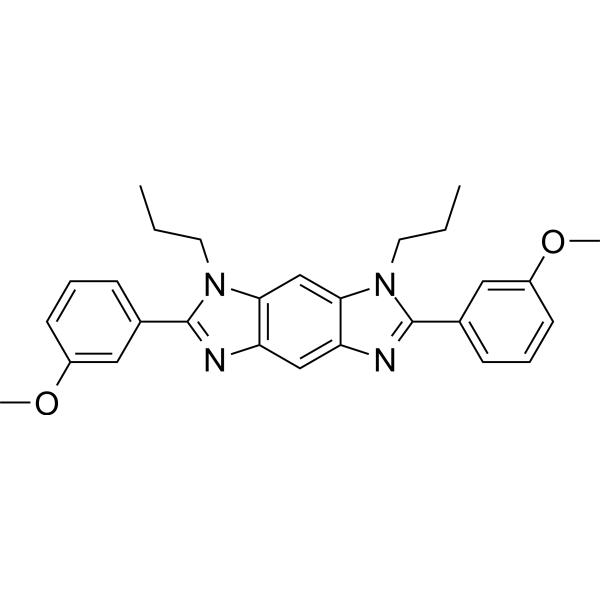
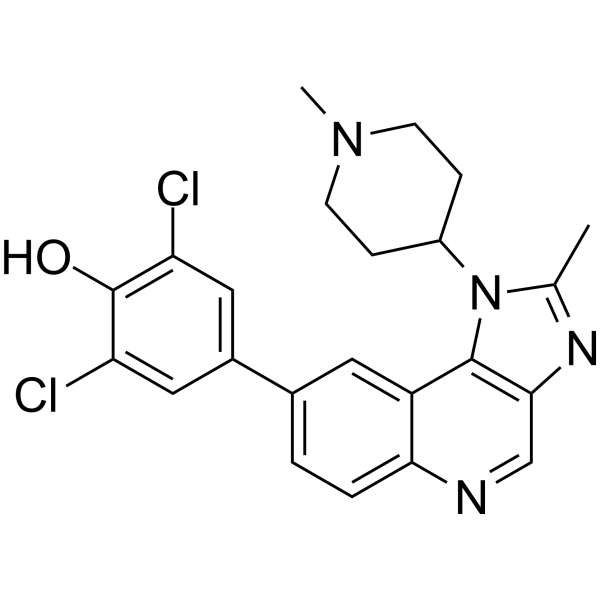
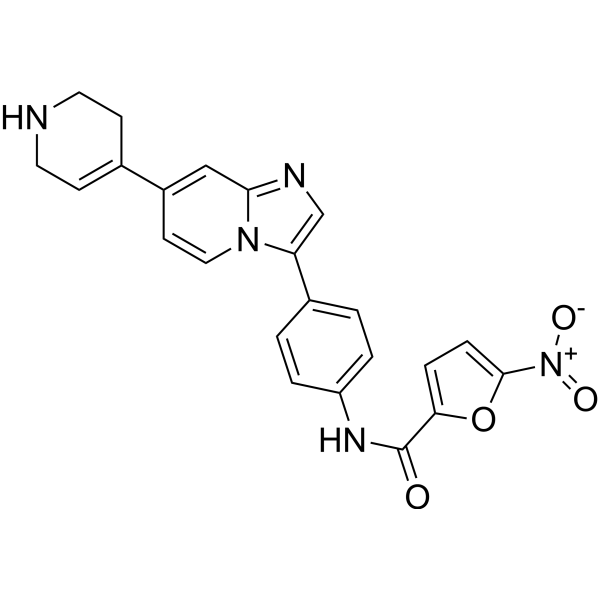
STAT3-IN-12 is a potent STAT3 signal inhibitor that can inhibit IL-6 induced JAK/STAT3 signalling pathway activation. STAT3-IN-12 inhibits cancer cell growth, migration, and induce cell apoptosis as well as cycle arrest. STAT3-IN-12 can be used in cancer-related research, such as hepatocellular carcinoma (HCC) and oesophageal carcinoma .
loading...
    loading...
2
2 Cited Publications
Cat. No.: HY-117548
CAS No.: 1350549-36-8
Purity:  98.92%
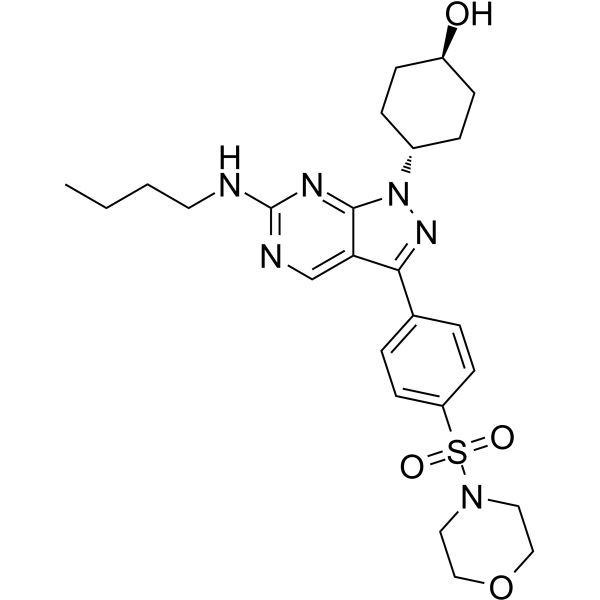
UNC1062 is a highly selective tyrosine kinase (MERTK) inhibitor with an IC50 of 1.1 nM (Morrison Ki = 0.33 nM). UNC1062 exhibits good selectivity for the TAM family (TYRO3 IC50 = 60 nM, AXL IC50 = 85 nM). UNC1062 exhibits significant anti-proliferative effects and induces apoptosis in various cancer models (such as melanoma, gastric cancer, and acute myeloid leukemia). UNC1062 inhibits multiple pathways, including MAPK/ERK, PI3K/AKT and JAK/STAT and affects the motility of head and neck squamous cell carcinoma (HNSCC) cells through the RhoA signaling pathway. UNC1062 inhibits macrophage efferocytosis, and it suitable for research on atherosclerosis .
loading...
    loading...
2
2 Cited Publications
Cat. No.: HY-118119
CAS No.: 938069-71-7
Purity:  99.12%
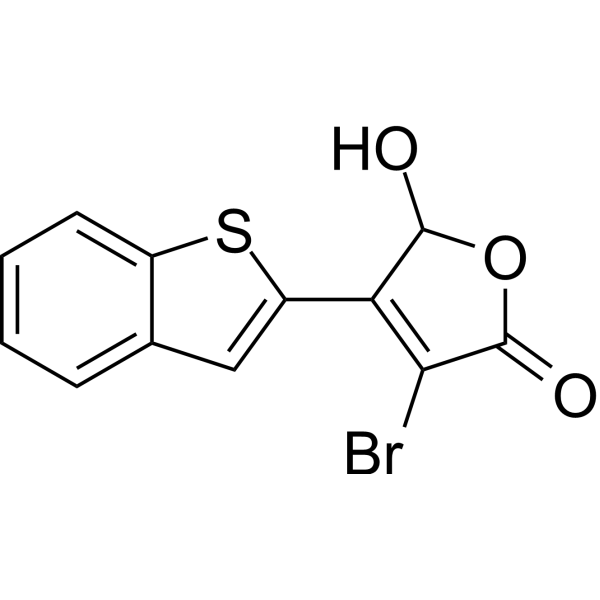
CAY10526 is an inhibitor of Y-box binding protein 1 (YB-1) and microsomal prostaglandin E2 synthase 1 (mPGES1). CAY10526 inhibits the production of PGE2 by suppressing YB-1 and mPGES1. CAY10526 induces cell apoptosis (apoptosis) and inhibits the JAK/STAT, TGF-β/Smad3 and PI3K/AKT signaling pathways. CAY10526 can be used in research related to melanoma, prostate cancer, esophageal adenocarcinoma, T-cell lymphoma, etc .
loading...
    loading...
1
1 Cited Publications
Cat. No.: HY-N1356
CAS No.: 485-19-8
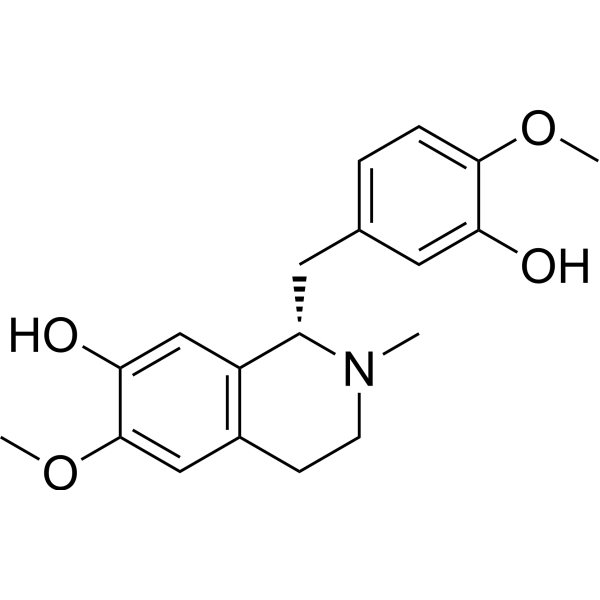
Reticuline shows anti-inflammatory effects through JAK2/STAT3 and NF-κB signaling pathways. Reticuline inhibits mRNA expressions of TNF-α, and IL-6 and reduces the phosphorylation levels of JAK2 and STAT3 . Reticuline exhibits cardiovascular effects .
loading...
    loading...
1
1 Cited Publications
Cat. No.: HY-N6069
CAS No.: 38963-94-9
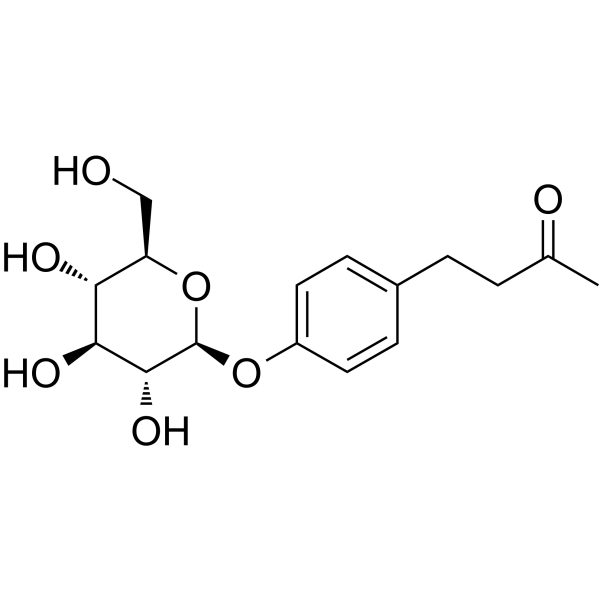
Raspberry ketone glucoside is a melanogenesis inhibitor. Raspberry ketone glucoside inhibits melanogenesis by activating the IL6/JAK1/STAT3 pathway, inhibiting the transcriptional activity of MITFa, and its downstream expression levels of the TYR and TYRP1a genes. Raspberry ketone glucoside shows remarkable whitening activity on both B16F10 cells in vitro and zebrafish model in vivo .
loading...
    loading...
1
1 Cited Publications
Cat. No.: HY-N0807
CAS No.: 17388-39-5
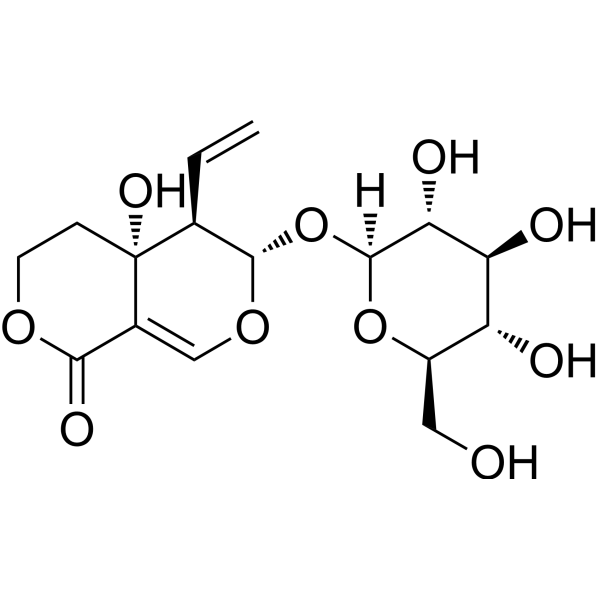
Swertiamarin is an orally active natural product with hypoglycemic, lipid-lowering, anti-rheumatic, and antioxidant activities. Swertiamarin can regulate the levels of pro-inflammatory cytokines, MMP, and NF-κB, and promote osteoblast proliferation. Swertiamarin has antioxidant and hepatoprotective effects against carbon tetrachloride induced rat liver toxicity through the Nrf2/HO-1 pathway. Swertiamarin can attenuate inflammatory mediators by regulating JAK2/STAT3 transcription factors in adjuvant induced arthritis rats. Swertiamarin can be used in the research of diabetes and arthritis .
loading...
    loading...
1
1 Cited Publications
Cat. No.: HY-N6850
CAS No.: 26020-14-4
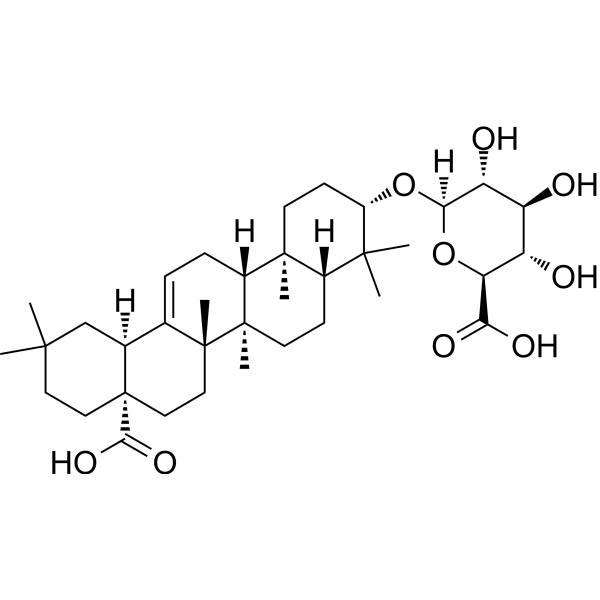
Calenduloside E is a pentacyclic triterpenoid saponin that can be extracted from the bark and roots of Aralia ovata, and has anti-inflammatory and anti-apoptotic activities. Calenduloside E alleviates atherosclerosis by regulating macrophage polarization, improves mitochondrial function by regulating the AMPK-SIRT3 pathway, and alleviates acute liver injury. In addition, Calenduloside E promotes the interaction between L-type calcium channels and Bcl-2 related apoptosis genes, inhibits calcium overload, and alleviates myocardial ischemia/reperfusion injury. Calenduloside E also improves non-alcoholic fatty liver disease by regulating heat shock-dependent pathways, and inhibits ROS mediated JAK1-STAT3 pathways to reduce cellular inflammatory responses .
loading...
    loading...
1
1 Cited Publications
Cat. No.: HY-151262
CAS No.: 3031837-35-8
Purity:  98.90%
Target:  

JAK STING NF-κB STAT

Research Areas:  

Inflammation/Immunology

JAK-IN-23 is an orally active double inhibitor of JAK/STAT and NF-κB. JAK-IN-23 can inhibit JAK1/2/3 with IC50 values of 8.9 nM, 15 nM and 46.2 nM, respectively. JAK-IN-23 has potent inhibitory activities against interferon-stimulated genes (ISG) and NF-κB pathways with IC50 values of 3.3 nM and 150.7 nM, respectively. JAK-IN-23 has great anti-inflammatory that decreases the release of various proinflammatory factors. JAK-IN-23 can be used for the research of inflammatory bowel disease (IBD) .
loading...
    loading...
1
1 Cited Publications
Cat. No.: HY-W105750
CAS No.: 1191-25-9
Synonyms: 6-HHA
6-Hydroxyhexanoic acid (6-HHA) is a bacterial effector molecule with metabolic and immunomodulatory activities. 6-Hydroxyhexanoic acid activates the JAK1-STAT1 signaling pathway, promotes phenotypic conversion of M2 macrophages to M1 macrophages, and exerts anti-tumor effects by regulating macrophage polarization. 6-Hydroxyhexanoic acid inhibits lipolysis in adipocytes mediated by Gαi family GPCR, and reduces high-fat diet-induced weight gain and obesity. 6-Hydroxyhexanoic acid can be used in studies related to pancreatic ductal adenocarcinoma, obesity, and insulin resistance .
loading...
    loading...
1
1 Cited Publications
Cat. No.: HY-N0885
CAS No.: 472-26-4
Synonyms: Telobufotoxin; Telocinobufogenin
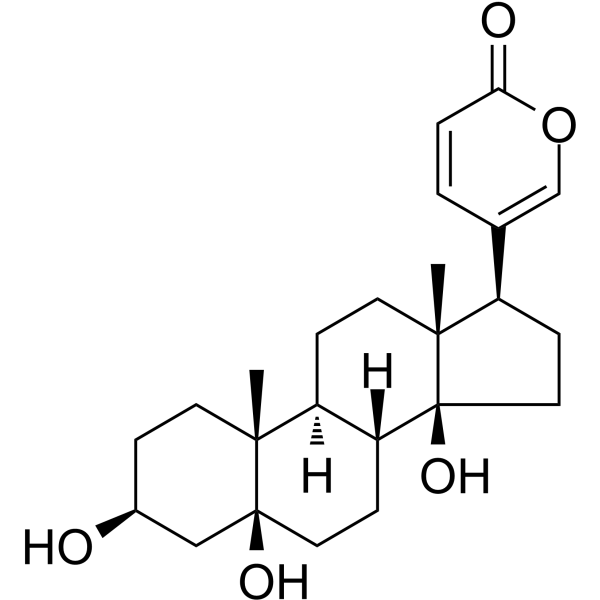
Telocinobufagin (Telobufotoxin; Telocinobufogenin) is an orally active bufadienolide with potential anti-tumor effects. Telocinobufagin exerts its anti-cancer effects on non-small cell carcinoma, osteosarcoma, thyroid cancer, breast cancer and head and neck squamous cell carcinoma by inhibiting the STAT3, JAK2/STAT3, LARP1-mTOR, PI3K/Akt/Snail and PLK1 pathways, and can also induce tumor cell apoptosis. Telocinobufagin enhances the Th1 immune response and protects against Salmonella typhimurium infection. Telocinobufagin has a strong cardiac-stimulating effect by inhibiting the activity of Na +/K +-ATPase, and it can promote renal fibrosis. Telocinobufagin demonstrates non-opioid analgesic effects in various acute pain models .
loading...
    loading...
1
1 Cited Publications
Cat. No.: HY-125938
CAS No.: 21238-33-5
Purity:  98.98%
Synonyms: Cycloartenol ferulate; Cycloartenol ferulic acid ester
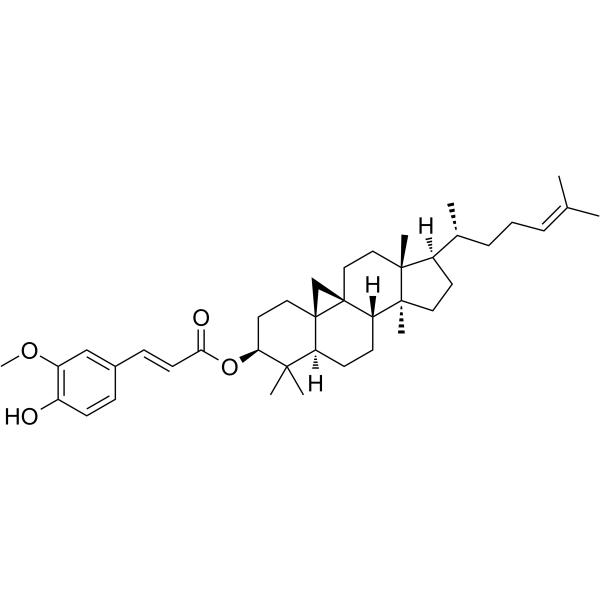
Cycloartenyl ferulate (Cycloartenol ferulate; Cycloartenol ferulic acid ester) is a derivative of γ-oryzanol (HY-B2194) with multiple biological activities including antioxidant, anti-inflammatory, and anti-tumor properties. Cycloartenyl ferulate selectively binds to IFNγR1 (binding affinity Kd = 0.5 μM) to activate the canonical JAK1/2-STAT1 signaling pathway. Cycloartenyl ferulate inhibits paraquat (PQ)-triggered apoptosis and ROS in HK2 cells. Cycloartenyl ferulate enhances the activation and cytolytic activity of natural killer (NK) cells by upregulating the expression of NK cell activation receptors (NKG2D, NKp30, NKp44) and the release of cytotoxic molecules and cytokine IFNγ. Cycloartenyl ferulate exerts anti-cancer effects in tumor mice models. Cycloartenyl ferulate can be used for the study of cancer and allergic inflammation intervention .
loading...
    loading...
1
1 Cited Publications
Cat. No.: HY-153190
CAS No.: 2740522-79-4
Purity:  99.25%
Research Areas:  

Cancer

W1131 is a potent STAT3 inhibitor, triggering ferroptosis. W1131 suppresses cancer progression in gastric cancer cell subcutaneous xenograft model, organoids model, and PDX model. W1131 effectively alleviates chemical resistance of cancer cells to 5-FU (HY-90006). W1131 regulates cell cycle, DNA damage response, and oxidative phosphorylation, including IL6-JAK-STAT3 pathway and ferroptosis pathway .
loading...
    loading...
1
1 Cited Publications
Cat. No.: HY-40354AR
CAS No.: 540737-29-9
Synonyms: Tasocitinib citrate (Standard); CP-690550 citrate (Standard)
Tofacitinib citrate (Standard) (Tasocitinib citrate (Standard); CP-690550 citrate (Standard)) is the analytical standard of Tofacitinib citrate (HY-40354A). This product is intended for research and analytical applications. Tofacitinib citrate (Tasocitinib citrate) is an orally active, blood-brain barrier permeable selective inhibitor of JAK1/JAK3. Tofacitinib citrate blocks the JAK-STAT/NF-κB signaling pathway, inhibits cytokine signal transduction, phosphorylation of STAT1/STAT5, and suppresses innate and adaptive immune responses. Tofacitinib citrate can be used in research related to major depressive disorder, rheumatoid arthritis, pulmonary diseases, systemic lupus erythematosus, and immune-mediated liver injury .
loading...
    loading...
1
1 Cited Publications
Cat. No.: HY-107595
CAS No.: 960201-81-4
Purity:  99.10%
Target:  

JAK STAT Apoptosis

Research Areas:  

Cancer

SD-1008 is a potent JAK inhibitor. SD-1008 inhibits tyrosyl phosphorylation of STAT3, JAK2 and Src. SD-1008 also reduces STAT3-dependent luciferase activity. SD-1008 enhances apoptosis induced by Paclitaxel in ovarian cancer cells via directly blocking the JAK-STAT3 signaling pathway .
loading...
    loading...
1
1 Cited Publications
Cat. No.: HY-153190A
Purity:  99.27%
Target:  

Ferroptosis STAT

Research Areas:  

Cancer

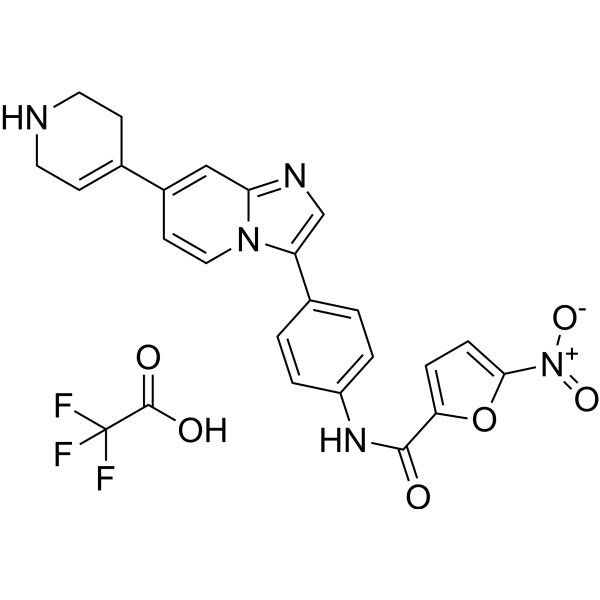
W1131 TFA is a potent STAT3 inhibitor that induces ferroptosis. W1131 inhibits cancer progression in subcutaneous xenograft, organoid, and PDX models of gastric cancer. W1131 effectively alleviates cancer cell chemoresistance to 5-FU (HY-90006). W1131 regulates the cell cycle, DNA damage response, and oxidative phosphorylation, including the IL6-JAK-STAT3 pathway and the ferroptosis pathway .
loading...
    loading...
1
1 Cited Publications
Cat. No.: HY-N2830
CAS No.: 21499-24-1
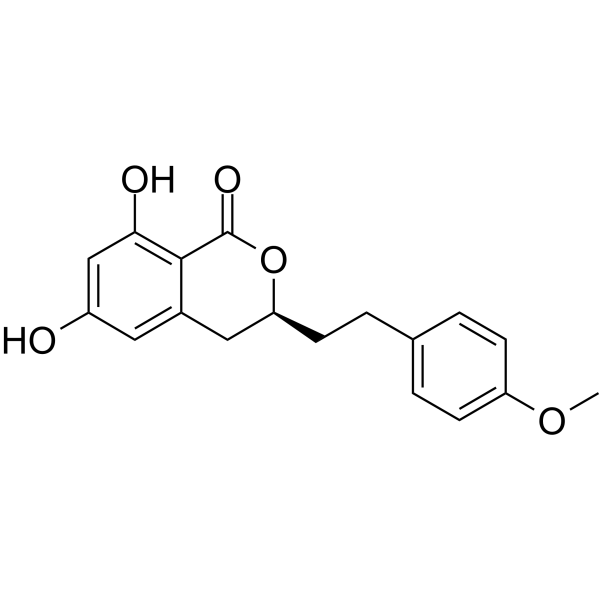
Agrimonolide is a phenethyl isocoumarin compound discovered from Agrimonia pilosa, exhibiting anti-inflammatory, antioxidant, and anticancer activities. Agrimonolide inhibits NF-κB, MAPK, and TLR4-mediated neuroinflammatory signaling, suppresses Notch and JAK2/STAT3 signaling to modulate Th17/Treg balance and maintain the intestinal barrier. Agrimonolide decreases HIF1A expression, inhibits glycolysis, and induces ferroptosis and cell cycle arrest via the mTOR pathway in tumor models, thereby suppressing cancer cell viability, proliferation, and metastasis. Agrimonolide exerts hepatoprotective and anti-fibrotic effects by regulating bile acid transporter expression and reducing hepatic bile acid accumulation. Agrimonolide is used for research on ulcerative colitis, ovarian cancer, non-small cell lung cancer, cholestatic liver injury, and neuroinflammation .
loading...
    loading...
1
1 Cited Publications
Cat. No.: HY-128854
CAS No.: 792-74-5
Purity:  ≥98.0%
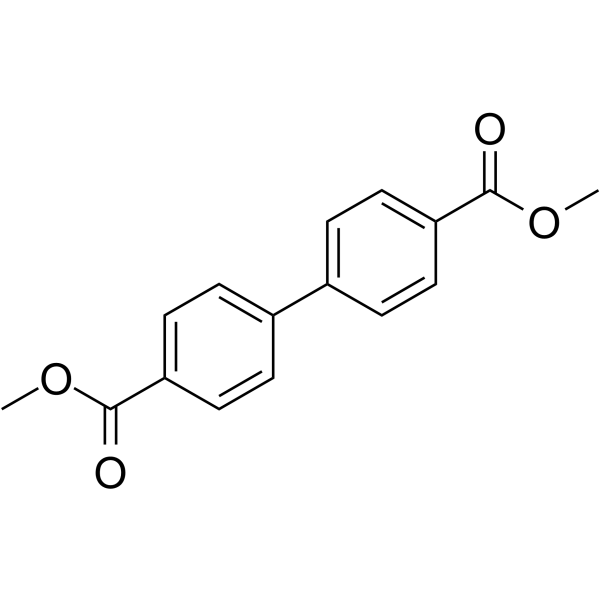
Dimethyl biphenyl-4,4'-dicarboxylate (Biphenyl dimethyl dicarboxylate) is a hepatoprotective agent. Dimethyl biphenyl-4,4'-dicarboxylate stimulates the Jak/Stat signaling pathway and induces the expression of IFN-α-stimulated genes, particularly 6-16 and ISG12. Dimethyl biphenyl-4,4'-dicarboxylate inhibits the replication of pregenomic RNA and HBeAg. Polymer micelles loaded with Dimethyl biphenyl-4,4'-dicarboxylate can serve as carriers for the compound. Dimethyl biphenyl-4,4'-dicarboxylate can be used as an auxiliary improving agent for chronic hepatitis. Dimethyl biphenyl-4,4'-dicarboxylate is applicable to research related to chronic hepatitis B .
loading...
    loading...
1
1 Cited Publications
Cat. No.: HY-N0732
CAS No.: 37905-08-1
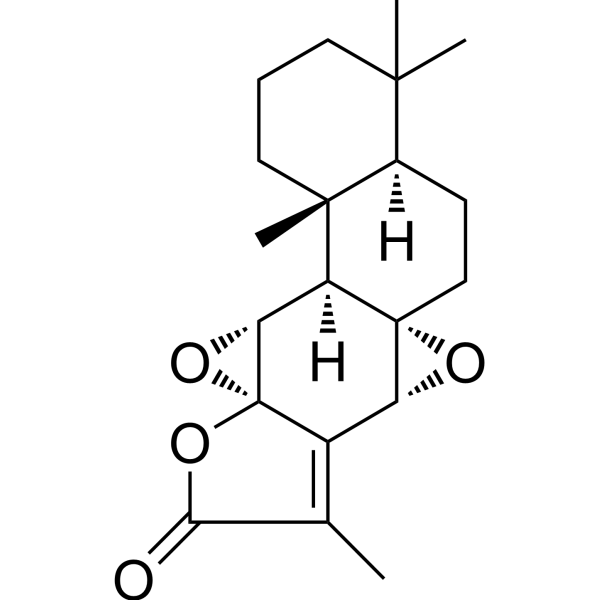
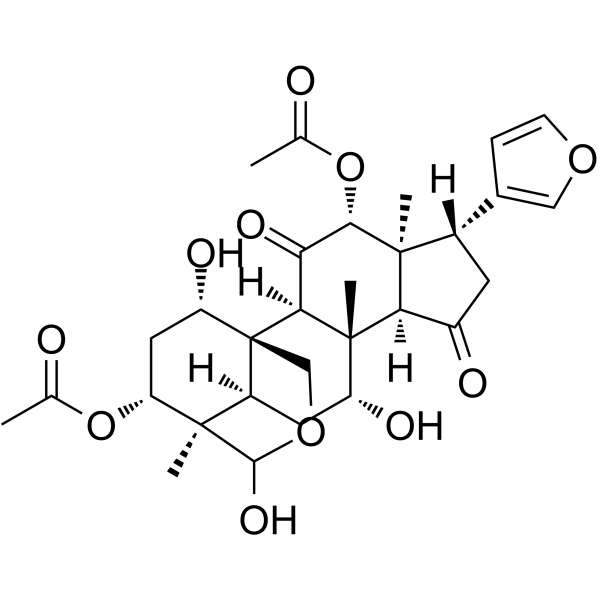
Jolkinolide B is a bioactive diterpene isolated from the roots of Euphorbia fischeriana Steud with oral activity. Jolkinolide B downregulates XIAP, cIAP1, cIAP2, and phosphorylated Akt, upregulates Smac, activates caspase-3 and caspase-9, and inhibits NF-κB, TGFβ/smad3 and JAK/STAT3 pathways. Jolkinolide B exerts comprehensive biological effects including inducing cancer cell apoptosis, suppressing inflammatory responses, improving lung function, alleviating hepatic steatosis and eliminating intracellular Mycobacterium tuberculosis. Jolkinolide B can be used for the research of leukemia, histiocytic lymphoma, asthma, metabolic dysfunction-associated steatotic liver disease and tuberculosis .
loading...
    loading...
1
1 Cited Publications
Cat. No.: HY-N7694
CAS No.: 97871-44-8
Isotoosendanin is an orally active TGFβR1 inhibitor and abrogating its kinase activity (IC50 = 6732 nM). Isotoosendanin inhibits the JAK/STAT3 signaling pathway by directly targeting SHP-2, enhancing its stability, and reducing its ubiquitination. Isotoosendanin inhibits TGF-β-induced reduces the migration, invasion, and metastasis in triple-negative breast cancer (TNBC) cells. Isotoosendanin exhibits anti-tumor efficacy in TNBC xenograft models and A549 xenograft tumors. Isotoosendanin exhibits significant anti-inflammatory effects in acetic acid-induced vascular permeability and λ-carrageenan-induced hind paw edema tests. Isotoosendanin can be used for the study of non-small cell lung cancer (NSCLC), TNBC and inflammation .
loading...
    loading...
1
1 Cited Publications
Cat. No.: HY-N0909
CAS No.: 80418-25-3
Synonyms: 20(S)-Notoginsenoside R2; Ginsenoside Ng-R2
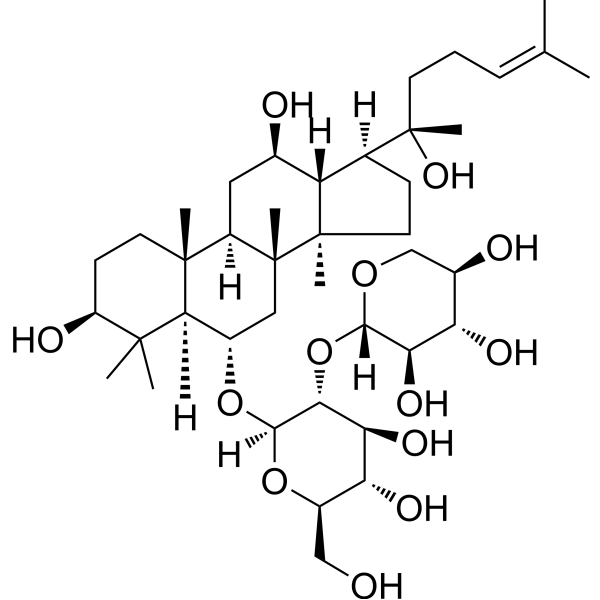
Notoginsenoside R2 (20(S)-Notoginsenoside R2; Ginsenoside Ng-R2) is an orally active notoginsenoside . Notoginsenoside R2 activates P90RSK and Nrf2 via the MEK1/2-ERK1/2 pathway to inhibit 6-OHDA-induced apoptotic damage in nerve cells. Notoginsenoside R2 upregulates SOX8/β-catenin by reducing miR-27a, thereby suppressing Aβ25-35-induced neuronal apoptosis and inflammatory responses . Notoginsenoside R2 alleviates lipid accumulation and mitochondrial dysfunction in diabetic nephropathy by inhibiting c-Src. Notoginsenoside R2 alleviates hepatic fibrosis by inducing hepatic stellate cell senescence and inhibiting the inflammatory microenvironment via JAK/STAT3 suppression . Notoginsenoside R2 can be used in research related to Parkinson's disease, Alzheimer's disease, diabetic nephropathy and hepatic fibrosis .
loading...
    loading...

