58 Results for "

mTORC1 activity

" in MedChemExpress (MCE) Product Catalog:
Products (58)

58 Results for "mTORC1 activity" in MCE Product Catalog:

Cat. No.: HY-10219R
CAS No.: 53123-88-9
Synonyms: Sirolimus (Standard); AY-22989 (Standard); NSC 226080 (Standard)
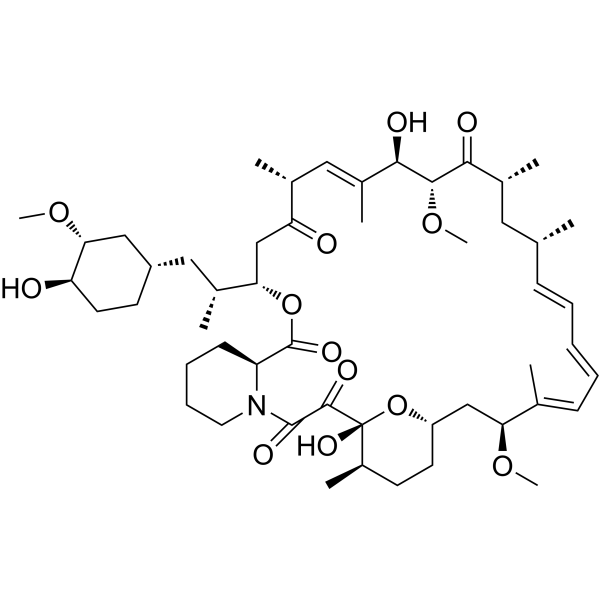
Rapamycin (Standard) (Sirolimus (Standard)) is the analytical standard of Rapamycin (HY-10219). This product is intended for research and analytical applications. Rapamycin (Sirolimus; AY 22989) is a potent and specific blood-brain barrier-transmissible mTOR inhibitor with an IC50 of 0.1 nM in HEK293 cells. Rapamycin is a molecular glue that binds FKBP12 and mTOR proteins together, thereby inhibiting mTOR kinase activity. Rapamycin binds to FKBP12 and specifically acts as an allosteric inhibitor of mTORC1. Rapamycin is an autophagy activator, an immunosuppressant .
loading...
    loading...
Cat. No.: HY-N1677
CAS No.: 530-55-2
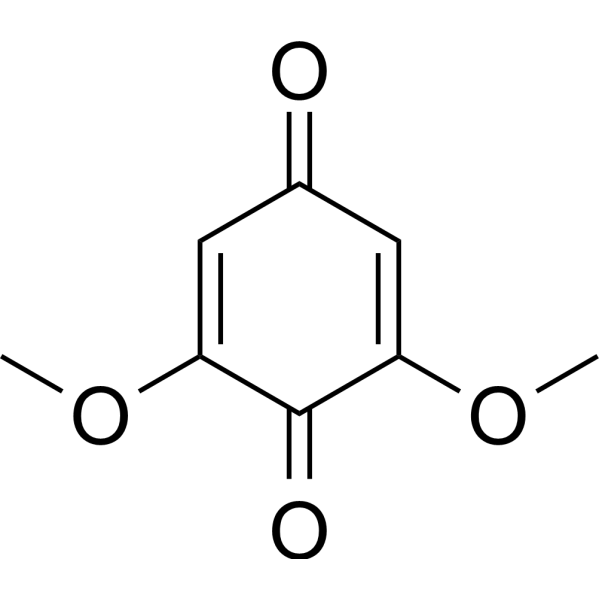
2,6-Dimethoxy-1,4-benzoquinone is a 1,4-benzoquinone derivative. 2,6-Dimethoxy-1,4-benzoquinone promotes phosphorylation of AKT, S6K, mTOR, 4E-BP1, and AMPK, and attenuates mTORC1 activity as part of the AKT/mTOR pathway. 2,6-Dimethoxy-1,4-benzoquinone stimulates myoblast differentiation, increases myotube size, elevates MHC protein expression, enhances mitochondrial biogenesis, respiration, and DNA content, and increases skeletal muscle weights, fiber size, grip strength, and treadmill performance. 2,6-Dimethoxy-1,4-benzoquinone exerts anti-cancer, anti-inflammatory, anti-adipogenic, antibacterial, and antimutagenic effects, inhibits adipogenic transcription factors, nitric oxide production, skin tumor development, Magnaporthe oryzae growth, spore germination, appressorium formation, and growth of select bacterial species, induces H2O2 generation and rice defense gene expression, and reduces rice blast lesion formation. 2,6-Dimethoxy-1,4-benzoquinone can be used for the research of obesity, skin tumorigenesis, rice blast disease, and food-borne illness .
loading...
    loading...
Cat. No.: HY-107365
CAS No.: 1927857-61-1
Purity:  99.85%
Target:  

PI3K mTOR

Research Areas:  

Cancer

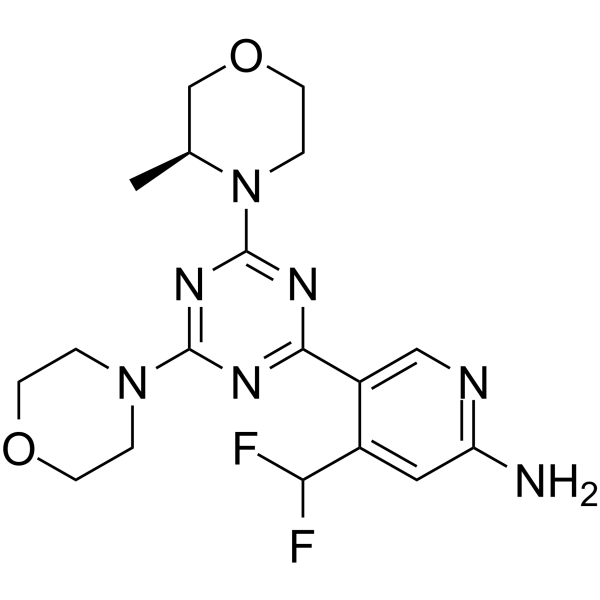
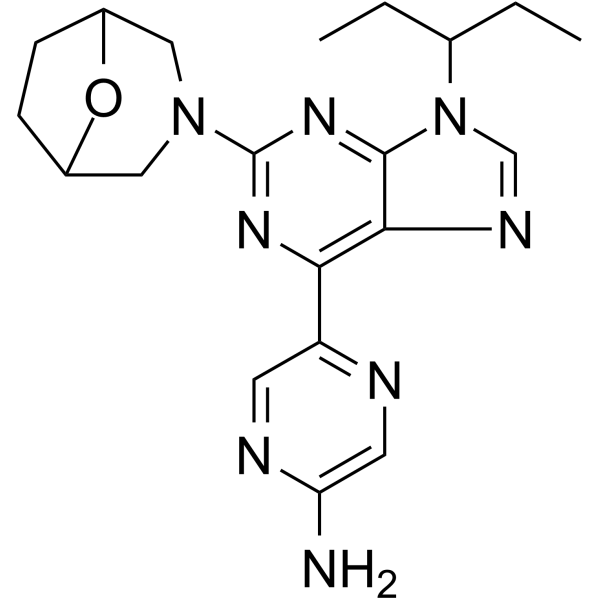
PQR530 is a potent, ATP-competitive, orally bioavailable and brain-penetrant dual pan-PI3K/mTORC1/2 inhibitor, with a subnanomolar Kd toward PI3Kα and mTOR (0.84 and 0.33 nM, respectively). Antitumor activity .
loading...
    loading...
Cat. No.: HY-108900
CAS No.: 288591-93-5
Purity:  98.08%
Research Areas:  

Infection Cancer

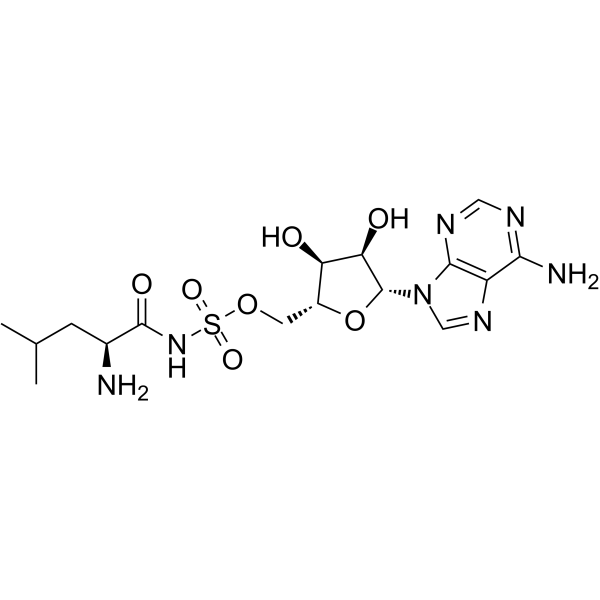
Leu-AMS (compound 6), a leucine analogue, is a potent inhibitor of leucyl-tRNA synthetase (LRS) with an IC50 of 22.34 nM, which inhibits the catalytic activity of LRS but did not affect the leucine-induced mTORC1 activation. Leu-AMS shows cytotoxicity in cancer cells and normal cells, and inhibits the growth of bacteria .
loading...
    loading...
Cat. No.: HY-10219GL
CAS No.: 53123-88-9
Purity:  98.8%
Synonyms: Sirolimus (GMP Like); AY-22989 (GMP Like); NSC 226080 (GMP Like)
Rapamycin (Sirolimus) GMP Like is Rapamycin (HY-10219) produced by using GMP like guidelines. GMP Like small molecules works appropriately as an auxiliary reagent for cell therapy manufacture. Rapamycin (Sirolimus; AY 22989) is a potent and specific blood-brain barrier-transmissible mTOR inhibitor with an IC50 of 0.1 nM in HEK293 cells. Rapamycin is a molecular glue that binds FKBP12 and mTOR proteins together, thereby inhibiting mTOR kinase activity. Rapamycin binds to FKBP12 and specifically acts as an allosteric inhibitor of mTORC1. Rapamycin is an autophagy activator, an immunosuppressant .
loading...
    loading...
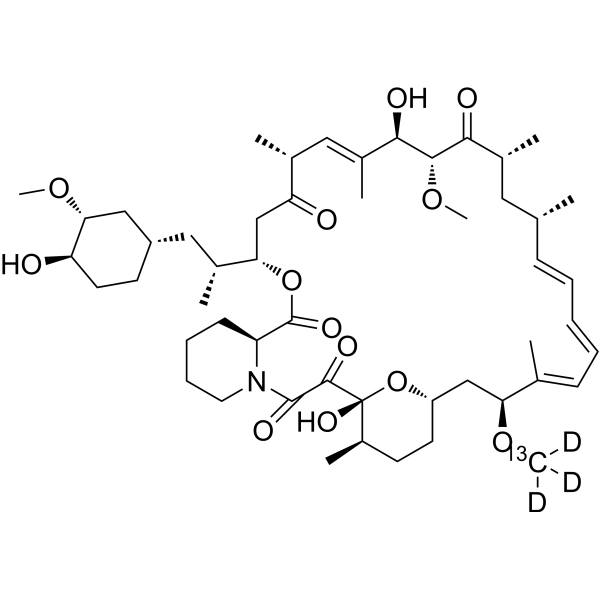
Cat. No.: HY-10219S1
Purity:  97.05%
Synonyms: Sirolimus-13C,d3; AY-22989-13C,d3 NSC 226080-13C,d3
Rapamycin- 13C,d3 (Sirolimus- 13C,d3) is the 13C, deuterated-labeled Rapamycin (HY-10219). Rapamycin (Sirolimus; AY 22989) is a potent and specific blood-brain barrier-transmissible mTOR inhibitor with an IC50 of 0.1 nM in HEK293 cells. Rapamycin is a molecular glue that binds FKBP12 and mTOR proteins together, thereby inhibiting mTOR kinase activity. Rapamycin binds to FKBP12 and specifically acts as an allosteric inhibitor of mTORC1. Rapamycin is an autophagy activator, an immunosuppressant .
loading...
    loading...
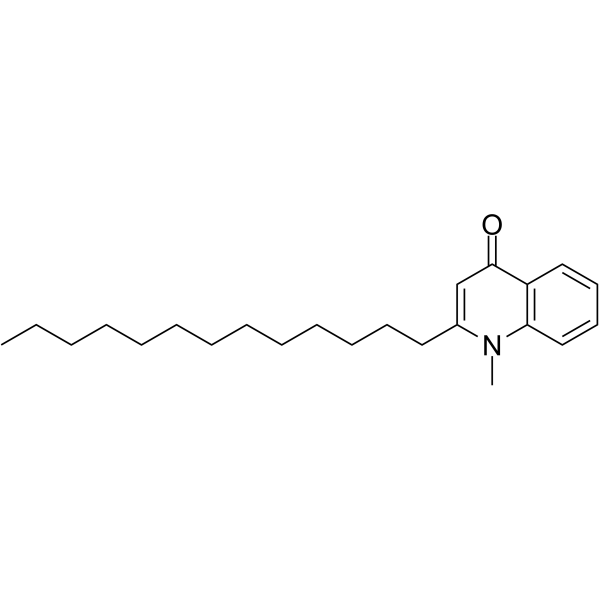
Cat. No.: HY-N2517
CAS No.: 15266-35-0
Dihydroevocarpine induces cytotoxicity in acute myeloid leukemia via suppressing the mTORC1/2 activity .
loading...
    loading...
Cat. No.: HY-W266188
CAS No.: 84600-66-8
Decanoic acid- 13C is the 13C-labeled Decanoic acid (HY-W015309). Decanoic acid is a key component of the medium-chain triglyceride (MCT) found in coconut oil. Decanoic acid is a brain-penetrant and non-competitive inhibitor of AMPA receptor showing antiseizure activity in rats. Decanoic acid reduces tyrosinase activity and inhibits melanosome maturation. Decanoic acid suppresses the phosphorylation of c-Met and induced apoptosis in hepatocellular carcinoma (HCC) cells by inhibiting the expression of various oncogenic proteins, which is promising for research in the field of mTORC1 signaling, HCC and epilepsy .
loading...
    loading...
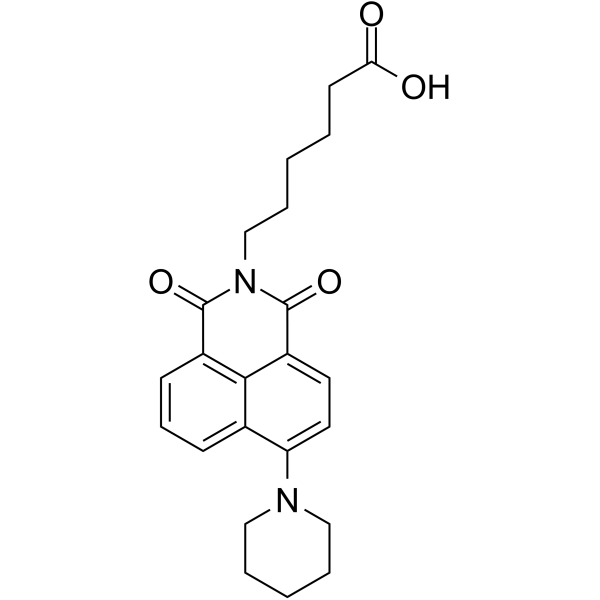
Cat. No.: HY-134922
CAS No.: 181373-35-3
Synonyms: REDD1 inducer-1
Target:  

Influenza Virus mTOR

Research Areas:  

Infection

NS1-IN-1 (REDD1 inducer-1) is a naphthalimide compound and an NS1 inhibitor. NS1-IN-1 antagonizes influenza A virus NS1-mediated inhibition of host gene expression and induces REDD1 expression. NS1-IN-1 suppresses the mTORC1 signaling pathway via a TSC1-TSC2 dependent mechanism. NS1-IN-1 exhibits broad antiviral activity against influenza virus and vesicular stomatitis virus (VSV), with low toxicity .
loading...
    loading...
Cat. No.: HY-17654
CAS No.: 1429497-30-2
Target:  

EGFR mTOR

Research Areas:  

Cancer

BIEGi-1 is an EGFR inhibitor. BIEGi-1 effectively disrupts the EGFR-Rheb interaction in cells. BIEGi-1 robustly inhibits EGFR kinase activity (reduces p-Y1068-EGFR) as well as mTORC1 activation (reduces p-T389-S6K1) in EGFR-mutant cells. BIEGi-1 shows strong antiproliferative effects on EGFR-mutant PC9 and HCC827 cells with IC50 values of 17 nM and 20 nM, respectively. BIEGi-1 can be used for the study of cancers harboring EGFR mutations, such as non-small cell lung cancer (NSCLC) .
loading...
    loading...
Cat. No.: HY-170670
CAS No.: 2027551-01-3
Target:  

Autophagy mTOR

Research Areas:  

Cancer

DQ661 is a potent PPT1 inhibitor. DQ661 is a dimeric quinacrine autophagy inhibitor. DQ661 inhibits mTORC1 activity. DQ661 decreases the protein expression of pS6K T389, pS6 S240-244. DQ661 shows anticancer activity .
loading...
    loading...
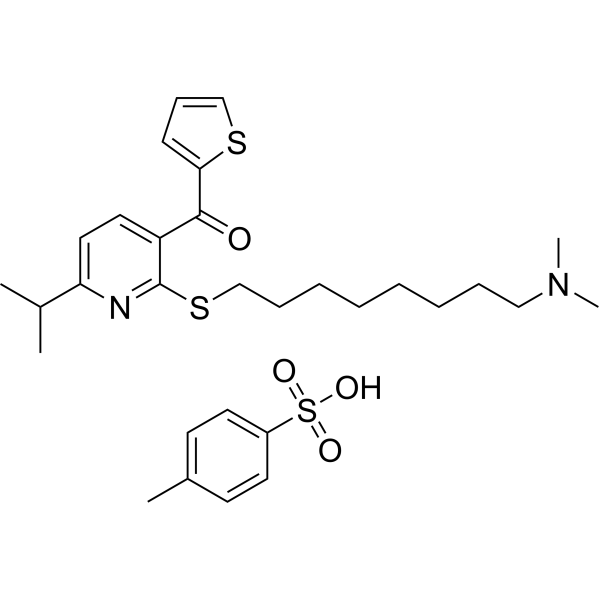
Cat. No.: HY-15113A
CAS No.: 143984-17-2
Research Areas:  

Neurological Disease Cancer

Y-29794 tosylate is a selective, orally active inhibitor for non-peptide prolyl endopeptidase (PREP), with an IC50 of 3 nM and a Ki of 0.95 nM. Y-29794 tosylate enhances the effect of thyrotropin-releasing hormone (TRH) on the release of ACh in the rat hippocampus, exhibits potential neuroprotective efficacy. Y-29794 tosylate exhibits anticancer activity through inhibition of the IRS1-AKT-mTORC1 pathway. Y-29794 tosylate penetrates the brain-blood barrier (BBB) .
loading...
    loading...
Cat. No.: HY-118160
CAS No.: 65240-86-0
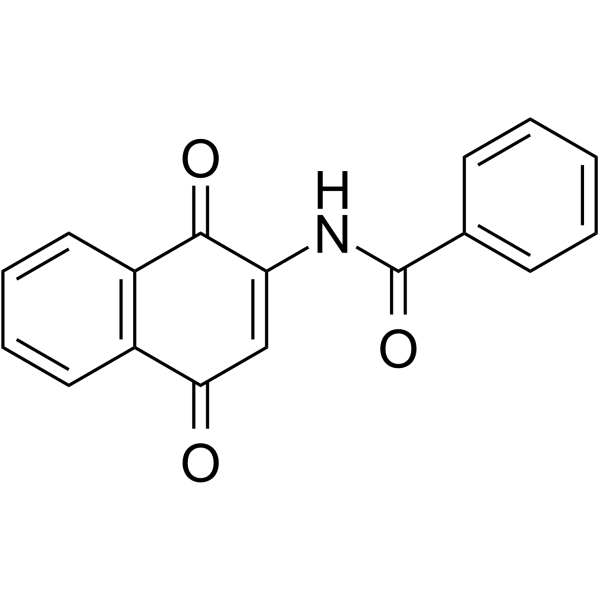
Synonyms: NSC 73233
PPM-18 (NSC 73233) is a Vitamin K (HY-B2172) analog. PPM-18 prevents LPS-induced IκBα degradation, thereby inhibiting NF-κB activation and nuclear translocation of NF-κB. PPM-18 inhibits LPS-induced nitrite production and iNOS expression. PPM-18 inhibits HDAC6. PPM-18 induces ROS accumulation, activates AMPK, inhibits the mTORC1 and PI3K/AKT pathways, initiates Autophagy, and induces Apoptosis. PPM-18 suppresses seizures in zebrafish and mouse epilepsy models. PPM-18 prevents LPS-induced lethal toxicity and delayed hypotension. PPM-18 exhibits anticancer activity against leukemia and bladder cancer. PPM-18 can be used in research related to septic shock, bladder cancer and atherosclerosis .
loading...
    loading...
Cat. No.: HY-107363
CAS No.: 1313026-58-2
Purity:  98.62%
Target:  

mTOR

Research Areas:  

Cancer

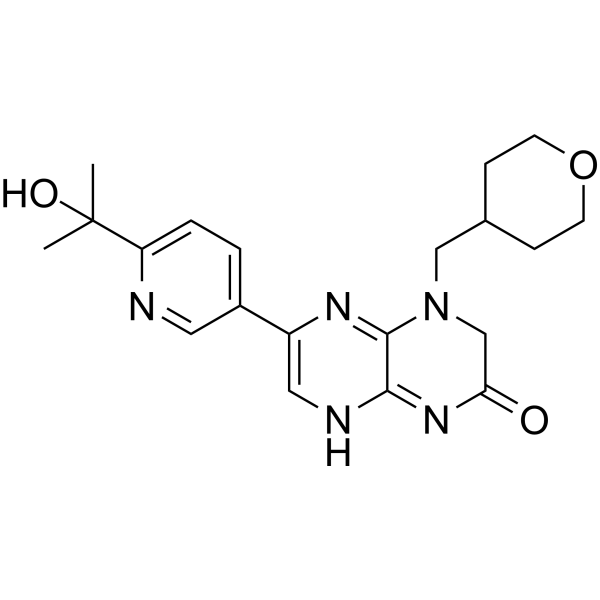
FT-1518 is a new generation selective, potent and oral bioavailable mTORC1 and mTORC2 inhibitor, and exhibits antitumor activity.
loading...
    loading...
Cat. No.: HY-155542
CAS No.: 3049676-15-2
Target:  

ROR

Research Areas:  

Cancer

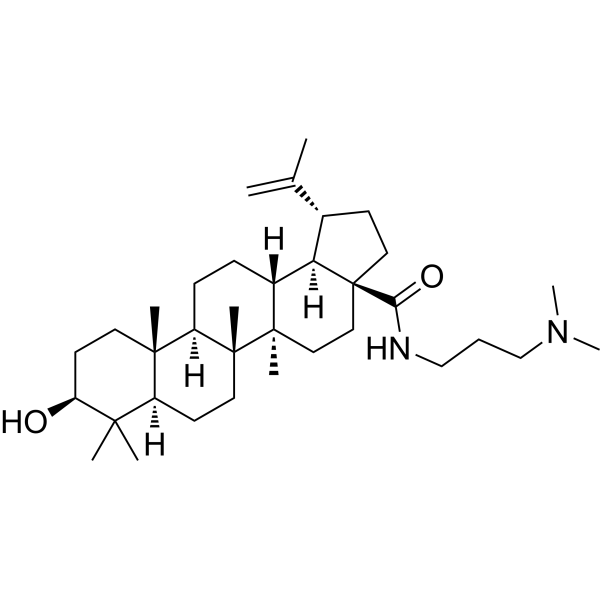
RORγ antagonist 1 (compound 22), a potent betulinic acid derivative, is an antagonist of RORγ (KD=0.18 μM). RORγ antagonist 1 exhibits anti-proliferative activity in HPAF-II pancreatic cancer xenograft model. RORγ antagonist 1 inhibits RAS/MAPK and AKT/mTORC1 pathway, and induces caspase-dependent apoptosis in pancreatic cancer cells .
loading...
    loading...
Cat. No.: HY-145931
CAS No.: 1228012-18-7
Purity:  98.41%
Target:  

mTOR Autophagy

Research Areas:  

Cancer

CC214-2 is an oral active and selective mTOR kinase inhibitor. CC214-2 targets to both of mTORC1 (pS6) and mTORC2 (pAktS473). CC214-2 induces autophagy, which is a potential target for host-directed therapy (HDT) in tuberculosis. CC214-2 exhibits synergistic bactericidal and sterilizing activity agasinst tuberculosis (TB), and shortens the treatment duration. CC214-2 also inhibits Rapamycin (HY-10219)-resistant signaling and the growth of glioblastomas in vitro and in vivo .
loading...
    loading...
Cat. No.: HY-N3628
CAS No.: 119188-33-9
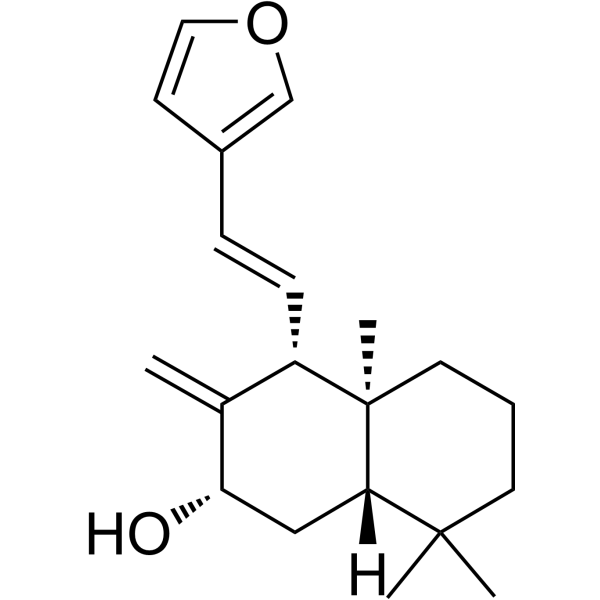
Coronarin A is an orally active natural compound that inhibits mTORC1 and S6K1 to increase IRS1 activity. Coronarin A shows anti-inflammatory activity and can also be used for type 2 diabetes mellitus research .
loading...
    loading...
Cat. No.: HY-13328R
CAS No.: 1224844-38-5
Synonyms: INK-128 (Standard); MLN0128 (Standard); TAK-228 (Standard)
Sapanisertib (INK-128; MLN0128; TAK-228) Standard is the analytical standard of Sapanisertib (HY-13328). This product is intended for research and analytical applications. Sapanisertib (INK-128; MLN0128; TAK-228) is an orally active dual mTORC1/mTORC2 inhibitor. Sapanisertib directly and simultaneously inhibits mTORC1/2 activity through competitive binding with ATP, thereby comprehensively blocking downstream processes such as protein and lipid synthesis and cytoskeletal reorganization, consequently suppressing tumor cell proliferation and promoting apoptosis. Sapanisertib is applicable to research on melanoma, ovarian cancer, pulmonary fibrosis, and hematological malignancies .
loading...
    loading...
Cat. No.: HY-N0656AR
CAS No.: 7562-61-0
(+)-Usnic acid (Standard) is the analytical standard of (+)-Usnic acid. This product is intended for research and analytical applications. (+)-Usnic acid is isolated from isolated from lichens, binds at the ATP-binding pocket of mTOR, and inhibits mTORC1/2 activity. (+)-Usnic acid inhibits the phosphorylation of mTOR downstream effectors: Akt (Ser473), 4EBP1, S6K, induces autophay, with anti-cancer activity . (+)-Usnic acid possesses antimicrobial activity against a number of planktonic gram-positive bacteria, including Staphylococcus aureus, Enterococcus faecalis, and Enterococcus faecium .
loading...
    loading...
Cat. No.: HY-15113
CAS No.: 129184-48-1
Research Areas:  

Neurological Disease Cancer

Y-29794 is a selective, orally active inhibitor for non-peptide prolyl endopeptidase (PREP), with an IC50 of 3 nM and a Ki of 0.95 nM. Y-29794 enhances the effect of thyrotropin-releasing hormone (TRH) on the release of ACh in the rat hippocampus, exhibits potential neuroprotective efficacy. Y-29794 exhibits anticancer activity through inhibition of the IRS1-AKT-mTORC1 pathway. Y-29794 penetrates the brain-blood barrier (BBB) .
loading...
    loading...

