
521 Results for "

sensory evaluation

" in MedChemExpress (MCE) Product Catalog:
Products (521)

521 Results for "sensory evaluation" in MCE Product Catalog:

2
2 Cited Publications
Cat. No.: HY-P1241
CAS No.: 412961-36-5
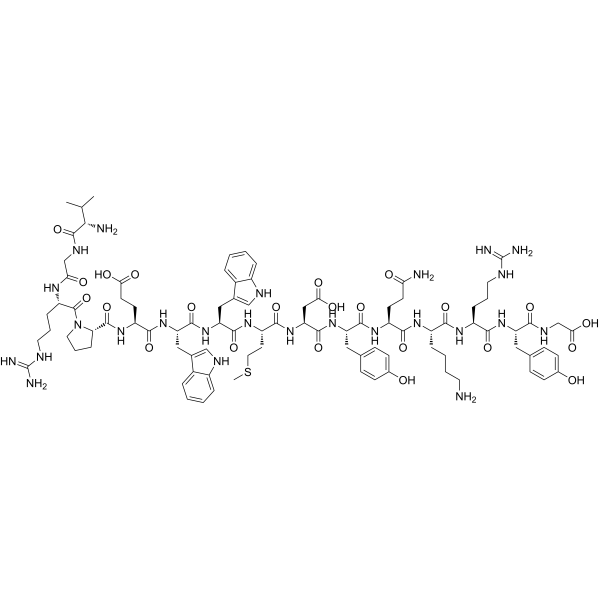
BAM(8-22), a proteolytically cleaved product of proenkephalin A and sensory neuron-specific receptor (SNSR) agonist, is a potent activator of Mas-related G-protein-coupled receptors (Mrgprs), MrgprC11 and hMrgprX1. BAM(8-22) induces scratching in mice in an Mrgpr-dependent manner. In addition, BAM(8-22) has an analgesic effect and can also inhibit the activation of microglia .
loading...
    loading...
2
2 Cited Publications
Cat. No.: HY-116000
CAS No.: 1642581-63-2
Purity:  99.94%
Synonyms: Gumarontinib; SCC244
Target:  

c-Met/HGFR

Research Areas:  

Cancer

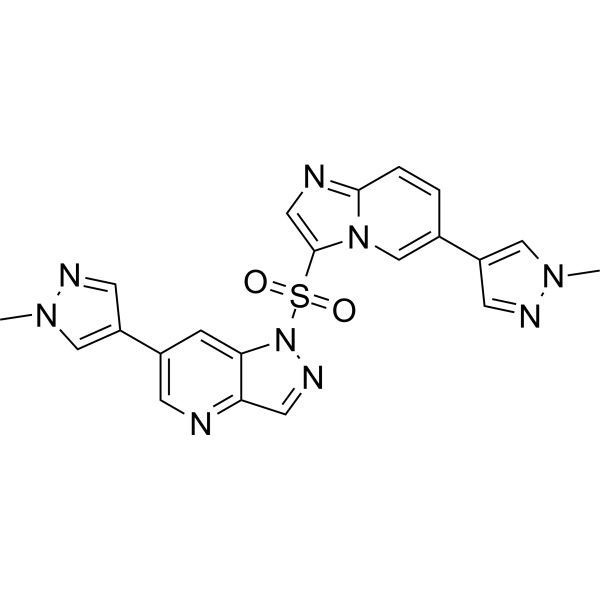
Glumetinib (SCC244) is a highly selective, orally bioavailable, ATP-competitive c-Met inhibitor with an IC50 of 0.42 nM. Glumetinib has greater than 2400-fold selectivity for c-Met over those 312 kinases evaluated, including the c-Met family member RON and highly homologous kinases Axl, Mer, TyrO3. Antitumor activity .
loading...
    loading...
1
1 Cited Publications
Cat. No.: HY-W074890
CAS No.: 2441-41-0
Synonyms: N-palmitoyl glycine
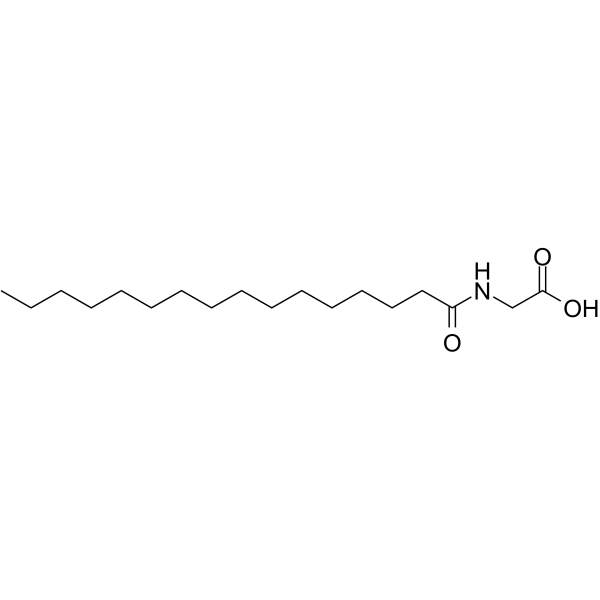
Palmitoylglycine (N-palmitoyl glycine), an endogenous lipid that acts as a modulator of calcium influx and nitric oxide () production in sensory neurons. Palmitoylglycine is linked to an increased risk of Background Brugada syndrome (BrS) and interacts with BrS-associated proteins, demonstrating moderate binding affinities for DCC, CR1, CTSB, NAAA, DEFB1, EPHA1, IGF1/IGFBP3/ALS, and LTA .
loading...
    loading...
1
1 Cited Publications
Cat. No.: HY-103368
CAS No.: 461000-66-8
Purity:  98.86%
Target:  

Chloride Channel

Research Areas:  

Neurological Disease

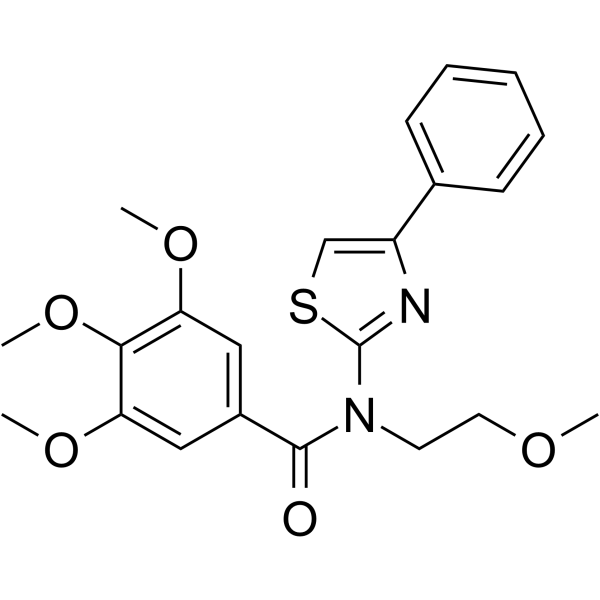
Eact is a selective and potent activator of TMEM16A, directly activates the TRPV1 channels in sensory nociceptors and produces itch, acute nociception and thermal hypersensitivity .
loading...
    loading...
1
1 Cited Publications
Cat. No.: HY-N6654
CAS No.: 530-56-3
Synonyms: Syringic Alcohol
Target:  

Drug Derivative

Research Areas:  

Others

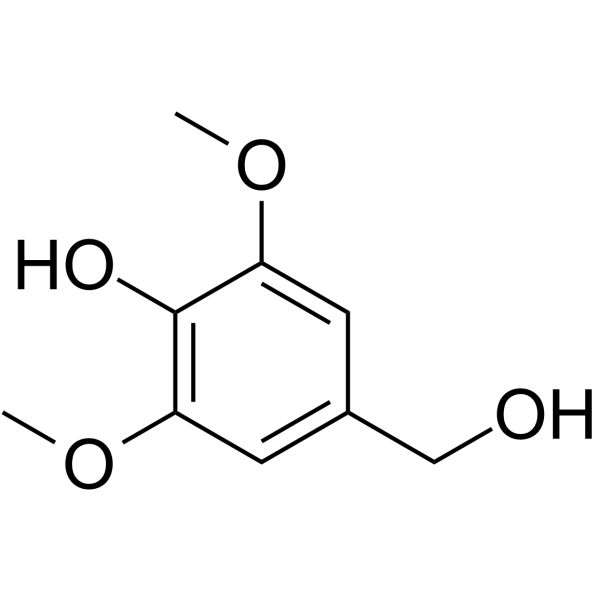
Syringyl Alcohol (Syringic Alcohol) is a derivate of phenol comprises both phenolic and alcoholic functional groups. Syringyl Alcohol is a probe molecule for the evaluation of the catalytic performance of various carbonaceous nanomaterials (CNMs) .
loading...
    loading...
1
1 Cited Publications
Cat. No.: HY-P4058
CAS No.: 83652-28-2
Synonyms: CGRP free acid
Target:  

CGRP Receptor

Research Areas:  

Neurological Disease

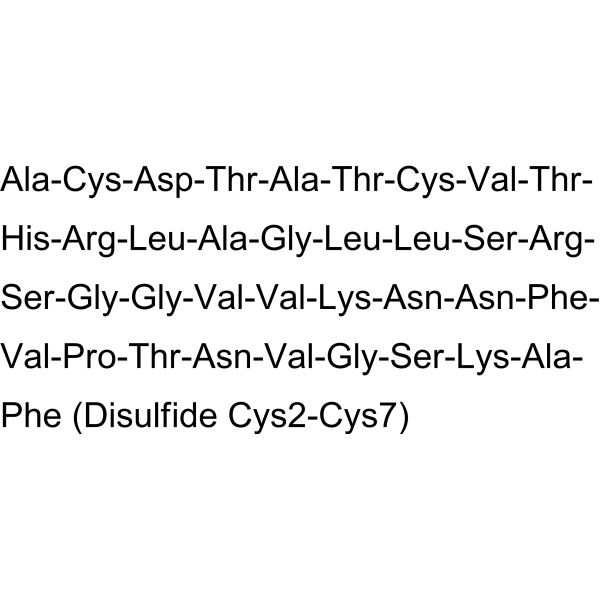
Calcitonin gene-related peptide (CGRP) free acid is a 37-amino acid neuropeptide, which represents the deamidated form of α-CGRP (human) (HY-P1071). Calcitonin gene-related peptide free acid is produced in the central and peripheral nervous systems of rats, and localizes to specific sensory, integrative and motor neuron systems, including those involved in nociception/thermoreception, feeding behavior, olfaction and visceral motor functions .
loading...
    loading...
1
1 Cited Publications
Cat. No.: HY-W011108
CAS No.: 114-90-9
Target:  

Cholinesterase (ChE)

Research Areas:  

Neurological Disease

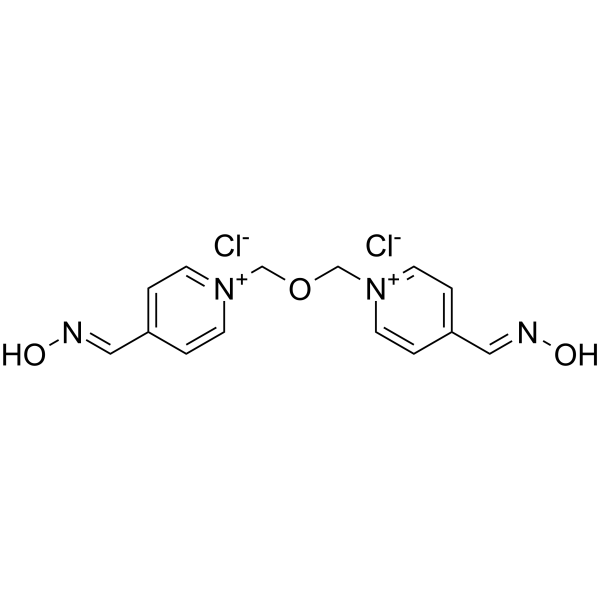
Obidoxime dichloride is a non-full spectrum oxime agent and can be used as an antidote for organophosphate nerve agent poisoning. Obidoxime dichloride reactivates sarin-inhibited acetylcholinesterase (AChE) and reduces acute toxicity of sarin-evaluated .
loading...
    loading...
1
1 Cited Publications
Cat. No.: HY-146245F
Purity:  98.03%
Research Areas:  

Inflammation/Immunology Cancer

FAM-labeled ODN 1826 sodium, a class B CpG ODN (oligodeoxynucleotide), is a TLR9 agonist. FAM-labeled ODN 1826 sodium can be used to evaluate CpG ODN cellular uptake and localization by confocal laser-scanning microscopy or flow cytometry.
loading...
    loading...
1
1 Cited Publications
Cat. No.: HY-B1838
CAS No.: 3337-71-1
Target:  

Herbicide

Research Areas:  

Others

Asulam is a herbicide with control activity against wild oats. Asulam can be used for bulb production in spinach, tulips, daffodils and lilies. Maximum residue limits (MRLs) for Asulam were evaluated in spinach. The review of Asulam took into account its endocrine disrupting properties .
loading...
    loading...
1
1 Cited Publications
Cat. No.: HY-D1359
CAS No.: 1021902-10-2
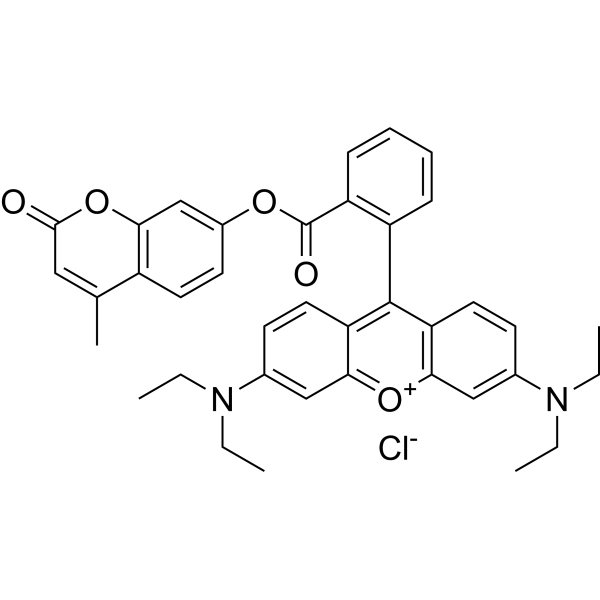
Mito Red is a vital dye and mitochondrial stain that can be used to detect and evaluate mitochondrial function and status. Mito Red accumulates in mitochondria, and its fluorescence intensity is positively correlated with mitochondrial membrane potential. When the mitochondrial membrane potential increases, the fluorescence signal of Mito Red increases .
loading...
    loading...
1
1 Cited Publications
Cat. No.: HY-D0300
CAS No.: 129-73-7
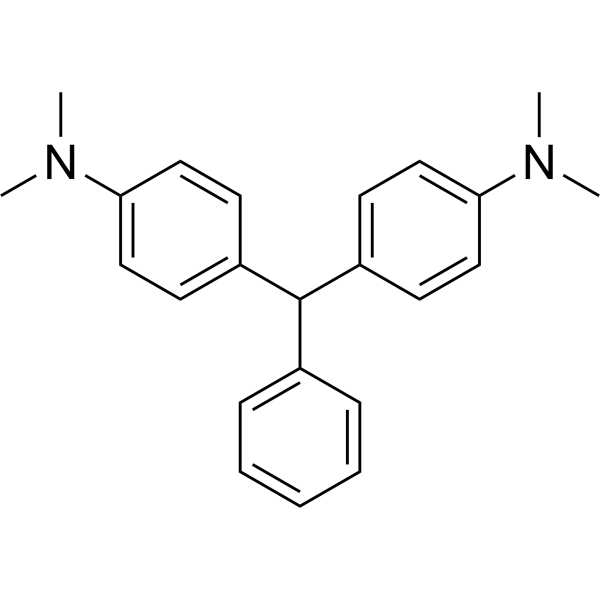
Leucomalachite green is the major reduced metabolite of malachite green (MG) and has lower cytotoxicity (such as HEp-2 and Caco-2) than malachite green. Leucomalachite green may be involved in interfering with cell metabolism or redox balance and can be used to evaluate its potential harm to human cells as a food contaminant .
loading...
    loading...
1
1 Cited Publications
Cat. No.: HY-122607
CAS No.: 958233-07-3
Purity:  99.86%
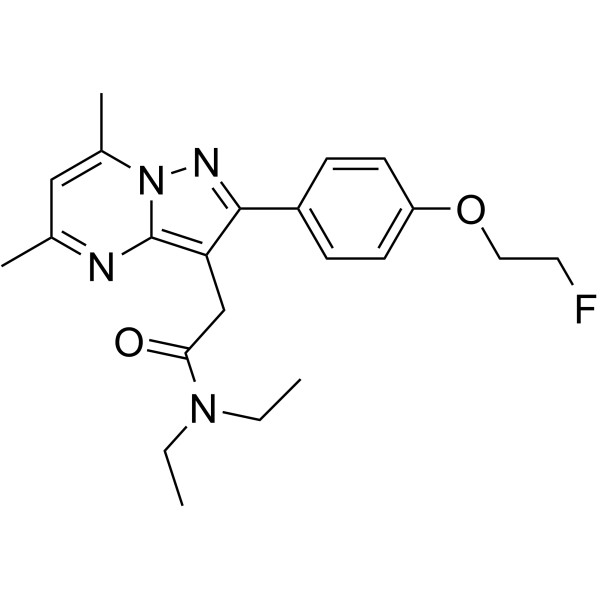
DPA-714 is a high affinity translocator protein (TSPO) ligand (Ki=7 nM), which is designed with a fluorine atom in its structure, allowing labelling with fluorine -18 and in vivo imaging using positron emission tomography. 18FDPA-714 successfully evaluates for the specific imaging of inflammation in various models of neuroinflammation and in a brain tumor model .
loading...
    loading...
1
1 Cited Publications
Cat. No.: HY-Y0271S1
CAS No.: 1433-11-0
Synonyms: Carbonyl diamide-d4
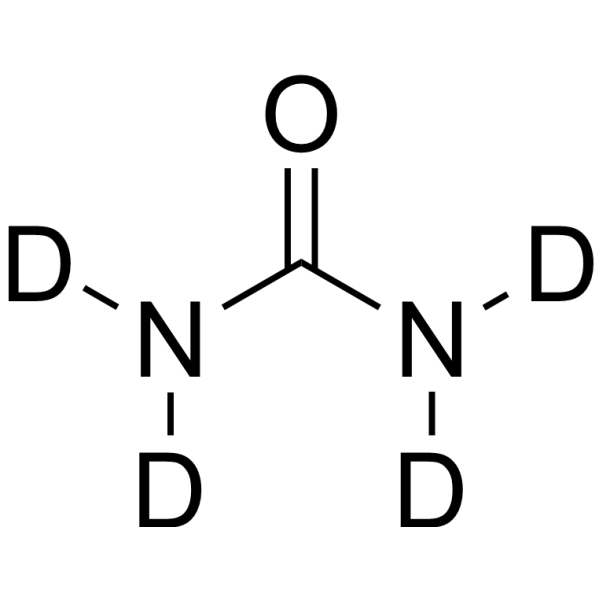
Urea-d4 is the deuterium labeled Urea . Urea is a powerful protein denaturant via both direct and indirect mechanisms . A potent emollient and keratolytic agent . Used as a diuretic agent. Blood urea nitrogen (BUN) has been utilized to evaluate renal function . Widely used in fertilizers as a source of nitrogen and is an important raw material for the chemical industry.
loading...
    loading...
1
1 Cited Publications
Cat. No.: HY-D0214A
CAS No.: 4159-77-7
Acid Red 94 lactone is a multifunctional dye. Dyes are important tools in biological experiments. They can help researchers observe and analyze cell structures, track biomolecules, evaluate cell functions, distinguish cell types, detect biomolecules, study tissue pathology and monitor microorganisms. Their applications range from basic scientific research to clinical A wide range of diagnostics. Dyes are also widely used in traditional fields such as textile dyeing, as well as in emerging fields such as functional textile processing, food pigments and dye-sensitized solar cells.
loading...
    loading...
1
1 Cited Publications
Cat. No.: HY-113100
CAS No.: 18233-70-0
Purity:  ≥99.0%
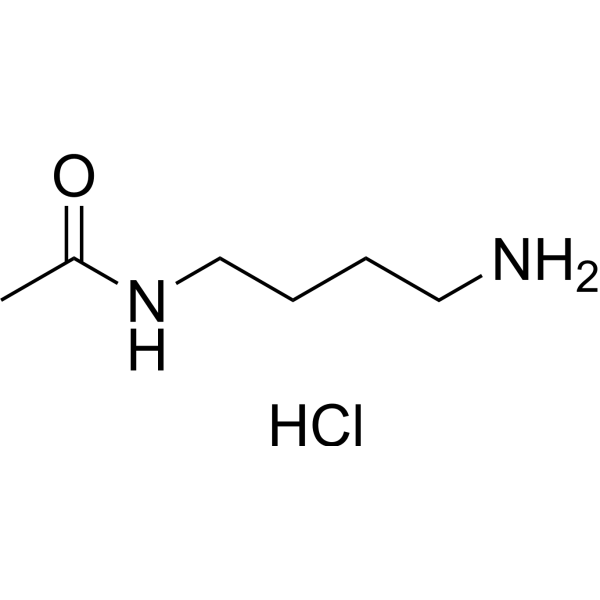
N-Acetylputrescine hydrochloride is a polyamine metabolite that regulates cell proliferation and signal transduction mainly by participating in polyamine acetylation modification. N-Acetylputrescine hydrochloride may reduce the positive charge of polyamines, affect protein-nucleic acid interactions, and promote cell growth. The concentration changes of N-Acetylputrescine hydrochloride can help disease diagnosis (such as early screening and efficacy evaluation of lung cancer) and microbial cell wall structure research. N-Acetylputrescine hydrochloride can be used as a potential biomarker for the progression of squamous cell carcinoma of the lung (SCCL) and Parkinson's disease (PD) .
loading...
    loading...
1
1 Cited Publications
Cat. No.: HY-W342604
CAS No.: 5699-41-2
Synonyms: NAP
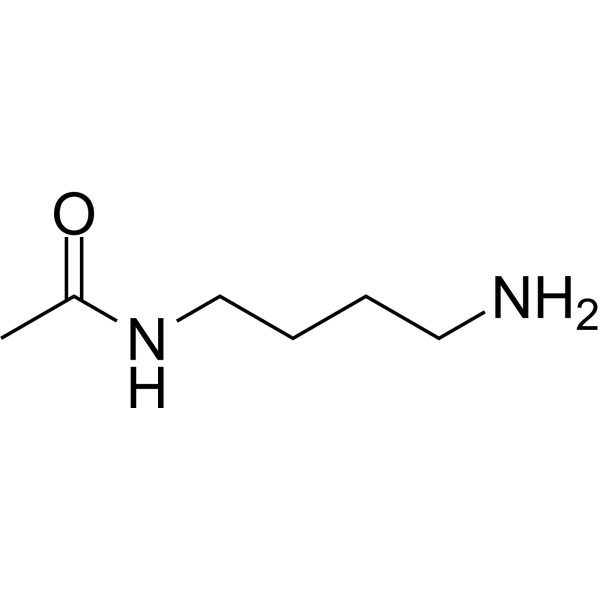
N-Acetylputrescine is a polyamine metabolite that regulates cell proliferation and signal transduction mainly by participating in polyamine acetylation modification. N-Acetylputrescine may reduce the positive charge of polyamines, affect protein-nucleic acid interactions, and promote cell growth. The concentration changes of N-Acetylputrescine can help disease diagnosis (such as early screening and efficacy evaluation of lung cancer) and microbial cell wall structure research. N-Acetylputrescine can be used as a potential biomarker for the progression of squamous cell carcinoma of the lung (SCCL) and Parkinson's disease (PD) .
loading...
    loading...
1
1 Cited Publications
Cat. No.: HY-D1223
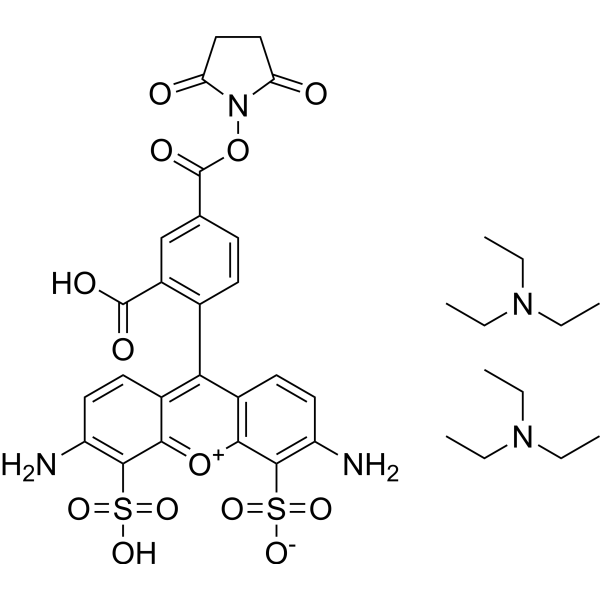
AF488 NHS ester diTEA is a multifunctional dye. Dyes are important tools in biological experiments. They can help researchers observe and analyze cell structures, track biomolecules, evaluate cell functions, distinguish cell types, detect biomolecules, study tissue pathology and monitor microorganisms. Their applications range from basic scientific research to clinical A wide range of diagnostics. Dyes are also widely used in traditional fields such as textile dyeing, as well as in emerging fields such as functional textile processing, food pigments and dye-sensitized solar cells. AF488 exhibits the λem and λex wavelength of 520 nm and 470 nm, respectively .
loading...
    loading...
1
1 Cited Publications
Cat. No.: HY-W035091
CAS No.: 16903-35-8
Tetrachloroauric acid is an Au (III) compound and bilayer disruptor that can be used to damage red blood cells. Tetrachloroauric acid specifically disrupts the bilayer structure of representative phospholipids (dimyristoylphosphatidylcholine and dimyristoylphosphatidylethanolamine) in human red blood cell membranes, and induces morphological changes in intact human red blood cells. Tetrachloroauric acid causes downregulation of MT I-II and GFAP expression in the mouse brain following chronic treatment. Tetrachloroauric acid is being used in studies related to neurotoxicity and hematotoxicity, including analyses of human red blood cells and molecular models of red blood cell membranes, as well as immunohistochemical evaluation of the mouse brain .
loading...
    loading...
1
1 Cited Publications
Cat. No.: HY-P5982
PTPσ Inhibitor, ISP is a PTPσ intracellular wedge domain mimetic peptide containing a TAT cell-penetrating domain, which acts as a PTPσ inhibitor. PTPσ Inhibitor, ISP binds to and inhibits PTPσ, thereby relieving CSPG-mediated axonal growth inhibition. PTPσ Inhibitor, ISP enhances CSPG degradation by promoting the secretion of Cathepsin B or MMP-2, and promotes DRG axonal growth, OPC migration and remyelination. PTPσ Inhibitor, ISP promotes nerve regeneration and improves sensory, motor and urinary functions in animal models of spinal cord injury, dorsal root injury and multiple sclerosis. PTPσ Inhibitor, ISP also increases the phosphorylation of ERK and AKT in colorectal cancer cells. PTPσ Inhibitor, ISP can be used in studies related to PTPσ/CSPG signaling, nerve regeneration, demyelinating diseases and RAS/ERK signaling .
loading...
    loading...
1
1 Cited Publications
Cat. No.: HY-W008150
CAS No.: 4026-18-0
Synonyms: α-Hydroxyisovaleric acid
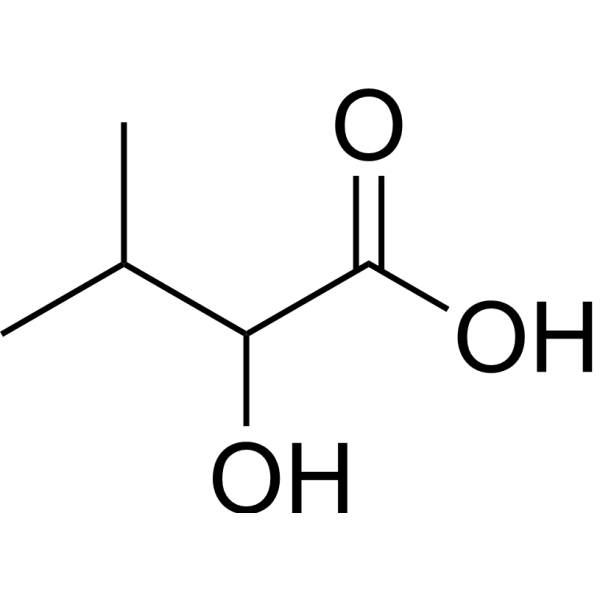
2-Hydroxy-3-methylbutanoic acid (α-Hydroxyisovaleric acid) is an α-hydroxy analogue of valine and a valine precursor that reduces urea excretion. 2-Hydroxy-3-methylbutanoic acid can promote the growth of chickens and rats, and is converted into valine in the body, participating in protein synthesis and maintaining nitrogen balance, thereby supporting animal growth and development. 2-Hydroxy-3-methylbutanoic acid has a more significant effect on the valine-deficient dietary model. 2-Hydroxy-3-methylbutanoic acid is mainly used in animal nutrition research to evaluate its potential application as a nitrogen source substitute in feed .
loading...
    loading...

