144 Results for "

tissue inflammation

" in MedChemExpress (MCE) Product Catalog:
Products (144)

144 Results for "tissue inflammation" in MCE Product Catalog:

1
1 Cited Publications
Cat. No.: HY-12093
CAS No.: 1025716-81-7
Target:  

MMP

Research Areas:  

Inflammation/Immunology

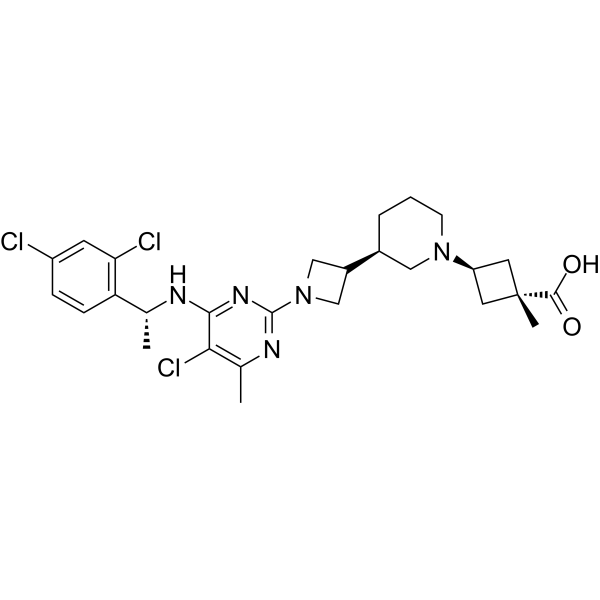
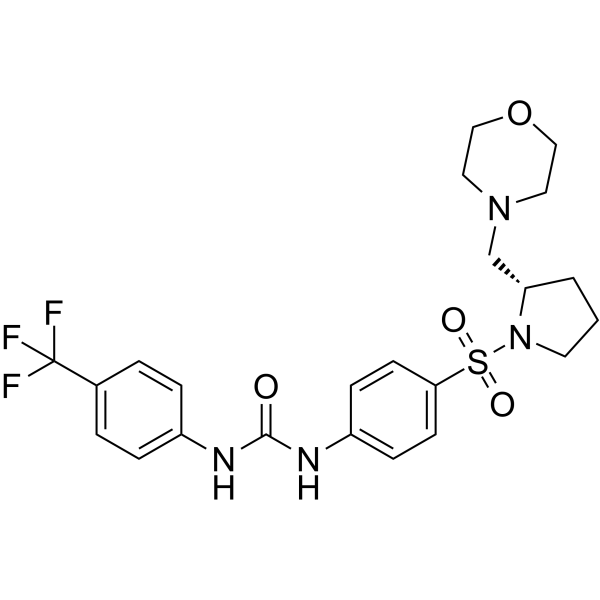
MMP408 is a selective and orally effective inhibitor of MMP-12 with IC50 values for human, mouse and rat MMP-12 of 2 nM, 160 nM and 3 μM respectively. MMP408 exhibits IC50 value for human MMP-13 of 120 nM, and its activity against other MMPs is weak. MMP408 can alleviate inflammation, fibrosis and tissue remodeling by inhibiting MMP-12. MMP408 can be used in the research of chronic obstructive pulmonary disease and chronic sinusitis with nasal polyps .
loading...
    loading...
1
1 Cited Publications
Cat. No.: HY-P1116A
Target:  

Bacterial

Research Areas:  

Infection Inflammation/Immunology

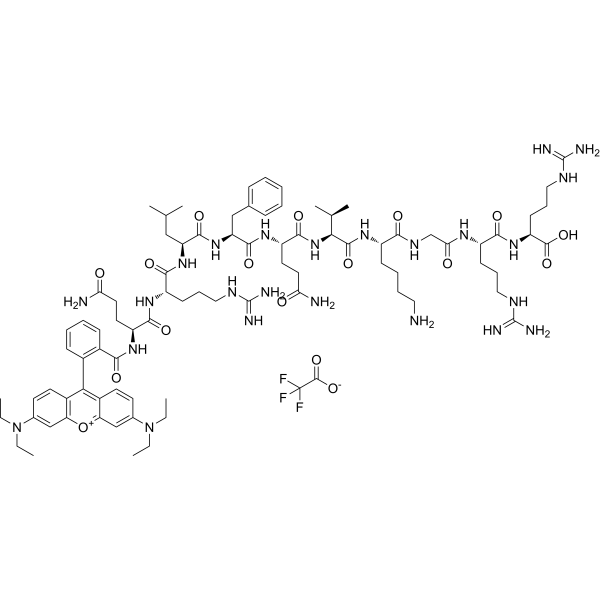
PBP10 TFA is a decapeptide. PBP10 TFA selectively binds to lipoteichoic acid (LTA), lipopolysaccharide (LPS) and phosphatidylinositol-4,5-bisphosphate (PIP2). PBP10 TFA penetrates cell membranes and possesses bactericidal, anti-inflammatory, cell motility-inhibiting and actin assembly-regulating activities. PBP10 TFA is applicable to relevant research on bacterial infections, microbe-induced inflammation, skin and soft tissue infections, as well as sepsis .
loading...
    loading...
1
1 Cited Publications
Cat. No.: HY-17509
CAS No.: 169590-41-4
Synonyms: SC 046; SC 46; SC 59046
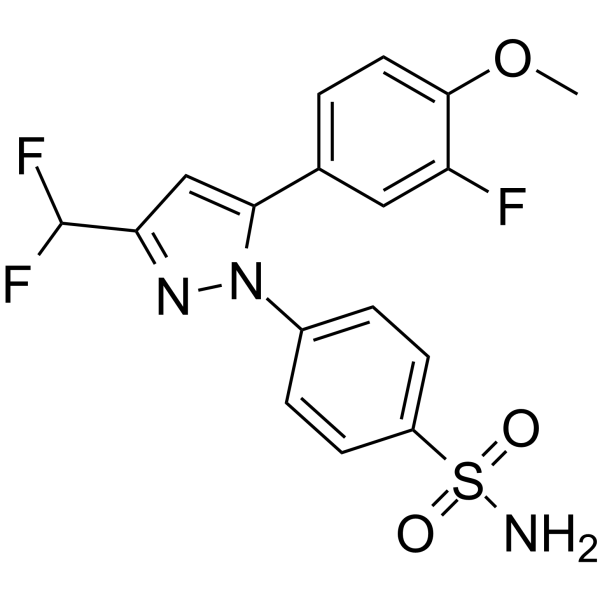
Deracoxib (SC 046; SC 59046), an orally active COX-2 inhibitor, is a veterinary nonsteroidal anti-inflammatory agent used exclusively in dogs. Deracoxib inhibits the COX-2 enzyme to reduce the production of prostaglandins, effectively controlling pain and inflammation after canine soft tissue surgery. Deracoxib reduces the inhibition of COX-1 and lowers the risk of gastrointestinal side effects. Deracoxib induces tumor cell cycle arrest and apoptosis, and shows anti-tumor activity in canine osteosarcoma, breast tumors and bladder transitional cell carcinomas .
loading...
    loading...
1
1 Cited Publications
Cat. No.: HY-P5522A
Synonyms: L-Ala-γ-D-Glu-meso-diaminopimelic acid dihydrochloride
TriDAP dihydrochloride (L-Ala-γ-D-Glu-meso-diaminopimelic acid dihydrochloride) is a NOD1 agonist with a Kd value of 34.5 μM. TriDAP dihydrochloride enhances the binding of NOD1-RICK, promotes RICK phosphorylation, and activates the NF-κB, TAK1, MEK/ERK, p38 and interferon response pathways. TriDAP dihydrochloride downregulates Runx2 via increasing ubiquitination and reduces trabecular bone parameters. TriDAP dihydrochloride decreases IκBα levels and increases p65 levels. TriDAP dihydrochloride induces the secretion of proinflammatory mediators IL-8 and prostaglandins, triggers tissue inflammation and innate immune activation, and inhibits SARS-CoV-2 replication in lung epithelial cells. TriDAP dihydrochloride increases the RANKL/OPG ratio in mice, reduces bone mass and enhances osteoclast activity, and inhibits new bone formation by decreasing the mineralization deposition rate in mice. TriDAP dihydrochloride can be used in research related to pulpitis, chronic ulcerative colitis, Crohn's disease and SARS-CoV-2 infection .
loading...
    loading...
Cat. No.: HY-101559
CAS No.: 875685-46-4
Purity:  98.5%
Synonyms: CXA-10; 10-Nitrooleate
Target:  

Endogenous Metabolite

Research Areas:  

Inflammation/Immunology

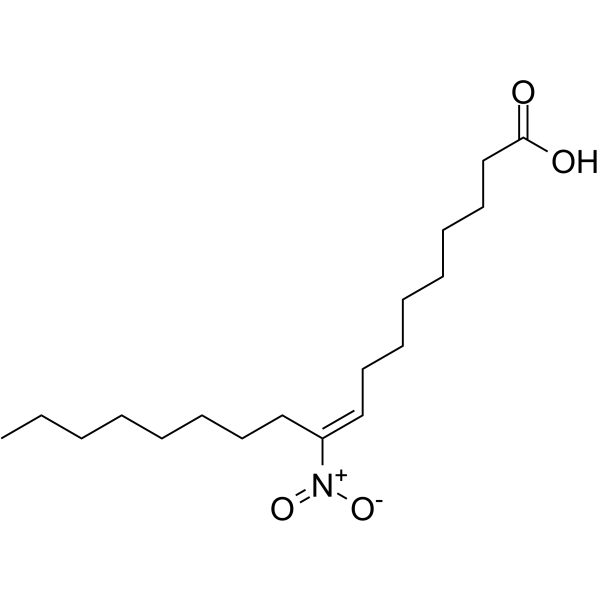
10-Nitrooleic acid (CXA-10), a nitro fatty acid, has potential effects in disease states in which oxidative stress, inflammation, fibrosis, and/or direct tissue toxicity play significant roles .
loading...
    loading...
Cat. No.: HY-148074
CAS No.: 2366152-15-8
Purity:  99.84%
Synonyms: RPT193
Target:  

CCR

Research Areas:  

Inflammation/Immunology

Zelnecirnon (RPT193) is an orally active inhibitor of CCR4, blocks the recruitment of Th2 inflammatory immune cells into inflamed tissues. Zelnecirnon can be used for allergic inflammation in atopic dermatitis, asthma, and other diseases research .
loading...
    loading...
Cat. No.: HY-110292
CAS No.: 581809-67-8
Research Areas:  

Inflammation/Immunology

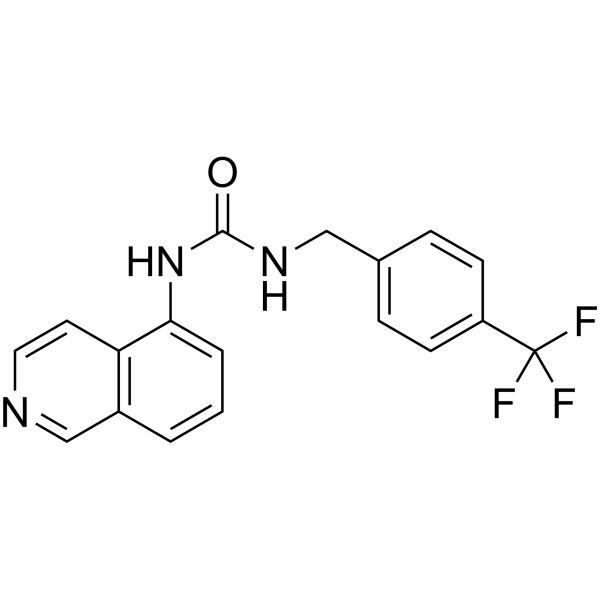
A-425619 is an orally active and selective transient receptor potential type V1 (TRPV1) antagonist. A-425619 blocks Capsaicin (HY-10448)- and N-arachidonoyl-dopamine (NADA)-induced Ca 2+ influx in dorsal root ganglia and trigeminal ganglia. A-425619 relieves pathophysiological pain associated with inflammation and tissue injury in rats. A-425619 can be used for the study of pain related to inflammation and tissue injury .
loading...
    loading...
Cat. No.: HY-Y0651
CAS No.: 7757-83-7
Sodium sulfite is an inorganic salt used as an antioxidant and preservative. Sodium sulfite is also used in sulfonation and sulfomethylation reactions. Sodium sulfite can also be used as a bleaching agent, desulfurizer, and dechlorinator. Sodium sulfite inhibits hepatocyte proliferation, promotes hepatocyte apoptosis and necrosis, and impairs mitochondrial integrity. Sodium sulfite induces superoxide anion production, primes neutrophils for enhanced superoxide anion generation, and induces neutrophil gene expression. Sodium sulfite can be used in studies related to pulmonary inflammation and gastric tissue injury .
loading...
    loading...
Cat. No.: HY-W012974
CAS No.: 144-90-1
Synonyms: β-Aminoisobutyric acid; BAIBA
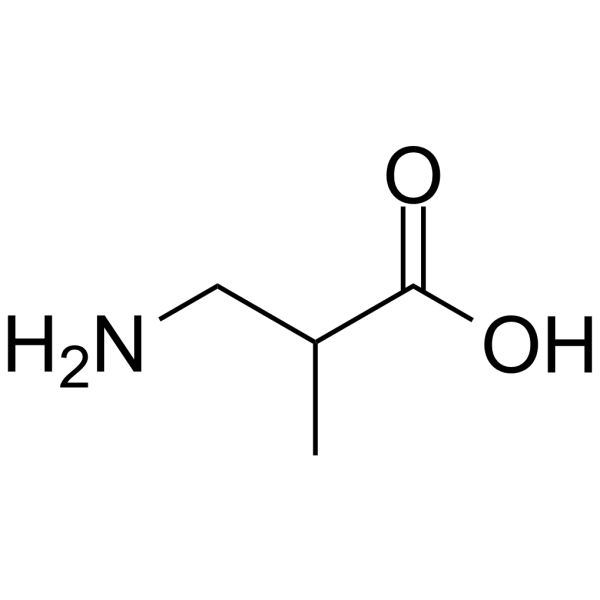
3-Aminoisobutyric acid (β-Aminoisobutyric acid) has anti-inflammatory and antioxidant effects. 3-Aminoisobutyric acid increases the expression of brown adipocyte-specific genes in white adipose tissue and fatty acid β-oxidation in hepatocytes. 3-Aminoisobutyric acid attenuates insulin resistance and inflammation induced by palmitate or a high fat diet via an AMPK-PPARδ-dependent pathway in mice. 3-Aminoisobutyric acid is a catabolic metabolite of thymine and valine in skeletal muscle .
loading...
    loading...
Cat. No.: HY-N0507
CAS No.: 84954-92-7
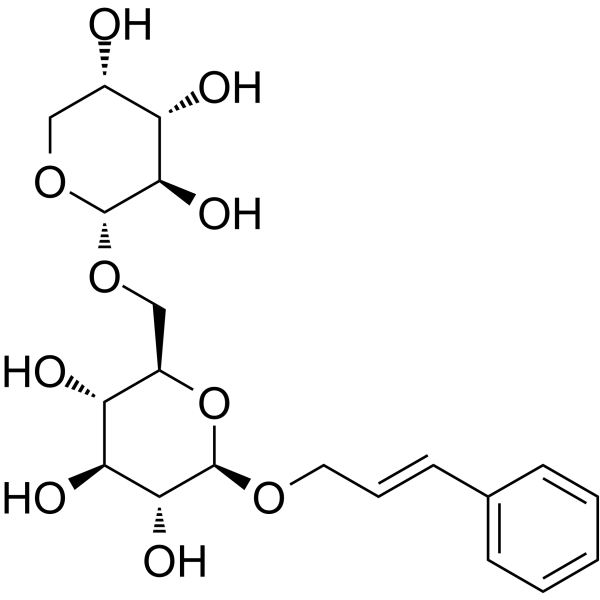
Rosavin, an orally bioactive phenylpropanoid from Rhodiola rosea L. (RRL), is an adaptogen that enhances the body’s response to environmental stress. Rosavin significantly influences bone tissue metabolism by inhibiting osteoclastogenesis and promoting osteoblast differentiation, also impacts various diseases, demonstrating antidepressant, adaptogenic, and anxiolytic effects in mouse models. Additionally, Rosavin improves survival, reducing intestinal damage in irradiated rats and Ischemia-reperfusion(I/R)-induced cerebral injury in vivo by regulating inflammation and oxidative stress, making it a promising candidate for research in radiation-induced intestinal injury, I/R-induced cerebral injury and osteoporosis .
loading...
    loading...
Cat. No.: HY-D0053
CAS No.: 194785-18-7
Synonyms: 6-Carboxy-X-rhodamine
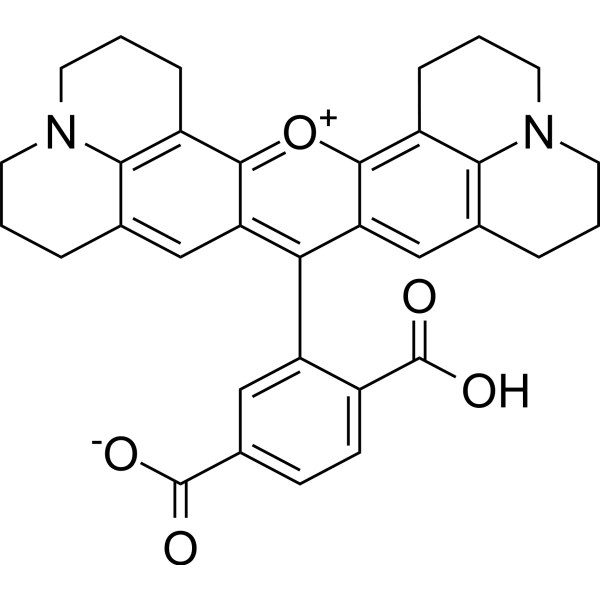
6-ROX is a selective fluorescent probe and potential inhibitor of COX-2. 6-ROX binds to the active site of COX-2 and inhibits its conversion of arachidonic acid into prostaglandins. 6-ROX is often used in the field of optical imaging related to tumors and inflammation, and helps detect diseased tissues with high expression of COX-2 .
loading...
    loading...
Cat. No.: HY-17357
CAS No.: 78281-72-8
Synonyms: AHR 9434; AL 6515
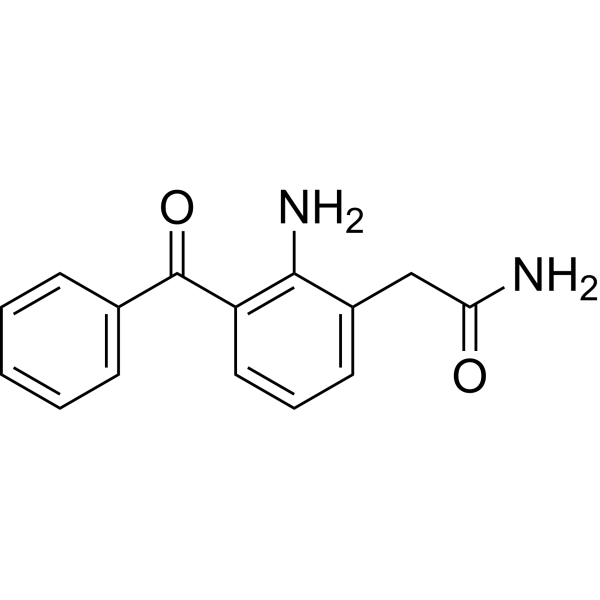
Nepafenac (AHR 9434; AL 6515), a nonsteroidal anti-inflammatory agent, is a topically administered COX-2 inhibitor with an IC50 of 0.12 μM. Nepafenac exhibits only weak COX-1 inhibitory activity (IC50 = 64.3 μM). Nepafenac possesses unique prodrug properties, which enable it to rapidly convert into the active metabolite Amfenac (HY-17479) in the ocular tissues, thereby achieving high concentrations in the retina and choroid. Nepafenac reduces inflammation and pain by inhibiting the activity of cyclooxygenase (COX) enzymes and thereby decreasing the production of prostaglandin PGE₂. Nepafenac can delay the metastasis of uveal melanoma (UM) in rabbit eyes. Nepafenac is mainly used for pain management and inflammation control after ophthalmic surgeries .
loading...
    loading...
Cat. No.: HY-78036
CAS No.: 498-24-8
Synonyms: Citronic acid; Methylfumaric acid
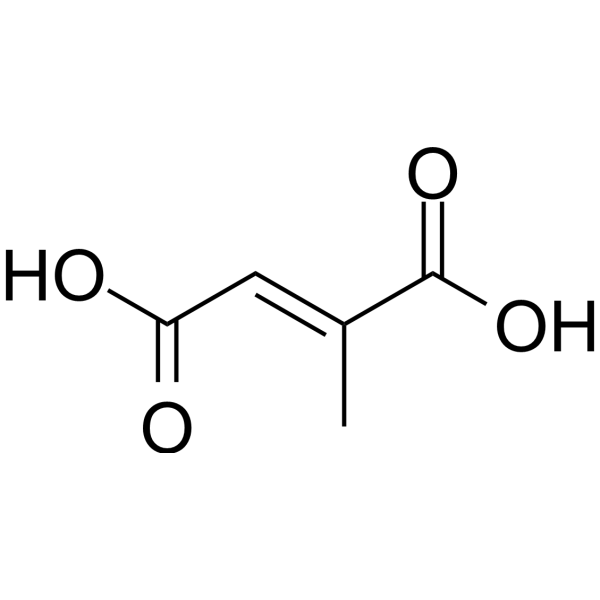
Mesaconic acid (Citronic acid; Methylfumaric acid) is an orally active anti-inflammatory and antioxidant agent. Mesaconic acid reduces the level of NF-κB in colon tissues, downregulates the expression of Keap1 and Bax, upregulates the expression of Nrf2 and Bcl2, and decreases the expression of Caspase-1. Mesaconic acid reduces the levels of NLRP3, ASC and Casp-1 in colon, liver and kidney tissues. Mesaconic acid reduces pro-inflammatory cytokine levels, increases the level of the anti-inflammatory cytokine IL-10, elevates NAD + levels, regulates oxidative stress markers and antioxidant enzyme levels, and upregulates intestinal barrier proteins in colon, liver and kidney tissues. Mesaconic acid increases the abundance of beneficial gut bacteria and reduces the abundance of harmful gut bacteria in rapidly aging mice, and exhibits anti-aging properties. Mesaconic acid acts as a flame retardant and serves as a competitive inhibitor of fumarate reduction. Mesaconic acid can be used in the research of aging-related inflammation .
loading...
    loading...
Cat. No.: HY-W011168
CAS No.: 13389-03-2
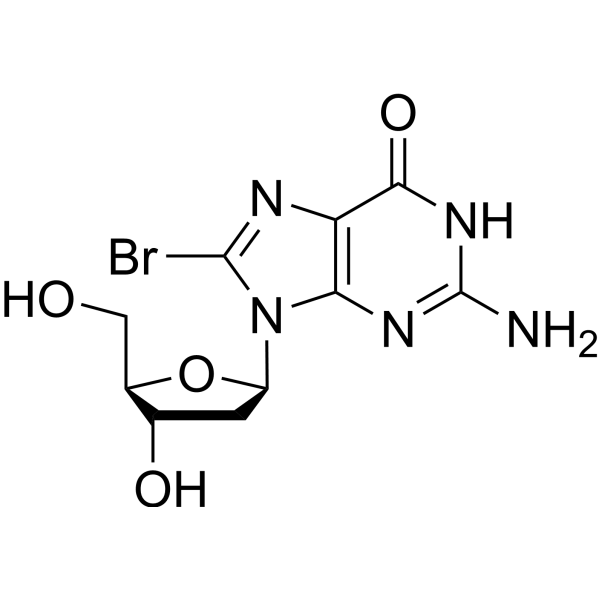
8-Bromo-2'-deoxyguanosine is an inflammation-related DNA halogenated adduct and an early biomarker of inflammation-induced oxidative tissue damage. The formation of 8-Bromo-2'-deoxyguanosine precedes that of oxidative and nitrative products, and it can be generated via the MPO-H2O2-Cl --Br - system. 8-Bromo-2'-deoxyguanosine serves as the immunogen for preparing the monoclonal antibody mAb8B3, which can be used to detect early DNA modifications in preclinical models; its urinary level also increases significantly in inflammatory disease models. 8-Bromo-2'-deoxyguanosine can also be produced in the dermis of UV-B irradiated mice, and the extract of Coprinus comatus significantly reduces its level. 8-Bromo-2'-deoxyguanosine finds applications in studies related to inflammatory diseases, diabetes, hepatocellular carcinoma, and UV-B induced skin inflammation .
loading...
    loading...
Cat. No.: HY-113044
CAS No.: 133-89-1
Synonyms: UDP-D-Glucose
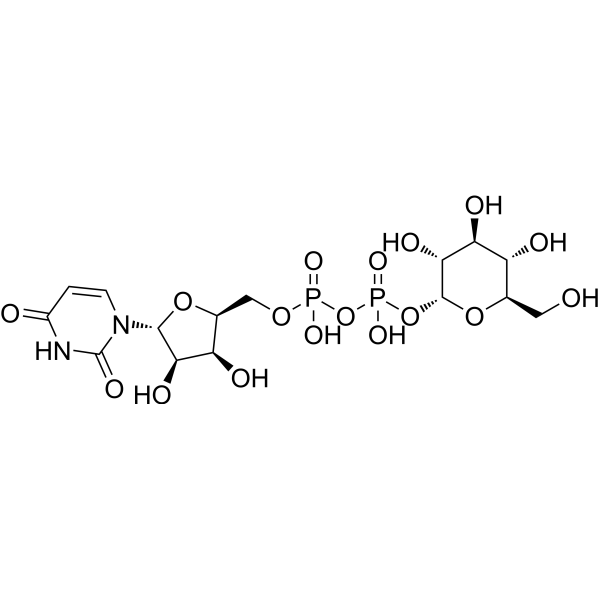
Uridine 5’-diphosphoglucose (UDP-glucose), secreted by cardiomyocytes during ischemia and reperfu, is a potent agonist of the proinflammatory P2Y14 receptor. It acts an important role in the regulation of inflammation and neutrophil polarization in neutrophils. Uridine 5’-diphosphoglucose is also the precursor of glucose-containing oligosaccharides, polysaccharides, glycoproteins, and glycolipids in animal tissues and in some microorganisms. Uridine 5’-diphosphoglucose is promising for research in counteracting myocardial infarction/reperfusion (MIR)-induced inflammation in the heart tissue .
loading...
    loading...
Cat. No.: HY-145310
CAS No.: 2230496-99-6
Purity:  99.86%
Research Areas:  

Inflammation/Immunology

ZL0590 is a potent, orally active BRD4 BD1-selective inhibitor with an IC50 of 90 nM for human BRD4 BD1. ZL0590 exhibits significant anti-inflammatory activities. ZL0590 can reduce mucosal inflammation in animal models of inflammatory bowel disease and restores tissue architecture. ZL0590 can be used in research on inflammatory diseases such as inflammatory bowel disease .
loading...
    loading...
Cat. No.: HY-21200
CAS No.: 375-92-8
Synonyms: 1-Perfluoroheptanesulfonic acid; Perfluoroheptanesulphonic acid; PFHpS
Target:  

PPAR

Perfluoroheptanesulfonic acid (1-Perfluoroheptanesulfonic acid; Perfluoroheptanesulphonic acid; PFHpS) is a per- and polyfluoroalkyl substance (PFAS) that penetrates the skin and induces systemic toxicity and immunotoxicity. Perfluoroheptanesulfonic acid reduces the expression of PPARδ in liver tissue; it induces hepatocyte hypertrophy and necrosis in liver tissue and alters serum biochemical markers associated with liver injury. Perfluoroheptanesulfonic acid upregulates genes related to fatty acid metabolism, cell necrosis and inflammation, reduces the relative weights of the spleen and thymus, suppresses humoral immune responses, and alters the composition of immune cell subsets in the spleen and skin. The plasma concentration of Perfluoroheptanesulfonic acid correlates with food intake. Perfluoroheptanesulfonic acid and perfluorooctanesulfonic acid exhibit synchronous pulse events in influent samples from wastewater treatment plants. Perfluoroheptanesulfonic acid can be used in studies related to liver injury and immune system damage .
loading...
    loading...
Cat. No.: HY-N0469R
CAS No.: 56-87-1
L-Lysine (Standard) is the analytical standard of L-Lysine. This product is intended for research and analytical applications. L-lysine is an essential amino acid for humans with orally activity. L-lysine can inhibit the occurrence of HSV infections and is used in herpes research. L-lysine increases calcium absorption, reduces diabetes-related diseases, improves gut health, and alleviates pancreatic inflammation. L-lysine can be used in research on metabolism, infection, and inflammation . IC50 & Target:L-lysine (150 mg/kg) promotes, but not initiates, bladder cancer. The administration of L-lysine to rats submitted to colovesical cystoplasty accelerates the development of transitional metaplasia of the intestinal epithelium .
L-lysine (10 mg/kg) treatment attenuates pancreatic tissue injury induced by L-arginine by inhibiting the release of the inflammatory cytokine IL-6 and enhance antioxidant activity . In Vivo:L-lysine (10?mg/kg, p.o., pre-treated or post-treated, administration duration 15 days) treatment attenuates pancreatic tissue injury induced by L-arginine by inhibiting the release of the inflammatory cytokine IL-6 and enhance antioxidant activity in acute pancreatitis mice model . L-lysine (5 or 10?mg/kg, p.o., 45 days) ameliorates sepsis-induced acute lung injury in a lipopolysaccharide (HY-D1056)-induced mouse model .
loading...
    loading...
Cat. No.: HY-N12323
CAS No.: 32581-31-0
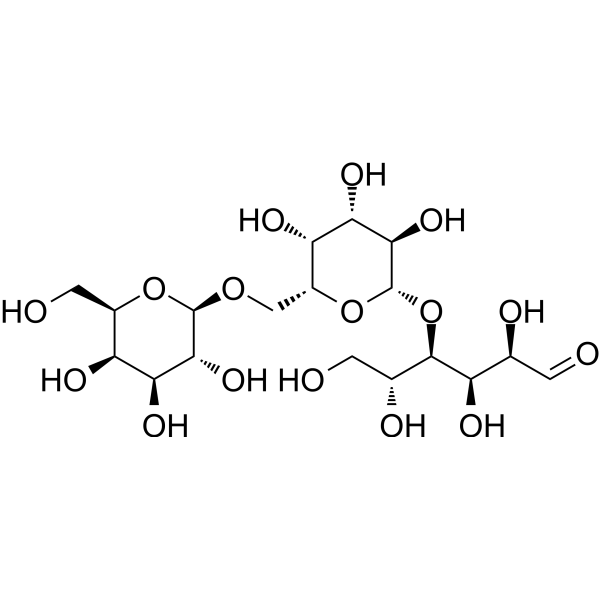
6′-Galactosyllactose is the main oligosaccharide that makes up galactose, a component of human milk. 6′-Galactosyllactose can synthesize human milk oligosaccharides and synthetic galactosyllactose with 3′-Galactosyllactose and 4′-Galactosyllactose, and reduce inflammation in human T84, NCM-460 and H4 cells and intestinal tissues .
loading...
    loading...
Cat. No.: HY-17357S
CAS No.: 1246814-53-8
Synonyms: AHR-9434-d5; AL-6515-d5
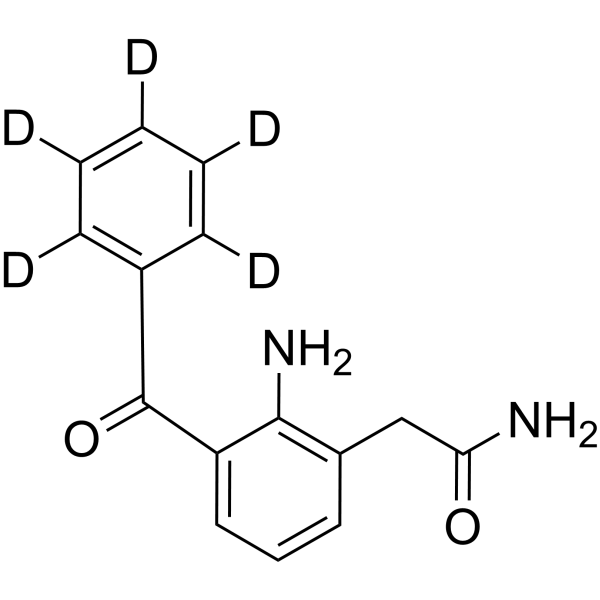
Nepafenac-d5 (AHR-9434-d5; AL-6515-d5) is the deuterium labeled Nepafenac (HY-17357). Nepafenac, a nonsteroidal anti-inflammatory agent, is a topically administered COX-2 inhibitor with an IC50 of 0.12 μM. Nepafenac exhibits only weak COX-1 inhibitory activity (IC50 = 64.3 μM). Nepafenac possesses unique prodrug properties, which enable it to rapidly convert into the active metabolite Amfenac (HY-17479) in the ocular tissues, thereby achieving high concentrations in the retina and choroid. Nepafenac reduces inflammation and pain by inhibiting the activity of cyclooxygenase (COX) enzymes and thereby decreasing the production of prostaglandin PGE₂. Nepafenac can delay the metastasis of uveal melanoma (UM) in rabbit eyes. Nepafenac is mainly used for pain management and inflammation control after ophthalmic surgeries.
loading...
    loading...

