236 Results for "

protective effect

" in MedChemExpress (MCE) Product Catalog:
Products (236)

236 Results for "protective effect" in MCE Product Catalog:

2
2 Cited Publications
Cat. No.: HY-W040045
CAS No.: 18466-51-8
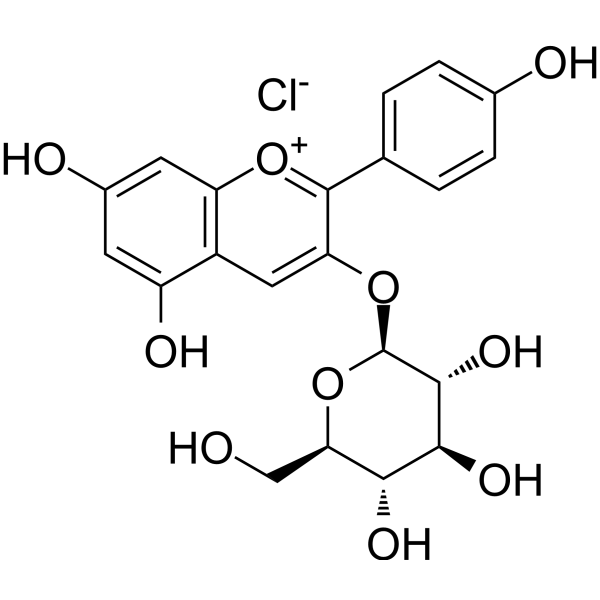
Synonyms: Pelargonidin-3-O-glucoside chloride
Callistephin (Pelargonidin 3-O-glucoside) chloride is an anthocyanin. Callistephin chloride regulates the expression of inflammatory (reducing iNOS/TNF-α/COX-2) and apoptosis-related proteins by inhibiting p38 phosphorylation, and enhances the protective effect of Isoflurane (HY-A0134) on microglial cell damage. Callistephin chloride significantly reduces ROS levels, eliminates DPPH free radicals, protects retinal pigment epithelial cells, and inhibits lipid peroxidation. Callistephin chloride can alleviate glutamate excitotoxicity, reduce neuronal apoptosis, and protect cerebellar granule neurons. Callistephin chloride can inhibit the proliferation and metastasis of breast cancer cells by inducing apoptosis .
loading...
    loading...
2
2 Cited Publications
Cat. No.: HY-N0515
CAS No.: 945619-74-9
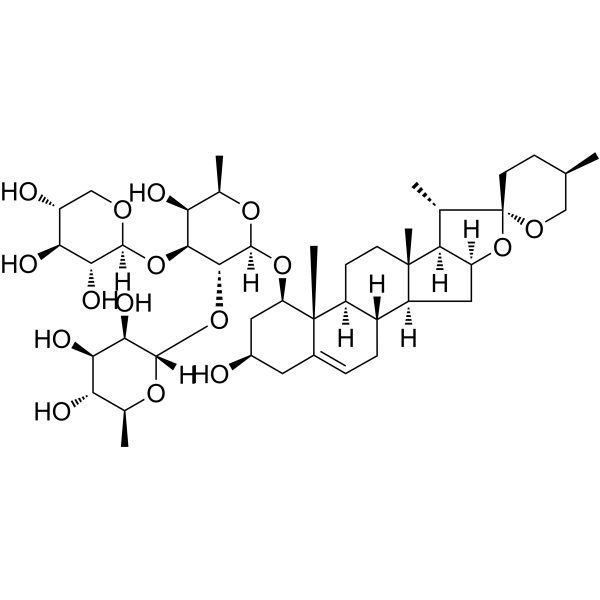
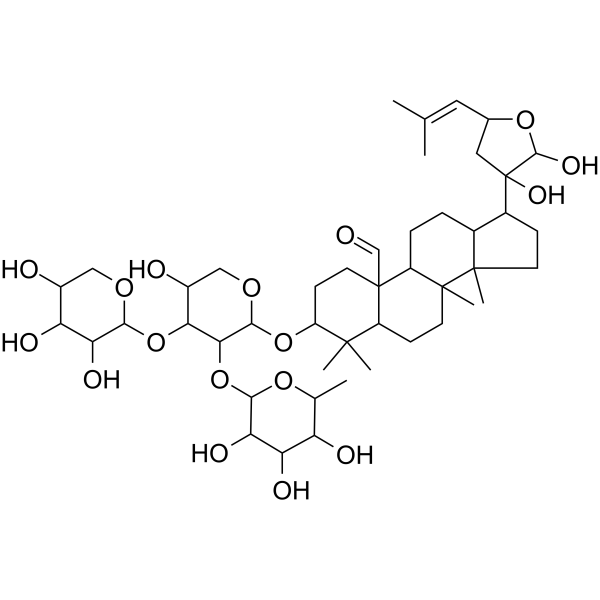
Ophiopogonin D can be isolated from the tubers of Ophiopogon japonicus, is a rare naturally occurring C29 steroidal glycoside. Ophiopogonin D is a CYP2J3 inducer that significantly inhibits Ang II induced NF-κB nuclear translocation, IκBα down-regulation, intracellular Ca 2+ overload and activation of pro-inflammatory cytokines by increasing the expression of CYP2J2/EETs and PPARα in human umbilical vein endothelial cells (HUVECs). Ophiopogonin D can inhibit isteoclastic differentiation in RAW264.7 cells. Ophiopogonin D has protective effect as an antioxidant in H2O2-induced endothelial injury. Ophiopogonin D blocks ERK signaling cascades. Ophiopogonin D alleviates high-fat diet-induced metabolic syndrome and changes the structure of gut microbiota in mice. Ophiopogonin D has been used against inflammatory, metabolic and cardiovascular diseases .
loading...
    loading...
1
1 Cited Publications
Cat. No.: HY-77490A
CAS No.: 107-88-0
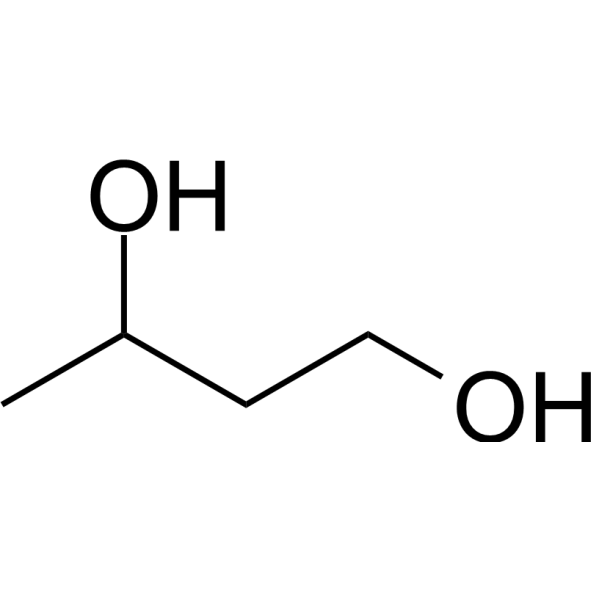
1,3-Butanediol, an orally active ethanol dimer providing a source of calories for human nutrition. 1,3-Butanediol administeration can stimulate the biosynthesis of the ketone body, β-hydroxybutyrate (βHB). 1,3-Butanediol has cerebral protective and hypoglycaemic effect .
loading...
    loading...
1
1 Cited Publications
Cat. No.: HY-112248A
CAS No.: 1245653-57-9
Purity:  99.76%
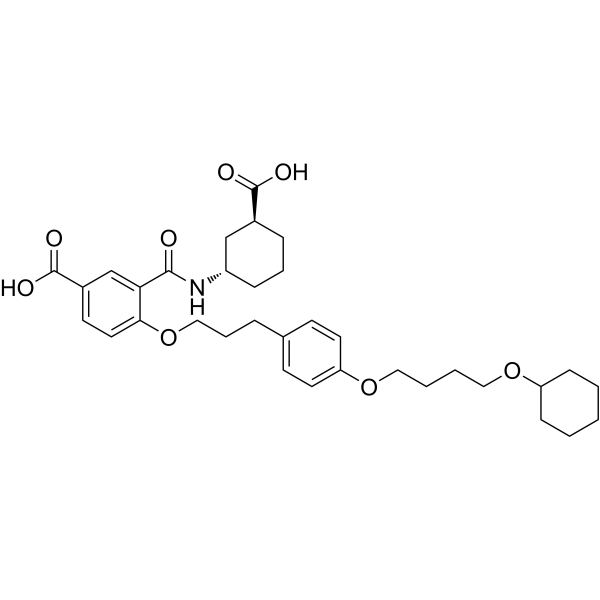
HAMI 3379 is a potent and selective CysLT2 receptor antagonist. HAMI 3379 has a protective effect on acute and subacute ischemic brain injury, and attenuates microglia-related inflammation .
loading...
    loading...
1
1 Cited Publications
Cat. No.: HY-N5042
CAS No.: 1177581-50-8
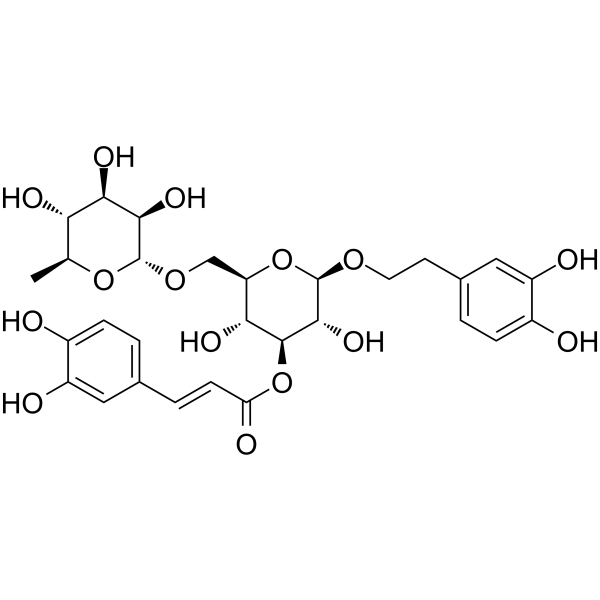
Forsythoside I is an orally active caffeoyl phenylethanoid glycoside (CPG) that can be isolated from Forsythia suspense (Thunb.) Vahl. Forsythoside I has anti-inflammatory activity and can exert a protective effect in a mouse model of acute lung injury .
loading...
    loading...
1
1 Cited Publications
Cat. No.: HY-N2440
CAS No.: 157752-01-7
Gypenoside A is an orally active triterpenoid compound that can be isolated from Gynostemma pentaphyllum. Gypenoside A has anti-inflammatory and antioxidant activities. Gypenoside A also has a certain protective effect on cardiomyocytes and can inhibit apoptosis. Gypenoside A can be used in the research of cardiovascular diseases and inflammation-related diseases .
loading...
    loading...
1
1 Cited Publications
Cat. No.: HY-Z0283
CAS No.: 55-21-0
Synonyms: Benzenecarboxamide; Phenylamide
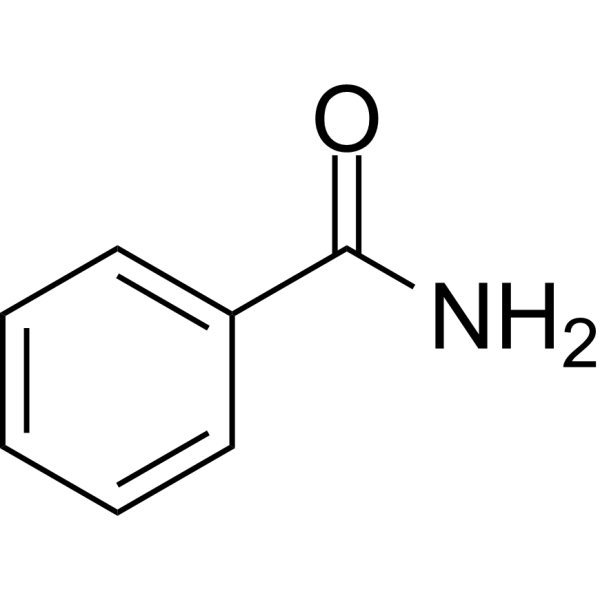
Benzamide (Benzenecarboxamide) is a potent poly(ADP-ribose) polymerase (PARP) inhibitor. Benzamide has protective activity against both glutamate- and methamphetamine (METH)-induced neurotoxicity in vitro. Benzamide can attenuate the METH-induced dopamine depletions and exhibits neuroprotective activity in mice, also has no acute effect on striatal dopamine metabolism and does not reduce body temperature .
loading...
    loading...
1
1 Cited Publications
Cat. No.: HY-B0612
CAS No.: 100427-26-7
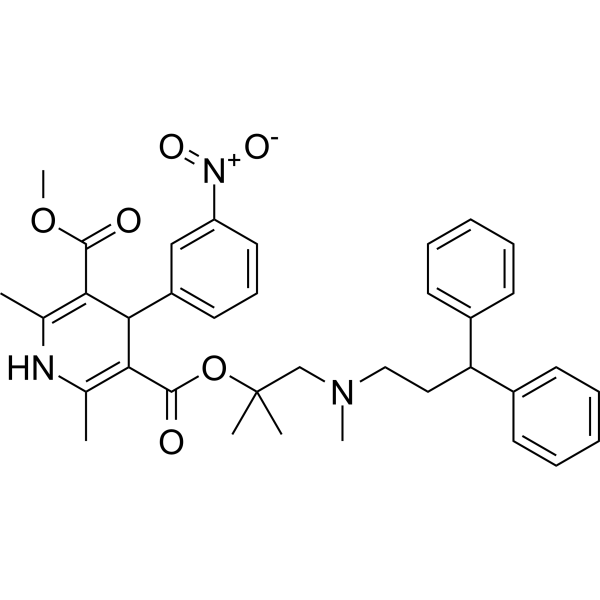
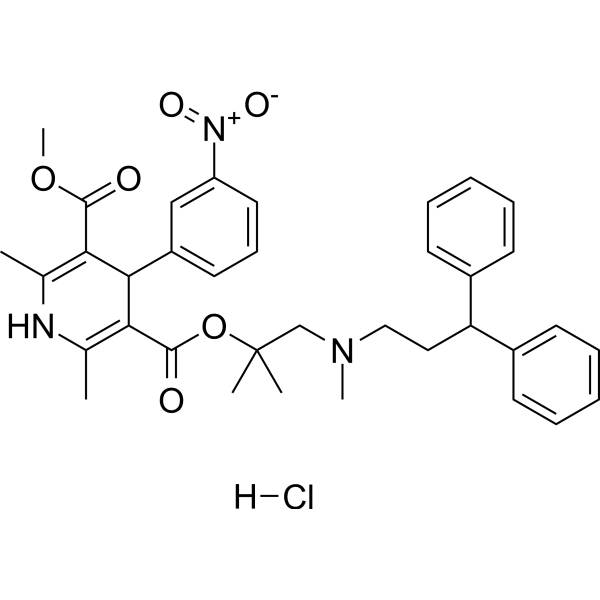
Lercanidipine is a third-generation, lipophilic, brain-penetrant, vascular-selective and orally active dihydropyridine-calcium channel blocker with a pIC50 of 7.74 (converts from μM). Lercanidipine has long lasting antihypertensive action as well as reno- and neuro-protective effect. Lercanidipine also shows anti-oxidant, anti-inflammatory and anti-apoptotic properties. Lercanidipine can be used in cardiovascular and neurological research .
loading...
    loading...
1
1 Cited Publications
Cat. No.: HY-B0612A
CAS No.: 132866-11-6
Lercanidipine is a third-generation, lipophilic, brain-penetrant, vascular-selective and orally active dihydropyridine-calcium channel blocker with a pIC50 of 7.74 (converts from μM). Lercanidipine has long lasting antihypertensive action as well as reno- and neuro-protective effect. Lercanidipine also shows anti-oxidant, anti-inflammatory and anti-apoptotic properties. Lercanidipine can be used in cardiovascular and neurological research .
loading...
    loading...
1
1 Cited Publications
Cat. No.: HY-N0513
CAS No.: 22255-40-9
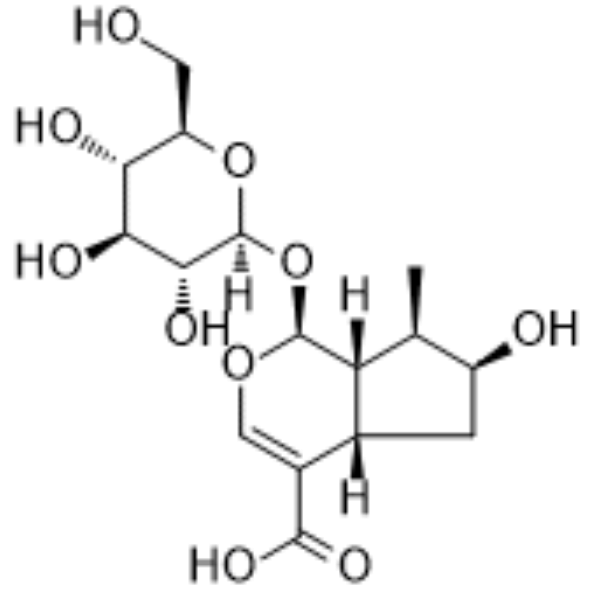
Loganic acid is an iridoid isolated from cornelian cherry fruits. Loganic acid inhibits NF-κB signaling pathway, activates Nrf2 signaling pathway, exhibits anti-inflammatory activity. Loganic acid can modulate diet-induced atherosclerosis and redox status. Loganic acid has strong free radical scavenging activity and remarkable cyto-protective effect against heavy metal mediated toxicity. Loganic acid is orally active .
loading...
    loading...
1
1 Cited Publications
Cat. No.: HY-P1108
CAS No.: 681260-70-8
Target:  

CRFR

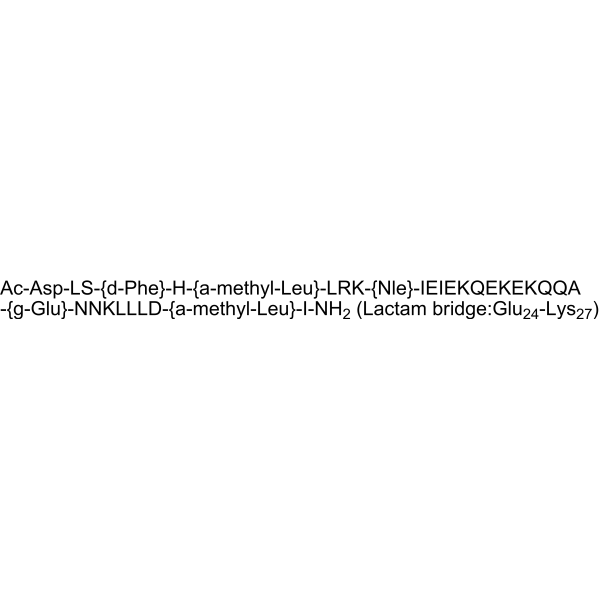
Astressin 2B is a blood-brain barrier-impermeable, highly selective CRFR2 antagonist (rCRFR2, IC50=0.57 nM). Astressin 2B blocks the protective effects mediated by CRFR2, thereby exacerbating indomethacin (HY-14397)-induced hemorrhagic intestinal injury in rats. Astressin 2B reverses the protective effects of Urocortin 1 against intestinal hypermotility, bacterial invasion and upregulation of inflammatory mediators. Astressin 2B also blocks the anxiogenic effect of Urocortin 2 and attenuates stress-induced anxiety-related behaviors. In the Clostridioides difficile toxin A (C. difficile toxin A)-mediated enteritis model, Astressin 2B mimics the phenotype of CRFR2-deficient mice, significantly exacerbating intestinal epithelial damage, edema, neutrophil migration and the expression of multiple proinflammatory cytokines. Astressin 2B is an important tool molecule for investigating the intestinal protective mechanisms of CRFR2 .
loading...
    loading...
1
1 Cited Publications
Cat. No.: HY-B0338
CAS No.: 13392-28-4
Synonyms: 1-Rimantadine
Research Areas:  

Infection

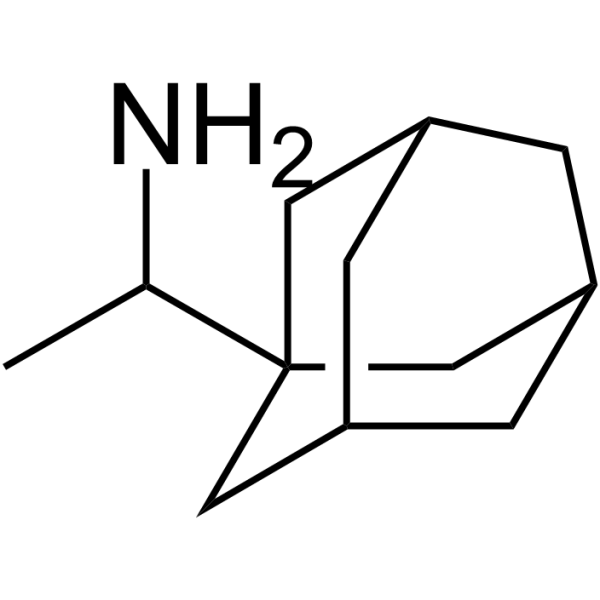
Rimantadine (1-Rimantadine) is an orally active inhibitor for M2 protein, which blocks the hydrogen ion channel activity, prevents the entry and replication of the virus, and exhibits board-spectrum antiviral activity. Rimantadine significantly inhibits hepatitis A virus (HAV) replication at the post-entry stage in Huh7 cells. Rimantadine enhances autophagy. Rimantadine has a significant protective effect against H3N2 virus in mouse model .
loading...
    loading...
1
1 Cited Publications
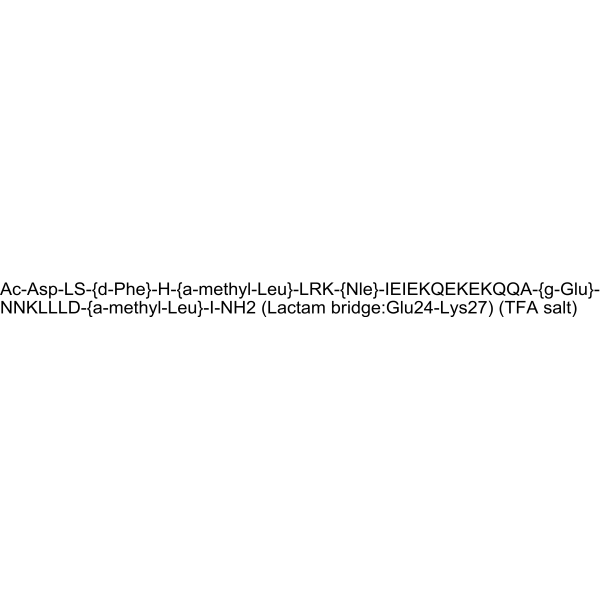
Cat. No.: HY-P1108A
Target:  

CRFR

Astressin 2B TFA is a blood-brain barrier-impermeable, highly selective CRFR2 antagonist (rCRFR2, IC50=0.57 nM). Astressin 2B TFA blocks the protective effects mediated by CRFR2, thereby exacerbating indomethacin (HY-14397)-induced hemorrhagic intestinal injury in rats. Astressin 2B TFA reverses the protective effects of Urocortin 1 against intestinal hypermotility, bacterial invasion and upregulation of inflammatory mediators. Astressin 2B TFA also blocks the anxiogenic effect of Urocortin 2 and attenuates stress-induced anxiety-related behaviors. In the Clostridioides difficile toxin A (C. difficile toxin A)-mediated enteritis model, Astressin 2B TFA mimics the phenotype of CRFR2-deficient mice, significantly exacerbating intestinal epithelial damage, edema, neutrophil migration and the expression of multiple proinflammatory cytokines. Astressin 2B TFA is an important tool molecule for investigating the intestinal protective mechanisms of CRFR2 .
loading...
    loading...
1
1 Cited Publications
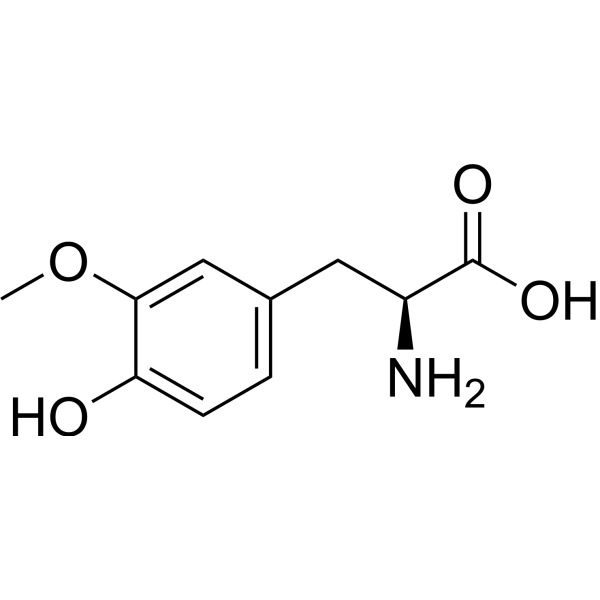
Cat. No.: HY-113468A
CAS No.: 300-48-1
Purity:  99.16%
Synonyms: 3-Methoxy-L-tyrosine; 3-O-Methyl-L-DOPA
3-O-Methyldopa (3-Methoxy-L-tyrosine) is a metabolite of L-DOPA (HY-N0304) that can cross the blood-brain barrier (BBB). 3-O-Methyldopa inhibits the astrocyte-mediated protective effect of L-DOPA (HY-N0304) on dopaminergic neurons. In addition, 3-O-Methyldopa has certain antidepressant and neuroprotective activities. 3-O-Methyldopa can be used in the research of nervous system diseases such as depression and Parkinson's disease .
loading...
    loading...
1
1 Cited Publications
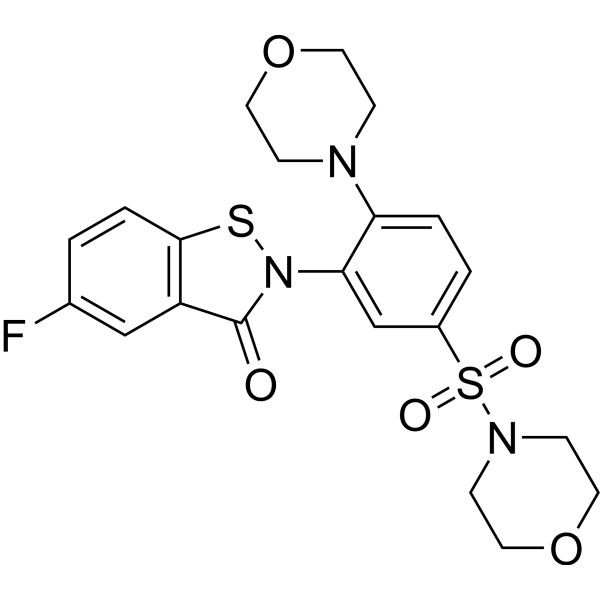
Cat. No.: HY-117878
CAS No.: 1632125-79-1
Purity:  99.37%
ML345 is a potent and selective inhibitor of insulin-degrading enzyme (IDE) and NLRP3, with an IC50 of 188 nM against IDE. ML345 targets the Cys819 residue of IDE to inhibit IDE. ML345 selectively binds to NLRP3 in a non-covalent manner. ML345 inhibits inflammatory cytokines (IL-1β, IL-6) and exhibits potent anti-inflammatory activity. ML345 exerts a protective effect against miscarriage .
loading...
    loading...
1
1 Cited Publications
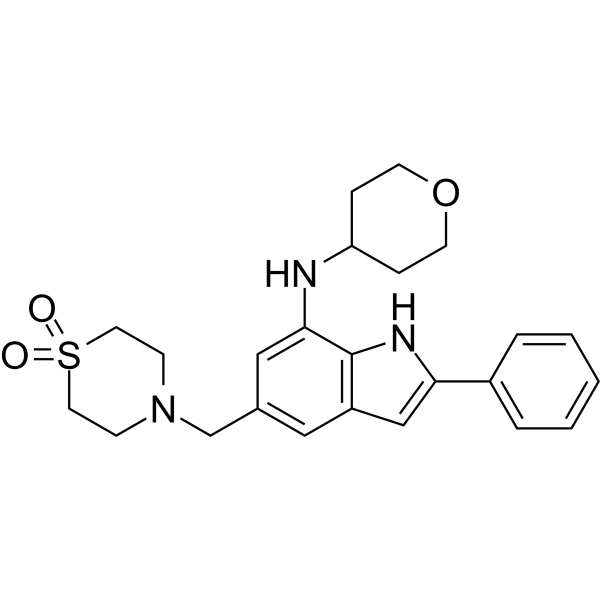
Cat. No.: HY-171006
CAS No.: 701225-07-2
IRF1-IN-1 (Compound I-2) is an IRF1 inhibitor. IRF1-IN-1 decreases the recruitment of IRF1 to the promoter of CASP1. IRF1-IN-1 inhibits cell death signaling pathway (i.e., cleavage of Caspase 1, GSDMD, IL-1 and PARP1). IRF1-IN-1 has a protective effect on ionizing radiation-induced inflammatory skin injury .
loading...
    loading...
1
1 Cited Publications
Cat. No.: HY-171007
CAS No.: 708245-32-3
IRF1-IN-2 (Compound I-19) is an IRF1 inhibitor. IRF1-IN-2 decreases the recruitment of IRF1 to the promoter of CASP1. IRF1-IN-2 inhibits cell death signaling pathway (i.e., cleavage of Caspase 1, GSDMD, IL-1 and PARP1; inhibits the Pho of TKB1, upregulates GPX4 and downregulates FACL4). IRF1-IN-2 has a protective effect on ionizing radiation-induced inflammatory skin injury .
loading...
    loading...
1
1 Cited Publications
Cat. No.: HY-124750
CAS No.: 1120332-55-9
Purity:  99.69%
NecroX-7 is a potent free radical scavenger and a HMGB1 (high-mobility group box 1) inhibitor. NecroX-7 can be used as an antidote to acetaminophen toxicity. NecroX-7 exerts a protective effect by preventing the release of HMGB1 in ischemia/reperfusion injury. NecroX-7 inhibits the HMGB1-induced release of TNF and IL-6, as well as the expression of TLR-4 and receptor for advanced glycation end products. NecroX-7 can be used graft-versus-host disease (GVHD) research .
loading...
    loading...
1
1 Cited Publications
Cat. No.: HY-W009300
CAS No.: 3131-23-5
Synonyms: 4-OHE1
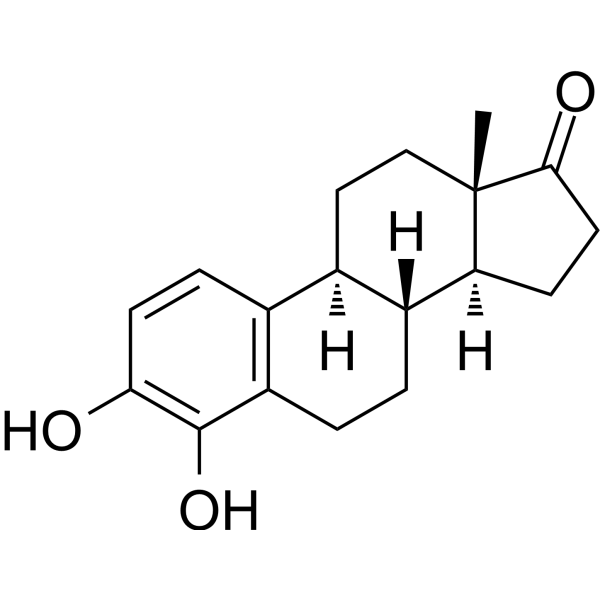
4-Hydroxyestrone (4-OHE1) is a brain-penetrant estrogen metabolite. 4-Hydroxyestrone shows neuroprotective effects involving increased cytoplasmic localization of p53 resulting from SIRT1-mediated p53 deacetylation. 4-Hydroxyestrone relies on PDI to mediate its protective effect against chemically induced ferroptosis in estrogen receptor-negative cancer cells. 4-Hydroxyestrone inhibits lipid peroxidation and lipid-ROS accumulation. 4-Hydroxyestrone blocks preovulatory luteinizing hormone surges in Rattus norvegicus. 4-Hydroxyestrone can be used for the researches of neurodegeneration, breast cancer and endocrine disease .
loading...
    loading...
1
1 Cited Publications
Cat. No.: HY-N0910
CAS No.: 155683-00-4
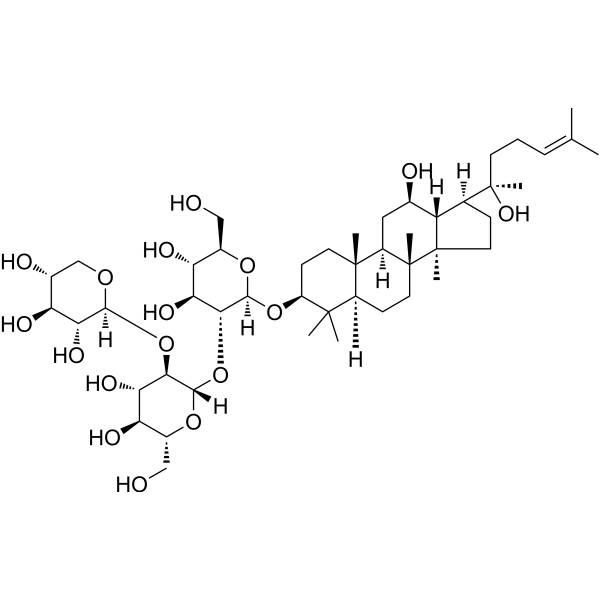
Notoginsenoside Ft1 is an orally active bioactive saponin. Notoginsenoside Ft1 inhibits the PI3K/AKT/mTOR signaling pathway, activates the p38 MAPK and ERK1/2 signaling pathways, and increases the proportion of CD8 + T cells, thereby inducing apoptosis and lysosomal cell death in various cancer cells, and promoting angiogenesis. Notoginsenoside Ft1 causes vasodilation by activating glucocorticoid receptors (GR) and estrogen receptor beta (ERβ) in endothelial cells. Notoginsenoside Ft1 increases intracellular Ca 2+ accumulation, reduces cAMP levels by activating a signaling network mediated through P2Y12 receptors, and promotes platelet aggregation, thereby exerting a procoagulant effect. Notoginsenoside Ft1 inhibits ferroptosis (ferroptosis) in renal tubular epithelial cells by activating the TGR5 receptor, thereby demonstrating a renal protective effect. Notoginsenoside Ft1 acts as a TGR5 agonist and an FXR antagonist to combat obesity and insulin resistance .
loading...
    loading...

