
802 Results for "

DNA-damage

" in MedChemExpress (MCE) Product Catalog:
Products (802)

802 Results for "DNA-damage" in MCE Product Catalog:

6
6 Cited Publications
Cat. No.: HY-D0185
CAS No.: 312693-72-4
Target:  

Endogenous Metabolite

Research Areas:  

Metabolic Disease

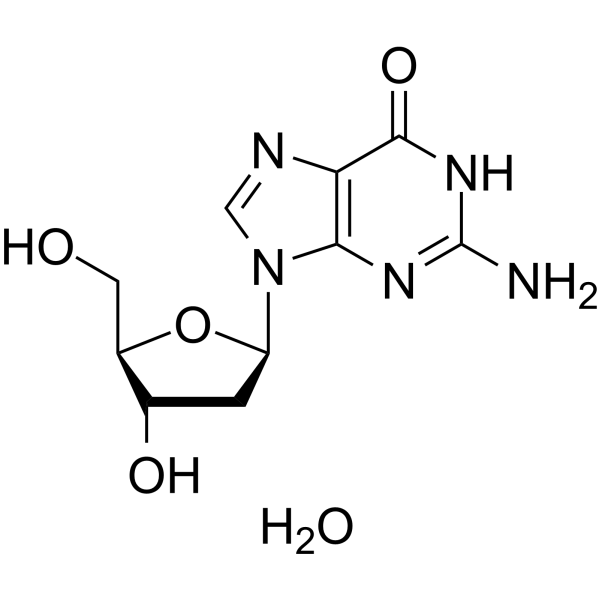
2'-Deoxyguanosine monohydrate is a nucleoside composed of guanine and 2'-deoxyribose, and it is one of the basic structural units of DNA. The oxidation products of 2'-Deoxyguanosine monohydrate may participate in DNA damage, which in turn may affect gene expression or induce cancer .
loading...
    loading...
6
6 Cited Publications
Cat. No.: HY-10206
CAS No.: 850879-09-3
Purity:  99.40%
Synonyms: MP470; HPK 56
Research Areas:  

Cancer

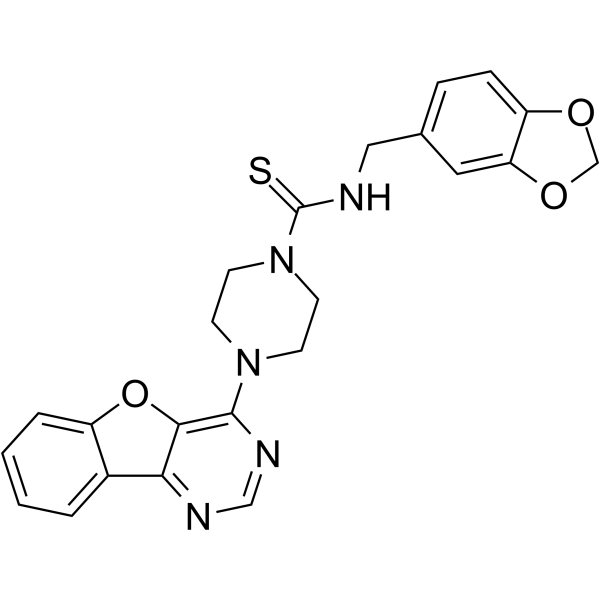
Amuvatinib (MP470) is an orally bioavailable multi-targeted tyrosine kinase inhibitor with potent activity against mutant c-Kit, PDGFRα, Flt3, c-Met and c-Ret. Amuvatinib (MP470) is also a DNA repair suppressor through suppression of DNA repair protein RAD51, thereby disrupting DNA damage repair . Antineoplastic activity .
loading...
    loading...
6
6 Cited Publications
Cat. No.: HY-107859
CAS No.: 115-96-8
Purity:  95.12%
Synonyms: TCEP
Tris(2-chloroethyl) phosphate (TCEP) is a widely used organic phosphorus flame retardant, mainly used as a plasticizer. Tris(2-chloroethyl) phosphate has orally active hepatotoxicity, inducing an increase in reactive oxygen species (ROS) and calcium ions (Ca 2+) influx, a decrease in mitochondrial membrane potential (△Ψm), and causing DNA damage and cell apoptosis. Tris(2-chloroethyl) phosphate directly binds to FXR, inducing obesity and the formation of fatty liver in mice. Chloroethyl) phosphate activates the TLR4/NF-κB pathway, triggering liver inflammation .
loading...
    loading...
6
6 Cited Publications
Cat. No.: HY-N0430A
CAS No.: 1198398-71-8
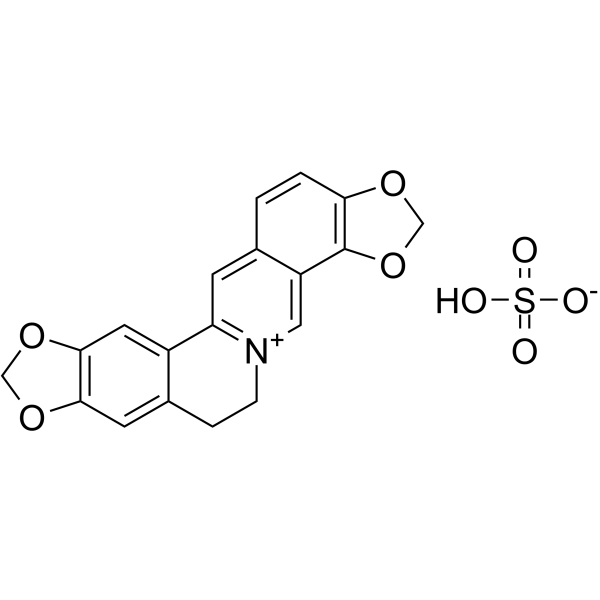
Coptisine Sulfate is an orally active and brain-penetrant alkaloid found in Coptis chinensis. Coptisine Sulfate is a reversible, uncompetitive IDO inhibitor with a Ki of 5.8 μM and an IC50 of 6.3 μM. Coptisine Sulfate suppresses neuroinflammation, reduces Aβ plaque burden and shows neuroprotective activity. Coptisine Sulfate shows anti-inflammation activity by blocking NF-κB, MAPK, and PI3K/Akt activation. Coptisine Sulfate inhibits cancer cells proliferation, induces DNA damage, G2/M phase cell cycle arrest, apoptosis, ROS production and mitochondrial dysfunction. Coptisine Sulfate inhibits Rho/ROCK pathway activation, reduces arrhythmia, limits cardiac injury marker release, reduces infarct size, and preserves cardiac function in rat myocardial ischemia/reperfusion models. Coptisine Sulfate downregulates HMGCR and upregulates LDLR and CYP7A1 to modulate cholesterol metabolism, reduces abnormal serum lipid levels, and promotes fecal bile acid excretion. Coptisine Sulfate be used for the research of cancer, hypercholesterolemia, Alzheimer’s disease, inflammatory disorders and cardiovascular disease .
loading...
    loading...
5
5 Cited Publications
Cat. No.: HY-107407
CAS No.: 135897-06-2
Purity:  98.30%
Research Areas:  

Cancer

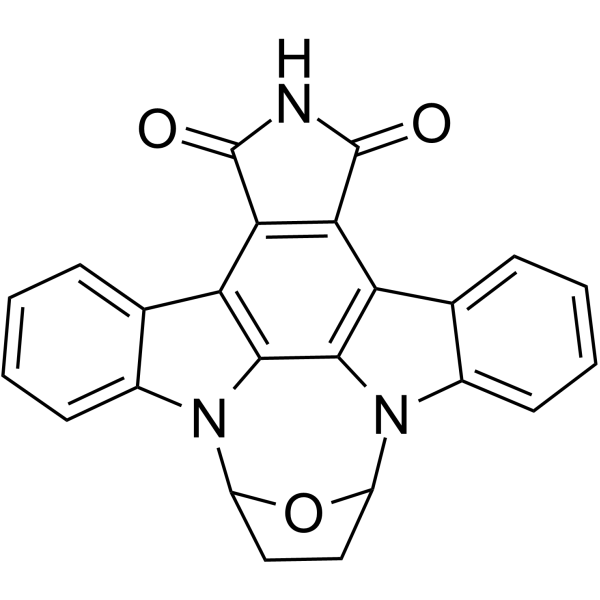
SB-218078 is a potent, selective, ATP-competitive and cell-permeable checkpoint kinase 1 (Chk1) inhibitor that inhibits Chk1 phosphorylation of cdc25C with an IC50 of 15 nM. SB-218078 is less potently inhibits Cdc2 (IC50 of 250 nM) and PKC (IC50 of 1000 nM). SB-218078 causes apoptosis by DNA damage and cell cycle arrest .
loading...
    loading...
4
4 Cited Publications
Cat. No.: HY-N6779
CAS No.: 149-29-1
Synonyms: Terinin
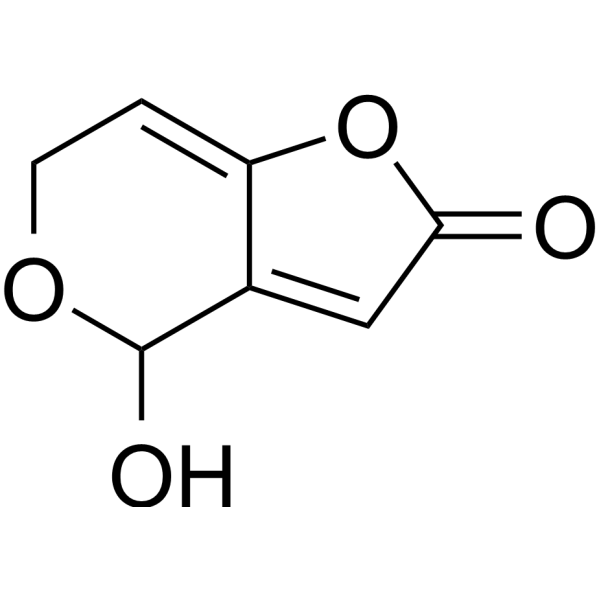
Patulin (Terinin) is a mycotoxin produced by fungi including the Aspergillus, Penicillium, and Byssochlamys species, causes chromosome breakage, mutation, teratogenic and cytotoxic. Patulin induces autophagy-dependent apoptosis through lysosomal-mitochondrial axis, and causes DNA damage .
loading...
    loading...
4
4 Cited Publications
Cat. No.: HY-114869
CAS No.: 129075-73-6
Purity:  99.68%
Target:  

PARP

Research Areas:  

Neurological Disease Cancer

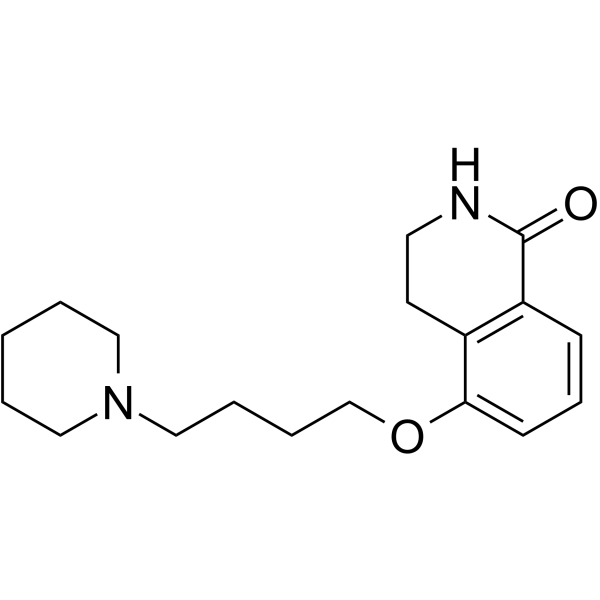
DPQ is a selective PARP-1 inhibitor that blocks PARP-1-mediated DNA damage repair and NAD +/ATP consumption, thereby inhibiting excessive inflammatory responses. DPQ inhibits NF-κB pathway activation, reduces the expression of pro-inflammatory factors (such as TNF-α, IL-6) and oxidative stress. DPQ can be used in inflammation-related studies of acute lung injury, myocardial infarction, and neurodegenerative diseases .
loading...
    loading...
4
4 Cited Publications
Cat. No.: HY-132258A
CAS No.: 1453084-37-1
Purity:  99.71%
Synonyms: IMGN853 (solution)
Research Areas:  

Cancer

Mirvetuximab soravtansine (IMGN853) solution is an anti-folate receptor α (FRα) antibody drug-conjugate (ADC) consisting of the cytotoxic maytansinoid, DM4, covalently linked to the humanized monoclonal antibody M9346A, and the drug-linker conjugate for ADC is sulfo-SPDB-DM4 (HY-101141). Mirvetuximab soravtansine selectively binds to folate receptor 1 (FOLR1). Mirvetuximab soravtansine has an anti-proliferative effect via growth arrest and augmented DNA damage .
loading...
    loading...
4
4 Cited Publications
Cat. No.: HY-W424851
CAS No.: 84050-22-6
Synonyms: 6,7-Dimethoxy-2-(1-piperazinyl)-4-quinazolinamine hydrochloride
Target:  

PARP

Research Areas:  

Infection Inflammation/Immunology

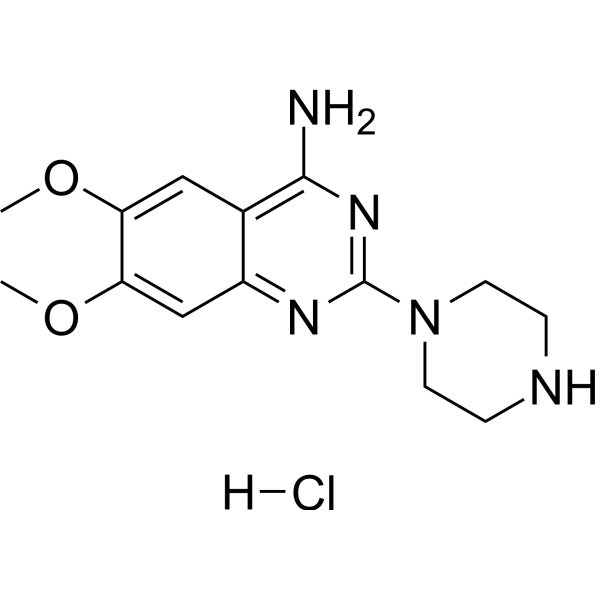
DPQ hydrochloride is a blood-brain barrier permeable and selective PARP-1 inhibitor that blocks PARP-1-mediated DNA damage repair and NAD +/ATP consumption, thereby inhibiting excessive inflammatory responses. DPQ hydrochloride inhibits NF-κB pathway activation, reduces the expression of pro-inflammatory factors (such as TNF-α, IL-6) and oxidative stress. DPQ hydrochloride can be used in inflammation-related studies of acute lung injury, myocardial infarction, and neurodegenerative diseases .
loading...
    loading...
4
4 Cited Publications
Cat. No.: HY-N2445
CAS No.: 37308-75-1
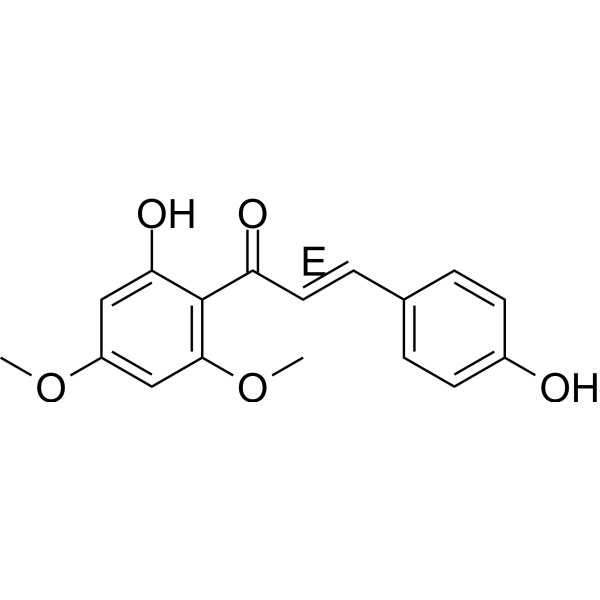
Flavokawain C is an orally active natural chalcone. Flavokawain C inhibits the proliferation of various cancer cells. Flavokawain C upregulates GADD153 in cancer cells, inhibits the phosphorylation of Akt and JNK, suppresses early ERK phosphorylation, activates late ERK phosphorylation, activates caspase related subtypes, induces PARP-1 cleavage, causes upregulation of p21 and p27, downregulation of mutant p53 and anti-apoptotic IAP proteins, elevates intracellular ROS levels, reduces SOD activity, and induces apoptosis. Flavokawain C downregulates FABP4, induces autophagy in cancer cells, and activates the AMPK/mTOR pathway . Flavokawain C decreases the expression of glycolysis-related proteins GLUT1 and HK2, and inhibits glycolysis in nasopharyngeal carcinoma cells. Flavokawain C inhibits the activation of the EGFR/PI3K/Akt/mTOR signaling pathway and reduces the expression of HSP90B1. Flavokawain C inhibits angiogenesis by decreasing the expression of angiogenic proteins Ang-1 and VEGF in human umbilical vein endothelial cells. Flavokawain C increases γ-H2AX levels in cells, inhibits the phosphorylation of FAK, PI3K and AKT in cells, and induces DNA damage in cells. Flavokawain C exerts anti-tumor activity in multiple tumor xenograft mouse models. Flavokawain C is applicable to research related to colorectal cancer, colon adenocarcinoma, nephroblastoma, nasopharyngeal carcinoma and liver cancer .
loading...
    loading...
3
3 Cited Publications
Cat. No.: HY-19747
CAS No.: 1429651-50-2
Target:  

HDAC Apoptosis

Research Areas:  

Cancer

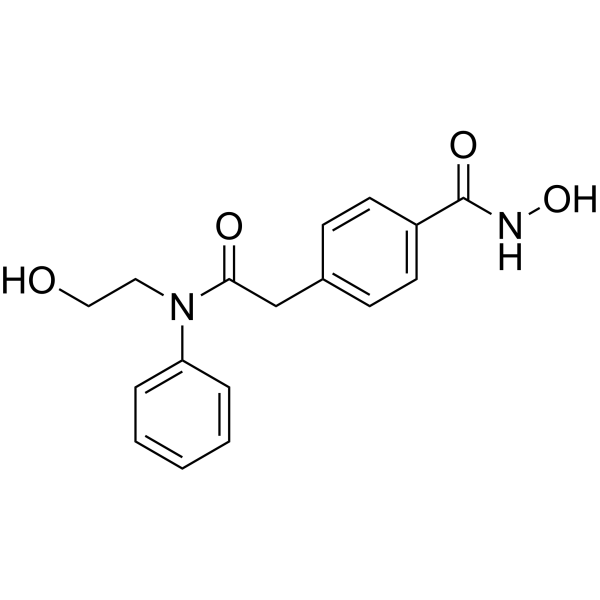
HPOB is a highly potent and selective inhibitor of HDAC6 with an IC50 of 56 nM. HPOB displays >30 fold less potent against other HDACs. HPOB enhances the effectiveness of DNA-damaging anticancer agents in transformed cells but not normal cells. HPOB does not block the ubiquitin-binding activity of HDAC6 .
loading...
    loading...
3
3 Cited Publications
Cat. No.: HY-W004702
CAS No.: 66-27-3
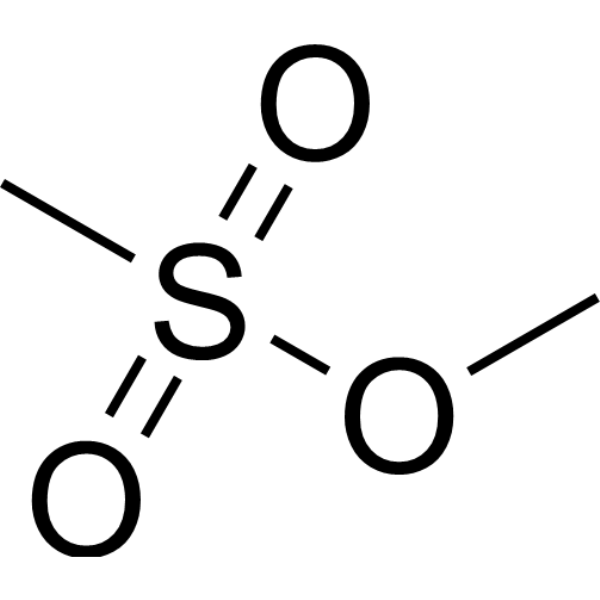
Methyl methanesulfonate is an alkylating agent which transfers methyl groups, and induces DNA damage. Methyl methanesulfonate is a biochemical reagent that can be used as a biological material or organic compound for life science related research .
loading...
    loading...
3
3 Cited Publications
Cat. No.: HY-33354
CAS No.: 56-57-5
Synonyms: 4-NQO
Research Areas:  

Inflammation/Immunology Cancer

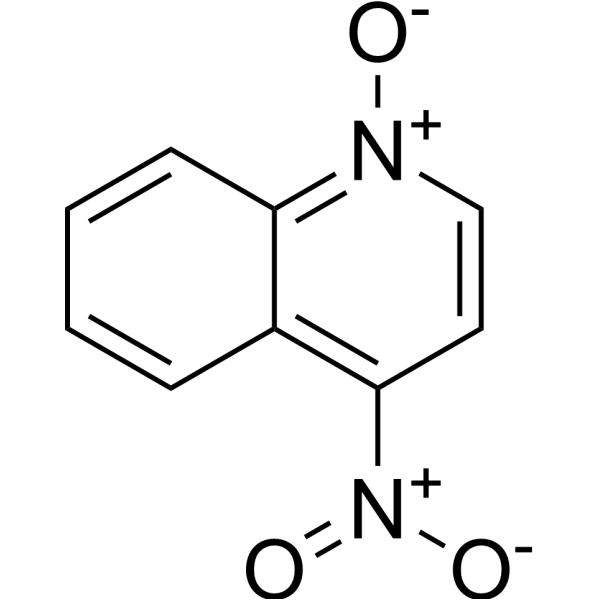
Nitrochin (4-NQO) is a chemical carcinogen. Nitrochin induces oncostatin-M (OSM) in esophageal cells. Nitrochin induces DNA damage, and induces apoptosis via a p53-dependent mitochondrial signaling pathway .
loading...
    loading...
3
3 Cited Publications
Cat. No.: HY-123604A
CAS No.: 2108830-09-5
Purity:  99.60%
Research Areas:  

Cancer

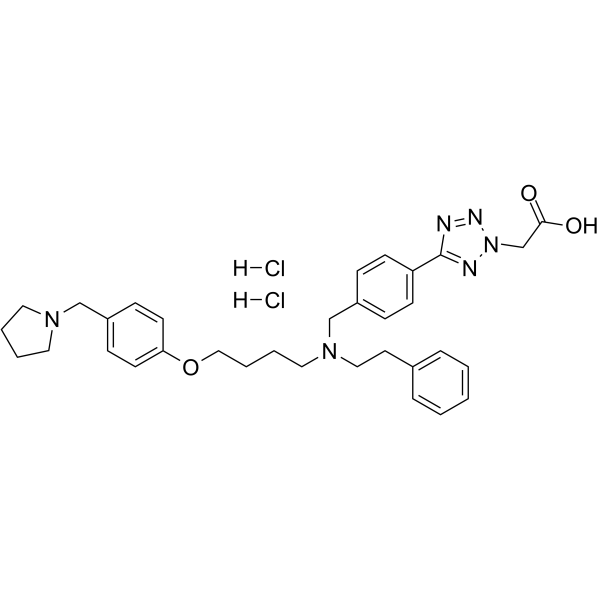
TH1834 dihydrochloride is a specific Tip60 (KAT5) histone acetyltransferase inhibitor. TH1834 dihydrochloride induces apoptosis and increases DNA damage in breast cancer. TH1834 dihydrochloride does not affect the activity of related histone acetyltransferase MOF. Anticancer activity .
loading...
    loading...
3
3 Cited Publications
Cat. No.: HY-123604
CAS No.: 2108830-08-4
Purity:  99.44%
Research Areas:  

Cancer

TH1834 is a specific Tip60 (KAT5) histone acetyltransferase (HAT) inhibitor. TH1834 induces apoptosis and increases DNA damage in breast cancer. TH1834 does not affect the activity of related histone acetyltransferase MOF. Anticancer activity .
loading...
    loading...
3
3 Cited Publications
Cat. No.: HY-N6787
CAS No.: 696-04-8
Synonyms: Dihydrothymine
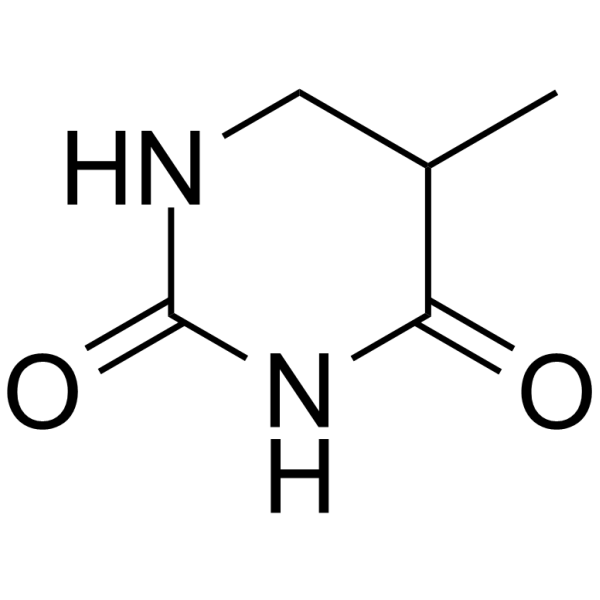
5,6-Dihydro-5-methyluracil (Dihydrothymine) is an intermediate breakdown product of Thymine (HY-W010450). 5,6-Dihydro-5-methyluracil can be used as a marker of DNA damage. 5,6-Dihydro-5-methyluracil can be used for the research of COVID-19 .
loading...
    loading...
3
3 Cited Publications
Cat. No.: HY-W004500
CAS No.: 116-31-4
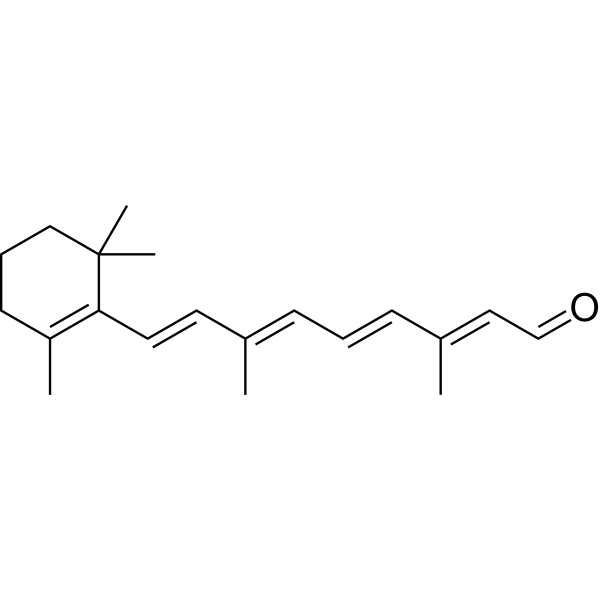
All-trans-retinal is an vitamin A metabolite in the retina, and is produced following photo-isomerization of the visual chromophore 11-cis-Retinal. All-trans-retinal is cleared from photoreceptors by ATP-binding cassette transporter (ABCA4) and all-trans-retinol dehydrogenase (RDH). All-trans-retinal induces Bax activation via DNA damage to mediate retinal cell apoptosis .
loading...
    loading...
3
3 Cited Publications
Cat. No.: HY-126020
CAS No.: 2290527-07-8
Purity:  99.90%
Target:  

DNA/RNA Synthesis RAD51

Research Areas:  

Cancer

Bractoppin is a potent and selective agent-like inhibitor of phosphopeptide recognition by the human BRCA1 tandem(t) BRCT domain (binding IC50: 74 nM). Bractoppin diminishes BRCA1 recruitment to DNA breaks, in turn suppressing damage-induced G2 arrest and assembly of the recombinase, RAD51. Bractoppin preferentially inhibits BRCA1 tBRCT-dependent steps in the DNA damage response .
loading...
    loading...
3
3 Cited Publications
Cat. No.: HY-15673
CAS No.: 1374996-60-7
Purity:  99.75%
KP372-1 is an Akt inhibitor that inhibits proliferation and induces apoptosis and anoikis. KP372-1 is also an NQO1 redox cycling agent that causes DNA damage (including DNA breakage) by generating ROS. KP372-1 can be used in cancer research (such as head and neck squamous cell carcinoma (HNSCC) and pancreatic cancer) .
loading...
    loading...
3
3 Cited Publications
Cat. No.: HY-111756
CAS No.: 2056014-40-3
Purity:  98.04%
Target:  

Apoptosis

Research Areas:  

Cancer

BLM-IN-1 is an effective bloom syndrome protein (BLM) inhibitor. BLM-IN-1 has a high binding affinity with a KD valueof 1.81 μM. BLM-IN-1 has good inhibitory effect for BLM with an IC50 value of 0.95 μM. BLM-IN-1 can induce cell apoptosis. BLM-IN-1can be used for the research of DNA damage and cancer .
loading...
    loading...

