538 Results for "

antimalarials

" in MedChemExpress (MCE) Product Catalog:
Products (538)

538 Results for "antimalarials" in MCE Product Catalog:

4
4 Cited Publications
Cat. No.: HY-13832
CAS No.: 95233-18-4
Purity:  99.75%
Synonyms: Atavaquone
Research Areas:  

Infection Cancer

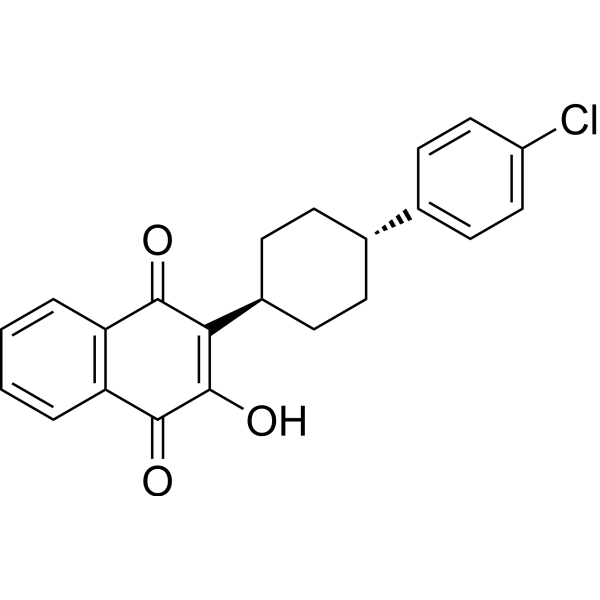
Atovaquone (Atavaquone) is a potent, selective and orally active inhibitor of the parasite’s mitochondrial cytochrome bc1 complex. Atovaquone is against human and P. falciparum cytochrome bc1 activity with IC50 values of 460 nM and 2.0 nM, respectively. Atovaquone is an antimalarial agent and has the potential for the investigation of neumocystis pneumonia, toxoplasmosis, malaria, and babesia .
loading...
    loading...
4
4 Cited Publications
Cat. No.: HY-N6769
CAS No.: 12772-57-5
Synonyms: Monorden
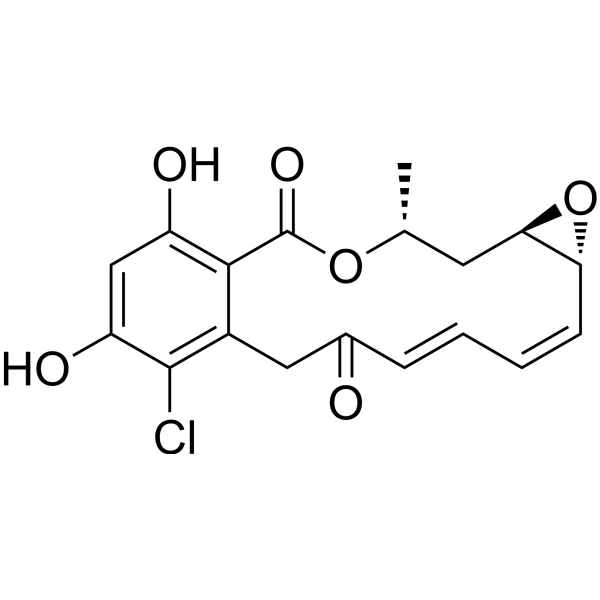
Radicicol is an inhibitor of Hsp90 with an IC50 value < 1 μM, and leads to proteasomal degradation . Radicicol exhibits inhibition on PDK with IC50s of 230 μM (PDK1) and 400 μM (PDK3). Radicicol is an antifungal and antimalarial antibiotic, impairs mitochondrial replication by targeting P. falciparum topoisomerase VIB . Radicicol is also an inhibitor of fat mass and obesity-associated protein (FTO), with an IC50 value of 16.04 μM .
loading...
    loading...
4
4 Cited Publications
Cat. No.: HY-N0498
CAS No.: 13063-04-2
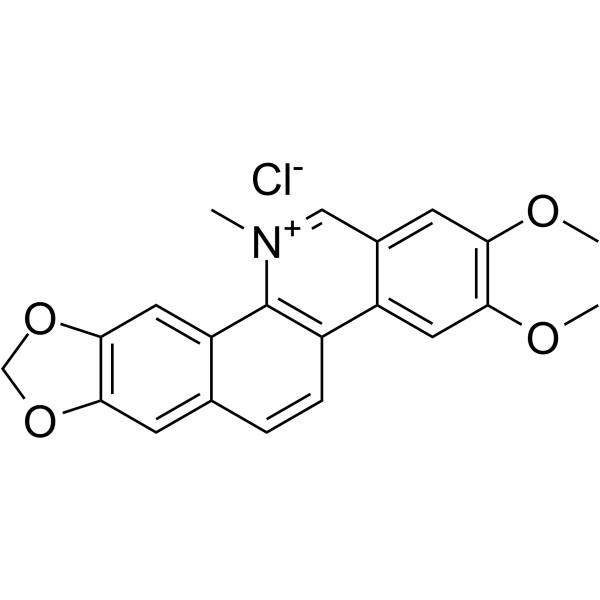
Nitidine chloride, a potential anti-malarial lead compound derived from Zanthoxylum nitidum (Roxb) DC, exerts potent anticancer activity through diverse pathways, including inducing apoptosis, inhibiting STAT3 signaling cascade, DNA topoisomerase 1 and 2A, ERK and c-Src/FAK associated signaling pathway, also has anti-inflammatory activity. Nitidine chloride inhibits LPS-induced inflammatory cytokines production via MAPK and NF-kB pathway .
loading...
    loading...
3
3 Cited Publications
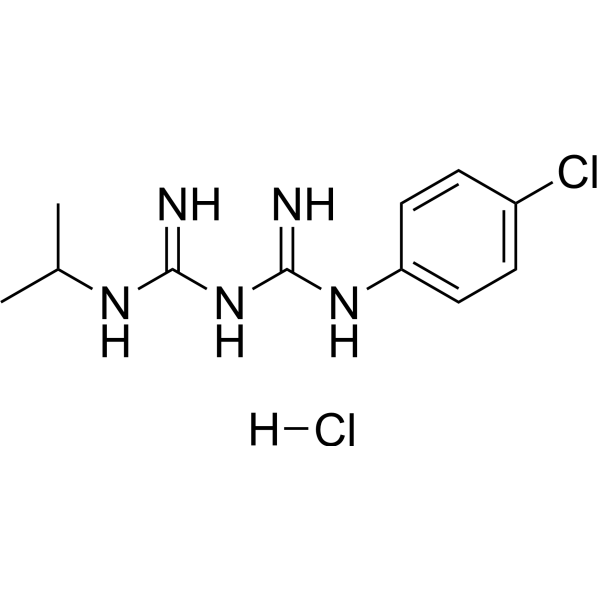
Cat. No.: HY-B0806
CAS No.: 500-92-5
Target:  

Parasite Antifolate

Research Areas:  

Infection

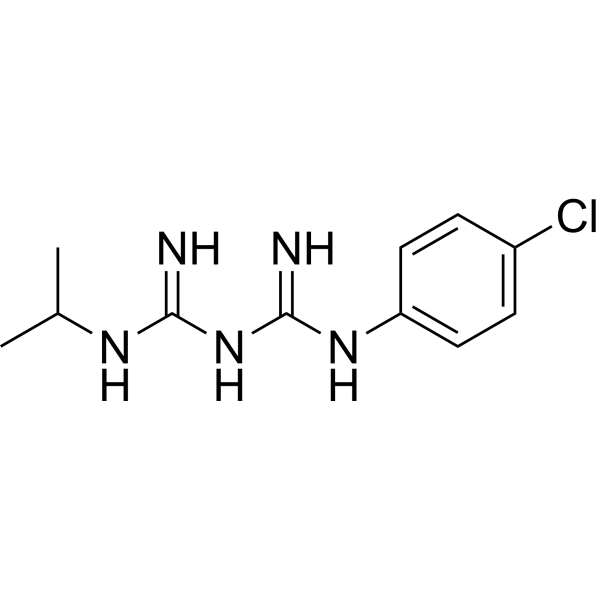
Proguanil, an antimalarial proagent, is metabolized to the active metabolite Cycloguanil (HY-12784). Proguanil is a dihydrofolate reductase (DHFR) inhibitor .
loading...
    loading...
3
3 Cited Publications
Cat. No.: HY-B0806A
CAS No.: 637-32-1
Target:  

Parasite Antifolate

Research Areas:  

Infection

Proguanil hydrochloride, an antimalarial proagent, is metabolized to the active metabolite Cycloguanil (HY-12784). Proguanil hydrochloride is a dihydrofolate reductase (DHFR) inhibitor .
loading...
    loading...
3
3 Cited Publications
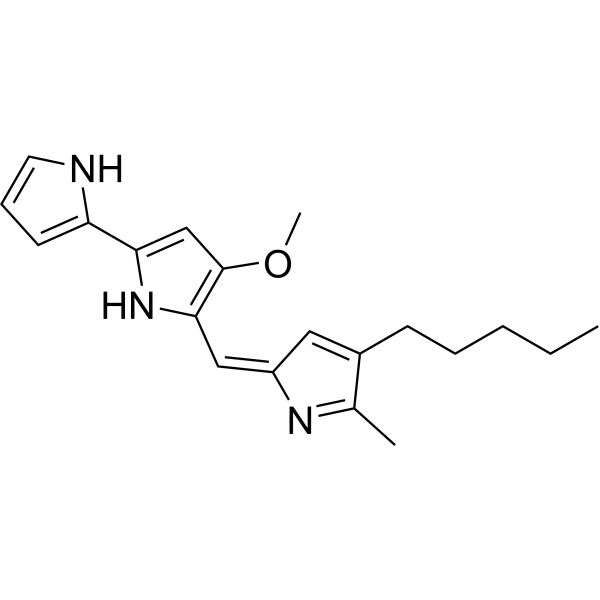
Cat. No.: HY-100711
CAS No.: 82-89-3
Purity:  99.89%
Synonyms: Prodigiosine; NSC47147
Prodigiosin (Prodigiosine) is a red pigment produced by bacteria as a bioactive secondary metabolite. Prodigiosin is a potent inhibitor of the Wnt/β-catenin pathway. Prodigiosin has antibacterial, antifungal, antiprotozoal, antimalarial, immunosuppressive, and anticancer properties .
loading...
    loading...
3
3 Cited Publications
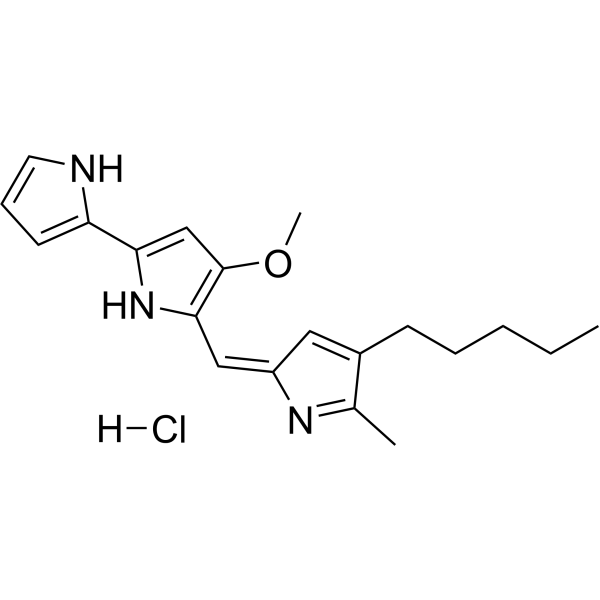
Cat. No.: HY-100711A
CAS No.: 56144-17-3
Purity:  98.00%
Synonyms: Prodigiosine hydrochloride
Prodigiosin (Prodigiosine) hydrochloride is a red pigment produced by bacteria as a bioactive secondary metabolite. Prodigiosin hydrochloride is a potent proapoptotic agent, and inhibits Wnt/β-catenin pathway. Prodigiosin hydrochloride has antibacterial, antifungal, antiprotozoal, antimalarial, immunosuppressive, and anticancer properties .
loading...
    loading...
3
3 Cited Publications
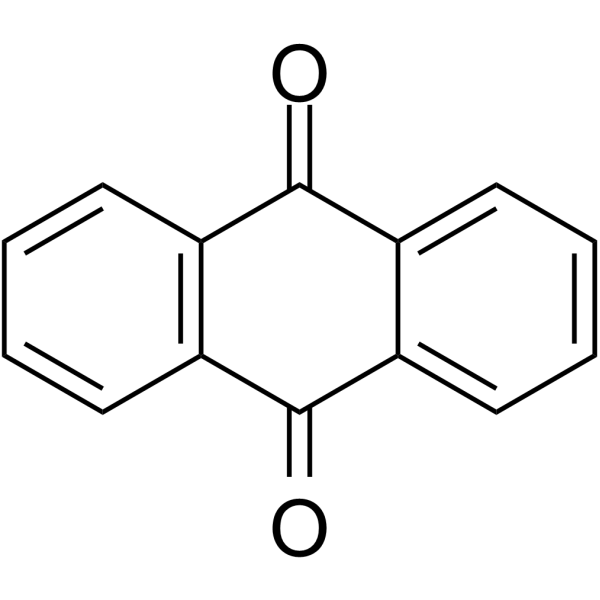
Cat. No.: HY-N0354
CAS No.: 84-65-1
Anthraquinone is used as a precursor for dye formation and agrochemicals, existing in different organisms, such as bacteria, fungi, plants, and some animals. Anthraquinone has biological activities: anticancer, antiinflammatory, diuretic, antiarthritic, antifungal, antibacterial, antimalarial and antioxidant. Anthraquinone also plays an important role in the primary metabolism of plants by acting on the electron transport chain through the inhibition of energy transfer in the photosynthetic process. Anthraquinone can intercalates into DNA and inhibits the topoisomerase II (topo II) enzyme, resulting in cell death via Apoptosis .
loading...
    loading...
3
3 Cited Publications
Cat. No.: HY-N0402
CAS No.: 71963-77-4
Synonyms: Dihydroqinghaosu methyl ether; Dihydroartemisinin methyl ether; SM224
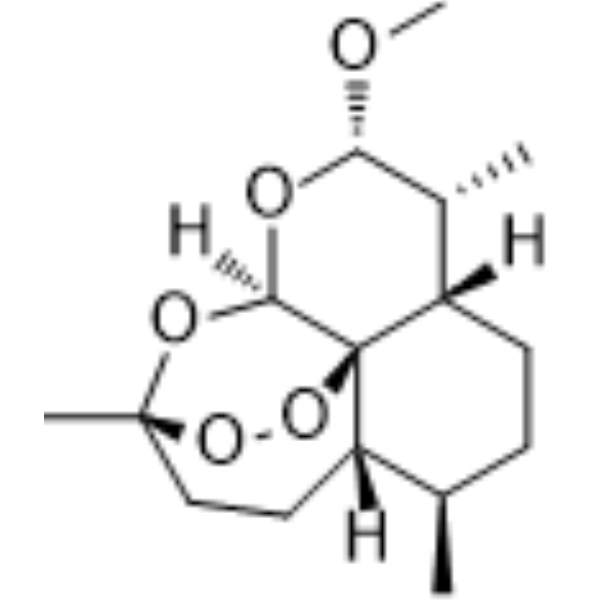
Artemether is an anti-malarial compound that targets drug-resistant strains of falciparum malaria .
loading...
    loading...
3
3 Cited Publications
Cat. No.: HY-N1457
CAS No.: 603-56-5
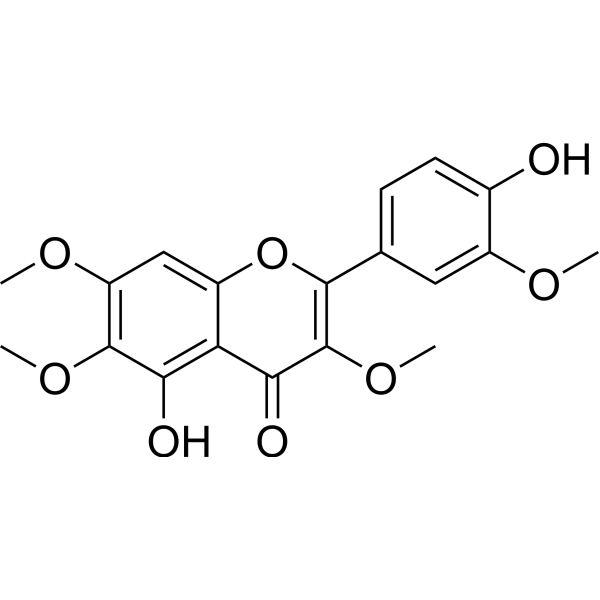
Chrysosplenetin is an orally active polymethoxyflavone. Chrysosplenetin exerts anticancer effects by inhibiting topoisomerase, protecting DNA and inducing apoptosis. Chrysosplenetin acts as an antimalarial sensitizer, reverses Artemisinin (HY-B0094) resistance by inhibiting and downregulating P-glycoprotein, and enhances the efficacy of Artemisinin. Chrysosplenetin promotes bone formation by activating the Wnt/β-catenin pathway and exerts anti-osteoporotic effects .
loading...
    loading...
3
3 Cited Publications
Cat. No.: HY-17589AR
CAS No.: 54-05-7
Chloroquine (Standard) is the analytical standard of Chloroquine. This product is intended for research and analytical applications. Chloroquine is an antimalarial and anti-inflammatory agent widely used to treat malaria and rheumatoid arthritis. Chloroquine is an autophagy and toll-like receptors (TLRs) inhibitor. Chloroquine is highly effective in the control of SARS-CoV-2 (COVID-19) infection in vitro (EC50=1.13 μM) .
loading...
    loading...
3
3 Cited Publications
Cat. No.: HY-106005
CAS No.: 1314883-11-8
Purity:  99.17%
Target:  

Parasite PI4K

Research Areas:  

Infection

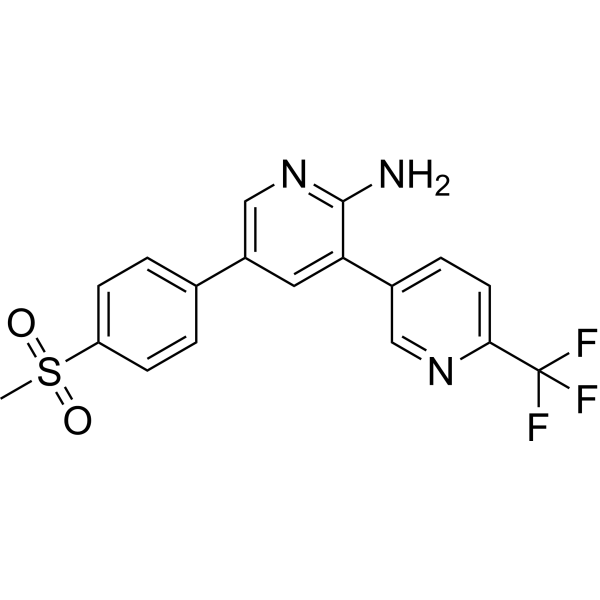
MMV390048 is a representative of a new chemical class of Plasmodium PI4K inhibitor (Kd app=0.3 µM). MMV390048 binds to the ATP binding site of Plasmodium PI4K and does not bind to other P. falciparum and human kinases apart from human PIP4K2C, thus alleviating potential kinase-mediated safety concerns. MMV390048 is an antimalarial agent .
loading...
    loading...
3
3 Cited Publications
Cat. No.: HY-126741
CAS No.: 11141-17-6
Purity:  99.06%
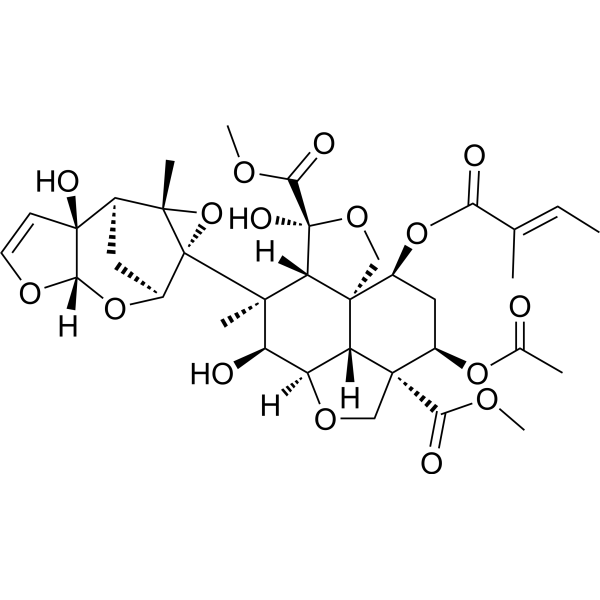
Azadirachtin is an oral active triterpenoid compound with anticancer, antimalarial, anti-inflammatory, and insecticidal activities. Azadirachtin induces cell apoptosis through the mitochondrial pathway (by inhibiting Bcl-2/Bax ratio or activating Apaf-1 and caspase-3) or through death receptors (by inhibiting TNFR activation). Additionally, Azadirachtin exerts its anti-inflammatory effects by inhibiting NF-кB signaling pathway activation, and it exhibits insecticidal activity by inducing apoptosis in insect cells .
loading...
    loading...
2
2 Cited Publications
Cat. No.: HY-B0803
CAS No.: 82186-77-4
Synonyms: Benflumetol
Target:  

Parasite

Research Areas:  

Infection

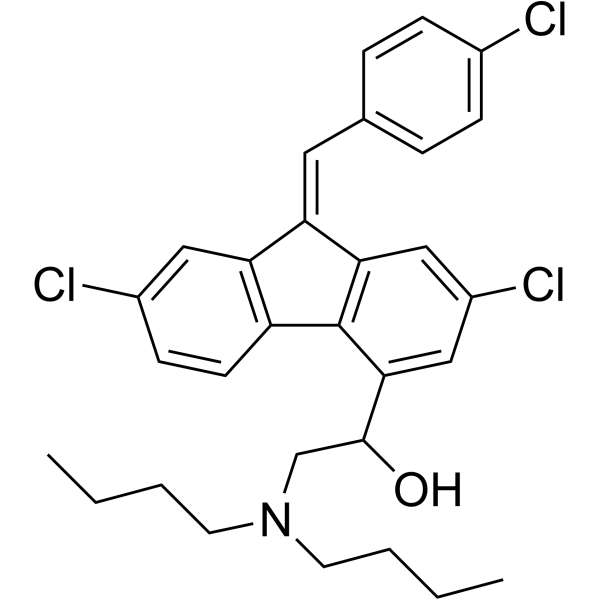
Lumefantrine is an active antimalarial molecule used in combination with Artemether as a first- and second-line antimalarial drug with oral activity .
loading...
    loading...
2
2 Cited Publications
Cat. No.: HY-117025A
CAS No.: 104264-80-4
Purity:  99.66%
Synonyms: Keramamine A hydrochloride
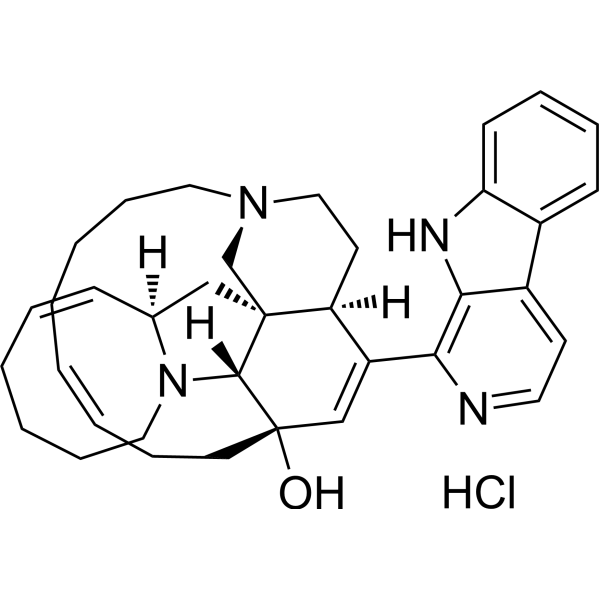
Manzamine A hydrochloride, an orally active beta-carboline alkaloid, inhibits specifically GSK-3β and CDK-5 with IC50s of 10.2 μM and 1.5 μM, respectively. Manzamine A hydrochloride targets vacuolar ATPases and inhibits autophagy in pancreatic cancer cells. Manzamine A hydrochloride has antimalarial and anticancer activities. Manzamine A hydrochloride also shows potent activity against HSV-1 .
loading...
    loading...
2
2 Cited Publications
Cat. No.: HY-A0148A
CAS No.: 36167-63-2
Synonyms: SKF-102886; WR-171669 hydrochloride
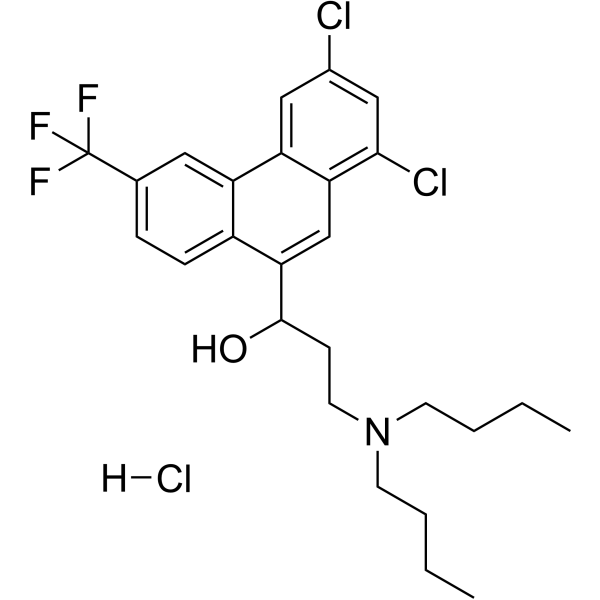
Halofantrine hydrochloride (SKF-102886 hydrochloride; WR-171669 hydrochloride) is a blocker that delays the delayed rectifier potassium current by inhibiting human ERG channels, and it is a potent antimalarial agent with oral activity. Halofantrine hydrochloride inhibits the Cap1-dependent oxidative stress response of Candida albicans, suppresses ROS responses, and enhances the antifungal (Fungal) activity of oxidative damage agents. Halofantrine hydrochloride exhibits antifungal activity in the Galleria mellonella model, and shows antimalarial activity against Plasmodium strains both in vitro and in animal models. Halofantrine hydrochloride can be used in studies related to invasive candidiasis, falciparum malaria, and vivax malaria .
loading...
    loading...
2
2 Cited Publications
Cat. No.: HY-128204
CAS No.: 1268335-33-6
Purity:  99.89%
Target:  

Parasite

Research Areas:  

Infection

AN3661, a potent antimalarial lead compound, targets a Plasmodium falciparum cleavage and polyadenylation specificity factor homologue subunit 3 (PfCPSF3). AN3661 inhibits Plasmodium falciparum laboratory-adapted strains (mean IC50=32 nM), Ugandan field isolates (mean ex vivo IC50=64 nM), and murine P. berghei and P. falciparum infections .
loading...
    loading...
2
2 Cited Publications
Cat. No.: HY-112853
CAS No.: 66508-37-0
Purity:  99.72%
Synonyms: FR-31564
Target:  

Bacterial Antibiotic

Research Areas:  

Infection

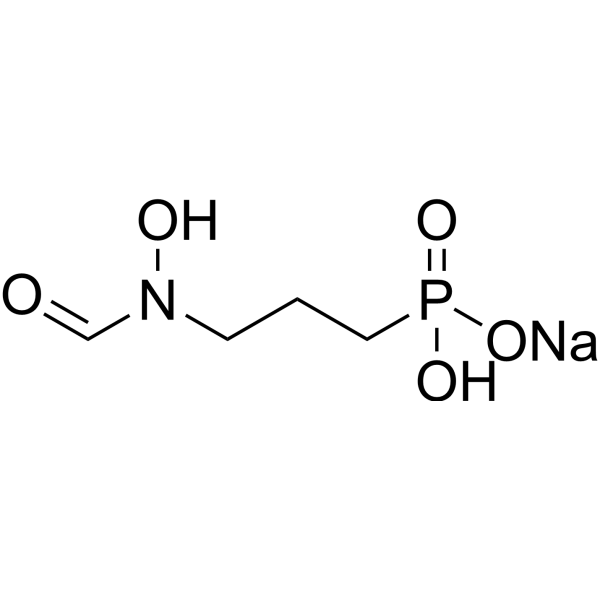
Fosmidomycin sodium salt is a phosphonic acid antibiotic and a antimalarial agent, which is active against both Gram-negative and Gram-positive bacteria.
loading...
    loading...
2
2 Cited Publications
Cat. No.: HY-16762
CAS No.: 1029939-86-3
Synonyms: OZ439
Research Areas:  

Infection

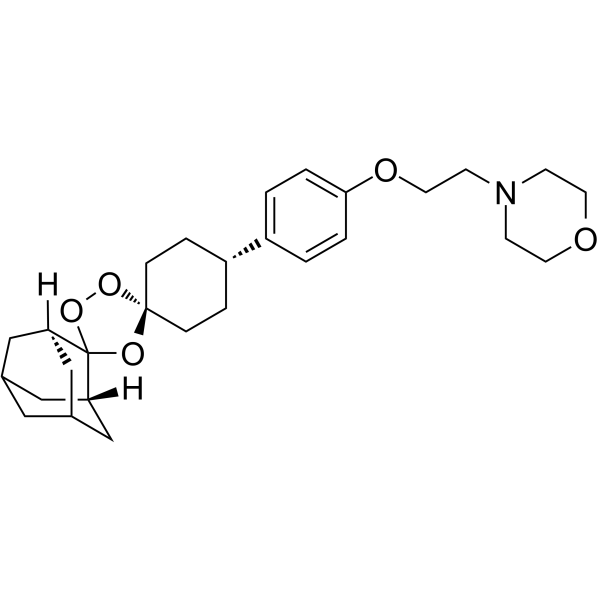
Artefenomel (OZ439) is an orally active, synthetic anti-malarial compound containing an artemisinin pharmacophore with a mechanism of action similar to that of artemisinin. Artefenomel has antiviral activity against SARS-CoV-2 .
loading...
    loading...
2
2 Cited Publications
Cat. No.: HY-N7030
CAS No.: 855-97-0
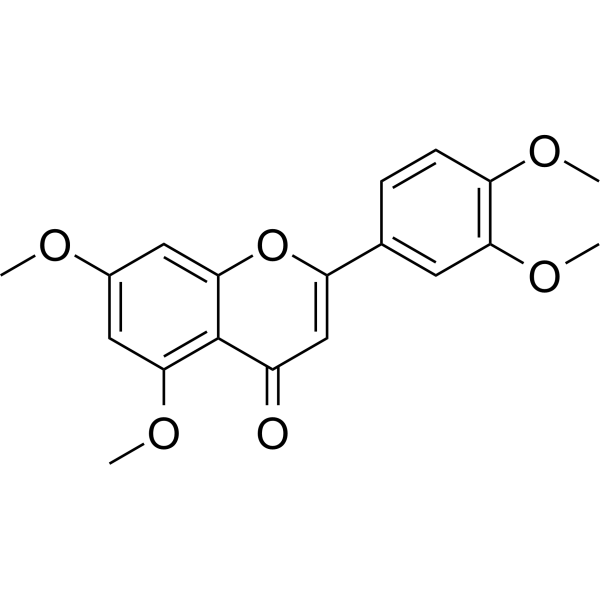
5,7,3',4'-Tetramethoxyflavone, an orally active polymethoxyflavones (PMFs) that can be isolated from M. exotica, possesses various bioactivities, including anti-fungal, anti-malarial, anti-mycobacterial, and anti-inflammatory activities. 5,7,3',4'-Tetramethoxyflavone exhibits chondroprotective activity by targeting β-catenin signaling .
loading...
    loading...

