217 Results for "

blocker ATP

" in MedChemExpress (MCE) Product Catalog:
Products (217)

217 Results for "blocker ATP" in MCE Product Catalog:

2
2 Cited Publications
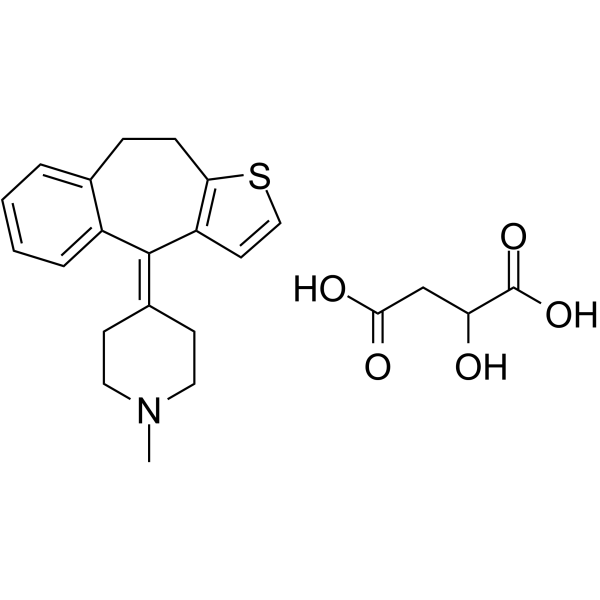
Cat. No.: HY-B0115A
CAS No.: 5189-11-7
Synonyms: Pizotyline malate; BC-105 malate
Pizotifen malate (Pizotyline malate) is a 5-HT2 receptor antagonist. Pizotifen malate inhibits the Wnt/β-catenin-EMT signaling pathway and induces mitochondria-mediated Apoptosis. Pizotifen malate causes transient ERK1/2 phosphorylation and restores ATP. Pizotifen malate blocks Serotonin (HY-B1473A)-mediated platelet activation, inhibits Serotonin-enhanced ADP-induced platelet aggregation, and prolongs carotid artery occlusion and tail bleeding time. Pizotifen malate exhibits anticancer activity against gastric cancer and colon cancer. Pizotifen malate exerts neuroprotective effects in the striatum of R6/2 mice. Pizotifen malate can be used for research on gastric cancer, colon cancer, Huntington's disease, metastasis, and thromboembolic diseases .
loading...
    loading...
1
1 Cited Publications
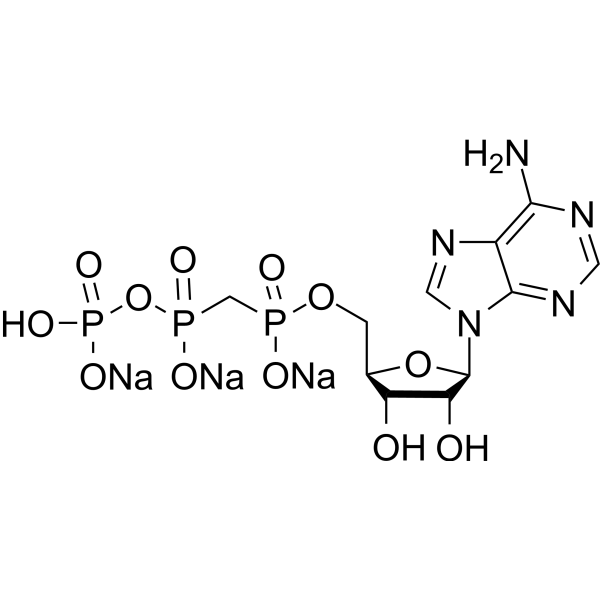
Cat. No.: HY-108652
CAS No.: 1343364-54-4
Purity:  99.75%
Target:  

P2X Receptor

Research Areas:  

Inflammation/Immunology

α,β-Methylene-ATP trisodium is an agonist of P2X1 and P2X3 receptors and can cross the blood-brain barrier. α,β-Methylene-ATP trisodium can trigger a reflex pressor response by activating P2X receptors in peripheral muscles and the central locus coeruleus (LC); this effect can be blocked by the P2X antagonist PPADS (HY-108960). α,β-Methylene-ATP trisodium also activates noradrenergic neurons in the central locus coeruleus, mediating antinociceptive effects; this effect can be attenuated by the locus coeruleus damaging agent DSP-4 (HY-103210/HY-121602). α,β-Methylene-ATP trisodium can be used to study the pathological mechanisms of neuropathic pain, cardiovascular reflex regulation, and antinociceptive effects of the central nervous system .
loading...
    loading...
1
1 Cited Publications
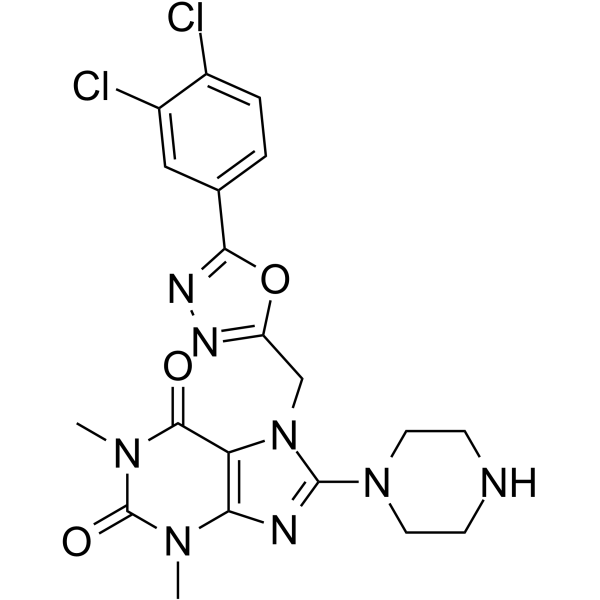
Cat. No.: HY-125209
CAS No.: 2253744-56-6
Purity:  99.92%
Target:  

DNA/RNA Synthesis

Research Areas:  

Cancer

TH5427 is a promising, targeted inhibitor that can be used to further study NUDT5 activity and ADP-ribose metabolism. TH5427, blocks progestin-dependent, PAR-derived nuclear ATP synthesis and subsequent chromatin remodeling, gene regulation and proliferation in breast cancer cells. NUDT5 is recently identified as a rheostat of hormone-dependent gene regulation and proliferation in breast cancer cells .
loading...
    loading...
1
1 Cited Publications
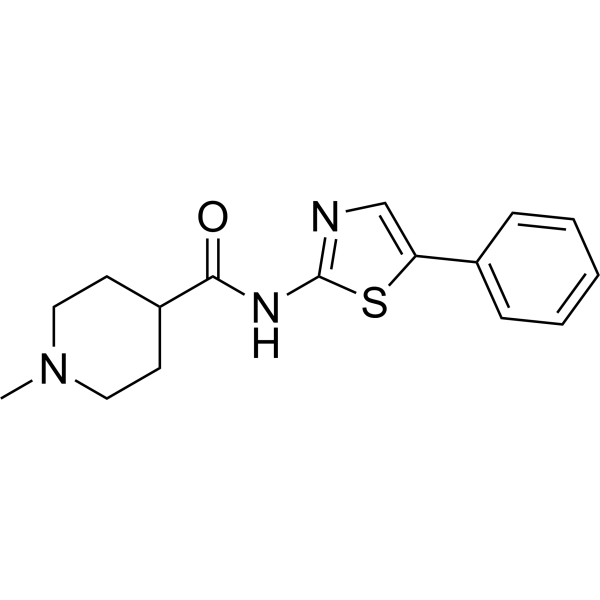
Cat. No.: HY-148105
CAS No.: 2373065-59-7
Purity:  99.10%
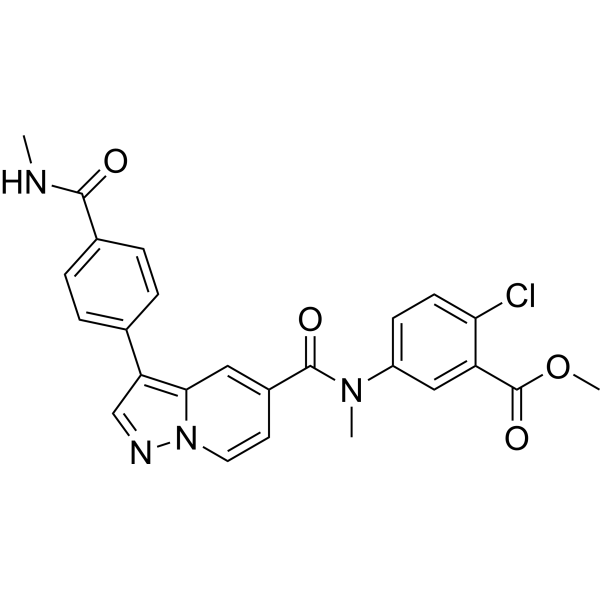
DS12881479 is a selective non-ATP-competitive MNK1 inhibitor with an IC50 value of 387 nM. DS12881479 stabilizes MNK1 in its autoinhibited DFD-out conformation, blocks eIF4E phosphorylation, suppresses tumor cell proliferation and induces weak apoptosis. DS12881479 also inhibits FLT3 and DYRK1a kinase activity at high concentrations. DS12881479 can be used for the research of cancer, such as leukemia .
loading...
    loading...
1
1 Cited Publications
Cat. No.: HY-13072
CAS No.: 871357-89-0
Purity:  99.86%
Synonyms: AS-703569; R-763
Research Areas:  

Cancer

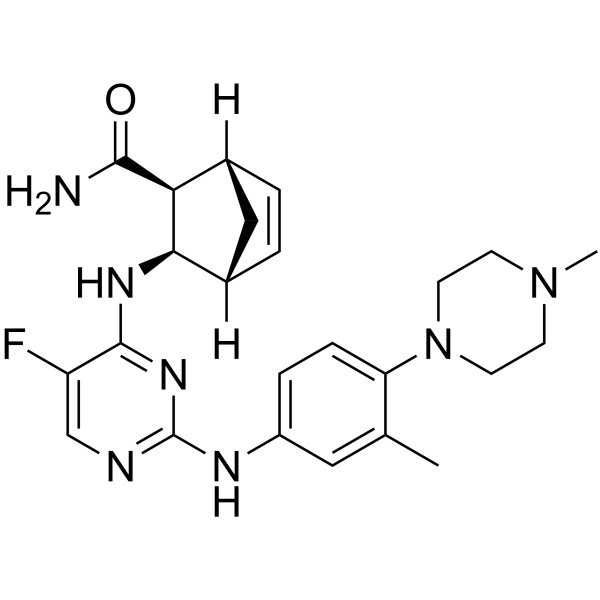
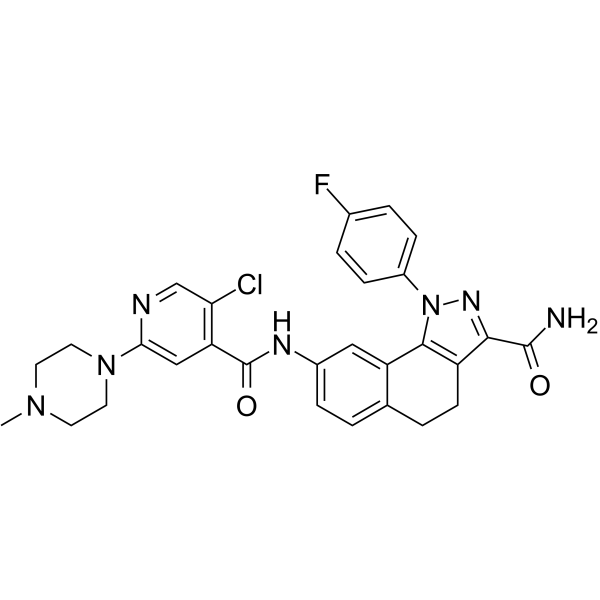
Cenisertib (AS-703569) is an ATP-competitive multi-kinase inhibitor that blocks the activity of Aurora-kinase-A/B, ABL1, AKT, STAT5 and FLT3. Cenisertib induces major growth-inhibitory effects by blocking the activity of several different molecular targets in neoplastic mast cells (MC). Cenisertib inhibits tumor growth in xenograft models of pancreatic, breast, colon, ovarian, and lung tumors and leukemia .
loading...
    loading...
1
1 Cited Publications
Cat. No.: HY-136650A
Purity:  99.56%
Synonyms: F-ara-ATP trisodium
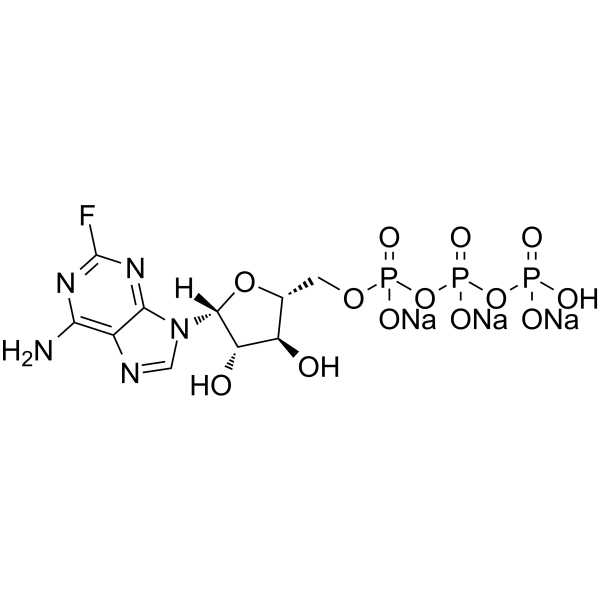
Fludarabine triphosphate (F-ara-ATP) trisodium, the active metabolite of Fludarabine (HY-B0069), is a potent, noncompetitive and specific inhibitor of DNA primase, with an IC50 of 2.3 μM and a Ki of 6.1 μM. Fludarabine triphosphate trisodium inhibits DNA synthesis by blocking DNA primase and primer RNA formation. Fludarabine triphosphate trisodium inhibits ribonucleotide reductase and DNA polymerase and ultimately leads to cellular apoptosis .
loading...
    loading...
1
1 Cited Publications
Cat. No.: HY-115570
CAS No.: 1644443-92-4
Purity:  ≥98.0%
Synonyms: GW108X
Target:  

Kinesin ULK Autophagy

Research Areas:  

Cancer

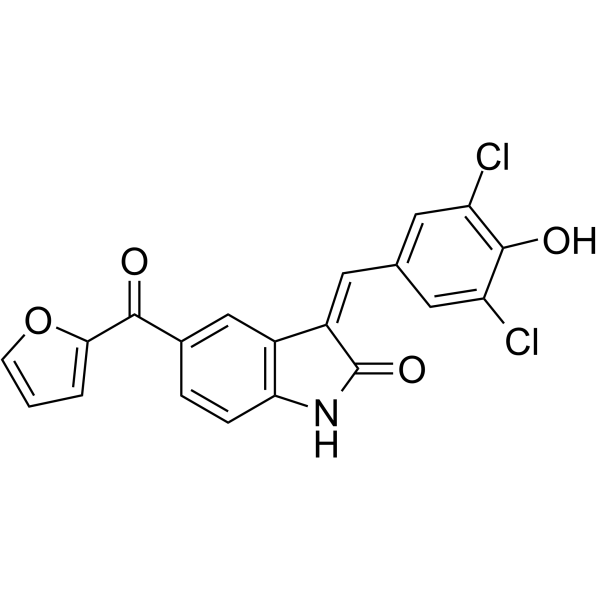
GW406108X is a specific Kif15 (Kinesin-12) inhibitor with an IC50 of 0.82 uM in ATPase assays. GW406108X, a potent autophagy inhibitor, shows ATP competitive inhibition against ULK1 with a pIC50 of 6.37 (427 nM). GW406108X inhibits ULK1 kinase activity and blocks autophagic flux, without affecting the upstream signaling kinases mTORC1 and AMPK .
loading...
    loading...
1
1 Cited Publications
Cat. No.: HY-125927
CAS No.: 3868-33-5
Purity:  99.94%
Synonyms: 8-NH2-Ado
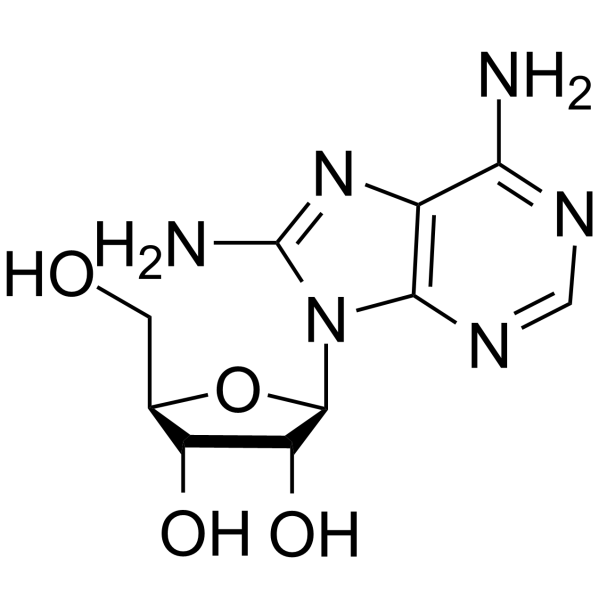
8-Aminoadenosine (8-NH2-Ado), a RNA-directed nucleoside analogue, reduces cellular ATP levels and inhibits mRNA synthesis. 8-Aminoadenosine blocks Akt/mTOR signaling and induces autophagy and apoptosis in a p53-independent manner. 8-Aminoadenosine has antitumor activity .
loading...
    loading...
1
1 Cited Publications
Cat. No.: HY-156685
CAS No.: 2767264-57-1
Purity:  99.86%
Target:  

PI4K Parasite

Research Areas:  

Infection Metabolic Disease Cancer

EDI048 is an orally active, gut-restricted parasiticidal agent. EDI048 specifically binds to the ATP-binding site of Cryptosporidium phosphatidylinositol 4-kinase (CpPI (4) K), blocks parasite membrane biogenesis, arrests the pathogen at the schizont stage, and thus irreversibly clears the infection. EDI048 is rapidly converted to an inactive carboxylic acid metabolite via hepatic first-pass metabolism, with extremely low systemic exposure, good safety profile, and no cardiotoxicity, genotoxicity or off-target effects. EDI048 is used in studies of intestinal cryptosporidiosis in children .
loading...
    loading...
1
1 Cited Publications
Cat. No.: HY-P1137
CAS No.: 955091-53-9
Target:  

Gap Junction Protein

Research Areas:  

Others

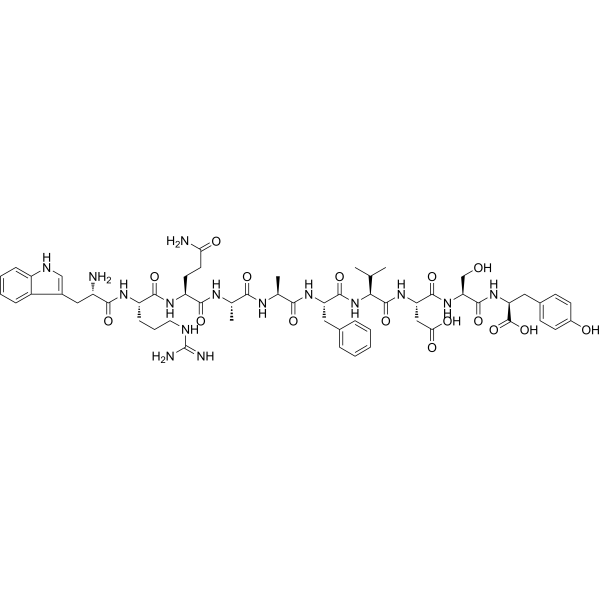
10Panx is a competitive inhibitor of selective Pannexin 1 (PANX1) channels. 10Panx blocks the opening of PANX1 channels, inhibits ATP release and downstream P2X7 receptor-mediated signaling pathways, thereby reducing cell death and inflammatory responses. 10Panx can be used in the study of diseases such as neuropathic pain, inflammatory bowel disease, and Clostridioides difficile infection. 10Panx can effectively reduce mechanical hyperalgesia and enhanced C-reflexes, and inhibit the expression of pro-inflammatory factors such as IL-6[1][2][3].
loading...
    loading...
1
1 Cited Publications
Cat. No.: HY-16485
CAS No.: 560130-42-9
Synonyms: TD-6424 hydrochloride
Target:  

Antibiotic Bacterial

Research Areas:  

Infection

Telavancin hydrochloride (TD-6424 hydrochloride) is a bactericidal agent that exhibits inhibitory activity against Staphylococcus aureus. Telavancin hydrochloride inhibits bacterial cell wall synthesis by binding to the lipid-linked N-acetylglucosamine-N-muramyl pentapeptide (with a D-Ala-D-Ala terminus), a peptidoglycan precursor, and blocks the transglycosylation and transpeptidation steps. Telavancin hydrochloride disrupts bacterial membrane barrier function, induces dissipation of bacterial membrane potential, and causes leakage of cytoplasmic ATP and potassium ions, with its activity restricted exclusively to bacterial membranes. Telavancin hydrochloride can be used in research on bacterial infections, central venous catheter-related bloodstream infections, and Gram-positive bacterial pneumonia .
loading...
    loading...
1
1 Cited Publications
Cat. No.: HY-119976
CAS No.: 188425-85-6
Purity:  99.29%
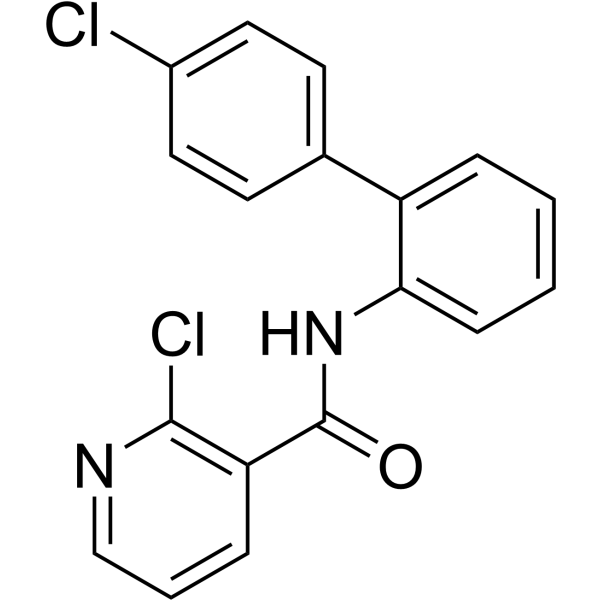
Boscalid is a succinate dehydrogenase (SDHI) inhibitor with antifungal activity. Boscalid binds to the ubiquinone-binding site of fungal mitochondrial complex II, blocks ATP production and aerobic respiration, exhibits good control efficacy against a variety of plant fungal diseases including gray mold, sclerotinia rot and powdery mildew, and is widely used for disease control in agriculture. Boscalid induces apoptosis, altered lipid metabolism, mitochondrial dysfunction, respiratory impairment, oxidative stress, ROS accumulation and neurodevelopmental disorders in zebrafish. Boscalid reduces foraging ability, shortens median death time and causes chronic toxicity in exposed honeybees. Boscalid also possesses genotoxicity, cytotoxicity, elevated mitochondrial superoxide levels and early-stage apoptosis .
loading...
    loading...
1
1 Cited Publications
Cat. No.: HY-14180
CAS No.: 503555-55-3
Purity:  99.40%
PHA-408 is a highly selective, orally active and ATP-competitive IKK-2 inhibitor with an IC50 of 40 nM. PHA-408 blocks NF-κB signaling by suppressing IκBα phosphorylation and degradation, p65 phosphorylation, and pro-inflammatory cytokine production, and prevents TNF-α-induced premature senescence in HUVECs. PHA-408 alleviates LPS-and cigarette smoke-triggered pulmonary inflammation, reduces LPS-stimulated serum TNF-α release, and ameliorates joint damage in SCW-induced arthritis in rats. PHA-408 is applicable for the research of rheumatoid arthritis, chronic obstructive pulmonary disease (COPD), and Duchenne muscular dystrophy .
loading...
    loading...
1
1 Cited Publications
Cat. No.: HY-D0976
CAS No.: 202983-32-2
Research Areas:  

Infection

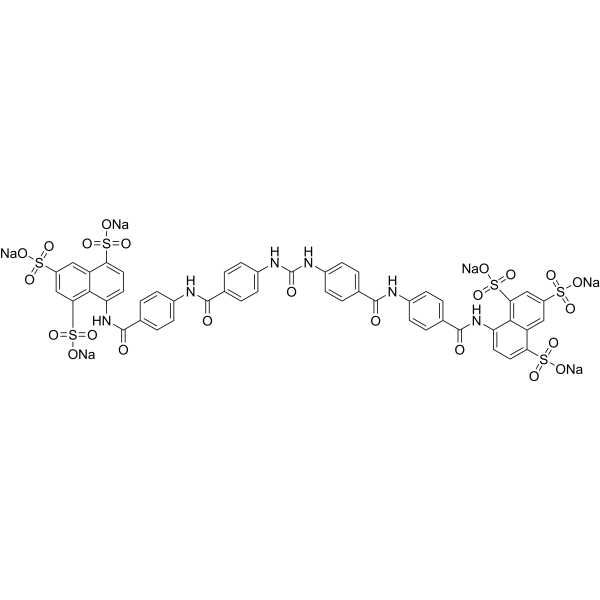
NF279 is a selective P2X1 receptor antagonist and NTPDase inhibitor, with a P2X1 IC50 value of 19 nM. NF279 suppresses GABA-evoked currents, reduces ATP-excited respiratory activity, alters hypoglossal nerve burst parameters, and blocks CXCR4, CCR5, CXCR3, and CXCR7-mediated calcium responses. NF279 arrests HIV-1 fusion downstream of CD4 binding, inhibits R5- and X4-tropic HIV-1 strains. NF279 can be used for the research of HIV-1 infection .
loading...
    loading...
1
1 Cited Publications
Cat. No.: HY-142035
CAS No.: 58160-95-5
Purity:  99.70%
N-Propargylglycine is a brain-penetrant and orally active PRODH inhibitor. N-Propargylglycine covalently modifies enzyme-bound FAD and active site lysine, causing enzyme structural distortion, protein decay, and irreversible inhibition of proline and 4-hydroxyproline catabolism. N-Propargylglycine induces UPRmt, upregulates mitochondrial chaperones and YME1L1, enhances mitochondrial proteostasis, blocks astrocytic L-proline consumption, and abolishes L-proline’s ATP-maintaining and viability-protective effects. N-Propargylglycine stimulates neural processes, increases brain proline, hydroxyproline, and sarcosine levels, partially normalizes Huntington’s disease whole brain transcriptomes. N-Propargylglycine reduces hyperoxaluria, prevents calcium oxalate stone formation, reduces kidney tubular damage, and restores weight and survival in Grhpr knockout mice. N-Propargylglycine can be used for the research of breast cancer, neurodegenerative disorders, Huntington’s disease, and primary hyperoxaluria type 2 .
loading...
    loading...
Cat. No.: HY-136615
CAS No.: 71186-53-3
Purity:  ≥99.0%
Target:  

Potassium Channel

Research Areas:  

Neurological Disease

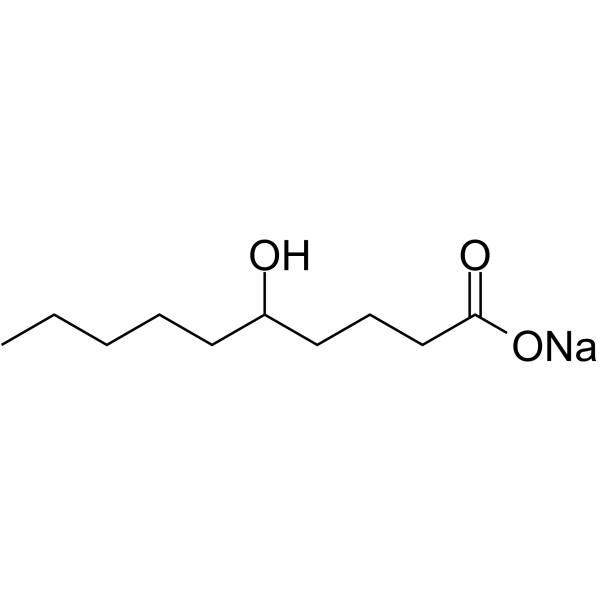
5-Hydroxydecanoate sodium is a selective ATP-sensitive K + (KATP) channel blocker (IC50 of ~30 μM). 5-Hydroxydecanoate sodium is a substrate for mitochondrial outer membrane acyl-CoA synthetase and has antioxidant activity .
loading...
    loading...
Cat. No.: HY-101511
CAS No.: 1609138-51-3
Purity:  99.62%
Target:  

P-glycoprotein

Research Areas:  

Cancer

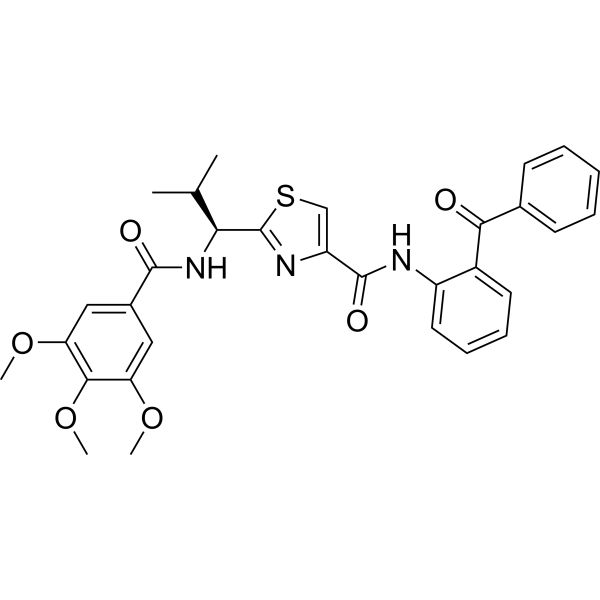
TTT-28 is a synthesized thiazole-valine peptidomimetic, a novel selective inhibitor of ABCB1 (P-gp/MDR1) with high efficacy and low toxicity, which reverses the ATP-binding cassette sub-family B member 1 (ABCB1)-mediated multidrug resistance (MDR) by selectively blocking the efflux function of ABCB1 .
loading...
    loading...
Cat. No.: HY-164145
CAS No.: 3034216-44-6
CDD-1653 is a potent and selective BMPR2 inhibitor with an IC50 of 2.8 nM. CDD-1653 inhibits the catalytic activity of BMPR2 by competitively binding to its ATP pocket, specifically blocking BMP-induced downstream signaling (particularly inhibiting SMAD1/5 phosphorylation), thereby suppressing the expression of related genes. CDD-1653 can be used for research on cancer, bone diseases, and vascular and endothelial dysfunction .
loading...
    loading...
Cat. No.: HY-D1429
CAS No.: 287715-95-1
Target:  

Fluorescent Dye

Research Areas:  

Others

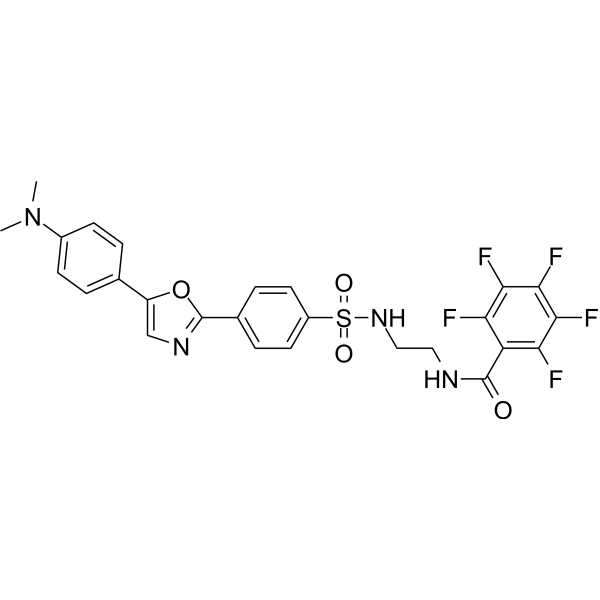
ER-Tracker dye is a derivative of BODIPY series dyes coupled with Glibenclamide (HY-15206), highly selective binding to the endoplasmic reticulum, non-toxic to cells at low concentrations, this type of dye is an environmentally sensitive probe, and formaldehyde treatment can still retain part of the fluorescence, with high fluorescence life, good extinction coefficient and other characteristics. Glibenclamide is an atp-dependent K + channel blocker (Kir6, KATP) and CFTR Cl-channel blocker that binds in the endoplasmic reticulum. ER-Tracker is not suitable for staining fixed cells. Staining followed by fixation is possible, but cells fixed with aldehydes will only retain partial fluorescence (Ex/Em = 374/ 430-640 nm) .
loading...
    loading...
Cat. No.: HY-145939
CAS No.: 2468783-75-5
Purity:  98.27%
Synonyms: BRD5846
Target:  

Casein Kinase

Research Areas:  

Cancer

BAY-888 is a selective CK1α/CSNK1A1 (casein kinase 1α) ATP-competitive inhibitor (IC50: 4 nM@10 μM ATP; 63 nM@1 mM ATP). BAY-888 blocks the negative regulation of p53 and other signaling pathways by CK1α, induces apoptosis and inhibits proliferation of tumor cells. BAY-888 has shown inhibitory efficacy against cancers such as acute myeloid leukemia (AML) in PRISM barcoded cell line screening and can mimic the effects of shRNA-mediated CK1α knockdown. BAY-888 is primarily used for the development of anticancer drugs for p53 wild-type tumors and for the study of the mechanisms of CK1α-related signaling pathways .
loading...
    loading...

