10376 Results for "

cellular fat content

" in MedChemExpress (MCE) Product Catalog:
Products (10376)

10376 Results for "cellular fat content" in MCE Product Catalog:

21
21 Cited Publications
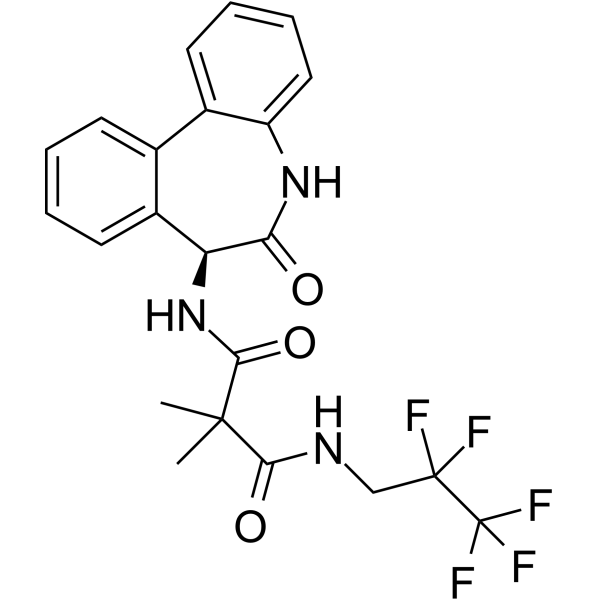
Cat. No.: HY-11102
CAS No.: 847925-91-1
Purity:  99.01%
Target:  

γ-secretase Notch

Research Areas:  

Neurological Disease Cancer

RO4929097 is an orally active γ secretase inhibitor with an IC50 of 4 nM, inhibiting cellular processing of Aβ40 and Notch with EC50 of 14 nM and 5 nM, respectively .
loading...
    loading...
21
21 Cited Publications
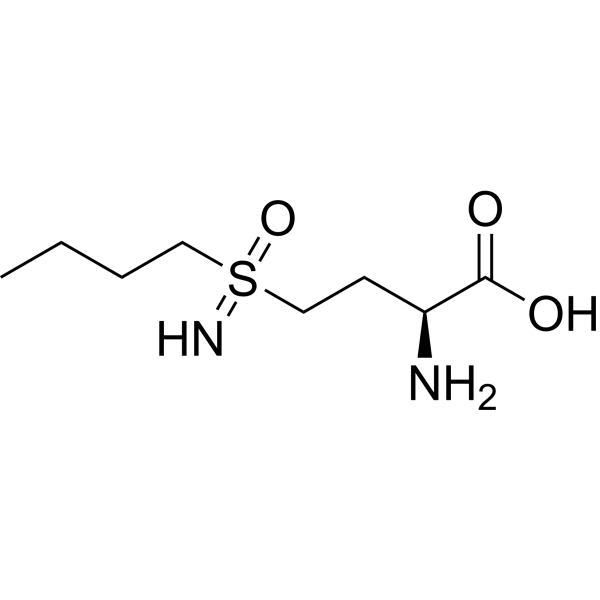
Cat. No.: HY-106376A
CAS No.: 83730-53-4
Purity:  99.35%
Synonyms: L-Buthionine sulfoximine; L-BSO
Target:  

Ferroptosis

Research Areas:  

Cancer

L-Buthionine-(S,R)-sulfoximine is a cell-permeable, potent, fast acting and irreversible inhibitor of g-glutamylcysteine synthetase and depletes cellular glutathione levels. The IC50 value of L-Buthionine-(S,R)-sulfoximine on melanoma, breast and ovarian tumor specimens are 1.9 μM, 8.6 μM, and 29 μM, respectively.
loading...
    loading...
21
21 Cited Publications
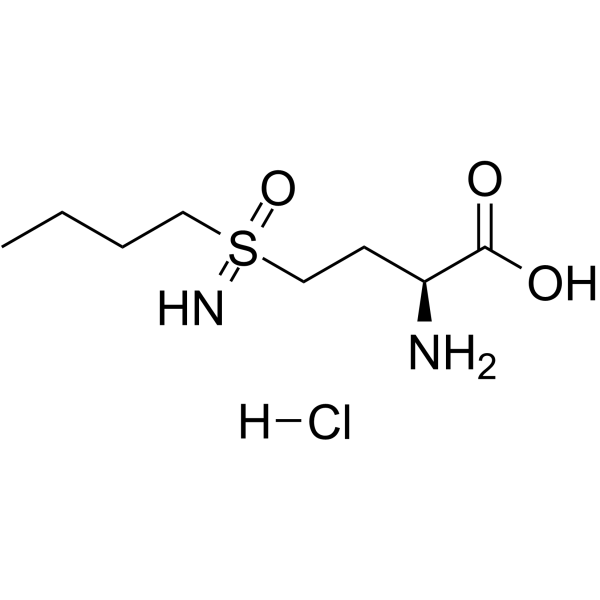
Cat. No.: HY-106376C
Purity:  ≥98.0%
Synonyms: L-Buthionine sulfoximine hydrochloride; L-BSO hydrochloride
Target:  

Ferroptosis

Research Areas:  

Metabolic Disease Cancer

L-Buthionine-(S,R)-sulfoximine hydrochloride is a cell-permeable, potent, fast acting, orally active and irreversible inhibitor of g-glutamylcysteine synthetase and depletes cellular glutathione levels. The IC50 value of L-Buthionine-(S,R)-sulfoximine on melanoma, breast and ovarian tumor specimens are 1.9 μM, 8.6 μM, and 29 μM, respectively .
loading...
    loading...
21
21 Cited Publications
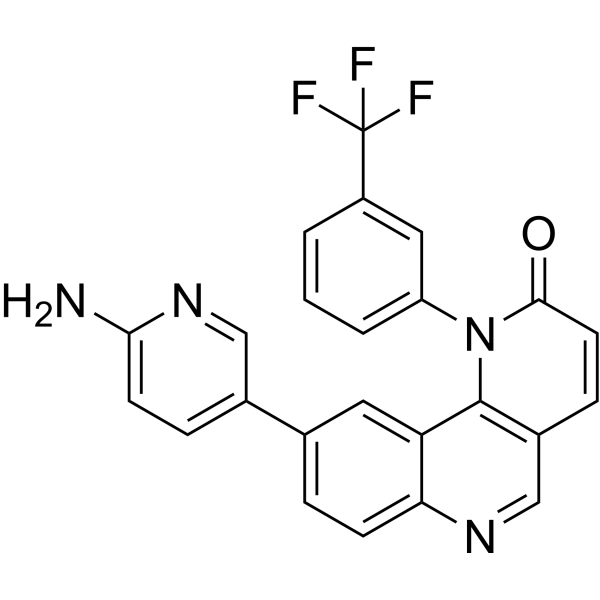
Cat. No.: HY-13002
CAS No.: 1223001-51-1
Purity:  99.65%
Research Areas:  

Cancer

Torin 2 is an mTOR inhibitor with EC50 of 0.25 nM for inhibiting cellular mTOR activity, and exhibits 800-fold selectivity over PI3K (EC50: 200 nM). Torin 2 also inhibits DNA-PK with an IC50 of 0.5 nM in the cell free assay. Torin 2 can suppress both mTORC1 and mTORC2.
loading...
    loading...
20
20 Cited Publications
Cat. No.: HY-138300
CAS No.: 1849616-42-7
Purity:  99.93%
Research Areas:  

Others

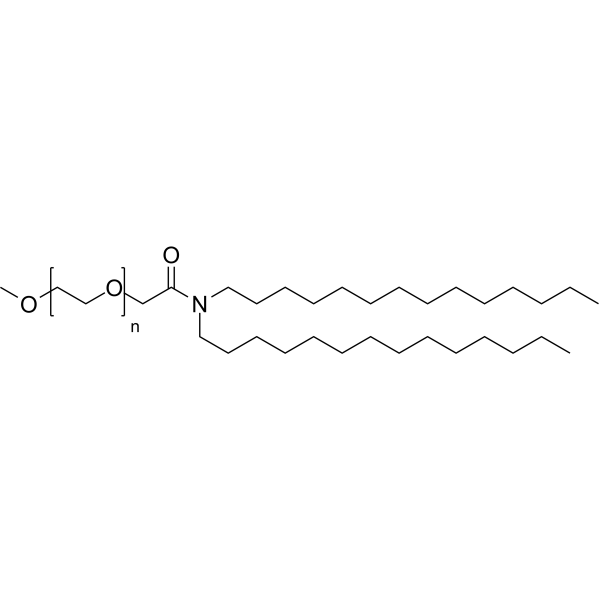
ALC-0159 presents highly mobile surface PEG chains in a dense brush-like conformation, which can form a hydrophilic barrier, reduce non-specific protein adsorption and macrophage uptake, improve colloidal stability, prolong in vivo circulation time, and affect the cellular uptake of LNPs. ALC-0159 dissociates from the surface of mRNA-LNPs under long-term mechanical oscillation stress, thereby reducing steric hindrance, inducing mRNA-LNP fusion, increasing particle size, and releasing unencapsulated mRNA .
loading...
    loading...
20
20 Cited Publications
Cat. No.: HY-12326A
CAS No.: 2734909-87-4
Synonyms: Cyclic diadenylate disodium; Cyclic-di-AMP disodium
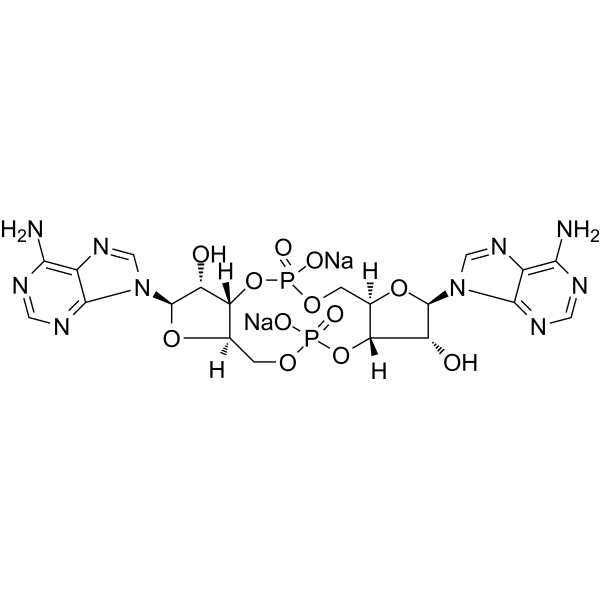
c-di-AMP (Cyclic diadenylate) sodium is a STING agonist, which binds to the transmembrane protein STING thereby activating the TBK3-IRF3 signaling pathway, subsequently triggering the production of type I IFN and TNF. c-di-AMP sodium is also a bacterial second messenger, which regulates cell growth, survival, and virulence, primarily within Gram-positive bacteria, and also regulates host immune response. c-di-AMP sodium acts as a potent mucosal adjuvant stimulating both humoral and cellular responses .
loading...
    loading...
20
20 Cited Publications
Cat. No.: HY-12326B
Purity:  99.36%
Synonyms: Cyclic diadenylate diammonium; Cyclic-di-AMP diammonium
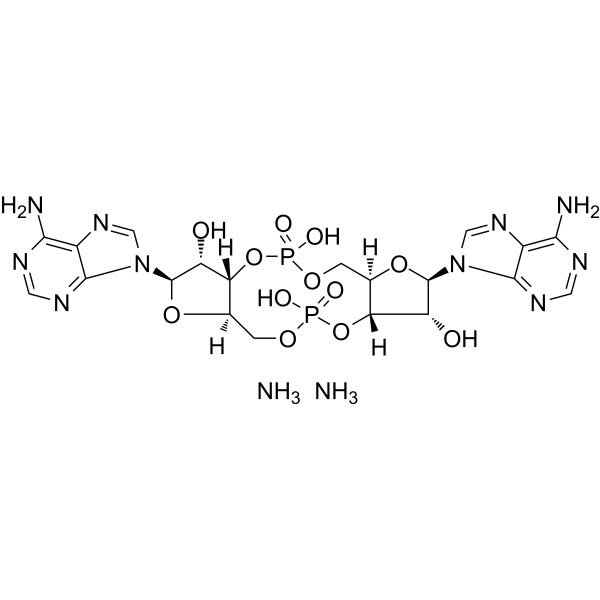
c-di-AMP diammonium is a STING agonist, which binds to the transmembrane protein STING thereby activating the TBK3-IRF3 signaling pathway, subsequently triggering the production of type I IFN and TNF. c-di-AMP diammonium is also a bacterial second messenger, which regulates cell growth, survival, and virulence, primarily within Gram-positive bacteria, and also regulates host immune response. c-di-AMP diammonium acts as a potent mucosal adjuvant stimulating both humoral and cellular responses .
loading...
    loading...
19
19 Cited Publications
Cat. No.: HY-15823
CAS No.: 944808-88-2
Purity:  99.93%
Research Areas:  

Cancer

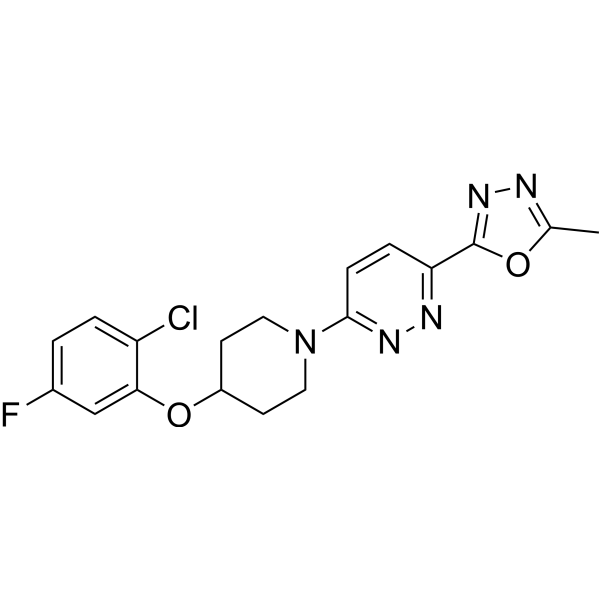
CAY10566 is a potent, orally bioavailable and selective stearoyl-CoA desaturase1 (SCD1) inhibitor with IC50s of 4.5 and 26 nM in mouse and human enzymatic assays, respectively. CAY10566 also shows excellent cellular activity in blocking the conversion of saturated long-chain fatty acid-CoAs (LCFA-CoAs) to monounsaturated LCFA-CoAs in HepG2 cells (IC50=7.9 nM or 6.8 nM) .
loading...
    loading...
loading...
    loading...
18
18 Cited Publications
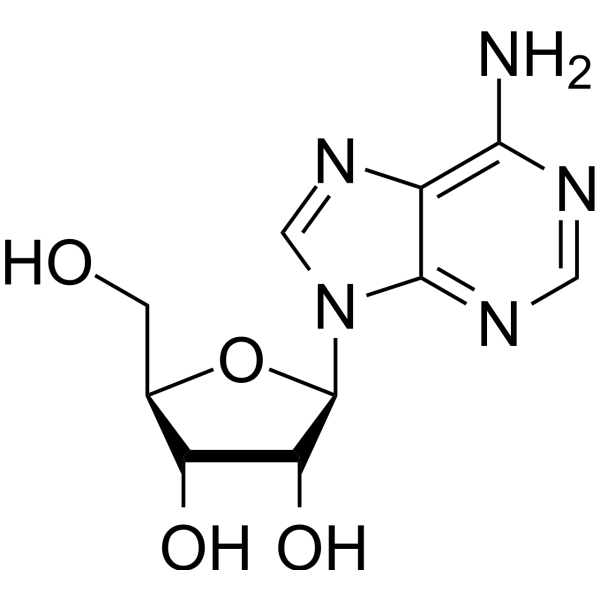
Cat. No.: HY-B0228
CAS No.: 58-61-7
Synonyms: Adenine riboside; D-Adenosine
Adenosine (Adenine riboside), a ubiquitous and BBB-permeable endogenous autacoid, acts through the enrollment of four G protein-coupled receptors: A1, A2A, A2B, and A3. Adenosine affects almost all aspects of cellular physiology, including neuronal activity, vascular function, platelet aggregation, and blood cell regulation .
loading...
    loading...
17
17 Cited Publications
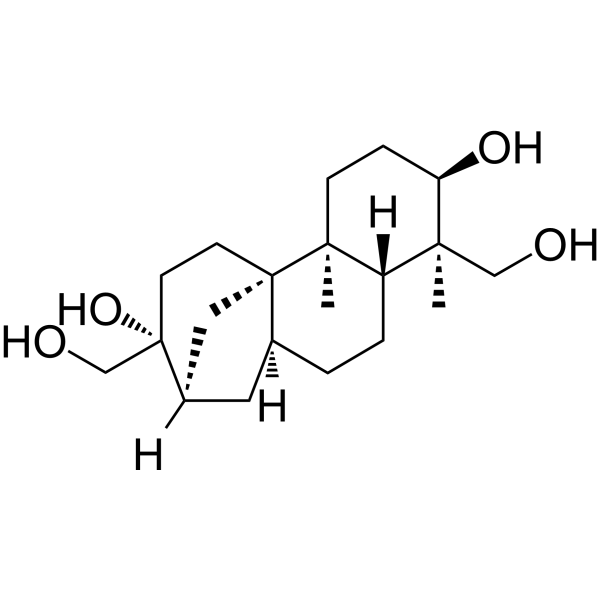
Cat. No.: HY-N6733
CAS No.: 38966-21-1
Aphidicolin is an inhibitor of DNA polymerase α and δ, prevents mitotic cell division by interfering DNA polymerase activity. Aphidicolin is an antibiotic produced by mold Cephalosporium aphidicola, inhibits cellular deoxyribonucleic acid synthesis and the growth of herpes simplex virus. Aphidicolin exhibits anti-orthopoxvirus activity and potentiates apoptosis induced by arabinosyl nucleosides in a human promyelocytic leukemia cell line .
loading...
    loading...
16
16 Cited Publications
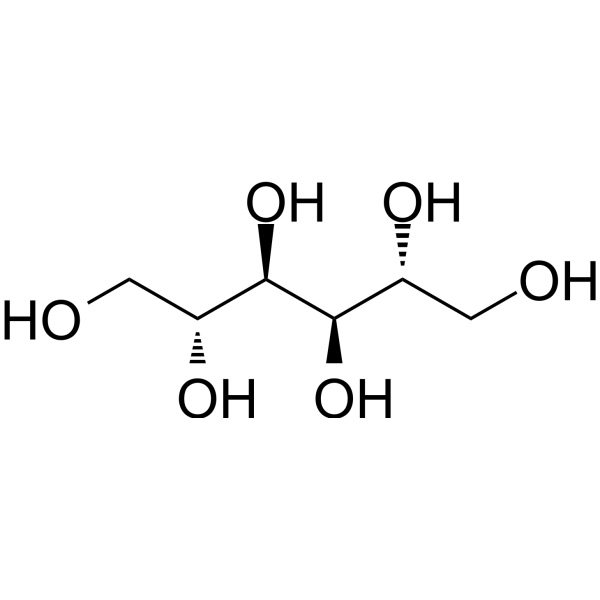
Cat. No.: HY-N0378
CAS No.: 69-65-8
Synonyms: Mannitol; Mannite
D-Mannitol (Mannitol) is an oral, resistant sugar widely used in the food and pharmaceutical industries to promote the absorption and retention of calcium and magnesium through cecal fermentation, while acting as a osmotic diuretic to reduce tissue edema. D-Mannitol can enhance brown fat formation, improve insulin effect, reduce blood sugar levels, And through the start the β3-adrenergic receptor (β3-AR), PGC1α and PKA induced by means of white fat cells into brown fat cells . D-Mannitol is commonly used to maintain osmotic pressure between the plant cytoplasm and the culture medium and protect cells when the cell wall is weakened or even removed .
loading...
    loading...
16
16 Cited Publications
Cat. No.: HY-123986
CAS No.: 68003-38-3
Purity:  99.95%
Research Areas:  

Inflammation/Immunology Cancer

CTPI-2 is a third-generation mitochondrial citrate carrier SLC25A1 inhibitor with a KD of 3.5 μM. CTPI-2 inhibits glycolysis, PPARγ, and its downstream target the glucose transporter GLUT4. CTPI-2 halts salient alterations of NASH reverting steatosis, preventing the evolution to steatohepatitis, reducing inflammatory macrophage infiltration in the liver and adipose tissue, and starkly mitigating obesity induced by a high-fat diet. Antitumor activity .
loading...
    loading...
16
16 Cited Publications
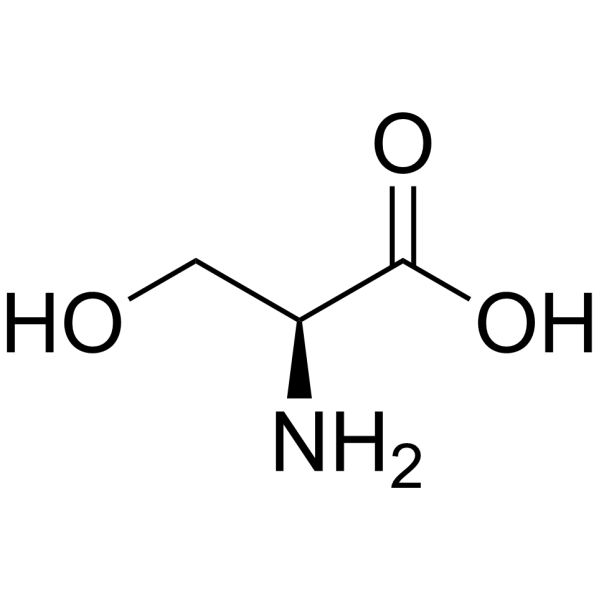
Cat. No.: HY-N0650
CAS No.: 56-45-1
Synonyms: Serine
L-Serine ((-)-Serine; (S)-Serine), one of the so-called non-essential amino acids, plays a central role in cellular proliferation.
loading...
    loading...
16
16 Cited Publications
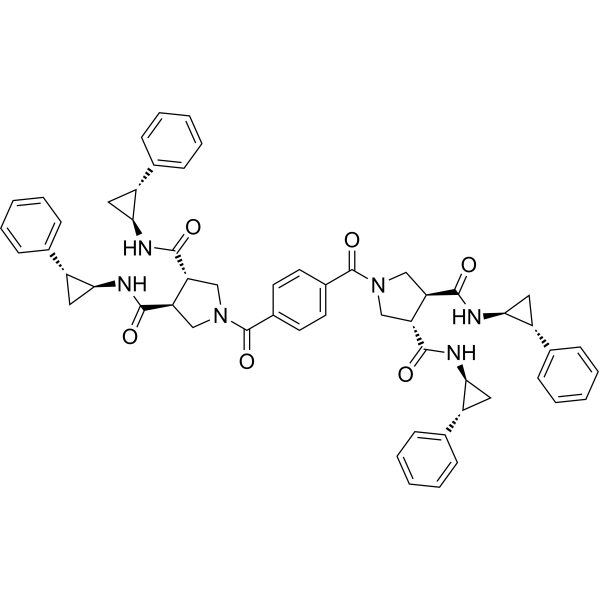
Cat. No.: HY-123942
CAS No.: 2170867-89-5
Purity:  98.82%
Diprovocim is a potent TLR1/TLR2 agonist. Diprovocim elicits full agonist activity in human THP-1 cells (EC50=110 pM). Diprovocim stimulates the release of TNF-α from mouse macrophages (EC50=1.3 nM). Diprovocim activates downstream MAPK and NF-κB signaling pathway. Diprovocim displays strong adjuvant activity in mice, particularly abetting cellular immune responses .
loading...
    loading...
15
15 Cited Publications
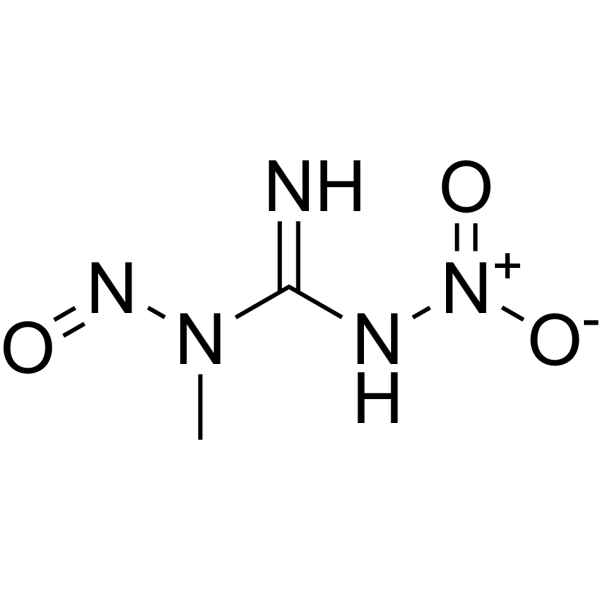
Cat. No.: HY-128612
CAS No.: 70-25-7
Purity:  99.96%
Synonyms: MNNG
Research Areas:  

Cancer

Methylnitronitrosoguanidine (MNNG) is an orally active alkylating agent with toxic and mutagenic effects. Methylnitronitrosoguanidine can as a carcinogen and mutagen . 50% water content, specifications are based on dry weight.
loading...
    loading...
14
14 Cited Publications
Cat. No.: HY-15136
CAS No.: 193275-84-2
Purity:  99.60%
Synonyms: Sch66336
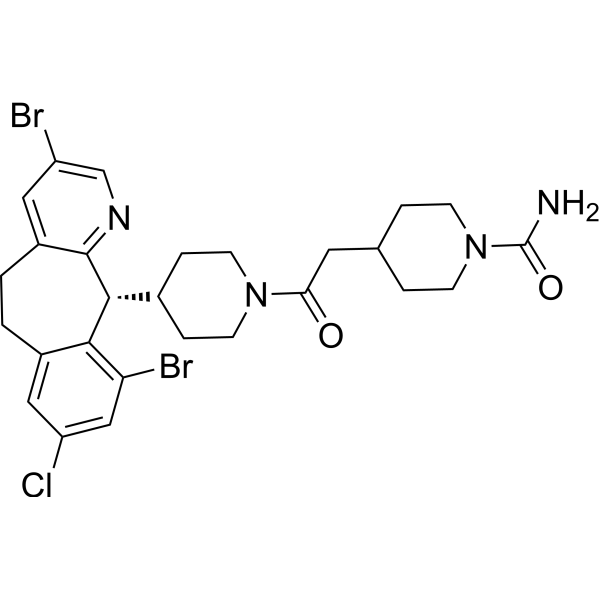
Lonafarnib (Sch66336) is an orally active, blood-brain barrier penetrant farnesyltransferase (FPTase) inhibitor. Lonafarnib increases the phosphorylation levels of Akt, CaMKII and CREB, upregulates BDNF expression in the hippocampus, elevates the content of α7nAChR on cell membranes, and blocks the isoprenylation of H-Ras. Lonafarnib repairs synapses and reverses spatial memory deficits in Aβ1-42 model mice. Lonafarnib inhibits RSV fusion and replication, and alleviates virus-induced lung injury. Lonafarnib activates the lysosomal and autophagic pathways, and reduces the phosphorylation and aggregation of tau. Lonafarnib acts synergistically with Sorafenib (HY-10201) to promote apoptosis, and inhibits the proliferation and invasion of melanoma cells. Lonafarnib inhibits the farnesylation of progerin, repairs nuclear membrane defects, and activates the cGAS-STING-STAT1 signaling pathway. Lonafarnib can be used in research related to diseases including Alzheimer's disease, viral infections, melanoma, and progeria .
loading...
    loading...
13
13 Cited Publications
Cat. No.: HY-118630
CAS No.: 351986-85-1
Purity:  98.93%
Target:  

PIKfyve Autophagy

Research Areas:  

Cancer

Vacuolin-1 is a potent and cell-permeable lysosomal exocytosis inhibitor. Vacuolin-1 blocks the Ca 2+-dependent exocytosis of lysosomes and prevents the release of lysosomal content without affecting the process of resealing. vacuolin‐1 is a potent and selective PIKfyve inhibitor and inhibits late‐stage autophagy by impairing lysosomal maturation. Vacuolin-1 can induce vacuole formation and increase the percentage of enucleated cells .
loading...
    loading...
13
13 Cited Publications
Cat. No.: HY-19980
CAS No.: 5291-32-7
Synonyms: APR-246; PRIMA-1Met
Research Areas:  

Cancer

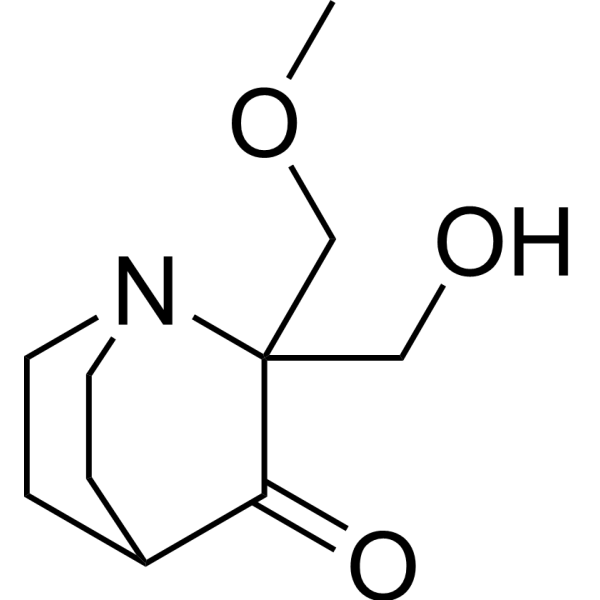
Eprenetapopt (APR-246) is a first-in-class, small molecule that restores wild-type p53 functions in TP53-mutant cells. Eprenetapopt triggers apoptosis in tumor cells. Eprenetapopt also targets the selenoprotein thioredoxin reductase 1 (TrxR1), a key regulator of cellular redox balance .
loading...
    loading...
13
13 Cited Publications
Cat. No.: HY-15650
CAS No.: 1561178-17-3
Purity:  99.68%
Research Areas:  

Cancer

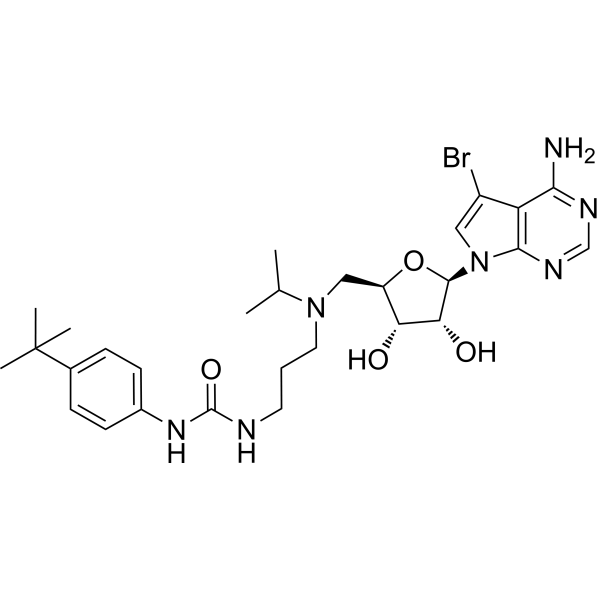
SGC0946 is a selective DOT1L inhibitor with an IC50 value of 0.3 nM. By inhibiting DOT1L, SGC0946 can induce G1 phase arrest, suppress cell self-renewal and metastatic potential, and induce cell differentiation in cancer cells. SGC0946 can be used in the research of tumors such as leukemia and breast cancer, and also serves as a probe to further investigate the cellular mechanisms of DOT1L in normal and diseased cells .
loading...
    loading...

