

326 Results for "

serum level

" in MedChemExpress (MCE) Product Catalog:
Products (326)

326 Results for "serum level" in MCE Product Catalog:

  • Categories Recommended:
    More
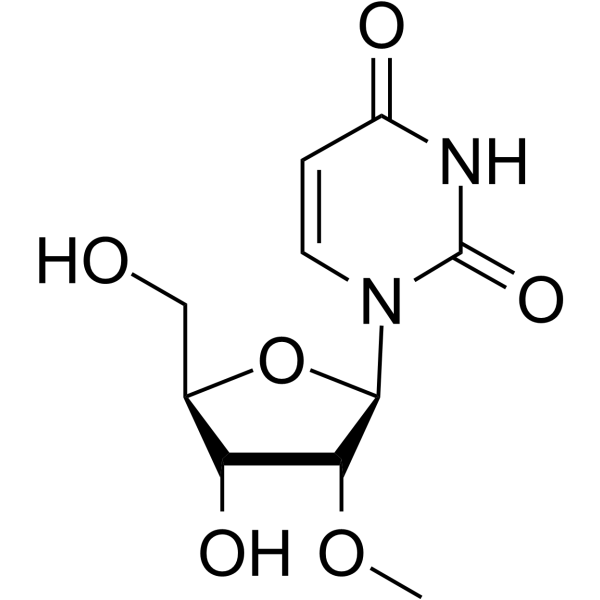
Cat. No.: HY-W011824
CAS No.: 2140-76-3
2’-O-Methyluridine is a modified nucleoside that can be found in T. thermophile tRNA. 2’-O-Methyluridine level in serum is decreased in patients with breast cancer .
loading...
    loading...
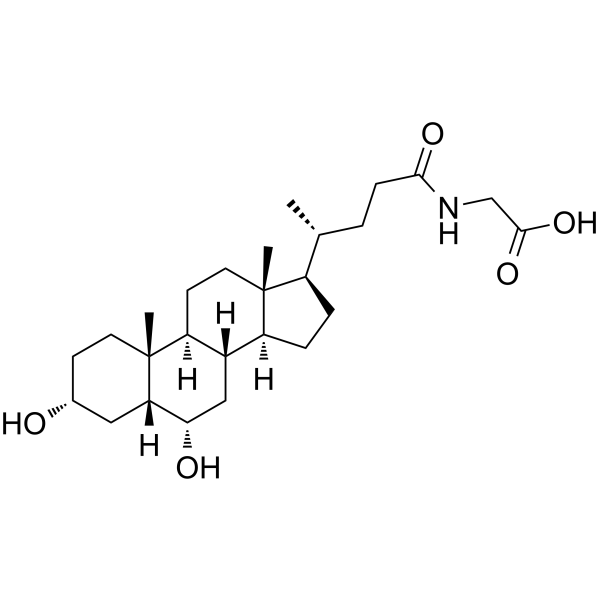
Cat. No.: HY-126995
CAS No.: 13042-33-6
Purity:  99.86%
Glycohyodeoxycholic acid is a glycine-conjugated bile acid and also a metabolite of Hyodeoxycholic acid (HY-N0169). The serum level of Glycohyodeoxycholic acid is negatively correlated with the severity of non-alcoholic fatty liver disease. Glycohyodeoxycholic acid can be used in research related to non-alcoholic fatty liver disease .
loading...
    loading...
Cat. No.: HY-P4070
CAS No.: 1188379-43-2
Target:  

Insulin Receptor

Research Areas:  

Metabolic Disease

Insulin icodec is an Insulin (HY-P0035) analog that strongly but reversibly binds to albumin. Insulin icodec has long plasma half-life. Insulin icodec modulates insulin receptor activity, controls blood glucose levels, reduces HbA1c levels, and binds reversibly to human serum albumin. Insulin icodec can be used for the research of type 2 diabetes mellitus .
loading...
    loading...
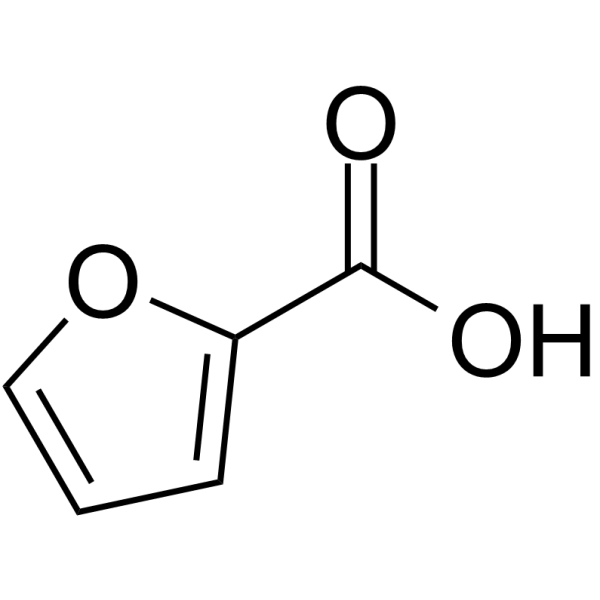
Cat. No.: HY-W012946
CAS No.: 88-14-2
Synonyms: Pyromucic acid
2-Furoic acid (Furan-2-carboxylic acid) is an organic compound produced through furfural oxidation . 2-Furoic acid exhibits hypolipidemic effet, lowers both serum cholesterol and serum triglyceride levels in rats .
loading...
    loading...
Cat. No.: HY-NP0204
Synonyms: Mouse serum Albumin
MSA Protein (Mouse Serum Albumin) is most abundant protein in plasma, which leaks into the brain parenchyma when the blood-brain barrier (BBB) is impaired. Mouse Serum Albumin induces astrocytes to A1 phenotype to remarkably increase levels of Elovl1. Mouse Serum Albumin promotes VLSFAs secretion and causes neuronal lippoapoptosis through endoplasmic reticulum stress response pathway. MSA-activated microglia triggeres remarkable tau phosphorylation at multiple sites (Ser202/Thr205) through NLRP3 inflammasome pathway. Mouse Serum Albumin decreases the spatial learning and memory abilities in mice. Mouse Serum Albumin can be used for the study of neurodegenerative diseases like Alzheimer’s disease (AD) and frontotemporal dementia (FTD) .
loading...
    loading...
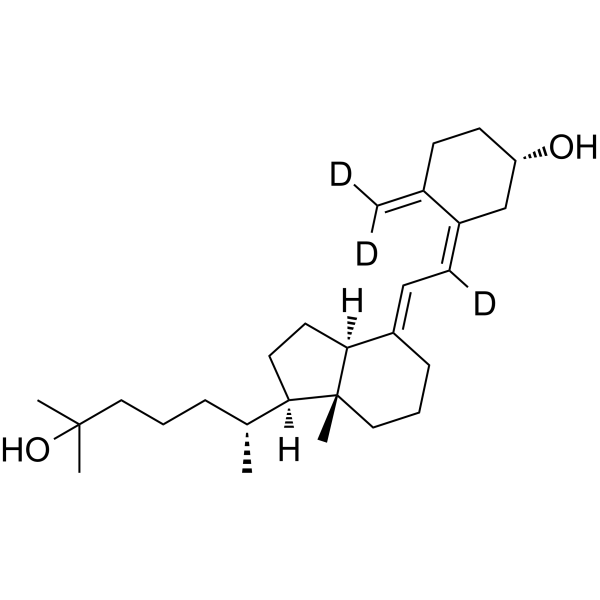
Cat. No.: HY-32351S
CAS No.: 140710-94-7
Synonyms: 25-Hydroxy Vitamin D3-d3
Calcifediol-d3 is a deuterium labeled Calcifediol. Calcifediol, is an effective VDR ligand and VD supplement. Calcifediol is a prohormone of the vitamin D endocrine system (VDES) and is hydroxylated in the liver to produce the active form, calcitriol. Calcifediol can rapidly increase serum VD levels .
loading...
    loading...
Cat. No.: HY-W011711
CAS No.: 1477-19-6
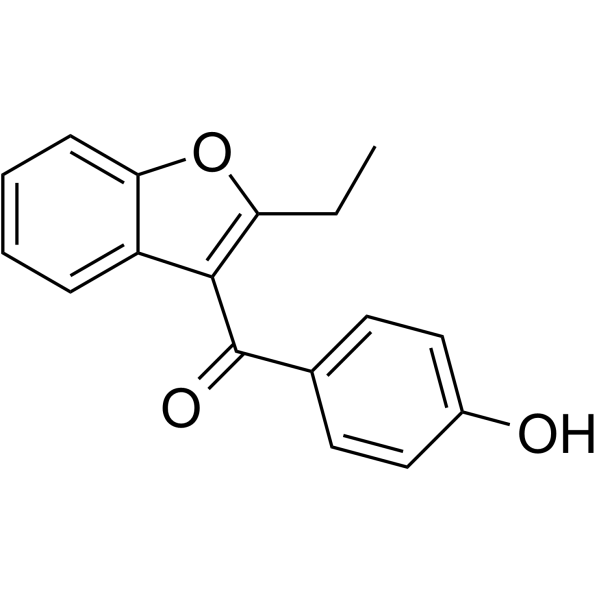
Benzarone is an oral inhibitor of human urate transporter 1 (hURAT1) with an IC50 value of 2.8 μM, and it also acts as an uncoupler of oxidative phosphorylation. Benzarone can cause liver damage and promote cell apoptosis and necrosis. Benzarone can be used to lower serum uric acid levels and for research in vascular diseases .
loading...
    loading...
Cat. No.: HY-A0069
CAS No.: 562-10-7
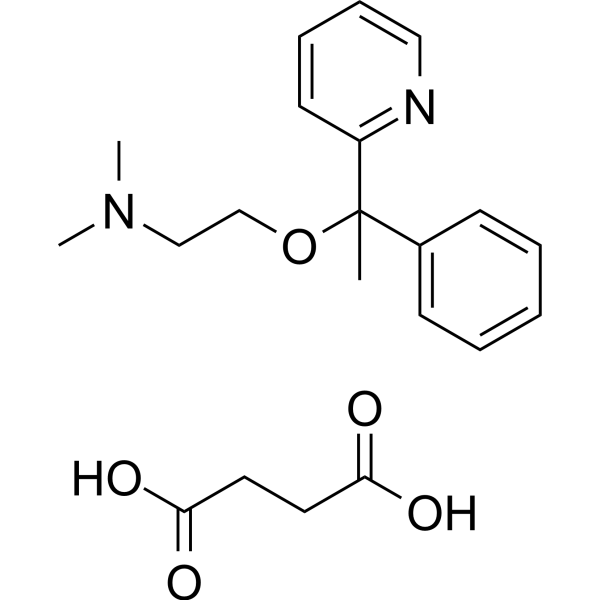
Doxylamine succinate is a first-generation antihistamine and acts as a histamine H1 receptor antagonist. Doxylamine succinate is orally active, possessing analgesic and hypnotic activities. Doxylamine succinate enhances the activities of CYP2B, CYP2A, CYP3A and thyroxine-glucuronosyltransferase via promoting substrate hydroxylation and thyroxine metabolic pathways. Doxylamine succinate decreases serum thyroxine (T4) level and elevates serum thyroid-stimulating hormone (TSH) level. Doxylamine succinate induces liver enlargement and increases the activities of hepatic microsomal cytochrome P450, cytochrome b5 and NADPH-cytochrome c reductase. Doxylamine succinate can be used for the research of nausea, allergy, insomnia .
loading...
    loading...
Cat. No.: HY-N5092
CAS No.: 2445-83-2
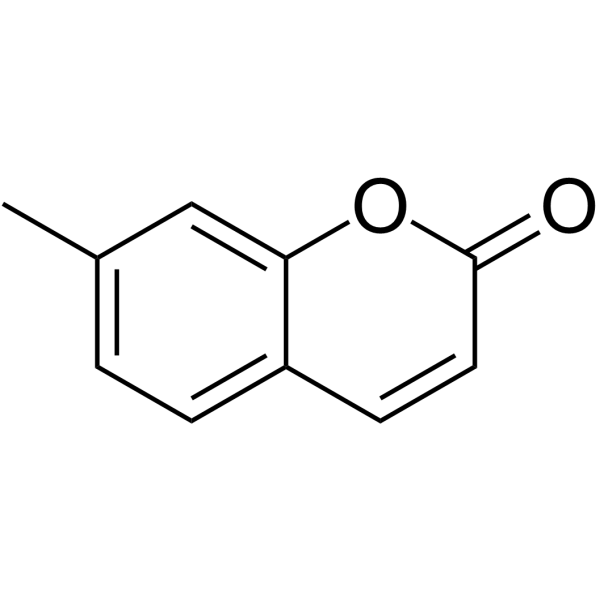
7-Methylcoumarin is a coumarin derivative with potent hepatoprotective and antioxidant properties. 7-Methylcoumarin is a mechanism-based inhibitor for CYP2A6. 7-Methylcoumarin significantly decreases alanine aminotransferase (ALT), aspartate aminotransferase (AST), and serum bilirubin (TB) in rats with CCl4-induced liver damage, whilst restoring total protein (TP) and albumin (TA) levels in serum as well as preventing oxidative stress. 7-Methylcoumarin can decline mitotic activity of A. sativum promeristem .
loading...
    loading...
Cat. No.: HY-P991504
LAE-102 is the selective anti-ActRIIA (activin receptor type IIA or ACVR2) monoclonal antibody. LAE-102 increases muscle mass and reduces fat mass. LAE102 can increase serum activin A levels in vivo. LAE-102 is promising for research of obesity .
loading...
    loading...
Cat. No.: HY-112961
CAS No.: 1208912-84-8
Purity:  ≥95.0%
Research Areas:  

Metabolic Disease

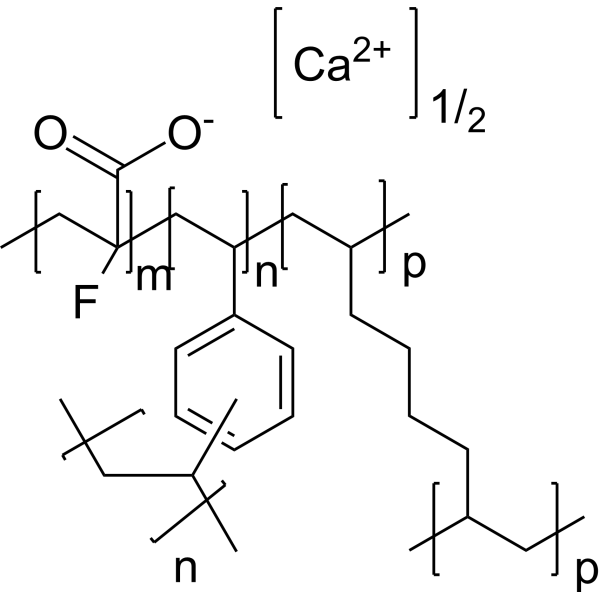
Patiromer is an orally active, selective and non-absorbable intestinal potassium (K +) polymer binder that reversibly binds potassium ions in exchange for calcium (Ca 2+). Patiromer can rapidly and continuously reduce serum potassium levels, maintain a normal blood potassium state, and reduce serum aldosterone levels. Patiromer also increases fecal potassium excretion. Patiromer is mainly used in the study of hyperkalemia associated with diseases such as chronic kidney disease, diabetes, and heart failure, and is particularly suitable for improving renin-angiotensin-aldosterone system inhibitor (RAASi) therapy .
loading...
    loading...
Cat. No.: HY-W008097
CAS No.: 4839-46-7
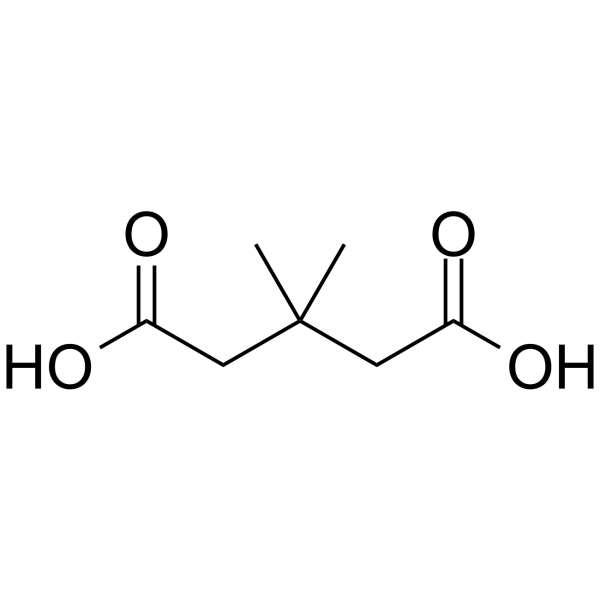
3,3-Dimethylglutaric acid is an organic acid derivative and a candidate serum biomarker for sheep cystic echinococcosis. The serum level of 3,3-Dimethylglutaric acid increases significantly in sheep infected with Echinococcus granulosus. 3,3-Dimethylglutaric acid can serve as a ligand to synthesize metal complexes. 3,3-Dimethylglutaric acid is applicable to the research of cystic echinococcosis .
loading...
    loading...
Cat. No.: HY-P3704
CAS No.: 117137-85-6
Target:  

Endogenous Metabolite

Research Areas:  

Metabolic Disease

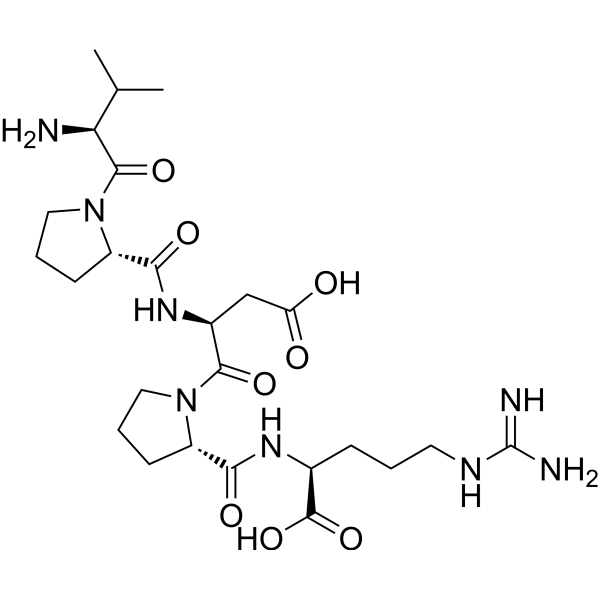
Enterostatin (rat), an orally active activation peptide of procolipase, selectively reduces fat intake. Enterostatin (rat) reduces serum cholesterol levels by way of a CCK1 receptor-dependent mechanism .
loading...
    loading...
Cat. No.: HY-114316
CAS No.: 2416941-68-7
Purity:  96.78%
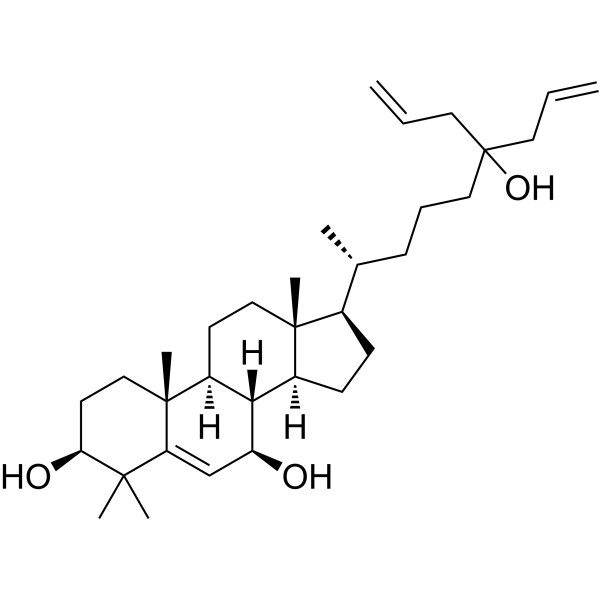
HMG499 is a potent and selective HMG-CoA reductase inhibitor with an IC50 of 0.41 μM. HMG499 can prevent statins-induced accumulation of HMGCR, reduce serum cholesterol levels and decrease atherosclerosis .
loading...
    loading...
Cat. No.: HY-149048
CAS No.: 9025-54-1
Synonyms: SAHH; AHCY
Adenosylhomocysteinase (SAHH; AHCY) is a highly conserved enzyme. Adenosylhomocysteinase reversible catalyzes S-adenosylhomocysteine (SAH) to adenosine and L-homocysteine. The serum exosomal Adenosylhomocysteinase level can be used as a prognostic biomarker in HBV-LC patients .
loading...
    loading...
Cat. No.: HY-P2893B
CAS No.: 37340-58-2
Synonyms: Creatine amidinohydrolase, microorganism
Target:  

Endogenous Metabolite

Research Areas:  

Metabolic Disease

Creatine amidinohydrolase, microorganism is a hydrolytic enzyme that catalyzes the hydrolysis of creatine into creatinine and urea, playing a crucial role in the measurement of creatinine concentration. Creatine amidinohydrolase, microorganism can be used in the development of biosensors for measuring serum creatinine levels .
loading...
    loading...
Cat. No.: HY-N6987
CAS No.: 29913-71-1
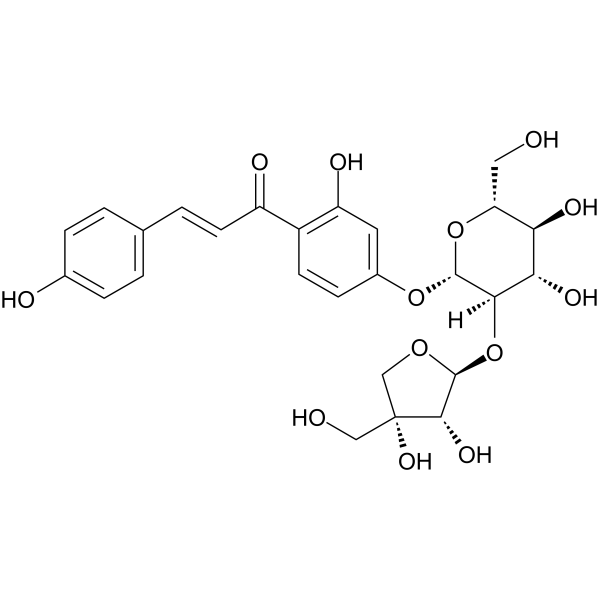
Licraside, found in Glycyrrhiza glabra, is a Farnesoid X receptor (FXR) activator. Licraside activates FXR to induce upregulation of SHP and BSEP, regulates bile acid homeostasis, reduces elevated biliary and serum TBA, serum ALT, AST, GGT, ALP, and TBIL levels, and attenuates liver histopathological damage. Licraside inhibits factor Xa with an IC50 of 48.54 mM. Licraside can be used for the research of cholestasis and thromboembolic diseases .
loading...
    loading...
Cat. No.: HY-147422
CAS No.: 2365178-28-3
Purity:  99.59%
Synonyms: XNW3009
Target:  

URAT1

Xininurad is a potent orally active URAT1 inhibitor with an IC50 of 7.17 nM. Xininurad inhibits URAT1 activity to reduce serum uric acid levels and increase urinary uric acid excretion. Xininurad can be used for the research of hyperuricemia and gout .
loading...
    loading...
Cat. No.: HY-109106A
CAS No.: 2052969-18-1
Purity:  99.91%
Synonyms: SK-1403; AJT240; PLS240
Target:  

CaSR

Research Areas:  

Endocrinology

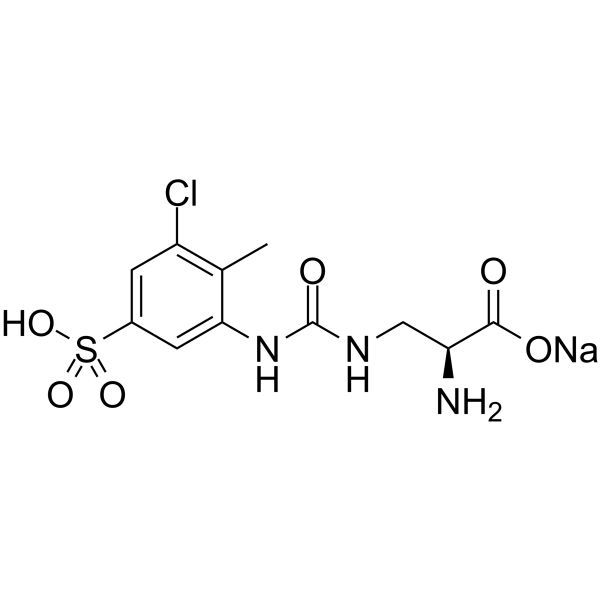
Upacicalcet sodium is a non-peptide calcimimetic that acts as a CaSR agonist (EC50 = 10.8 nM). Upacicalcet sodium reduces serum intact parathyroid hormone (iPTH) and serum Ca 2+ levels, reducing hypocalcemia and gastrointestinal complications. Upacicalcet sodium sodium improves vascular calcification and bone disorders in the Adenine (HY-B0152)-induced secondary hyperparathyroidism (SHPT) rat model. Upacicalcet sodium sodium inhibits cortical pore formation and reduces bone fibrosis in rats with chronic kidney disease (CKD). Upacicalcet sodium is useful for studying SHPT .
loading...
    loading...
Cat. No.: HY-109182
CAS No.: 2230282-02-5
Purity:  99.95%
Synonyms: JNJ-64251330
Target:  

JAK STAT

Research Areas:  

Inflammation/Immunology

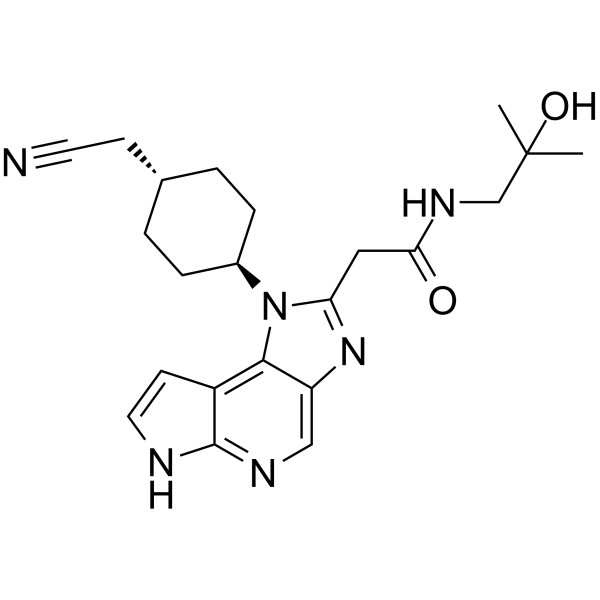
Lorpucitinib (JNJ-64251330) is an orally active pan-JAK inhibitor with good enteric selectivity and safety. Lorpucitinib can inhibit the JAK/STAT pathway and reduce the levels of inflammatory biomarkers in serum. Lorpucitinib can be used in the research of familial adenomatous polyposis and gastrointestinal inflammatory diseases .
loading...
    loading...

