243 Results for "

Cancer stem cells

" in MedChemExpress (MCE) Product Catalog:
Products (243)

243 Results for "Cancer stem cells" in MCE Product Catalog:

1
1 Cited Publications
Cat. No.: HY-19971
CAS No.: 1378872-36-6
Research Areas:  

Cancer

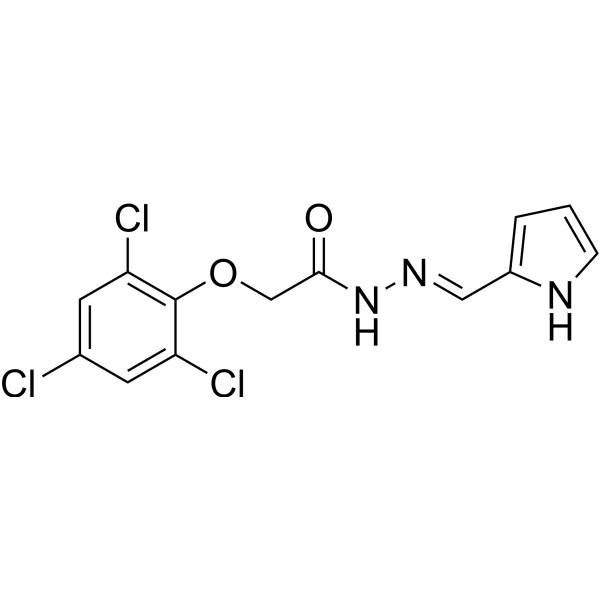
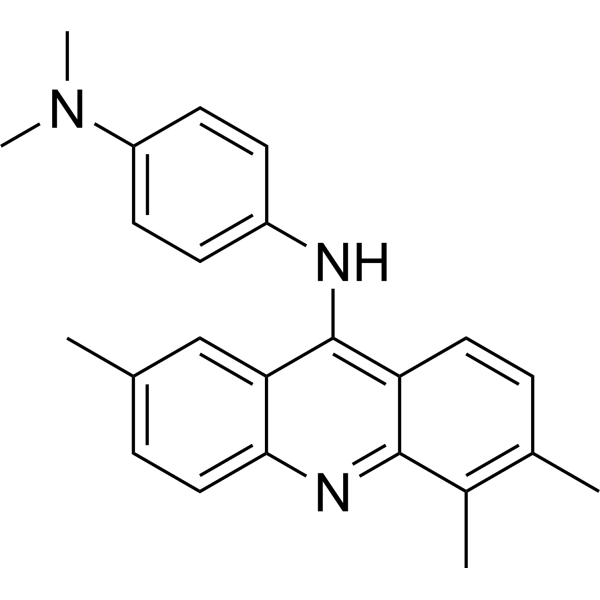
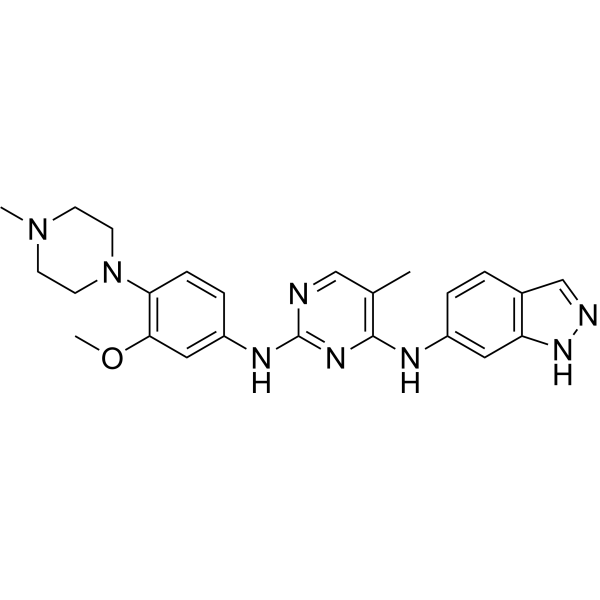
ML239 is a potent and selective inhibitor of breast cancer stem cells, with an IC50 of 1.16 μM.
loading...
    loading...
1
1 Cited Publications
Cat. No.: HY-114858
CAS No.: 16470-02-3
Purity:  99.51%
Research Areas:  

Cancer

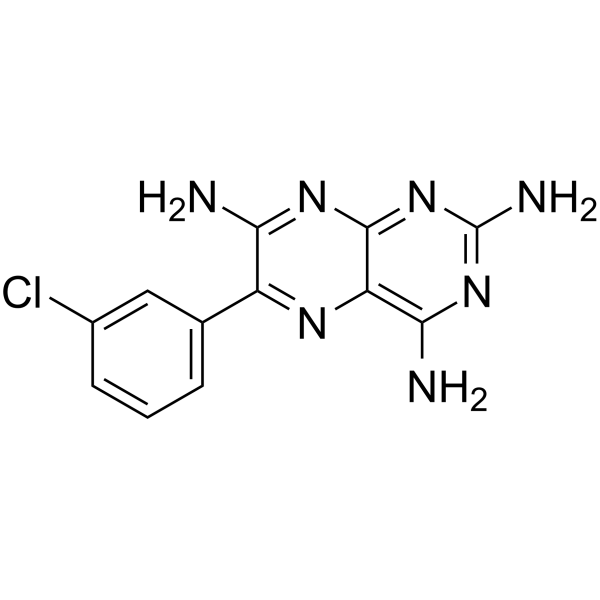
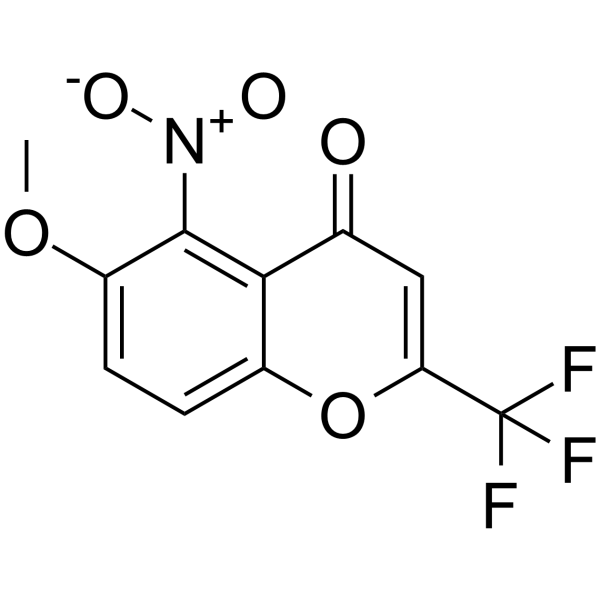
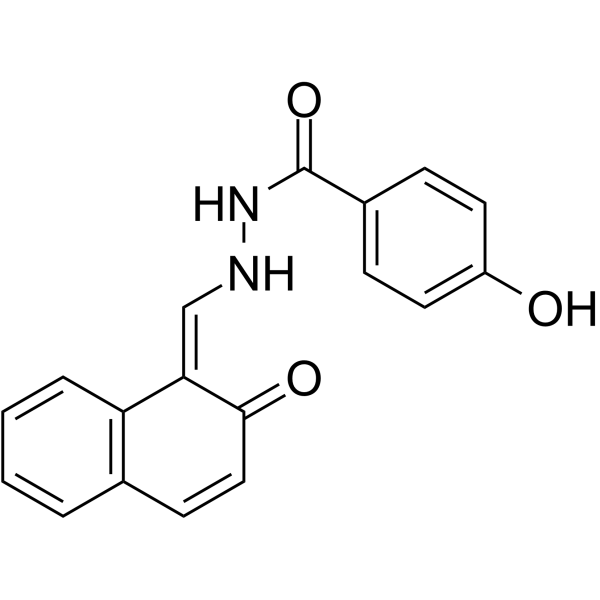
Epiblastin A is an ATP-competitive casein kinase 1 (CK1) inhibitor that inhibits CK1α, CK1δ, and CK1ε. Epiblastin A inhibits the kinase activity of STK10, BRSK1, EEF2K, EGFR, MKNK2, and RIPK2. Epiblastin A inhibits Ki-67 expression, induces Oct4-GFP expression, and enhances the conversion of mouse epiblast stem cells to embryonic stem cells. Epiblastin A selectively reduces the cell viability of colorectal cancer cell lines HCT116, HT29, and DLD1. Epiblastin A can be used in colorectal cancer-related research .
loading...
    loading...
1
1 Cited Publications
Cat. No.: HY-P1201
CAS No.: 84211-54-1
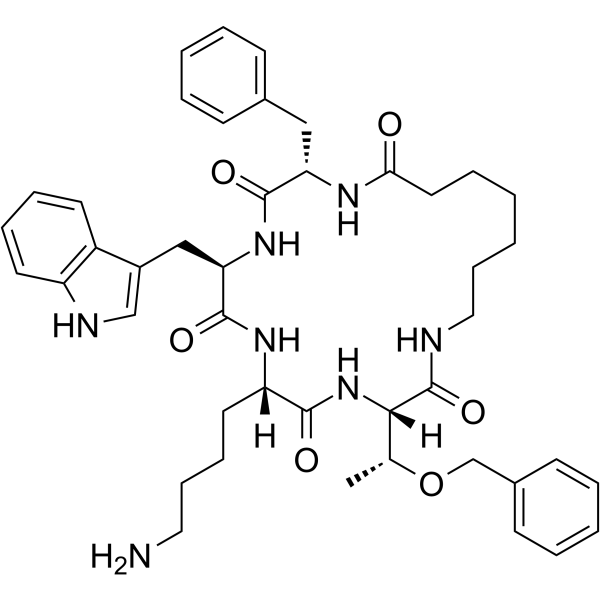
Cyclosomatostatin is a non-selective somatostatin receptor antagonist that blocks SSTR1-5-mediated signaling. Cyclosomatostatin decreases the ALDH + stem cell population and sphere formation without affecting cell viability, and reduces cell proliferation. Cyclosomatostatin activates opioid receptors. Cyclosomatostatin can be used for research on arthritis and colorectal cancer .
loading...
    loading...
1
1 Cited Publications
Cat. No.: HY-123298
CAS No.: 156951-82-5
Purity:  99.52%
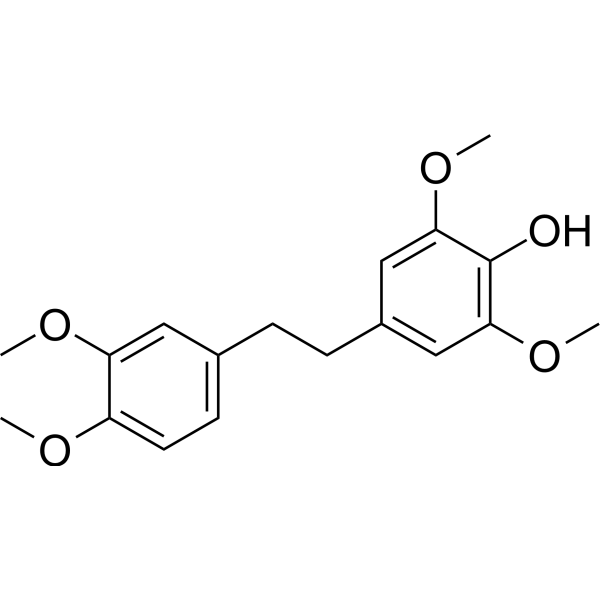
Chrysotoxine is a dual inhibitor of Src/Akt. Chrysotoxine suppresses cancer stem cells (CSCs) phenotypes by down-regulating Src/Akt signaling. Chrysotoxine reduces cell viability and increases apoptosis level in H460 and H23 cells instead of non-tumor cell lines. Chrysotoxine shows rapid excretion and low bioavailability in rats. Chrysotoxine is used in cancer research .
loading...
    loading...
1
1 Cited Publications
Cat. No.: HY-155115
CAS No.: 2904571-94-2
Purity:  98.88%
Research Areas:  

Cancer

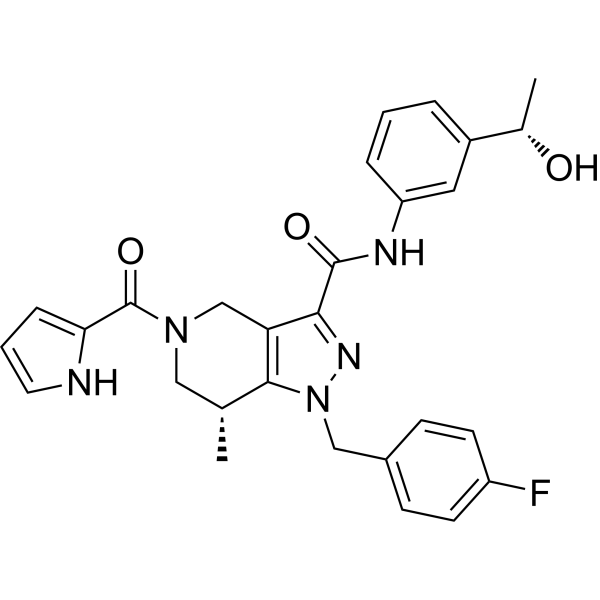
LSD1-IN-27 is an orally active LSD1 inhibitor (IC50: 13 nM). LSD1-IN-27 inhibits the stemness and migration of gastric cancer cells. LSD1-IN-27 also reduces the expression of PD-L1 in BGC-823 and MFC cells. LSD1-IN-27 can enhance T cell immune response in gastric cancer .
loading...
    loading...
1
1 Cited Publications
Cat. No.: HY-111550
CAS No.: 342795-08-8
Purity:  99.85%
Target:  

Ras MDM-2/p53

Research Areas:  

Cancer

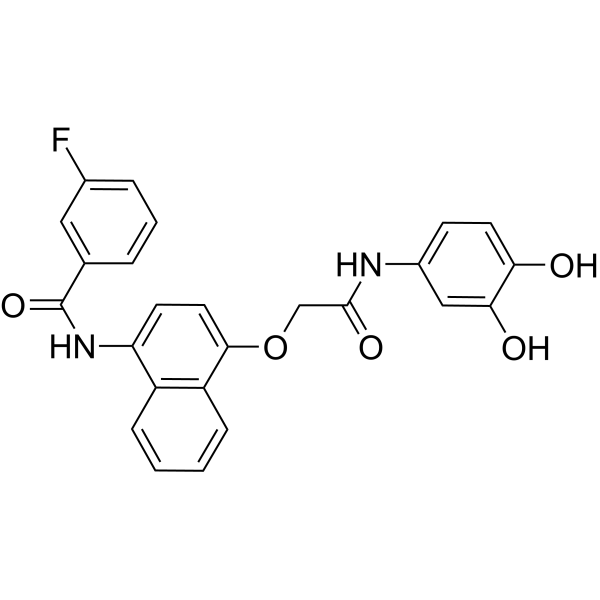
Bragsin2 is a potent, selective and noncompetitive nucleotide exchange factor BRAG2 inhibitor, with an IC50 of 3 μM. Bragsin2 binds at the interface between the PH domain of BRAG2 and the lipid bilayer, leads BRAG2 unable to activate lipidated Arf GTPase. Bragsin2 affects breast cancer stem cells .
loading...
    loading...
1
1 Cited Publications
Cat. No.: HY-N8572
CAS No.: 4143-62-8
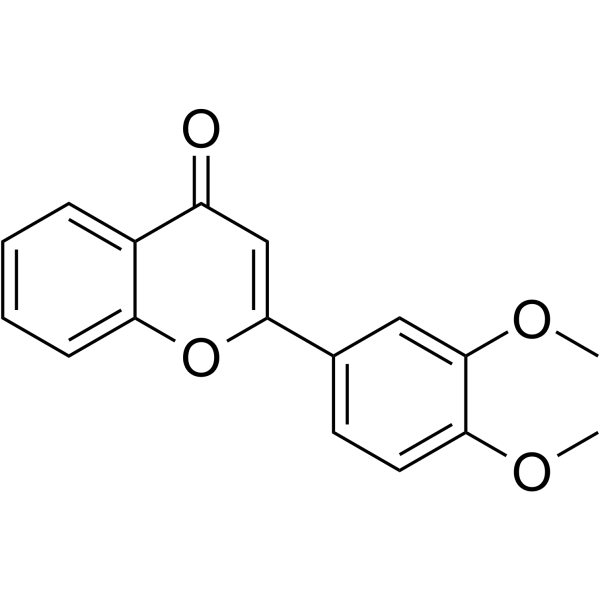
3',4'-Dimethoxyflavone is a lipophilic flavone, can be isolated from the leaves of Primula veris. 3',4'-Dimethoxyflavone can reduce the synthesis and accumulation of PARP and protect cortical neurones against cell death induced by Parthanatos. 3',4'-Dimethoxyflavone is also an aryl hydrocarbon receptor antagonist in human breast cancer cells. 3',4'-Dimethoxyflavone can promote the proliferation of human hematopoietic stem cells. 3',4'-Dimethoxyflavone has various biological activities, including antioxidant, anti-cancer, anti-inflammatory, anti-atherogenic, hypolipidaemic, and neuroprotective or neurotrophic effects .
loading...
    loading...
1
1 Cited Publications
Cat. No.: HY-153916
CAS No.: 2032123-28-5
Purity:  99.13%
Synonyms: T417
TCRS-417 (T417) is a small-molecular inhibitor for PBX1. TCRS-417 can directly block PBX1-binding to DNA (IC50 = 6.58 μM), and affects PBX1 transcription. TCRS-417 is able to hammer out the stemness traits of Carboplatin (HY-17393)-resistant (CR) cells to revert to a differentiated status through tacking PBX1 signaling cascade. TCRS-417 significantly suppresses self-renewal and proliferation of cancer cells expressing high levels of PBX1. TCRS-417 can decrease the mRNA levels of FOXM1, NEK2, and E2F2 in cancer cell lines. TCRS-417 is selectively toxic against chr1q-amp myeloma and solid tumor cells .
loading...
    loading...
1
1 Cited Publications
Cat. No.: HY-110280
CAS No.: 1776116-74-5
Purity:  99.20%
Target:  

HDAC Apoptosis

Research Areas:  

Cancer

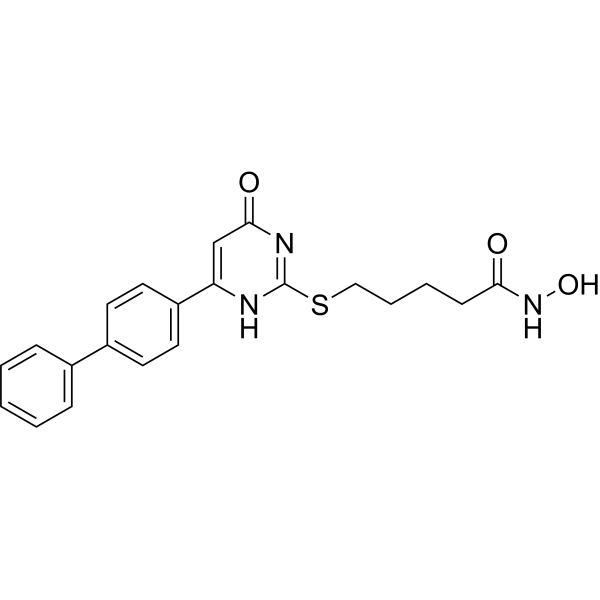
MC1742 is a potent HDAC inhibitor, with IC50s of 0.1 μM, 0.11 μM, 0.02 μM, 0.007 μM, 0.61 μM, 0.04 μM and 0.1 μM for HDAC1, HDAC2, HDAC3, HDAC6, HDAC8, HDAC10 and HDAC11, respectively. MC1742 can increase acetyl-H3 and acetyl-tubulin levels and inhibits cancer stem cells growth. MC1742 can induce growth arrest, apoptosis, and differentiation in sarcoma CSC .
loading...
    loading...
1
1 Cited Publications
Cat. No.: HY-18948
CAS No.: 1816331-63-1
Research Areas:  

Cancer

GSK321 is a potent, selective mutant IDH1 inhibitor with IC50 values of 2.9, 3.8, 4.6 and 46 nM for R132G, R132C, R132H and WT IDH1, respectively, and >100-fold selectivity over IDH2. GSK321 induces decrease in intracellular α-Hydroxyglutaric acid (2-HG) (HY-113038B), abrogation of the myeloid differentiation block and induction of granulocytic differentiation at the level of leukemic blasts and more immature stem-like cells. GSK321can be used for research of acute myeloid leukemia (AML) and other cancers .
loading...
    loading...
1
1 Cited Publications
Cat. No.: HY-129139
CAS No.: 111613-04-8
Purity:  95.71%
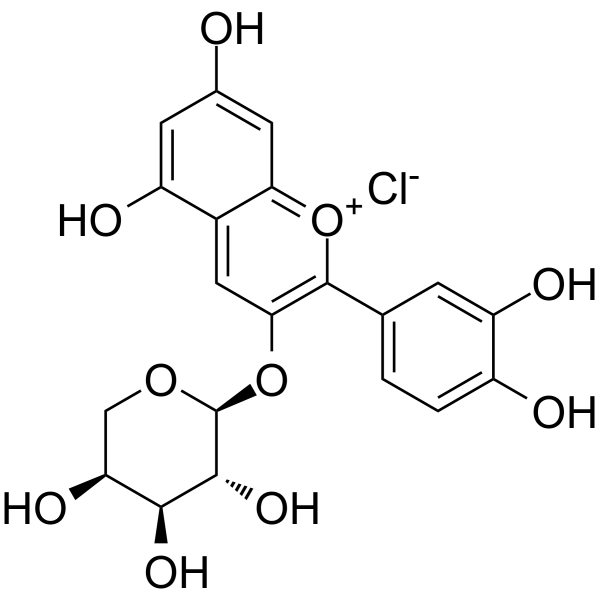
Cyanidin-3-O-arabinoside is a p38 MAPK phosphorylation inhibitor. Cyanidin-3-O-arabinoside reduces the expression of VDAC1, inhibits mtROS accumulation, reverses cellular senescence, blocks excessive mitochondrial calcium influx, reduces the formation of mitochondria-associated endoplasmic reticulum membranes, and suppresses the VDAC1-IP3R1 interaction. Cyanidin-3-O-arabinoside activates hair follicle stem cell proliferation and improves the condition of slowed hair growth. Cyanidin-3-O-arabinoside is applicable to research related to colon cancer and androgenetic alopecia .
loading...
    loading...
Cat. No.: HY-17602
CAS No.: 1129403-56-0
Synonyms: BBI503
Target:  

Apoptosis

Research Areas:  

Cancer

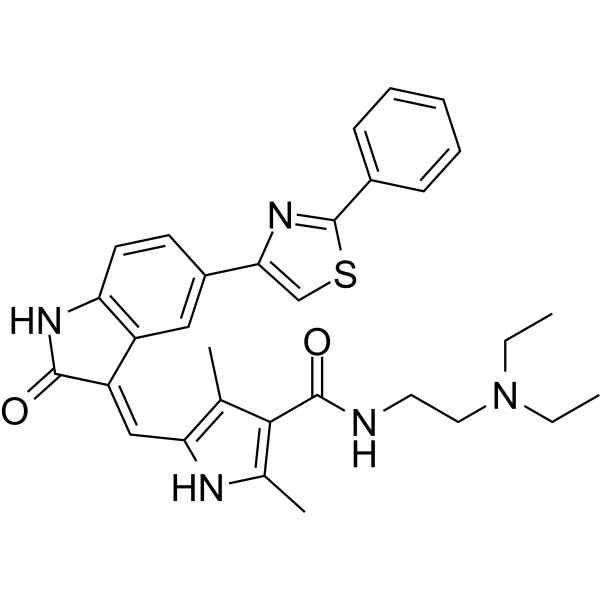
Amcasertib (BBI503) is an orally activate cancer stemness kinase inhibitor that enhances apoptosis. Amcasertib inhibits the expression of NANOG and CD133 and cell viability in PC-9/GR cells.
loading...
    loading...
Cat. No.: HY-12854
CAS No.: 868169-64-6
Purity:  99.43%
Synonyms: GRN163L
Target:  

Telomerase Apoptosis

Research Areas:  

Cardiovascular Disease Cancer

Imetelstat (GRN163L) is a 13-mer oligonucleotide and competitive Telomerase inhibitor. Imetelstat binds with high affinity to the template region of the RNA component of human telomerase. Imetelstat induces Apoptosis. Imetelstat is capable of selectively eliminating myelofibrosis hematopoietic stem cells. Imetelstat leads to the loss of a cancer cell's ability to maintain telomere length, resulting in the inhibition of cell proliferation .
loading...
    loading...
Cat. No.: HY-N0565S1
Doxycycline-d3 hyclate (major) is the deuterium labeled Doxycycline hyclate (HY-N0565B). Doxycycline hyclate is an orally active highly lipophilic, tissue-permeable MMP inhibitor with broad-spectrum antibacterial activity. Doxycycline hyclate is also a semi-synthetic antibiotic with chelating properties, which blocks bacterial protein synthesis and inhibits extracellular matrix degradation through interactions with zinc and calcium atoms. Doxycycline hyclate also inhibits mitochondrial biogenesis, translation, and the expression of respiratory chain proteins. Doxycycline hyclate induces apoptosis, inhibits autophagy and EMT, downregulates stem cell markers, and activates the PI3K-AKT pathway, thereby effectively inhibiting the viability and proliferation of cancer cells such as breast cancer cells. Doxycycline hyclate also promotes the survival and self-renewal of embryonic stem cells and neural stem cells, and reduces the frequency of medium changes in culture. Doxycycline hyclate has been applied in studies related to breast cancer, prostate cancer, bladder cancer, and other cancers .
loading...
    loading...
Cat. No.: HY-168437
Target:  

MicroRNA

Research Areas:  

Cancer

LIN28-IN-2 is a Lin28 inhibitor with activity against Lin28a, Lin28b, and their zinc knuckle domain. LIN28-IN-2 blocks Lin28-RNA substrate binding, perturbs zinc knuckle domain conformation. LIN28-IN-2 inhibits cancer cell proliferation, spheroid growth, and induces G2/M phase arrest. LIN28-IN-2 suppresses cancer stem cell phenotypes, Lin28-mediated stress granule formation, let-7 target genes, cancer stem cell biomarkers, and neuroendocrine biomarkers expression in cancer cells. LIN28-IN-2 can be used for the research of cancer .
loading...
    loading...
Cat. No.: HY-162153
CAS No.: 2644673-04-9
Target:  

FGFR

Research Areas:  

Cancer

CYY292 is an FGFR1 inhibitor that specifically targets the FGFR1/AKT/Snail pathway in GBM cells. CYY292 dose-dependently inhibits cancer cell proliferation, epithelial-mesenchymal transition, stemness, invasion, and migration in vitro .
loading...
    loading...
Cat. No.: HY-N0565AR
CAS No.: 10592-13-9
Doxycycline hydrochloride (Standard) is the analytical standard of Doxycycline hydrochloride (HY-N0565A). This product is intended for research and analytical applications. Doxycycline hydrochloride is an orally active highly lipophilic, tissue-permeable MMP inhibitor with broad-spectrum antibacterial activity. Doxycycline hydrochloride is also a semi-synthetic antibiotic with chelating properties, which blocks bacterial protein synthesis and inhibits extracellular matrix degradation through interactions with zinc and calcium atoms. Doxycycline hydrochloride also inhibits mitochondrial biogenesis, translation, and the expression of respiratory chain proteins. Doxycycline hydrochloride induces apoptosis, inhibits autophagy and EMT, downregulates stem cell markers, and activates the PI3K-AKT pathway, thereby effectively inhibiting the viability and proliferation of cancer cells such as breast cancer cells. Doxycycline hydrochloride also promotes the survival and self-renewal of embryonic stem cells and neural stem cells, and reduces the frequency of medium changes in culture. Doxycycline hydrochloride has been applied in studies related to breast cancer, prostate cancer, bladder cancer, and other cancers .
loading...
    loading...
Cat. No.: HY-N0565R
CAS No.: 564-25-0
Doxycycline (Standard) is the analytical standard of Doxycycline (HY-N0565). This product is intended for research and analytical applications. Doxycycline is an orally active highly lipophilic, tissue-permeable MMP inhibitor with broad-spectrum antibacterial activity. Doxycycline is also a semi-synthetic antibiotic with chelating properties, which blocks bacterial protein synthesis and inhibits extracellular matrix degradation through interactions with zinc and calcium atoms. Doxycycline also inhibits mitochondrial biogenesis, translation, and the expression of respiratory chain proteins. Doxycycline induces apoptosis, inhibits autophagy and EMT, downregulates stem cell markers, and activates the PI3K-AKT pathway, thereby effectively inhibiting the viability and proliferation of cancer cells such as breast cancer cells. Doxycycline also promotes the survival and self-renewal of embryonic stem cells and neural stem cells, and reduces the frequency of medium changes in culture. Doxycycline has been applied in studies related to breast cancer, prostate cancer, bladder cancer, and other cancers .
loading...
    loading...
Cat. No.: HY-N0565BR
CAS No.: 24390-14-5
Synonyms: Doxycycline hydrochloride hemiethanolate hemihydrate (Standard); WC2031 (Standard)
Doxycycline hyclate (Standard) is the analytical standard of Doxycycline hyclate (HY-N0565B). This product is intended for research and analytical applications. Doxycycline hyclate is an orally active highly lipophilic, tissue-permeable MMP inhibitor with broad-spectrum antibacterial activity. Doxycycline hyclate is also a semi-synthetic antibiotic with chelating properties, which blocks bacterial protein synthesis and inhibits extracellular matrix degradation through interactions with zinc and calcium atoms. Doxycycline hyclate also inhibits mitochondrial biogenesis, translation, and the expression of respiratory chain proteins. Doxycycline hyclate induces apoptosis, inhibits autophagy and EMT, downregulates stem cell markers, and activates the PI3K-AKT pathway, thereby effectively inhibiting the viability and proliferation of cancer cells such as breast cancer cells. Doxycycline hyclate also promotes the survival and self-renewal of embryonic stem cells and neural stem cells, and reduces the frequency of medium changes in culture. Doxycycline hyclate has been applied in studies related to breast cancer, prostate cancer, bladder cancer, and other cancers .
loading...
    loading...
Cat. No.: HY-134259
CAS No.: 2250156-71-7
Purity:  98.97%
Target:  

HOXA

Research Areas:  

Cancer

MEISi-2 is a selective inhibitor of MEIS, a key regulator of hematopoietic stem cell (HSC) self-renewal. MEISi-2 is developed for the research of cardiac injuries, hematopoiesis issues, bone marrow transplantations, and cancer .
loading...
    loading...

