243 Results for "

Cancer stem cells

" in MedChemExpress (MCE) Product Catalog:
Products (243)

243 Results for "Cancer stem cells" in MCE Product Catalog:

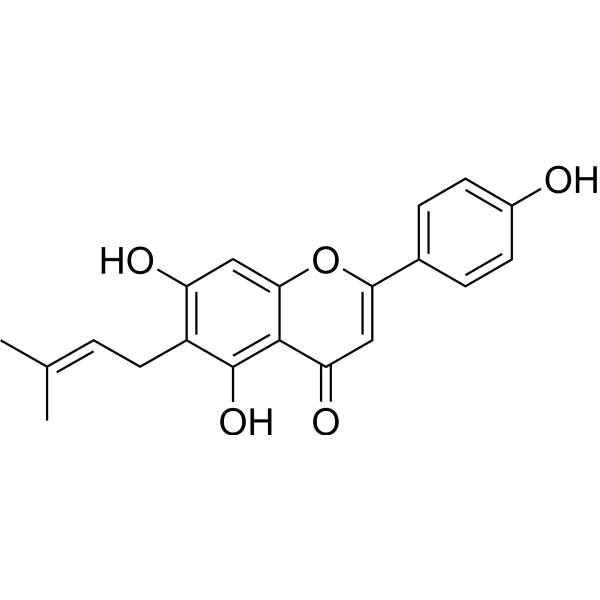
Cat. No.: HY-N2732
CAS No.: 68097-13-2
Synonyms: 6-Prenyl-4',5,7-trihydroxyflavone; 6-C-Prenylapigenin
6-Prenylapigenin (6-Prenyl-4',5,7-trihydroxyflavone; 6-C-Prenylapigenin) is a prenylated flavonoid that exists in the stems and leaves of Maclura pomifera. 6-Prenylapigenin exhibits cytotoxicity against cancer cells such as leukemia cells and solid tumor cells .
loading...
    loading...
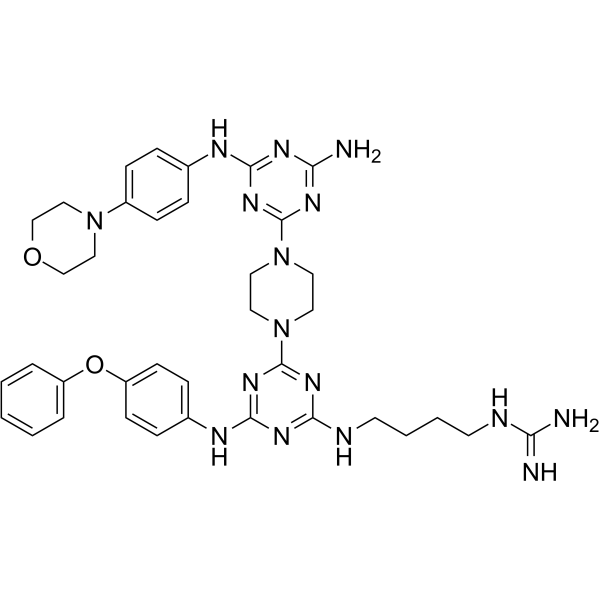
Cat. No.: HY-168566
CAS No.: 2247047-81-8
Target:  

HSP

Domaines de recherche:  

Cancer

EV206 is a Hsp70 binder and apoptosis inducer that binds to the N-terminal domain of Hsp70, promotes Hsp70 degradation via the ubiquitin-proteasome system, and reduces Hsp70 protein stability. EV206 induces apoptotic cell death, inhibits colony formation, and downregulates the expression of cancer stem cell-related markers in non-small cell lung cancer cells. EV206 inhibits the growth of H460 xenograft tumors in nude mice and can be used for the research of non-small cell lung cancer .
loading...
    loading...
Cat. No.: HY-113081R
CAS No.: 15763-06-1
1-Methyladenosine (Standard) is the analytical standard of 1-Methyladenosine. This product is intended for research and analytical applications. 1-Methyladenosine is an RNA modification that can serve as a tumor marker, with elevated levels in the body associated with cancer development. Following 1-methyladenosine methylation, upregulation of PPARδ expression regulates cholesterol metabolism and activates Hedgehog signaling pathway, driving liver tumorigenesis . In Vitro:Compared to surrounding tumor tissues, 1-methyladenosine methylation in RNA is aberrantly elevated in hepatocellular carcinoma (HCC) cell lines and liver cancer stem cells (CSCs). Methylated 1-methyladenosine can promote cholesterol synthesis and activate the Hedgehog signaling pathway by enhancing the translation of PPARδ in liver CSCs, ultimately driving the self-renewal and tumorigenesis of liver cancer stem cells .
loading...
    loading...
Cat. No.: HY-149894
CAS No.: 2376894-10-7
Pureté:  99.78%
Target:  

FOXC c-Myc Cadherin

Domaines de recherche:  

Cancer

MC-1-F2 is a FOXC2 inhibitor. MC-1-F2 shows a binding affinity (Kd) of 26 μM for full-length FOXC2. MC-1-F2 reduces epithelial-mesenchymal transition (EMT) markers in breast cancer cells, suppresses cancer stem cell (CSC) properties and reduces invasiveness in castration-resistant prostate cancer (CRPC) cells. MC-1-F2 can be used for the study of CRPC and breast cancer .
loading...
    loading...
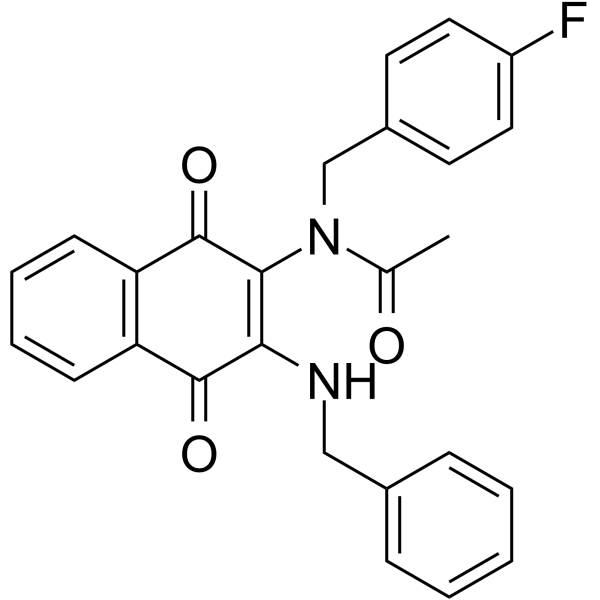
Cat. No.: HY-122910
CAS No.: 355406-76-7
Pureté:  99.95%
Target:  

Apoptosis

Domaines de recherche:  

Cancer

RIPGBM is a selective inducer of apoptosis in glioblastoma multiforme (GBM) cancer stem cells (CSCs) with an EC50 of ≤500 nM .
loading...
    loading...
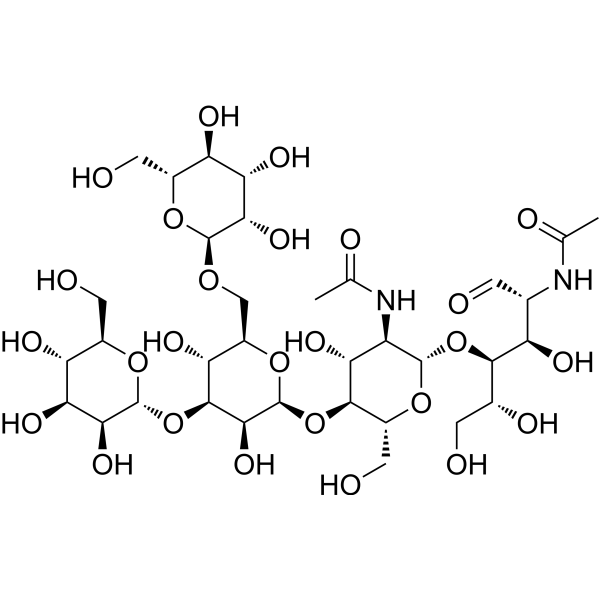
Cat. No.: HY-N10631
CAS No.: 70858-45-6
Target:  

Endogenous Metabolite

Domaines de recherche:  

Infection Inflammation/Immunology Cancer

Paucimannose is a mannosidic N-glycan epitope. It acts as a carcinoembryonic antigen, and a marker for cancer, stem cell properties and inflammation. Paucimannose mainly exists in plants and invertebrates. It consists of oligomannose-type N-glycans that preferentially bind to mannose-binding lectin. Paucimannose localizes on the surface of resting cells and translocates upon cell activation. It can be used in studies related to Pseudomonas aeruginosa infection, cancer and pancreatitis .
loading...
    loading...
Cat. No.: HY-N0565AS
Doxycycline-d3 hydrochloride is deuterium labeled Doxycycline hydrochloride (HY-N0565A). Doxycycline hydrochloride is an orally active highly lipophilic, tissue-permeable MMP inhibitor with broad-spectrum antibacterial activity. Doxycycline hydrochloride is also a semi-synthetic antibiotic with chelating properties, which blocks bacterial protein synthesis and inhibits extracellular matrix degradation through interactions with zinc and calcium atoms. Doxycycline hydrochloride also inhibits mitochondrial biogenesis, translation, and the expression of respiratory chain proteins. Doxycycline hydrochloride induces apoptosis, inhibits autophagy and EMT, downregulates stem cell markers, and activates the PI3K-AKT pathway, thereby effectively inhibiting the viability and proliferation of cancer cells such as breast cancer cells. Doxycycline hydrochloride also promotes the survival and self-renewal of embryonic stem cells and neural stem cells, and reduces the frequency of medium changes in culture. Doxycycline hydrochloride has been applied in studies related to breast cancer, prostate cancer, bladder cancer, and other cancers .
loading...
    loading...
Cat. No.: HY-N0565S3
CAS No.: 1902958-13-7
Doxycycline- 13C,d3 is 13C and deuterium labeled Doxycycline (HY-N0565). Doxycycline is an orally active highly lipophilic, tissue-permeable MMP inhibitor with broad-spectrum antibacterial activity. Doxycycline is also a semi-synthetic antibiotic with chelating properties, which blocks bacterial protein synthesis and inhibits extracellular matrix degradation through interactions with zinc and calcium atoms. Doxycycline also inhibits mitochondrial biogenesis, translation, and the expression of respiratory chain proteins. Doxycycline induces apoptosis, inhibits autophagy and EMT, downregulates stem cell markers, and activates the PI3K-AKT pathway, thereby effectively inhibiting the viability and proliferation of cancer cells such as breast cancer cells. Doxycycline also promotes the survival and self-renewal of embryonic stem cells and neural stem cells, and reduces the frequency of medium changes in culture. Doxycycline has been applied in studies related to breast cancer, prostate cancer, bladder cancer, and other cancers .
loading...
    loading...
Cat. No.: HY-W338764
CAS No.: 23749-58-8
Domaines de recherche:  

Cancer

AHR agonist 3 is an aryl hydrocarbon receptor (AhR) agonist, that can induces cell cycle arrest or apoptosis via activation of tumor-suppressive transcriptional programs. AHR agonist 3 inhibits triple-negative breast cancer (TNBC) stem cell growth via AhR while exhibits minimal cytotoxicity against normal human primary cells and can be used for cancer research .
loading...
    loading...
Cat. No.: HY-175865
Target:  

HSP Apoptosis

Domaines de recherche:  

Cancer

HSP70-IN-7 is a nonselective HSP70 inhibitor with Kds of 4.71, 2.16 and 2.93μM against HSP70, GRP75, and GRP78. HSP70-IN-7 exhibits selective toxicity against breast cancer cells, induces cell apoptosis and effectively suppresses the properties of breast cancer stem cells (BCSCs). HSP70-IN-7 can be used for the study of breast cancer .
loading...
    loading...
Cat. No.: HY-124067
CAS No.: 1185908-92-2
Target:  

IKK JAK STAT NF-κB

Domaines de recherche:  

Cancer

EC-70124 is an orally active multikinase inhibitor targeting IKKβ and JAK2. EC-70124 blocks IkB phosphorylation and STAT3 (Tyr705) activation, suppressing NF-κB nuclear translocation and STAT3 transcriptional activity. EC-70124 reduces tumor growth and cancer stem cell (CSC) populations in prostate cancer cells and xenograft models. EC-70124 is promising for research of prostate cancer .
loading...
    loading...
Cat. No.: HY-W106860
CAS No.: 51761-07-0
Synonyms: 3-Formylcarbazole
9H-Carbazole-3-carbaldehyde (3-Formylcarbazole) is a carbazole compound and an anticancer agent. 9H-Carbazole-3-carbaldehyde is present in the stems of Clausena lansium (Lour.) Skeels. 9H-Carbazole-3-carbaldehyde can be used in the research of cervical cancer, leukemia, non-small cell lung cancer and liver cancer .
loading...
    loading...
Cat. No.: HY-145670
CAS No.: 32663-51-7
Target:  

Akt MDM-2/p53

Domaines de recherche:  

Cancer

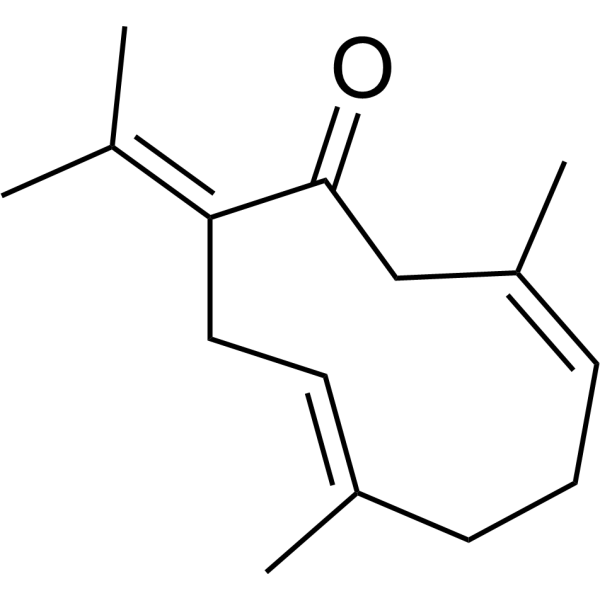
cis,trans-Germacrone is an isomer of Germacrone (HY-N0440) and is present in the stems and leaves of Curcuma wenyujin. Germacrone exhibits a wide range of antitumor, antioxidant, and anti-inflammatory effects. Germacrone inhibits lung cancer cell proliferation and alters Akt/MDM2/p53. Germacrone also induces cell cycle arrest at the G1/S phase. Germacrone is used in lung cancer-related research .
loading...
    loading...
Cat. No.: HY-125466
CAS No.: 2361988-76-1
Domaines de recherche:  

Cancer

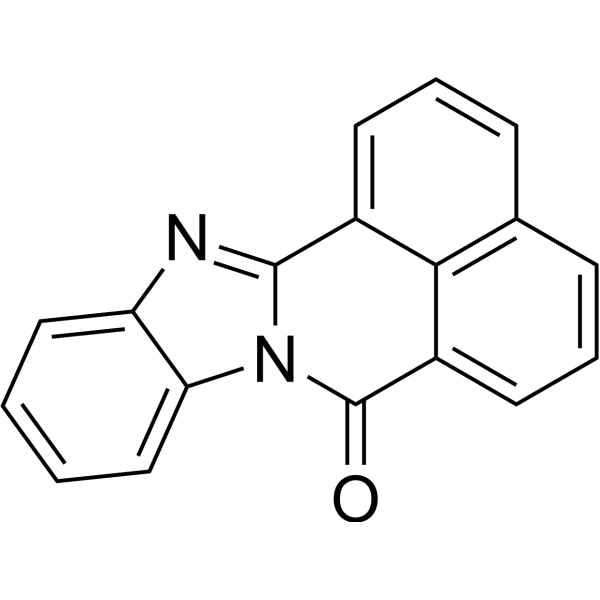
cRIPGBM, a proapoptotic derivative of RIPGBM, a cell type-selective inducer of apoptosis in GBM cancer stem cells (CSCs) by binding to receptor-interacting protein kinase 2 (RIPK2), with an EC50 of 68 nM in GBM-1 cells .
loading...
    loading...
Cat. No.: HY-B1460B
CAS No.: 61318-90-9
Synonyms: (±)-Sulconazole
Target:  

Fungal

Domaines de recherche:  

Cancer

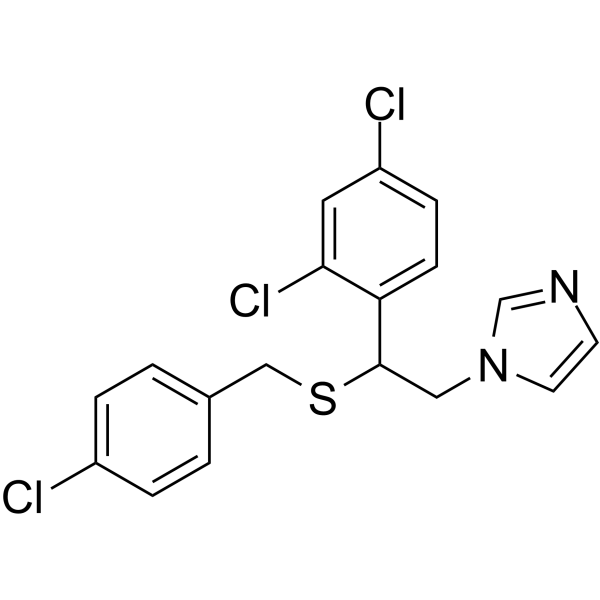
Sulconazole is a potent antifungal agent in the imidazole class. Sulconazole blocks the NF-κB/IL-8 signaling pathway and CSC (Cancer stem cells) formation. Sulconazole inhibits tumor growth, and can be used for breast cancer research .
loading...
    loading...
Cat. No.: HY-W102525
CAS No.: 16409-43-1
Target:  

Drug Derivative

Domaines de recherche:  

Others

Rose oxide is a kind of monoterpenoid volatile organic compound with a distinctive rose fragrance. However, rose oxide does not have inhibitory activity against the formation of breast cancer stem cells .
loading...
    loading...
Cat. No.: HY-13654
CAS No.: 878204-96-7
Target:  

Smo Hedgehog

Domaines de recherche:  

Cancer

IPI-269609 is an orally effective Smoothed (SMO) inhibitor that targets the Hedgehog (Hh) signaling pathway. IPI-269609 specifically reduces the ALDH-bright (high aldehyde dehydrogenase activity) cell subset, which is considered the "cancer stem cells" in pancreatic cancer. IPI-269609 significantly inhibits the migration and colony formation of pancreatic cancer cells. IPI-269609 effectively inhibits pancreatic cancer metastasis in a mouse model. IPI-269609 can be used for pancreatic cancer research .
loading...
    loading...
Cat. No.: HY-N9149
CAS No.: 98570-81-1
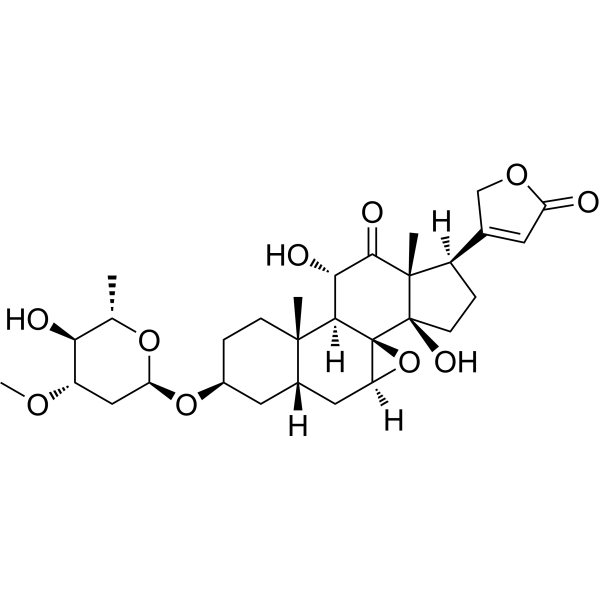
Cryptanoside A, a cardiac glycoside epoxide, can be isolated from the stems of Cryptolepis dubia. Cryptanoside A has potent cytotoxicity against cancer cells. Cryptanoside A also inhibits Na+/K+-ATPase activity. Cryptanoside A increases the expression of Akt and the p65 subunit of NF-κB .
loading...
    loading...
Cat. No.: HY-19972
CAS No.: 1426576-80-8
Target:  

Wnt

Domaines de recherche:  

Cancer

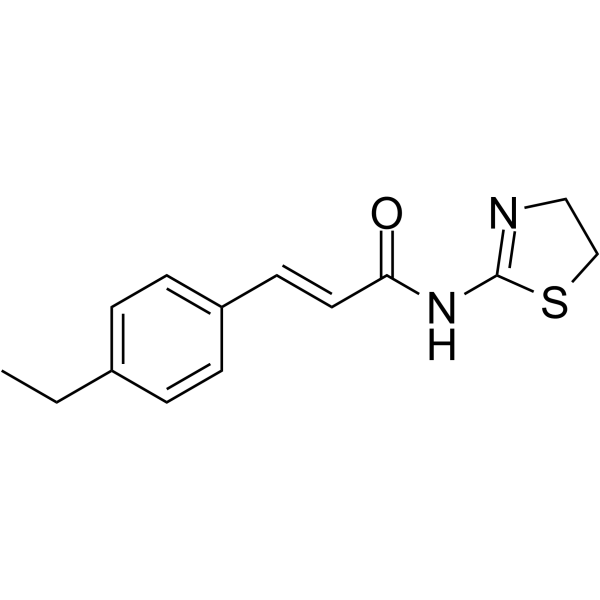
ML243 is a selective small-molecule inhibitor of breast cancer stem cells. ML243 has 32-fold greater selective inhibition in the breast CSC-like cell line HMLE_shECad than the control cell line HMLE_shGFP. ML243 may target the Wnt pathway at the protein level without altering RNA expression levels .
loading...
    loading...
Cat. No.: HY-134920
CAS No.: 2116519-76-5
Domaines de recherche:  

Cancer

LW106 is a selective IDO1 inhibitor with an IC50 of 1.57 μM. LW106 has no inhibitory effect on IDO2 and TDO. LW106 inhibits tumor outgrowth by limiting stroma-immune crosstalk and CSC enrichment in the tumor microenvironment. LW106 reduces subpopulation of cancer stem cells (CSCs) in xenografted tumors in which less proliferative/invasive tumor cells and more tumor cells apoptosis. LW106 can be used for the studies of lung cancer and melanoma .
loading...
    loading...

