
411 Results for "

toad bladder

" in MedChemExpress (MCE) Product Catalog:
Products (411)

411 Results for "toad bladder" in MCE Product Catalog:

1
1 Cited Publications
Cat. No.: HY-W017113
CAS No.: 149-30-4
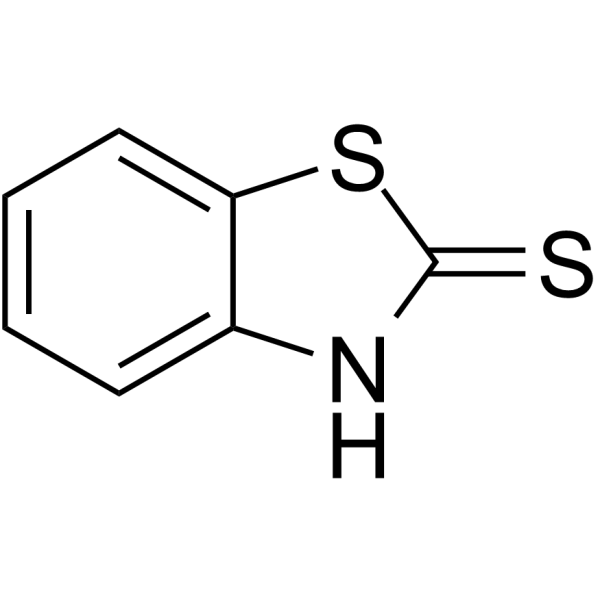
2-Mercaptobenzothiazole is an activator of the aryl hydrocarbon receptor (AhR) , inhibiting thyroid hormone synthesis and dopamine beta-hydroxylase activity . 2-Mercaptobenzothiazole promotes bladder cancer cell invasion by altering the conformation of the AhR ligand binding domain (LBD), activating AhR transcription, and upregulating the mRNA and protein expression of target genes CYP1A1 and CYP1B1 . 2-Mercaptobenzothiazole inhibits thyroid peroxidase (TPO) with an IC50 value of 11.5 μM, induces histological changes such as follicular cell hypertrophy in Xenopus laevis tadpoles, delaying metamorphosis . 2-Mercaptobenzothiazole increases chromosomal aberrations and sister chromatid exchanges (SCEs) in Chinese hamster ovary (CHO) cells, and enhances carcinogenicity in F344/N rats . 2-Mercaptobenzothiazole inhibits norepinephrine synthesis in mice and completely blocks the conversion of exogenous dopamine to norepinephrine in rat cardiomyocytes .
loading...
    loading...
Cat. No.: HY-B0549A
CAS No.: 3717-88-2
Synonyms: Rec-7-0040; DW61
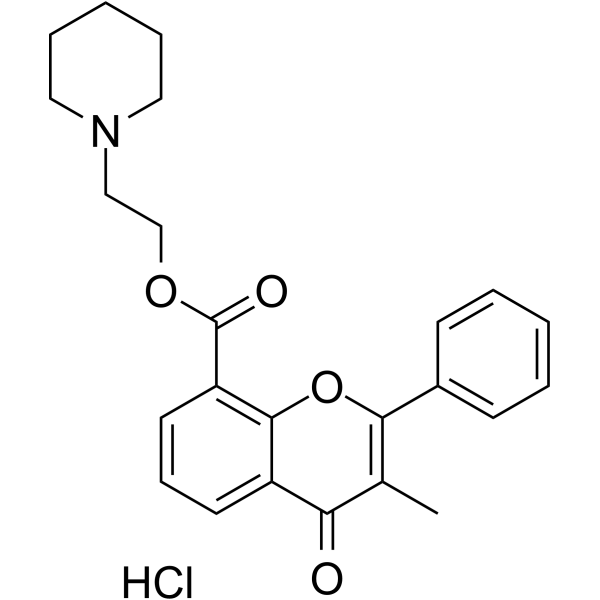
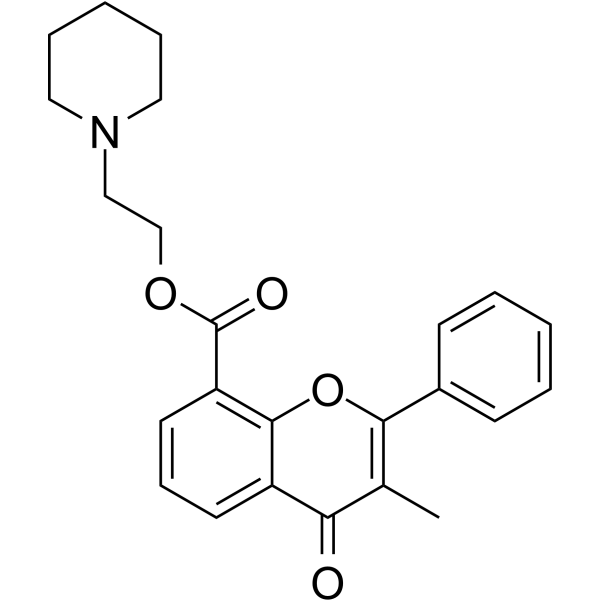
Flavoxate hydrochloride (Rec-7-0040; DW61) is an orally active L-type Ca 2+ channel inhibitor and antispasmodic. Flavoxate hydrochloride inhibits cyclic adenosine monophosphate production by blocking voltage-dependent inward Ba 2+ currents, regulating the brainstem micturition center, and stimulating G protein-coupled receptors. Consequently, Flavoxate hydrochloride induces relaxation of bladder smooth muscle and inhibits isovolumetric rhythmic contractions. Flavoxate hydrochloride effectively increases bladder capacity and alleviates symptoms of urgent urination frequency and pollakiuria caused by overactive bladder. Flavoxate hydrochloride can be used in research on overactive bladder and related voiding dysfunctions .
loading...
    loading...
Cat. No.: HY-W755252
CAS No.: 3817-11-6
Synonyms: BBN
Research Areas:  

Cancer

N-Butyl-N-(4-hydroxybutyl)nitrosamine is a potent mutagen that can cause high-level of mutagenesis specifically in the epithelial cells (urothelial) of the urinary bladder. N-Butyl-N-(4-hydroxybutyl)nitrosamine is used to induce bladder cancer in rodents .
loading...
    loading...
Cat. No.: HY-B0267A
CAS No.: 1508-65-2
Target:  

mAChR Potassium Channel

Research Areas:  

Neurological Disease Cancer

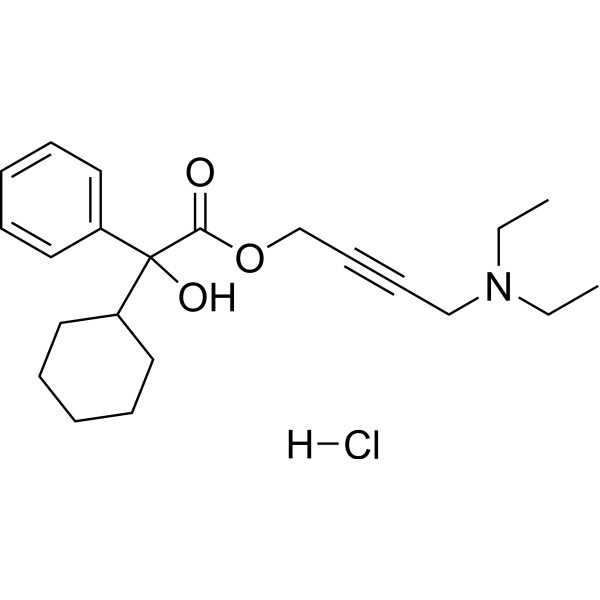
Oxybutynin chloride is an oral active and competitive mAChR antagonist with Kis of 14.3 and 5.55 nM for specific [ 3H]NMS binding in the mouse bladder and cerebral cortex, respectively. Oxybutynin chloride inhibits vascular Kv channels in a manner independent of anticholinergic effect, with an IC50 value of 11.51 μM. Oxybutynin chloride reduces muscle spasm in the bladder and urinary tract, can be used in study of overactive bladder syndrome (OAB) . Oxybutynin (chloride) is a click chemistry reagent, it contains an Alkyne group and can undergo copper-catalyzed azide-alkyne cycloaddition (CuAAc) with molecules containing Azide groups.
loading...
    loading...
Cat. No.: HY-W014839
CAS No.: 139-05-9
Synonyms: Sodium cyclamate; Cyclohexylsulfamic acid sodium
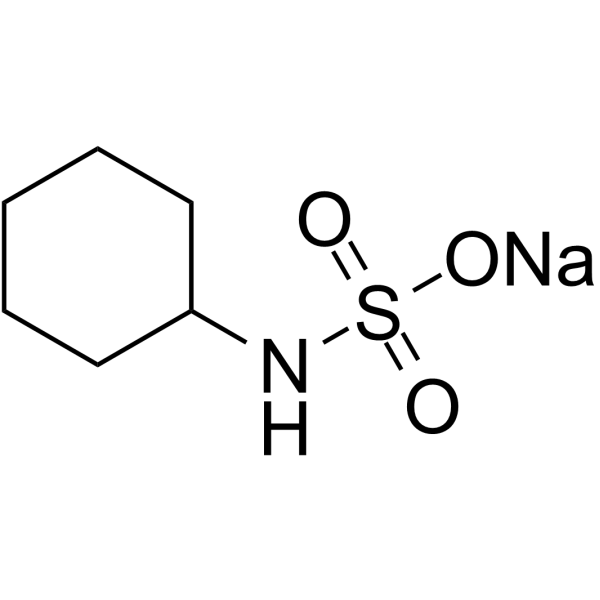
Cyclamic acid sodium (Sodium cyclamate) is a commonly used sweetener. Cyclamic acid sodium is toxic to osteoblasts and can inhibit cell proliferation, induce apoptosis and reduce cell mineralization. Cyclamic acid sodium causes focal necrosis of bladder organs in rats in vitro, which can promote bladder cancer, but some studies have shown that low doses of Cyclamic acid sodium have no carcinogenic effect. In addition, Cyclamic acid sodium has no effect on insulin and glucagon secretion induced by arginine .
loading...
    loading...
Cat. No.: HY-120692
CAS No.: 17472-50-3
Purity:  96.27%
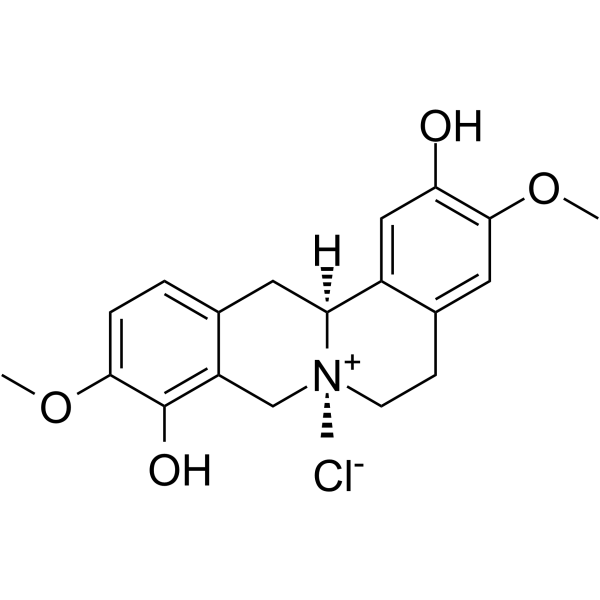
Cyclanoline chloride is an alkaloid. Cyclanoline chloride can be isolated from Fangji. Cyclanoline (chloride) inhibits the phosphorylation of JAK2 and STAT3, and induces Apoptosis. Cyclanoline chloride suppresses tumor growth in subcutaneous bladder cancer xenograft models of nude mice. Cyclanoline chloride reverses cisplatin resistance in bladder cancer cells and enhances the efficacy of Cisplatin (HY-17394). Cyclanoline chloride can be used for research related to bladder cancer .
loading...
    loading...
Cat. No.: HY-P1630
CAS No.: 172998-24-2
Target:  

Bacterial

Research Areas:  

Infection

Buforin II, derived from buforin I, a protein isolated from the stomach of the Asian toad Bufo bufo gargarizans, is a potent antimicrobial peptide. Buforin II has antimicrobial activity against a broad spectrum of Gram-positive and Gram-negative bacteria .
loading...
    loading...
Cat. No.: HY-116408A
CAS No.: 54556-98-8
Purity:  99.89%
Target:  

mAChR Calcium Channel

Research Areas:  

Neurological Disease Cancer

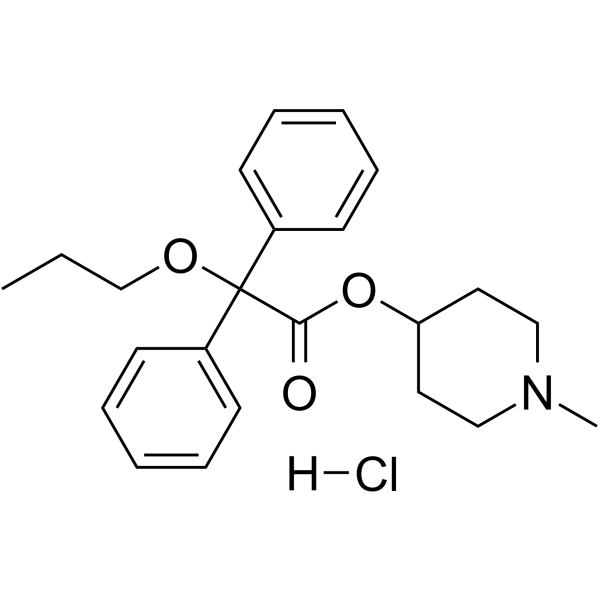
Propiverine hydrochloride is a bladder spasmolytic with calcium antagonistic and anticholinergic properties. Propiverine hydrochloride can be used for the research of overactive blaqdder and urinary incontinence .
loading...
    loading...
Cat. No.: HY-16045
CAS No.: 140898-91-5
Synonyms: Hexyl 5-aminolevulinate hydrochloride; P-1206; 5-Aminolevulinic acid hexyl ester hydrochloride
Target:  

Fluorescent Dye

Research Areas:  

Cancer

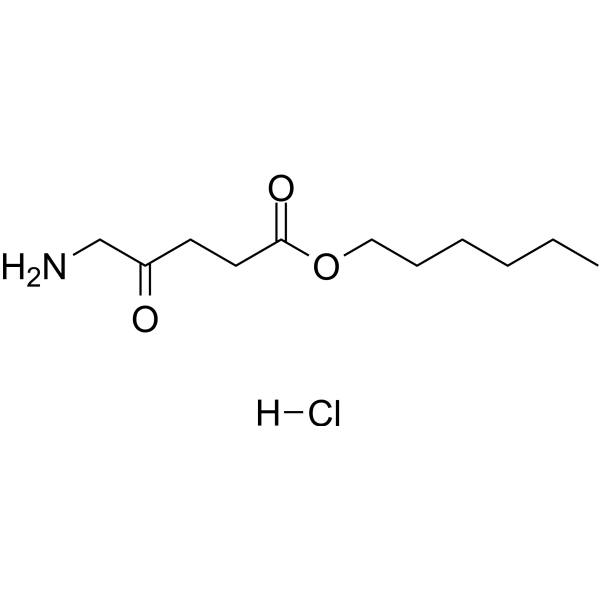
Hexaminolevulinate (Hexyl 5-aminolevulinate) hydrochloride, a porphyrin precursor, is a photosensitiser that can be used in photodynamic therapy (PDT) for certain tumor. Hexaminolevulinate hydrochloride can improve the visualisation of bladder tumours .
loading...
    loading...
Cat. No.: HY-B0662
CAS No.: 170105-16-5
Synonyms: KRP-197; ONO-8025
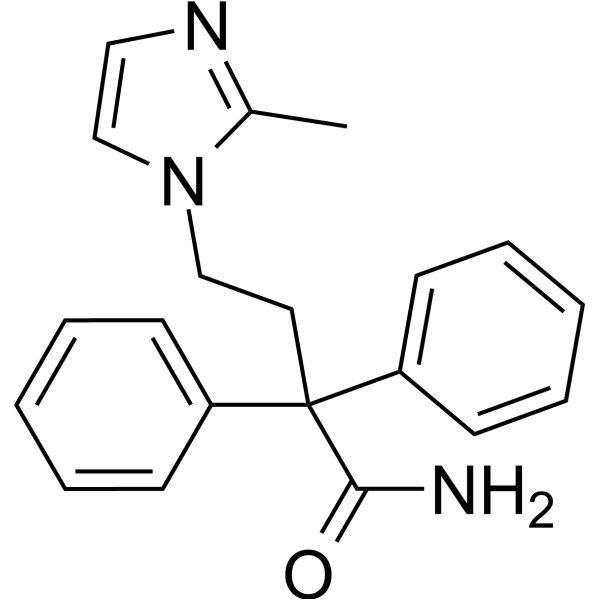
Imidafenacin (KRP-197; ONO-8025) is an orally active inhibitor of muscarinic (mAChR) M1 and M3 receptors. Imidafenacin potently inhibits bladder contraction in vivo and exerts an antidiuretic effect by enhancing the signaling pathway of vasopressin (antidiuretic hormone). Imidafenacin can be used in research related to overactive bladder .
loading...
    loading...
Cat. No.: HY-120961
CAS No.: 85075-82-7
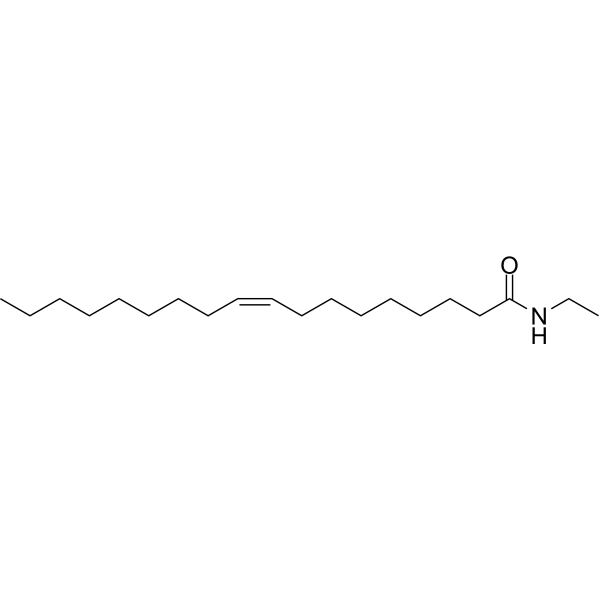
Synonyms: N-Ethyloleamide
Target:  

FAAH

Research Areas:  

Metabolic Disease

Oleoyl ethyl amide (N-Ethyloleamide) is a fatty acid amide hydrolase (FAAH) inhibitor. Oleoyl ethyl amide can counteract bladder overactivity .
loading...
    loading...
Cat. No.: HY-B0541
CAS No.: 100-88-9
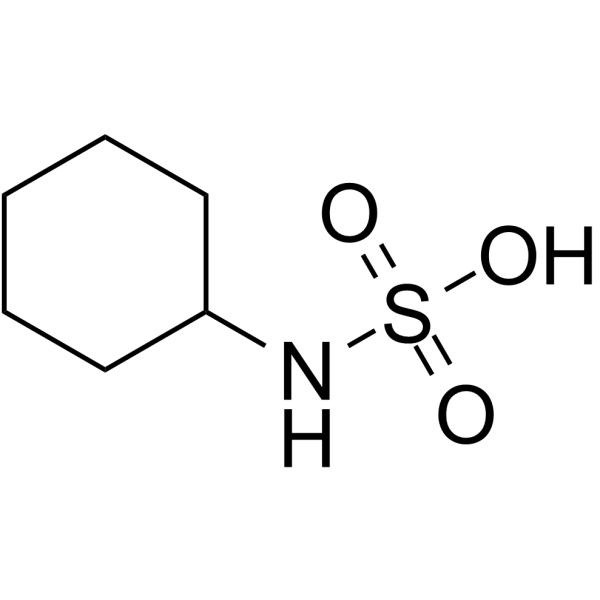
Synonyms: Cyclohexylsulfamic acid; Cyclamate
Cyclamic acid (Cyclamate) is a commonly used sweetener. Cyclamic acid sodium is toxic to osteoblasts and can inhibit cell proliferation, induce apoptosis and reduce cell mineralization. Cyclamic acid sodium causes focal necrosis of bladder organs in rats in vitro, which can promote bladder cancer, but some studies have shown that low doses of Cyclamic acid sodium have no carcinogenic effect. In addition, Cyclamic acid sodium has no effect on insulin and glucagon secretion induced by arginine .
loading...
    loading...
Cat. No.: HY-101248
CAS No.: 185259-85-2
Purity:  99.86%
Target:  

5-HT Receptor

Research Areas:  

Cancer

GR-46611 is a 5-HT1D receptor agonist. GR-46611 can be used in the research of bladder hyperactivity, leukemia .
loading...
    loading...
Cat. No.: HY-W010031
CAS No.: 708-79-2
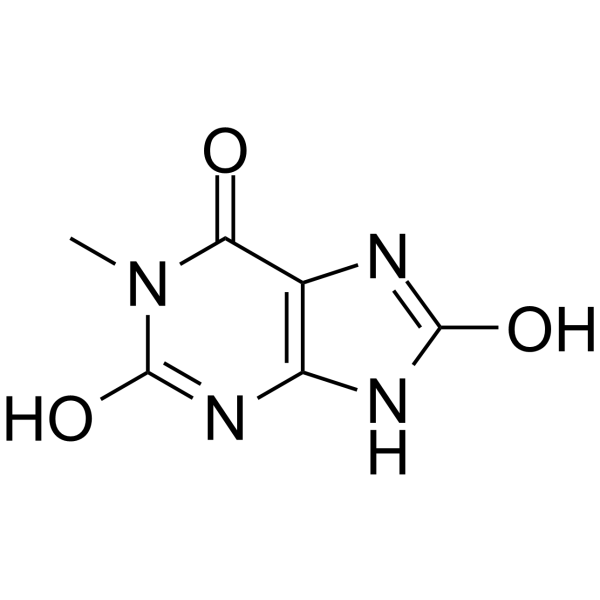
1-Methyluric acid acts on the urinary bladder mucosa and increases the blood glucose, insulin, triglyceride, and cholesterol levels.
loading...
    loading...
Cat. No.: HY-P1278
CAS No.: 137593-52-3
Target:  

Neurokinin Receptor

Research Areas:  

Neurological Disease Endocrinology

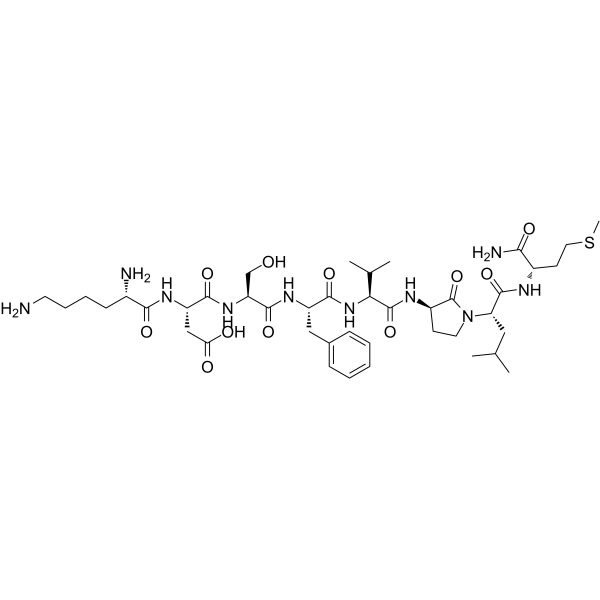
GR 64349 is a selective neurokinin 2 (NK2) receptor agonist. GR 64349 selectively activates the NK-2 receptor subtype. GR 64349 activates tonic and rhythmic bladder contractions of the micturition reflex. GR 64349 acetate does not inhibit rhythmic bladder contraction activation induced by normal saline. GR 64349 induces inward currents .
loading...
    loading...
Cat. No.: HY-N7707
CAS No.: 28219-61-6
Research Areas:  

Cancer

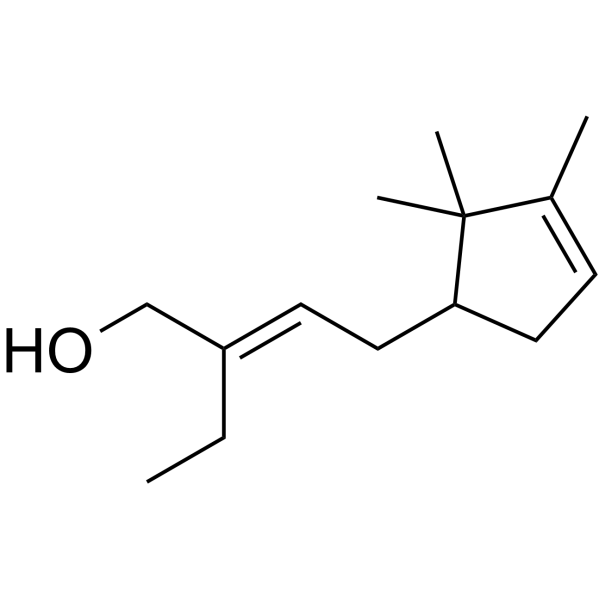
Sandacanol is a specific agonist of olfactory receptor (OR10H1). Sandacanol induces cell cycle arrest and some apoptosis in bladder cancer cells .
loading...
    loading...
Cat. No.: HY-150308
CAS No.: 1415321-64-0
Purity:  98.96%
Target:  

PPAR

Research Areas:  

Cancer

SR10221, a noncovalent inverse agonist of PPARγ, represses downstream PPARγ target genes leading to growth inhibition in bladder cancer cell lines .
loading...
    loading...
Cat. No.: HY-B0549
CAS No.: 15301-69-6
Synonyms: Rec-7-0040 free base; DW61 free base
Flavoxate (Rec-7-0040 free base; DW61 free base) is an orally active L-type Ca 2+ channel inhibitor and antispasmodic. Flavoxate inhibits cyclic adenosine monophosphate production by blocking voltage-dependent inward Ba 2+ currents, regulating the brainstem micturition center, and stimulating G protein-coupled receptors. Consequently, Flavoxate induces relaxation of bladder smooth muscle and inhibits isovolumetric rhythmic contractions. Flavoxate effectively increases bladder capacity and alleviates symptoms of urgent urination frequency and pollakiuria caused by overactive bladder. Flavoxate can be used in research on overactive bladder and related voiding dysfunctions .
loading...
    loading...
Cat. No.: HY-B0549AR
CAS No.: 3717-88-2
Synonyms: Rec-7-0040 (Standard); DW61 (Standard)
Flavoxate (hydrochloride) (Standard) is the analytical standard of Flavoxate (hydrochloride). This product is intended for research and analytical applications. Flavoxate hydrochloride (Rec-7-0040; DW61) is an orally active L-type Ca 2+ channel inhibitor and antispasmodic. Flavoxate hydrochloride inhibits cyclic adenosine monophosphate production by blocking voltage-dependent inward Ba 2+ currents, regulating the brainstem micturition center, and stimulating G protein-coupled receptors. Consequently, Flavoxate hydrochloride induces relaxation of bladder smooth muscle and inhibits isovolumetric rhythmic contractions. Flavoxate hydrochloride effectively increases bladder capacity and alleviates symptoms of urgent urination frequency and pollakiuria caused by overactive bladder. Flavoxate hydrochloride can be used in research on overactive bladder and related voiding dysfunctions .
loading...
    loading...
Cat. No.: HY-W010482S
CAS No.: 1643538-19-5
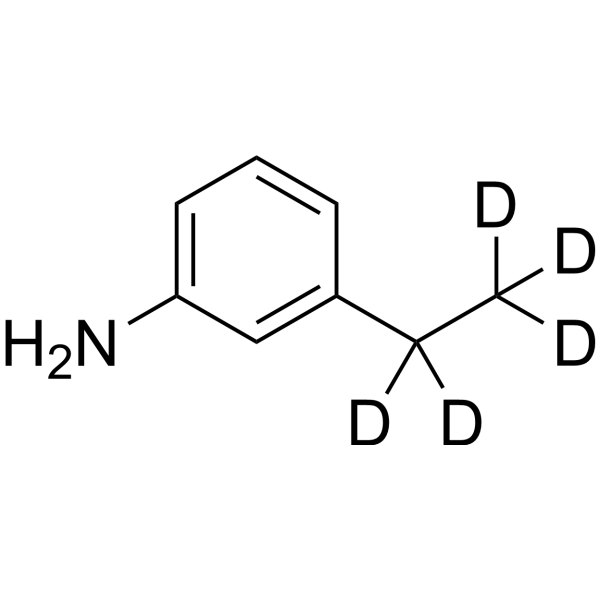
3-Ethylaniline-d5 is the deuterium labeled 3-Ethylaniline (HY-W010482). 3-Ethylaniline is metabolized in vivo to electrophilic intermediates that covalently bind to DNA and that adducts are formed in the DNA of bladder. 3-Ethylaniline can be used for the research of bladder cancer .
loading...
    loading...

