855 Results for "

brain permeability

" in MedChemExpress (MCE) Product Catalog:
Products (855)

855 Results for "brain permeability" in MCE Product Catalog:

Cat. No.: HY-B0464S
CAS No.: 2749234-32-8
Hydralazine-d4 hydrochloride is the deuterium labeled Hydralazine hydrochloride. Hydralazine hydrochloride is an orally active, blood-brain barrier-permeable DNA methyltransferase inhibitor with vasodilatory, arterial smooth muscle relaxant and hypotensive activities. Hydralazine hydrochloride reactivates silenced tumor suppressor genes via mediating DNA demethylation, while exerting neuroprotective and anti-inflammatory properties. Hydralazine hydrochloride inhibits NOS-2 (iNOS) and COX-2, and reduces the production of NO and PGEE2; meanwhile, Hydralazine hydrochloride scavenges reactive oxygen species and inhibits macrophage activation. Hydralazine hydrochloride alleviates motor dysfunction, neuropathic inflammatory pain, and formalin-induced somatic and emotional pain responses. In addition, Hydralazine hydrochloride directly induces DNA strand breaks and sister chromatid exchange, exhibiting certain mutagenic characteristics. Hydralazine hydrochloride has been widely used in studies on hypertension, various cancers (such as cervical cancer, leukemia), spinal cord injury and the mechanisms of inflammatory pain .
loading...
    loading...
Cat. No.: HY-B0464S1
CAS No.: 2012598-61-5
Hydralazine-d5 (hydrochloride) is deuterium-labeled Hydralazine (hydrochloride) (HY-B0464). Hydralazine hydrochloride is an orally active, blood-brain barrier-permeable DNA methyltransferase inhibitor with vasodilatory, arterial smooth muscle relaxant and hypotensive activities. Hydralazine hydrochloride reactivates silenced tumor suppressor genes via mediating DNA demethylation, while exerting neuroprotective and anti-inflammatory properties. Hydralazine hydrochloride inhibits NOS-2 (iNOS) and COX-2, and reduces the production of NO and PGEE2; meanwhile, Hydralazine hydrochloride scavenges reactive oxygen species and inhibits macrophage activation. Hydralazine hydrochloride alleviates motor dysfunction, neuropathic inflammatory pain, and formalin-induced somatic and emotional pain responses. In addition, Hydralazine hydrochloride directly induces DNA strand breaks and sister chromatid exchange, exhibiting certain mutagenic characteristics. Hydralazine hydrochloride has been widely used in studies on hypertension, various cancers (such as cervical cancer, leukemia), spinal cord injury and the mechanisms of inflammatory pain .
loading...
    loading...
Cat. No.: HY-B0670
CAS No.: 511-12-6
Synonyms: DFN-19
Dihydroergotamine (DFN-19) is a blood-brain barrier-permeable semi-synthetic ergot alkaloid, acting as a full agonist of 5-HT1B/1D receptors (Ki values of 0.3 nM and 2.5 nM, respectively; functional IC50 values of 2 nM and 2.2 nM, respectively). Dihydroergotamine inhibits Forskolin (HY-15371)-stimulated cAMP accumulation, possesses α-adrenergic receptor antagonistic activity and weak dopaminergic agonistic activity. It mediates intracranial cerebrovascular contraction, inhibits the release of neuropeptides such as CGRP/substance P, and suppresses neurogenic inflammation by activating 5-HT1B/1D receptors in the trigeminovascular system. Dihydroergotamine binds to the catalytic site of Trypanosoma cruzi trypanothione reductase and exhibits trypanocidal activity in vitro. Dihydroergotamine can be used in studies related to migraine and trypanosome infections .
loading...
    loading...
Cat. No.: HY-B1120R
CAS No.: 3383-96-8
Synonyms: Temefos (Standard)
Temephos (Standard) is the analytical standard of Temephos. This product is intended for research and analytical applications. Temephos (Temefos) is an orally active, blood-brain barrier-permeable organophosphate insecticide and AChE inhibitor. By irreversibly inhibiting AChE to induce cholinergic overactivation, Temephos effectively blocks larval development of Aedes aegypti (yellow fever mosquito) and Aedes albopictus (Asian tiger mosquito), and is commonly used in studies related to Dengue Virus, Zika Virus and other relevant pathogens. Temephos exhibits genotoxicity and neurodevelopmental toxicity, and may also cause liver injury, reproductive system abnormalities and cholinergic poisoning symptoms in mammals. Temephos tends to accumulate in adipose tissues and aquatic organisms, and is excreted via feces after metabolism through oxidation and hydrolysis. Note that CYP-mediated metabolic detoxification may reduce the actual larvicidal efficacy of Temephos against some mosquito species. Temephos can be used in research related to dengue fever, Zika virus disease, chikungunya and dracunculiasis .
loading...
    loading...
Cat. No.: HY-B1120S
CAS No.: 1219795-39-7
Synonyms: Temefos-d12
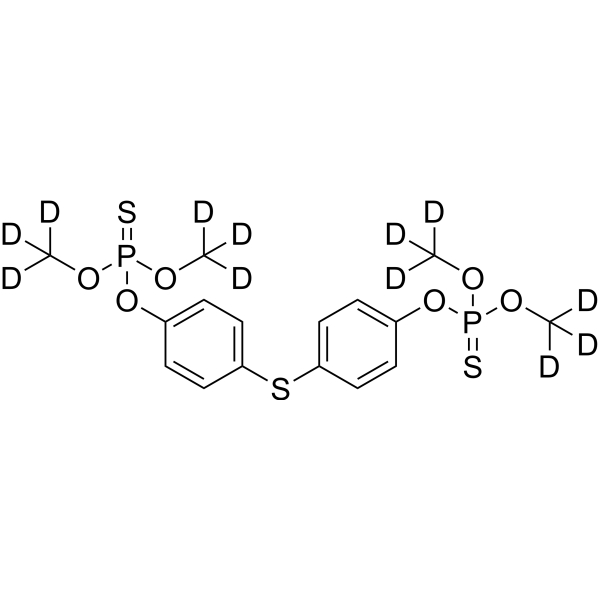
Temephos-d12 is the deuterium labeled Temephos. Temephos (Temefos) is an orally active, blood-brain barrier-permeable organophosphate insecticide and AChE inhibitor. By irreversibly inhibiting AChE to induce cholinergic overactivation, Temephos effectively blocks larval development of Aedes aegypti (yellow fever mosquito) and Aedes albopictus (Asian tiger mosquito), and is commonly used in studies related to Dengue Virus, Zika Virus and other relevant pathogens. Temephos exhibits genotoxicity and neurodevelopmental toxicity, and may also cause liver injury, reproductive system abnormalities and cholinergic poisoning symptoms in mammals. Temephos tends to accumulate in adipose tissues and aquatic organisms, and is excreted via feces after metabolism through oxidation and hydrolysis. Note that CYP-mediated metabolic detoxification may reduce the actual larvicidal efficacy of Temephos against some mosquito species. Temephos can be used in research related to dengue fever, Zika virus disease, chikungunya and dracunculiasis .
loading...
    loading...
Cat. No.: HY-N0688R
CAS No.: 13476-25-0
Linderane (Standard) is the analytical standard of Linderane (HY-N0688). This product is intended for research and analytical applications. Linderane is an orally active natural sesquiterpene lactone with blood-brain barrier permeability. Linderane indirectly activates PDE3 by activating ERK/STAT3, thereby inhibiting the cAMP/PKA/CREB signaling pathway and hepatic gluconeogenesis. Linderane protects pancreatic β cells against oxidative damage by inhibiting the activation of the p38 MAPK pathway and activating the Nrf2 pathway. Linderane inhibits cell apoptosis and ameliorates intestinal mucosal inflammation by suppressing the IL-6/JAK/STAT3 signaling pathway. Linderane reduces pain sensitivity and alleviates anxiety-like behaviors by activating cannabinoid receptor 2 (CB2R). Linderane can be used in studies related to type 2 diabetes, ulcerative colitis, and chronic inflammatory pain with anxiety .
loading...
    loading...
Cat. No.: HY-N1989
CAS No.: 11028-00-5
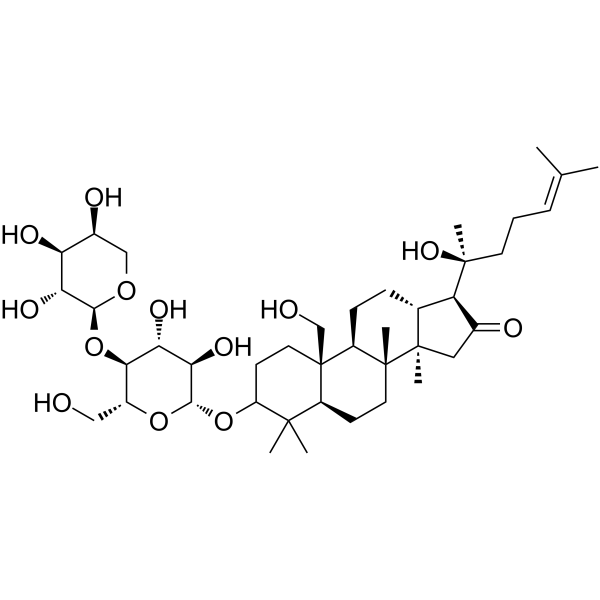
Bacoside A is an orally active, blood-brain barrier-permeable triterpenoid saponin that modulates the activities of ATPases, AChE, CaMK2A and iNOS. Derived from Bacopa monniera. Bacoside A exerts significant antioxidant, anti-inflammatory and anti-apoptotic effects by maintaining ion balance, scavenging reactive oxygen species, stabilizing cell membranes, and regulating the expression of NF-κB and apoptosis-related proteins. Bacoside A counteracts morphine-induced reductions in Na +/K +-ATPase, Ca 2+-ATPase and Mg 2+-ATPase activities, increases mitochondrial membrane potential, and decreases intracellular reactive oxygen species levels. Bacoside A specifically binds to calcium/calmodulin-dependent protein kinase IIA to trigger endoplasmic reticulum calcium release. Bacoside A exhibits non-apoptotic cytotoxicity against glioblastoma cells while protecting normal nerve cells from stress-induced damage. Bacoside A is applicable to the research of Parkinson's disease and glioblastoma multiforme .
loading...
    loading...
Cat. No.: HY-W587743
CAS No.: 1215711-91-3
Synonyms: AMK hydrochloride
N1-Acetyl-5-methoxykynuramine hydrochloride (AMK hydrochloride) is an active metabolite of Melatonin (HY-B0075) with antioxidant activity and blood-brain barrier permeability. N1-Acetyl-5-methoxykynuramine hydrochloride inhibits LPS-induced activation of inducible nitric oxide synthase and COX-2, scavenges ROS, hydroxyl radicals, carbonate radicals and ABTS cation radicals, and protects bovine serum albumin from peroxyl radical-mediated damage. N1-Acetyl-5-methoxykynuramine hydrochloride reduces the increase in cytoplasmic and mitochondrial lipid peroxidation in the substantia nigra and striatum in MPTP (HY-15608)-induced mouse models of Parkinson's disease. N1-Acetyl-5-methoxykynuramine hydrochloride can be used in studies related to Parkinson's disease, metabolism-related diseases and oxidative stress .
loading...
    loading...
Cat. No.: HY-W715812
CAS No.: 116255-48-2
Bromuconazole is a triazole fungicide with oral efficacy and blood-brain barrier permeability . Bromuconazole protects crops from various fungal contaminations. Bromuconazole exhibits cytotoxicity against a variety of cancer cells, induces G0/G1 cell cycle arrest and inhibits DNA synthesis in cancer cells, and triggers cytoskeletal structural disorder, genotoxic damage, apoptotic (apoptosis) cell death, and mitochondrial membrane depolarization. Bromuconazole activates caspase-3, induces excessive production of ROS, p53 and Bax, lipid peroxidation, increased activities of SOD and CAT, and downregulates Bcl-2. By upregulating p-ERK1/2 and p-JNK, Bromuconazole disrupts the MAPK signaling pathway, impairs the cellular stress response of human trophoblast cells and endometrial cells, and damages the implantation process . Bromuconazole is applicable to research related to glioma, colon cancer, reproductive injury (implantation dysfunction), and cardiac dysfunction .
loading...
    loading...
Cat. No.: HY-103430
CAS No.: 108179-91-5
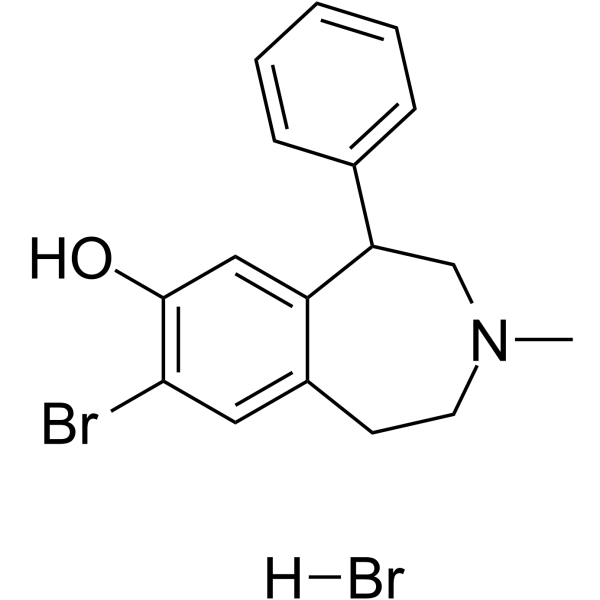
SKF-83566 hydrobromide is an orally active, blood-brain barrier-permeable D1/D5 dopamine receptor antagonist with a Ki value of approximately 0.4-0.56 nM. SKF-83566 hydrobromide modulates locomotor behavior and spatial memory by blocking D1 receptors and inhibits glioblastoma progression by targeting the DRD1/c-Myc/UHRF1 pathway. SKF-83566 hydrobromide acts as an inhibitor of the dopamine transporter (DAT) and adenylyl cyclase 2 (AC2). SKF-83566 hydrobromide competitively binds to DAT to inhibit dopamine reuptake and non-competitively inhibits AC2 activity, thereby reducing cAMP accumulation. SKF-83566 hydrobromide is used in research areas such as dopaminergic system mechanisms, learning and memory, targeted intervention for glioblastoma, AC2 pathophysiology, antiparasitic drug screening, and synaptic plasticity (the "gating effect") .
loading...
    loading...
Cat. No.: HY-121675A
CAS No.: 2855123-30-5
Synonyms: BOL-148 D-Tartrate; Bromolysergide D-Tartrate
2-Bromo-LSD D-Tartrate (BOL-148 D-Tartrate) is a blood-brain barrier-permeable 5-HT2A partial agonist and competitive partial antagonist. 2-Bromo-LSD D-Tartrate acts as both a potent partial agonist (with an EC50 of 0.81 nM for Gq dissociation) and a potent partial antagonist (with a KB of 0.18 nM for Gq dissociation) at the 5-HT2A receptor. 2-Bromo-LSD D-Tartrate exhibits partial agonist activity at multiple aminergic GPCRs, including 5-HT2A. 2-Bromo-LSD D-Tartrate lacks 5-HT2B agonist activity. 2-Bromo-LSD D-Tartrate induces dendritogenesis and spinogenesis. 2-Bromo-LSD D-Tartrate reverses the behavioral effects of chronic stress and increases active coping behaviors in mice .
loading...
    loading...
Cat. No.: HY-160906
CAS No.: 32607-79-7
Synonyms: GSSSG
Glutathione trisulfide (GSSSG) is an orally active, blood-brain barrier permeable neuroprotective agent. Glutathione trisulfide inactivates intracellular tyrosinase, regulates the expression of Cars2, Cbs, MITF and TYR, inhibits α-MSH (HY-P0252)-induced melanogenesis, and restores intracellular persulfide levels reduced by α-MSH. Glutathione trisulfide scavenges free radicals, quenches ROS, reduces Paclitaxel (HY-B0015)-induced superoxide production, upregulates the expression of antioxidant protein genes, and inhibits oxidative stress-induced cell death. Glutathione trisulfide promotes ERK1/2 activation, prevents NF-κB p65 activation, inhibits TAK1 phosphorylation, reduces pro-inflammatory cytokine expression, and blocks microglial activation. Glutathione trisulfide can be used in research related to dry age-related macular degeneration, inflammation-associated eye diseases, Alzheimer's disease, Parkinson's disease, etc.
loading...
    loading...
Cat. No.: HY-160906A
Synonyms: GSSSG TFA
Glutathione trisulfide TFA (GSSSG TFA) is an orally active, blood-brain barrier permeable neuroprotective agent. Glutathione trisulfide TFA inactivates intracellular tyrosinase, regulates the expression of Cars2, Cbs, MITF and TYR, inhibits α-MSH (HY-P0252)-induced melanogenesis, and restores intracellular persulfide levels reduced by α-MSH. Glutathione trisulfide TFA scavenges free radicals, quenches ROS, reduces Paclitaxel (HY-B0015)-induced superoxide production, upregulates the expression of antioxidant protein genes, and inhibits oxidative stress-induced cell death. Glutathione trisulfide TFA promotes ERK1/2 activation, prevents NF-κB p65 activation, inhibits TAK1 phosphorylation, reduces pro-inflammatory cytokine expression, and blocks microglial activation. Glutathione trisulfide TFA can be used in research related to dry age-related macular degeneration, inflammation-associated eye diseases, Alzheimer's disease, Parkinson's disease, etc.
loading...
    loading...
Cat. No.: HY-16900G
CAS No.: 61413-54-5
Rolipram GMP is Rolipram (HY-16900) produced by using GMP guidelines. GMP small molecules works appropriately as an auxiliary reagent for cell therapy manufacture. Rolipram is a PDE4 inhibitor, with blood-brain barrier permeability, that reverses β-amyloid-induced learning and memory impairment in rats. Rolipram elevates intracellular cAMP and clevels and regulates the cAMP/CREB signaling pathway, thereby alleviating neuroinflammation and apoptotic responses. Rolipram promotes neuronal differentiation of human bone marrow mesenchymal stem cells and inhibits Methamphetamine- and morphine-induced hyperlocomotion in mice. Rolipram also reduces the viability of glioblastoma stem-like cells and enhances Bevacizumab (HY-P9906)-induced cell death. Rolipram inhibits the expression of proinflammatory cytokines and enhances central noradrenergic transmission. Rolipram is mainly used in studies related to various central nervous system diseases including Alzheimer's disease, major depressive disorder, glioblastoma multiforme, and multiple sclerosis .
loading...
    loading...
Cat. No.: HY-19872
CAS No.: 942436-93-3
Target:  

GABA Receptor

Research Areas:  

Neurological Disease

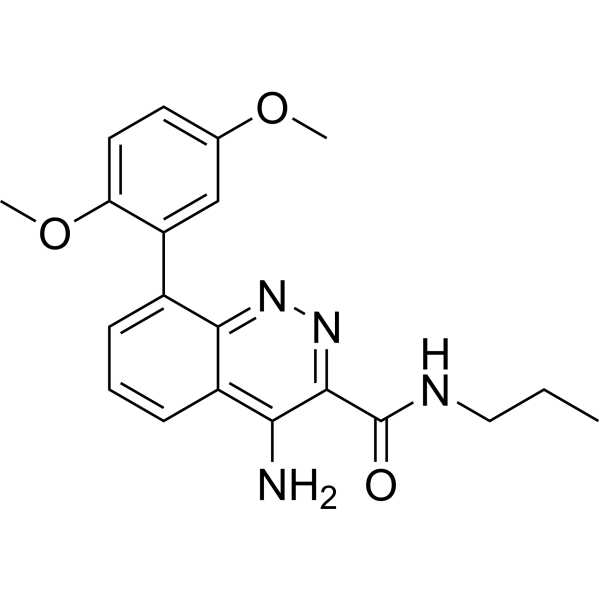
AZD6280 is an orally active, blood-brain barrier-permeable GABAA receptor modulator, with Ki values of 21 nM, 31 nM and 1680 nM against human receptors containing α2, α3 and α5 subtypes, respectively, and subtype-specific Ki values of < 30 nM for α2 and α3 subtypes. AZD6280 selectively potentiates GABAA receptors containing α2/α3 subtypes with higher potency than α1/α5 subtypes, exerts no modulatory effect on receptors containing α1 subtypes, and regulates the tuberoinfundibular dopaminergic pathway. AZD6280 decreases peak saccadic velocity, increases serum and plasma prolactin levels, rescues dendritic abnormalities of cortical neurons induced by DISC1 knockdown. AZD6280 can be used in studies related to anxiety disorders .
loading...
    loading...
Cat. No.: HY-B0670S
Dihydroergotamine-d3 is the d3-labeled Dihydroergotamine (HY-B0670). Dihydroergotamine (DFN-19) is a blood-brain barrier-permeable semi-synthetic ergot alkaloid, acting as a full agonist of 5-HT1B/1D receptors (Ki values of 0.3 nM and 2.5 nM, respectively; functional IC50 values of 2 nM and 2.2 nM, respectively). Dihydroergotamine inhibits Forskolin (HY-15371)-stimulated cAMP accumulation, possesses α-adrenergic receptor antagonistic activity and weak dopaminergic agonistic activity. It mediates intracranial cerebrovascular contraction, inhibits the release of neuropeptides such as CGRP/substance P, and suppresses neurogenic inflammation by activating 5-HT1B/1D receptors in the trigeminovascular system. Dihydroergotamine binds to the catalytic site of Trypanosoma cruzi trypanothione reductase and exhibits trypanocidal activity in vitro. Dihydroergotamine can be used in studies related to migraine and trypanosome infections .
loading...
    loading...
Cat. No.: HY-N0278
CAS No.: 508-44-1
Synonyms: Pulsatilla camphor; Anemonine; trans-Anemonin
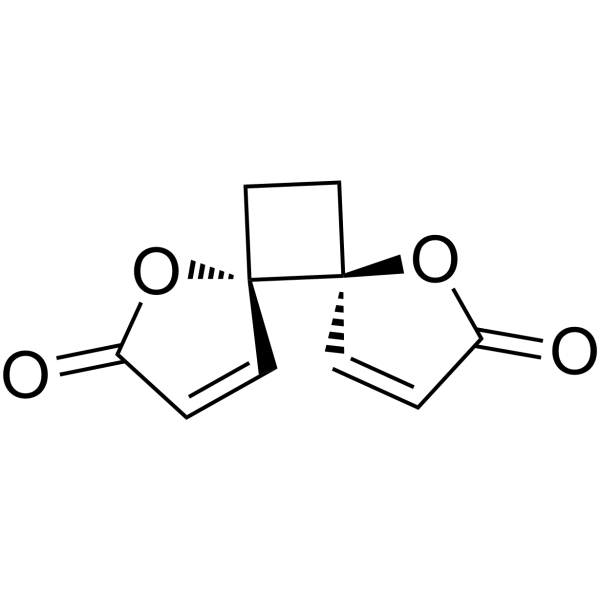
Anemonin (Pulsatilla camphor; Anemonine; trans-Anemonin) is a naturally occurring bislactone small molecule derived from Ranunculaceae with blood-brain barrier permeability, possessing a variety of activities including anti-inflammatory, antioxidant, neuroprotective, melanogenesis-inhibiting, and antiparasitic effects. Anemonin inhibits iNOS to reduce NO release; it inhibits PKC-θ protein expression and downregulates the pro-inflammatory factors TNF-α, IL-1β, and IL-6; it enhances the activities of the antioxidant enzymes SOD, CAT, and GSH-Px, and reduces MDA and ROS levels. Anemonin modulates the Bcl-2 / Bax / caspase-3 pathway to inhibit apoptosis; it downregulates melanogenesis-related molecules including MITF, TYR, TRP1, and TRP2, thereby inhibiting melanin synthesis in human melanocytes. Anemonin inhibits Leishmania and Schistosoma mansoni. Anemonin is used in research related to diseases such as hyperpigmentation, cerebral ischemia/reperfusion injury, inflammation, sepsis-induced acute lung injury, acute ulcerative colitis, leishmaniasis, and schistosomiasis .
loading...
    loading...
Cat. No.: HY-N6973R
CAS No.: 476-70-0
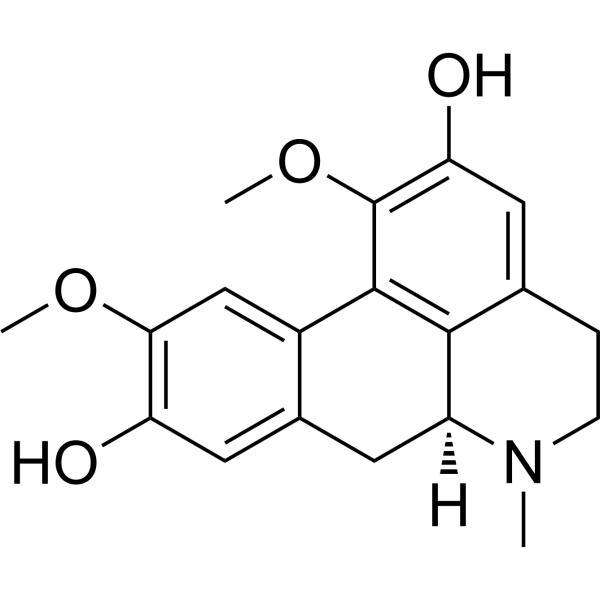
Boldine (Standard) is the analytical standard of Boldine (HY-N6973). This product is intended for research and analytical applications. Boldine is an aporphine alkaloid telomerase (telomerase) inhibitor (IC50 of 0.17 μM for TERT) and a pannexin/connexin hemichannel blocker, with oral activity and blood-brain barrier permeability. Boldine inhibits telomerase activity through direct interaction with the telomerase ribonucleoprotein and non-competitive binding near the TERT active site, and downregulates hTERT mRNA while shifting alternative splicing toward non-functional transcripts. Boldine blocks Panx1, Cx43, Cx26, and Cx30 hemichannels as well as P2X7 receptor-mediated calcium influx. Boldine exhibits antioxidant, anti-inflammatory, antiproliferative, and cytotoxic activities by scavenging ROS, inhibiting NFκB, dephosphorylating SGK1, and reducing TNF-alpha levels. Boldine can be used in research on breast cancer, Alzheimer's disease, glioblastoma, diabetes, and spinal cord injury .
loading...
    loading...
Cat. No.: HY-103430AR
CAS No.: 99295-33-7
SKF-83566 (Standard) is the analytical standard of SKF-83566 (HY-103430A). This product is intended for research and analytical applications. SKF-83566 is an orally active, blood-brain barrier-permeable D1/D5 dopamine receptor antagonist with a Ki value of approximately 0.4-0.56 nM. SKF-83566 modulates locomotor behavior and spatial memory by blocking D1 receptors and inhibits glioblastoma progression by targeting the DRD1/c-Myc/UHRF1 pathway. SKF-83566 acts as an inhibitor of the dopamine transporter (DAT) and adenylyl cyclase 2 (AC2). SKF-83566 competitively binds to DAT to inhibit dopamine reuptake and non-competitively inhibits AC2 activity, thereby reducing cAMP accumulation. SKF-83566 is used in research areas such as dopaminergic system mechanisms, learning and memory, targeted intervention for glioblastoma, AC2 pathophysiology, antiparasitic drug screening, and synaptic plasticity (the "gating effect") .
loading...
    loading...
Cat. No.: HY-171705
CAS No.: 1478585-60-2
KMS99220 is an orally active, blood-brain barrier-permeable activator of the Nrf2 inhibitory protein Keap-1. KMS99220 enhances the activity of AMPK, activates the Nrf2 signaling pathway, and reduces the phosphorylation of IκB, nuclear translocation of NFκB, as well as the phosphorylation levels of JNK, IKK and p38 MAPK via HO-1. KMS99220 binds to Keap1 to trigger the nuclear translocation of Nrf2, induces the expression of HO-1, NQO1, GCLC, GCLM and proteasome subunits; enhances proteasomal enzymatic activity; inhibits iNOS expression, nitric oxide production and IL-1β generation; attenuates microglial activation; reduces α-synuclein aggregation; and prevents dopaminergic neuron degeneration and motor dysfunction. KMS99220 prevents the degeneration of dopaminergic neurons in the substantia nigra, induces the expression of Nrf2 downstream target genes, and effectively ameliorates associated motor dysfunction in a mouse model of Parkinson's disease. KMS99220 is applicable to research related to Parkinson's disease .
loading...
    loading...

