
139 Results for "

Genotoxicity

" in MedChemExpress (MCE) Product Catalog:
Products (139)

139 Results for "Genotoxicity" in MCE Product Catalog:

Cat. No.: HY-W714212
CAS No.: 33245-39-5
Fluchloralin is a dinitroaniline herbicide that effectively controls annual gramineous and broadleaf weeds primarily by inhibiting tubulin synthesis and cell division . Fluchloralin exhibits cytotoxicity and genotoxicity, and promotes cell apoptosis by activating apoptotic signaling proteins, forming DNA ladder bands, inducing cell shrinkage and nuclear fragmentation .
loading...
    loading...
Cat. No.: HY-171982
CAS No.: 68857-95-4
Research Areas:  

Others

ATII (Traseolide), a Polycyclic musk fragrance, is a hydrophobic hapten. ATII has no genotoxicity in the human lymphocytes and the human hepatoma cell line Hep G2. ATII can be bound by antibody M02/05/01 (H93 Val) with superior binding capacity. ATII can be conjugated to carrier proteins for antigen design .
loading...
    loading...
Cat. No.: HY-W012475
CAS No.: 25152-85-6
Target:  

Fungal

Research Areas:  

Infection

cis-3-Hexenyl benzoate is a volatile organic compound with a grassy aroma, widely used in the fragrance and cosmetic industries. It exhibits weak antifungal activity. cis-3-Hexenyl benzoate shows no significant risks in genotoxicity, reproductive toxicity, or environmental toxicity, and its skin sensitization potential is controllable within defined concentration limits .
loading...
    loading...
Cat. No.: HY-W714852
CAS No.: 1315501-18-8
Research Areas:  

Infection

Zeta-Cypermethrin is a type II pyrethroid insecticide. Zeta-Cypermethrin primarily acts on voltage-gated sodium channels in nerve cells, causing delayed channel closure, persistent nerve excitation and convulsions. In Drosophila, Zeta-Cypermethrin rapidly induces extremely high metabolic resistance that can be screened, and exhibits in vitro genotoxicity to human peripheral blood lymphocytes .
loading...
    loading...
Cat. No.: HY-116235
CAS No.: 140-95-4
Synonyms: Dimethylolurea
Research Areas:  

Others

Oxymethurea (Dimethylolurea) is a formaldehyde-releasing protein modification reagent. Under acidic conditions, Oxymethurea promotes nucleophilic substitution of tyrosine via protonation of its hydroxymethyl group, while under alkaline conditions, it promotes protein crosslinking by converting the phenolic hydroxyl group of tyrosine into a more nucleophilic phenoxide ion. Oxymethurea can be used in studies related to protein chemical modification, protein crosslinking, protein protection and genotoxicity .
loading...
    loading...
Cat. No.: HY-134273A
Synonyms: 8-Bromo-dGTP sodium
Research Areas:  

Others

8-Br-dGTP (8-Bromo-dGTP) sodium (Compound 5), an 8-brominated purine nucleotide, is a syn-oriented analog of dGTP. 8-Br-dGTP sodium can be hydrolyzed by the enzyme hMTH1 protein (HY-P74740). 8-Br-dGTP sodium inhibits dGTP-activated ADP reduction with a Ki of 56  μM. 8-Br-dGTP sodium has no significant genotoxicity and mutagenic potentials during DNA synthesis .
loading...
    loading...
Cat. No.: HY-N21952
CAS No.: 520-63-8
Synonyms: (+)-Heliotridine
Heliotridine ((+)-Heliotridine) is a monoesters-type necine base of pyrrolizidine alkaloid with genotoxic and antibacterial properties. Heliotridine can be isolated from the aerial parts of Heliotropium ellipticum, Heliotropium circinatum and other Heliotropium species (Boraginaceae). Heliotridine shows high tolerance in normal human hepatocytes (EC50 > 400 μM). Mediated by the organic cation transporter OCT1, Heliotridine exhibits in vitro growth inhibition and weak antibacterial activity against Drechslera tetramera. Heliotridine can be used in infection-related studies of specific pathogenic bacteria .
loading...
    loading...
Cat. No.: HY-P11334
CAS No.: 850131-23-6
Cyanostatin B, a cyanobacterial lipopeptide, is a leucine aminopeptidase M (LAP) inhibitor (IC50 = 12 ng/mL). Cyanostatin B is a weak inhibitor of protein phosphatase (PP2A) and also exhibits weak inhibitory activity against angiotensin-converting enzyme (ACE), with an IC50 value of 130 μg/mL. Cyanostatin B demonstrates both cytotoxic and genotoxic effects on human hepatocytes, although non-toxic to Artemia salina. Cyanostatin B inhibits the proliferation of HepG2 cells, induces DNA single-strand breaks, and causes genomic instability. .
loading...
    loading...
Cat. No.: HY-W653896
CAS No.: 2469262-26-6
Alternariol-d2 is deuterium labeled Alternariol. Alternariol is an orally ingested mycotoxin produced by Alternaria, capable of inhibiting the activity of topoisomerase I and II (topoisomerase I, topoisomerase II). Alternariol has weak estrogenic (Estrogen Receptor/ERR) and androgen/antiandrogen (Androgen Receptor) effects. Alternariol can induce apoptosis, trigger cell cycle arrest, suppress innate immune responses, and exhibit anti-tumor activity. Alternariol has genotoxic, mutagenic, and endocrine-disrupting effects .
loading...
    loading...
Cat. No.: HY-W654296
Octocrylene- 13C3 is the 13C-labeled Octocrylene (HY-A0087). Octocrylene is an organic ultraviolet (UV) filter that absorbs mainly UVB radiation and shorter UVA wavelengths. Octocrylene acts as a partial agonist of PPARγ, which alters the gene transcription profile of lipid metabolism enzymes. In addition, Octocrylene is cytotoxic and genotoxic to human skin fibroblasts and mediates the biosynthesis of estrogens such as estriol in zebrafish larvae, while affecting antioxidant pathways including glutathione transferase and peroxisomes .
loading...
    loading...
Cat. No.: HY-Y0045S
CAS No.: 3028870-64-3
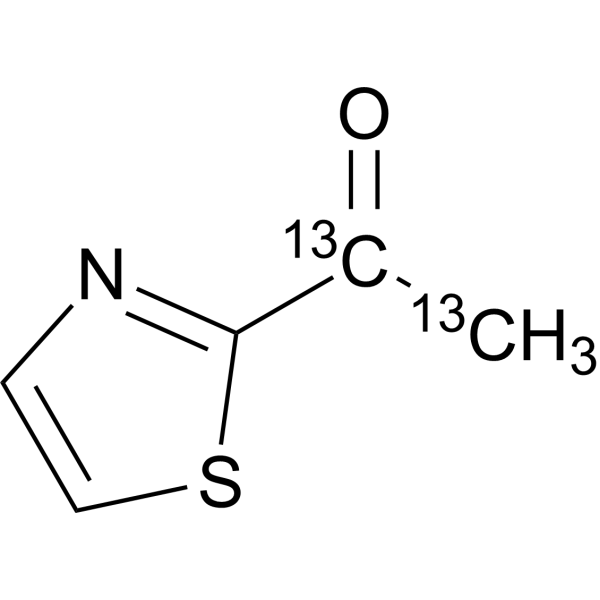
Synonyms: 1-(1,3-Thiazol-2-yl)ethanone-13C2; 1-(Thiazol-2-yl)ethanone-13C2; Methyl 2-thiazolyl ketone-13C2
2-Acetylthiazole (1-(1,3-Thiazol-2-yl)ethanone; 1-(Thiazol-2-yl)ethanone; Methyl 2-thiazolyl ketone)- 13C2 is 13C labeled 2-Acetylthiazole (HY-Y0045). 2-Acetylthiazole is a Cramer Class II fragrance ingredient. 2-Acetylthiazole does not induce genotoxic effects, does not induce skin sensitization and does not induce phototoxic or photoallergenic effects .
loading...
    loading...
Cat. No.: HY-107835S
Synonyms: FCR 2769-d5
Flumethrin-d5 (FCR 2769-d5) is the deuterium labeled Flumethrin (HY-107835). Flumethrin (FCR 2769) is a pyrethroid insecticide and acaricide . Flumethrin targets voltage-gated sodium channels and estrogen receptor α (ERα). Flumethrin induces cytotoxicity, apoptosis, genotoxicity and DNA damage in breast cancer cells by regulating the expression of BCL2, BAX, TP53 and P21 genes. Flumethrin is applicable to relevant studies on ectoparasite infections (tick and flea burdens) in dogs and cats, as well as breast cancer .
loading...
    loading...
Cat. No.: HY-112974
CAS No.: 1492984-65-2
Synonyms: GSK-2998728; ISIS-420915
Inotersen (GSK-2998728; ISIS-420915) is a 2'-O-methoxyethyl-modified antisense oligonucleotide and transthyretin (TTR) inhibitor with low genotoxicity. Inotersen triggers RNase H1-mediated degradation by binding to TTR mRNA, thereby effectively reducing the production of both mutant and wild-type transthyretin in the liver. Inotersen significantly reduces amyloid fiber deposition, yet specific toxicities such as inflammation or tumors are observed at high doses in some animal models. Inotersen is used in studies of hereditary transthyretin amyloidosis and the associated polyneuropathy and cardiomyopathy .
loading...
    loading...
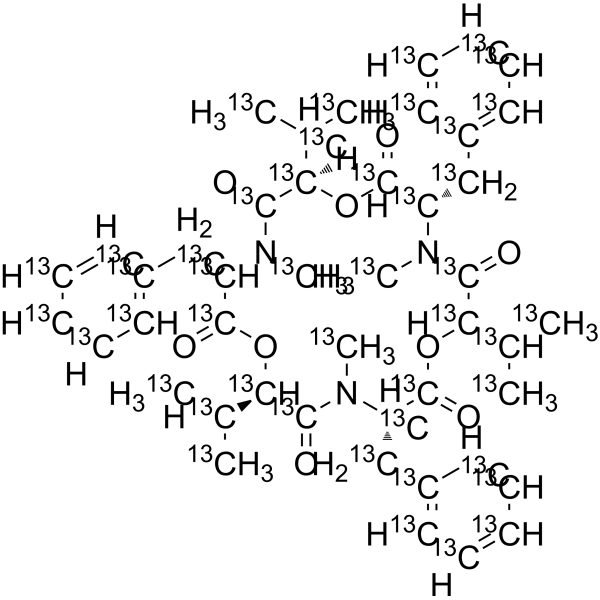
Cat. No.: HY-N6739S
Beauvericin- 13C45 is 13C labeled Beauvericin (HY-N6739). Beauvericin is a cyclohexapeptide Fusarium toxin with insecticidal, antibacterial, anticancer, antiviral and cytotoxic activities. Beauvericin causes cellular genotoxicity by producing DNA breaks, chromosomal aberrations and micronuclei, and inhibits the PI3K/AKT pathway to induce apoptosis, thereby inhibiting the growth of HCC. In addition, Beauvericin affects immune function by inhibiting lymphocyte proliferation and interfering with the differentiation process of human monocytes into macrophages .
loading...
    loading...
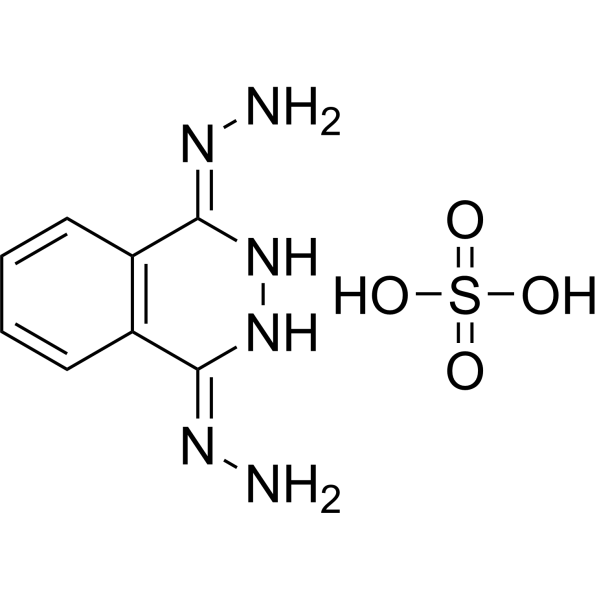
Cat. No.: HY-N7065
CAS No.: 7327-87-9
Dihydralazine sulfate is an antihypertensive hydrazine derivative and also a low-potency genotoxic agent. Dihydralazine sulfate is a direct-acting mutagen with a mixed gene mutation mechanism, which induces DNA fragmentation in the lung, kidney and spleen of mice, and induces sister chromatid exchange in mouse bone marrow cells. Dihydralazine sulfate specifically kills DNA repair-deficient bacteria. Dihydralazine sulfate is a vasodilator and antihypertensive agent that reduces systemic vascular resistance, increases cardiac output and heart rate, thereby lowering blood pressure. Dihydralazine sulfate can be used in research related to hypertension and severe early-onset preeclampsia .
loading...
    loading...
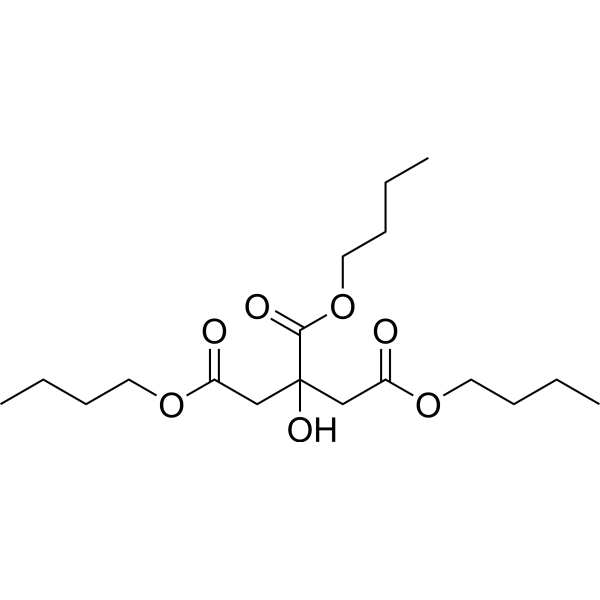
Cat. No.: HY-W013762
CAS No.: 77-94-1
Tributyl citrate is a low-toxicity and orally active citrate ester with no genotoxicity or skin sensitizing activity. Tributyl citrate also acts as a plasticizer, solvent, FDA-approved indirect food additive, and topical anesthetic, among other uses. Tributyl citrate induces a needle-prick insensitivity response that lasts for more than 2 hours, and a 5% suspension of it temporarily eliminates the corneal reflex in rabbits. Tributyl citrate causes no significant systemic toxicity in rats and cats at most tested doses, and only may cause growth retardation and gastrointestinal reactions such as diarrhea and nausea at high doses or with repeated oral administration .
loading...
    loading...
Cat. No.: HY-W075176
CAS No.: 118712-89-3
Target:  

Insecticide

Research Areas:  

Infection

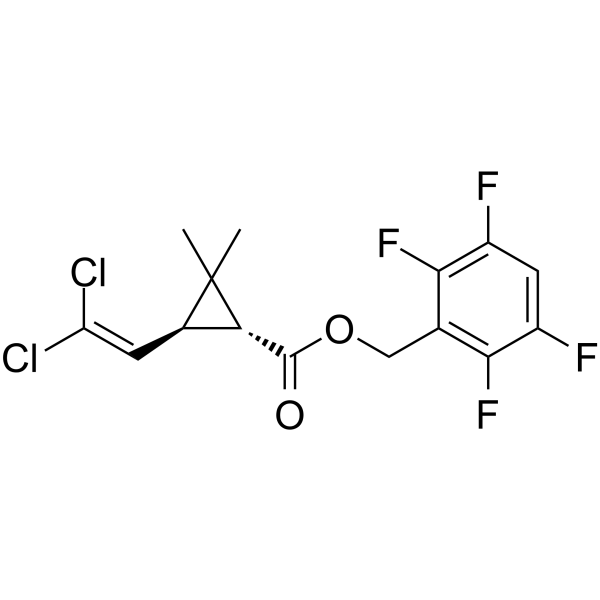
Transfluthrin is an insecticide with extremely low acute toxicity to vertebrates. Transfluthrin acts as a mosquito repellent, exerts mosquito control effects via electric heating fumigators, and is widely used in studies related to malaria, bancroftian filariasis and mosquito-borne infectious diseases. Transfluthrin may also induce adverse reactions such as pulmonary sensory irritation, sensitization, genotoxicity and respiratory depression, and can increase the concentrations and activities of CYP2E1 and CYP3A2 in rat brains. Transfluthrin can be removed from wastewater through biodegradation and activated sludge adsorption, and can be degraded by microorganisms such as Azovibrio and Tauera .
loading...
    loading...
Cat. No.: HY-Y0496
CAS No.: 106-46-7
Research Areas:  

Cancer

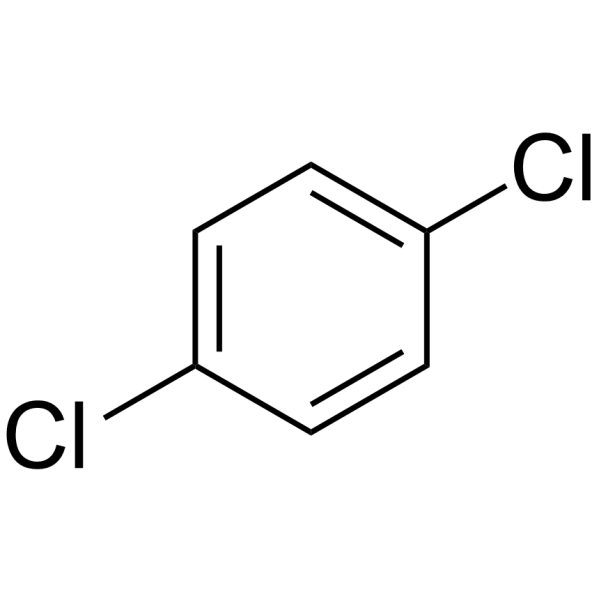
1,4-Dichlorobenzene is a non-genotoxic, orally active mitogenic/tumor-promoting carcinogen that is also widely used as a dye, resin intermediate, and deodorant, moth repellent/insecticide. 1,4-Dichlorobenzene induces liver tumors in mice and promotes the growth of spontaneous precancerous lesions, but shows no liver tumor-inducing activity in F344 rats. Exposure to 1,4-dichlorobenzene leads to elevated leukocyte counts, serum alanine aminotransferase, and blood urea nitrogen levels. Due to the hepatotoxic characteristics, 1,4-Dichlorobenzene is applicable to liver cancer-related research .
loading...
    loading...
Cat. No.: HY-139838
CAS No.: 353292-31-6
Target:  

Herbicide

Research Areas:  

Others Cancer

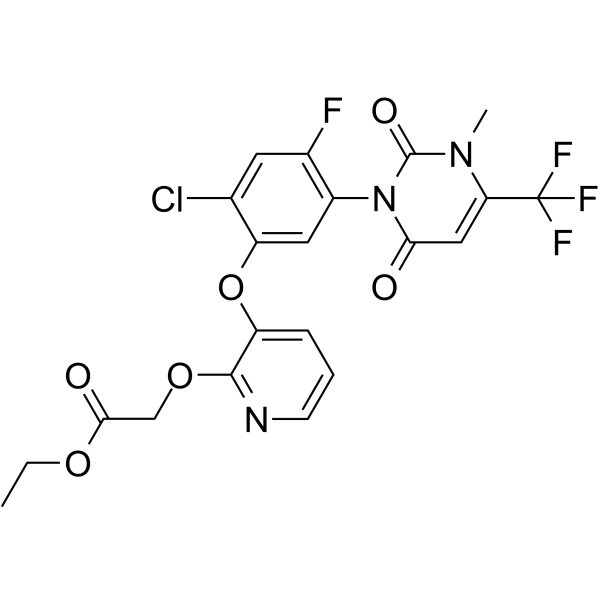
Epyrifenacil is a protoporphyrinogen oxidase (PPO) inhibiting herbicide, potently targeting the PPO2 isoform from weeds such as Amaranthus palmeri with an IC50 of 0.637 nM. Epyrifenacil also inhibits liver mitochondrial PPO across species, with IC50 values of 2.2 nM (mouse), 2.6 nM (rat), 12.1 nM (rabbit), 7.6 nM (dog), and 10.2 nM (human). Epyrifenacil induces liver tumor development in mice. Epyrifenacil can be used for weed control, and also used as a tool compound in toxicological research to study the mechanism of PPO inhibition, chemical-induced hepatotoxicity, and the mode of action of non-genotoxic carcinogens in rodents [3].
loading...
    loading...

