175 Results for "

larvae

" in MedChemExpress (MCE) Product Catalog:
Products (175)

175 Results for "larvae" in MCE Product Catalog:

Cat. No.: HY-184140
Research Areas:  

Others

AChE-IN-117 is an AChE/nAChR inhibitor with larvicidal activity against Culex pipiens third-instar larvae. AChE-IN-117 forms stable catalytic site interactions to disrupt cholinergic signaling. AChE-IN-117 binds to its receptor via hydrogen bonding and π-cation interactions to interfere with cholinergic synaptic transmission. AChE-IN-117 induces neurotoxic symptoms including hyperactivity, erratic movement, tremors, paralysis, and larval mortality. AChE-IN-117 can be used for the research of mosquito-borne infectious diseases .
loading...
    loading...
Cat. No.: HY-B0828S
CAS No.: 1773496-62-0
Synonyms: Hostathion 40EC-d5; Hostathion-d5; Hostation-d5
Triazophos-d5 (Hostathion 40EC-d5) is the deuterium labeled Triazophos(HY-B0828) . Triazophos, a non-systemic insecticide and acaricide that acts as an acetylcholinesterase (AChE) inhibitor, covalently and irreversibly binds to the acetylcholine binding site, thus blocking the hydrolysis of acetylcholine and leading to hyperexcitability; it is effective against a variety of soil insects and mites, including aphids, thrips, midges, beetles, Lepidoptera larvae, cutworms, and spider mites in crops such as ornamentals, cotton, rice, maize, soybeans, oil palms, olives, and coffee.
loading...
    loading...
Cat. No.: HY-B2041R
CAS No.: 82560-54-1
Research Areas:  

Infection

Benfuracarb (Standard) is the analytical standard of Benfuracarb. This product is intended for research and analytical applications. Benfuracarb is a broad-spectrum carbamate insecticide with crop protection activity. Benfuracarb is used to control springtails, aphids, and other pests, typically on sugar beet crops. Benfuracarb exhibits toxicity to humans and aquatic organisms. Benfuracarb exposure to zebrafish embryos resulted in a reduction in the body length of zebrafish larvae. Superoxide dismutase (SOD) activity was significantly increased after Benfuracarb treatment. Benfuracarb also interfered with the transcriptional levels of marker genes associated with early embryonic development .
loading...
    loading...
Cat. No.: HY-W008927
CAS No.: 361377-29-9
Fluoxastrobin is a fungicide. By binding to NAD-dependent epimerase/dehydratase, Fluoxastrobin interferes with electron transport, reduces ATP production and inhibits mycelial growth, thereby effectively controlling foliar diseases of tea plants. Fluoxastrobin induces oxidative stress by increasing ROS levels and lipid peroxidation, causes DNA damage and promotes apoptosis; meanwhile, it shows high acute toxicity to Danio rerio embryos and larvae. Fluoxastrobin can be used in research related to tea foliar diseases (including tea red leaf spot and tea gray leaf spot) .
loading...
    loading...
Cat. No.: HY-W654296
Octocrylene- 13C3 is the 13C-labeled Octocrylene (HY-A0087). Octocrylene is an organic ultraviolet (UV) filter that absorbs mainly UVB radiation and shorter UVA wavelengths. Octocrylene acts as a partial agonist of PPARγ, which alters the gene transcription profile of lipid metabolism enzymes. In addition, Octocrylene is cytotoxic and genotoxic to human skin fibroblasts and mediates the biosynthesis of estrogens such as estriol in zebrafish larvae, while affecting antioxidant pathways including glutathione transferase and peroxisomes .
loading...
    loading...
Cat. No.: HY-W744966R
CAS No.: 374726-62-2
Research Areas:  

Infection

Mandipropamid (Standard) is the analytical standard of Mandipropamid (HY-W744966). This product is intended for research and analytical applications. Mandipropamid is a cellulose synthase (CesA3) inhibitor and fungicide, with an IC50 of 19.8 nM against Phytophthora infestans. Mandipropamid inhibits the synthesis of crystalline cellulose on the cell surface, disrupts the cell wall structure of oomycetes, and induces germ tube tip swelling and growth arrest in Phytophthora infestans. S-Mandipropamid, an isomer of Mandipropamid, exhibits enantioselective acute toxicity to zebrafish embryos and larvae. Mandipropamid is applicable to studies related to plant infections .
loading...
    loading...
Cat. No.: HY-W751266
CAS No.: 113565-32-5
DIMBOA-Glc is a benzoxazinoid glucoside insecticide that exists in two epimeric forms. DIMBOA-Glc helps enhance the resistance of maize to lepidopteran larvae. When plant cells rupture, plant-derived (2R)-DIMBOA-Glc interacts with glucosidases and undergoes hydrolysis to produce toxic DIMBOA for defense against infestation. The accumulation process of DIMBOA-Glc is negatively regulated by ZmMPK6 and the ethylene signaling pathway. DIMBOA-Glc does not react with plant glucosidases and can act as a detoxification metabolite to help insects counter plant defenses .
loading...
    loading...
Cat. No.: HY-181751
Target:  

Bacterial

Research Areas:  

Infection

FabI-IN-1 is a FabI (enoyl-acyl carrier protein reductase) inhibitor with a Ki of 0.32 μM against E. coli FabI. FabI-IN-1 inhibits exhibits activity against Gram-negative bacteria including Escherichia coli (MIC = 6.25 μM) and Klebsiella pneumoniae. FabI-IN-1 rescues Galleria mellonella larvae from lethal Escherichia coli infection. FabI-IN-1 exerts a synergistic effect with Colistin (HY-113678) against Escherichia coli. FabI-IN-1 can be used for the research of gram-negative bacterial infection .
loading...
    loading...
Cat. No.: HY-D0259
CAS No.: 16423-68-0
Synonyms: Erythrosin extra bluish; Tetraiodofluorescein disodium
Research Areas:  

Infection

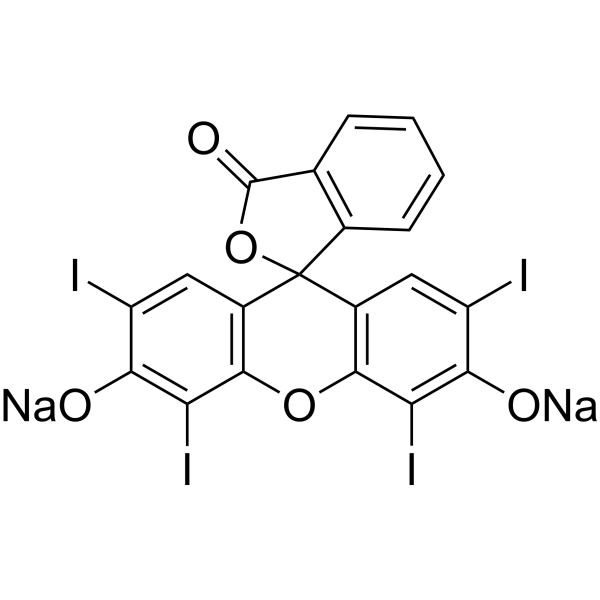
Erythrosine B (Erythrosin extra bluish; Tetraiodofluorescein) is a visible red dye and insecticide with colorimetric and fluorescent properties. Erythrosine B serves as a membrane-impermeant live-cell dye for Gram-positive and Gram-negative bacteria, primarily staining dead cells with damaged plasma membranes. Erythrosine B exhibits photosensitive larvicidal toxicity against Culex pipiens quinquefasciatus larvae. Erythrosine B is used in live/dead bacterial assays in colorimetric and fluorescent measurements for low-, medium-, and high-throughput experiments, as well as in research related to mosquito-borne diseases and food coloring .
loading...
    loading...
Cat. No.: HY-W009154
CAS No.: 6825-20-3
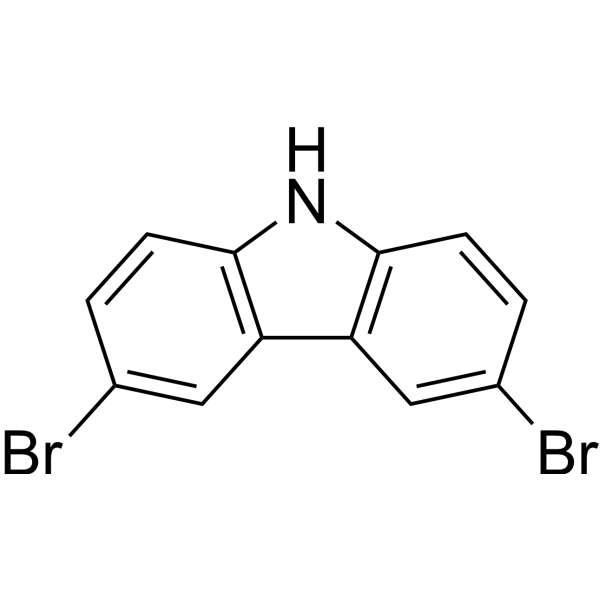
3,6-Dibromocarbazole is a glucocorticoid receptor (GR) inhibitor and Environmental pollutant. 3,6-Dibromocarbazole induces abnormal development of zebrafish embryos and disrupts the neurohormonal function of the hypothalamic-pituitary-adrenal axis in zebrafish larvae. 3,6-Dibromocarbazole increases the α-diversity of soil bacteria, alters community structure, enhances interspecific competition, regulates metabolic functions, and changes the abundance of genes related to nitrogen fixation, nitrification and carbon cycling. 3,6-Dibromocarbazole exerts endocrine-disrupting potential by interfering with the gluconeogenesis pathway .
loading...
    loading...
Cat. No.: HY-162818
Research Areas:  

Infection

Antibacterial agent 237 (compound Ru-8) is a bacteriostatic agent for Staphylococcus aureus, with MIC of 0.78-1.56 μg/mL. Antibacterial agent 237 destroys bacterial cell membranes, changes their permeability, and induces bacteria to produce Reactive Oxygen Species, leading to bacterial death without causing drug resistance. Antibacterial agent 237 has low hemolytic toxicity to rabbit red blood cells and Raw 264.7 cells, and has significant antibacterial effects against Staphylococcus aureus in mouse skin wound infection models and Bacillus major larvae infection models .
loading...
    loading...
Cat. No.: HY-178898
CAS No.: 13072-74-7
7-Oxogedunin (Compound 7DG; Compound 16) is a small molecule that protects macrophages from cell pyroptosis induced by anthrax lethal toxin (LT). Its target is protein kinase R (PKR). 7-Oxogedunin can widely inhibit the assembly of various inflammasomes (NLRP1 and NLRP3) and the activation of caspase-1 by inhibiting the kinase-independent function of PKR. 7-Oxogedunin has growth inhibitory activity on European corn borer larvae. 7-Oxogedunin can be used for LT toxicity inhibition and pest control research .
loading...
    loading...
Cat. No.: HY-N16403
CAS No.: 1558007-47-8
Aspergillusidone F is a Depsidone and antibacterial agent. Aspergillusidone F can be isolated from a marine fungus Aspergillus unguis. Aspergillusidone F potently inhibits Aromatase with an IC50 of 0.5 μM. Aspergillusidone F exhibits antibacterial activity against Pseudomonas aeruginosa and Methicillin (HY-121544)-resistant Staphylococcus aureus. Aspergillusidone F exhibits potent larvicidal activity against Artemia salina larvae, with an LC50 value of 12.8 μM. Aspergillusidone F exhibits anticancer activity against intrahepatic cholangiocarcinoma, non-small cell lung cancer, and acute lymphoblastic leukemia .
loading...
    loading...
Cat. No.: HY-N20748
CAS No.: 121817-37-6
Lansiumamide B is a cinnamamide alkaloid, Antifungal agent and Insecticide. Lansiumamide B is isolated from the seeds of Clausena lansium. Lansiumamide B inhibits the phosphorylation of p38 MAPK, and decreases the protein and mRNA levels of TNF-α. Lansiumamide B induces abnormal mycelial growth, cell content leakage and cell wall degradation in Rhizoctonia solani. Lansiumamide B causes the death of early 4th-instar larvae of Aedes albopictus. Lansiumamide B exhibits anticonvulsant effects in epileptic rat models. Lansiumamide B can be used in studies related to plant fungal diseases .
loading...
    loading...
Cat. No.: HY-N7400
CAS No.: 118555-82-1
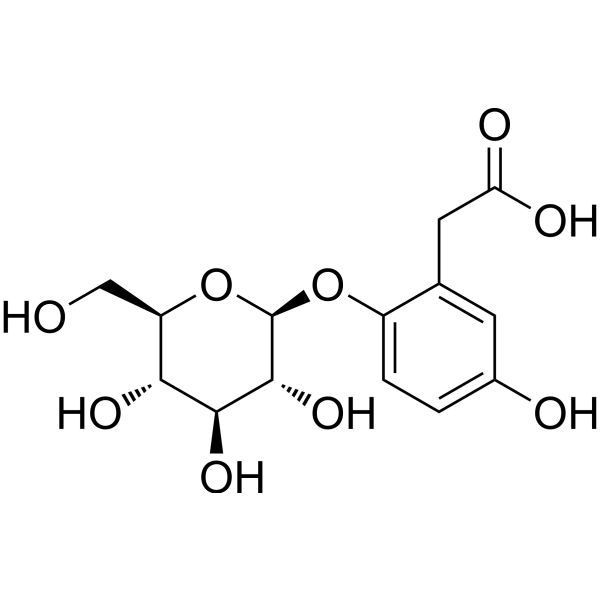
Phaseoloidin is an orally active multi-target inhibitor. Phaseoloidin inhibits the activation of the NLRP3 inflammasome and blocks the caspase-11-GSDMD pyroptosis axis. Phaseoloidin reduces the expression of collagen-degrading enzymes to maintain the integrity of cartilage matrix. Phaseoloidin activates the AMPK/mTOR pathway to enhance autophagy function and reverse apoptosis resistance. Phaseoloidin inhibits the growth and development of Manduca sexta and Spodoptera littoralis larvae, thereby helping Nicotiana attenuata defend against lepidopteran herbivorous insects. Phaseoloidin can be used in research related to acute gouty arthritis and pulmonary fibrosis .
loading...
    loading...
Cat. No.: HY-N8382
CAS No.: 13164-03-9
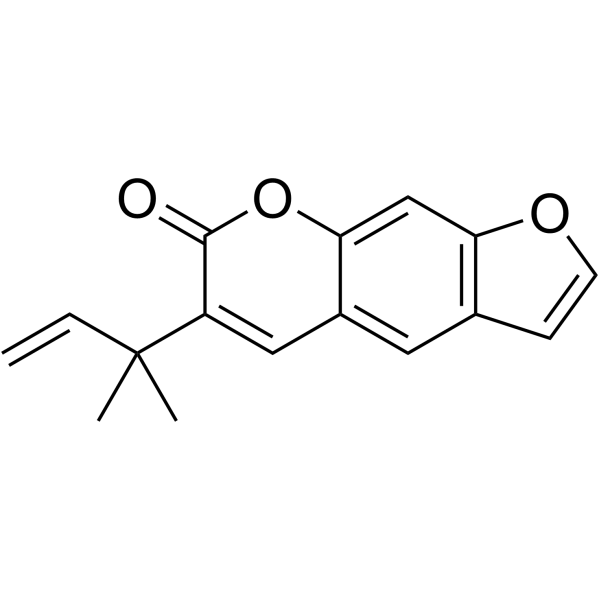
Chalepensin is a nematicide and CYP inhibitor. Chalepensin inhibits CYP2A6, CYP1A1, CYP1A2, CYP2A13, CYP2C9, CYP2D6, CYP2E1, and CYP3A4 to varying degrees, with IC50 values of 82.3 μM, 2.86 μM, 3.01 μM, 0.21 μM, 6.58 μM, 1.67 μM, 61.1 μM, and 61.7 μM, respectively. Chalepensin potently and selectively kills third-stage infective larvae of Strongyloides venezuelensis .
loading...
    loading...
Cat. No.: HY-107864
CAS No.: 15905-32-5
Purity:  99.07%
Synonyms: Erythrosin extra bluish free acid; Tetraiodofluorescein
Research Areas:  

Infection

Erythrosine B free acid​ (Erythrosin extra bluish free acid; Tetraiodofluorescein) is a visible red dye and insecticide with colorimetric and fluorescent properties. Erythrosine B free acid serves as a membrane-impermeant live-cell dye for Gram-positive and Gram-negative bacteria, primarily staining dead cells with damaged plasma membranes. Erythrosine B free acid exhibits photosensitive larvicidal toxicity against Culex pipiens quinquefasciatus larvae. Erythrosine B free acid is used in live/dead bacterial assays in colorimetric and fluorescent measurements for low-, medium-, and high-throughput experiments, as well as in research related to mosquito-borne diseases and food coloring .
loading...
    loading...
Cat. No.: HY-107864A
CAS No.: 12227-78-0
Synonyms: Erythrosin extra bluish aluminum; Tetraiodofluorescein aluminum
Research Areas:  

Infection

Erythrosine B aluminum​ (Erythrosin extra bluish aluminum; Tetraiodofluorescein aluminum) is a visible red dye and insecticide with colorimetric and fluorescent properties. Erythrosine B aluminum serves as a membrane-impermeant live-cell dye for Gram-positive and Gram-negative bacteria, primarily staining dead cells with damaged plasma membranes. Erythrosine B aluminum exhibits photosensitive larvicidal toxicity against Culex pipiens quinquefasciatus larvae. Erythrosine B aluminum is used in live/dead bacterial assays in colorimetric and fluorescent measurements for low-, medium-, and high-throughput experiments, as well as in research related to mosquito-borne diseases and food coloring .
loading...
    loading...
Cat. No.: HY-Y0261A
CAS No.: 7783-20-2
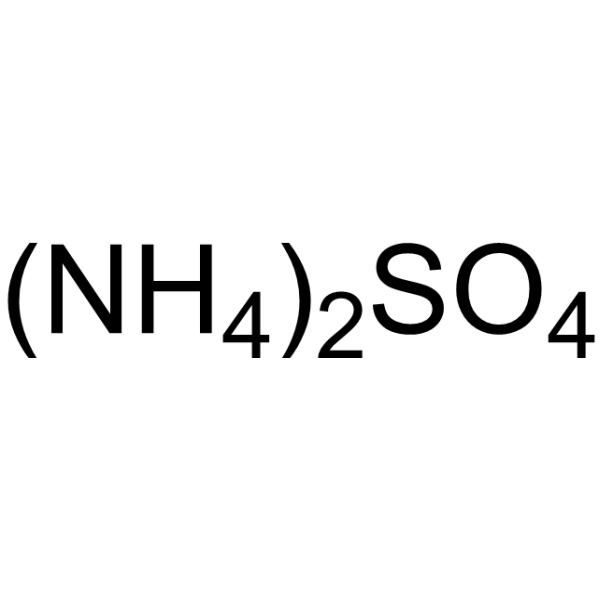
Ammonium sulphate,≥99.0%,AR is an inorganic sulfate salt used for molecular biology . Ammonium sulphate,≥99.0%,AR can be used to precipitate proteins, separate antibodies, and enhance antigen-antibody reactions. Ammonium sulphate,≥99.0%,AR can serve as a nitrogen source in plant fertilizers and has developmentally toxicity to freshwater snails, but increases the number of Anopheles africanus and Culex mosquito larvae in rice paddies. Ammonium sulphate,≥99.0%,AR also inhibits the conversion of glucose to ascorbic acid in plants .
loading...
    loading...
Cat. No.: HY-178016
CAS No.: 3097193-89-7
Target:  

Histamine Receptor

Research Areas:  

Neurological Disease

H3R antagonist 8 is a selective nonimidazole histamine H3 receptor antagonist (IC50 = 0.35 μM). H3R antagonist 8 exhibits hERG channel blockade activity (IC50 = 0.67 μM). H3R antagonist 8 inhibits seizures by antagonizing H3 receptor. H3R antagonist 8 reduces tonic hind limb extension (THLE) in mice in the maximal electroshock seizure (MES) model (ED50 = 20.21 mg/kg) and and shortens pentylenetetrazol (PTZ)-induced total movement distance in AB strain zebrafish larvae. H3R antagonist 8 can be used for the study of epilepsy .
loading...
    loading...

